.webp)
.webp)
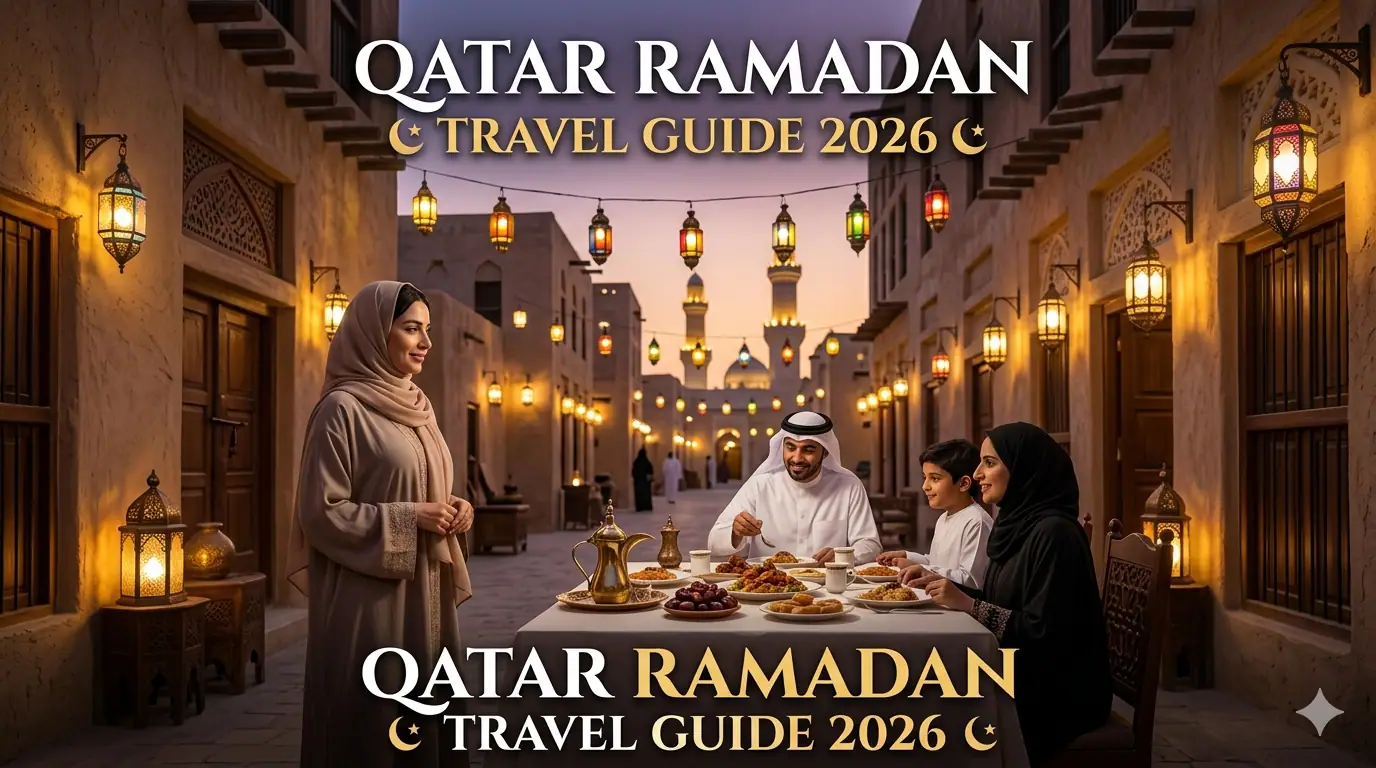
Introduction to Ramadan Travel in Qatar
Ramadan represents one of the most spiritually significant and culturally rich periods in the Islamic calendar, and experiencing this holy month in Qatar offers travelers a unique opportunity to witness authentic traditions, profound hospitality, and a deeply spiritual atmosphere that transforms the entire nation. For tourists considering a visit to Qatar during Ramadan, understanding the nuances of this sacred time is essential for planning a respectful and rewarding journey. This comprehensive guide explores the advantages and challenges of traveling to Qatar during Ramadan, provides detailed information about cultural expectations and legal requirements, and offers practical advice for Bangladeshi travelers and international visitors alike.
Ramadan in Qatar is characterized by altered daily rhythms, with businesses operating on reduced hours, communities gathering for pre-dawn Suhoor meals and sunset Iftar feasts, and nights coming alive with special prayers, cultural events, and family celebrations. While the holy month presents certain restrictions regarding eating, drinking, and public behavior during daylight hours, it also opens doors to extraordinary cultural experiences, including invitation to traditional Iftar tents, special Ramadan markets, nighttime festivals, and the opportunity to witness the generosity and warmth that defines Qatari hospitality during this blessed time.
For Bangladeshi travelers, Qatar during Ramadan holds special significance as both nations share strong Islamic traditions and cultural values. The large Bangladeshi expatriate community in Qatar creates a familiar atmosphere for visitors from Bangladesh, with many restaurants offering traditional Bengali Iftar items alongside Qatari specialties. Whether you are visiting for spiritual reasons, cultural exploration, or business purposes, understanding Ramadan etiquette and planning accordingly will ensure a meaningful and comfortable experience in Qatar during this sacred month.
Understanding Ramadan: The Holy Month in Qatar

Ramadan is the ninth month of the Islamic lunar calendar and commemorates the revelation of the Quran to Prophet Muhammad. During this month, Muslims around the world observe fasting from dawn until sunset, abstaining from food, drink, smoking, and marital relations. The fast is broken each evening with Iftar, traditionally beginning with dates and water following the Prophet's tradition, followed by a full meal shared with family and community. In Qatar, Ramadan is observed with deep devotion and national significance, with the entire country embracing the spiritual atmosphere through modified schedules, increased charitable activities, and enhanced religious programming.
The timing of Ramadan shifts approximately 10 to 11 days earlier each year according to the Gregorian calendar, as it follows the lunar cycle. This means that Ramadan can occur during different seasons, affecting the length of fasting hours. When Ramadan falls during summer months, fasting periods in Qatar can extend to 15 hours or more due to the long daylight hours, while winter Ramadan periods offer shorter fasting durations. The exact start and end dates of Ramadan are determined by moon sighting, with the month concluding with the celebration of Eid al-Fitr, a three-day festival marked by prayers, feasting, gift-giving, and community celebrations.
What Makes Ramadan Special in Qatari Culture
Qatar's observance of Ramadan reflects both traditional Bedouin heritage and modern Islamic practices, creating a unique cultural experience for visitors. The month is characterized by increased mosque attendance, particularly for Taraweeh prayers held each night after Isha prayer, where the entire Quran is recited over the course of the month. Families and communities gather in large tents and majlis settings for Iftar, demonstrating the Qatari value of hospitality and generosity. Many hotels and organizations set up elaborate Iftar buffets featuring traditional Qatari dishes like Harees, Jareesh, Thareed, and Balaleet, alongside international cuisine options.
Charity and giving play central roles during Ramadan in Qatar, with individuals, organizations, and the government launching numerous initiatives to support those in need. The country hosts international food donation drives, sponsors Iftar meals for laborers and low-income families, and increases Zakat distributions. Visitors will notice heightened community spirit, with neighbors sharing meals, businesses offering special Ramadan promotions, and public spaces decorated with traditional lanterns and crescent moon symbols. The nights become particularly vibrant, with Souq Waqif and other traditional markets remaining open late, offering shopping, dining, and cultural entertainment well into the early morning hours.
Pros of Traveling to Qatar During Ramadan

Visiting Qatar during Ramadan offers numerous advantages that make it an attractive time for culturally curious travelers and those seeking spiritual enrichment. One of the most significant benefits is the opportunity to experience authentic Qatari traditions and hospitality at their most genuine. During Ramadan, locals are more inclined to share their culture with visitors, inviting tourists to join Iftar meals, explaining traditions, and creating meaningful cross-cultural connections. The spiritual atmosphere permeates every aspect of life, offering travelers a chance to witness the deep faith and devotion that shapes Qatari society.
Another major advantage is the unique cultural programming and events that occur exclusively during Ramadan. Qatar organizes special nighttime festivals, heritage exhibitions, traditional music performances, and educational lectures about Islamic culture and history. Many museums and cultural sites extend their operating hours into the evening, allowing visitors to explore attractions in cooler temperatures while enjoying special Ramadan-themed exhibitions. The famous Ramadan tents set up by hotels and restaurants offer elaborate Iftar and Suhoor experiences that showcase both traditional Qatari cuisine and international culinary traditions, providing exceptional dining experiences that are not available during other times of the year.
Enhanced Cultural Experiences and Spiritual Atmosphere
The spiritual ambiance during Ramadan creates a peaceful and reflective environment throughout Qatar. Mosques are beautifully illuminated, the call to prayer resonates with special significance, and communities come together in ways that foster unity and compassion. For travelers interested in understanding Islamic culture and values, there is no better time to visit. The month emphasizes patience, gratitude, and empathy for those less fortunate, values that visitors can observe in daily interactions and community initiatives. Many tourists find the experience spiritually enriching, even if they do not observe the fast themselves.
Ramadan also offers practical benefits for travelers, including reduced crowds at major tourist attractions during daylight hours, cooler evening temperatures perfect for outdoor activities, and special shopping promotions at malls and souqs. Hotels often provide attractive Ramadan packages that include Iftar and Suhoor meals, creating excellent value for visitors. The nighttime economy thrives during Ramadan, with extended shopping hours, special entertainment options, and a festive atmosphere that continues well past midnight. For photographers and cultural enthusiasts, the decorated streets, traditional lanterns, and illuminated mosques provide stunning visual opportunities.
Cons and Challenges of Ramadan Travel in Qatar

While Ramadan offers unique cultural experiences, travelers must also be prepared for certain challenges and restrictions that come with visiting during this holy month. The most significant consideration is the requirement to refrain from eating, drinking, smoking, and chewing gum in public spaces during daylight hours. This restriction applies to everyone in Qatar, regardless of religious affiliation, and is enforced by law. Violations can result in fines or even imprisonment, making it essential for tourists to understand and respect these regulations. Non-Muslims must consume food and beverages only in designated private areas or screened-off sections of restaurants that are specifically approved for serving non-fasting individuals.
Business operations during Ramadan follow reduced hours, with most offices, government institutions, and many shops operating on shortened schedules. Typical working hours are reduced by two to three hours, with many businesses closing earlier in the afternoon and reopening late in the evening. This can impact travel planning, as services may be less readily available during traditional business hours. Tourist attractions, museums, and shopping malls adjust their schedules, often opening later in the morning and closing later at night, which requires visitors to adapt their daily routines. For travelers accustomed to conventional schedules, this adjustment period can be challenging.
Practical Limitations and Lifestyle Adjustments
Another consideration is the limited availability of alcohol during Ramadan. Most hotels and licensed venues suspend alcohol service throughout the month, and those that do serve alcohol typically restrict it to non-fasting guests in private areas after sunset. Nightlife options are significantly reduced, with no live music or entertainment in most venues. For travelers who enjoy evening entertainment and social drinking, this represents a substantial change from typical tourist experiences in Qatar. Additionally, the pace of life slows considerably during daylight hours, with many people resting or working at reduced capacity due to fasting, which can affect service levels and responsiveness.
Transportation and traffic patterns also change during Ramadan, with significant congestion occurring in the hours before Iftar as people rush home to break their fast, and again late at night as communities gather for social activities. Finding taxis or ride-sharing services can be more difficult during peak Iftar times. For Bangladeshi travelers and other visitors planning to work or conduct business in Qatar during Ramadan, the shortened working hours and altered schedules require careful planning and flexibility. However, these challenges are generally manageable with proper preparation and cultural sensitivity.
Ramadan Etiquette and Legal Requirements for Tourists

Understanding and respecting Ramadan etiquette is crucial for all visitors to Qatar, as the country maintains strict laws regarding public behavior during the holy month. Non-Muslim tourists are not required to fast, but they must adhere to regulations prohibiting eating, drinking, smoking, and chewing gum in public spaces between dawn and sunset. This includes streets, parks, beaches, public transportation, and most indoor public areas. Violations are taken seriously and can result in fines ranging from 1,000 to 3,000 Qatari Riyals, imprisonment for up to one month, or both. Enforcement is particularly strict in traditional areas and government buildings.
Dress codes become even more important during Ramadan, with expectations for modest attire applying to all public spaces. Both men and women should ensure their shoulders and knees are covered, and clothing should not be tight-fitting or revealing. Women are advised to carry a scarf to cover their hair when visiting mosques or religious sites. Public displays of affection, including holding hands, kissing, or hugging, are inappropriate at all times but especially during Ramadan. Loud music, dancing in public, and rowdy behavior are considered disrespectful and should be avoided. Visitors should speak in moderate tones and maintain a respectful demeanor in all public interactions.
Where and When Can Tourists Eat During Daylight Hours
Despite the restrictions, tourists can still access food and beverages during daylight hours through designated channels. Many hotels operate screened-off restaurants or room service specifically for non-fasting guests, allowing tourists to eat in privacy without violating public decency laws. Some international hotels and restaurants in tourist areas have obtained special permits to serve non-Muslim customers during fasting hours, though these areas are typically separated from public view by curtains, partitions, or separate entrances. Food delivery services like Talabat and Snoonu continue to operate normally, allowing tourists to order meals to their hotel rooms or private accommodations.
It is important to note that eating or drinking in your vehicle, even in a parked car, is considered a public offense during Ramadan daylight hours. Tourists should plan their meals carefully, either eating before dawn, utilizing hotel facilities, or waiting until sunset. Many restaurants offer special pre-Iftar set menus that allow guests to dine before the fasting period begins. Once the Maghrib prayer call signals sunset, all restrictions are lifted, and normal dining and social activities resume. Understanding these guidelines and planning accordingly will help tourists avoid legal issues while showing respect for local customs and religious observances.
Visa Requirements and Entry Procedures for Bangladesh Citizens

Bangladeshi citizens planning to visit Qatar during Ramadan must secure appropriate travel documentation before departure. Bangladesh passport holders are eligible for visa on arrival in Qatar, provided they meet specific requirements including a passport valid for at least six months, confirmed return or onward tickets, confirmed hotel reservations, and proof of sufficient funds for the duration of stay. The visa on arrival typically allows a stay of up to 30 days and can be extended for an additional 30 days. However, during peak travel periods like Ramadan and Eid, it is advisable to apply for a visa in advance through the Qatar Ministry of Interior website or authorized travel agencies to avoid potential delays or complications.
For Bangladeshi travelers visiting Qatar during Ramadan, additional considerations include ensuring travel insurance coverage, having proof of vaccination if required, and preparing documentation that demonstrates the purpose of visit. Tourists should carry copies of their hotel bookings, flight itineraries, and emergency contact information. Those planning to attend special Ramadan events or visit family and friends should have invitation letters or event confirmations readily available. The visa on arrival process at Hamad International Airport is generally efficient, but travelers should allow sufficient time for immigration procedures, especially during busy periods when increased tourist arrivals coincide with residents returning from abroad for Eid celebrations.
Flight Options and Travel Routes from Bangladesh to Qatar
Multiple airlines operate direct flights between Dhaka and Doha, providing convenient travel options for Bangladeshi tourists. Qatar Airways, the national carrier, offers several daily flights with typical journey times of approximately 4 to 5 hours. Biman Bangladesh Airlines also operates regular services on this route. During Ramadan, flight frequencies may increase to accommodate higher demand from travelers visiting family, performing Umrah, or engaging in tourism. It is advisable to book flights well in advance, as prices tend to rise closer to Ramadan and seats fill quickly, particularly for travel during the last ten days of Ramadan and the Eid holiday period.
Travelers should consider timing their arrival in Qatar to coincide with evening hours, allowing them to check into accommodations and have their first meal without navigating public spaces while fasting. Many hotels offer special Ramadan check-in packages that include Iftar meals, making arrival during this time particularly convenient. For those connecting through other Gulf cities, ensure that layover arrangements comply with Ramadan regulations, as restrictions on eating and drinking in public apply throughout the region. Transit passengers should verify whether their layover terminal has designated dining areas for non-fasting travelers.
Best Time to Visit Qatar During Ramadan: Timing and Duration

The timing of Ramadan varies each year according to the Islamic lunar calendar, shifting approximately 10 to 11 days earlier annually in the Gregorian calendar. For 2026, Ramadan is expected to begin around February 17 and conclude around March 18, though exact dates depend on moon sighting. When Ramadan occurs during winter months, as it will in 2026, fasting hours are shorter, typically ranging from 12 to 13 hours, making the experience more comfortable for both observers and tourists. The weather during this period is mild and pleasant, with daytime temperatures averaging 20 to 25 degrees Celsius and cooler evenings ideal for outdoor activities and nighttime exploration.
The last ten days of Ramadan hold special spiritual significance, as they include Laylat al-Qadr, the Night of Power, which commemorates the first revelation of the Quran. This period sees intensified religious observance, with many people spending nights in prayer and reflection. Tourist attractions may have altered hours, and some businesses close entirely during the final days leading up to Eid al-Fitr. For travelers seeking to experience the spiritual height of Ramadan, visiting during these final ten days offers profound cultural insights, though it requires greater flexibility and understanding of local priorities. Conversely, those preferring more conventional tourist experiences might choose to visit during the first two weeks of Ramadan when normal activities continue with fewer disruptions.
Planning Your Visit Around Eid al-Fitr Celebrations
Eid al-Fitr, the festival marking the end of Ramadan, is a major celebration in Qatar featuring three days of public holidays, special prayers, family gatherings, and festive activities. For tourists, Eid presents both opportunities and challenges. On the positive side, the celebrations offer spectacular cultural experiences including traditional performances, fireworks displays, special markets, and community events. Many hotels and tourist attractions organize special Eid programs featuring entertainment, dining experiences, and activities for families. The atmosphere is joyful and welcoming, with Qataris eager to share their celebrations with visitors.
However, travelers should be aware that many businesses, government offices, and some tourist facilities close during Eid holidays, particularly on the first day. Transportation services may operate on reduced schedules, and popular attractions can become extremely crowded with local families and tourists alike. Accommodation prices often increase during this peak period, and availability becomes limited. For Bangladeshi travelers, it is important to note that many expatriate workers take time off during Eid to celebrate with family, which can affect service levels in restaurants, hotels, and tourist sites. Planning ahead, booking accommodations and activities well in advance, and maintaining flexibility in your itinerary will help ensure a smooth and enjoyable Eid experience in Qatar.
Where to Eat: Iftar and Suhoor Experiences for Tourists

One of the highlights of visiting Qatar during Ramadan is the opportunity to experience authentic Iftar and Suhoor meals, which showcase the richness of Qatari cuisine and the generosity of local hospitality. Iftar, the meal that breaks the fast at sunset, traditionally begins with dates and laban or water, following the Sunnah of Prophet Muhammad. This is followed by a variety of appetizers including soups, salads, and savory pastries, before progressing to main courses featuring traditional dishes. Many hotels, restaurants, and cultural centers set up elaborate Iftar buffets or tents offering extensive selections of local and international cuisine, creating memorable dining experiences for tourists.
Traditional Qatari Iftar dishes include Harees, a wheat and meat porridge slow-cooked to creamy perfection; Jareesh, crushed wheat cooked with meat and spices; Thareed, a bread and meat stew similar to a savory pudding; and Balaleet, sweet vermicelli topped with omelet, typically served for Suhoor but also enjoyed at Iftar. Grilled meats, machboos spiced rice dishes, fresh salads, and an array of mezze complement these traditional offerings. For dessert, visitors can enjoy Luqaimat, sweet dumplings drizzled with date syrup; Umm Ali, a rich bread pudding; and fresh fruits. Arabic coffee and tea are served throughout the meal, along with traditional beverages like Jallab, a date syrup drink with pine nuts, and Kamar al-Din, apricot juice.
Recommended Iftar Venues and Ramadan Tents in Doha
Doha offers numerous exceptional venues for experiencing Iftar during Ramadan, ranging from traditional settings to luxury hotel buffets. Souq Waqif features several traditional restaurants and majlis-style dining areas where tourists can enjoy authentic Qatari and Arabic cuisine in a historic atmosphere. The Al Fanar Restaurant and Café offers traditional decor and menu items that provide an immersive cultural experience. Many five-star hotels including The Ritz-Carlton, Four Seasons, Sheraton Grand Doha, and InterContinental Doha set up elaborate Ramadan tents with extensive buffets, live cooking stations, traditional entertainment, and stunning views of the city or waterfront.
For Bangladeshi travelers seeking familiar flavors, several restaurants in Doha offer traditional Bengali Iftar items including pitha, cholar dal, beguni, and various fritters alongside Qatari specialties. Areas with significant South Asian populations, such as Al Ghanim and Old Airport, feature restaurants serving authentic Bangladeshi and Indian Iftar meals at affordable prices. Many mosques and charitable organizations distribute free Iftar meals to the public, and tourists are welcome to participate in these community iftars, which provide opportunities for cultural exchange and experiencing local generosity firsthand. It is advisable to make reservations in advance for popular Iftar venues, especially during weekends and the last ten days of Ramadan.
Cultural Activities and Nighttime Entertainment During Ramadan

While daytime activities may be limited during Ramadan, the nights in Qatar come alive with cultural programming, entertainment, and social gatherings that offer tourists unique experiences not available during other times of the year. After Iftar and Taraweeh prayers, typically from 9 PM onwards, shopping malls, souqs, and cultural sites extend their operating hours, often remaining open until midnight or later. Souq Waqif becomes particularly vibrant, with traditional music performances, henna artists, street food vendors, and bustling marketplaces offering everything from spices and textiles to handicrafts and souvenirs. The atmosphere is festive yet respectful, with families enjoying evening outings and visitors exploring the rich cultural heritage.
Many cultural institutions organize special Ramadan programs including heritage exhibitions, traditional craft workshops, storytelling sessions, and educational lectures about Islamic history and Qatari traditions. The Museum of Islamic Art, Qatar National Museum, and Mathaf Arab Museum of Modern Art often feature extended evening hours and special exhibitions during Ramadan. Katara Cultural Village hosts nightly events including traditional music concerts, poetry recitals, art exhibitions, and cultural performances that showcase both Qatari heritage and international artistic traditions. These events provide excellent opportunities for tourists to deepen their understanding of Islamic culture and Qatari society while enjoying high-quality entertainment in beautiful settings.
Night Markets, Shopping, and Ramadan-Specific Events
Ramadan nights in Qatar feature special markets and shopping experiences that attract both residents and tourists. The Ramadan Night Market, typically held at large venues like the Qatar Exhibition Centre, offers hundreds of stalls selling clothing, accessories, home goods, electronics, and traditional items at competitive prices. This market becomes a popular evening destination for families, featuring food courts, children's entertainment, and cultural performances. Traditional Ramadan lanterns, known as fanoos, are prominently displayed and sold throughout the city, creating beautiful decorative displays that enhance the festive atmosphere.
Many hotels and venues organize special Ramadan-themed events including Ghabga, a traditional late-night meal enjoyed between Iftar and Suhoor, featuring buffet dining and social gatherings. These events often include traditional entertainment such as Tanoura dance performances, Arabic music, and storytelling. For tourists interested in photography, the illuminated mosques, decorated streets, and traditional lanterns provide stunning visual opportunities, particularly during the blue hour after sunset. Desert camps also offer special Ramadan experiences, combining traditional Bedouin hospitality with Iftar meals, stargazing, and cultural activities under the desert sky.
Sample Itinerary for Ramadan Travel in Qatar

A well-planned itinerary for visiting Qatar during Ramadan should account for altered schedules, respect fasting hours, and maximize nighttime cultural experiences. A typical 5 to 7-day itinerary might begin with arrival in the evening, allowing tourists to check into accommodations and enjoy Iftar without navigating public spaces while fasting. Day 1 could focus on settling in, attending a traditional Iftar at a hotel or cultural venue, and exploring the nighttime atmosphere of Souq Waqif. Day 2 might include a late morning visit to the Museum of Islamic Art or Qatar National Museum, followed by rest during afternoon fasting hours, and evening attendance at Taraweeh prayers at a historic mosque, then dinner at a traditional restaurant.
Day 3 could feature a desert safari experience, with departure timed to return for Iftar at a desert camp offering traditional Bedouin hospitality and stunning sunset views. Day 4 might focus on cultural immersion, visiting Katara Cultural Village during evening hours for exhibitions and performances, followed by Ghabga at a traditional venue. Day 5 could include shopping at Ramadan Night Market, visiting The Pearl Qatar for waterfront dining, and experiencing the modern side of Doha's Ramadan celebrations. For travelers staying longer, additional days might include day trips to Al Zubarah Archaeological Site, visits to traditional dhow harbors, or participation in charitable Iftar initiatives.
Daily Schedule Adjustments During Ramadan
Tourists must adapt their daily routines to align with Ramadan schedules. Mornings typically begin later, as many businesses do not open until 10 AM or later. The hours between 10 AM and 3 PM are suitable for indoor activities such as museum visits, shopping in air-conditioned malls, or spa treatments. However, tourists should avoid eating, drinking, or smoking in public during these hours. The period between 3 PM and sunset is best spent resting at accommodations or in private spaces, as energy levels throughout the city decline and many people prepare for Iftar. Traffic becomes heavy in the hour before sunset as people rush home.
Evening activities commence after Iftar, typically from 8 PM onwards, when the city becomes most active. This is the optimal time for outdoor exploration, shopping, dining, and cultural events. Many attractions remain open until midnight or later, allowing tourists to experience Qatar's rich offerings in comfortable evening temperatures. Suhoor, the pre-dawn meal, is typically consumed between 11 PM and 3 AM, with many restaurants and hotels offering special Suhoor buffets or menus. Tourists can participate in Suhoor experiences to enjoy traditional late-night dining and socializing, though this requires adjusting sleep schedules to accommodate late nights and potentially early mornings if planning daytime activities.
Accommodation Options and Ramadan Hotel Packages

Qatar offers diverse accommodation options for tourists visiting during Ramadan, ranging from luxury five-star hotels to budget-friendly guesthouses, with many properties offering special Ramadan packages that provide excellent value. Luxury hotels in West Bay, The Pearl, and city center locations typically feature elaborate Iftar and Suhoor buffets, extended dining hours, and special entertainment programming. These hotels often create dedicated Ramadan tents or majlis settings with traditional decor, live music, and cultural performances. Packages frequently include daily Iftar and Suhoor meals, late checkout options, and discounts on spa services or other hotel amenities, making them attractive for tourists seeking comprehensive Ramadan experiences.
Mid-range hotels and serviced apartments provide comfortable accommodations with more modest Iftar and Suhoor options, often at competitive prices. These properties are particularly suitable for families and longer stays, offering kitchen facilities that allow tourists to prepare their own meals if preferred. Budget accommodations and guesthouses, concentrated in areas like Al Ghanim and Old Doha, provide basic but clean facilities at affordable rates, though they may not offer on-site dining options. Tourists staying at budget properties should plan their Iftar and Suhoor meals at nearby restaurants or through food delivery services.
Recommended Hotels with Special Ramadan Offerings
Several hotels in Doha are particularly renowned for their Ramadan hospitality and special programming. The Ritz-Carlton Doha offers an elegant Ramadan tent with panoramic city views, extensive international and traditional buffets, and live entertainment. Four Seasons Hotel Doha features beachfront Iftar experiences with traditional Arabic cuisine and stunning Arabian Gulf views. Sheraton Grand Doha, an iconic landmark, hosts popular Iftar and Suhoor events in its traditional majlis setting. InterContinental Doha offers family-friendly Ramadan packages with activities for children and extensive dining options.
For tourists seeking authentic traditional experiences, boutique hotels and heritage properties in Souq Waqif and Msheireb Downtown Doha provide intimate settings with traditional Qatari architecture and personalized service. These properties often organize special cultural activities including traditional coffee ceremonies, henna application, and storytelling sessions. Bangladeshi travelers may also consider hotels in areas with significant South Asian communities, where nearby restaurants offer familiar cuisine and where fellow Bangladeshi tourists and expatriates create a welcoming atmosphere. Regardless of accommodation choice, booking well in advance is essential during Ramadan, as demand increases significantly, particularly for properties offering comprehensive Iftar and Suhoor packages.
Costs and Budget Planning for Ramadan Travel

Traveling to Qatar during Ramadan can vary significantly in cost depending on accommodation choices, dining preferences, and activity selections. Budget travelers can manage with approximately 400 to 600 QAR per day, covering budget accommodation, meals at affordable restaurants or food courts, public transportation, and free or low-cost attractions. However, this requires careful planning and primarily utilizing public dining options after sunset. Mid-range travelers should budget 800 to 1,200 QAR per day for comfortable hotels, Iftar and Suhoor at mid-range restaurants, taxi or ride-sharing services, and paid cultural experiences. This budget level allows for a more comfortable and flexible experience while still maintaining cost consciousness.
Luxury travelers may spend 2,000 QAR or more per day on premium hotels, elaborate Iftar and Suhoor buffets at five-star venues, private transfers, exclusive cultural experiences, and shopping. Ramadan packages at luxury hotels often provide better value than booking services separately, as they bundle accommodation, meals, and amenities at discounted rates. Flight costs from Bangladesh to Qatar during Ramadan tend to be higher than other times of year, particularly for travel during the week before Ramadan begins and the days leading up to Eid al-Fitr. Booking flights and accommodations at least two to three months in advance can result in significant savings.
Money-Saving Tips for Ramadan Travel
Tourists can reduce expenses during Ramadan by taking advantage of free cultural events and activities that are abundant during this month. Many mosques, cultural centers, and public spaces host complimentary Iftar meals, lectures, and performances that provide authentic experiences without cost. Visiting traditional souqs rather than luxury shopping malls for souvenirs and gifts can yield better prices and more unique items. Public transportation through the Doha Metro is affordable and efficient, with single journeys costing between 2 and 6 QAR, making it a cost-effective alternative to taxis.
Dining at local restaurants and cafeterias rather than hotel buffets can significantly reduce food costs while providing authentic culinary experiences. Many restaurants offer special Ramadan set menus at fixed prices that provide good value. Shopping at Ramadan Night Markets often yields better prices than regular retail stores, and bargaining is acceptable in traditional market settings. For Bangladeshi travelers, preparing some meals in accommodation with kitchen facilities, or dining at South Asian restaurants offering affordable Iftar boxes, can help manage budgets while still enjoying satisfying meals.
Safety Tips and Health Considerations During Ramadan

Qatar maintains excellent safety standards and is considered one of the safest destinations in the Middle East for tourists, including during Ramadan. Crime rates are low, and the country has efficient emergency services and modern healthcare facilities. However, travelers should exercise standard precautions such as securing valuables, using hotel safes, and being aware of surroundings, particularly in crowded areas like souqs and markets. During Ramadan, the risk of dehydration and heat exhaustion increases for those not fasting, as tourists may be tempted to quickly consume food and water after sunset or may not maintain adequate hydration during non-fasting hours.
Health considerations during Ramadan include managing dietary changes, as Iftar meals can be rich and heavy, potentially causing digestive discomfort for those unaccustomed to such eating patterns. Tourists should pace themselves when enjoying Iftar buffets, starting with lighter items like soups and salads before progressing to main courses. The shift to late-night eating and sleeping patterns can disrupt circadian rhythms and cause fatigue, so travelers should allow time for rest and adjustment. Those with medical conditions requiring regular medication or meal schedules should consult healthcare providers before traveling during Ramadan and ensure they have adequate medication supplies.
Emergency Contacts and Healthcare Access
Tourists in Qatar have access to world-class healthcare facilities, including Hamad Medical Corporation hospitals and clinics that operate 24/7 emergency services. Private hospitals like Sidra Medicine, Cleveland Clinic Abu Dhabi (with partnerships in Qatar), and various specialized clinics also provide high-quality care. Health insurance is mandatory for all visitors to Qatar, and tourists should ensure their coverage includes medical treatment, emergency evacuation, and repatriation. In case of medical emergencies, dial 999 for ambulance services, or 112 for general emergency assistance.
During Ramadan, some clinics and non-emergency medical services may operate on reduced hours, so tourists should verify availability before seeking routine medical care. Pharmacies remain open, though hours may be adjusted, with many operating 24 hours or extended evening schedules to serve those breaking fast. Tourists should carry a basic first aid kit including medications for common ailments, as some over-the-counter medications available in Bangladesh may require prescriptions in Qatar. Respect for cultural sensitivities extends to healthcare settings, where modest dress and gender preferences for healthcare providers should be communicated when making appointments.
Conclusion: Making the Most of Your Ramadan Journey to Qatar

Traveling to Qatar during Ramadan offers a profound and enriching experience that goes far beyond typical tourism, providing opportunities for cultural immersion, spiritual reflection, and meaningful connections with local communities. While the holy month presents certain challenges including public fasting requirements, altered schedules, and the need for heightened cultural sensitivity, the rewards of experiencing Ramadan in Qatar far outweigh these considerations for respectful and prepared travelers. The warmth of Qatari hospitality, the beauty of traditional customs, the vibrancy of nighttime celebrations, and the spiritual atmosphere that permeates the nation create memories that last a lifetime.
For Bangladeshi travelers, Qatar during Ramadan offers familiar Islamic traditions blended with unique Qatari cultural expressions, creating a comfortable yet exciting destination for spiritual and cultural exploration. By understanding and respecting local customs, planning activities around Ramadan schedules, embracing the opportunity to participate in Iftar and Suhoor traditions, and maintaining flexibility and patience, tourists can navigate any challenges while maximizing the extraordinary experiences this holy month offers. Whether you are seeking spiritual growth, cultural education, culinary adventures, or simply a different perspective on travel, Qatar during Ramadan delivers an unforgettable journey that celebrates faith, community, and human connection in one of the world's most welcoming destinations.
0 Comments