.webp)
.webp)
Traveling with Infants to Saudi Arabia Logistics Health and Family Services 2026
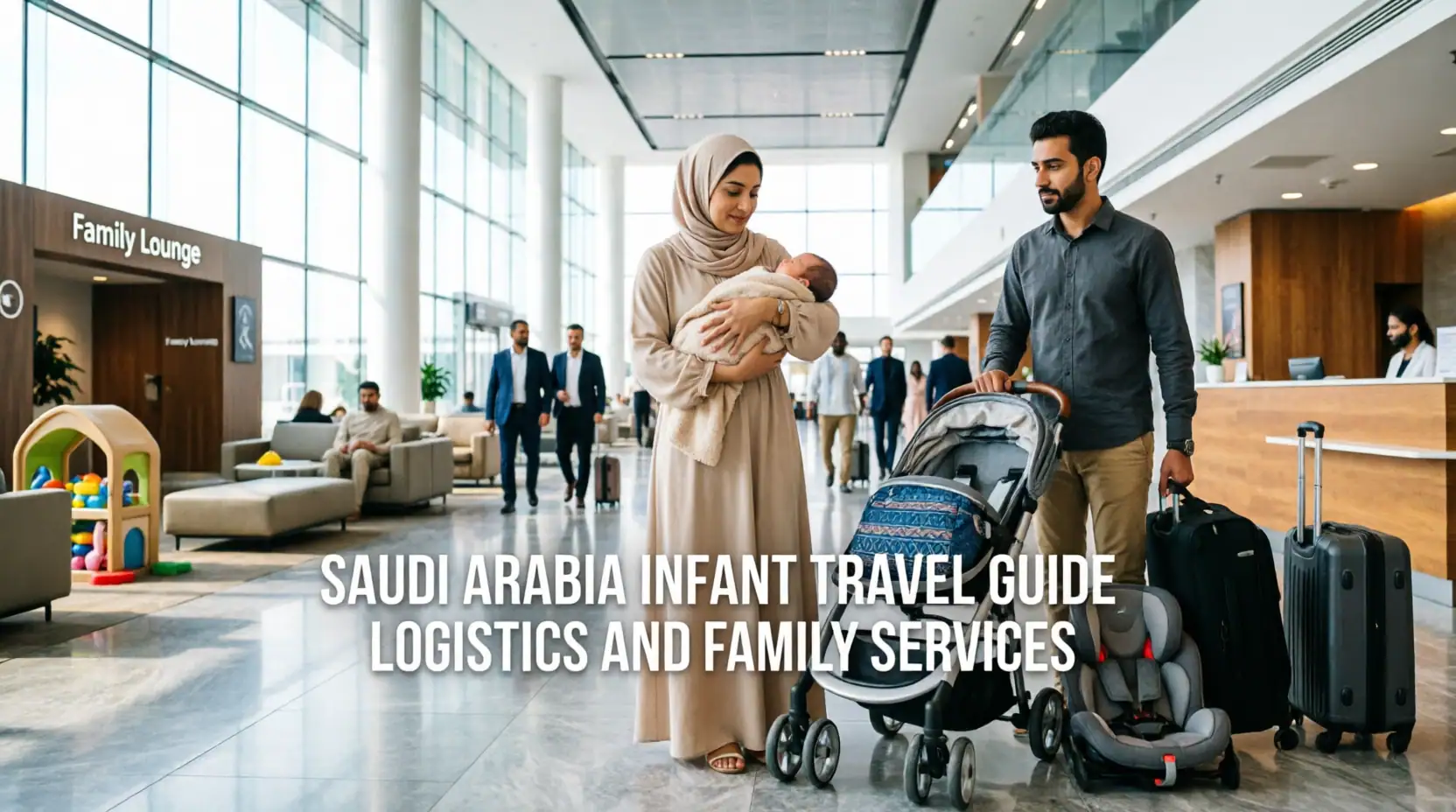
Traveling with Infants to Saudi Arabia Logistics Health and Family Services 2026
Saudi Arabia has transformed dramatically in recent years welcoming families and international visitors with improved infrastructure and family-focused services. Traveling with infants to the kingdom requires careful planning but offers rewarding cultural experiences for adventurous families.
Understanding entry requirements, health considerations, and available family services ensures smooth journeys with young children. Saudi Arabia's Vision 2030 initiatives have prioritized tourism development including family-friendly accommodations and facilities.
This comprehensive 2026 guide addresses every aspect of infant travel to Saudi Arabia. From visa requirements and vaccination protocols to finding baby supplies and pediatric care, you will discover how to navigate the kingdom confidently with your youngest traveler.
Whether visiting for religious pilgrimage, business, or cultural exploration, proper preparation transforms potential challenges into manageable logistics. Families who plan thoroughly enjoy Saudi Arabia's hospitality and unique experiences with infants.
Entry Requirements and Documentation for Infants

Saudi Arabia requires specific documentation for infant travelers that differs from adult requirements. Understanding these protocols before departure prevents delays and complications at immigration checkpoints.
Infants require their own passports regardless of age. Many countries issue passports for newborns though processing times vary. Apply for infant passports well in advance of travel dates.
Visa requirements apply to infants just as they do to adults. Most international visitors require tourist visas, business visas, or pilgrimage visas depending on travel purpose. Electronic visa platforms simplify applications for families.
Birth certificates may be requested to verify parental relationships particularly when traveling with one parent. Carry certified copies and consider translation into Arabic for smoother processing.
Visa Application Process for Infant Travelers
Saudi Arabia's electronic visa platform accepts applications for travelers of all ages including infants. Complete separate applications for each family member even when traveling together.
Required documents for infant visa applications include passport copies, birth certificates, parental consent documentation, and travel itineraries. Digital uploads streamline the process though physical copies remain essential for travel.
Processing times typically range from 24 hours to several days depending on visa type and application volume. Submit infant applications alongside adult family members to ensure coordinated approval.
Visa fees apply to infants though some categories offer reduced rates for young children. Verify current fee structures through official Saudi government channels before applying.
Passport and Identification Requirements
Infant passports must remain valid for the entire duration of stay in Saudi Arabia. Some airlines enforce stricter requirements requesting six months validity beyond travel dates.
Passport photos for infants follow specific guidelines including neutral expressions and unobstructed faces. Professional photographers experienced with infant documentation produce acceptable images.
Carry multiple photocopies of infant passports separate from originals. These backups facilitate replacement if documents are lost or stolen during travel.
Digital copies stored securely in cloud storage provide additional backup accessible from any internet connection. This redundancy proves valuable during international travel.
Health Preparations and Vaccination Requirements

Infant health preparation forms the foundation of successful travel to Saudi Arabia. The kingdom's climate, disease environment, and healthcare system require specific considerations for young travelers.
Yellow fever vaccination certificates are mandatory for travelers arriving from countries with yellow fever transmission risk. While infants under nine months typically receive exemptions, carry documentation of age and origin.
Routine childhood vaccinations should be current before international travel. Consult pediatricians about accelerating schedules when travel dates conflict with standard vaccination timelines.
Additional recommended vaccinations for Saudi Arabia travel include hepatitis A, hepatitis B, and meningitis. Discuss age-appropriate options with travel medicine specialists familiar with infant immunization.
Essential Vaccinations for Infant Travelers
Hepatitis A vaccination protects against food and waterborne illness common in travel destinations. The vaccine series begins at 12 months though immune globulin offers temporary protection for younger infants.
Meningitis vaccination proves important particularly during pilgrimage seasons when crowds increase transmission risk. Age-specific formulations exist for infants as young as two months.
Routine immunizations including DTaP, polio, and pneumococcal vaccines should be updated before travel. These protections guard against diseases with different prevalence patterns internationally.
Carry infant vaccination records in original and translated formats. Immigration officials or healthcare providers may request documentation during travel or medical encounters.
Travel Health Kit for Infants
Assemble a comprehensive infant travel health kit including fever reducers, oral rehydration salts, infant acetaminophen, and prescribed medications. Pack quantities exceeding anticipated needs to accommodate delays.
Include infant-specific items like nasal aspirators, saline drops, teething remedies, and diaper rash cream. These supplies address common travel discomforts for young children.
Thermometers designed for infant use provide accurate temperature monitoring. Digital models with flexible tips suit various measurement methods appropriate for different ages.
Carry medications in original packaging with prescribing information. This documentation facilitates customs clearance and medical care if needed during travel.
Transportation Logistics with Infants

Navigating Saudi Arabia with infants requires understanding transportation options, safety regulations, and practical considerations for young passengers. Planning ahead ensures comfortable and secure travel throughout the kingdom.
Air travel to Saudi Arabia involves long flights for most international visitors. Selecting appropriate seating, managing infant comfort, and preparing for airport procedures reduces travel stress for families.
Ground transportation within Saudi Arabia includes taxis, ride-hailing services, rental cars, and private transfers. Each option presents different considerations for infant safety and convenience.
Car seat regulations in Saudi Arabia require appropriate restraint systems for young children. Understanding local laws and availability of equipment prevents compliance issues during travel.
Air Travel Considerations for Infants
Airlines offer various infant travel options including lap seating, bassinet seats, and purchased seats with car seats. Evaluate costs and comfort when selecting arrangements for your infant.
Bassinet seats provide flat sleeping surfaces for infants on long-haul flights. Request these seats during booking though availability depends on aircraft configuration and advance notice.
Carry-on allowances for infant travel typically include additional bags for diapers, formula, and baby supplies. Verify airline policies before packing to maximize permitted items.
Security screening procedures accommodate infant needs including formula, breast milk, and medications exceeding standard liquid limits. Declare these items to expedite inspection processes.
Ground Transportation and Car Seat Requirements
Saudi Arabia requires appropriate child restraint systems for infants and young children in vehicles. Rental car companies may provide car seats though availability and quality vary significantly.
Bringing your own car seat ensures familiarity, proper fit, and hygiene standards you trust. Check airline policies for checking car seats and consider travel bags for protection.
Ride-hailing services like Uber and Careem operate in major Saudi cities. Request vehicles with car seat compatibility and confirm driver acceptance of infant passengers when booking.
Taxi services in Saudi Arabia rarely provide car seats. Families traveling with infants should plan alternative transportation or bring portable restraint solutions for short trips.
Accommodation Options for Families with Infants

Saudi Arabia offers diverse accommodation options suitable for families traveling with infants. Understanding amenities, services, and location considerations helps select appropriate lodging for young travelers.
International hotel chains in major cities typically provide family-friendly services including cribs, high chairs, and babysitting referrals. These amenities simplify travel logistics for parents.
Apartment-style accommodations offer kitchen facilities for preparing infant meals and storing supplies. Self-catering options provide flexibility for families with specific dietary needs.
Location selection impacts convenience for infant care. Proximity to medical facilities, pharmacies, and grocery stores proves valuable when traveling with young children.
Hotel Amenities for Infant Travelers
Request cribs or pack-n-plays when booking accommodations. Many Saudi hotels provide these items though advance notice ensures availability and appropriate condition.
High chairs in hotel restaurants facilitate infant feeding during family meals. Confirm availability when making dining reservations or selecting accommodation.
Babysitting services through hotels or reputable agencies provide parents opportunities for adult activities. Verify caregiver qualifications and references before engaging services.
Laundry facilities or services prove essential for managing infant clothing and supplies during extended stays. Plan accommodation selection with this practical consideration in mind.
Apartment and Serviced Residence Options
Serviced apartments offer kitchenettes for preparing infant formula, baby food, and family meals. This flexibility supports dietary needs and reduces dining-out expenses.
Separate sleeping areas in apartment accommodations allow parents and infants different sleep schedules without mutual disturbance. This arrangement supports better rest for all family members.
Refrigeration capacity enables storage of breast milk, formula, and perishable baby foods. Verify appliance specifications when booking extended-stay accommodations.
Washing machines in apartments simplify management of infant laundry. This amenity proves particularly valuable for families traveling with limited clothing quantities.
Finding Baby Supplies and Infant Essentials

Access to infant supplies significantly impacts travel comfort and feasibility. Saudi Arabia's retail infrastructure provides many baby products though availability of specific brands may vary.
Major cities including Riyadh, Jeddah, and Dammam feature modern shopping centers with dedicated baby sections. International brands and local products offer diverse options for infant care.
Pharmacies throughout Saudi Arabia stock infant medications, hygiene products, and health supplies. Pharmacists often speak English and provide guidance on product selection.
Online delivery services expand access to baby supplies particularly in areas with limited retail options. Understanding delivery timelines and service areas supports planning.
Formula and Baby Food Availability
International infant formula brands including Similac, Enfamil, and Aptamil are available in Saudi Arabia. Major supermarkets and pharmacy chains stock these products though specific formulations may vary.
Carry sufficient formula for your journey plus emergency reserves. Supply chain variations or travel delays could temporarily limit access to preferred brands.
Baby food options include international brands and local products. Pureed fruits, vegetables, and cereals are widely available though flavor profiles may differ from home country preferences.
Prepare for potential formula preparation challenges including water quality considerations and equipment availability. Portable bottle warmers and water purification tools support infant feeding during travel.
Diapers and Hygiene Products
Major diaper brands including Pampers, Huggies, and local alternatives are available throughout Saudi Arabia. Sizes and product lines may differ from home country offerings.
Carry initial supplies for your journey and plan to purchase additional quantities locally. This approach balances luggage weight with supply security.
Baby wipes, diaper rash cream, and bathing supplies are widely available. International brands and local products offer options for different preferences and budgets.
Consider environmental factors including heat and humidity when selecting hygiene products. Saudi Arabia's climate may affect product performance and infant comfort.
Healthcare Access and Pediatric Services

Understanding healthcare options for infants in Saudi Arabia provides peace of mind during family travel. The kingdom offers quality medical care though navigating systems requires preparation.
Major cities feature hospitals with pediatric departments and English-speaking staff. Private healthcare facilities typically provide higher service levels than public institutions.
Travel insurance with pediatric coverage proves essential for infant travelers. Verify policy details including emergency care, hospitalization, and medical evacuation provisions.
Identify healthcare facilities near your accommodation before travel begins. Having this information readily available facilitates rapid response if medical needs arise.
Finding Pediatric Care in Saudi Arabia
International hospitals in Riyadh, Jeddah, and other major cities offer pediatric services with English-speaking physicians. These facilities cater to expatriate and international patient populations.
Hotel concierge services can recommend nearby pediatric clinics and hospitals. Staff familiarity with family traveler needs proves valuable for healthcare navigation.
Embassy and consular resources maintain lists of English-speaking healthcare providers. These contacts support travelers requiring medical assistance during their stay.
Telemedicine services may provide initial consultation for minor concerns. Verify coverage and availability through your travel insurance or healthcare provider before travel.
Emergency Medical Considerations
Emergency services in Saudi Arabia can be reached through unified numbers including 997 for ambulance services. Save these contacts in your phone and share with travel companions.
Medical evacuation coverage proves important for serious infant health issues. Remote locations or complex conditions may require transport to advanced care facilities.
Carry infant medical information including allergies, medications, and health conditions in both written and digital formats. This documentation facilitates care during emergencies.
Understand insurance claim procedures before travel begins. Knowing documentation requirements and contact processes streamlines post-care administrative tasks.
Climate Considerations and Infant Comfort

Saudi Arabia's climate presents specific challenges for infant travelers. Understanding temperature patterns, sun exposure risks, and comfort strategies supports healthy travel experiences.
Extreme heat during summer months requires careful planning for outdoor activities. Infants have limited temperature regulation capacity requiring extra protection from heat stress.
Indoor environments typically feature air conditioning providing relief from outdoor temperatures. Transitioning between extreme temperature differences requires attention to infant comfort.
Seasonal variations affect travel planning with cooler months offering more comfortable conditions for infant outdoor activities. Timing visits appropriately enhances family travel experiences.
Heat Management for Infants
Dress infants in lightweight, breathable clothing that covers skin while allowing air circulation. Light colors reflect sunlight reducing heat absorption.
Wide-brimmed hats and sun-protective clothing shield infants from intense solar radiation. Saudi Arabia's equatorial location creates strong UV exposure requiring consistent protection.
Maintain hydration through frequent feeding for breastfed or formula-fed infants. Older infants may benefit from small amounts of water in addition to regular nutrition.
Limit outdoor exposure during peak heat hours typically between 10 AM and 4 PM. Plan activities for cooler morning or evening periods when possible.
Sun Protection Strategies
Infant-safe sunscreen with appropriate SPF protects exposed skin areas. Consult pediatricians about age-appropriate products and application guidelines.
Strollers with sun canopies provide portable shade during outdoor activities. Additional covers or umbrellas enhance protection during extended outdoor periods.
Seek air-conditioned environments during hottest parts of the day. Shopping centers, museums, and hotels offer comfortable refuges from extreme heat.
Monitor infants for signs of heat stress including excessive fussiness, flushed skin, or unusual lethargy. Prompt response to early symptoms prevents serious complications.
Cultural Considerations for Family Travel

Saudi Arabia's cultural context influences family travel experiences including infant care practices and public interactions. Understanding local customs enhances comfort and respect during visits.
Family-oriented culture in Saudi Arabia generally welcomes children in public spaces. Restaurants, malls, and attractions typically accommodate families with infants.
Modest dress expectations apply to all family members including infants. Lightweight clothing covering arms and legs satisfies cultural norms while maintaining infant comfort.
Prayer times affect business hours and public activity throughout Saudi Arabia. Planning infant care around these schedules supports smoother travel experiences.
Nursing and Feeding in Public
Breastfeeding in public is generally accepted in Saudi Arabia particularly in family-oriented spaces. Many malls and airports provide dedicated nursing rooms for privacy and comfort.
Carry lightweight covers or scarves for nursing discretion if preferred. These items provide flexibility for varying comfort levels in different settings.
Bottle feeding presents no cultural concerns in Saudi Arabia. Prepare formula with safe water sources and maintain hygiene standards during preparation.
Family restaurants typically accommodate infant feeding needs including high chairs and space for strollers. Confirm amenities when making reservations for dining.
Family Spaces and Facilities
Shopping malls in Saudi Arabia feature family sections with enhanced privacy and amenities. These areas provide comfortable environments for infant care and family activities.
Changing facilities are available in major retail locations, airports, and tourist attractions. Carry portable changing pads for situations where dedicated facilities are unavailable.
Prayer rooms in public spaces often include family sections accommodating parents with young children. These areas provide quiet spaces for infant care during religious observance periods.
Hotels and resorts increasingly offer family-focused amenities including kids clubs and family pools. Verify age-appropriate options when selecting accommodations for infant travelers.
Practical Tips for Stress-Free Infant Travel

Successful travel with infants to Saudi Arabia requires practical preparation and flexible expectations. These strategies reduce stress and enhance family travel experiences.
Build buffer time into travel schedules accommodating infant needs and unexpected delays. Rushed itineraries increase stress for both parents and young children.
Pack strategically prioritizing essential infant items while minimizing luggage burden. Balance preparedness with mobility for optimal travel comfort.
Establish routines that travel well including sleep schedules and feeding patterns. Consistency supports infant adjustment to new environments and time zones.
Packing Essentials for Infant Travel
Carry sufficient infant medications and health supplies for your entire journey plus emergency reserves. Access to specific products may vary during travel.
Include comfort items like favorite blankets or toys that support infant sleep and emotional regulation in unfamiliar environments. These familiar objects ease travel transitions.
Pack versatile clothing suitable for Saudi Arabia's climate and cultural expectations. Layers accommodate temperature variations between indoor and outdoor environments.
Organize travel documents including infant passports, visas, and health records in accessible formats. Digital and physical copies provide redundancy for critical paperwork.
Managing Sleep and Time Zone Adjustments
Gradually adjust infant sleep schedules before travel when possible. Small shifts over several days ease transition to destination time zones.
Maintain familiar bedtime routines during travel including baths, stories, or songs. Consistent rituals support infant sleep in new environments.
Create sleep-conducive environments using portable blackout shades, white noise machines, or familiar bedding. These tools facilitate rest despite travel disruptions.
Allow flexibility for sleep pattern adjustments during travel. Infants may require time to adapt to new schedules and environments.
Final Thoughts on Infant Travel to Saudi Arabia

Traveling with infants to Saudi Arabia requires thoughtful preparation but offers rewarding family experiences in a rapidly developing destination. Understanding logistics, health considerations, and cultural context transforms potential challenges into manageable aspects of adventure.
Saudi Arabia's improving tourism infrastructure increasingly accommodates family travelers including those with young children. Vision 2030 initiatives continue expanding family-friendly services and facilities throughout the kingdom.
Proper preparation including documentation, health precautions, and practical planning enables confident travel with infants. Families who invest in thorough preparation enjoy Saudi Arabia's hospitality and unique cultural experiences with their youngest members.
Embrace flexibility and patience as essential travel companions when journeying with infants. The rewards of sharing new cultures and experiences with your child create lasting family memories that justify the extra planning effort.
0 Comments