.webp)
.webp)
Introduction to Chiawa Conservancy Luxury Waterfront Tents
Chiawa Conservancy represents one of Africa's most pristine wilderness areas, offering unparalleled luxury safari experiences along the magnificent Zambezi River. This exclusive destination has become the crown jewel for discerning travelers seeking authentic African wildlife encounters combined with world-class comfort.
The Lower Zambezi National Park, where Chiawa Conservancy is situated, stretches over 120 kilometers along the Zambezi River in southeastern Zambia. This 4,092 square kilometer paradise provides the perfect setting for luxury waterfront tented accommodations that blend seamlessly with nature.
Summer 2026 marks an exceptional time to visit this remarkable destination. The dry season from May through October offers optimal wildlife viewing conditions, comfortable temperatures, and the chance to witness Africa's Big Five in their natural habitat.
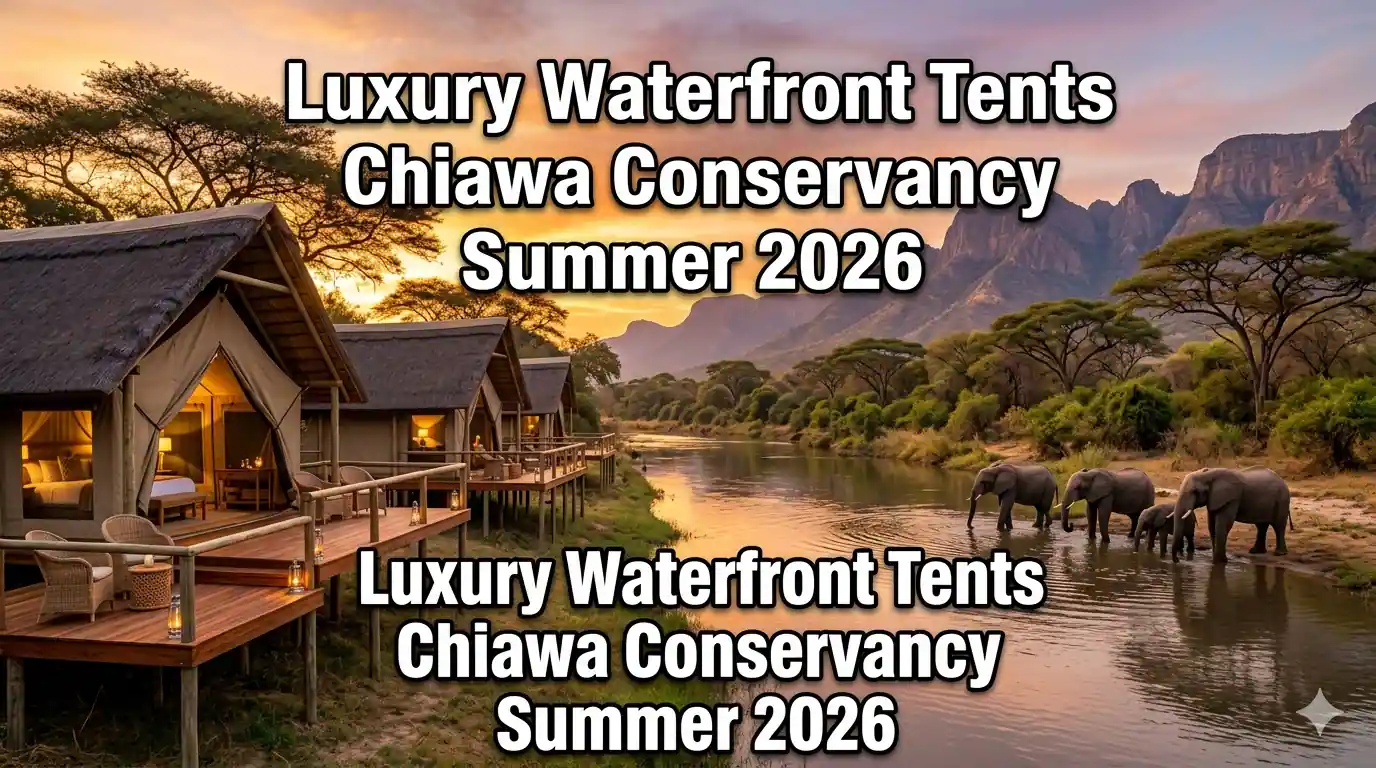
Luxury waterfront tents in Chiawa Conservancy provide an intimate connection with the wilderness while maintaining the highest standards of comfort and service. These tented camps feature spacious accommodations with private decks, en-suite bathrooms, and breathtaking river views.
Each luxury tent is strategically positioned to maximize privacy and wildlife viewing opportunities. Guests wake to the sounds of hippos grunting, elephants trumpeting, and birds singing in the ancient acacia trees that dot the landscape.
Why Choose Luxury Waterfront Tents in Chiawa Conservancy

Chiawa Conservancy stands apart from other African safari destinations through its commitment to low-impact, high-value tourism. The conservancy model ensures that wildlife protection and community development remain at the forefront of all operations.
Luxury waterfront tents offer a unique safari experience that combines the romance of traditional camping with modern amenities. Unlike permanent lodges, these tented structures maintain a lighter environmental footprint while providing exceptional comfort.
The waterfront location provides unmatched access to the Zambezi River, one of Africa's greatest waterways. This prime positioning allows for diverse activities including game drives, walking safaris, canoeing, and fishing right from your tent's doorstep.
Chiawa Camp, the flagship luxury tented camp in the conservancy, features nine elegant safari tents nestled beneath spreading shade trees. Each tent boasts spectacular views over the Zambezi River and its resident wildlife population.
The tents range from 100 square meters in size, featuring canvas roofs and walls, super-king beds, comfortable lounge areas, and luxurious bathrooms complete with claw-footed baths and indoor and outdoor showers.
Private furnished decks extend from each tent, providing the perfect vantage point for wildlife observation. Guests frequently spot elephants, lions, leopards, hippos, and crocodiles without leaving their private sanctuary.
What Makes Chiawa Conservancy Special for Summer 2026
Summer 2026 represents an ideal time to experience Chiawa Conservancy's luxury waterfront tents. The dry winter months from May through October offer comfortable daytime temperatures ranging from 25 to 30 degrees Celsius.
Wildlife congregates around the Zambezi River during the dry season, creating exceptional game viewing opportunities. Animals that disperse during the wet season return to permanent water sources, making them easier to spot and photograph.
The conservancy's location at the confluence of the Chiawa and Zambezi Rivers creates a unique ecosystem that supports diverse wildlife populations. This area serves as a critical corridor for elephant migration between Zambia and Zimbabwe.
Chiawa Safaris operates as a family-owned and multi-award winning operation, providing authentic and personalized safari experiences. Their deep knowledge of the area and commitment to conservation sets them apart from commercial operators.
The camp's proximity to Zimbabwe's Mana Pools National Park, a UNESCO World Heritage Site, adds another dimension to the safari experience. The river forms the international boundary, offering views into this pristine wilderness area.
How to Reach Chiawa Conservancy Luxury Waterfront Tents

Reaching Chiawa Conservancy requires careful planning, but the journey forms part of the adventure. Most international travelers fly into Kenneth Kaunda International Airport in Lusaka, Zambia's capital city.
From Lusaka, guests have two primary options for reaching the conservancy. The most common and convenient method involves a scheduled or chartered light aircraft flight to Jeki Airstrip, located within the Lower Zambezi National Park.
Flight time from Lusaka to Jeki Airstrip averages 45 minutes, offering spectacular aerial views of the Zambezi Valley and surrounding escarpment. Several airlines operate regular scheduled services during peak season, including Proflight Zambia and Trans Malawi Airways.
Road transfer from Lusaka takes approximately 4 to 5 hours, depending on road conditions and the specific camp location. The route travels through the scenic Zambezi Valley, passing traditional villages and wildlife areas.
Most luxury camps include transfers from Jeki Airstrip in their rates. The camp's vehicles meet guests at the airstrip for the final 30 to 45-minute game drive to the camp, often providing the first wildlife sightings of the safari.
International visitors should note that some camps require minimum stay requirements during peak season. Booking well in advance ensures availability and allows time to arrange complex travel logistics.
Visa Requirements and Entry Procedures for Zambia
Most international visitors require a visa to enter Zambia. The Zambian government offers several visa options depending on nationality and length of stay.
Tourist visas can be obtained on arrival at Kenneth Kaunda International Airport or at land border crossings. The standard single-entry tourist visa costs approximately 50 US dollars and allows stays up to 90 days.
The KAZA UniVis provides excellent value for visitors planning to explore both Zambia and Zimbabwe. This 50-dollar visa allows multiple entries between the two countries for up to 30 days and includes day trips to Botswana.
Visa requirements vary by nationality, so travelers should check current regulations with the Zambian Embassy or Consulate before departure. Some nationalities qualify for visa-free entry or visa-on-arrival privileges.
Passport validity must extend at least six months beyond the intended date of departure from Zambia. Ensure your passport has at least two blank pages for entry and exit stamps.
Yellow fever vaccination certificates are required if traveling from or transiting through yellow fever endemic countries. While not mandatory for direct travel from Europe or North America, carrying proof of vaccination is advisable.
Best Time to Visit Chiawa Conservancy for Luxury Tent Experiences

Chiawa Conservancy offers year-round safari experiences, but summer 2026, specifically the dry season from May through October, provides optimal conditions for luxury waterfront tent stays. Each season offers distinct advantages for different types of travelers.
The dry season, running from May to October, represents peak safari season in the Lower Zambezi. During these months, vegetation thins out and wildlife concentrates around permanent water sources, making animals easier to spot.
May and June mark the beginning of the dry season, with pleasant temperatures and clear skies. Daytime temperatures average 25 to 28 degrees Celsius, while nights become crisp and cool, requiring warm clothing for early morning game drives.
July through September constitutes the heart of the dry season and offers the best wildlife viewing. Temperatures remain comfortable during the day but can drop significantly at night, sometimes reaching single digits Celsius.
October represents the hottest month of the year, with daytime temperatures often exceeding 35 degrees Celsius. However, this heat drives animals to the river, creating exceptional game viewing opportunities along the waterfront.
Summer 2026 Weather Patterns and Wildlife Activity
Summer 2026 weather in Chiawa Conservancy follows predictable seasonal patterns that influence wildlife behavior and safari activities. Understanding these patterns helps travelers plan the perfect safari experience.
The dry winter months bring minimal rainfall, typically less than 10 millimeters per month from May through September. This lack of rain creates dusty conditions but ensures reliable game viewing and comfortable camping conditions.
Wildlife activity peaks during the dry season as animals follow predictable patterns around water sources. Elephants dig for water in dry riverbeds, lions patrol riverbanks, and hippos congregate in deep pools.
Bird watching remains excellent throughout the dry season, with resident species joined by Palaearctic migrants from October onwards. The river attracts numerous waterbirds, including fish eagles, kingfishers, and herons.
The green season from November to April offers lush landscapes, newborn animals, and excellent bird watching opportunities. However, heavy rains can make some areas inaccessible, and wildlife disperses across the landscape.
Complete Cost Breakdown for Luxury Waterfront Tents Summer 2026

Understanding the full cost of a luxury safari in Chiawa Conservancy helps travelers budget appropriately for this once-in-a-lifetime experience. Prices vary significantly based on season, camp, and level of luxury.
Chiawa Camp, the premier luxury tented camp in the conservancy, charges rates ranging from 1,400 to 1,875 US dollars per person per night during peak season. These rates typically include all accommodation, meals, game activities, and local transfers.
Shoulder season rates from May to June and mid-October to mid-November offer better value, with prices starting around 7,840 dollars for seven nights. This stay-seven-pay-five promotion provides significant savings for extended safaris.
Luxury tented accommodation typically includes spacious canvas tents with en-suite bathrooms, all meals and beverages, twice-daily game activities, and park fees. Some camps also include laundry service and Wi-Fi connectivity.
Additional costs to budget for include international flights to Lusaka, domestic flights to Jeki Airstrip, visa fees, travel insurance, and gratuities for camp staff. Park and conservation fees of approximately 595 dollars per person may apply.
Domestic flights from Lusaka to Jeki Airstrip cost between 300 and 500 dollars per person round trip, depending on the airline and booking time. Scheduled flights operate daily during peak season.
Detailed Expense Categories for Summer 2026 Safari
Accommodation costs form the largest expense category for a Chiawa Conservancy safari. Luxury waterfront tents range from 448 dollars per person per night for resident rates to over 1,800 dollars for international guests during peak season.
Most camps operate on a fully inclusive basis, covering all meals, local beverages, game drives, walking safaris, and canoeing activities. Premium wines and spirits may incur additional charges at some properties.
International airfare to Lusaka varies widely depending on departure city and season. Expect to pay between 1,200 and 2,500 dollars for economy class tickets from Europe or North America during summer 2026.
Travel insurance is essential for African safaris and should cover medical evacuation, trip cancellation, and lost luggage. Comprehensive policies typically cost 5 to 10 percent of the total trip value.
Gratuities for camp staff, guides, and trackers are customary but not mandatory. Budget approximately 20 to 30 dollars per guest per day for tipping, usually paid at the end of your stay.
Sample 7-Day Itinerary for Chiawa Conservancy Luxury Waterfront Experience

A week-long safari in Chiawa Conservancy provides the perfect balance of wildlife viewing, relaxation, and adventure. This sample itinerary maximizes your experience while allowing time to appreciate the camp's amenities.
Day one begins with arrival at Jeki Airstrip, where camp representatives greet you with refreshing drinks. The transfer to camp doubles as an introductory game drive, often yielding exciting wildlife sightings along the way.
Upon arrival at your luxury waterfront tent, settle in and enjoy a welcome lunch on the deck overlooking the Zambezi River. The afternoon rest period allows you to unpack and acclimate to the safari rhythm.
Late afternoon game drives depart around 3:30 PM, taking advantage of cooler temperatures and increased animal activity. These drives typically last three hours and include sundowner stops with drinks and snacks.
Day two introduces walking safaris, offering an intimate perspective on the bush. Accompanied by an armed guide and tracker, you explore the riverine forest and floodplain, learning about tracks, plants, and smaller creatures.
Morning game drives start before dawn, arriving at prime viewing locations as the sun rises over the escarpment. These early drives often produce predator sightings and excellent photographic opportunities in soft morning light.
Day-by-Day Activity Schedule for Summer 2026
Day three focuses on water-based activities, including canoeing safaris along the Zambezi River. Paddling silently past hippos and elephants provides a unique perspective unavailable from vehicles.
Tiger fishing excursions offer thrilling sport fishing opportunities in one of Africa's premier freshwater fisheries. The Zambezi River hosts populations of tiger fish, bream, and catfish.
Day four might feature a full-day safari to remote areas of the conservancy, packing a picnic lunch to enjoy in a scenic location. These extended excursions venture deeper into wilderness areas rarely visited by other camps.
Photographic hides positioned near waterholes allow for close-up wildlife photography without disturbing animals. These hides provide comfortable seating and protection from the elements.
Day five could include a visit to a local community project, offering insight into conservation efforts and community development initiatives. Many camps support local schools, clinics, and anti-poaching programs.
Days six and seven allow for repeat activities based on personal interests or simply relaxing at camp. Many guests enjoy repositioning their deck chairs to follow wildlife movements along the river.
Top Luxury Waterfront Tent Options in Chiawa Conservancy 2026

Chiawa Conservancy hosts several exceptional luxury tented camps, each offering unique characteristics and experiences. Understanding the differences helps travelers choose the perfect camp for their preferences and budget.
Chiawa Camp stands as the original and most established luxury tented camp in the conservancy. This family-owned operation features nine spacious safari tents with classic safari chic decor, draped mosquito nets, and private decks with river views.
The camp's location at the confluence of the Chiawa and Zambezi Rivers provides exceptional game viewing opportunities. Resident wildlife includes elephants, lions, leopards, wild dogs, and abundant birdlife.
Anabezi Luxury Tented Camp offers contemporary elegance with twelve large tented suites positioned on an elevated boardwalk. Each suite features sliding glass doors opening onto private decks with views over the Zambezi and Mushika River floodplain.
The camp's name derives from the Tonga word for "water," reflecting its prime waterfront location. Anabezi features two main areas with swimming pools, providing refreshing respite during hot summer days.
Amanzi Zambezi represents intimate luxury with just four classically styled tented suites. This small camp offers highly personalized service and exclusive game viewing experiences away from crowds.
Comparing Features and Amenities Across Camps
Chiawa Camp's tents measure approximately 100 square meters and include super-king beds, lounge areas, and luxurious bathrooms with claw-footed baths. The camp emphasizes traditional safari elegance with modern comforts.
Anabezi's tented suites feature contemporary African design with king or twin beds, indoor and outdoor showers, and spacious living areas. The elevated boardwalk design minimizes environmental impact while maximizing views.
Amanzi Zambezi's four suites provide ultimate privacy and exclusivity. The camp's small size allows for flexible scheduling and personalized attention from guides and staff.
All camps offer twice-daily game activities, including game drives, walking safaris, and canoeing. Some camps also feature fishing, photographic hides, and cultural visits to local communities.
Dining experiences vary from formal multi-course meals to bush breakfasts and sundowner picnics. Most camps accommodate dietary restrictions and preferences with advance notice.
Safety Guidelines and Health Considerations for Chiawa Conservancy

Safety in Chiawa Conservancy's luxury waterfront tents requires understanding and respecting the wilderness environment. While camps maintain high safety standards, guests must follow guidelines to ensure a secure and enjoyable experience.
Wild animals roam freely throughout the conservancy, including potentially dangerous species like elephants, lions, and hippos. Always remain within camp boundaries after dark and never walk alone between your tent and main areas at night.
Camp staff provide escorts after sunset, carrying flashlights to guide guests safely. These escorts also serve as protection against nocturnal wildlife that may pass through camp.
Inside your luxury tent, keep zippers closed when not entering or exiting to prevent monkeys, baboons, or other animals from investigating your belongings. Store food and scented items securely.
During game drives and walking safaris, always follow your guide's instructions without question. Guides undergo extensive training in wildlife behavior and emergency procedures.
Maintain a safe distance from all wildlife, even when animals appear calm or habituated to vehicles. Never attempt to feed or approach animals, as this creates dangerous situations for both guests and wildlife.
Health Precautions and Medical Considerations
Malaria prophylaxis is essential for travel to Chiawa Conservancy and the Lower Zambezi region. Consult your physician or travel medicine specialist 6 to 8 weeks before departure to determine the appropriate medication.
The Lower Zambezi is a malaria-risk area year-round, with higher transmission during the rainy season from November to April. Take preventive medication as prescribed and use mosquito repellent containing DEET.
Sleep under provided mosquito nets, even in air-conditioned tents. The nets provide an additional layer of protection against mosquito-borne diseases.
Travel insurance with comprehensive medical coverage, including emergency evacuation, is mandatory for safari travel. Medical facilities in remote areas are limited, and evacuation to Lusaka or South Africa may be necessary for serious conditions.
Bring a personal medical kit including prescription medications, pain relievers, anti-diarrheal medication, antihistamines, and basic first aid supplies. Include copies of prescriptions and a letter from your physician for controlled medications.
Practical Travel Tips for Luxury Waterfront Tent Stays

Packing appropriately for a luxury safari in Chiawa Conservancy enhances comfort and enjoyment. The remote location means limited shopping opportunities, so bring everything you need.
Pack lightweight, neutral-colored clothing in breathable fabrics like cotton and linen. Avoid bright colors, white, and dark blue or black, which attract tsetse flies. Khaki, beige, olive, and tan work well.
Layering is essential, as temperatures vary dramatically between early morning game drives and midday heat. Bring a warm fleece or jacket for morning and evening activities, even during summer months.
Sturdy, closed-toe shoes are necessary for walking safaris and general camp activities. Sandals work well around camp but avoid flip-flops, which offer little protection.
Binoculars are essential for wildlife viewing, with 8x42 or 10x42 magnification ideal for safari use. A camera with a zoom lens (200-400mm) captures excellent wildlife photographs.
What to Pack for Summer 2026 Safari
Bring a high-quality camera with extra batteries and memory cards. Electricity for charging may be limited to specific times at some camps, so bring backup power banks.
Sunscreen with high SPF, lip balm with sun protection, and a wide-brimmed hat protect against intense African sun. The sun remains strong even during winter months.
Insect repellent containing DEET or picaridin prevents mosquito and tsetse fly bites. Apply regularly throughout the day, especially during early morning and evening activities.
Personal toiletries, medications, and any specialty items should be packed in your carry-on luggage. Checked bags occasionally experience delays, and camps may not stock specific brands or products.
Soft-sided luggage or duffel bags work better than hard suitcases for light aircraft transfers. Most camps have weight restrictions of 15 to 20 kilograms per person for domestic flights.
Conservation and Community Impact of Chiawa Conservancy Tourism

Chiawa Conservancy operates on a conservation-focused tourism model that benefits both wildlife and local communities. Understanding this model helps guests appreciate their role in sustainable tourism.
The conservancy protects over 400,000 hectares of prime wildlife habitat in the Lower Zambezi ecosystem. Revenue from luxury tourism funds anti-poaching patrols, wildlife monitoring, and habitat management.
Chiawa Safaris employs predominantly local staff from surrounding communities, providing stable employment and skills development. Many senior guides and managers began their careers as camp assistants or trackers.
Community development projects supported by tourism revenue include schools, clinics, and clean water initiatives. These programs demonstrate tangible benefits of wildlife conservation to local residents.
Anti-poaching efforts have significantly reduced elephant poaching in the conservancy. The presence of tourism operations provides a deterrent to illegal activities and supports law enforcement efforts.
How Your Visit Supports Conservation Goals
Conservation fees included in your safari rate directly fund wildlife protection and habitat management. These fees support ranger salaries, equipment, and operational costs of anti-poaching units.
Choosing luxury, low-impact tourism over mass tourism minimizes environmental footprint while maximizing economic benefits. High-value, low-volume tourism creates sustainable revenue without overwhelming the ecosystem.
Many camps participate in research projects monitoring wildlife populations, migration patterns, and ecosystem health. Guest observations and photographic records contribute valuable data to these studies.
Carbon offset programs offered by some camps help mitigate the environmental impact of international travel. Consider purchasing offsets to support reforestation or renewable energy projects.
Respectful tourism practices, including following camp guidelines and treating staff with dignity, reinforce the value of conservation-based tourism. Positive guest experiences encourage repeat visits and referrals.
Booking Your Luxury Waterfront Tent Experience for Summer 2026
Securing your preferred dates and camp for summer 2026 requires advance planning, as Chiawa Conservancy's luxury tented camps have limited capacity and high demand.
Peak season from July through October books 12 to 18 months in advance, especially for popular camps like Chiawa Camp and Anabezi. Begin your search at least one year before your intended travel dates.
Work with a reputable safari specialist who understands the Lower Zambezi region and can match your preferences with the right camp. Specialists have access to real-time availability and can negotiate best rates.
Consider traveling during shoulder seasons (May-June or late October-November) for better availability and rates. Wildlife viewing remains excellent during these periods, with fewer crowds and lower prices.
Many camps offer special promotions for extended stays, including stay-seven-pay-five deals and complimentary upgrades. These promotions provide excellent value for travelers with flexible schedules.
Steps to Reserve Your Summer 2026 Safari
Research camps thoroughly, comparing locations, amenities, activities, and rates. Read recent guest reviews and consult with safari specialists to understand the nuances of each property.
Determine your budget, including all components: accommodation, flights, transfers, visas, insurance, and gratuities. Luxury safaris represent significant investments, so plan comprehensively.
Request detailed quotations from multiple operators or camps, ensuring all inclusions and exclusions are clearly stated. Compare not just price but also value, reputation, and service quality.
Review cancellation policies carefully, as they vary significantly between camps and seasons. Purchase comprehensive travel insurance to protect your investment against unforeseen circumstances.
Once you've selected your camp and dates, submit a booking request with a deposit, typically 30 to 50 percent of the total cost. Final payment is usually due 90 to 120 days before arrival.
Making the Most of Your Chiawa Conservancy Luxury Safari
Your luxury waterfront tent experience in Chiawa Conservancy offers opportunities for transformation, connection with nature, and creation of lifelong memories. Embrace the safari rhythm and allow yourself to be present in the moment.
Rise early to experience the magic of dawn game drives, when predators are most active and the landscape glows in soft morning light. These early hours often produce the most memorable wildlife encounters.
Take time between activities to simply sit on your deck and observe the river. Elephants, hippos, birds, and other wildlife provide endless entertainment without the need for constant activity.
Engage with your guides and trackers, asking questions and sharing your interests. Their knowledge and passion enrich the experience and help you understand the ecosystem more deeply.
Embrace the digital detox that many camps encourage, with limited or no Wi-Fi connectivity. Use this opportunity to disconnect from daily stresses and reconnect with nature and travel companions.
Document your experience through photography, journaling, or sketching, but also allow yourself moments of pure observation without recording. Some memories are best preserved in the heart rather than on a memory card.
Capturing Memories and Sharing Experiences
Photography in Chiawa Conservancy offers exceptional opportunities, from sweeping landscapes to intimate wildlife portraits. Work with your guides to position vehicles for optimal lighting and composition.
Respect wildlife by maintaining appropriate distances and never pressuring guides to approach animals too closely. Ethical photography prioritizes animal welfare over getting the perfect shot.
Share your experience with friends and family, but also consider how your story might inspire others to support conservation. Responsible tourism depends on creating advocates for African wildlife and wilderness.
Leave reviews and testimonials for your camp and guides, as these help future travelers make informed decisions. Positive feedback also recognizes the hard work of camp staff and guides.
Consider returning to Chiawa Conservancy, as each visit reveals new discoveries and deepens your connection to this special place. Many safari enthusiasts become lifelong supporters of the conservancy and its conservation mission.
Your luxury waterfront tent experience in Chiawa Conservancy during summer 2026 promises to be transformative, offering unparalleled wildlife encounters, exceptional comfort, and the opportunity to contribute to meaningful conservation efforts. Book early, pack thoughtfully, and prepare for the safari of a lifetime in one of Africa's most spectacular wilderness areas.
0 Comments