.webp)
.webp)
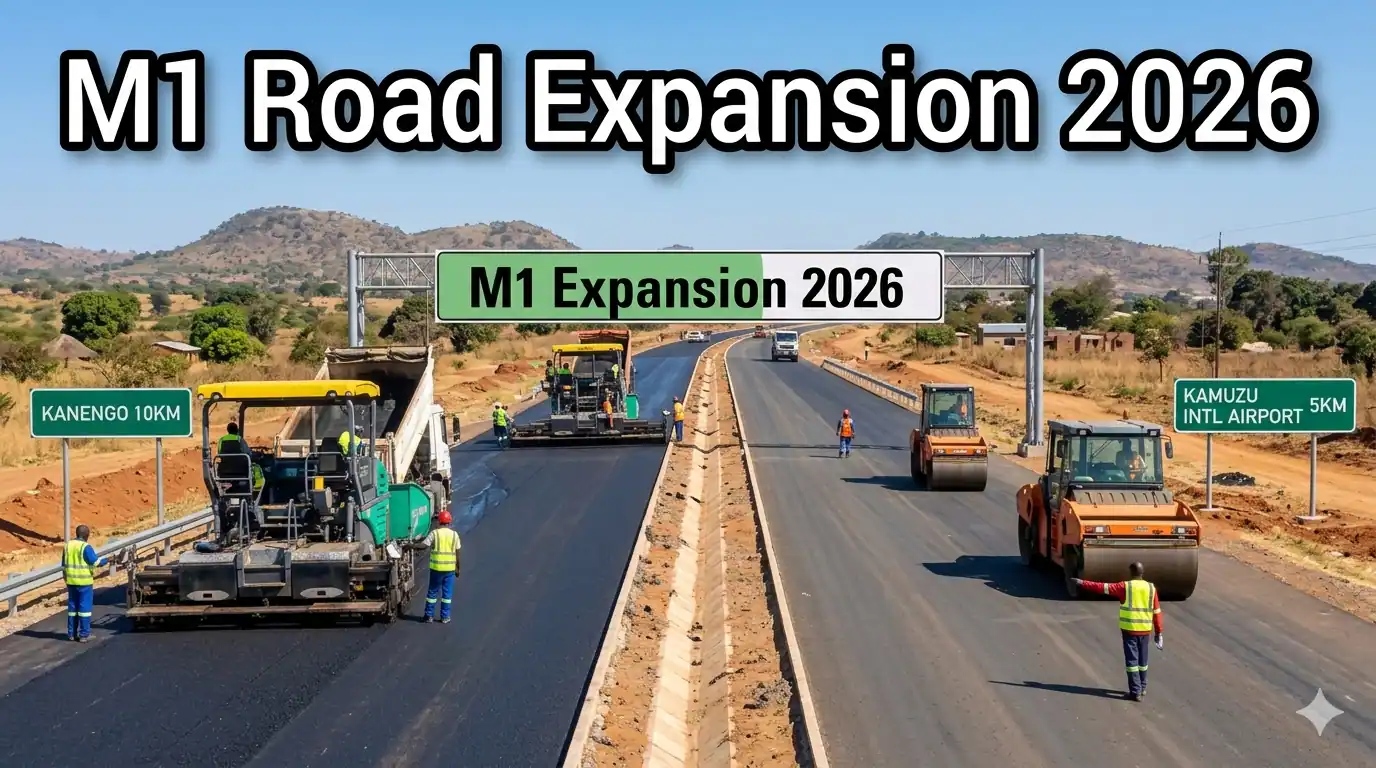
M1 Road Expansion 2026: Full Guide to the $43M Kanengo-Airport Upgrade
Malawi's critical M1 Road corridor is undergoing a transformative $43 million expansion in 2026, upgrading the stretch between Kanengo and Kamuzu International Airport into a modern dual carriageway. This landmark infrastructure project, funded through a grant agreement between the Government of Malawi and the People's Republic of China, promises to revolutionize travel efficiency, boost economic connectivity, and enhance the visitor experience for thousands of travelers arriving in or departing from Malawi's capital region.
For tourists, business travelers, and transit passengers, understanding the scope, timeline, and practical implications of this upgrade is essential for planning smooth journeys to and from Kamuzu International Airport. Whether you're arriving for a safari adventure in Liwonde National Park, attending business meetings in Lilongwe, or connecting to regional destinations, the M1 Road Expansion directly impacts your travel experience, commute times, and overall convenience.
This comprehensive guide provides everything you need to know about the M1 Road Expansion 2026: project details, construction timelines, alternative routes, travel tips during the upgrade period, and how this infrastructure investment positions Malawi for enhanced tourism growth. From navigating current road conditions to anticipating post-completion benefits, we cover the practical realities travelers face while this critical corridor transforms.
What is the M1 Road Expansion project?
The M1 Road Expansion is a $43 million (approximately K75.29 billion) infrastructure project to upgrade the 9.5-kilometer stretch of Malawi's primary north-south highway between Kanengo junction and Kamuzu International Airport into a dual carriageway. Funded through a Chinese government grant, the project aims to improve traffic flow, reduce congestion, enhance road safety, and strengthen connectivity between Lilongwe City and the nation's main international airport.
Project Overview: Funding, Scope, and Strategic Importance

Understanding the fundamentals of the M1 Road Expansion helps travelers appreciate both the short-term adjustments and long-term benefits of this critical infrastructure investment.
Funding and Partnership:
The $43 million grant was formally signed in February 2026 by Malawi's Minister of Finance Joseph Mwanamvekha and Chinese Ambassador Lu Xu in Lilongwe. The funding package comprises a new grant of 100 million yuan combined with a previously committed 200 million yuan, totaling 300 million yuan (approximately $43 million). This agreement falls under the framework of China's Belt and Road Initiative and the Forum on China-Africa Cooperation (FOCAC), aligning with Malawi's long-term development strategy for infrastructure modernization.
Project Scope:
The upgrade focuses on a 9.5-kilometer section of the M1 Road from the Kanengo junction to the Kamuzu International Airport turnoff. Key components include:
• Conversion from single to dual carriageway (two lanes in each direction)
• Improved road surface quality and drainage systems
• Enhanced junction design at Kanengo and airport access points
• Installation of modern road signage, lighting, and safety barriers
• Pedestrian walkways and crossing points where needed
• Integration with existing and planned road networks in Lilongwe
Strategic Importance:
This corridor serves as Malawi's primary gateway for international visitors, with Kamuzu International Airport handling the majority of the country's air traffic. Upgrading this route addresses several critical needs:
• Traffic congestion relief: The existing single-carriageway section experiences heavy peak-hour traffic, particularly during flight arrivals and departures
• Safety improvements: Dual carriageways reduce head-on collision risks and provide safer overtaking opportunities
• Economic connectivity: Faster, more reliable airport access supports tourism, business travel, and cargo transport
• Regional integration: The M1 forms part of the broader North-South Corridor linking Malawi to Tanzania, Zambia, and Mozambique
• Tourism competitiveness: Modern infrastructure enhances Malawi's appeal as a destination by improving first and last impressions for visitors
Implementation Approach:
Following the grant signing, the two governments will exchange notes to facilitate a feasibility study for the road project. This study will finalize engineering designs, environmental assessments, and construction sequencing before physical works commence. The project is expected to be executed by qualified contractors, potentially including Chinese engineering firms with experience in African infrastructure projects.
When will the M1 Road Expansion be completed?
While the grant was signed in February 2026, the feasibility study must be completed before construction begins. Based on similar road projects in Malawi, travelers should anticipate a 2-3 year implementation timeline, with potential completion by 2028-2029. During the construction phase, traffic management plans will minimize disruptions to airport access.
Current Travel Conditions: Navigating the Kanengo-Airport Route in 2026

While planning for the future upgrade, travelers must navigate the existing road conditions. Understanding current realities helps set expectations and enables smarter travel planning.
Route Description:
The 9.5-kilometer stretch from Kanengo junction to Kamuzu International Airport follows the M1 Highway, Malawi's primary north-south arterial road. The route passes through semi-urban and rural landscapes, with occasional commercial developments, residential areas, and agricultural land. Road conditions vary, with some sections well-maintained while others show wear from heavy usage and weather exposure.
Typical Travel Times:
• Normal conditions: 15-25 minutes from Kanengo to airport
• Peak hours (7-9 AM, 4-6 PM): 25-40 minutes due to commuter traffic
• Flight arrival/departure peaks: Additional 10-15 minutes possible
• Rainy season (November-April): Allow extra time for reduced visibility and occasional water pooling
Road Quality Considerations:
• Surface: Mix of asphalt and patched sections; occasional potholes in less-maintained areas
• Width: Single carriageway with limited overtaking opportunities
• Lighting: Minimal street lighting; night travel requires caution
• Signage: Basic directional signs; airport signage generally adequate but could be enhanced
• Drainage: Variable; heavy rains can cause temporary flooding in low spots
Traffic Patterns:
• Morning peak: Commuters traveling into Lilongwe from airport-area residences
• Evening peak: Return commute plus airport drop-offs/pickups
• Flight-driven spikes: Traffic increases 30-45 minutes before scheduled international departures
• Weekend variations: Generally lighter traffic except during holiday periods
• Seasonal factors: Agricultural harvest seasons may increase truck traffic
Safety Considerations:
• Drive defensively: Mixed traffic includes cars, minibuses, trucks, bicycles, and pedestrians
• Night travel: Use high beams appropriately; watch for unlit vehicles or animals
• Weather awareness: Reduce speed during rain; allow extra following distance
• Valuables security: Keep bags out of sight; lock vehicles when parked
• Emergency contacts: Save local emergency numbers (police: 997, ambulance: 998)
What is the fastest way to reach Kamuzu Airport from Lilongwe City?
The M1 Highway via Kanengo remains the most direct route to Kamuzu International Airport from central Lilongwe. Allow 30-45 minutes total travel time from city center to airport terminal, including potential traffic delays. For flight connections, depart Lilongwe at least 2.5 hours before international departures to account for check-in, security, and road contingencies.
Construction Phase: What Travelers Should Expect

Once construction commences following the feasibility study, travelers will need to adapt to temporary changes. Proactive planning minimizes inconvenience.
Anticipated Construction Activities:
• Road widening and earthworks along existing corridor
• Bridge and culvert improvements at drainage crossings
• Junction modifications at Kanengo and airport access points
• Utility relocations (power lines, water pipes, telecommunications)
• Paving operations for new carriageway lanes
• Installation of signage, lighting, and safety features
Potential Traffic Impacts:
• Lane reductions: Temporary narrowing to single-lane traffic in work zones
• Speed restrictions: Reduced limits (typically 40-60 km/h) through construction areas
• Detours: Possible temporary alternate routes for specific segments
• Timing restrictions: Some heavy construction activities may occur during off-peak hours
• Dust and noise: Expect increased levels near active work zones
Traffic Management Measures:
Malawi's Roads Authority typically implements several strategies to maintain flow during major upgrades:
• Flaggers and temporary signage to guide drivers through work zones
• Staged construction to keep at least one lane open in each direction
• Coordination with airport authorities to prioritize flight-related traffic
• Public communication via radio, social media, and road signage about major changes
• Emergency vehicle access protocols maintained throughout construction
Traveler Adaptation Strategies:
• Allow extra time: Add 30-50% to normal travel estimates during active construction
• Monitor updates: Check Malawi Roads Authority announcements or local radio for real-time conditions
• Consider timing: Travel during off-peak hours when possible to avoid construction-plus-commuter congestion
• Use ride services: Professional drivers familiar with route changes may navigate more efficiently
• Stay informed: Hotel concierges and tour operators often have current road condition intelligence
Alternative Routing Options:
While the M1 via Kanengo is the primary airport route, limited alternatives exist:
• Eastern bypass routes: Less direct but may avoid specific construction zones
• Rural access roads: Possible for experienced drivers but not recommended for first-time visitors
• Public transport adjustments: Minibus routes may temporarily shift; confirm with operators
Note: No true parallel highway exists; the M1 corridor remains essential for airport access.
Will airport transfers be affected during construction?
Professional airport transfer services and taxi operators typically adjust routes and timing to accommodate construction conditions. When booking transfers, inform providers of your flight details and request drivers experienced with current road conditions. Most reputable services monitor construction updates and plan accordingly to ensure on-time airport arrivals.
Transportation Options: Getting to and from Kamuzu International Airport

Understanding your mobility choices helps you select the most suitable option for your needs and budget during the M1 upgrade period.
Private Vehicle/Rental Car:
• Flexibility: Depart on your schedule; store luggage securely
• Navigation: Use GPS apps (Google Maps, Maps.me) with offline maps downloaded
• Parking: Kamuzu Airport offers short-term and long-term parking facilities
• Considerations: Ensure rental includes adequate insurance; familiarize yourself with Malawi driving rules (left-side driving)
• Cost estimate: Rental cars range $40-80/day depending on vehicle type and provider
Taxi Services:
• Availability: Taxis operate at airport arrivals and can be booked for departures
• Booking: Arrange through hotels, tour operators, or ride-hailing apps where available
• Pricing: Airport to central Lilongwe typically $15-25; confirm fare before departure
• Reliability: Use licensed taxis; avoid unmarked vehicles for security
• Tip: Agree on fare or meter use upfront; small bills helpful for payment
Hotel Shuttle Services:
• Convenience: Many Lilongwe hotels offer complimentary or paid airport transfers
• Booking: Arrange in advance through your accommodation
• Reliability: Generally dependable; drivers familiar with route variations
• Cost: Often included in room rate or $10-20 each way for budget properties
• Tip: Confirm pickup timing and meeting point with hotel staff
Public Minibuses:
• Budget option: Most economical choice for experienced travelers
• Routes: Minibuses operate between Lilongwe city centers and airport area
• Frequency: Regular service but schedules can be informal
• Considerations: May be crowded; luggage space limited; not ideal for first-time visitors with heavy bags
• Cost estimate: $1-3 per person depending on exact route and negotiation
Tour Operator Transfers:
• Package inclusion: Many safari and tour packages include airport transfers
• Professionalism: Drivers experienced with tourist needs and route knowledge
• Comfort: Typically newer vehicles with air conditioning
• Coordination: Seamless integration with broader itinerary planning
• Cost: Often bundled into tour pricing; standalone transfers $25-40
Ride-Hailing Apps:
• Availability: Limited but growing presence in Lilongwe
• Convenience: App-based booking, fare estimates, driver tracking
• Payment: Usually cash-based; confirm payment method when booking
• Reliability: Variable depending on driver availability in airport area
• Tip: Have backup transportation plan if app services are limited
What is the most reliable airport transfer option for first-time visitors?
For first-time visitors to Malawi, pre-arranged hotel shuttles or reputable tour operator transfers offer the best balance of reliability, safety, and convenience. These services understand current road conditions, monitor construction updates, and prioritize on-time airport arrivals. While slightly more expensive than public options, they reduce stress and uncertainty for travelers unfamiliar with local transportation dynamics.
Travel Planning Tips: Maximizing Efficiency During the Upgrade Period

Strategic planning helps you navigate the M1 corridor smoothly while construction preparations and eventual works proceed.
Timing Your Airport Transfers:
• International departures: Arrive at airport 3 hours before flight; depart Lilongwe 3.5-4 hours prior
• Domestic/regional flights: Arrive 2 hours before; depart Lilongwe 2.5-3 hours prior
• Peak avoidance: If possible, schedule airport transfers outside 7-9 AM and 4-6 PM commuter peaks
• Flight tracking: Monitor flight status; adjust departure time if flights are delayed
• Buffer time: Always add 30-minute contingency for unexpected road conditions
Communication and Information:
• Local contacts: Save phone numbers for hotel, tour operator, and emergency services
• Road updates: Follow Malawi Roads Authority social media or local radio for construction alerts
• Airport information: Kamuzu International Airport website or information desk for current access guidance
• Travel apps: Download offline maps, translation tools, and emergency contact apps before arrival
• WhatsApp groups: Many tour operators share real-time road condition updates via messaging groups
Packing and Logistics:
• Luggage management: Pack efficiently to minimize transfers between vehicles
• Essentials access: Keep travel documents, medications, and valuables in carry-on
• Weather preparedness: Include rain gear and sun protection for variable conditions
• Power needs: Carry portable chargers; airport and vehicle charging options may be limited
• Local currency: Have Malawian Kwacha for small expenses, tips, and contingencies
Health and Safety Considerations:
• Travel insurance: Ensure coverage includes trip delays and medical emergencies
• Health precautions: Carry basic medications; know location of nearest medical facilities
• Road safety: Always wear seatbelts; avoid nighttime travel if unfamiliar with route
• Personal security: Keep valuables discreet; use hotel safes for non-essential items
• Emergency protocols: Know how to contact local emergency services (police: 997, ambulance: 998)
Connectivity and Navigation:
• Mobile data: Purchase local SIM card or international roaming plan for navigation and communication
• Offline resources: Download maps, translation phrases, and key contact information before travel
• Backup plans: Identify alternative meeting points if primary arrangements change
• Language: Basic Chichewa phrases appreciated; English widely understood in tourism sector
• Cultural awareness: Respect local customs; polite interactions facilitate smoother travel experiences
Should I allow extra time for airport transfers in 2026?
Yes, absolutely. Even before active construction begins, allowing an additional 30-45 minutes beyond standard travel estimates provides crucial buffer for unexpected delays, traffic variations, or last-minute route adjustments. For international flights, this means departing Lilongwe 3.5-4 hours before scheduled departure rather than the typical 3-hour recommendation.
Broader Infrastructure Context: Malawi's 2026/27 Transport Programme

The M1 Road Expansion is part of a comprehensive national transport strategy outlined in Malawi's 2026/27 financial year priorities.
Road Infrastructure Priorities:
Beyond the Kanengo-Airport upgrade, the government's transport programme includes:
• Rehabilitation of the M1 Road from Thabwa to Bangula (99 kilometers) addressing climate-induced damage
• Upgrades to four sections of the M1 between Lilongwe and Chiweta in the Northern Region
• Rehabilitation of the Nsipe–Liwonde Road and Masasa–Golomoti–Monkey Bay routes
• Construction of the Thuchila Bridge and capacity enhancements from Crossroads to Murray Road
• Ringfencing of M1 tollgate revenues specifically for corridor maintenance
Rail Transport Developments:
• Rehabilitation of the Marka–Bangula rail line for cargo and passenger services
• Advancement of the Kanengo–Mchinji rail line works
• Feasibility studies for rail expansion from Central to Northern Region
• Memorandum of Understanding progress for the Nacala Rail Corridor
Aviation Sector Growth:
• Expansion of Malawi Airlines fleet from three to ten aircraft within five years in partnership with Ethiopian Airlines
• Increase in international destinations from seven to twenty-seven
• Infrastructure improvements at Kamuzu International Airport to support growing traffic
Marine and Lake Transport:
• Completion of Likoma Port construction
• Rehabilitation and upgrade of Chipoka Port
• Facilitation of private sector investment in modern lake transport vessels
Strategic Implications for Travelers:
These coordinated investments signal Malawi's commitment to becoming a more accessible, competitive regional destination. For travelers, this means:
• Gradual improvements in road conditions across key tourist corridors
• Enhanced connectivity between airports, cities, and national parks
• More reliable transportation options as infrastructure modernizes
• Improved safety and reduced travel times on major routes
• Stronger foundation for tourism sector growth and service quality
How does the M1 upgrade fit into Malawi's tourism development?
The M1 Road Expansion directly supports Malawi's tourism strategy by improving the first and last impressions for international visitors arriving via Kamuzu International Airport. Reliable, efficient airport access enhances the overall visitor experience, encourages longer stays, and facilitates travel to key destinations like Liwonde National Park, Majete Wildlife Reserve, and Lake Malawi. Modern infrastructure also attracts higher-value tourism segments and supports business travel growth.
Post-Completion Benefits: What Travelers Can Expect After 2028

While construction requires short-term adaptation, the completed dual carriageway will deliver lasting advantages for all road users.
Travel Time Improvements:
• Reduced congestion: Dual lanes will significantly decrease peak-hour delays
• Consistent speeds: Better road surface and design enable more predictable travel times
• Airport access: Streamlined junctions will improve flow to/from terminal areas
• Estimated time savings: 20-40% reduction in typical Kanengo-airport transit times
Safety Enhancements:
• Separated traffic flows: Reduced risk of head-on collisions
• Improved visibility: Modern signage, lighting, and road markings
• Pedestrian infrastructure: Designated walkways and crossing points where needed
• Emergency access: Better provisions for incident response and vehicle breakdowns
Economic and Tourism Impacts:
• Business efficiency: Faster, more reliable transport supports commerce and investment
• Tourism growth: Enhanced accessibility makes Malawi more attractive to international visitors
• Regional connectivity: Improved M1 corridor strengthens links to neighboring countries
• Local development: Infrastructure upgrades often stimulate economic activity along the route
Environmental Considerations:
• Modern drainage: Better stormwater management reduces flooding risks
• Emissions reduction: Smoother traffic flow can decrease vehicle idling and fuel consumption
• Sustainable design: Contemporary road projects increasingly incorporate environmental safeguards
• Long-term maintenance: Higher-quality construction reduces frequency of disruptive repairs
Visitor Experience Upgrades:
• First impressions: Modern road infrastructure creates positive initial experiences for arrivals
• Reduced stress: Predictable travel conditions enhance overall trip satisfaction
• Accessibility improvements: Better infrastructure supports travelers with mobility considerations
• Photography opportunities: Enhanced viewpoints and signage may highlight scenic aspects of the route
Will the upgraded M1 Road have tolls?
Malawi has implemented tollgates on sections of the M1 Road, with revenues ringfenced for corridor maintenance. While specific plans for the Kanengo-Airport section post-upgrade haven't been detailed, travelers should anticipate potential toll facilities as part of sustainable road funding models. Budget $1-3 for potential tolls when planning airport transfers.
Practical Resources for M1 Road Travelers

Stay informed and prepared with these essential resources for navigating the Kanengo-Airport corridor.
Official Information Sources:
• Malawi Roads Authority: Primary source for construction updates and road condition alerts
• Department of Civil Aviation: Kamuzu International Airport operational information
• Ministry of Transport and Public Works: Policy announcements and project timelines
• Malawi Tourism Board: Visitor guidance and destination information
Digital Tools and Apps:
• Google Maps: Real-time traffic data and route planning (download offline maps)
• Maps.me: Offline navigation with detailed Malawi road coverage
• WhatsApp: Many tour operators and hotels share updates via messaging groups
• Local radio apps: Tune in to Malawi radio stations for traffic and news updates
Emergency Contacts:
• Police: 997
• Ambulance/Fire: 998
• Kamuzu International Airport Information: +265 1 770 244
• Malawi Tourism Board: +265 1 772 333
• Your country's embassy/consulate in Malawi (save before travel)
Accommodation and Transfer Coordination:
• Hotel concierge services: Often have current road intelligence and transfer arrangements
• Tour operators: Provide integrated transport solutions with route expertise
• Airport information desks: Assist with ground transportation options upon arrival
• Ride-hailing services: Growing availability; confirm coverage in airport area
Pre-Travel Checklist:
☐ Verify flight times and airport terminal information
☐ Confirm transfer arrangements with hotel or tour operator
☐ Download offline maps and essential travel apps
☐ Save emergency contacts and local service numbers
☐ Pack weather-appropriate clothing and essentials in carry-on
☐ Allow generous buffer time for airport transfers
☐ Carry local currency for small expenses and contingencies
☐ Review current road condition updates before departure day
Where can I get real-time updates on M1 Road conditions?
For the most current information, check Malawi Roads Authority social media channels, listen to local radio stations like MBC or Zodiak Broadcasting, or consult your hotel concierge or tour operator. Many tourism businesses monitor road conditions closely and share updates with guests via WhatsApp or email. For official project announcements, the Ministry of Transport and Public Works website provides policy-level information.
Final Thoughts: Navigating Malawi's Infrastructure Evolution

The M1 Road Expansion between Kanengo and Kamuzu International Airport represents more than just asphalt and concrete—it symbolizes Malawi's commitment to modernizing its infrastructure for enhanced connectivity, safety, and economic growth. For travelers in 2026 and beyond, understanding this project's scope, timeline, and implications enables smarter planning and more confident navigation of this critical corridor.
While the feasibility study and eventual construction phases may introduce temporary adjustments, the long-term benefits promise significantly improved travel experiences for all who pass through Malawi's primary aviation gateway. The $43 million investment, supported by China through the Belt and Road Initiative, reflects growing international confidence in Malawi's development trajectory and tourism potential.
As you plan your Malawi journey—whether for wildlife adventures, cultural exploration, business engagements, or transit connections—remember that infrastructure evolution is a process. Patience during transition periods, proactive information gathering, and flexible planning will serve you well. The rewards include not only smoother airport transfers but also the satisfaction of witnessing a nation invest in its future.
Malawi's Warm Heart of Africa reputation is built on hospitality, natural beauty, and authentic experiences. Modern infrastructure like the upgraded M1 corridor enhances these strengths by making them more accessible and enjoyable for visitors from around the world. As the dual carriageway takes shape, it will carry not just vehicles but also the aspirations of a nation welcoming the world with improved pathways to its treasures.
Mark your calendars, monitor project updates, and prepare to experience Malawi with the confidence that comes from informed travel planning. The road ahead—literally and figuratively—is being paved for better journeys.
0 Comments