.webp)
.webp)
Juba Solo Female Travel Safety and Cultural Etiquette Guide 2026
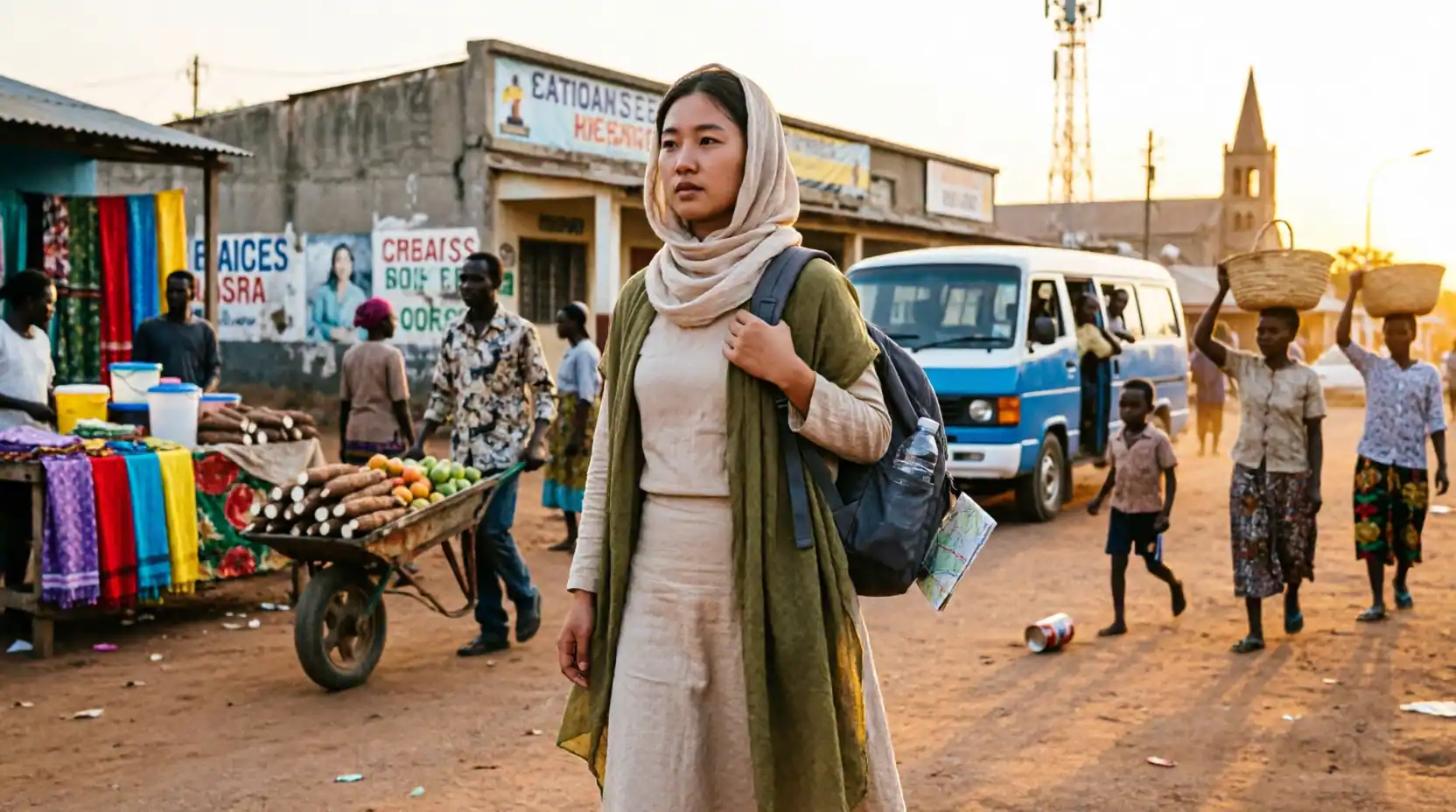
Understanding Safety in Juba for Solo Female Travelers
Juba presents significant safety challenges for solo female travelers in 2026. The security situation remains volatile with ongoing armed conflicts and high levels of violent crime throughout South Sudan including the capital city.
Most government travel advisories strongly recommend against all travel to Juba and South Sudan. The US State Department maintains a Level 4 Do Not Travel advisory citing violent crime and armed conflict as primary concerns.
Solo female travel is particularly discouraged and considered high risk in this region. Women should avoid traveling alone at any time and should always be accompanied preferably by a trusted male guide or local contact.
Despite these serious warnings some travelers including aid workers journalists and business professionals must visit Juba for essential purposes. This guide provides critical information for those who need to travel here.
Understanding the real risks and taking comprehensive precautions is essential for anyone considering travel to Juba. This article covers safety protocols cultural expectations and practical survival strategies.
Current Security Situation in Juba 2026

The security environment in Juba remains unpredictable and dangerous. Armed conflicts inter-ethnic violence and widespread lawlessness create an extremely challenging environment for all travelers.
Violent crime occurs frequently throughout Juba. Common incidents include armed robbery carjackings shootings ambushes assaults and home invasions targeting both locals and foreigners.
Criminals specifically target individuals who are walking driving or perceived as wealthy. Foreign visitors stand out and may become targets for criminal activity especially when traveling alone.
The police and security forces have limited capacity to respond to emergencies or protect visitors. Law enforcement resources are stretched thin and corruption remains a significant issue.
Kidnapping for ransom poses a serious threat particularly for Western nationals and visible foreigners. Criminal gangs and armed groups operate with relative impunity in many areas.
Why Solo Female Travel Faces Extra Risks

Women traveling alone in Juba face compounded risks beyond general security concerns. Traditional gender roles and conservative cultural norms create additional challenges for independent female travelers.
Single women are often viewed with suspicion in traditional South Sudanese society. Local customs expect women to be accompanied by male family members or husbands in public spaces.
Gender-based violence remains a serious problem throughout South Sudan. Women including foreign visitors may face harassment assault or other forms of gender-based violence.
Female travelers report frequent unwanted attention catcalling and aggressive behavior from local men. Having a male companion significantly reduces these incidents.
Cultural misunderstandings can escalate quickly for women unfamiliar with local customs. Dress code violations or perceived immodest behavior may attract negative attention or confrontation.
Essential Pre Travel Planning and Documentation

Travel to Juba requires extensive advance planning and documentation. You cannot simply arrive and expect smooth entry into South Sudan.
A valid passport with at least six months remaining validity is mandatory. Ensure you have at least one completely blank visa page for entry stamps.
An e-visa or traditional visa must be secured before travel. The visa application process requires supporting documents including hotel bookings or invitation letters.
A letter of invitation from a recognized organization or local contact is strongly recommended. This document facilitates visa approval and may be required at immigration.
Travel insurance covering emergency evacuation is absolutely essential. Standard travel insurance often excludes South Sudan so specialized coverage is necessary.
Register with your embassy or consulate before traveling. Provide your itinerary contact information and emergency contacts to your government representatives.
Visa Requirements and Entry Procedures for Juba

South Sudan requires all foreign nationals to obtain a visa before arrival with very limited exceptions. The e-visa system allows online applications but processing times vary.
Visa applications require a completed form recent passport photographs proof of yellow fever vaccination and supporting documentation. Business travelers need invitation letters from South Sudanese companies.
Tourist visas typically allow stays of 30 to 90 days depending on the visa type. Extension possibilities exist but require visits to immigration offices in Juba.
Visa fees range from 50 to 100 US dollars depending on nationality and visa category. Payment is usually required in US dollars cash.
Upon arrival at Juba International Airport expect thorough document checks. Immigration officers will verify your visa passport yellow fever certificate and may ask about your purpose of visit.
Customs forms must be completed and submitted. Be prepared for baggage inspection and questions about items you are bringing into the country.
How to Reach Juba Safely

Flying is the only practical way to reach Juba for international travelers. Overland routes are extremely dangerous and not recommended under any circumstances.
Juba International Airport serves as the main entry point with IATA code JUB. Several airlines operate flights to Juba from regional hubs.
Ethiopian Airlines Kenya Airways EgyptAir and Turkish Airlines offer connecting flights to Juba. These carriers provide the most reliable service and safety standards.
Regional carriers like Badr Airlines and Tarco Aviation operate direct flights from cities like Port Sudan Entebbe and Kigali. These options may be cheaper but verify safety records.
Flight schedules can change unexpectedly due to security situations or operational issues. Build flexibility into your travel plans and maintain contact with your airline.
Airport transfers should be pre-arranged through your hotel or trusted local contact. Do not accept rides from unknown drivers at the airport.
Best Time to Visit Juba Considering Safety

The security situation in Juba does not have a truly safe season. However certain times of year present marginally better conditions for essential travel.
The dry season from December through March offers better road conditions if local travel becomes necessary. Rainy season from April through November makes movement more difficult.
Political tensions often fluctuate and can escalate unpredictably. Monitor current events closely in the weeks before your planned travel.
Major holidays and political anniversaries may see increased security measures or potential unrest. Research the calendar for sensitive dates before finalizing travel plans.
November December and January sometimes see slightly calmer security situations. However this is not guaranteed and conditions can change rapidly.
Always check current travel advisories from your government immediately before departure. Do not rely on information that is more than a few days old.
Accommodation Safety and Where to Stay in Juba

Choosing safe accommodation is critical for travelers in Juba. Not all hotels provide adequate security measures.
Premium hotels with swimming pools and international standards offer the best security. Budget between 250 and 500 US dollars per night for these properties.
Look for hotels with 24-hour security guards controlled access points and perimeter fencing. Gated compounds with security checkpoints provide better protection.
UN-affiliated accommodations or hotels catering to aid workers typically maintain higher security standards. These properties often have backup generators and emergency protocols.
Avoid budget accommodations that lack proper security measures. The savings are not worth the increased risk to your safety.
Request a room on middle floors rather than ground level. Ground floor rooms are more vulnerable to break-ins while very high floors may have evacuation challenges.
Verify that your room has functioning locks on doors and windows. Test all security features upon check-in and report any concerns immediately.
Daily Budget and Cost Breakdown for Juba Travel

Juba is an expensive destination due to limited infrastructure and high security costs. Budget accordingly to avoid financial stress during your stay.
Mid-range travelers should budget approximately 110 US dollars per day for comfortable travel. This includes accommodation meals transport and basic activities.
Budget travelers might manage on 60 to 80 dollars daily but this requires significant compromises on safety and comfort. This approach is not recommended for solo female travelers.
Luxury travel costs range from 600 to 1350 dollars per day. High-end hotels premium services and private security arrangements drive these costs.
Accommodation represents your largest expense. Budget hotels cost 50 to 100 dollars while mid-range properties run 150 to 300 dollars nightly.
Meals at decent restaurants cost 15 to 30 dollars per meal. Street food is cheaper but poses health risks and is not advisable.
Local transport via taxi costs 10 to 20 dollars for short trips. Always negotiate fares in advance and use recommended drivers only.
Sample Safety Focused Itinerary for Essential Travel

If you must travel to Juba keep your stay as brief as possible. A three to five day itinerary minimizes exposure while accomplishing essential business.
Day one should focus on arrival and settling in. Arrange airport transfer in advance check into your secured accommodation and rest. Avoid going out after dark.
Day two allows for essential meetings or activities. Schedule appointments during daylight hours only. Use trusted drivers and maintain communication with your contacts.
Day three continues essential activities with afternoon departure preparation. Confirm your departure transfer and ensure all documentation is ready.
If extending to five days use days four and five for additional essential work only. Do not add tourist activities that increase your risk exposure.
Always maintain flexibility in your itinerary. Security situations can change rapidly requiring you to alter plans or depart early.
Keep your accommodation informed of your daily movements. Provide contact numbers and expected return times whenever you leave the hotel.
Cultural Etiquette and Dress Code for Women

Understanding and respecting local cultural norms is essential for female travelers in Juba. Conservative dress and behavior significantly reduce unwanted attention.
Women should wear loose-fitting clothing that covers shoulders knees and chest. Long skirts or loose pants with long-sleeved tops are appropriate.
Avoid tight revealing or form-fitting clothing completely. Tank tops shorts mini-skirts and low-cut tops are considered highly inappropriate and offensive.
Carry a scarf to cover your head when visiting religious sites or conservative areas. While not always required this shows respect for local customs.
Use your right hand or both hands when giving or receiving items. The left hand alone is considered impolite in South Sudanese culture.
Maintain modest body language and avoid prolonged eye contact with men. Conservative behavior signals respect and reduces harassment.
Public displays of affection are unacceptable. Even holding hands may draw negative attention in conservative areas.
Communication and Language Considerations

English serves as the official language of South Sudan and is widely used in Juba. This makes basic communication easier for English-speaking travelers.
However many locals speak Arabic or indigenous languages as their first language. Learning a few basic Arabic greetings shows respect and can facilitate interactions.
Mobile phone coverage exists in Juba but can be unreliable. Purchase a local SIM card upon arrival for better connectivity.
Download offline maps and translation apps before traveling. Internet connectivity may be intermittent especially during security incidents.
Establish multiple communication methods with your contacts. Have phone numbers email addresses and alternative contact persons in case primary methods fail.
Inform family and friends of your communication schedule. Regular check-ins provide security and alert others if you miss expected contact.
Transportation Safety and Getting Around Juba

Movement within Juba requires careful planning and caution. Transportation options are limited and each carries specific risks.
Private drivers arranged through your hotel represent the safest option. These drivers are vetted and familiar with security concerns.
Taxis exist but vary widely in reliability and safety. Never hail random taxis from the street. Use only recommended drivers or hotel-arranged transport.
Public transportation including buses and minibuses is not recommended for foreign visitors especially solo female travelers. These options lack security and increase exposure to crime.
Walking alone is dangerous particularly after dark. Even short distances should be covered by vehicle when possible.
Avoid traveling at night entirely. Plan all activities during daylight hours and return to secure accommodation before sunset.
Keep vehicle doors locked and windows closed while driving. Carjackings occur and taking basic precautions reduces risk.
Health Precautions and Medical Facilities in Juba

Health risks in Juba are significant and medical facilities are limited. Comprehensive preparation is essential before travel.
Yellow fever vaccination is mandatory for entry to South Sudan. Carry your yellow fever certificate at all times as it may be requested.
Malaria prophylaxis is strongly recommended. Juba is in a malaria-endemic region and prevention is far better than treatment.
Bring a comprehensive personal medical kit including prescription medications. Local pharmacies have limited supplies and questionable quality.
Medical facilities in Juba are basic and cannot handle serious emergencies. Evacuation insurance is critical for accessing quality medical care.
Drink only bottled or boiled water. Waterborne illnesses are common and can quickly derail your travel plans.
Food safety is a concern. Eat only at reputable establishments and avoid street food raw vegetables and undercooked meats.
Emergency Protocols and Crisis Management

Having clear emergency protocols can save your life in Juba. Prepare these plans before you travel.
Save emergency contact numbers in your phone and keep written copies. Include local police your embassy hotel security and trusted local contacts.
Know the location and contact information for your embassy or consulate. Register your presence upon arrival if your government offers this service.
Establish a code word with family or colleagues that signals distress. This allows you to communicate danger without alerting potential threats.
Identify multiple evacuation routes from your accommodation and regular destinations. Have backup plans if primary routes become blocked or dangerous.
Keep a go-bag packed with essential documents cash medications and basic supplies. Be ready to leave quickly if the security situation deteriorates.
Maintain access to emergency cash in US dollars. ATMs may be unavailable or unreliable during crises.
Money Matters and Financial Safety

Managing money safely in Juba requires specific strategies. Financial infrastructure is limited and carrying cash poses risks.
US dollars are widely accepted and often preferred over South Sudanese pounds. Bring crisp new bills as worn or old notes may be rejected.
Credit cards have very limited acceptance in Juba. Do not rely on cards for daily expenses.
ATMs exist but are unreliable and potentially dangerous to use. Withdraw cash only during daylight hours in secure locations preferably inside hotels.
Divide your money and store it in multiple locations. Never keep all cash in one wallet or bag.
Use a money belt or hidden pouch for bulk cash and important documents. Keep only small amounts accessible for daily expenses.
Avoid displaying wealth or counting money in public. Discreet financial management reduces your profile as a target.
Technology and Connectivity in Juba

Staying connected in Juba presents challenges but is essential for safety. Plan your technology needs carefully.
Internet connectivity can be slow and unreliable. Download essential information maps and documents before traveling.
Local SIM cards are available and provide better connectivity than international roaming. Purchase from official providers at the airport or reputable shops.
Power outages occur regularly. Bring portable chargers and ensure devices are charged when leaving your accommodation.
Use VPN services to protect your online communications. Internet surveillance and restrictions may exist.
Backup important documents digitally and store them in secure cloud storage. This ensures access if physical copies are lost or stolen.
Keep devices secure and avoid using them conspicuously in public. Expensive electronics attract criminal attention.
Building Local Contacts and Support Networks

Establishing local contacts significantly improves safety in Juba. Solo travelers should prioritize networking upon arrival.
Connect with other expatriates aid workers or business travelers. These individuals understand the security situation and can provide practical advice.
Your hotel concierge or manager can be valuable resources. Build rapport with staff who can alert you to local concerns.
Join expatriate groups or professional networks if staying longer. These communities share security information and support each other.
Hire local guides or fixers for essential activities. Trusted locals navigate cultural nuances and security concerns more effectively.
Maintain professional relationships with local colleagues or contacts. They provide cultural context and can assist in difficult situations.
Psychological Preparation and Mental Health

Travel to high-risk destinations like Juba creates psychological stress. Preparing mentally is as important as physical preparation.
Acknowledge the real risks without becoming paralyzed by fear. Balanced awareness allows prudent decision-making.
Develop coping strategies for stress and anxiety. High-alert environments drain mental energy quickly.
Maintain connection with supportive people back home. Regular communication provides emotional stability.
Recognize signs of acute stress or trauma. Know when situations exceed your comfort level and be willing to leave.
Practice self-care routines even in difficult circumstances. Adequate sleep nutrition and rest improve decision-making and resilience.
Red Flags and Warning Signs to Watch For

Recognizing dangerous situations before they escalate is crucial. Trust your instincts and watch for warning signs.
Unusual crowd gatherings or street activity may signal developing unrest. Avoid these areas immediately.
Increased military or police presence often precedes security incidents. Stay indoors and monitor the situation.
Locals avoiding certain areas or changing their behavior provides important intelligence. Pay attention to local knowledge.
Sudden shop closures or empty streets indicate trouble. Return to safe accommodation immediately.
Aggressive approaches from strangers especially men require firm boundaries. Do not engage or provide personal information.
Feeling watched or followed warrants immediate action. Change your route enter secure buildings or seek help.
When to Leave and Evacuation Planning

Knowing when to depart Juba can save your life. Do not wait until situations become critical.
Monitor travel advisories from your government daily. Escalating warnings indicate deteriorating conditions.
News of armed clashes political instability or civil unrest should trigger departure planning. Early evacuation is safer than emergency extraction.
Commercial flights may be cancelled with little notice during crises. Maintain flexibility and be ready to leave immediately.
Have multiple exit strategies including different airlines and routes. Single points of failure create dangerous vulnerabilities.
Embassy-organized evacuations may occur in severe situations. Stay registered and responsive to official communications.
Do not delay departure due to work commitments or financial concerns. No assignment is worth your life.
Post Travel Considerations and Debriefing

After leaving Juba take time to process your experience. High-stress travel affects people in various ways.
Report security incidents to your embassy or relevant authorities. This information helps protect future travelers.
Share lessons learned with others who must travel to similar destinations. Community knowledge improves collective safety.
Seek professional support if you experienced trauma or ongoing stress. Travel to dangerous areas can have lasting psychological impacts.
Update your personal security protocols based on what you learned. Continuous improvement enhances future travel safety.
Allow time for decompression after returning home. Transition from high-alert mode to normal life requires adjustment.
Alternative Safer Destinations in East Africa

If Juba seems too risky consider safer alternatives in East Africa. Many destinations offer rich cultural experiences with better security.
Kigali Rwanda provides excellent safety standards and welcoming culture. The city is clean organized and very manageable for solo female travelers.
Entebbe and Kampala Uganda offer African experiences with moderate risk levels. Standard precautions allow relatively safe travel.
Nairobi Kenya has security challenges but remains far safer than Juba. Many solo female travelers visit successfully with proper precautions.
Addis Ababa Ethiopia combines culture history and reasonable safety. The city serves as a major African hub with good infrastructure.
These alternatives provide East African experiences without the extreme risks present in South Sudan. Consider whether Juba is truly necessary for your travel goals.
Final Safety Assessment and Decision Making

The decision to travel to Juba as a solo female traveler requires careful honest evaluation. This is not a destination for casual tourism or first-time African travel.
Ask yourself if your travel is truly essential. Tourism sightseeing or general exploration do not justify the risks involved.
Consider whether your presence serves a critical purpose. Aid work essential business or family emergencies may warrant the risk.
Evaluate your experience level with high-risk travel. Juba is not appropriate for inexperienced travelers or those unfamiliar with challenging environments.
Assess your support network and resources. Solo does not mean completely alone. Ensure you have reliable local contacts and emergency support.
Be honest about your risk tolerance and stress management. Some people thrive in challenging environments while others find it overwhelming.
Remember that choosing not to travel is a valid and often wise decision. There is no shame in prioritizing your safety.
Conclusion and Key Takeaways

Juba South Sudan presents extreme challenges for solo female travelers in 2026. The security situation remains dangerous with high levels of violent crime and ongoing conflict.
Solo female travel is strongly discouraged by all major government advisories. Women should only consider travel to Juba for essential purposes with comprehensive preparation.
If travel is unavoidable strict adherence to safety protocols is essential. Secure accommodation trusted local contacts conservative dress and daylight-only movement are non-negotiable.
Cultural understanding and respect significantly improve safety outcomes. Learning local customs and maintaining modest behavior reduces unwanted attention.
Emergency planning and evacuation readiness must be in place before arrival. Situations can deteriorate rapidly requiring immediate departure.
Consider safer alternatives in East Africa that offer rewarding travel experiences with manageable risks. Juba should be a last resort not a first choice.
Your safety and life are more valuable than any travel experience or work assignment. Make decisions that prioritize your wellbeing above all else.
0 Comments