.webp)
.webp)
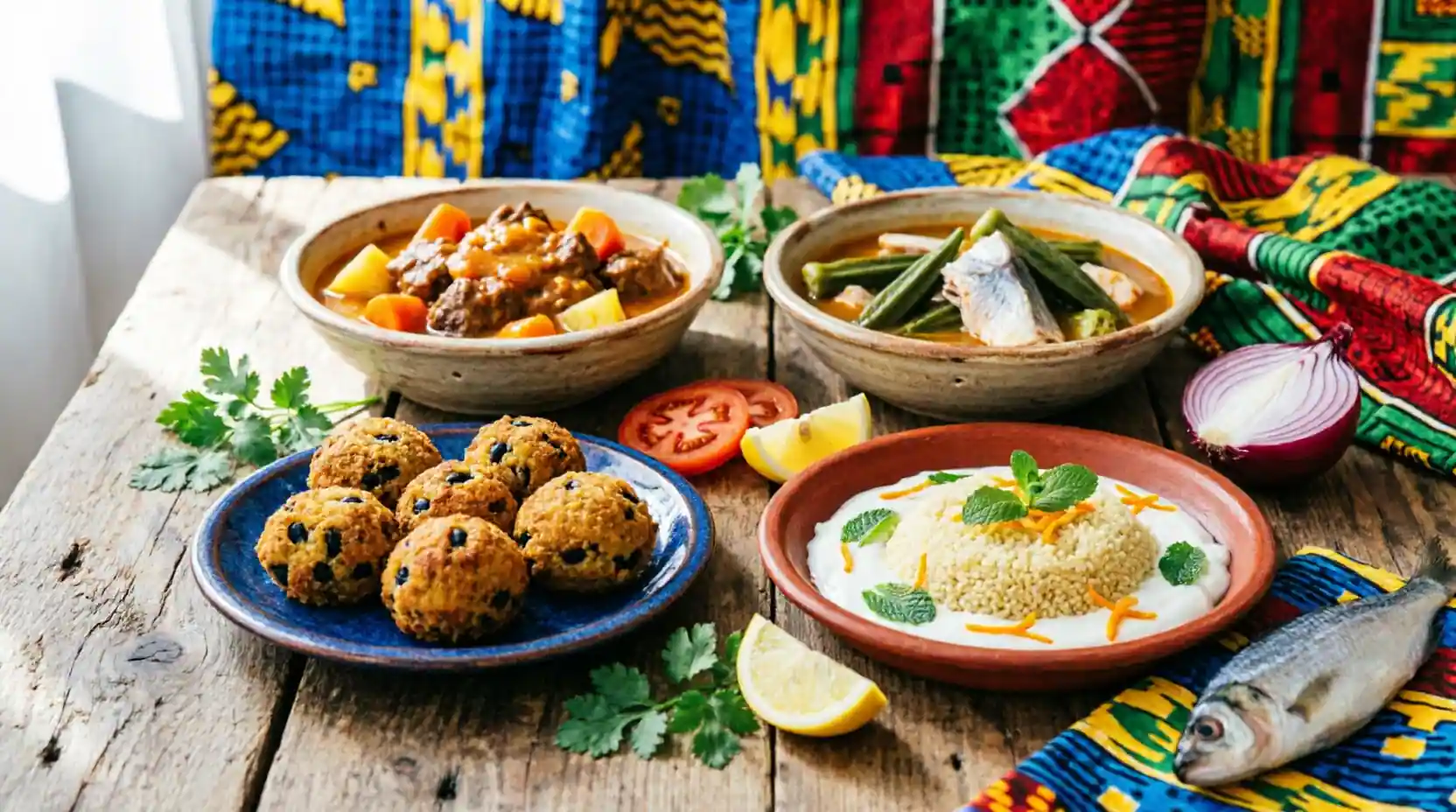
Top 12 Traditional Senegalese Dishes You Must Try Beyond Thieboudienne and Yassa
Senegal's culinary landscape extends far beyond the internationally celebrated Thieboudienne and Yassa, offering a rich tapestry of flavors, textures, and aromas that reflect the country's diverse ethnic groups, colonial history, and abundant natural resources. While these two iconic dishes have rightfully earned global recognition, venturing deeper into Senegalese cuisine reveals a treasure trove of traditional preparations that showcase the creativity and resourcefulness of West African cooking. From hearty peanut stews simmered for hours to delicate fried pastries sold by street vendors, from refreshing hibiscus drinks to sweet millet desserts, Senegalese cuisine embodies the spirit of Teranga, the Wolof word for hospitality that defines the national character. This comprehensive guide explores twelve exceptional traditional dishes that every food-loving traveler should experience when visiting Senegal, providing detailed descriptions of ingredients, preparation methods, cultural significance, and where to find the most authentic versions. Whether you are dining in a Dakar restaurant, sampling street food in Saint-Louis, or sharing a meal with a local family in a rural village, these dishes offer genuine insights into Senegalese culture, history, and daily life through the universal language of food.
Understanding Senegalese Culinary Traditions

Senegalese cuisine reflects centuries of cultural exchange, indigenous innovation, and adaptation to local ingredients and climate. The country's position on the Atlantic coast provides abundant fresh fish and seafood, while the interior savannas support agriculture including millet, sorghum, rice, peanuts, and various vegetables. Islamic influence from Arab traders and French colonial rule have both left lasting marks on cooking techniques and flavor profiles. Meals typically center around a communal platter where family members or guests gather to eat with their right hands, reinforcing social bonds and demonstrating the value placed on community and sharing. Spices and seasonings play crucial roles, with Scotch bonnet peppers, garlic, ginger, onions, and local spice blends adding depth and heat to dishes. Palm oil, peanut oil, and fish sauce provide characteristic flavors and cooking mediums. Understanding these foundational elements enhances appreciation for the twelve traditional dishes explored in this guide, each representing different regions, occasions, and cultural influences within Senegal's diverse culinary heritage.
1. Mafe The Rich Peanut Stew That Defines Senegalese Comfort Food
Mafe, also known as Domoda in some regions, stands as one of Senegal's most beloved and ubiquitous dishes, featuring tender meat slow-cooked in a rich, creamy peanut sauce that balances savory, sweet, and slightly spicy flavors. This hearty stew typically uses beef, lamb, or chicken as its protein base, though fish variations exist in coastal areas. The preparation begins by browning meat with onions, garlic, and tomatoes, then simmering it with vegetables including carrots, potatoes, cabbage, and eggplant until tender. The distinctive peanut sauce, made from natural peanut paste or ground roasted peanuts, thickens the stew and provides its characteristic nutty richness and golden-brown color. Scotch bonnet peppers add heat that can be adjusted to preference, while a touch of tomato paste contributes acidity and depth. Mafe traditionally serves over steamed white rice, which absorbs the flavorful sauce and provides textural contrast to the tender meat and vegetables. This dish exemplifies Senegal's status as Africa's largest peanut producer, transforming this agricultural staple into culinary gold. Mafe appears on restaurant menus nationwide and features prominently at family gatherings, celebrations, and Sunday lunches. The dish's popularity extends throughout West Africa, with variations found in Mali, Guinea, Gambia, and Ivory Coast, though Senegalese versions remain particularly prized for their balanced flavors and generous portions. Finding authentic Mafe requires seeking out local restaurants or home cooks rather than tourist-oriented establishments, as the dish's humble origins and lengthy preparation time make it less common in quick-service settings. The best Mafe simmers for at least two hours, allowing flavors to meld and meat to become fork-tender. Vegetarian adaptations substitute the meat with additional vegetables or tofu, maintaining the essential peanut sauce that defines this comforting dish.
2. Soup Kandia The Okra Stew That Divides and Delights
Soup Kandia represents one of Senegal's most distinctive and polarizing dishes, featuring okra as its star ingredient in a viscous, flavorful stew that challenges unfamiliar palates while delighting those who appreciate its unique texture and taste. This traditional preparation combines fresh or dried okra, which naturally thickens the broth through its mucilaginous properties, creating a consistency that ranges from lightly viscous to quite slimy depending on preparation method and cooking time. The stew typically includes beef, goat, or fish as protein, along with tomatoes, onions, garlic, and Scotch bonnet peppers for heat. Palm oil provides rich flavor and characteristic reddish color, while fermented fish or shrimp paste adds umami depth that defines West African cooking. Some versions incorporate leafy greens like spinach or baobab leaves for additional nutrition and flavor complexity. Soup Kandia traditionally serves with steamed rice or fonio, an ancient West African grain experiencing renewed popularity. The dish's preparation requires skill to achieve the desired consistency without overcooking the okra into mush, and opinions vary widely on whether fresh or dried okra produces superior results. Soup Kandia holds particular significance in Wolof culture and appears frequently at family meals, religious celebrations, and community gatherings. While the texture proves challenging for some first-time tasters, particularly those unaccustomed to okra's natural properties, persistent sampling often converts skeptics into enthusiasts who appreciate the dish's nutritional value, complex flavors, and cultural importance. Finding excellent Soup Kandia requires visiting local eateries frequented by Senegalese diners rather than international restaurants, as the dish's strongly traditional nature makes it less adaptable to foreign palates. Home-cooked versions often surpass restaurant preparations, making acceptance of dining invitations from local friends particularly rewarding for adventurous eaters.
3. Pastels The Crispy Fried Pastries Perfect for Snacking
Pastels rank among Senegal's most popular street foods, offering crispy, golden-brown fried pastries filled with savory or sweet ingredients that satisfy hunger and showcase the country's talent for transforming simple components into irresistible treats. These handheld delights feature a thin, flaky dough wrapper that fries to perfect crispness, encasing fillings that vary by region, vendor, and occasion. Savory versions typically contain spiced ground beef or fish mixed with onions, garlic, tomatoes, and hot peppers, creating a flavorful, slightly spicy interior that contrasts beautifully with the crunchy exterior. Sweet variations might include banana, chocolate, or sweetened condensed milk, appealing to those with dessert preferences. The dough preparation requires skill to achieve the ideal thinness without tearing, and the frying process demands careful temperature control to ensure golden crispness without burning or greasiness. Pastels sell from street carts, beach vendors, and market stalls throughout Senegal, particularly in urban areas like Dakar, Thiès, and Saint-Louis, where they serve as popular breakfast items, afternoon snacks, or late-night treats. Prices remain accessible at 100 to 300 CFA francs per piece, making them ideal for budget travelers seeking authentic local food experiences. The best Pastels feature a filling-to-dough ratio that balances flavors and textures, with enough interior to satisfy without overwhelming the crispy shell. Fresh preparation ensures optimal crispness, as Pastels lose their appealing texture as they cool and absorb moisture. While generally safe to consume, travelers should observe vendor hygiene practices, including oil freshness and hand-washing habits, to minimize health risks. Pastels exemplify Senegalese street food culture's vibrancy and accessibility, offering delicious, portable nutrition that reflects the creativity and resourcefulness of local cooks working with limited ingredients and equipment.
4. Accara Black-Eyed Pea Fritters with Intense Flavor
Accara stands as one of Senegal's most iconic street foods, featuring fluffy, golden-brown fritters made from ground black-eyed peas that deliver intense flavor and satisfying texture in every bite. This traditional snack requires soaking black-eyed peas, removing their skins through vigorous rubbing, then grinding the beans into a smooth paste with onions, Scotch bonnet peppers, garlic, and salt. The mixture whips vigorously to incorporate air, creating a light, aerated batter that fries into pillowy fritters with crispy exteriors and tender, slightly spicy interiors. Accara's preparation demands skill and experience, as the batter's consistency and whipping technique significantly impact final texture, while oil temperature must remain precisely controlled to achieve golden color without burning or excessive oil absorption. These fritters sell from street vendors throughout Senegal, particularly in Dakar's bustling neighborhoods, where they serve as popular breakfast items, afternoon snacks, or accompaniments to drinks at local bars. Vendors typically serve Accara wrapped in paper with a spicy onion and pepper sauce called sauce piquante, which adds tangy heat that complements the fritters' mild bean flavor. Prices range from 200 to 500 CFA francs depending on quantity and location, making Accara an affordable and filling option for hungry travelers. Beyond their delicious taste, Accara fritters provide substantial protein and nutrients from the black-eyed peas, offering wholesome sustenance that sustains manual laborers, students, and office workers alike. The dish holds cultural significance as a symbol of Senegalese resourcefulness, transforming humble legumes into coveted street food through skill and tradition. Finding excellent Accara requires seeking vendors with steady customer flow, ensuring fresh preparation and oil quality, while observing hygiene practices helps minimize health risks. For adventurous eaters, Accara offers an authentic taste of everyday Senegalese life and culinary tradition.
5. Thiakry Sweet Millet Couscous with Yogurt and Spice
Thiakry, also spelled Chakery, represents one of Senegal's most beloved desserts and snacks, combining sweetened millet couscous with creamy yogurt, sugar, and aromatic spices to create a refreshing, nutritious treat perfect for hot afternoons or special celebrations. This traditional preparation features pearl millet couscous, steamed until tender and fluffy, then mixed with plain yogurt or sour milk, sugar or sweetened condensed milk, nutmeg, vanilla, and sometimes raisins or other dried fruits. The resulting dish offers a unique combination of textures, with the slightly chewy millet pearls contrasting against smooth, tangy yogurt, while sweet and spiced flavors create complex taste profiles that satisfy both children and adults. Thiakry holds particular significance during Ramadan, when it serves as a popular iftar food for breaking fasts, providing quick energy and hydration after daylight hours of abstinence. The dish also features at weddings, baptisms, and religious celebrations, where large batches prepare to feed gathered guests. Beyond its role as dessert, Thiakry functions as a nutritious snack or light meal, offering carbohydrates, protein, and probiotics from the fermented milk. Street vendors sell individual portions from coolers throughout Senegal's cities, while restaurants include it on dessert menus, and families prepare it at home for special occasions. The dish's preparation requires attention to achieve proper millet texture, avoiding mushiness while ensuring thorough cooking, and balancing sweetness with yogurt's tanginess. Thiakry exemplifies Senegalese cuisine's ability to create delightful foods from simple, locally available ingredients, demonstrating culinary creativity within resource constraints. For travelers, Thiakry offers a refreshing break from savory dishes and spicy flavors, providing familiar comfort through sweet, creamy textures while introducing millet, a staple grain central to West African agriculture and food culture.
6. Bissap The Vibrant Hibiscus Drink That Refreshes and Heals
Bissap, Senegal's national beverage, ranks among West Africa's most popular drinks, featuring deep ruby-red hibiscus flowers steeped into a tart, refreshing infusion that quenches thirst, cools the body, and provides numerous health benefits. This traditional preparation uses dried calyces of the roselle plant, a hibiscus species cultivated throughout Senegal and the tropics, which brew into a brilliantly colored beverage that ranges from sweet to tart depending on sugar content and preparation method. The basic recipe involves steeping dried hibiscus flowers in boiling water, then straining and sweetening with sugar to taste, though many variations exist incorporating mint, ginger, vanilla, orange flower water, or fruit juices for additional flavor complexity. Bissap serves ice-cold, making it ideal for Senegal's hot climate, and appears at virtually every meal, celebration, and gathering throughout the country. Street vendors sell bottled or bagged Bissap alongside meals and snacks, restaurants offer it as a non-alcoholic beverage option, and families prepare large batches for parties and religious celebrations. Beyond its refreshing taste and beautiful color, Bissap provides significant health benefits, including high vitamin C content, antioxidants that combat inflammation, and properties that may help lower blood pressure and support liver function. The drink's natural tartness makes it versatile for pairing with spicy foods, as it cools the palate and balances heat. Bissap's cultural significance extends beyond mere refreshment, representing Senegalese hospitality and featuring prominently in welcoming guests and celebrating special occasions. For travelers, Bissap offers a safe, delicious, and authentically Senegalese beverage alternative to bottled water or imported sodas, while providing hydration and nutrients. The drink's simple preparation and affordable ingredients make it accessible to all economic levels, embodying the democratic nature of Senegalese food culture where delicious, nutritious options exist regardless of budget.
7. Ndambé The Hearty Potato and Meat Stew of Dakar Streets
Ndambé stands as one of Senegal's most satisfying and ubiquitous street foods, featuring tender potatoes and meat simmered in a rich, spicy tomato sauce that delivers hearty nutrition and bold flavors perfect for hungry laborers, students, and office workers seeking affordable, filling meals. This traditional stew typically combines beef or goat meat with abundant potatoes, the dish's defining ingredient, along with tomatoes, onions, garlic, Scotch bonnet peppers, and aromatic spices that create a thick, flavorful sauce. The preparation involves browning meat with onions and spices, then adding tomatoes and potatoes to simmer until everything becomes tender and flavors meld into a cohesive, deeply satisfying dish. Ndambé's name derives from the Wolof language, reflecting its deep roots in Senegalese culinary tradition and its particular popularity in Dakar and surrounding urban areas where it serves as staple street food. Vendors prepare large batches in enormous pots, serving portions over rice or with crusty French bread for soaking up the delicious sauce. The dish's affordability, typically costing 500 to 1000 CFA francs for a generous portion, makes it accessible to workers across economic levels, while its hearty nature provides sustained energy for physically demanding labor. Ndambé exemplifies Senegalese cuisine's ability to create delicious, nutritious meals from simple, affordable ingredients, transforming humble potatoes and tough cuts of meat into crave-worthy comfort food through skillful seasoning and slow cooking. The dish appears at street corners, market areas, and busy intersections throughout Senegal's cities, where the aroma of simmering tomatoes and spices attracts hungry customers. For travelers, Ndambé offers an authentic taste of everyday Senegalese life, providing substantial nutrition and bold flavors at budget-friendly prices while supporting local food vendors and experiencing the vibrant street food culture that defines urban Senegal.
8. Fataya Savory Meat Pastries with Flaky Crust
Fataya ranks among Senegal's most popular savory snacks, featuring flaky, golden-brown pastries filled with spiced ground meat that deliver satisfying flavors and portable convenience perfect for breakfast, lunch, or anytime hunger strikes. These triangular or rectangular pastries consist of thin, layered dough that bakes or fries to crispy perfection, encasing a filling of ground beef or lamb mixed with onions, tomatoes, garlic, hot peppers, and aromatic spices that create a savory, slightly spicy interior. The dough preparation requires skill to achieve proper flakiness, with some versions using yeast-leavened bread-like dough while others employ pastry techniques similar to empanadas or samosas. Fataya's origins reflect Senegal's diverse cultural influences, with connections to North African pastries, Middle Eastern meat pies, and European empanadas adapted to local tastes and ingredients. Street vendors, bakeries, and snack shops throughout Senegal sell Fataya, making them widely accessible in urban and rural areas alike. They serve as popular breakfast items eaten with coffee or tea, quick lunches for workers and students, or afternoon snacks to tide over hunger until dinner. Prices typically range from 200 to 500 CFA francs depending on size and location, maintaining affordability while providing substantial nutrition from the protein-rich meat filling and carbohydrate-heavy pastry. The best Fataya feature a proper filling-to-crust ratio, with enough spiced meat to satisfy without overwhelming the flaky pastry, and fresh preparation ensures optimal texture and flavor. For travelers, Fataya offers a delicious, familiar format that introduces Senegalese spice profiles and cooking techniques while providing convenient, portable nutrition that fits easily into busy sightseeing schedules. The pastries' widespread availability and reasonable prices make them ideal for sampling Senegalese street food culture with minimal risk or expense.
9. Lakh Sweet Millet Porridge with Baobab and Yogurt
Lakh represents one of Senegal's most traditional and nutritious dishes, featuring sweetened millet porridge enriched with baobab fruit powder, yogurt, and sugar to create a creamy, tangy, slightly sweet preparation that serves as breakfast, snack, or dessert depending on context and portion size. This ancient dish showcases indigenous West African ingredients, particularly pearl millet and baobab fruit, both nutritional powerhouses that have sustained Senegalese people for centuries. The preparation involves cooking millet grains or flour into a thick porridge, then mixing in baobab fruit powder, which provides distinctive tangy flavor, vitamin C, calcium, and antioxidants, along with yogurt or sour milk for creaminess and probiotics, and sugar or honey for sweetness. Some versions incorporate raisins, vanilla, or nutmeg for additional flavor complexity. Lakh holds particular significance during Ramadan, serving as a popular suhoor meal before dawn fasting begins, as its complex carbohydrates and protein provide sustained energy throughout the day. The dish also features at traditional ceremonies, religious celebrations, and family gatherings, where it demonstrates hospitality and cultural pride. Beyond its ceremonial roles, Lakh functions as everyday nutrition, particularly in rural areas where millet cultivation remains central to agriculture and food security. The dish's preparation requires knowledge passed through generations, as achieving proper consistency and balancing sweet and tangy flavors demands experience and attention. Street vendors sell individual portions, particularly in mornings and during Ramadan, while restaurants may offer it as a traditional dessert or breakfast option. For travelers, Lakh provides an opportunity to taste indigenous ingredients like baobab that define West African cuisine, while experiencing the nutritional wisdom of traditional food preparations that sustained generations before modern imports and processed foods. The dish's creamy texture and sweet-tart flavor profile appeal to diverse palates, making it an accessible introduction to Senegal's culinary heritage.
10. Sombi Creamy Rice Pudding with Coconut and Spices
Sombi, Senegal's version of rice pudding, offers a creamy, comforting dessert that showcases the country's talent for transforming simple ingredients into delightful sweet treats through careful cooking and aromatic flavoring. This traditional preparation combines rice, typically broken or short-grain varieties that release starch for creaminess, with coconut milk or regular milk, sugar, vanilla, nutmeg, and sometimes raisins or other dried fruits to create a rich, sweet pudding that satisfies dessert cravings while providing substantial nutrition. The cooking process requires patience and attention, as the rice must simmer slowly in milk until tender and the mixture thickens to proper consistency without burning or becoming too stiff. Some versions incorporate condensed milk for extra richness and sweetness, while others maintain lighter profiles using only regular milk and moderate sugar. Sombi serves chilled or at room temperature, making it refreshing in Senegal's warm climate, and appears on restaurant dessert menus, at family celebrations, and as street food sold from coolers by vendors. The pudding's creamy texture and familiar sweet flavors make it particularly appealing to travelers who may find some traditional Senegalese dishes too spicy or unfamiliar, providing comforting taste while still experiencing local culinary traditions. Sombi's ingredients reflect Senegal's coastal location and trade connections, with coconut milk indicating historical exchange with Asian and other tropical regions, while rice cultivation remains central to Senegalese agriculture, particularly in the Casamance region and Senegal River valley. The dish demonstrates how Senegalese cuisine incorporates available ingredients into preparations that satisfy both nutritional needs and pleasure, creating foods that nourish bodies and delight taste buds. For travelers, Sombi offers a sweet conclusion to spicy meals, a safe dessert option for sensitive stomachs, and an example of how universal comfort foods like rice pudding adapt to local ingredients and flavor preferences while maintaining their essential character.
11. Bouye Nutritious Baobab Fruit Juice
Bouye, the refreshing beverage made from baobab fruit pulp, represents one of Senegal's most nutritious and culturally significant drinks, offering tangy flavor, abundant health benefits, and connection to ancient food traditions that predate colonial influence and modern globalization. The baobab tree, known as the "Tree of Life" throughout Africa, produces large fruits containing dry, powdery pulp with exceptional nutritional value, including high vitamin C content, calcium, potassium, fiber, and antioxidants that support immune function, digestive health, and overall wellness. To prepare Bouye, the powdery pulp mixes with water, sugar, and sometimes vanilla or orange flower water, then strains to remove seeds and fibers, creating a smooth, slightly thick beverage with distinctive sweet-tart flavor and creamy mouthfeel. The drink serves ice-cold, making it ideal for Senegal's hot climate, and appears at street stalls, markets, restaurants, and family gatherings throughout the country. Bouye holds particular importance during Ramadan, providing hydration and nutrients for breaking fasts, and features at celebrations and ceremonies as a symbol of hospitality and cultural pride. Beyond its taste and nutrition, Bouye represents sustainable food systems, as baobab trees grow wild throughout Senegal requiring no cultivation, irrigation, or pesticides, while providing food, medicine, and economic opportunities for rural communities who harvest and process the fruits. The drink's popularity has spread internationally as health-conscious consumers discover baobab's nutritional benefits, though authentic Senegalese Bouye prepared fresh from raw pulp differs significantly from processed baobab powder products sold in Western health food stores. For travelers, Bouye offers safe, delicious hydration while supporting local economies and experiencing indigenous food traditions that have sustained West African populations for millennia. The beverage's tangy sweetness and creamy texture appeal to diverse palates, making it an accessible introduction to African superfoods and traditional preparations that prioritize nutrition, sustainability, and flavor.
12. Pate The Versatile Corn or Millet Porridge
Pate stands as one of Senegal's most fundamental and versatile staple foods, featuring thick porridge made from corn, millet, or sorghum flour that serves as a neutral base for flavorful sauces, stews, and soups throughout the country. This simple yet essential preparation involves gradually adding flour to boiling water while stirring vigorously to prevent lumps, then cooking until the mixture thickens into a smooth, dense consistency that can mold into balls or scooped with sauces. Pate's neutral flavor and starchy texture make it the perfect vehicle for Senegal's rich, spicy sauces like Mafe, Soup Kandia, and various fish and vegetable preparations, absorbing flavors while providing satisfying carbohydrates and sustenance. Different regions favor different grains, with corn Pate more common in southern Senegal and Casamance, while millet or sorghum versions predominate in northern and central areas where these drought-resistant grains thrive. Pate appears at nearly every traditional meal, serving as the foundation upon which Senegalese cuisine builds its complex flavors and nutritional profiles. The preparation requires skill and strength, as proper consistency demands vigorous stirring and attention to prevent burning or lumping, making it a dish typically prepared by experienced cooks who understand the technique passed through generations. Pate serves as a communal food, with family members gathering around a large bowl to eat with their right hands, scooping up portions of Pate and dipping or topping it with sauce, reinforcing social bonds and cultural traditions around shared meals. For travelers, Pate provides an authentic dining experience that connects to centuries of Senegalese food culture, though its plain taste and dense texture may require adjustment for those accustomed to more heavily seasoned or varied starch options. Understanding Pate's role as a canvas for sauces rather than a standalone dish enhances appreciation for this fundamental element of Senegalese cuisine that sustains populations through its affordability, nutritional value, and perfect pairing with the country's flavorful preparations.
Where to Find Authentic Traditional Senegalese Dishes

Experiencing these twelve traditional Senegalese dishes authentically requires knowing where to look beyond tourist-oriented restaurants and international hotels that often serve diluted or modified versions designed for foreign palates. Local eateries called "dibiteries" when specializing in grilled meat, or simply "restaurants locaux" or "chez nous" establishments, provide the most genuine preparations at affordable prices, though hygiene standards vary and adventurous eaters should observe cleanliness practices before committing. Street food vendors offer exceptional opportunities to sample dishes like Accara, Pastels, Fataya, and Bissap, particularly in busy markets, transportation hubs, and neighborhood centers where high turnover ensures freshness and quality. Accepting dining invitations from Senegalese friends or acquaintances provides access to home-cooked meals that often surpass restaurant quality, as families take pride in preparing traditional dishes for guests according to time-honored recipes and techniques. Regional variations exist throughout Senegal, with coastal areas emphasizing fish and seafood preparations, while interior regions feature more meat and grain-based dishes, making travel to different parts of the country rewarding for culinary explorers seeking comprehensive understanding of Senegalese cuisine. Markets like Marché Sandaga and Marché Kermel in Dakar offer opportunities to observe ingredients, purchase snacks, and sometimes find prepared foods, while also providing cultural context for understanding Senegalese food systems and culinary traditions. For travelers concerned about food safety, choosing busy establishments with high customer turnover, observing food preparation practices, drinking only bottled or treated water, and gradually introducing the digestive system to new foods and spices helps minimize health risks while maximizing culinary adventures.
Cultural Etiquette and Dining Customs in Senegal

Understanding and respecting Senegalese dining customs enhances culinary experiences and demonstrates cultural sensitivity that opens doors to warmer hospitality and more authentic interactions. Traditional meals serve communally from a single large platter, with family members or guests gathering around to eat with their right hands, as the left hand considers unclean for dining. Washing hands before and after meals occurs as a ritual, often with a basin and pitcher provided by hosts, and guests should accept this hospitality graciously. The most honored guests or elders receive choice portions, often placed directly on their section of the platter by the host or cook, and refusing such offerings can offend. Eating with the right hand requires technique, forming small balls of rice or Pate with fingertips and using them to scoop up sauces and meats, though foreigners receive understanding and utensils often provide upon request. Complimenting the cook and expressing enjoyment of the meal demonstrates appreciation, while wasting food or leaving substantial amounts uneaten may suggest dissatisfaction. Senegalese hospitality, or Teranga, emphasizes generosity and abundance, with hosts often preparing more food than necessary to ensure guests feel welcomed and valued. Understanding these customs helps travelers navigate dining situations respectfully while enjoying the rich culinary traditions that define Senegalese culture and community life.
Final Thoughts on Exploring Senegalese Cuisine

Venturing beyond Thieboudienne and Yassa to explore these twelve traditional Senegalese dishes opens windows into the country's soul, revealing cultural values, historical influences, agricultural practices, and community traditions that define Senegalese identity. Each dish tells a story of adaptation and innovation, transforming available ingredients into nutritious, flavorful preparations that have sustained generations while bringing people together around shared tables and communal platters. From the rich peanut complexity of Mafe to the challenging textures of Soup Kandia, from the sweet comfort of Thiakry to the refreshing tang of Bissap and Bouye, these dishes offer diverse flavors and experiences that reward adventurous palates and curious minds. Sampling these preparations in local eateries, street stalls, and family homes provides not just nutrition and pleasure, but opportunities for cultural exchange, connection with Senegalese people, and deeper understanding of West African culinary traditions that continue evolving while maintaining their essential character. For travelers willing to move beyond familiar foods and tourist-oriented restaurants, Senegal's traditional cuisine offers rich rewards that extend far beyond the plate, creating memories, building relationships, and demonstrating the universal power of food to communicate culture, history, and hospitality.
0 Comments