.webp)
.webp)
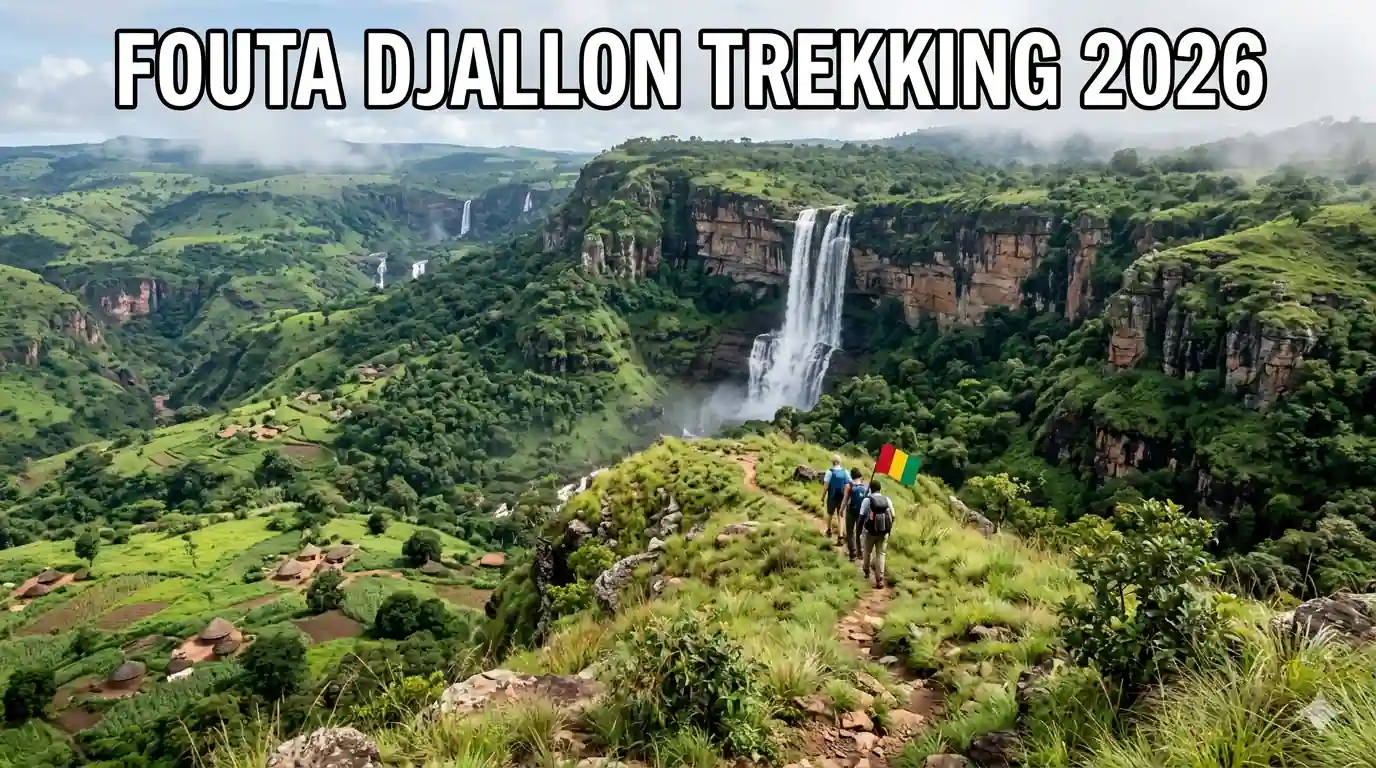
Fouta Djallon Trekking 2026: Why the "Water Tower of West Africa" Is a Viral Destination for Hikers
In the heart of Guinea lies one of West Africa's most spectacular and underexplored trekking destinations: the Fouta Djallon highlands. Often called the "Water Tower of West Africa" or the "Lady of West Africa" (not Mali, as sometimes mistakenly referenced), this dramatic plateau region is experiencing a surge in popularity among adventurous hikers, eco-tourists, and cultural explorers seeking authentic experiences off the beaten path. As social media showcases its breathtaking waterfalls, misty highland trails, traditional Fulani villages, and dramatic landscapes, Fouta Djallon is rapidly becoming one of 2026's most talked-about trekking destinations.
Rising to elevations of 900-1,500 meters (3,000-5,000 feet), the Fouta Djallon plateau serves as the source of major West African rivers including the Niger, Senegal, and Gambia. This unique hydrological significance creates a landscape of extraordinary beauty: cascading waterfalls plunging into emerald pools, terraced hillsides cultivated by Fulani farmers, cool mountain air contrasting with the tropical heat below, and traditional villages where ancient customs thrive alongside modern life. For trekkers seeking more than just physical challenge—those craving cultural immersion, natural wonder, and the satisfaction of exploring a destination before mass tourism arrives—Fouta Djallon delivers an unforgettable experience.
This comprehensive guide explores why Fouta Djallon is capturing the attention of the global hiking community in 2026: the region's unique geography and ecology, the best trekking routes and waterfalls, cultural encounters with the Fulani people, practical planning information, safety considerations, accommodation options, and expert tips for making the most of your highland adventure. Whether you're an experienced trekker seeking your next challenge or an adventurous traveler ready to step beyond conventional destinations, this guide provides everything you need to know about trekking in Guinea's spectacular highlands.
Understanding Fouta Djallon: Geography and Significance

The "Water Tower of West Africa"
Fouta Djallon's significance extends far beyond its scenic beauty. This highland plateau, covering approximately 77,700 square kilometers in central Guinea, plays a critical role in West Africa's hydrology:
- Major river sources: The Niger River (West Africa's third-longest river), Senegal River, and Gambia River all originate in the Fouta Djallon highlands
- Rainfall: The region receives 1,500-2,000mm of rainfall annually, creating lush vegetation and numerous waterfalls
- Elevation: Average elevation of 900 meters, with peaks reaching 1,500+ meters, creating cooler temperatures than surrounding lowlands
- Climate: Temperate highland climate with temperatures ranging 15-25°C (59-77°F), offering relief from tropical heat
- Biodiversity: Unique highland ecosystems supporting diverse flora and fauna distinct from Guinea's coastal and savannah regions
- 👉 Umhlanga Reed Dance 2026: Dates, Schedule & Etiquette
- 👉 Magical Kenya Tourism Expo 2026: October Dates & Hosted Buyer Guide
- 👉 Best Time to Visit South Sudan for Great Migration 2026 Guide
Why Fouta Djallon Is Going Viral in 2026
Several converging factors are driving Fouta Djallon's emergence as a trending trekking destination:
- Social media exposure: Stunning waterfall photography and highland landscapes shared on Instagram, TikTok, and YouTube are capturing global attention
- Overtourism alternatives: As classic trekking destinations become crowded, adventurous travelers seek authentic, less-visited alternatives
- Improved accessibility: Better roads, growing tour operator infrastructure, and increased flight connections to Conakry make access easier
- Cultural authenticity: Travelers increasingly value genuine cultural encounters over staged experiences
- Eco-tourism growth: Rising interest in sustainable, community-based tourism aligns with Fouta Djallon's development approach
- Affordability: Guinea remains one of West Africa's most affordable destinations for trekkers
- Adventure appeal: The "undiscovered" factor attracts travelers seeking bragging rights and unique stories
- 👉 Umhlanga Reed Dance 2026: Dates, Schedule & Etiquette
- 👉 Magical Kenya Tourism Expo 2026: October Dates & Hosted Buyer Guide
- 👉 Best Time to Visit South Sudan for Great Migration 2026 Guide
The Best Trekking Routes and Destinations

Iconic Waterfalls of Fouta Djallon
The region's abundant rainfall and dramatic topography create spectacular waterfalls that are the crown jewels of Fouta Djallon trekking:
Kambadaga Falls:
- Location: Near Dalaba, central Fouta Djallon
- Height: Approximately 80 meters (262 feet)
- Trek difficulty: Moderate; 2-3 hour hike from Dalaba
- Highlights: Multi-tiered cascade, swimming pools at base, lush vegetation, traditional villages en route
- Best time: September-November (peak flow after rainy season)
- 👉 Umhlanga Reed Dance 2026: Dates, Schedule & Etiquette
- 👉 Magical Kenya Tourism Expo 2026: October Dates & Hosted Buyer Guide
- 👉 Best Time to Visit South Sudan for Great Migration 2026 Guide
Voile de la Mariée (Bridal Veil Falls):
- Location: Near Dalaba
- Height: Approximately 60 meters (197 feet)
- Trek difficulty: Easy to moderate; 1-2 hour hike
- Highlights: Elegant curtain-like cascade, accessible swimming area, picnic spots
- Cultural note: Popular local gathering spot on weekends
- 👉 Umhlanga Reed Dance 2026: Dates, Schedule & Etiquette
- 👉 Magical Kenya Tourism Expo 2026: October Dates & Hosted Buyer Guide
- 👉 Best Time to Visit South Sudan for Great Migration 2026 Guide
Tinkisso Falls:
- Location: Near Mamou, southern Fouta Djallon
- Height: Approximately 100 meters (328 feet)
- Trek difficulty: Moderate to challenging; 3-4 hour hike
- Highlights: Powerful cascade, dramatic gorge, remote location, fewer tourists
- Best for: Experienced trekkers seeking adventure
- 👉 Umhlanga Reed Dance 2026: Dates, Schedule & Etiquette
- 👉 Magical Kenya Tourism Expo 2026: October Dates & Hosted Buyer Guide
- 👉 Best Time to Visit South Sudan for Great Migration 2026 Guide
Multi-Day Trekking Routes
Dalaba to Labé Trek (4-5 days):
- Distance: Approximately 80 kilometers
- Difficulty: Moderate; suitable for fit trekkers
- Highlights: Traditional Fulani villages, terraced farmland, mountain scenery, cultural immersion
- Accommodation: Village guesthouses and homestays
- Cultural experiences: Fulani hospitality, traditional music, local markets
- 👉 Umhlanga Reed Dance 2026: Dates, Schedule & Etiquette
- 👉 Magical Kenya Tourism Expo 2026: October Dates & Hosted Buyer Guide
- 👉 Best Time to Visit South Sudan for Great Migration 2026 Guide
Fouta Djallon Circuit (7-10 days):
- Route: Dalaba - Kouroussa - Mamou - Dalaba loop
- Distance: 150-200 kilometers
- Difficulty: Challenging; requires good fitness and trekking experience
- Highlights: Multiple waterfalls, diverse landscapes, highland villages, river valleys
- Best for: Serious trekkers seeking comprehensive highland experience
- 👉 Umhlanga Reed Dance 2026: Dates, Schedule & Etiquette
- 👉 Magical Kenya Tourism Expo 2026: October Dates & Hosted Buyer Guide
- 👉 Best Time to Visit South Sudan for Great Migration 2026 Guide
Kouroussa Valley Trek (2-3 days):
- Distance: 40-60 kilometers
- Difficulty: Easy to moderate
- Highlights: Niger River source region, scenic valleys, traditional agriculture
- Cultural significance: Area where Niger River begins its 4,200km journey
- 👉 Umhlanga Reed Dance 2026: Dates, Schedule & Etiquette
- 👉 Magical Kenya Tourism Expo 2026: October Dates & Hosted Buyer Guide
- 👉 Best Time to Visit South Sudan for Great Migration 2026 Guide
Day Hiking Options
For travelers with limited time or seeking less strenuous options:
- Dalaba surroundings: Multiple waterfalls within 1-2 hours of town; ideal base for day hikes
- Labé highlands: Scenic trails through terraced hillsides and villages
- Mamou region: River valley hikes with cultural encounters
- Guided nature walks: Local guides offer half-day walks focusing on flora, fauna, and traditional land use
- 👉 Umhlanga Reed Dance 2026: Dates, Schedule & Etiquette
- 👉 Magical Kenya Tourism Expo 2026: October Dates & Hosted Buyer Guide
- 👉 Best Time to Visit South Sudan for Great Migration 2026 Guide
Cultural Encounters: The Fulani People of Fouta Djallon

Understanding Fulani Culture
The Fouta Djallon highlands are home to the Fulani (also called Peul or Fula) people, one of West Africa's largest and most widely dispersed ethnic groups. The Fouta Djallon is considered the historical and cultural heartland of the Fulani people:
- History: Fulani have inhabited the highlands since the 11th century, establishing theocratic states and developing unique highland agricultural practices
- Language: Pulaar (Fulfulde) is widely spoken; French is used for official purposes
- Traditional economy: Cattle herding, terraced agriculture, and trade
- Social structure: Complex caste system with distinct social roles and traditions
- Religion: Predominantly Muslim, with Sufi Islamic traditions deeply integrated into daily life
- 👉 Umhlanga Reed Dance 2026: Dates, Schedule & Etiquette
- 👉 Magical Kenya Tourism Expo 2026: October Dates & Hosted Buyer Guide
- 👉 Best Time to Visit South Sudan for Great Migration 2026 Guide
Cultural Experiences for Trekkers
Trekking through Fouta Djallon offers unique opportunities for authentic cultural exchange:
- Village homestays: Many villages welcome trekkers for overnight stays, offering meals and cultural immersion
- Traditional music: Fulani music featuring instruments like the hoddu (lute) and riti (one-string fiddle)
- Cattle herding: Observe or participate in daily cattle herding, central to Fulani identity
- Traditional crafts: Leatherwork, weaving, and calabash carving by local artisans
- Market visits: Weekly markets in towns like Dalaba and Labé showcase local produce, crafts, and social life
- Ceremonial events: With permission and guide assistance, witness traditional ceremonies and celebrations
- 👉 Umhlanga Reed Dance 2026: Dates, Schedule & Etiquette
- 👉 Magical Kenya Tourism Expo 2026: October Dates & Hosted Buyer Guide
- 👉 Best Time to Visit South Sudan for Great Migration 2026 Guide
Respectful Cultural Engagement
When trekking through Fulani communities, cultural sensitivity is essential:
- Greetings: Learn basic Pulaar greetings; a simple "Salaam aleikum" goes a long way
- Dress modestly: Conservative clothing respects local Islamic customs
- Photography etiquette: Always ask permission before photographing people, especially women
- Gift-giving: Small gifts for hosts are appreciated but avoid creating dependency
- Religious respect: Be mindful of prayer times and religious observances
- Local guides: Employ local guides who can facilitate appropriate interactions and translation
- 👉 Umhlanga Reed Dance 2026: Dates, Schedule & Etiquette
- 👉 Magical Kenya Tourism Expo 2026: October Dates & Hosted Buyer Guide
- 👉 Best Time to Visit South Sudan for Great Migration 2026 Guide
Practical Planning Information

Best Time to Trek
Fouta Djallon's climate varies significantly by season, affecting trekking conditions:
Dry Season (November-April):
- Weather: Sunny days, cool nights, minimal rainfall
- Temperatures: 15-25°C (59-77°F) during day; can drop to 10°C (50°F) at night at higher elevations
- Trekking conditions: Trails dry and passable; river crossings easier
- Waterfall flow: Reduced flow compared to rainy season, but still impressive
- Best for: Most trekkers; comfortable conditions and reliable weather
- 👉 Umhlanga Reed Dance 2026: Dates, Schedule & Etiquette
- 👉 Magical Kenya Tourism Expo 2026: October Dates & Hosted Buyer Guide
- 👉 Best Time to Visit South Sudan for Great Migration 2026 Guide
Rainy Season (May-October):
- Weather: Daily afternoon thunderstorms, high humidity, lush vegetation
- Temperatures: 20-28°C (68-82°F)
- Trekking conditions: Trails muddy and slippery; river crossings challenging
- Waterfall flow: Spectacular, powerful cascades at peak flow
- Best for: Experienced trekkers seeking dramatic scenery and fewer tourists
- Considerations: September-November offers peak waterfall flow with decreasing rain
- 👉 Umhlanga Reed Dance 2026: Dates, Schedule & Etiquette
- 👉 Magical Kenya Tourism Expo 2026: October Dates & Hosted Buyer Guide
- 👉 Best Time to Visit South Sudan for Great Migration 2026 Guide
Getting to Fouta Djallon
Flying to Guinea:
- International airport: Conakry International Airport (CKY) is the main entry point
- Airlines: Air France, Brussels Airlines, Turkish Airlines, Royal Air Maroc, and regional carriers serve Conakry
- Visa requirements: Most nationalities require a visa; eVisa system available for many countries
- 👉 Umhlanga Reed Dance 2026: Dates, Schedule & Etiquette
- 👉 Magical Kenya Tourism Expo 2026: October Dates & Hosted Buyer Guide
- 👉 Best Time to Visit South Sudan for Great Migration 2026 Guide
Conakry to Fouta Djallon:
- Distance: Approximately 250-300 kilometers from Conakry to Dalaba (main trekking hub)
- By road: 5-7 hours by shared taxi or private vehicle; road conditions improving but can be challenging in rainy season
- Shared taxis: Depart when full; cost $15-25 USD per person
- Private transport: More comfortable and flexible; $100-200 USD for vehicle
- Domestic flights: Limited domestic air service; not reliable for Fouta Djallon access
- 👉 Umhlanga Reed Dance 2026: Dates, Schedule & Etiquette
- 👉 Magical Kenya Tourism Expo 2026: October Dates & Hosted Buyer Guide
- 👉 Best Time to Visit South Sudan for Great Migration 2026 Guide
Accommodation Options
Fouta Djallon offers varied accommodation suited to different budgets and comfort levels:
Budget/Guesthouses:
- Cost: $10-25 USD per night
- Features: Basic rooms, shared facilities, local hospitality
- Locations: Available in Dalaba, Labé, Mamou, and larger villages
- Best for: Budget travelers, cultural immersion
- 👉 Umhlanga Reed Dance 2026: Dates, Schedule & Etiquette
- 👉 Magical Kenya Tourism Expo 2026: October Dates & Hosted Buyer Guide
- 👉 Best Time to Visit South Sudan for Great Migration 2026 Guide
Mid-Range Hotels:
- Cost: $30-60 USD per night
- Features: Private rooms, en-suite bathrooms, sometimes hot water and WiFi
- Locations: Dalaba, Labé, Mamou
- Best for: Comfort-seeking trekkers, base for day hikes
- 👉 Umhlanga Reed Dance 2026: Dates, Schedule & Etiquette
- 👉 Magical Kenya Tourism Expo 2026: October Dates & Hosted Buyer Guide
- 👉 Best Time to Visit South Sudan for Great Migration 2026 Guide
Village Homestays:
- Cost: $5-15 USD per night (often includes meals)
- Features: Authentic cultural experience, simple accommodation, home-cooked meals
- Availability: Arranged through local guides or tour operators
- Best for: Cultural immersion, supporting local communities
- 👉 Umhlanga Reed Dance 2026: Dates, Schedule & Etiquette
- 👉 Magical Kenya Tourism Expo 2026: October Dates & Hosted Buyer Guide
- 👉 Best Time to Visit South Sudan for Great Migration 2026 Guide
Camping:
- Cost: Minimal or included with guide services
- Features: Bring your own tent or rent locally
- Considerations: Ask permission from village chiefs; respect local customs
- Best for: Multi-day treks, adventurous travelers
- 👉 Umhlanga Reed Dance 2026: Dates, Schedule & Etiquette
- 👉 Magical Kenya Tourism Expo 2026: October Dates & Hosted Buyer Guide
- 👉 Best Time to Visit South Sudan for Great Migration 2026 Guide
Hiring Guides and Porters
While experienced trekkers can navigate some routes independently, hiring local guides is strongly recommended:
- Why hire a guide:
- Local knowledge of trails, villages, and conditions
- Language translation (Pulaar, French, sometimes English)
- Cultural mediation and appropriate village interactions
- Safety and emergency assistance
- Support for local economy
- 👉 Umhlanga Reed Dance 2026: Dates, Schedule & Etiquette
- 👉 Magical Kenya Tourism Expo 2026: October Dates & Hosted Buyer Guide
- 👉 Best Time to Visit South Sudan for Great Migration 2026 Guide
- Guide costs: $25-50 USD per day depending on experience and services
- Porter costs: $15-25 USD per day to carry gear
- Where to find guides:
- Local guide associations in Dalaba and Labé
- Tour operators in Conakry
- Recommendations from guesthouses and hotels
- Online platforms and trekking forums
- 👉 Umhlanga Reed Dance 2026: Dates, Schedule & Etiquette
- 👉 Magical Kenya Tourism Expo 2026: October Dates & Hosted Buyer Guide
- 👉 Best Time to Visit South Sudan for Great Migration 2026 Guide
- What to expect: Guides typically speak French and Pulaar; English-speaking guides available but less common
- 👉 Umhlanga Reed Dance 2026: Dates, Schedule & Etiquette
- 👉 Magical Kenya Tourism Expo 2026: October Dates & Hosted Buyer Guide
- 👉 Best Time to Visit South Sudan for Great Migration 2026 Guide
Essential Gear and Packing List

Trekking Equipment
Proper gear is essential for comfort and safety in Fouta Djallon's varied terrain:
- Footwear: Sturdy hiking boots with good ankle support; trails can be rocky and slippery
- Clothing:
- Moisture-wicking base layers
- Lightweight, quick-dry hiking pants and shirts
- Warm layer for cool evenings (fleece or light down jacket)
- Rain jacket (essential year-round; afternoon storms common)
- Modest clothing for village visits (cover shoulders and knees)
- 👉 Umhlanga Reed Dance 2026: Dates, Schedule & Etiquette
- 👉 Magical Kenya Tourism Expo 2026: October Dates & Hosted Buyer Guide
- 👉 Best Time to Visit South Sudan for Great Migration 2026 Guide
- Backpack: 30-50 liter pack for multi-day treks; daypack for shorter hikes
- Sleeping gear: Sleeping bag (lightweight; nights can be cool); sleeping pad if camping
- Water: Water bottles or hydration system (2-3 liter capacity); water purification tablets or filter
- Navigation: Map, compass, GPS device or smartphone with offline maps
- Headlamp: Essential for early starts and village stays with limited electricity
- 👉 Umhlanga Reed Dance 2026: Dates, Schedule & Etiquette
- 👉 Magical Kenya Tourism Expo 2026: October Dates & Hosted Buyer Guide
- 👉 Best Time to Visit South Sudan for Great Migration 2026 Guide
Health and Safety Items
- First aid kit: Including blister treatment, antiseptic, bandages, pain relievers, anti-diarrheal medication
- Malaria prophylaxis: Consult travel medicine specialist; malaria present in Guinea
- Insect repellent: DEET-based repellent for malaria and insect protection
- Sun protection: Sunscreen, sunglasses, wide-brimmed hat (high elevation increases UV exposure)
- Personal medications: Adequate supply of prescription medications
- Travel insurance: Essential; ensure coverage includes medical evacuation and trekking activities
- 👉 Umhlanga Reed Dance 2026: Dates, Schedule & Etiquette
- 👉 Magical Kenya Tourism Expo 2026: October Dates & Hosted Buyer Guide
- 👉 Best Time to Visit South Sudan for Great Migration 2026 Guide
Practical Items
- Cash: Guinean francs (GNF) for villages; small bills preferred; USD or EUR for larger expenses
- Power: Portable charger/power bank; electricity unreliable in rural areas
- Documents: Passport, visa, travel insurance, vaccination certificates (yellow fever required), photocopies of important documents
- Communication: Unlocked phone for local SIM card; French phrasebook or translation app
- Toiletries: Biodegradable soap, toilet paper, hand sanitizer
- Snacks: Energy bars, nuts, dried fruit for trekking
- 👉 Umhlanga Reed Dance 2026: Dates, Schedule & Etiquette
- 👉 Magical Kenya Tourism Expo 2026: October Dates & Hosted Buyer Guide
- 👉 Best Time to Visit South Sudan for Great Migration 2026 Guide
Safety Considerations and Health Precautions

Health Requirements and Vaccinations
Before trekking in Guinea, ensure you're properly prepared health-wise:
- Required vaccinations:
- Yellow fever: Mandatory for entry to Guinea; carry International Certificate of Vaccination
- 👉 Umhlanga Reed Dance 2026: Dates, Schedule & Etiquette
- 👉 Magical Kenya Tourism Expo 2026: October Dates & Hosted Buyer Guide
- 👉 Best Time to Visit South Sudan for Great Migration 2026 Guide
- Recommended vaccinations:
- Hepatitis A and B
- Typhoid
- Meningitis
- Rabies (for extended stays or remote trekking)
- Tetanus (ensure up to date)
- 👉 Umhlanga Reed Dance 2026: Dates, Schedule & Etiquette
- 👉 Magical Kenya Tourism Expo 2026: October Dates & Hosted Buyer Guide
- 👉 Best Time to Visit South Sudan for Great Migration 2026 Guide
- Malaria prevention:
- Malaria is present throughout Guinea including Fouta Djallon
- Take prescribed prophylaxis medication
- Use insect repellent and sleep under mosquito nets
- Wear long sleeves and pants in evenings
- 👉 Umhlanga Reed Dance 2026: Dates, Schedule & Etiquette
- 👉 Magical Kenya Tourism Expo 2026: October Dates & Hosted Buyer Guide
- 👉 Best Time to Visit South Sudan for Great Migration 2026 Guide
- Water and food safety:
- Drink only bottled, boiled, or purified water
- Avoid ice in drinks
- Eat only well-cooked food
- Peel fruits and vegetables yourself
- 👉 Umhlanga Reed Dance 2026: Dates, Schedule & Etiquette
- 👉 Magical Kenya Tourism Expo 2026: October Dates & Hosted Buyer Guide
- 👉 Best Time to Visit South Sudan for Great Migration 2026 Guide
- 👉 Umhlanga Reed Dance 2026: Dates, Schedule & Etiquette
- 👉 Magical Kenya Tourism Expo 2026: October Dates & Hosted Buyer Guide
- 👉 Best Time to Visit South Sudan for Great Migration 2026 Guide
Trekking Safety
Fouta Djallon is generally safe for trekkers, but preparation and awareness are essential:
- Trail conditions:
- Trails can be steep, rocky, and slippery especially in rainy season
- River crossings may be necessary; assess carefully
- Use local guides familiar with current trail conditions
- 👉 Umhlanga Reed Dance 2026: Dates, Schedule & Etiquette
- 👉 Magical Kenya Tourism Expo 2026: October Dates & Hosted Buyer Guide
- 👉 Best Time to Visit South Sudan for Great Migration 2026 Guide
- Weather awareness:
- Afternoon thunderstorms common in rainy season
- Start hikes early to avoid afternoon storms
- Be prepared for rapid weather changes at elevation
- 👉 Umhlanga Reed Dance 2026: Dates, Schedule & Etiquette
- 👉 Magical Kenya Tourism Expo 2026: October Dates & Hosted Buyer Guide
- 👉 Best Time to Visit South Sudan for Great Migration 2026 Guide
- Wildlife:
- Generally no dangerous large predators
- Snakes present but rarely encountered
- Watch for insects; use repellent
- 👉 Umhlanga Reed Dance 2026: Dates, Schedule & Etiquette
- 👉 Magical Kenya Tourism Expo 2026: October Dates & Hosted Buyer Guide
- 👉 Best Time to Visit South Sudan for Great Migration 2026 Guide
- Communication:
- Cell coverage limited in remote areas
- Inform someone of your itinerary
- Consider satellite communicator for remote multi-day treks
- 👉 Umhlanga Reed Dance 2026: Dates, Schedule & Etiquette
- 👉 Magical Kenya Tourism Expo 2026: October Dates & Hosted Buyer Guide
- 👉 Best Time to Visit South Sudan for Great Migration 2026 Guide
- Local guidance:
- Follow advice of local guides and village chiefs
- Respect restricted areas and cultural sites
- Check current security situation before travel
- 👉 Umhlanga Reed Dance 2026: Dates, Schedule & Etiquette
- 👉 Magical Kenya Tourism Expo 2026: October Dates & Hosted Buyer Guide
- 👉 Best Time to Visit South Sudan for Great Migration 2026 Guide
- 👉 Umhlanga Reed Dance 2026: Dates, Schedule & Etiquette
- 👉 Magical Kenya Tourism Expo 2026: October Dates & Hosted Buyer Guide
- 👉 Best Time to Visit South Sudan for Great Migration 2026 Guide
Current Security Situation
As of 2026, Guinea has experienced political transitions. Stay informed:
- Check advisories: Consult your government's travel advisory before departure
- Fouta Djallon: Generally stable and safe for tourists; less affected by political tensions than urban areas
- Avoid demonstrations: Stay away from political gatherings or protests
- Local knowledge: Guides and guesthouse owners provide current local conditions
- Register with embassy: If your country offers registration services for travelers
- 👉 Umhlanga Reed Dance 2026: Dates, Schedule & Etiquette
- 👉 Magical Kenya Tourism Expo 2026: October Dates & Hosted Buyer Guide
- 👉 Best Time to Visit South Sudan for Great Migration 2026 Guide
Environmental Responsibility and Sustainable Trekking

Leave No Trace Principles
As Fouta Djallon's popularity grows, responsible trekking is essential to preserve this fragile highland ecosystem:
- Pack it in, pack it out: Carry out all trash; do not leave waste in villages or on trails
- Stay on marked trails: Prevents erosion and protects vegetation
- Respect wildlife: Observe from distance; do not feed or disturb animals
- Minimize campfire impact: Use camping stoves instead of fires; firewood scarce in highlands
- Leave what you find: Do not remove plants, rocks, or cultural artifacts
- Be considerate: Respect other trekkers and local communities
- 👉 Umhlanga Reed Dance 2026: Dates, Schedule & Etiquette
- 👉 Magical Kenya Tourism Expo 2026: October Dates & Hosted Buyer Guide
- 👉 Best Time to Visit South Sudan for Great Migration 2026 Guide
Supporting Local Communities
Sustainable trekking means ensuring local communities benefit from tourism:
- Hire local guides and porters: Provides income and employment
- Stay in village guesthouses: Supports local economy directly
- Buy local products: Purchase crafts, food, and services from village residents
- Respect cultural norms: Ask permission before photographing; dress modestly
- Fair compensation: Pay agreed prices; avoid aggressive haggling over small amounts
- Learn basic Pulaar: Effort to speak local language shows respect
- 👉 Umhlanga Reed Dance 2026: Dates, Schedule & Etiquette
- 👉 Magical Kenya Tourism Expo 2026: October Dates & Hosted Buyer Guide
- 👉 Best Time to Visit South Sudan for Great Migration 2026 Guide
Water Conservation
Despite abundant rainfall, water resources require care:
- Use water sparingly: Highland villages may have limited water infrastructure
- Avoid contaminating water sources: Do not wash with soap in streams used for drinking water
- Purification: Treat all drinking water to prevent illness and reduce plastic bottle waste
- 👉 Umhlanga Reed Dance 2026: Dates, Schedule & Etiquette
- 👉 Magical Kenya Tourism Expo 2026: October Dates & Hosted Buyer Guide
- 👉 Best Time to Visit South Sudan for Great Migration 2026 Guide
Sample Trekking Itineraries

3-Day Fouta Djallon Introduction
Perfect for first-time visitors or those with limited time:
- Day 1: Arrive Dalaba; afternoon hike to Voile de la Mariée waterfall; overnight in Dalaba guesthouse
- Day 2: Full-day trek to Kambadaga Falls (80m cascade); swim in pools; return to Dalaba
- Day 3: Morning village walk; visit local market; depart for Conakry or next destination
- 👉 Umhlanga Reed Dance 2026: Dates, Schedule & Etiquette
- 👉 Magical Kenya Tourism Expo 2026: October Dates & Hosted Buyer Guide
- 👉 Best Time to Visit South Sudan for Great Migration 2026 Guide
5-Day Highlands and Waterfalls Trek
Ideal for experiencing diverse landscapes and culture:
- Day 1: Dalaba; hike to Voile de la Mariée; overnight Dalaba
- Day 2: Trek to traditional Fulani village; homestay experience; learn about cattle herding
- Day 3: Continue to Kambadaga Falls; camp or village guesthouse near waterfall
- Day 4: Trek through terraced hillsides to Labé; explore town and market
- Day 5: Depart Labé for Conakry or continue trekking
- 👉 Umhlanga Reed Dance 2026: Dates, Schedule & Etiquette
- 👉 Magical Kenya Tourism Expo 2026: October Dates & Hosted Buyer Guide
- 👉 Best Time to Visit South Sudan for Great Migration 2026 Guide
7-Day Fouta Djallon Circuit
Comprehensive highland experience for dedicated trekkers:
- Days 1-2: Dalaba waterfalls and acclimatization
- Days 3-4: Trek through rural villages; homestays; cultural immersion
- Day 5: Kambadaga Falls and surrounding highlands
- Day 6: Trek to Labé; explore historic town
- Day 7: Optional additional day hikes or departure
- 👉 Umhlanga Reed Dance 2026: Dates, Schedule & Etiquette
- 👉 Magical Kenya Tourism Expo 2026: October Dates & Hosted Buyer Guide
- 👉 Best Time to Visit South Sudan for Great Migration 2026 Guide
Costs and Budgeting

Daily Trekking Costs
Fouta Djallon remains one of West Africa's most affordable trekking destinations:
Budget Traveler:
- Accommodation: $10-20 USD/night (guesthouses/homestays)
- Food: $10-15 USD/day (local restaurants and street food)
- Guide: $25-35 USD/day (shared cost if in group)
- Transport: $5-10 USD/day (local transport)
- Miscellaneous: $5-10 USD/day
- Total: $55-90 USD/day
- 👉 Umhlanga Reed Dance 2026: Dates, Schedule & Etiquette
- 👉 Magical Kenya Tourism Expo 2026: October Dates & Hosted Buyer Guide
- 👉 Best Time to Visit South Sudan for Great Migration 2026 Guide
Mid-Range Traveler:
- Accommodation: $30-50 USD/night (mid-range hotels)
- Food: $15-25 USD/day (mix of local and tourist restaurants)
- Private guide: $40-50 USD/day
- Transport: $15-25 USD/day (private transport)
- Miscellaneous: $10-15 USD/day
- Total: $110-165 USD/day
- 👉 Umhlanga Reed Dance 2026: Dates, Schedule & Etiquette
- 👉 Magical Kenya Tourism Expo 2026: October Dates & Hosted Buyer Guide
- 👉 Best Time to Visit South Sudan for Great Migration 2026 Guide
Multi-Day Trek Costs:
- Guide and porter services: $40-75 USD/day total
- Meals and accommodation on trek: $20-40 USD/day
- Equipment rental (if needed): $10-20 USD/day
- Total for 5-day trek: $350-675 USD
- 👉 Umhlanga Reed Dance 2026: Dates, Schedule & Etiquette
- 👉 Magical Kenya Tourism Expo 2026: October Dates & Hosted Buyer Guide
- 👉 Best Time to Visit South Sudan for Great Migration 2026 Guide
Additional Costs to Consider
- Visa: $50-150 USD depending on nationality and visa type
- Travel insurance: $50-150 USD for comprehensive coverage
- Vaccinations: $100-300 USD depending on requirements
- International flights: Varies significantly by origin
- Conakry to Fouta Djallon transport: $15-200 USD depending on transport type
- Equipment purchase/rental: Variable
- 👉 Umhlanga Reed Dance 2026: Dates, Schedule & Etiquette
- 👉 Magical Kenya Tourism Expo 2026: October Dates & Hosted Buyer Guide
- 👉 Best Time to Visit South Sudan for Great Migration 2026 Guide
Frequently Asked Questions

Is Fouta Djallon safe for solo trekkers, especially women?
Fouta Djallon is generally safe for solo trekkers, including women. The Fulani people are known for their hospitality. However, hiring a local guide is strongly recommended for solo travelers for safety, navigation, and cultural mediation. Dress modestly respecting local Islamic customs. Many female travelers have trekked successfully in the region.
Do I need to speak French to trek in Fouta Djallon?
French is the official language and widely spoken in towns. In rural villages, Pulaar (Fulfulde) is predominant. While not essential, basic French phrases are very helpful. English-speaking guides are available but less common. Translation apps can assist, but a local guide provides the best communication bridge.
How difficult are the treks in Fouta Djallon?
Trekking difficulty varies by route. Day hikes to waterfalls are generally easy to moderate. Multi-day treks range from moderate to challenging, involving elevation changes, rocky trails, and 4-6 hours of daily walking. Good fitness is recommended but you don't need to be an expert trekker. Local guides can adjust pace to your fitness level.
What is the best time to visit Fouta Djallon?
The dry season (November-April) offers the most comfortable trekking conditions with sunny days and cool nights. The rainy season (May-October) features spectacular waterfalls at peak flow but challenging muddy trails. September-November offers a good balance with impressive waterfalls and decreasing rain.
Can I trek independently or do I need a guide?
While experienced trekkers can navigate some routes independently, hiring a local guide is strongly recommended. Guides provide invaluable local knowledge, language translation, cultural mediation, safety assistance, and support the local economy. For remote multi-day treks, a guide is essential.
What should I do if I get sick while trekking?
Carry a comprehensive first aid kit and any personal medications. For serious illness, descend to larger towns (Dalaba, Labé, Mamou) where basic medical facilities exist. For emergencies, evacuation to Conakry may be necessary. This is why comprehensive travel insurance with medical evacuation coverage is essential.
Conclusion: Discovering West Africa's Highland Gem

Fouta Djallon's emergence as a viral trekking destination in 2026 is well-deserved. This spectacular highland region offers everything adventurous travelers seek: dramatic waterfalls cascading into emerald pools, misty mountain trails winding through terraced hillsides, authentic cultural encounters with the hospitable Fulani people, and the satisfaction of exploring a destination before mass tourism arrives. As the "Water Tower of West Africa," Fouta Djallon plays a vital ecological role while providing trekkers with an unforgettable journey through one of the continent's most beautiful and culturally rich landscapes.
What makes Fouta Djallon truly special is its authenticity. This is not a destination designed for tourists; it's a living, breathing region where traditional ways of life continue alongside modern development. Trekkers who venture here are welcomed as guests, not customers, creating opportunities for genuine cultural exchange and mutual understanding. The Fulani people's renowned hospitality, combined with the region's natural beauty, creates an experience that stays with you long after you've descended from the highlands.
As Fouta Djallon's popularity grows, the responsibility falls on all visitors to trek responsibly, respect local communities and environments, and ensure that tourism benefits those who call this remarkable place home. By hiring local guides, staying in village guesthouses, practicing Leave No Trace principles, and approaching cultural encounters with humility and respect, you contribute to sustainable tourism that preserves Fouta Djallon's beauty and authenticity for future generations.
The trails of Fouta Djallon are calling. The waterfalls are waiting. And the Fulani people are ready to share their highland home with those who approach with respect and curiosity. In 2026, discover why this "Lady of West Africa" is capturing hearts and inspiring trekkers from around the world.
Your Fouta Djallon adventure awaits. Lace up your boots, pack your sense of wonder, and prepare to discover one of West Africa's greatest treasures.
0 Comments