.webp)
.webp)
Understanding Togos Role in West African Heritage
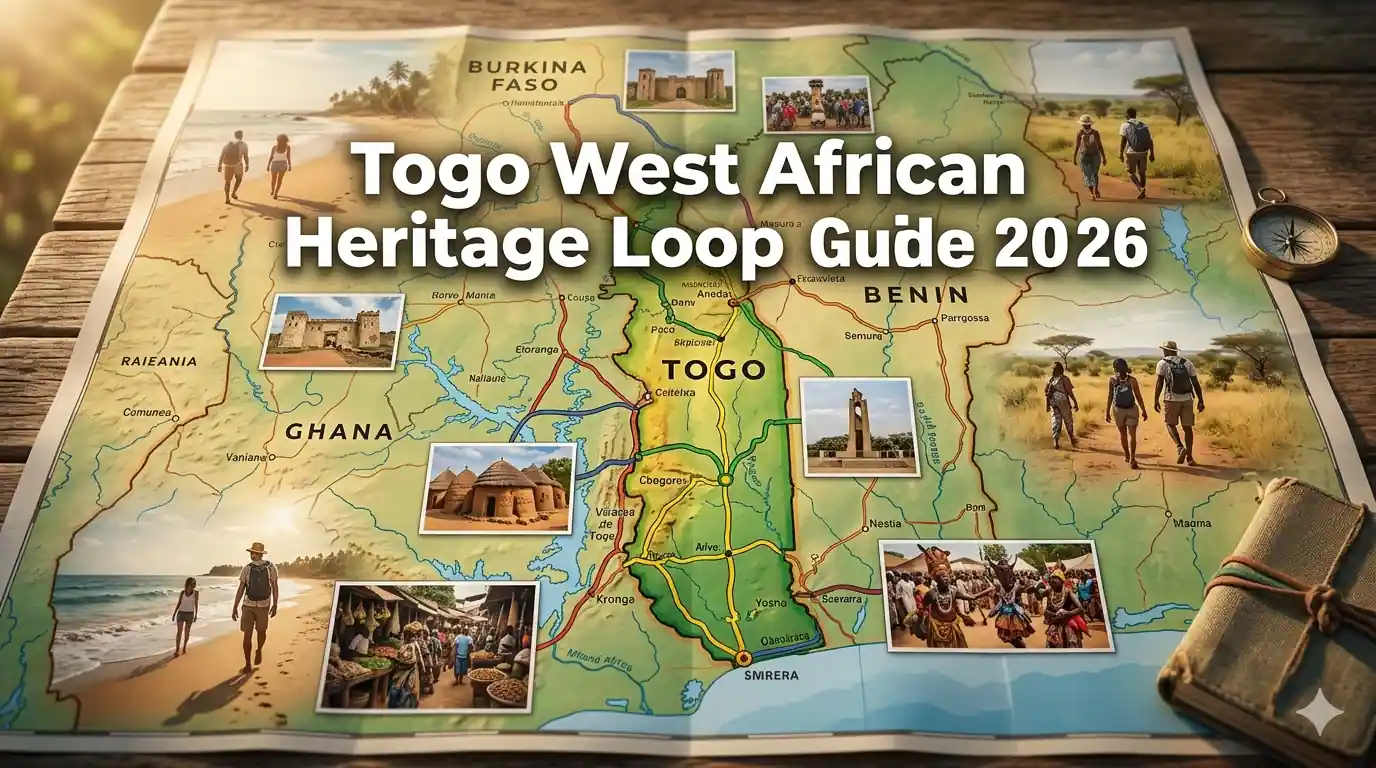
Togo occupies a strategic position in West Africas historical and cultural landscape. This narrow coastal nation connects Ghana to the west and Benin to the east forming a critical link in regional heritage circuits.
The countrys heritage reflects diverse influences from pre-colonial kingdoms trans-Atlantic slave trade colonial administrations and post-independence nation building. These layers create rich narratives for heritage travelers.
Visiting Togo as part of a wider West African heritage loop enables contextual understanding of regional history. Individual national stories gain meaning when viewed within broader West African patterns.
Togos compact size facilitates efficient travel between heritage sites. Visitors can experience coastal slave trade history traditional kingdoms colonial architecture and contemporary culture within manageable distances.
This guide reveals strategies for integrating Togo into comprehensive West African heritage itineraries while maximizing cultural insights and minimizing logistical challenges.
Key Heritage Sites Within Togo

Togo contains significant heritage sites that merit inclusion in any West African heritage loop. Understanding these locations helps prioritize itinerary planning.
Lome the capital features colonial architecture museums and markets reflecting Togolese history. The Grand Market and Independence Monument provide entry points to national narratives.
Agbodrafo and Aneho along the coast preserve slave trade era history. Former trading posts and memorials document this painful but essential chapter in West African heritage.
Kpalime in the interior showcases traditional architecture craft production and mountain landscapes. This region demonstrates cultural continuity alongside natural beauty.
Sokode and Kara in northern Togo reveal Islamic influences and traditional kingdoms. These areas contrast with southern coastal heritage providing regional diversity.
Fazao-Malfakassa National Park combines natural heritage with cultural significance. Protected landscapes preserve both biodiversity and traditional land use practices.
Connecting Togo to Ghanas Heritage Circuit

Ghana offers extensive heritage infrastructure making it an ideal anchor for West African heritage loops including Togo. Strategic routing maximizes both countries offerings.
The slave castles of Cape Coast and Elmina provide powerful historical context for understanding Togos coastal heritage sites. Visiting both creates comprehensive perspectives on trans-Atlantic trade.
Accra to Lome represents one of West Africas most accessible international routes. Regular transportation connections facilitate seamless cross-border heritage exploration.
Shared cultural traditions between southern Ghana and southern Togo enable comparative cultural study. Ewe and other ethnic groups span both nations creating continuity.
Coordinating festival calendars between Ghana and Togo enables timing visits to significant cultural events. Cross-border celebrations amplify heritage experiences.
Joint guide services and tour operators specialize in Ghana-Togo heritage circuits. Leveraging regional expertise simplifies logistics and enhances interpretation.
Integrating Benin for Complete Coastal Heritage

Benin complements Togo and Ghana in coastal West African heritage loops. The three nations share historical connections that enrich multi-country itineraries.
Ouidah in Benin features extensive slave trade heritage sites including the Door of No Return. Connecting Ouidah with Agbodrafo and Cape Coast creates powerful historical narratives.
Abomey the historic capital of Dahomey kingdom offers royal palace museums and traditional architecture. This inland heritage contrasts with coastal sites providing comprehensive perspectives.
Porto-Novo Benins capital showcases colonial architecture and cultural institutions. Proximity to Togo enables efficient multi-city exploration within single travel days.
Cross-border ethnic groups including Fon and Yoruba create cultural continuity across national boundaries. Understanding these connections deepens heritage appreciation.
Regional transportation networks connect Lome Cotonou and Accra with regular services. Planning around these connections optimizes travel efficiency and reduces transit time.
Extending the Loop to Burkina Faso and Beyond

Expanding heritage loops beyond coastal nations reveals inland West African heritage diversity. Burkina Faso Niger and Mali offer complementary historical perspectives.
Burkina Fasos traditional architecture including Sudano-Sahelian mosques provides contrast to coastal colonial heritage. These styles reflect different historical influences and environmental adaptations.
Ancient trade routes connecting Sahel and forest zones shaped West African history. Following these routes through multiple countries reveals economic and cultural exchange patterns.
Traditional kingdoms including Mossi in Burkina Faso and historical states in Mali offer insights into pre-colonial political systems. These narratives balance slave trade and colonial histories.
Artisan traditions vary regionally with distinct styles in metalwork textiles and sculpture. Comparing craft traditions across countries illustrates cultural diversity and exchange.
Multi-country loops require additional planning for visas transportation and health precautions. Advance preparation enables successful extended heritage exploration.
Visa Requirements and Border Crossing Strategies

Navigating visa requirements proves essential for multi-country West African heritage travel. Understanding protocols prevents delays and complications at borders.
ECOWAS protocols facilitate travel for West African citizens though international visitors face varying requirements. US and European travelers typically need individual visas for each country.
Togo offers visa on arrival for many nationalities at Lome airport and land borders. However obtaining visas in advance provides certainty and reduces border wait times.
Ghana and Benin generally require advance visa applications through embassies or online portals. Processing times range from three to ten business days requiring forward planning.
Multiple-entry visas prove valuable for loops involving border crossings. Single-entry visas limit flexibility if itinerary changes become necessary.
Border crossings between Togo Ghana and Benin operate regularly though hours and procedures vary. Arriving during daylight hours with complete documentation facilitates smooth transitions.
Transportation Options for Heritage Circuit Travel

Transportation connectivity significantly impacts heritage loop feasibility and enjoyment. Understanding options enables realistic itinerary planning.
Bush taxis and shared vans provide affordable connections between major towns. These services follow flexible schedules requiring patience and local knowledge.
Private vehicle rental with driver offers comfort and flexibility at higher cost. Drivers familiar with border procedures and road conditions reduce travel stress.
Regional bus companies operate scheduled services between capital cities. These services provide predictable timing though comfort levels vary significantly.
Motorcycle taxis serve short-distance connections within towns and to nearby heritage sites. Negotiating fares in advance prevents misunderstandings.
Flight connections between West African capitals exist but remain limited and expensive. Ground transportation typically proves more practical for heritage circuit travel.
Accommodation Strategies for Multi-Country Heritage Travel

Accommodation planning affects both budget and cultural immersion during West African heritage loops. Strategic choices enhance travel experiences.
Capital cities offer international standard hotels providing reliable comfort between heritage site visits. These bases support rest and logistics coordination.
Regional towns feature guesthouses and modest hotels reflecting local character. These options provide authentic experiences though amenities vary.
Homestays and community-based tourism initiatives enable direct cultural engagement. These arrangements support local economies while providing unique insights.
Booking accommodation in advance for remote heritage sites prevents difficulties finding lodging. Flexibility regarding standards enhances satisfaction in regions with limited options.
Staying multiple nights in strategic locations reduces transit time and enables deeper exploration. Base-and-day-trip approaches maximize heritage site coverage.
Cultural Etiquette Across West African Heritage Sites

Respectful engagement with diverse West African cultures enhances heritage travel experiences. Understanding regional variations in customs prevents unintentional offense.
Greeting protocols vary by country and ethnic group though taking time for salutations proves universally important. Rushing past greetings signals disrespect.
Photography permissions differ across heritage sites and communities. Always requesting consent before photographing people religious sites or ceremonies demonstrates respect.
Dress codes lean conservative particularly in rural areas and religious contexts. Covering shoulders and knees aligns with expectations across most West African heritage sites.
Gift-giving customs require cultural sensitivity to avoid creating dependency or offense. Coordinating with local guides ensures appropriate gestures.
Language efforts including basic French or local greetings facilitate positive interactions. Even limited attempts at communication demonstrate respect and openness.
Health and Safety Considerations for Regional Travel

Health preparation proves critical for multi-country West African heritage travel. Preventive measures protect wellbeing across varying healthcare environments.
Yellow fever vaccination is mandatory for entry to Togo Ghana Benin and most West African nations. Carry original vaccination certificates as copies may not be accepted.
Malaria prophylaxis is essential throughout the region. Consultation with travel medicine specialists ensures appropriate medications for extended multi-country travel.
Travel insurance covering medical evacuation across multiple countries provides crucial protection. Verify policies cover all planned destinations and activities.
Food and water precautions prevent gastrointestinal illnesses that disrupt travel. Drinking bottled or treated water and eating well-cooked foods reduces risks.
Security situations vary by region requiring current information before travel. Registering with embassies facilitates emergency communications if situations change.
Cost Planning for West African Heritage Loops

Budgeting for multi-country West African heritage travel requires understanding varied cost structures. Realistic estimates enable effective resource allocation.
Visa fees range from fifty to one hundred fifty dollars per country depending on nationality and processing method. Budgeting for multiple visas prevents financial surprises.
Transportation costs vary significantly by mode and distance. Regional bus travel costs ten to thirty dollars between capitals while private drivers charge fifty to one hundred fifty dollars daily.
Accommodation spans ten dollars for basic guesthouses to one hundred fifty dollars for international hotels. Mid-range budgets typically allocate thirty to sixty dollars nightly.
Entrance fees for heritage sites and museums typically range two to fifteen dollars per location. Budgeting for multiple sites prevents underestimating cultural exploration costs.
Guide services enhance heritage interpretation at twenty to sixty dollars daily. Investing in knowledgeable guides maximizes learning and supports local expertise.
Seasonal Timing for Optimal Heritage Travel

Seasonal considerations significantly impact West African heritage travel experiences. Strategic timing enhances comfort accessibility and cultural opportunities.
Dry season from November through March offers most favorable conditions across coastal and inland West Africa. Lower humidity minimal rainfall and easier road access optimize travel.
Harmattan winds from December through February bring dust reducing visibility though creating atmospheric photography conditions. Some travelers appreciate this distinctive seasonal character.
Rainy seasons from April through July and September through October bring heavy precipitation making some roads impassable. Heritage sites remain accessible though travel requires flexibility.
Cultural festivals often align with dry seasons and agricultural cycles. Researching festival calendars enables timing visits to coincide with significant heritage celebrations.
Temperature remains warm year-round with coastal humidity and inland variations. Packing light breathable clothing suits tropical conditions regardless of season.
Responsible Heritage Tourism Practices

Responsible tourism practices protect West African heritage while ensuring visitor experiences benefit local communities. Ethical engagement supports sustainable cultural preservation.
Supporting community-based tourism initiatives channels visitor spending directly to heritage stewards. These programs prioritize local livelihoods alongside visitor experience quality.
Respecting site preservation guidelines protects fragile heritage resources. Staying on designated paths and avoiding touching artifacts prevents unintended damage.
Purchasing authentic crafts directly from artisans supports traditional skills and cultural continuity. Fair prices that respect artisan labor contribute to heritage sustainability.
Sharing heritage experiences responsibly promotes appreciation without exploitation. Ethical storytelling respects cultural significance of visited sites and shared narratives.
Learning about colonial and slave trade histories with humility and openness enables meaningful engagement. Approaching difficult histories with respect honors affected communities.
Building Knowledge Before and During Travel

Pre-travel research enhances heritage travel depth and appreciation. Strategic learning prepares visitors for meaningful engagement with West African heritage.
Reading historical accounts of West African kingdoms slave trade and colonialism provides essential context. Understanding background narratives enriches site visits.
Documentary films and academic resources offer visual and analytical perspectives on regional heritage. Multimedia learning accommodates different learning styles.
Connecting with heritage organizations and diaspora communities provides personal insights. First-person narratives complement academic sources with lived experiences.
Learning basic French facilitates communication across Togo Benin and other Francophone West African nations. Language preparation enhances independent travel confidence.
Remaining open to learning during travel acknowledges that heritage understanding evolves. Flexible perspectives enable deeper appreciation of complex histories.
Connecting Heritage Travel to Contemporary West Africa

Understanding connections between historical heritage and contemporary West Africa enriches travel experiences. Past and present inform each other in meaningful ways.
Colonial boundaries shaped modern nations though cultural connections transcend borders. Recognizing both division and continuity provides nuanced perspectives.
Contemporary cultural expressions including music art and literature draw on historical traditions. Observing these connections reveals heritage as living practice.
Economic development challenges and opportunities reflect historical patterns of resource extraction and trade. Understanding these continuities informs responsible engagement.
Community perspectives on heritage vary across generations and social groups. Listening to diverse voices prevents oversimplified narratives about complex histories.
Supporting heritage preservation contributes to contemporary community development. Cultural tourism can generate sustainable livelihoods when implemented responsibly.
Conclusion Embracing Togos Place in West African Heritage

Togo serves as a vital connector in West African heritage loops offering unique perspectives on regional history and culture. Integrating Togo with Ghana Benin and inland nations creates comprehensive heritage experiences.
Strategic planning for visas transportation accommodation and cultural engagement enables successful multi-country heritage travel. Preparation transforms logistical challenges into opportunities for connection.
Responsible tourism practices ensure visitor spending supports heritage preservation and community development. Ethical engagement benefits both travelers and host communities.
West Africas heritage narratives deserve thoughtful exploration that honors complexity and diversity. Togos position in these stories makes it an essential component of meaningful heritage travel.
Your journey through Togo and wider West African heritage loops contributes to cross-cultural understanding and heritage preservation. By traveling respectfully and sharing experiences thoughtfully you help ensure these remarkable stories continue inspiring future generations.
0 Comments