.webp)
.webp)
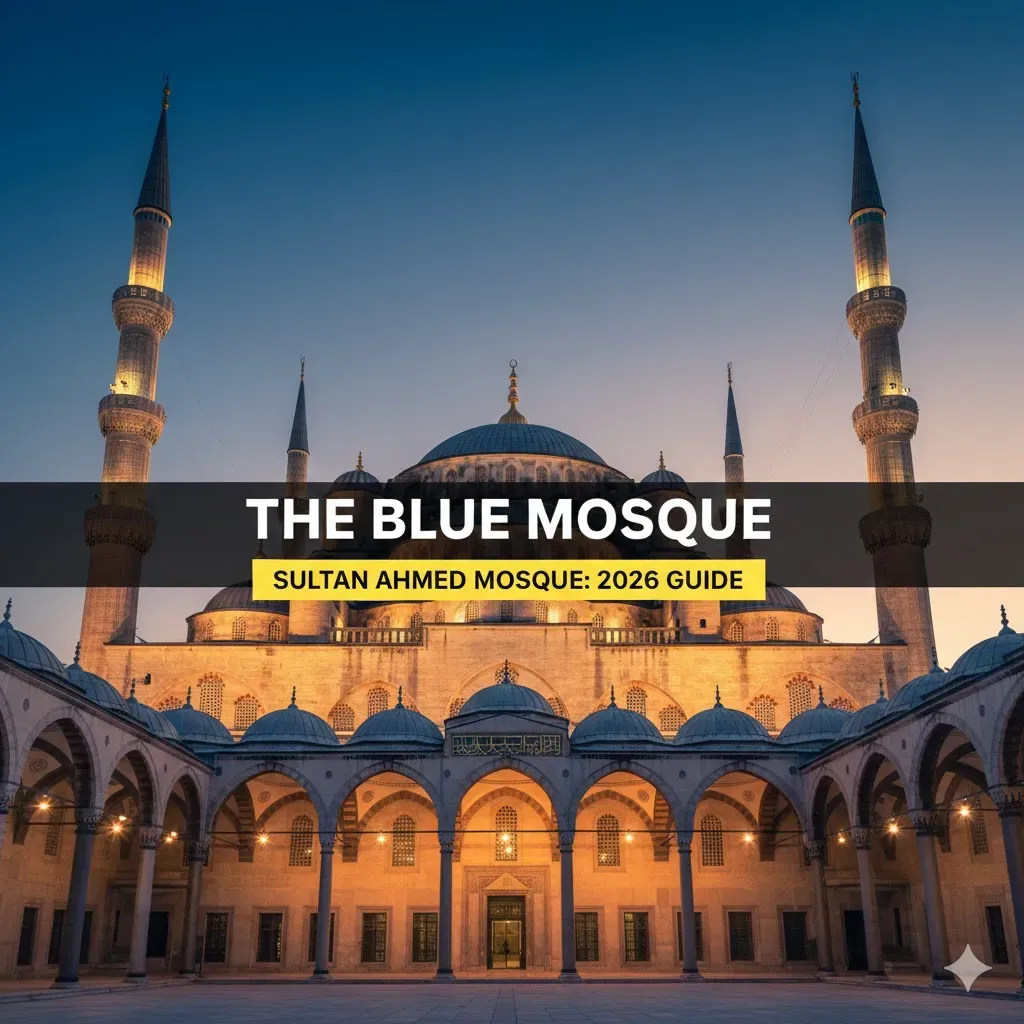
THE BLUE MOSQUE (SULTAN AHMED MOSQUE) GUIDE: 2026 EDITION
The Blue Mosque, officially known as the Sultan Ahmed Mosque, stands as one of Istanbul's most iconic and beloved landmarks—a masterpiece of Ottoman architecture that continues to inspire awe with its elegant silhouette, intricate tilework, and serene spiritual atmosphere. Located in the heart of Istanbul's historic Sultanahmet district, directly facing the Hagia Sophia across a beautiful square, this active mosque has welcomed worshippers and visitors for over four centuries, serving as both a place of prayer and a testament to the artistic and engineering achievements of the Ottoman Empire.
In 2026, as travelers seek destinations that combine architectural splendor, historical depth, and authentic cultural experiences, the Blue Mosque remains an essential destination for anyone visiting Istanbul. Whether you are an architecture enthusiast fascinated by Ottoman design, a history lover drawn by layers of Islamic civilization, a spiritual seeker inspired by sacred spaces, or simply a curious traveler awed by human creativity, this comprehensive guide will help you understand and appreciate one of the world's most beautiful mosques.
Understanding the Blue Mosque requires more than admiring its famous blue tiles; it demands engaging with the religious devotion, artistic vision, and cultural context that shaped this sacred space. By approaching the Blue Mosque with curiosity and respect, you will discover not just a building but a living expression of Islamic faith, Ottoman artistry, and Istanbul's enduring spiritual heritage.
HISTORICAL CONTEXT: CONSTRUCTION AND OTTOMAN LEGACY
The story of the Blue Mosque begins in the early 17th century, during a pivotal moment in Ottoman history.
Construction and Purpose (1609-1616):
Commissioned by Sultan Ahmed I (reigned 1603-1617), the mosque was built between 1609 and 1616, a remarkably short timeframe for such an ambitious project.
Historical Context:
- Political Motivation: Sultan Ahmed I sought to restore Ottoman prestige following military setbacks against the Habsburg Empire and Safavid Persia
- Religious Devotion: The mosque was intended as a grand act of piety and a lasting legacy for the young sultan
- Architectural Ambition: Ahmed I aimed to create a mosque that would rival the nearby Hagia Sophia in grandeur and beauty
- Location: Chosen for its prominent position in the imperial district, facing the Hagia Sophia
Architect and Design:
- Chief Architect: Sedefkar Mehmed Ağa, a student of the legendary Mimar Sinan (architect of the Süleymaniye Mosque)
- Design Philosophy: Combined classical Ottoman architectural principles with innovative decorative elements
- Six Minarets: Unprecedented in Ottoman architecture; reportedly caused controversy as it matched the number at the Grand Mosque in Mecca
Construction Details:
- Workforce: Thousands of craftsmen, laborers, and artists contributed to the project
- Materials: Stone from various regions, Iznik tiles from renowned workshops, stained glass from Venice
- Cost: Funded by the imperial treasury; reportedly caused financial strain
- Completion: Officially opened for worship in 1617, shortly before Sultan Ahmed I's death
The "Blue Mosque" Nickname:
While officially named the Sultan Ahmed Mosque, the building is universally known as the "Blue Mosque" due to its stunning interior decoration.
Origin of the Name:
- Iznik Tiles: Over 20,000 handmade ceramic tiles from İznik (ancient Nicaea) feature predominantly blue, green, and turquoise floral and geometric patterns
- Visual Impact: The overwhelming presence of blue tiles creates a serene, ethereal atmosphere that inspired the popular nickname
- International Recognition: European travelers in the 18th-19th centuries popularized the "Blue Mosque" name in Western literature
Historical Significance:
- Ottoman Architecture: Represents the culmination of classical Ottoman mosque design
- Cultural Heritage: Symbol of Istanbul's Islamic heritage and artistic achievement
- Living Monument: Continues to function as an active mosque while welcoming visitors worldwide
ARCHITECTURAL MARVELS: OTTOMAN DESIGN AND DECORATIVE ARTISTRY
The Blue Mosque represents a masterpiece of Ottoman architecture, combining structural elegance with extraordinary decorative artistry.
Exterior Architecture:
Silhouette and Form:
- Six Minarets: The mosque's most distinctive feature; four corner minarets with three balconies each, two shorter minarets with two balconies
- Cascading Domes: A central dome (23.5 meters diameter, 43 meters high) surrounded by four semi-domes and numerous smaller domes
- Courtyard (Avlu): Large forecourt with central şadırvan (ablution fountain), surrounded by colonnaded porticoes
- Facade: Harmonious stone construction with arched windows and decorative elements
Minaret Details:
- Height: Four corner minarets rise 64 meters (210 feet); two shorter minarets are slightly lower
- Balconies (Şerefe): Ornate balconies from which the call to prayer is traditionally made
- Spiral Staircases: 328 steps to the top of the tallest minarets (not open to public)
- Architectural Significance: The six-minaret design was controversial but ultimately became the mosque's defining feature
Interior Architecture:
The Prayer Hall:
- Dimensions: Approximately 64 meters long and 72 meters wide
- Central Space: Vast open area supported by four massive "elephant foot" pillars
- Galleries: Upper galleries provide additional prayer space and architectural interest
- Light: Over 200 stained glass windows illuminate the interior with colored light
The Famous Blue Tiles:
The interior's most celebrated feature is its extraordinary tilework:
Iznik Tile Production:
- Origin: Crafted in İznik (ancient Nicaea), the center of Ottoman ceramic production
- Technique: Underglaze painting on quartz-rich clay, fired at high temperatures
- Colors: Predominantly cobalt blue, turquoise, green, and red on white background
- Patterns: Floral motifs (tulips, roses, carnations), geometric designs, and calligraphic inscriptions
Tile Placement and Themes:
- Lower Walls: Approximately 20,000 tiles cover the lower walls with intricate patterns
- Upper Sections: Painted decorations and calligraphy complement the tilework
- Mihrab Area: Most elaborate tilework surrounds the prayer niche indicating Mecca
- Symbolism: Floral motifs represent paradise; calligraphy features Quranic verses and names of Allah
Other Interior Features:
Calligraphy and Inscriptions:
- Calligrapher: Works by Seyyid Kasım Gubari, one of the greatest Ottoman calligraphers
- Content: Quranic verses, names of Allah, Prophet Muhammad, and the first four caliphs
- Placement: Prominent roundels and panels throughout the prayer hall
Stained Glass Windows:
- Origin: Many windows feature Venetian stained glass from the 17th century
- Effect: Colored light creates a serene, spiritual atmosphere
- Preservation: Carefully maintained to preserve historical integrity
Mihrab and Minbar:
- Mihrab: Carved marble prayer niche indicating the direction of Mecca (qibla)
- Minbar: Elegant marble pulpit for Friday sermons, with intricate geometric carvings
- Craftsmanship: Exemplifies Ottoman stone carving and decorative arts
Sultan's Loge (Hünkâr Mahfili):
- Location: Elevated platform in the southeast corner
- Purpose: Private prayer area for the sultan and royal family
- Features: Ornate decoration, private entrance, and views of the prayer hall
VISITING THE BLUE MOSQUE IN 2026: PRACTICAL INFORMATION
As an active mosque, the Blue Mosque has specific visiting requirements and protocols that ensure respectful access for both worshippers and tourists.
Opening Hours and Prayer Schedule:
Current Schedule (subject to change):
- Tourist Visiting Hours: Generally open to visitors between prayer times, typically 9:00 AM - 6:00 PM (varies by season)
- Prayer Times: Five daily prayers (Fajr, Dhuhr, Asr, Maghrib, Isha) based on Islamic lunar calendar
- Friday Closures: Closed to tourists during Friday midday prayers (approximately 12:00-14:30); may reopen after afternoon prayer
- Ramadan: Special hours during Ramadan; verify current schedule before visiting
Checking Current Hours:
- Official Sources: Check Istanbul Grand Mosque official channels or Sultanahmet tourist information
- Local Information: Ask at your hotel or visit the mosque's information desk
- Prayer Time Apps: Use Islamic prayer time apps for Istanbul to plan your visit around prayer times
Admission and Entry:
Current Policy:
- Entry Fee: Free admission for all visitors
- Donations: Voluntary donations appreciated for maintenance and preservation
- Guided Tours: Available from licensed guides for a fee; inquire at information desk
- Audio Guides: May be available for rent; check current availability
Dress Code Requirements:
As an active mosque, modest dress is strictly enforced for all visitors:
For All Visitors:
- Shoulders: Must be completely covered (no tank tops, sleeveless shirts, or bare shoulders)
- Knees: Must be covered (no shorts, short skirts, or capris above the knee)
- Head Covering: Women must cover their hair (scarves provided free at entrance if needed)
- Footwear: Shoes must be removed before entering carpeted prayer areas (shoe bags or storage provided)
Additional Guidelines:
- Modest Clothing: Avoid tight, transparent, or revealing clothing
- Scarves: Available free at entrance for women who need them; men do not need head coverings
- Respectful Attire: Dress as you would for visiting any sacred space
Photography Guidelines:
Photography is permitted with important restrictions:
Allowed:
- Interior and exterior photography for personal, non-commercial use
- Architectural details, tilework, and decorative elements
- General views of the prayer hall and courtyard
Restricted:
- Flash Photography: Strictly prohibited to protect historic tiles and avoid disturbing worshippers
- Prayer Areas: Do not photograph people engaged in prayer
- Covered Areas: Respect any areas marked as restricted for photography
- Commercial Use: Professional photography or filming requires special permission from mosque authorities
Best Practices:
- Be Discreet: Avoid disrupting prayers or other visitors with camera equipment
- Respect Privacy: Never photograph worshippers without explicit permission
- Check Signage: Follow all posted photography guidelines and staff instructions
- Share Responsibly: When sharing on social media, provide accurate cultural context
Best Time to Visit:
Timing significantly impacts your experience in terms of crowds, lighting, and accessibility:
Avoid Crowds:
- Early Morning: Arrive right after opening (typically 9:00 AM) for fewer crowds and peaceful atmosphere
- Weekdays: Tuesday-Thursday typically less crowded than weekends
- Off-Peak Seasons: November-March (excluding holidays) sees fewer international tourists
Optimal Lighting:
- Morning Light: Interior tilework best illuminated in morning hours (9:00 AM - 12:00 PM)
- Afternoon: Exterior photography best in afternoon light (3:00 PM - 5:00 PM)
- Golden Hour: Exterior shots spectacular at sunset; courtyard particularly beautiful
Prayer Time Considerations:
- Visit Between Prayers: Plan your visit between prayer times for uninterrupted access
- Friday Avoidance: Avoid Friday midday (approximately 12:00-14:30) when closed to tourists
- Ramadan: Special considerations during Ramadan; verify current schedule and be especially respectful
Duration of Visit:
Recommended Time:
- Minimum: 45 minutes - 1 hour for basic visit and photography
- Ideal: 1.5 - 2 hours to appreciate architecture, tilework, and spiritual atmosphere
- Photography Enthusiasts: Allow 2+ hours for detailed photography and multiple angles
- Guided Tours: Typically 1 - 1.5 hours with historical and architectural commentary
WHAT TO SEE: INTERIOR HIGHLIGHTS AND ARCHITECTURAL DETAILS
The Blue Mosque contains numerous architectural and artistic treasures worth discovering.
Must-See Features:
The Central Dome:
- Look Up: Marvel at the massive central dome supported by four massive pillars
- Decoration: Intricate painted decorations and calligraphy adorn the dome's interior
- Light Effects: Stained glass windows create colored light patterns on the dome
Iznik Tile Panels:
- Lower Walls: Examine the intricate floral and geometric patterns on the famous blue tiles
- Mihrab Area: Most elaborate tilework surrounds the prayer niche
- Craftsmanship: Notice the incredible detail and vibrant colors preserved after 400+ years
Calligraphic Roundels:
- Eight Massive Disks: Feature names of Allah, Prophet Muhammad, and the first four caliphs
- Calligrapher: Created by Seyyid Kasım Gubari in the 17th century
- Placement: Prominently displayed throughout the prayer hall
Stained Glass Windows:
- Venetian Origin: Many windows feature 17th-century Venetian stained glass
- Color Effects: Observe how colored light illuminates the interior space
- Preservation: Remarkable condition considering their age
Sultan's Loge (Hünkâr Mahfili):
- Elevated Platform: Located in the southeast corner for royal privacy
- Ornate Decoration: Intricate tilework and calligraphy specific to this area
- Historical Significance: Represents the intersection of political power and religious devotion
Courtyard (Avlu):
- Central Şadırvan: Elegant ablution fountain for ritual washing before prayer
- Colonnaded Porticoes: Surround the courtyard with elegant arches and domes
- Atmosphere: Peaceful space for reflection before entering the prayer hall
Accessibility and Facilities:
The Blue Mosque strives to accommodate visitors with varying needs:
Wheelchair Accessibility:
- Ground Level: Main prayer hall accessible via ramps
- Courtyard: Paved and accessible for wheelchairs
- Restrooms: Accessible facilities available
- Assistance: Staff available to assist visitors with disabilities; inquire at information desk
Facilities:
- Shoe Storage: Free shoe bags or storage areas provided at entrances
- Scarves: Head coverings provided free for women who need them
- Restrooms: Available on-site for visitors
- Water: Drinking fountains available in courtyard
- Seating: Benches available in courtyard for rest
Nearby Amenities:
- Restaurants: Numerous traditional Turkish restaurants in Sultanahmet district
- Cafes: Coffee shops and tea gardens nearby for refreshments
- Shops: Souvenir shops and local markets in vicinity
NEARBY ATTRACTIONS: MAXIMIZING YOUR SULTANAHMET VISIT
The Blue Mosque is located in the heart of Istanbul's historic peninsula, surrounded by other significant attractions within easy walking distance:
Within 5-Minute Walk:
Hagia Sophia:
- Distance: Directly across Sultanahmet Square (100 meters)
- Significance: Former cathedral, mosque, museum, now active mosque again
- Visiting: Free entry; dress code required; check prayer times
- Time Needed: 1-2 hours
Sultanahmet Square:
- Features: Beautiful public square with gardens, fountains, and views of both mosques
- Activities: Perfect for photography, rest, and appreciating the architectural dialogue between the two monuments
- Atmosphere: Lively with street performers, vendors, and fellow travelers
Basilica Cistern:
- Distance: 200 meters (3-minute walk)
- Significance: 6th-century underground water reservoir with Medusa head columns
- Visiting: Admission fee; atmospheric lighting; allow 45 minutes - 1 hour
- Highlights: Mystical ambiance, ancient columns, reflective pools
Within 10-Minute Walk:
Topkapi Palace:
- Distance: 400 meters (5-minute walk)
- Significance: Ottoman imperial palace for 400 years; now a museum
- Visiting: Admission fee; allow 3-4 hours for comprehensive visit
- Highlights: Harem, Imperial Treasury, Holy Relics, panoramic Bosphorus views
Archaeological Museums:
- Distance: 500 meters (7-minute walk)
- Significance: Extensive collection of ancient artifacts from Anatolia and beyond
- Visiting: Admission fee; allow 2-3 hours
- Highlights: Sarcophagus of Alexander the Great, ancient sculptures, cuneiform tablets
Grand Bazaar:
- Distance: 1 kilometer (15-minute walk or short tram ride)
- Significance: One of world's oldest and largest covered markets
- Visiting: Free entry; allow 2-3 hours for exploration
- Highlights: Jewelry, carpets, ceramics, spices, traditional crafts
Suggested Itineraries:
Half-Day Sultanahmet Itinerary (4 hours):
1. Blue Mosque (1 hour)
2. Hagia Sophia (1.5 hours)
3. Sultanahmet Square photos and rest (30 minutes)
4. Basilica Cistern (1 hour)
5. Lunch in Sultanahmet (optional)
Full-Day Historic Peninsula Itinerary (8 hours):
1. Blue Mosque (1.5 hours)
2. Hagia Sophia (2 hours)
3. Lunch break in Sultanahmet (1 hour)
4. Topkapi Palace (3 hours)
5. Grand Bazaar exploration (1.5 hours)
Two-Day Sultanahmet Experience:
Day 1: Blue Mosque, Hagia Sophia, Basilica Cistern, Sultanahmet Square
Day 2: Topkapi Palace, Archaeological Museums, Grand Bazaar, Spice Bazaar
CULTURAL SENSITIVITY AND RESPECTFUL VISITING
As both an active mosque and a UNESCO World Heritage Site, the Blue Mosque requires visitors to demonstrate cultural sensitivity and respect.
Religious Respect:
During Prayer Times:
- Quiet Behavior: Maintain silence and avoid disruptions during prayers
- Prayer Areas: Do not walk through areas where people are praying
- Photography: Avoid photographing worshippers; focus on architecture and decoration
- Patience: Wait respectfully if prayers are in progress; use this time for quiet reflection
General Guidelines:
- Modest Dress: Strictly adhere to dress code requirements at all times
- Remove Shoes: Always remove shoes before entering carpeted prayer areas
- Head Covering: Women must cover hair at all times inside the mosque
- Behavior: Speak quietly; avoid loud conversations, laughter, or disruptive behavior
Cultural Understanding:
Historical Context:
- Learn Before Visiting: Understanding the mosque's history and significance enhances appreciation
- Islamic Architecture: Recognize the symbolic and functional elements of mosque design
- Living Faith: Remember this is an active place of worship, not just a tourist attraction
Photography Etiquette:
- Ask Permission: When photographing people, always ask first and respect refusals
- Be Discreet: Avoid flash and intrusive photography that disturbs worshippers
- Respect Restrictions: Follow all posted photography guidelines and staff instructions
- Share Responsibly: When sharing on social media, provide accurate cultural and historical context
SUSTAINABLE TOURISM: PRESERVING THE BLUE MOSQUE FOR FUTURE GENERATIONS
As one of the world's most visited monuments, the Blue Mosque faces challenges from mass tourism. Visitors can help preserve this treasure:
Environmental Responsibility:
Reduce Impact:
- Reusable Bottles: Bring a refillable water bottle to reduce plastic waste
- Waste Disposal: Use designated trash and recycling bins throughout the complex
- Energy Conservation: Respect lighting and climate control systems; avoid unnecessary resource use
- Minimal Touch: Avoid touching historic tiles, columns, and decorations; oils from skin cause damage
Support Preservation:
- Donations: Consider making a voluntary donation for maintenance and conservation
- Responsible Tours: Choose licensed guides who emphasize preservation and respectful visiting
- Spread Awareness: Share information about proper visiting etiquette with fellow travelers
Cultural Preservation:
Respect Heritage:
- Follow Guidelines: Adhere to all posted rules and staff instructions without exception
- Report Issues: Notify mosque staff if you observe damage, inappropriate behavior, or conservation concerns
- Educate Others: Share proper visiting etiquette and cultural sensitivity with fellow travelers
- Support Local: Purchase from local artisans and businesses in Sultanahmet to support the community
PRACTICAL TIPS FOR 2026 VISITORS
Essential Information:
Before You Go:
- Check Hours: Verify current opening hours and prayer times through official channels
- Dress Appropriately: Wear or bring modest clothing that covers shoulders and knees
- Scarf for Women: Bring a headscarf or plan to use provided scarves at entrance
- Comfortable Shoes: You'll remove and carry shoes; easy-to-carry footwear is helpful
- Camera: Bring camera but respect photography restrictions; no flash allowed
- Cash: Have Turkish Lira for donations, guided tours, or nearby purchases
During Your Visit:
- Arrive Early: Beat crowds by arriving at opening time (typically 9:00 AM)
- Security Screening: Expect airport-style security screening at entrances
- Shoe Management: Use provided bags to carry shoes; keep them together to avoid loss
- Stay Hydrated: Bring water, especially in summer months; drink in courtyard, not prayer hall
- Take Your Time: Don't rush; allow time to appreciate the architecture, tilework, and spiritual atmosphere
- Upper Areas: Explore galleries if accessible for different perspectives of the interior
After Your Visit:
- Explore Sultanahmet: Many world-class attractions within walking distance
- Local Cuisine: Try traditional Turkish food in nearby restaurants; ask for recommendations
- Shopping: Grand Bazaar and Spice Bazaar nearby for authentic souvenirs and crafts
Common Mistakes to Avoid:
- Inappropriate Dress: Don't arrive in shorts, tank tops, or without headscarf (women); you may be denied entry
- Rushing: Don't treat it as a quick photo stop; allow adequate time to appreciate the space
- Disrespecting Prayers: Don't ignore prayer time closures or disrupt worshippers with noise or movement
- Flash Photography: Don't use flash; it damages historic tiles and disturbs others
- Touching Decorations: Don't touch ancient tiles, columns, or calligraphy; oils accelerate deterioration
- Loud Behavior: Don't speak loudly; maintain respectful volume appropriate for a sacred space
- Ignoring Guidelines: Don't disregard posted rules or staff instructions; they exist to protect the mosque and enhance everyone's experience
CONCLUSION: A MASTERPIECE OF FAITH AND ARTISTRY
The Blue Mosque stands as more than just a building; it is a testament to human devotion, artistic excellence, and cultural convergence. For over four centuries, it has welcomed worshippers seeking spiritual connection and visitors seeking aesthetic inspiration, creating a unique space where faith, art, and history intertwine.
In 2026, as you stand beneath its cascading domes, gaze upon its famous blue tiles, and feel the serene atmosphere that has inspired generations, you participate in a continuum of human experience that spans centuries. Whether you come as a person of faith, a student of architecture, an admirer of Islamic art, or simply a curious traveler, the Blue Mosque offers something profound: a reminder of our shared human capacity for beauty, devotion, and creation.
May your visit to the Blue Mosque deepen your appreciation for the rich tapestry of Islamic culture and Ottoman artistry, and inspire your commitment to preserving cultural heritage for future generations. As the architects, artisans, and worshippers who created and sustained this sacred space understood, true greatness lies not just in stone and tile but in the meanings, connections, and spiritual resonance we create across time and cultures. May you carry that understanding forward, wherever your journey leads.
Useful Resources:
- Official Blue Mosque Information: Check Istanbul Grand Mosque official channels or Sultanahmet tourist information
- Istanbul Tourism: www.goturkey.com
- UNESCO World Heritage: whc.unesco.org
- Prayer Times: Use Islamic prayer time apps for Istanbul
- Emergency Services: 112 for all emergencies in Turkey
Disclaimer: Information is accurate as of early 2026. Opening hours, prayer times, dress code requirements, and visiting policies may change; verify current details through official channels before your visit. This guide is for informational purposes only and does not constitute professional travel advice.
0 Comments