.webp)
.webp)
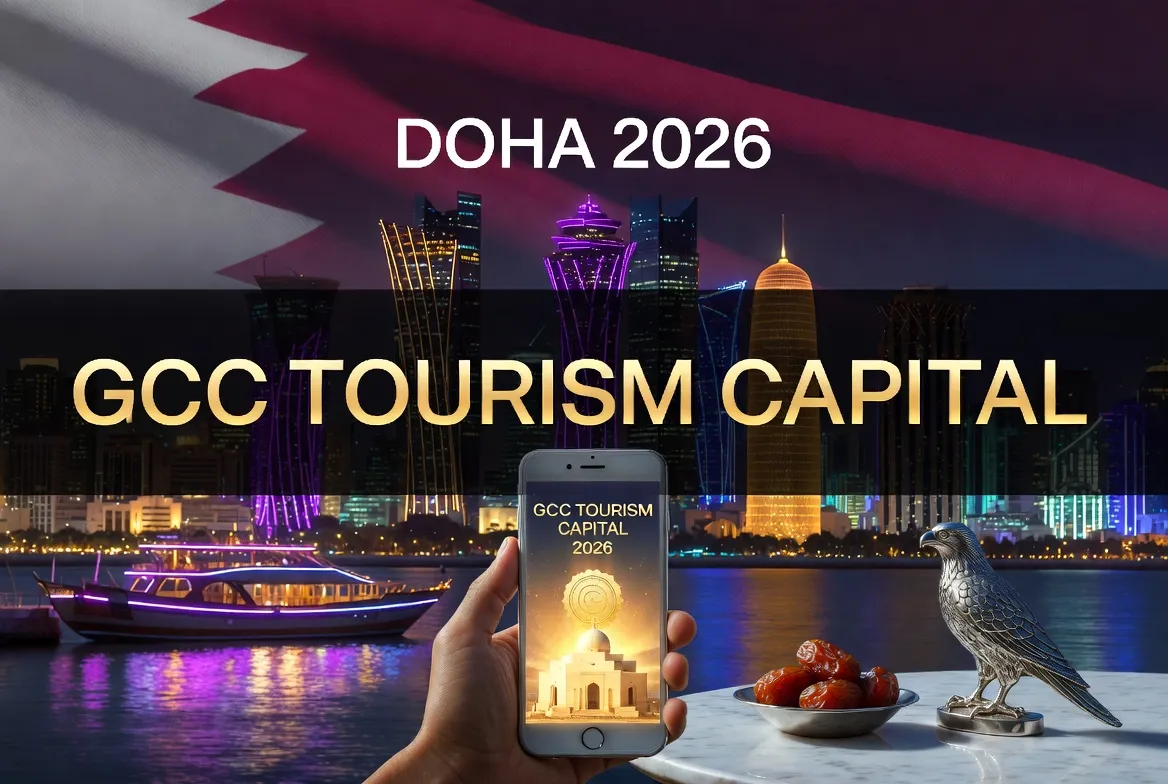
Understanding Doha's GCC Tourism Capital Designation
In a landmark decision that underscores Qatar's remarkable transformation into a premier global tourism destination, Doha has been officially named the Gulf Cooperation Council (GCC) Tourism Capital for 2026. This prestigious designation, awarded by the GCC Tourism Ministers Council, recognizes Doha's exceptional achievements in tourism development, infrastructure enhancement, cultural preservation, and sustainable tourism practices since hosting the FIFA World Cup 2022. The title represents more than ceremonial honor—it signals Doha's emergence as the leading tourism hub in the Gulf region and validates the emirate's strategic vision to diversify its economy beyond hydrocarbons through world-class tourism offerings.
The GCC Tourism Capital designation rotates annually among member states, which include Qatar, Saudi Arabia, United Arab Emirates, Kuwait, Bahrain, and Oman. Previous holders have included Dubai, Riyadh, and Muscat, making Doha's selection particularly significant as it places the Qatari capital in esteemed company and acknowledges its rapid ascent in the regional tourism landscape. The selection criteria encompass multiple dimensions including tourism infrastructure quality, cultural and heritage offerings, sustainability initiatives, accessibility, hospitality standards, and the destination's ability to attract international visitors while preserving local identity and values.
For Doha, this designation arrives at a pivotal moment in the city's development trajectory. The momentum generated by the 2022 FIFA World Cup, which showcased Qatar's capabilities to a global audience of over 5 billion viewers, has been successfully channeled into sustained tourism growth. The emirate has avoided the "post-event slump" that often afflicts host nations by implementing a comprehensive legacy strategy that repurposes World Cup infrastructure, maintains elevated service standards, and continues aggressive investment in tourism attractions and facilities. In 2025, Qatar welcomed over 4.2 million international visitors, representing a 35% increase from 2023, and projections for 2026 suggest arrivals could exceed 5.5 million, driven by the GCC Tourism Capital designation and associated marketing campaigns.
The designation carries practical implications beyond prestige. It triggers coordinated marketing efforts across GCC member states, special tourism packages and promotions, enhanced air connectivity, and collaborative events that position Doha as a must-visit destination. The Qatari government has allocated over $2 billion in additional tourism investment for 2026, focusing on new attractions, hotel development, cultural programming, and enhanced visitor services. This investment, combined with the GCC Tourism Capital platform, creates unprecedented opportunities for international travelers to experience Doha at a moment when the city offers optimal conditions including world-class infrastructure, diverse attractions, competitive pricing, and heightened international attention.
World-Class Infrastructure: The Foundation of Tourism Excellence

Doha's selection as GCC Tourism Capital for 2026 is fundamentally supported by infrastructure that ranks among the most modern and sophisticated in the world. The emirate's preparation for the FIFA World Cup 2022 accelerated infrastructure development by at least a decade, creating a foundation that positions Doha competitively against established tourism capitals like Dubai, London, and Singapore. This infrastructure encompasses transportation networks, accommodation facilities, digital connectivity, and visitor services that collectively ensure seamless, comfortable, and memorable travel experiences.
Hamad International Airport (HIA), consistently ranked among the world's best airports, serves as the primary gateway for international visitors. The airport's recent expansion, completed in 2024, increased annual capacity to 53 million passengers, ensuring smooth processing even during peak tourism periods. HIA features state-of-the-art facilities including the iconic indoor tropical garden with its giant teddy bear sculpture, luxury shopping outlets featuring international brands, world-class dining options, and premium lounges. The airport's efficiency is remarkable—immigration processing typically takes less than 15 minutes, baggage claim is swift, and the facility maintains impeccable cleanliness and organization. For 2026, HIA is introducing enhanced digital services including biometric boarding, AI-powered customer service, and expanded duty-free offerings, further elevating the arrival experience.
Doha's metro system, which opened in 2019 and was fully operational for the World Cup, represents one of the most advanced urban rail networks globally. The system comprises three lines (Red, Gold, and Green) covering 76 kilometers and connecting key districts, attractions, and neighborhoods. The metro is distinguished by its driverless trains, pristine stations featuring architectural designs inspired by Qatari heritage, and exceptional punctuality. For tourists, the metro offers affordable, efficient, and comfortable transportation with clear signage in Arabic and English, free Wi-Fi, and air-conditioned stations and trains. In 2026, the network is expanding with new stations serving emerging tourism districts and improved connections to hotels and attractions, making car-free exploration of Doha increasingly viable.
The emirate's road infrastructure is equally impressive, featuring wide, well-maintained highways, intelligent traffic management systems, and comprehensive signage. Ride-hailing services including Uber and Karwa (Qatar's official taxi service) operate efficiently throughout the city, with modern vehicles and professional drivers. For those preferring to drive, car rental services are readily available at the airport and throughout the city, though visitors should note that navigating Doha's rapid development means some areas may have ongoing construction. The government has invested heavily in pedestrian infrastructure as well, with covered walkways, climate-controlled pedestrian bridges, and waterfront promenades that make walking pleasant even during warmer months.
Digital infrastructure supports modern travelers' connectivity needs. Qatar boasts some of the world's fastest internet speeds, with comprehensive 5G coverage throughout Doha and most tourist areas. Free Wi-Fi is available at airports, metro stations, major shopping malls, museums, and many public spaces. The Qatar Tourism app provides comprehensive information on attractions, events, dining, and services, with features including itinerary planning, ticket booking, and real-time assistance. Digital payment systems are widely accepted, with contactless payments standard in hotels, restaurants, retail outlets, and even traditional souqs, though carrying some cash remains advisable for smaller vendors.
Accommodation Excellence: From Luxury to Boutique

Doha's accommodation sector has experienced remarkable growth and diversification, ensuring that visitors in 2026 can find lodging that matches their preferences, budgets, and travel styles. The emirate currently offers over 400 hotels and hospitality establishments ranging from ultra-luxury palace hotels to boutique properties, business hotels, and serviced apartments. This diversity, combined with competitive pricing particularly in the post-World Cup period, makes Doha attractive to various market segments from luxury seekers to budget-conscious travelers.
The luxury hotel segment in Doha is world-class, featuring properties from every major international brand including Marriott, Hilton, Accor, IHG, and Four Seasons, alongside distinguished regional brands. Iconic properties like The Ritz-Carlton Doha, Four Seasons Hotel Doha, and The St. Regis Doha offer exceptional service, stunning architecture, and prime locations along the Corniche or in West Bay's business district. These hotels feature extensive amenities including multiple award-winning restaurants, luxurious spas, infinity pools with Arabian Gulf views, and personalized concierge services. Many have incorporated Qatari design elements, creating accommodations that feel distinctly local while maintaining international luxury standards.
Boutique and lifestyle hotels have emerged as a significant segment, appealing to travelers seeking unique experiences and personalized service. Properties like Msheireb Downtown Doha's collection of heritage-inspired hotels, The Torch Doha in Aspire Zone, and boutique offerings in Souq Waqif provide character and charm alongside modern comforts. These hotels often emphasize local culture through architecture, design, dining concepts, and curated experiences that connect guests with Qatari heritage and contemporary life.
The mid-range and budget segments have expanded significantly, addressing a gap that existed before the World Cup. International brands like Holiday Inn, Novotel, and Ibis have opened properties offering reliable quality at accessible price points. Additionally, serviced apartments from brands like Marriott Executive Apartments and Ascott provide excellent options for extended stays, families, and travelers preferring self-catering facilities. In 2026, room rates remain competitive compared to other GCC capitals, with luxury properties offering exceptional value and mid-range options providing quality accommodations at reasonable prices.
Unique accommodation experiences are also available, from desert camps offering authentic Bedouin hospitality to luxury yachts moored at Porto Arabia, and heritage houses in traditional neighborhoods. These options allow travelers to experience Qatar beyond conventional hotels, creating memorable stays that enhance their understanding of Qatari culture and lifestyle.
Cultural Attractions: Where Heritage Meets Modernity

Doha's cultural landscape represents one of the city's greatest strengths as GCC Tourism Capital, offering visitors extraordinary opportunities to explore both Qatar's rich heritage and its ambitious contemporary vision. The emirate has invested billions in developing world-class museums, preserving historic sites, and creating cultural institutions that rival those in established global capitals. For 2026, these attractions are fully operational, well-staffed, and offering enhanced visitor experiences that make Doha a compelling destination for culture enthusiasts.
The Museum of Islamic Art (MIA), designed by legendary architect I.M. Pei, stands as one of the world's most comprehensive collections of Islamic art spanning 1,400 years and three continents. The museum's striking architecture, situated on its own island with panoramic views of Doha's skyline, is matched by the quality and breadth of its collections including ceramics, metalwork, textiles, woodwork, and manuscripts. In 2026, the MIA continues to host world-class temporary exhibitions alongside its permanent collection, with enhanced digital interpretation, guided tours in multiple languages, and educational programs that make Islamic art accessible to diverse audiences. The museum's waterfront location and adjacent park make it a perfect destination for combining culture with leisure.
The National Museum of Qatar, designed by Jean Nouvel and inspired by the desert rose crystal formation, offers an immersive journey through Qatar's natural history, heritage, and modern development. The museum's innovative architecture, with its interlocking disc structures, creates dramatic interior spaces that house exhibits on geology, archaeology, traditional life, pearl diving, oil and gas discovery, and contemporary Qatar. Interactive displays, multimedia presentations, and carefully curated artifacts create an engaging narrative that helps visitors understand Qatar's transformation from a pearl diving and fishing society to a modern nation. The museum's cafe, designed by renowned chefs, and its museum shop offering curated Qatari products enhance the visitor experience.
Msheireb Museums, comprising four restored heritage houses in Msheireb Downtown Doha, provide intimate glimpses into traditional Qatari life. These museums—the Company House, Radwani House, Jaidah House, and Bin Jelmood House—explore themes including the development of modern Qatar, family life, slavery and human rights, and the evolution of Doha's architecture and urbanism. The restoration of these buildings demonstrates Qatar's commitment to preserving its architectural heritage while the thoughtful exhibitions address both historical and contemporary issues with nuance and sensitivity.
Traditional souqs offer living cultural experiences where visitors can engage with Qatari commerce, cuisine, and culture. Souq Waqif, the most famous, is a labyrinth of alleyways featuring shops selling spices, textiles, traditional clothing, handicrafts, perfumes, and souvenirs. The souq also houses numerous restaurants serving traditional Qatari and regional cuisine, shisha cafes, art galleries, and even a falcon hospital where visitors can learn about this important aspect of Gulf culture. Souq Waqif comes alive in the evening when temperatures cool and the atmosphere becomes particularly vibrant. Other traditional markets including Souq Al Wakrah and the Gold Souq offer similar experiences with their own character.
Contemporary art has found a home at Mathaf: Arab Museum of Modern Art and the emerging QM Gallery at Katara, which host rotating exhibitions of regional and international contemporary art. The Qatari government's support for the arts extends to public art installations throughout the city, including works by renowned international artists that create an open-air gallery experience for residents and visitors.
Sports and Entertainment: Beyond the World Cup Legacy

Doha's ambition to become a global sports and entertainment hub has accelerated dramatically, with the GCC Tourism Capital designation providing additional impetus for world-class events and facilities. The emirate's sports infrastructure, developed for the World Cup and other major events, continues to serve both elite competitions and community recreation, while entertainment offerings have expanded to provide diverse options for visitors of all interests.
Lusail Stadium, the iconic venue that hosted the World Cup final, remains a symbol of Qatar's sporting ambitions. The stadium and surrounding Lusail City development continue to host major events including football matches, concerts, and cultural festivals. Lusail City itself, a futuristic urban development north of Doha, features marinas, parks, shopping districts, and residential areas that showcase sustainable urban planning and modern architecture. Visitors can explore the development's waterfront promenades, dine at international restaurants, and experience a vision of Gulf urbanism that balances modernity with environmental responsibility.
Other World Cup stadiums have been repurposed for community use, local football, and special events, ensuring these facilities continue serving the population while remaining available for international competitions. The Aspire Zone, featuring the Khalifa International Stadium, Aspire Dome indoor facility, and Aspire Park, serves as a hub for sports and recreation. The zone hosts international athletics competitions, swimming events, and other sporting activities while providing world-class facilities for Qatari athletes and residents.
Beyond football, Doha has positioned itself as a destination for diverse sports including tennis, with the annual Qatar Open attracting top players; motorsports, with the Losail International Circuit hosting MotoGP and other racing events; golf, with championship courses designed by legends like Greg Norman; and water sports, taking advantage of the Arabian Gulf's warm waters. The emirate also hosts major sporting events throughout the year, from international athletics competitions to combat sports, creating a calendar that appeals to sports enthusiasts.
Entertainment options have expanded significantly, with family entertainment centers, theme parks, and cultural festivals providing year-round activities. The Katara Cultural Village hosts regular events including concerts, theatrical performances, art exhibitions, and the annual Katara International Arabian Horse Festival. Doha's calendar features major events like the Doha Jewelry and Watches Exhibition, the Qatar International Food Festival, and National Day celebrations on December 18, which showcase Qatari culture and heritage to visitors.
Natural and Adventure Tourism: Desert, Sea, and Sky

While Doha's urban attractions are impressive, the emirate's natural environment offers equally compelling experiences that allow visitors to discover Qatar's diverse landscapes from golden desert dunes to turquoise Arabian Gulf waters. Adventure tourism has emerged as a significant segment, with operators offering professionally guided experiences that combine thrill-seeking with safety and environmental responsibility.
Desert safaris remain among the most popular activities for visitors to Doha. The inland sea (Khor Al Adaid), a UNESCO-recognized natural reserve where the desert meets the sea, offers one of the world's most spectacular desert landscapes. Tour operators provide 4x4 adventures that include dune bashing across golden sands, visits to traditional fishing villages, camel rides, and opportunities to experience Bedouin hospitality at desert camps. These camps range from basic to luxurious, with many offering overnight stays that include traditional meals, henna painting, stargazing in some of the world's clearest night skies, and sunrise views over the dunes. In 2026, desert tourism operators have enhanced their offerings with improved safety standards, environmental practices that minimize impact on fragile desert ecosystems, and authentic cultural experiences that respect and showcase Qatari heritage.
The Arabian Gulf provides exceptional opportunities for water-based activities. Doha's coastline features marinas, beaches, and water sports centers offering sailing, kayaking, paddleboarding, jet skiing, and parasailing. Dhow cruises, aboard traditional wooden vessels, provide scenic tours of Doha's skyline particularly stunning at sunset or evening when the city is illuminated. These cruises often include dinner featuring international and Qatari cuisine, creating memorable experiences that combine natural beauty with hospitality. For diving and snorkeling enthusiasts, Qatar's waters feature coral reefs, shipwrecks, and diverse marine life including dolphins, turtles, and numerous fish species. The Purple Island (Jazirat Bin Ghanim) offers mangrove ecosystems that can be explored by kayak, providing opportunities to observe birds and marine life in a unique coastal environment.
Adventure tourism extends to activities like zip-lining, rock climbing, and outdoor fitness experiences that have emerged in recent years. The Qatar National Trail, a long-distance hiking and cycling route, is being developed to showcase the country's natural and cultural heritage while providing active tourism opportunities. For those preferring less strenuous activities, Doha's parks and green spaces including Al Bidda Park, Aspire Park, and the MIA Park offer beautiful settings for relaxation, picnics, and outdoor recreation.
Culinary Scene: From Traditional to Michelin-Starred

Doha's culinary landscape has evolved into one of the Middle East's most diverse and sophisticated, offering visitors gastronomic experiences ranging from authentic Qatari cuisine to Michelin-starred fine dining. The emirate's position as a global crossroads, with expatriates from over 150 countries, has created a food scene that reflects incredible diversity while increasingly celebrating local flavors and ingredients.
Traditional Qatari cuisine, though historically simple reflecting the desert and sea environment, features distinctive dishes that visitors should experience. Machboos, a spiced rice dish with meat or fish similar to biryani but with distinctive Gulf flavors including loomi (dried black lime), represents the national dish. Harees, a wheat and meat porridge traditionally eaten during Ramadan and special occasions, and thareed, a vegetable and meat stew served over thin bread, offer other authentic tastes. Fresh seafood, particularly hamour (grouper), shrimp, and kingfish, features prominently in Qatari cuisine, often grilled or fried and served with rice and salads. These traditional dishes can be experienced at restaurants in Souq Waqif, local eateries throughout the city, and increasingly at upscale establishments that reinterpret traditional flavors with modern techniques.
The fine dining scene in Doha is exceptional, with numerous restaurants earning international recognition. The emirate has attracted celebrity chefs and prestigious brands, creating a competitive landscape that drives quality and innovation. Restaurants like Nobu, Zuma, Hakkasan, and Jean-Georges offer world-class Asian and international cuisine, while establishments like IDAM by Alain Ducasse at the Museum of Islamic Art combine artistic presentation with exceptional flavors in stunning settings. In 2026, Doha's restaurant scene continues to evolve with new openings, innovative concepts, and increasing emphasis on sustainability, local sourcing, and creative fusion that blends Qatari ingredients and traditions with international techniques.
Casual dining and street food options have expanded significantly, providing accessible and authentic experiences. Food halls in malls like Place Vendôme and Doha Festival City offer diverse options in comfortable settings, while food trucks and casual eateries serve everything from Arabic manakish to Asian street food, American burgers, and European cafe fare. The Friday brunch tradition, adapted from Western culture but embraced enthusiastically in Qatar, offers elaborate buffets at hotels and restaurants featuring international cuisine, often with entertainment, creating social dining experiences popular with residents and visitors alike.
Shopping and Retail: From Souqs to Super Malls

Doha offers shopping experiences that cater to every preference, from the atmospheric alleyways of traditional souqs where bargaining is expected to ultra-modern malls featuring every luxury brand imaginable. This diversity makes shopping in Doha both a practical activity and a cultural experience that reveals different facets of Qatari society.
Traditional souqs provide shopping experiences steeped in history and culture. Souq Waqif, the most famous, offers spices, traditional textiles including abayas and thobes, handicrafts, perfumes (particularly oud and bakhoor), Arabic coffee pots, and souvenirs. The shopping experience here is as much about the atmosphere—the sights, sounds, and smells—as the purchases themselves. Vendors are generally welcoming to tourists, happy to explain products and traditions, though visitors should be prepared to negotiate prices. Other traditional markets like Souq Al Wakrah, with its waterfront location, and the Gold Souq, featuring extensive jewelry offerings, provide similar experiences with their own character.
Modern shopping malls in Doha are destinations in themselves, featuring architecture, entertainment, and dining alongside retail. Villaggio Mall, with its indoor canal and gondola rides, offers a unique shopping environment alongside international brands. Mall of Qatar features an impressive central plaza with regular entertainment and over 500 stores. Doha Festival City, one of the largest malls, combines shopping with entertainment including an indoor theme park and aquarium. These malls are air-conditioned oases particularly welcome during summer months, offering everything from luxury brands to high-street fashion, electronics, home goods, and extensive food courts and restaurants.
Luxury shopping is particularly well-developed in Doha, with The Gate Mall, Place Vendôme, and high-end hotel shopping arcades featuring boutiques from Chanel, Dior, Hermès, Louis Vuitton, and other prestigious brands. Qatar's tax-free shopping environment, with no VAT on most goods, makes luxury purchases particularly attractive compared to many Western destinations. The annual Doha Jewelry and Watches Exhibition showcases exceptional pieces from international designers and provides opportunities to purchase unique items.
Practical Travel Information for 2026

For travelers planning to visit Doha in 2026 to experience its GCC Tourism Capital designation, understanding practical logistics ensures smooth, enjoyable trips. Qatar has made significant efforts to simplify travel procedures and provide visitor support, though awareness of local customs and regulations enhances the experience.
Visa Requirements: Qatar offers visa-free entry or visa-on-arrival for citizens of over 95 countries, including the United States, United Kingdom, European Union nations, Canada, Australia, and many others. Tourists from these countries can typically stay for 30 days, extendable for another 30 days. For citizens of countries not eligible for visa-free entry or visa-on-arrival, e-visa applications can be completed online through the Ministry of Interior portal, typically processed within a few days. The Hayya platform, initially developed for the World Cup, continues to facilitate visa applications and provides a portal for tourism information and bookings.
Best Time to Visit: Doha's climate significantly affects the travel experience. The optimal visiting period is November through April, when temperatures range from comfortable 20-28°C (68-82°F) during the day and cooler evenings make outdoor activities pleasant. This period coincides with major events and festivals, making it peak tourist season. May through October brings extreme heat with temperatures regularly exceeding 40°C (104°F) and high humidity, particularly in coastal areas. While indoor attractions remain comfortable with air conditioning, outdoor activities become challenging. However, summer travel offers significant advantages including lower hotel rates (often 40-50% below peak season), fewer crowds at attractions, and special summer promotions. Visitors traveling in summer should plan outdoor activities for early morning or evening, stay hydrated, and dress appropriately for the heat.
Currency and Costs: The Qatari Riyal (QAR) is the local currency, pegged to the US dollar at approximately 3.64 QAR to 1 USD. Credit and debit cards are widely accepted throughout Doha, though carrying some cash is advisable for souqs, small vendors, and tips. ATMs are readily available at the airport, malls, and throughout the city. Doha can accommodate various budgets—luxury travelers will find world-class options at premium prices, while mid-range and budget travelers can find good value particularly in dining and transportation. Hotel prices vary significantly by season, with summer offering exceptional value. Overall, Doha is moderately priced compared to other GCC capitals—generally less expensive than Dubai but more costly than some Asian destinations.
Cultural Considerations: While Qatar is modern and welcoming to international visitors, respecting local customs enhances the travel experience and shows appreciation for Qatari culture. Dress modestly in public areas—shoulders and knees should be covered, particularly when visiting government buildings, museums, and traditional areas like souqs. Beachwear is acceptable at hotel pools and private beaches but not in public areas. During Ramadan, eating, drinking, and smoking in public during daylight hours is prohibited by law, though hotels serve food to guests in designated areas. Public displays of affection should be minimal, and photography of people, particularly Qatari nationals and especially women, should only be done with permission. Alcohol is available at licensed hotel bars and restaurants but public intoxication is illegal and strictly enforced. These considerations reflect Qatari values and Islamic traditions, and most visitors find them reasonable and easy to follow.
Transportation: Getting around Doha is straightforward with multiple options. The metro is efficient, clean, and affordable, with day passes available for unlimited travel. Ride-hailing apps like Uber and local service Karwa provide convenient door-to-door transportation. Taxis are metered and regulated, though availability can vary. Car rentals are available for those preferring independence, though traffic can be heavy during peak hours and parking in popular areas can be challenging. For day trips and desert excursions, booking tours with reputable operators is recommended rather than self-driving in desert areas.
The GCC Tourism Capital Advantage: What It Means for Travelers

Doha's designation as GCC Tourism Capital for 2026 translates into tangible benefits for international travelers visiting during this special year. The designation is not merely ceremonial—it triggers coordinated initiatives, investments, and promotions that enhance the visitor experience and provide unique opportunities.
Enhanced cultural programming throughout 2026 includes special exhibitions, festivals, and events celebrating both Qatari heritage and GCC unity. Museums are planning flagship exhibitions, cultural villages are hosting expanded programming, and traditional celebrations are being opened to visitors with special access and experiences. The Qatar Tourism authority has announced a year-long calendar of events showcasing different aspects of Qatari and Gulf culture, from traditional music and dance performances to contemporary art exhibitions and culinary festivals.
Special tourism packages and promotions are being developed in coordination with GCC partners, offering multi-destination itineraries that combine Doha with other Gulf capitals. Airlines, hotels, and tour operators are creating attractive packages that provide value and convenience for travelers wanting to explore the region. These packages often include exclusive experiences, priority access to attractions, and special rates not available outside the GCC Tourism Capital year.
Infrastructure enhancements specifically timed for 2026 include the opening of new attractions, completion of ongoing projects, and enhanced visitor services at existing sites. The city is investing in wayfinding improvements, multilingual signage, visitor information centers, and digital platforms that make navigation and trip planning easier. Staff at hotels, attractions, and tourism facilities are receiving enhanced training to ensure exceptional service quality befitting a GCC Tourism Capital.
Marketing campaigns positioning Doha as GCC Tourism Capital are raising global awareness and attracting increased international attention. This visibility creates energy and excitement in the city, with residents embracing their role as hosts and the tourism sector operating at peak performance. For visitors, this translates into a vibrant atmosphere, enhanced services, and the sense of experiencing Doha at a particularly special moment in its development.
Conclusion: Doha's Moment and Your Opportunity
Doha's designation as GCC Tourism Capital for 2026 represents a convergence of ambition, investment, and achievement that positions the Qatari capital as one of the world's most compelling destinations. The emirate has successfully leveraged the momentum from hosting the FIFA World Cup 2022 to build a sustainable tourism sector that showcases Qatar's heritage, culture, modernity, and hospitality to global audiences. The infrastructure is world-class, the attractions are diverse and exceptional, the service standards are high, and the value proposition is strong—particularly in 2026 when special programming and promotions enhance an already attractive offering.
For international travelers, 2026 presents an ideal opportunity to discover Doha at a moment when the city is operating at its best, welcoming visitors with enhanced services, special events, and the pride that comes with regional recognition. Whether drawn by world-class museums, stunning architecture, desert adventures, culinary excellence, shopping diversity, or simply the chance to experience authentic Gulf hospitality, visitors will find in Doha a destination that rewards exploration and creates lasting memories.
Beyond the tangible attractions and infrastructure, Doha offers something increasingly rare in our globalized world: a destination that has modernized rapidly while maintaining its cultural identity, that welcomes international visitors while preserving local traditions, and that invests in tourism as a means of sharing its heritage and building bridges between cultures. The GCC Tourism Capital designation validates what residents and repeat visitors have long known—that Doha is a special place that deserves recognition on the global tourism stage.
As you plan your 2026 travels, consider Doha not just as a stopover between destinations but as a primary destination worthy of dedicated time and attention. The city's compact size makes it easy to explore, its safety and infrastructure make it comfortable for all travelers, and its unique blend of tradition and modernity provides experiences unavailable elsewhere. In 2026, as GCC Tourism Capital, Doha extends a special invitation to the world—an invitation to discover, to experience, and to appreciate a city that has emerged as a beacon of Gulf culture, hospitality, and ambition.
0 Comments