.webp)
.webp)
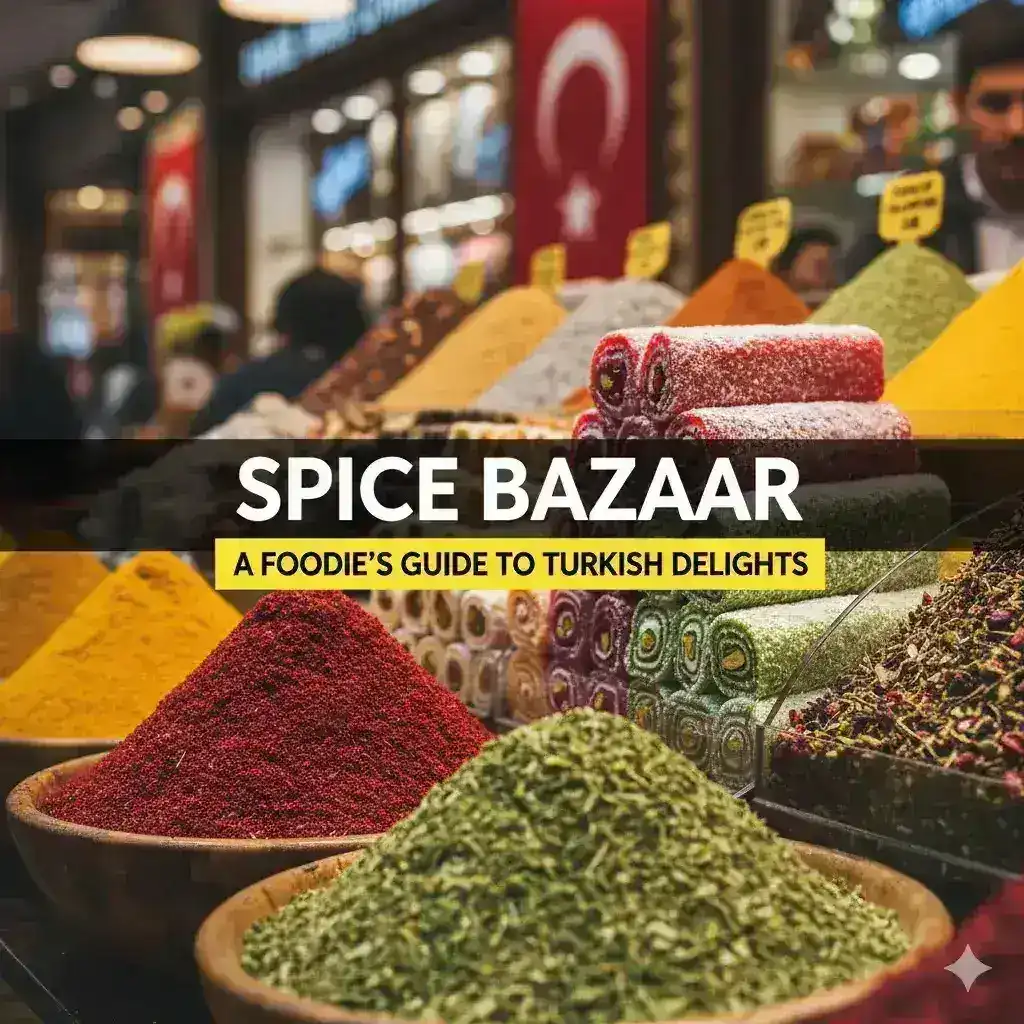
SPICE BAZAAR (EGYPTIAN BAZAAR): TASTING TURKISH DELIGHTS
The Spice Bazaar (Mısır Çarşısı), also known as the Egyptian Bazaar, stands as Istanbul's most aromatic and flavorful marketplace—a sensory paradise where the scents of saffron, sumac, and rosewater mingle with the sweet allure of Turkish delight, dried fruits, and exotic spices. For over 350 years, this L-shaped covered market has been the city's premier destination for culinary treasures, attracting food lovers, spice enthusiasts, and souvenir hunters from every corner of the globe.
In 2026, as travelers seek authentic cultural experiences and unique culinary souvenirs, the Spice Bazaar remains an essential destination for anyone visiting Istanbul. More compact and focused than the Grand Bazaar, it offers a more accessible introduction to Turkish flavors, traditional crafts, and the art of bargaining. Whether you're a foodie eager to sample rose-flavored lokum, a home cook hunting for authentic Turkish spices, a gift shopper seeking unique presents, or simply a curious traveler wanting to experience this historic marvel, this comprehensive guide will help you taste, shop, and explore the Spice Bazaar with confidence and delight.
Understanding the Spice Bazaar requires more than just browsing; it demands engaging with centuries of trading traditions, mastering the art of sampling and selection, and respecting the cultural context of this historic culinary marketplace. By approaching the Spice Bazaar with preparation, curiosity, and an adventurous palate, you will discover not just flavors but a living dialogue between past and present, between commerce and cuisine, between tradition and innovation.
HISTORICAL CONTEXT: 350 YEARS OF CULINARY TRADITION
The Spice Bazaar's story begins in the 17th century, during the golden age of Ottoman commerce.
Construction and Development:
- 1660s: Commissioned by Turhan Hatice Valide Sultan (mother of Sultan Mehmed IV) as part of the New Mosque (Yeni Camii) complex
- Purpose: Generate revenue for the mosque's maintenance through rental income from shops
- Architecture: L-shaped covered market with vaulted ceilings, ornate decorations, and multiple entrances
- Name Origins: "Mısır Çarşısı" (Egyptian Bazaar) reflects historical trade routes; spices and goods arrived from Egypt via Alexandria
Historical Significance:
- Culinary Hub: Center of Ottoman spice trade and culinary commerce
- Cultural Crossroads: Meeting point for merchants from Middle East, Asia, and Europe
- Architectural Heritage: One of Istanbul's finest examples of Ottoman commercial architecture
- Living Tradition: Continues to function as active marketplace while welcoming visitors worldwide
LAYING THE GROUNDWORK: BEFORE YOU TASTE AND SHOP
Preparation enhances your Spice Bazaar experience.
Essential Knowledge:
Opening Hours:
- Monday-Saturday: 8:00 AM - 7:30 PM
- Sunday: 9:30 AM - 7:00 PM (shorter hours)
- Religious Holidays: Closed on first day of major religious holidays
- Best Times: Early morning (9-11 AM) for fresh samples and fewer crowds; late afternoon (4-6 PM) for relaxed shopping
Getting There:
- Tram: Eminönü station (Line T1) - exit directly into the bazaar area
- Ferry: Eminönü ferry terminal - scenic arrival by water
- Walking: 10 minutes from Grand Bazaar; 5 minutes from Galata Bridge
- Main Entrances:
- Yeni Camii (New Mosque) entrance - most popular
- Rüstem Paşa entrance - near the mosque
- Hasırcılar entrance - connects to street market
What to Bring:
- Cash: Turkish Lira (TRY) essential; many vendors prefer cash for small purchases
- Credit Cards: Accepted in larger shops but cash gives better bargaining power
- Reusable Bags: For carrying purchases; eco-friendly and practical
- Camera: For photos (ask permission before photographing vendors)
- Appetite: Come hungry for samples and tastings!
- Small Notepad: To record favorite flavors and shop names
- Budget: Set spending limit for spices, sweets, and souvenirs
NAVIGATING THE MARKET: UNDERSTANDING THE LAYOUT
The Spice Bazaar is compact and easy to navigate compared to the Grand Bazaar.
Main Sections and Specialties:
Spice Shops (Baharatçılar):
- Location: Throughout the bazaar, concentrated in central aisles
- Specialties: Saffron, sumac, pul biber (red pepper flakes), za'atar, mint, oregano
- Experience: Aromatic displays; vendors offer samples and brewing demonstrations
Turkish Delight Shops (Lokumcular):
- Location: Prominent shops near main entrances
- Specialties: Rose, pistachio, pomegranate, walnut, mastic, and saffron varieties
- Experience: Colorful displays; generous samples; beautiful packaging for gifts
Dried Fruits and Nuts (Kuru Meyve ve Kuruyemiş):
- Location: Dedicated sections with abundant displays
- Specialties: Apricots, figs, dates, pistachios, almonds, hazelnuts
- Experience: Taste before buying; vendors explain origins and quality
Tea and Coffee Shops (Çay ve Kahve):
- Location: Scattered throughout; some specialize in Turkish tea, others in coffee
- Specialties: Turkish black tea (çay), apple tea, sage tea; Turkish coffee beans
- Experience: Brewing demonstrations; advice on preparation methods
Traditional Sweets and Confections:
- Location: Specialty shops near entrances and central areas
- Specialties: Baklava, künefe, helva, cevizli sucuk (walnut sausage)
- Experience: Fresh preparations; samples of warm sweets
Herbal Remedies and Natural Products:
- Location: Smaller shops and stalls
- Specialties: Herbal teas, essential oils, natural soaps, traditional remedies
- Experience: Knowledgeable vendors explain traditional uses
Landmarks for Orientation:
- Yeni Camii (New Mosque): Adjacent to bazaar; provides orientation point
- Central Fountain: Historic fountain serves as meeting point
- Main Aisles: Two primary covered streets form the L-shape
- Entrance Gates: Note which entrance you use for easy exit
WHAT TO TASTE AND BUY: CULINARY TREASURES OF THE SPICE BAZAAR
The Spice Bazaar offers incredible variety. Here's what to seek out:
Turkish Delight (Lokum): The Star Attraction
Traditional Varieties:
- Rose (Gül): Classic flavor with rosewater and powdered sugar coating
- Pistachio (Antep Fıstıklı): Rich, nutty flavor with chopped pistachios
- Pomegranate (Nar Ekşili): Tart-sweet flavor with pomegranate molasses
- Walnut (Cevizli): Dense texture with whole walnut pieces
- Mastic (Sakızlı): Unique pine-resin flavor, slightly chewy texture
- Saffron (Safranlı): Luxurious flavor with golden hue
Premium and Specialty Varieties:
- Double-Rose: Extra rosewater concentration for intense flavor
- Pomegranate-Walnut: Combination of tart fruit and rich nuts
- Honey-Lavender: Modern fusion with floral notes
- Chocolate-Covered: Lokum enrobed in dark or milk chocolate
- Sugar-Free Options: Sweetened with stevia or fruit sugars for health-conscious buyers
Quality Indicators:
- Freshness: Should be soft but not sticky; powdered sugar coating should be dry
- Ingredients: Look for natural flavorings, real nuts, no artificial colors
- Texture: Should melt in mouth, not be rubbery or overly hard
- Packaging: Request sealed, labeled packages for travel; avoid pre-packaged tourist versions
Prices and Bargaining:
- Standard lokum: $15-30 per kg ($7-14 per pound)
- Premium varieties: $30-60+ per kg
- Bargaining: Expect 20-30% discount from initial asking price
- Sample First: Always taste before buying; reputable shops encourage sampling
Spices: The Heart of Turkish Cuisine
Essential Turkish Spices:
- Pul Biber (Aleppo Pepper): Mild, fruity red pepper flakes; essential for Turkish cooking
- Sumac: Tart, lemony spice; perfect for salads, meats, and rice dishes
- Saffron (Safran): World's most expensive spice; verify authenticity and quality
- Za'atar: Herb blend with thyme, sumac, sesame; versatile seasoning
- Mint (Nane): Dried mint for teas, yogurt sauces, and meat dishes
- Oregano (Kekik): Wild oregano for meats, vegetables, and breads
Buying Tips:
- Smell First: Quality spices should have strong, fresh aromas
- Check Color: Vibrant colors indicate freshness; faded spices are old
- Ask Origin: Reputable vendors know where their spices come from
- Request Sealed Packages: For travel, ask for vacuum-sealed or airtight packaging
- Small Quantities: Buy small amounts first to test quality and flavor
Prices:
- Common spices (pul biber, sumac, mint): $10-25 per kg
- Premium spices (saffron): $500-2,000+ per kg (buy grams, not kilos!)
- Spice blends (za'atar, baharat): $15-35 per kg
- Bargaining: 15-25% discount typical for spice purchases
Turkish Tea (Çay) and Coffee:
Turkish Black Tea:
- Regions: Rize (Black Sea coast) produces finest Turkish tea
- Grades: Çaykur brand is reliable; ask for "taze" (fresh) harvest
- Preparation: Brewed strong in double teapot (çaydanlık); served with sugar
- Prices: $5-20 per kg depending on grade and brand
Flavored and Herbal Teas:
- Apple Tea (Elma Çayı): Sweet, fruity; popular with tourists (less traditional)
- Sage Tea (Adaçayı): Herbal remedy for colds and digestion
- Linden Tea (Ihlamur): Soothing floral tea for relaxation
- Rosehip Tea (Kuşburnu): Vitamin C-rich; tart and refreshing
Turkish Coffee:
- Beans: Ask for freshly ground; specify grind size for Turkish preparation
- Brands: Kurukahveci Mehmet Efendi is iconic and reliable
- Preparation: Brewed in cezve with sugar to taste; served with foam
- Prices: $10-30 per kg for quality beans
Buying Tips:
- Smell the Tea/Coffee: Should have fresh, aromatic scent
- Ask for Recommendations: Vendors can suggest based on your taste preferences
- Request Grinding: Many shops will grind coffee beans to order
- Packaging: Request vacuum-sealed bags for freshness during travel
Dried Fruits and Nuts: Nature's Candy
Popular Dried Fruits:
- Apricots (Kayısı): Malatya region produces world's best; soft, sweet, golden
- Figs (İncir): Plump, honey-sweet; excellent for snacking or cooking
- Dates (Hurma): Various varieties; Medjool-style are premium
- Mulberries (Dut): Tiny, sweet, and nutritious; great for trail mix
- Sour Cherries (Vişne): Tart-sweet; excellent for baking and teas
Premium Nuts:
- Pistachios (Antep Fıstığı): From Gaziantep; vibrant green, rich flavor
- Hazelnuts (Fındık): From Black Sea region; world's largest producer
- Almonds (Badem): Various sizes; ask for raw or roasted
- Walnuts (Ceviz): Fresh harvest; check for freshness (no rancid smell)
Buying Tips:
- Taste Before Buying: Reputable vendors offer generous samples
- Check Freshness: Nuts should smell sweet, not rancid; fruits should be pliable, not rock-hard
- Ask Harvest Date: Freshness matters; ask when items were harvested
- Small Quantities: Buy small amounts first; dried goods can spoil if not stored properly
- Packaging: Request sealed bags with desiccant packets for travel
Prices:
- Dried fruits: $8-25 per kg depending on variety and quality
- Premium nuts (pistachios): $20-50 per kg
- Common nuts (walnuts, almonds): $10-20 per kg
- Bargaining: 15-25% discount typical
Traditional Sweets and Confections:
Baklava:
- Varieties: Pistachio, walnut, cashew; syrup-soaked phyllo layers
- Quality Indicators: Crisp phyllo, generous nuts, balanced syrup (not soggy)
- Freshness: Best consumed within few days; request fresh batches
- Packaging: Request sturdy boxes for travel; baklava is fragile
- Prices: $20-50 per kg depending on nut quality
Helva:
- Types: Sesame-based (tahini helva) or flour-based (un helvası)
- Flavors: Plain, pistachio, cocoa, marbled
- Texture: Should be crumbly but hold together; not oily or dry
- Prices: $8-20 per kg
Cevizli Sucuk (Walnut Sausage):
- Description: Walnuts strung on thread, dipped in thickened grape molasses
- Flavor: Sweet, nutty, slightly chewy; unique Turkish specialty
- Storage: Keep cool; best consumed within weeks
- Prices: $15-30 per piece
Other Confections:
- Akide Şekeri: Hard candies in various flavors; colorful and traditional
- Macun: Ottoman-era spice paste on sticks; historic sweet with herbal notes
- Prices: $10-30 per kg for most traditional sweets
Herbal Remedies and Natural Products:
Traditional Herbal Teas:
- Sage (Adaçayı): For colds, digestion, and sore throat
- Linden (Ihlamur): For relaxation and sleep
- Rosehip (Kuşburnu): Vitamin C boost; tart flavor
- Thyme (Kekik): For respiratory health and cooking
Natural Soaps and Oils:
- Olive Oil Soap (Zeytinyağlı Sabun): Traditional, gentle, moisturizing
- Laurel Soap (Defneli Sabun): Antimicrobial; traditional Aleppo-style
- Essential Oils: Rose, lavender, jasmine; verify purity and dilution instructions
Buying Tips:
- Ask About Uses: Knowledgeable vendors explain traditional applications
- Verify Purity: For oils, ask about extraction methods and concentration
- Patch Test: For soaps and oils, test on small skin area first
- Packaging: Request sealed containers for liquids and powders
BARGAINING AND PRICING: SHOPPING WITH CONFIDENCE
Bargaining is expected in the Spice Bazaar, though typically less aggressive than in the Grand Bazaar.
Golden Rules of Bargaining:
1. Start with Samples and Conversation:
- Taste items first; show genuine interest
- Ask questions about origin, quality, and preparation
- Build rapport before discussing price
2. Know Fair Prices:
- Research approximate prices before visiting (ask hotel staff or check online)
- Understand that premium items (saffron, pistachios) command higher prices
- Don't expect Grand Bazaar-level discounts on food items
3. Bargain Respectfully:
- Offer 20-30% below asking price for most items
- For premium items (saffron, premium lokum), 10-15% is more realistic
- Use polite phrases: "İndirim yapar mısınız?" (Can you give a discount?)
4. Bundle Purchases:
- Buying multiple items? Negotiate package deal
- "I'll take both the rose lokum and saffron if you give me Y price"
- Sellers prefer larger sales and may offer better rates
5. Cash Advantage:
- Cash offers often get better prices than credit cards
- Show you have cash ready to close deal
- "I can pay cash right now for X price"
Typical Bargaining Scenarios:
Scenario 1: Turkish Delight
- Seller asks: $40 per kg for rose lokum
- You offer: $28 per kg
- Seller counters: $35 per kg
- You counter: $30 per kg
- Final price: $32-33 per kg (17-20% discount)
Scenario 2: Spices
- Seller asks: $25 per kg for pul biber
- You offer: $18 per kg
- Seller counters: $22 per kg
- You counter: $19 per kg
- Final price: $20-21 per kg (16-20% discount)
Scenario 3: Saffron (Premium Item)
- Seller asks: $800 per kg (or $80 per 100g)
- You offer: $650 per kg
- Seller counters: $750 per kg
- You counter: $680 per kg
- Final price: $700-720 per kg (10-12% discount)
When NOT to Bargain Aggressively:
- Very low-priced items (under $5)
- Pre-packaged, fixed-price items
- When seller has already offered significant discount
- If you've already purchased multiple items from same seller
- For consumables where freshness and quality matter most
AVOIDING SCAMS AND ENSURING QUALITY
The Spice Bazaar is generally safe, but awareness ensures quality purchases.
Common Issues to Avoid:
1. The "Tourist Price" Markup:
- Tactic: Higher initial prices for obvious tourists
- Prevention: Research fair prices; bargain respectfully; compare shops
- Solution: Walk away if price seems unreasonable; other shops nearby
2. The Bait-and-Switch on Quality:
- Tactic: Shows premium sample, packages inferior product
- Prevention: Watch packaging process; inspect before paying
- Solution: Request to see the exact product you'll receive
3. The "Freshness" Illusion:
- Tactic: Old spices or sweets displayed prominently; fresh items in back
- Prevention: Ask to see fresh batch; check dates if available
- Solution: Request freshly opened packages
4. The Weight Trick:
- Tactic: Scales not calibrated; you pay for more than you receive
- Prevention: Use your phone's scale app to verify weight; buy from reputable shops
- Solution: Request item be weighed in your presence
5. The Fake "Organic" or "Natural" Claim:
- Tactic: Labels products as organic without certification
- Prevention: Ask for certification; be skeptical of extraordinary claims
- Solution: Buy from established, reputable vendors
Quality Verification Tips:
For Spices:
- Smell: Should be aromatic and fresh, not dusty or musty
- Color: Vibrant indicates freshness; faded suggests age
- Texture: Should flow freely; clumping suggests moisture or age
- Taste: Ask for sample; flavor should be potent and characteristic
For Turkish Delight:
- Texture: Should be soft but not sticky; powdered sugar coating should be dry
- Flavor: Natural flavorings should taste authentic, not artificial
- Freshness: Should melt in mouth; rubbery texture suggests age or poor quality
- Ingredients: Ask about ingredients; avoid excessive artificial additives
For Nuts and Dried Fruits:
- Smell: Should be sweet and nutty; rancid smell indicates old product
- Appearance: Plump fruits; vibrant nuts; no signs of mold or insect damage
- Taste: Should be fresh and flavorful; bitter or stale taste suggests age
- Storage: Ask about harvest date and storage conditions
For Saffron (Premium Purchase):
- Appearance: Threads should be deep red with orange tips; avoid yellow or pale threads
- Aroma: Should have distinctive honey-like scent; no chemical smell
- Water Test: Genuine saffron releases golden-yellow color slowly in water; fake saffron releases color immediately
- Price: If price seems too good to be true, it probably is; genuine saffron is expensive
CULTURAL ETIQUETTE AND RESPECTFUL SHOPPING
Respectful behavior enhances your experience and builds rapport with vendors.
Cultural Norms:
Greetings and Interaction:
- "Merhaba" (hello) - Basic greeting to start interaction
- "Afiyet olsun" (ah-fee-yet ol-sun) = "May it be good for your health" (said when someone is eating)
- Respond politely to vendor greetings; relationship building matters in Turkish commerce
Sampling Etiquette:
- Accept samples graciously; it's part of the shopping experience
- Don't sample excessively without intent to purchase
- Say "Teşekkür ederim" (thank you) after tasting
- It's polite to buy something after accepting multiple samples, but not obligatory
Tea and Hospitality:
- Vendors often offer Turkish tea (çay) during shopping
- Accepting is polite and builds rapport
- Not obligatory to buy after accepting tea
- Say "Teşekkür ederim" when declining or accepting
Photography:
- Always ask permission before photographing shops, vendors, or products
- Some sellers may decline; respect their wishes
- Never photograph without permission, especially in food preparation areas
Respectful Behavior:
- Handle food items carefully; don't squeeze fruits or crush delicate sweets
- Don't taste items without vendor invitation or permission
- Be patient; sampling and bargaining take time
- Respect other shoppers; don't block aisles or displays
Language Tips:
Basic Turkish Phrases for Food Shopping:
- Merhaba = Hello
- Teşekkür ederim = Thank you
- Lütfen = Please
- Ne kadar? = How much?
- Çok güzel = Very beautiful/delicious
- Tadına bakabilir miyim? = May I taste it?
- Bu ne? = What is this?
- Taze mi? = Is it fresh?
- Paket yapar mısınız? = Can you package it?
- Teşekkürler, güle güle = Thanks, goodbye
English in the Spice Bazaar:
- Most vendors speak basic English, especially in tourist areas
- Learning Turkish food phrases shows respect and enhances experience
- Use simple English; avoid slang or complex terms
- Be patient with language barriers; gestures and smiles help
PRACTICAL SHOPPING AND TASTING STRATEGIES
Maximize your Spice Bazaar experience with smart strategies.
Before You Go:
Research and Planning:
- Know what you want to buy: Spices, lokum, tea, gifts?
- Understand fair prices: Ask hotel staff or check online resources
- Identify reputable shops: Look for established vendors with good reviews
- Set a realistic budget: Include shipping costs for international delivery
Timing Your Visit:
- Arrive early (9-10 AM): Fewer crowds, fresh samples, vendor energy
- Avoid Friday afternoons: Prayer time; some shops may close briefly
- Allow 2-3 hours minimum: Rushing diminishes the experience
- Don't shop when hungry: You'll oversample and overspend!
During Your Visit:
Navigation Strategy:
- Enter through Yeni Camii entrance: Most straightforward access
- Start with central aisles: Highest concentration of spice and lokum shops
- Explore systematically: Work one section at a time to avoid overwhelm
- Use landmarks: New Mosque, central fountain for orientation
- Don't fear getting lost: Part of the charm; you'll find your way out
Tasting and Shopping Approach:
- Sample first, buy later: Taste multiple varieties before deciding
- Compare prices and quality: Visit 2-3 shops for same item before purchasing
- Build rapport: Friendly interaction often leads to better prices and service
- Don't show excessive enthusiasm: Weakens bargaining position
- Take notes: Record favorite flavors, shop names, and prices
Money Management:
- Withdraw cash before entering: ATMs inside charge high fees
- Keep small bills: Easier for small purchases and bargaining
- Don't flash large amounts: Keep money secure in money belt or hidden pouch
- Set spending limit: Stick to budget; easy to overspend on delicious samples
After Purchase:
- Get detailed receipt: With item description, weight, and price
- Request packaging for travel: Sealed, labeled, with desiccant if needed
- Ask about shipping: For large orders, many shops offer international shipping
- Keep documentation: For customs declarations and potential returns
- Follow up: Many shops offer email contact for future orders or questions
WHAT NOT TO BUY (OR BUY WITH CAUTION)
Some items require extra caution in the Spice Bazaar:
Unsealed Consumables for International Travel:
- Issue: Customs restrictions; may be confiscated at border
- Solution: Request sealed, labeled packages with ingredient lists
- Alternative: Buy pre-packaged items from established brands
"Too Good to Be True" Saffron:
- Issue: Likely fake or adulterated with safflower or other substitutes
- Solution: Buy from reputable vendors; verify with water test; expect to pay premium
- Alternative: Buy small quantity first to test quality
Pre-Packaged "Tourist" Lokum:
- Issue: Often lower quality, artificial flavors, excessive sugar
- Solution: Buy from shops that make lokum fresh or source from quality producers
- Alternative: Sample before buying; choose shops with visible production
Unverified Herbal Remedies:
- Issue: May interact with medications or have unverified claims
- Solution: Consult healthcare provider before using traditional remedies
- Alternative: Buy for culinary use (teas, spices) rather than medicinal claims
Items Without Clear Labeling:
- Issue: Can't verify ingredients, allergens, or expiration
- Solution: Request labeled packaging with ingredients and dates
- Alternative: Don't buy if vendor can't provide basic product information
NEARBY ATTRACTIONS: COMBINING TASTING WITH SIGHTSEEING
Maximize your Eminönü visit by combining Spice Bazaar with nearby attractions:
Within 2-Minute Walk:
Yeni Camii (New Mosque):
- Distance: Adjacent to Spice Bazaar entrance
- Significance: Beautiful 17th-century Ottoman mosque
- Visiting: Free entry; dress code required (cover shoulders/knees; women cover hair)
- Time Needed: 30-45 minutes
Galata Bridge:
- Distance: 200 meters (3-minute walk)
- Significance: Historic bridge connecting Eminönü to Karaköy/Galata
- Experience: Watch fishermen, enjoy Bosphorus views, try balık ekmek (fish sandwiches)
- Time Needed: 30 minutes for walk and photos
Within 5-Minute Walk:
Eminönü Ferry Terminal:
- Distance: Adjacent to Spice Bazaar
- Significance: Major ferry hub for Bosphorus and Princes' Islands cruises
- Experience: Scenic ferry rides; grab simit and çay for waterfront picnic
- Time Needed: Variable depending on cruise plans
Rüstem Paşa Mosque:
- Distance: 300 meters (4-minute walk)
- Significance: Stunning 16th-century mosque with exquisite Iznik tilework
- Visiting: Free entry; less crowded than major mosques; photography permitted
- Time Needed: 30 minutes
Within 10-Minute Walk:
Grand Bazaar:
- Distance: 800 meters (10-minute walk or short tram ride)
- Significance: World's oldest covered market; larger and more diverse than Spice Bazaar
- Shopping: Carpets, jewelry, ceramics, leather, antiques
- Time Needed: 2-4 hours for serious shopping
Sultanahmet Square:
- Distance: 1.2 kilometers (15-minute walk or tram ride)
- Significance: Historic heart of Istanbul
- Highlights: Hagia Sophia, Blue Mosque, Basilica Cistern
- Time Needed: 2-3 hours for major sites
Suggested Itineraries:
Half-Day Culinary Experience (4 hours):
1. Spice Bazaar tasting and shopping (2.5 hours)
2. Yeni Camii visit (30 minutes)
3. Galata Bridge walk and balık ekmek lunch (1 hour)
Full-Day Historic and Culinary Tour (8 hours):
1. Spice Bazaar exploration (2.5 hours)
2. Yeni Camii and Rüstem Paşa Mosque (1 hour)
3. Lunch at Galata Bridge or Eminönü (1 hour)
4. Grand Bazaar shopping (2.5 hours)
5. Sultanahmet Square, Hagia Sophia, or Blue Mosque (1 hour)
PRACTICAL TIPS FOR 2026 VISITORS
Essential Information:
Before You Go:
- Check Opening Hours: Verify current hours; may vary seasonally
- Closed Days: First day of religious holidays; confirm before visiting
- Cash: Withdraw Turkish Lira before entering; ATMs inside charge high fees
- Comfortable Shoes: Stone floors can be uneven; wear supportive footwear
- Weather: Bazaar is covered but can be warm; dress in layers
- Bag: Bring reusable bags for purchases; eco-friendly and practical
During Your Visit:
- Arrive Early: 9-10 AM for best samples and fewer crowds
- Stay Hydrated: Bring water; limited drinking fountains inside
- Pace Yourself: Sampling is tempting; don't overindulge before purchases
- Use Restrooms: Facilities available but may charge small fee
- Keep Valuables Secure: Use money belt; don't flash cash in crowded areas
- Ask for Help: Lost? Ask shopkeepers for directions to nearest exit
After Shopping:
- Shipping: For large orders, ask about international shipping options
- Customs: Keep receipts for customs declarations; declare food items as required
- Storage: Store spices in airtight containers; keep lokum in cool, dry place
- Follow-up: Many shops offer email contact for reorders or questions
Common Mistakes to Avoid:
- Shopping on Religious Holidays: Bazaar may be closed; plan accordingly
- Rushing: Allow adequate time; don't treat as quick stop
- Not Sampling: Always taste before buying food items
- Buying First Item: Compare prices and quality at multiple shops
- Ignoring Freshness: Check dates and ask about harvest/packaging
- Not Getting Receipts: Always request detailed receipt with weight and price
- Flashing Cash: Keep money secure; don't show large amounts
- Forgetting to Enjoy: Don't get so focused on deals that you miss the sensory experience
CONCLUSION: A CULINARY JOURNEY THROUGH ISTANBUL'S SOUL
The Spice Bazaar is more than just a marketplace; it's a living archive of Ottoman culinary heritage, a sensory celebration of Turkish flavors, and a testament to Istanbul's role as a crossroads of cultures and cuisines. For over three centuries, it has welcomed spice merchants, sweet makers, and food lovers from around the world, creating a unique space where commerce, culture, and culinary artistry intertwine.
In 2026, as you navigate its aromatic aisles, sample rose-scented lokum, inhale the earthy perfume of sumac, and discover the perfect blend of spices for your home kitchen, you participate in a tradition that spans generations. Whether you leave with a box of pistachio delight, a bag of saffron threads, a blend of Turkish spices, or simply memories of vibrant colors, intoxicating aromas, and warm hospitality, the Spice Bazaar offers something invaluable: a genuine connection to Istanbul's culinary soul.
May your Spice Bazaar adventure deepen your appreciation for Turkish culinary traditions and artisanal craftsmanship, and inspire your commitment to respectful, mindful shopping. As the spice merchants, sweet makers, and vendors who have sustained this marketplace for centuries understood, true value lies not just in the flavors we acquire but in the relationships we build, the stories we collect, and the cultural bridges we cross through the universal language of food. May you carry that understanding forward, wherever your journey leads.
Useful Resources:
- Official Istanbul Tourism: www.goturkey.com
- Spice Bazaar Vendor Associations: Check local tourism office for reputable vendor lists
- Currency Exchange: Check current TRY exchange rates before visiting
- Customs Information: Verify food import regulations for your home country
- Emergency Services: 112 for all emergencies in Turkey
Disclaimer: Information is accurate as of early 2026. Opening hours, prices, and policies may change; verify current details before your visit. This guide is for informational purposes only and does not constitute professional culinary, shopping, or travel advice. Prices mentioned are approximate and subject to market fluctuations. Always verify food safety and import regulations for your destination country.
0 Comments