.webp)
.webp)
The Ultimate South Korea Travel Guide: K-Pop to Ancient Palaces
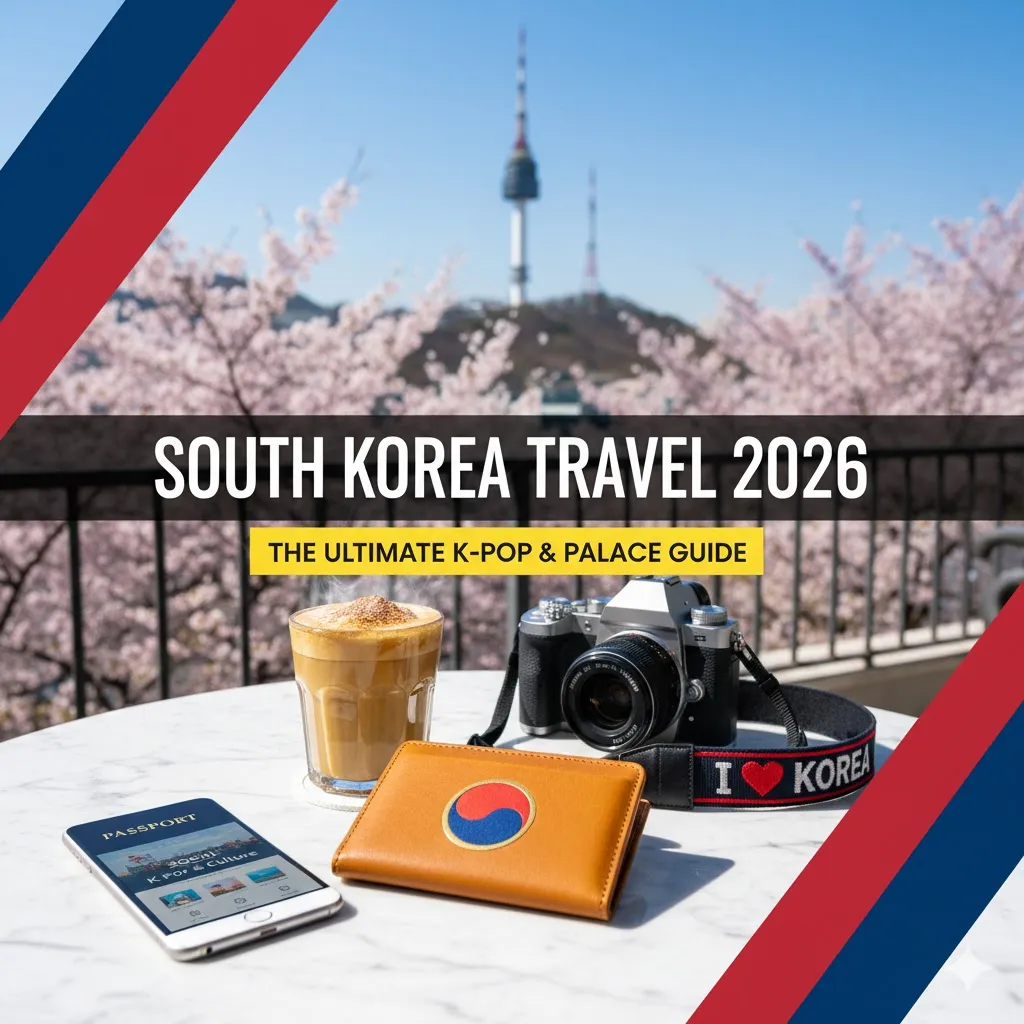
THE ULTIMATE SOUTH KOREA TRAVEL GUIDE: K-POP TO ANCIENT PALACES
South Korea stands as one of the world's most dynamic and fascinating destinations, a nation where ancient traditions and cutting-edge innovation coexist in vibrant harmony. From the serene courtyards of 600-year-old palaces to the pulsing energy of K-Pop districts, from mountain temples where monks have meditated for centuries to neon-lit streets where technology shapes daily life, South Korea offers travelers an extraordinary journey through time, culture, and creativity. In 2026, as international travelers seek destinations that offer both authentic cultural immersion and modern convenience, South Korea continues to captivate with its unique blend of heritage and innovation, warm hospitality, and world-class infrastructure.
This comprehensive guide invites you to explore South Korea with deeper understanding and greater appreciation. We will journey through Seoul's historic palaces and futuristic districts, discover the cultural phenomena of K-Pop and Korean cuisine, explore natural wonders from volcanic islands to mountain temples, and provide practical information for visiting in 2026. Whether you are a K-Pop enthusiast seeking the source of your favorite music, a history lover drawn by ancient architecture, a foodie eager to sample kimchi and Korean BBQ, or simply a curious traveler inspired by Korea's global rise, this guide will help you prepare for an unforgettable encounter with the Land of the Morning Calm.
Understanding South Korea requires more than visiting famous landmarks; it demands engaging with the values that shape Korean society, the history that informs contemporary culture, and the hospitality that welcomes visitors with genuine warmth. By approaching South Korea with curiosity and respect, you will discover not just spectacular sights but a living dialogue between past and present, between tradition and transformation, between local identity and global influence.
SEOUL: WHERE ANCIENT PALACES MEET FUTURISTIC SKYLINES
No exploration of South Korea begins without Seoul, a metropolis of over 10 million people that seamlessly blends six centuries of royal heritage with 21st-century innovation. The city's neighborhoods each offer distinct experiences, from the palace-lined streets of Jongno to the trendy cafes of Hongdae, from the traditional markets of Insadong to the luxury shopping of Gangnam.
Gyeongbokgung Palace:
The largest and most impressive of Seoul's Five Grand Palaces, Gyeongbokgung was built in 1395 as the main royal palace of the Joseon Dynasty. Though much of the complex was destroyed during the Japanese occupation, extensive restoration has recreated much of its former glory.
Visiting Gyeongbokgung in 2026:
- Changing of the Guard: Watch the colorful ceremony at the main gate (Gwanghwamun) at 10 AM and 2 PM daily (except Tuesdays)
- National Folk Museum: Located within the palace grounds, offering insights into traditional Korean life
- Hanbok Experience: Rent traditional Korean dress for free palace entry and memorable photos
- Timing: Arrive early to avoid crowds; the palace is particularly beautiful during cherry blossom season (April) and fall foliage (October-November)
- Admission: Approximately 3,000 KRW ($2-3 USD); free with hanbok rental
Changdeokgung Palace and Secret Garden:
A UNESCO World Heritage Site, Changdeokgung is renowned for its harmonious integration with the natural landscape. The palace's highlight is the Huwon (Secret Garden), a beautifully landscaped rear garden that requires guided tour access.
Visiting Changdeokgung:
- Secret Garden Tours: Must be booked in advance; limited daily slots fill quickly
- Architecture: Note the distinctive curved rooflines and colorful dancheong decorative painting
- Seasonal Beauty: The garden is spectacular in spring (cherry blossoms), summer (lotus ponds), and fall (maple foliage)
- Admission: Palace 3,000 KRW; Secret Garden tour additional 5,000 KRW
Bukchon Hanok Village:
Nestled between Gyeongbokgung and Changdeokgung, Bukchon Hanok Village preserves hundreds of traditional Korean houses (hanok) in a living neighborhood. Unlike museum villages, real people live and work here, creating an authentic atmosphere.
Exploring Bukchon:
- Walking Tours: Wander the steep, narrow alleys lined with hanok; respect that these are private residences
- Photography Etiquette: Many homes request no photography of interiors or residents; look for signage
- Cultural Centers: Visit the Bukchon Traditional Culture Center for hands-on experiences like calligraphy or traditional craft
- Best Time: Early morning offers peaceful atmosphere and soft light for photography
Modern Seoul: Gangnam, Hongdae, and Myeongdong:
Seoul's contemporary districts showcase Korea's global influence and innovative spirit:
Gangnam:
- Made famous worldwide by PSY's hit song, Gangnam is Seoul's affluent southern district
- Highlights: COEX Mall (with Starfield Library), Bongeunsa Temple, upscale shopping and dining
- Experience: Luxury boutiques, K-Pop entertainment companies, trendy cafes
Hongdae:
- Named after Hongik University, this area is the heart of Seoul's youth culture and indie music scene
- Highlights: Street performances, indie boutiques, nightlife, K-Pop dance covers in public squares
- Experience: Affordable shopping, live music venues, creative energy
Myeongdong:
- Seoul's premier shopping district, popular with both locals and international visitors
- Highlights: Cosmetics stores, fashion boutiques, street food stalls
- Experience: Duty-free shopping, Korean beauty products, bustling atmosphere
K-POP CULTURE: EXPERIENCING KOREA'S GLOBAL PHENOMENON
For many international travelers, K-Pop is the gateway to Korean culture. South Korea offers numerous ways to engage with this global phenomenon, from visiting entertainment company buildings to experiencing fan culture firsthand.
K-Pop Entertainment Districts:
Gangnam and Apgujeong:
- Home to major entertainment companies including SM, JYP, and HYBE (formerly Big Hit)
- Many companies offer public viewing areas where fans can see practice rooms and displays
- Note: Access to company buildings is typically restricted; respect private property and fan guidelines
Hongdae and Myeongdong:
- Street performers regularly perform K-Pop dance covers in public squares
- K-Pop merchandise stores offer albums, light sticks, and official goods
- Photo zones and themed cafes celebrate popular groups
K-Pop Experiences for Visitors:
K-Pop Dance Classes:
- Several studios in Hongdae and Gangnam offer beginner-friendly K-Pop dance classes for tourists
- Classes typically last 1-2 hours and teach choreography from popular songs
- No experience necessary; a fun way to engage with Korean pop culture
K-Pop Themed Cafes and Restaurants:
- Themed cafes celebrating specific groups or concepts offer photo opportunities and themed menus
- Popular areas: Hongdae, Myeongdong, Gangnam
- Note: Some popular cafes require reservations or have time limits
Music Shows and Concerts:
- Music broadcast tapings (like Music Bank or Inkigayo) sometimes allow international audience participation; check official websites for ticket information
- Concert tickets for international fans can be purchased through official fan clubs or authorized ticketing platforms
- Note: Popular concerts sell out quickly; plan well in advance
K-Pop Museums and Exhibitions:
- SM Town Museum at COEX offers interactive exhibits on K-Pop history and technology
- Temporary exhibitions at cultural centers often feature K-Pop themes
- Check current exhibitions before your visit
KOREAN CUISINE: A CULINARY JOURNEY THROUGH FLAVOR AND TRADITION
Korean cuisine has gained global recognition for its bold flavors, healthful ingredients, and communal dining culture. From street food to royal court cuisine, South Korea offers culinary experiences for every palate and budget.
Must-Try Korean Dishes:
Korean BBQ (Gogi-gui):
- Experience: Grill your own meat (typically pork belly or marinated beef) at the table
- Etiquette: Let the server or most senior person at the table start grilling; use provided scissors to cut meat
- Where to try: Mapo-gu and Jongno districts in Seoul; look for restaurants with ventilation systems
- Cost: 15,000-40,000 KRW ($12-32 USD) per person
Bibimbap:
- Experience: A colorful bowl of rice topped with seasoned vegetables, meat, and gochujang (chili paste), mixed before eating
- Variations: Dolsot bibimbap (served in a hot stone pot) creates a crispy rice bottom
- Where to try: Traditional restaurants in Insadong or palace-area neighborhoods
- Cost: 8,000-15,000 KRW ($6-12 USD)
Kimchi and Banchan:
- Experience: Kimchi (fermented vegetables) is served with nearly every meal, along with various banchan (side dishes)
- Cultural Note: Banchan are typically refilled free; it's polite to try a bit of each
- Where to try: Any traditional Korean restaurant; kimchi varieties vary by region
Street Food:
- Must-try items: Tteokbokki (spicy rice cakes), odeng (fish cake skewers), hotteok (sweet filled pancakes), gimbap (seaweed rice rolls)
- Where to try: Myeongdong Street Food Alley, Gwangjang Market, night markets
- Cost: 1,000-5,000 KRW ($1-4 USD) per item
Royal Court Cuisine:
- Experience: Elegant multi-course meals inspired by Joseon Dynasty royal banquets
- Where to try: Specialized restaurants in Insadong or near palaces; reservations recommended
- Cost: 50,000-150,000 KRW ($40-120 USD) per person
Dining Etiquette and Tips:
- Sharing Culture: Korean meals are often communal; dishes are placed in the center for everyone to share
- Chopsticks and Spoons: Metal chopsticks and long-handled spoons are standard; rice and soup are eaten with the spoon
- Pouring Drinks: When pouring drinks for others, use both hands; receive drinks with both hands as a sign of respect
- Age Hierarchy: The eldest person at the table typically starts eating first; follow their lead
- Tipping: Not customary in Korea; service charges are typically included
NATURAL WONDERS AND DAY TRIPS: BEYOND SEOUL
While Seoul offers endless exploration, South Korea's natural beauty and historic sites beyond the capital are equally compelling. These day trips and short excursions showcase the country's diverse landscapes and cultural heritage.
The DMZ (Demilitarized Zone):
The DMZ, established after the Korean War, is one of the world's most heavily fortified borders and a unique destination for understanding modern Korean history.
Visiting the DMZ:
- Tours Required: Independent travel to the DMZ is not permitted; book through authorized tour operators
- Key Sites: Third Tunnel of Aggression, Dora Observatory (views into North Korea), Dorasan Station
- Documentation: Bring your passport; tours require advance registration
- Etiquette: Follow all security guidelines; photography restrictions apply in certain areas
- Cost: 50,000-100,000 KRW ($40-80 USD) per person including transportation and guide
Suwon Hwaseong Fortress:
A UNESCO World Heritage Site located 30 kilometers south of Seoul, Suwon Hwaseong is a remarkably preserved 18th-century fortress that showcases Korean military architecture.
Visiting Suwon:
- Transportation: Take the subway (Line 1) to Suwon Station, then bus or taxi to the fortress
- Activities: Walk the fortress walls, visit the Hwaseong Museum, try Suwon's famous galbi (marinated short ribs)
- Time Needed: Half-day trip from Seoul
- Admission: Fortress walls free; museum approximately 1,000 KRW
Nami Island and Petite France:
Located in Gapyeong, about 90 minutes from Seoul, this area is popular for its scenic beauty and cultural attractions.
Highlights:
- Nami Island: Famous for tree-lined paths, particularly stunning during fall foliage; featured in the K-drama "Winter Sonata"
- Petite France: A French cultural village with colorful buildings, performances, and photo opportunities
- Activities: Bike rentals, zip-lining, cultural performances, seasonal festivals
- Transportation: ITX train to Gapyeong Station, then shuttle bus or taxi
- Time Needed: Full-day trip from Seoul
Jeonju Hanok Village:
Located about 2 hours from Seoul by KTX, Jeonju is renowned for its well-preserved hanok village and as the birthplace of bibimbap.
Experiencing Jeonju:
- Hanok Stay: Overnight in a traditional Korean house for an authentic experience
- Food: Sample Jeonju-style bibimbap and other local specialties at the nearby food street
- Culture: Visit the Hanji (traditional paper) Museum, try traditional craft workshops
- Time Needed: Overnight trip recommended to fully experience the village atmosphere
BUSAN AND THE COAST: SEAFOOD, TEMPLES, AND BEACHES
South Korea's second-largest city, Busan, offers a coastal contrast to Seoul's urban energy, with beautiful beaches, fresh seafood, and unique cultural attractions.
Getting to Busan:
- KTX High-Speed Train: Approximately 2.5 hours from Seoul Station to Busan Station; comfortable and efficient
- Domestic Flight: Approximately 1 hour from Seoul airports; convenient but requires airport transit time
Busan Highlights:
Haeundae Beach:
- Experience: Korea's most famous beach, with a long sandy shore, luxury hotels, and vibrant atmosphere
- Best Time: Summer for swimming; year-round for beach walks and photo opportunities
- Nearby: Haeundae Traditional Market for seafood and local snacks
Gamcheon Culture Village:
- Experience: A hillside neighborhood transformed into an outdoor art gallery with colorful houses, murals, and sculptures
- Photography: One of Busan's most Instagram-worthy locations; wear comfortable shoes for steep paths
- Etiquette: Respect residents' privacy; some areas are private homes
Jagalchi Fish Market:
- Experience: Korea's largest seafood market, where you can select fresh seafood and have it prepared on-site
- Cultural Note: A lively, authentic experience; be prepared for strong smells and bustling crowds
- Dining: Try hoe (Korean-style raw fish) or grilled seafood with local sides
Beomeosa Temple:
- Experience: A serene mountain temple dating to the 7th century, accessible by cable car or hiking trails
- Activities: Temple stay programs, meditation experiences, hiking in the surrounding Geumjeongsan Mountain
- Time Needed: Half-day trip from central Busan
CULTURAL EXPERIENCES: TRADITIONS, TEMPLES, AND HANDS-ON LEARNING
South Korea offers numerous opportunities to engage with traditional culture through immersive experiences that go beyond sightseeing.
Temple Stay Programs:
Many Buddhist temples across South Korea offer temple stay programs that allow visitors to experience monastic life.
Popular Temple Stay Options:
- Jogyesa Temple (Seoul): Convenient location in central Seoul; offers short programs and meditation sessions
- Bulguksa Temple (Gyeongju): UNESCO World Heritage Site; offers overnight stays with meditation, tea ceremony, and temple meals
- Beomeosa Temple (Busan): Mountain temple with hiking opportunities; offers day and overnight programs
Temple Stay Activities:
- Meditation: Learn basic Seon (Zen) meditation techniques
- Tea Ceremony: Experience traditional Korean tea culture
- Temple Meals: Enjoy balanced, vegetarian temple cuisine (balwoo gongyang)
- Cultural Programs: Calligraphy, lotus lantern making, or Buddhist chanting
Hanbok Experiences:
Wearing hanbok, traditional Korean dress, is a popular way to connect with Korean culture and capture memorable photos.
Hanbok Rental:
- Locations: Numerous rental shops near palaces in Seoul (especially Insadong and Bukchon)
- Cost: 10,000-30,000 KRW ($8-24 USD) for 2-4 hours; includes dress, accessories, and sometimes hair styling
- Bonus: Many palaces offer free admission to visitors wearing hanbok
Etiquette:
- Respect the garment: Hanbok is delicate; handle with care
- Photography: Palaces and traditional neighborhoods provide beautiful backdrops; be mindful of other visitors
- Cultural Context: Learn about hanbok's history and significance to enhance your experience
Traditional Craft Workshops:
Hands-on workshops offer opportunities to learn traditional Korean crafts from skilled artisans.
Popular Workshops:
- Hanji (Traditional Paper) Making: Learn about Korea's traditional paper and create simple items
- Pottery and Ceramics: Try your hand at traditional Korean pottery techniques
- Kimchi Making: Learn to prepare Korea's iconic fermented dish (seasonal availability)
- Where to Find: Insadong Cultural Center, Bukchon Traditional Culture Center, local tourism offices
PRACTICAL TRAVEL INFORMATION FOR SOUTH KOREA IN 2026
Planning a trip to South Korea requires consideration of logistics, timing, and cultural norms. This section provides essential information for traveling responsibly in South Korea in 2026.
Visa Requirements:
Most international visitors to South Korea can enter visa-free for tourism purposes for stays up to 90 days.
Key visa information:
- Visa-Free Entry: Citizens of the United States, Canada, United Kingdom, European Union nations, Australia, New Zealand, and many other countries can enter visa-free for tourism
- Passport Validity: Must be valid for at least six months beyond intended departure date
- K-ETA (Korea Electronic Travel Authorization): Some nationalities may need to apply for K-ETA online before travel; check current requirements at hi.korea.go.kr
- Entry Requirements: May include proof of onward travel and accommodation; check current requirements before travel
Best Times to Visit:
South Korea has four distinct seasons, each offering unique experiences:
Spring (April-May):
- Highlights: Cherry blossoms, mild temperatures, vibrant festivals
- Crowds: Popular season; book accommodations early, especially for cherry blossom viewing
- Temperatures: 10-20°C (50-68°F)
Summer (June-August):
- Highlights: Lush green landscapes, beach destinations, summer festivals
- Considerations: Hot and humid; monsoon season (jangma) brings heavy rainfall in late June-July
- Temperatures: 23-30°C (73-86°F), with high humidity
Fall (September-November):
- Highlights: Stunning fall foliage, comfortable temperatures, harvest festivals
- Crowds: Popular season, particularly for fall foliage viewing in mountain areas
- Temperatures: 10-20°C (50-68°F)
Winter (December-February):
- Highlights: Snow-covered landscapes, winter sports, festive lighting displays
- Considerations: Cold temperatures; some outdoor attractions may have limited hours
- Temperatures: -5 to 5°C (23-41°F), colder in mountain areas
Getting Around South Korea:
South Korea's transportation network is efficient, affordable, and traveler-friendly.
In Seoul:
- Subway: Extensive, clean, and English-friendly; purchase a T-Money card for seamless travel across subway, bus, and taxi
- Buses: Comprehensive network; use navigation apps like Naver Map or KakaoMap for real-time information
- Taxis: Affordable and plentiful; use Kakao T app for convenient hailing and payment
Intercity Travel:
- KTX High-Speed Train: Connects major cities (Seoul, Busan, Gyeongju, Jeonju) at speeds up to 300 km/h; book tickets online at letskorail.com
- Express Buses: Comfortable and affordable option for destinations not served by KTX
- Domestic Flights: Convenient for reaching Jeju Island or other distant destinations
Navigation and Communication:
- Apps: Download Naver Map or KakaoMap for navigation (Google Maps has limited functionality in Korea)
- Translation: Papago app offers excellent Korean-English translation, including image and voice features
- Connectivity: Purchase a SIM card or portable WiFi at the airport for reliable internet access
Accommodation:
South Korea offers diverse accommodation options for every budget and travel style.
Types of Accommodation:
- Hotels: International chains and local brands offer comfort and convenience; book in advance for peak seasons
- Hanok Stays: Traditional Korean houses offering cultural immersion; popular in Seoul's Bukchon and Jeonju
- Guesthouses and Hostels: Affordable options with social atmospheres; popular with backpackers and solo travelers
- Love Motels: Clean, affordable, and uniquely Korean; often feature themed rooms and amenities
Booking Tips:
- Peak Seasons: Book well in advance for cherry blossom season (April), fall foliage (October-November), and major holidays
- Location: Choose accommodations near subway stations for convenient access to attractions
- Reviews: Check recent traveler feedback on cleanliness, service, and location
Budgeting:
South Korea can accommodate various travel budgets, though costs vary by city and travel style.
Daily Budget Estimates:
- Budget Travelers: $40-70 USD per day for hostels, street food, and public transportation
- Mid-Range Travelers: $70-150 USD per day for comfortable hotels, restaurant meals, and guided tours
- Luxury Travelers: $150+ USD per day for five-star hotels, fine dining, and private guides
Money-Saving Tips:
- T-Money Card: Offers discounted fares on public transportation and can be used at convenience stores
- Street Food: Delicious and affordable; a great way to sample Korean cuisine on a budget
- Free Attractions: Many palaces, markets, and neighborhoods offer rich experiences at no cost
- Travel Passes: Consider the Korea Rail Pass for extensive train travel or city tourism cards for attraction discounts
Health and Safety:
South Korea is generally very safe for travelers, with low crime rates and excellent healthcare.
Health Considerations:
- Healthcare: High-quality medical facilities are available in major cities; travel insurance with medical coverage is recommended
- Water: Tap water is safe to drink, though many locals prefer bottled water
- Air Quality: Check air quality indexes, especially in spring when yellow dust from China can affect air quality
Safety Tips:
- Personal Safety: South Korea has low violent crime rates; standard precautions apply
- Scams: Be cautious of overly friendly strangers offering unsolicited tours or deals
- Emergency Numbers: 112 for police, 119 for ambulance and fire; English-speaking operators available
Cultural Etiquette:
Understanding Korean cultural norms enhances your travel experience and shows respect for local customs.
Respectful Behavior:
- Bowing: A slight bow is appreciated when greeting or thanking someone; follow the lead of locals
- Shoes: Remove shoes before entering homes, traditional restaurants, and some temples; look for shoe racks or cues
- Age and Hierarchy: Korean culture values age and seniority; use both hands when giving or receiving items, especially from elders
- Public Behavior: Avoid loud conversations on public transportation; eating while walking is less common than in some Western countries
Dining Etiquette:
- Sharing Meals: Korean meals are often communal; wait for the eldest person to start eating before you begin
- Chopsticks and Spoons: Metal chopsticks and long-handled spoons are standard; rice and soup are eaten with the spoon
- Pouring Drinks: When pouring drinks for others, use both hands; receive drinks with both hands as a sign of respect
Tipping:
- Not Customary: Tipping is not expected in restaurants, taxis, or hotels; service charges are typically included
- Exception: Tour guides may appreciate a small tip for exceptional service
SUSTAINABLE AND RESPONSIBLE TOURISM
Visiting South Korea carries responsibility to protect its cultural heritage and natural environments. In 2026, sustainable tourism practices enhance the experience for all.
Protect Cultural Heritage:
South Korea's historic sites face challenges from visitor pressure and environmental factors. Help preserve these treasures by:
- Following Guidelines: Respect posted rules regarding photography, touching, and access at palaces, temples, and museums
- Supporting Conservation: Choose tour operators and attractions that contribute to preservation efforts
- Mindful Photography: Avoid using flash in sensitive areas; respect restrictions at cultural sites
Support Local Communities:
Tourism can be a powerful force for economic development when benefits reach local people. Support communities by:
- Choosing Local: Stay in locally-owned accommodations, eat at family-run restaurants, and purchase crafts directly from artisans
- Fair Compensation: Tip appropriately for services; tips are an important part of income for many workers
- Cultural Exchange: Engage respectfully with local people; learn about their lives and perspectives
Minimize Environmental Impact:
South Korea faces environmental challenges including air quality and waste management. Reduce your footprint by:
- Public Transportation: Use Seoul's efficient subway and bus system instead of taxis when possible
- Reusable Items: Carry a reusable water bottle and shopping bag; South Korea is working to reduce single-use plastics
- Eco-Certified Options: Choose accommodations and tours with environmental certifications when available
Engage with Cultural Heritage Respectfully:
South Korea's heritage belongs to the Korean people and to humanity. Engage respectfully by:
- Learning First: Understand the history and significance of sites before visiting; knowledge deepens appreciation
- Listening to Korean Voices: Prioritize Korean guides and scholars who interpret their own heritage
- Sharing Responsibly: When sharing your experiences on social media, promote accurate information and cultural respect
CONCLUSION: A JOURNEY BETWEEN TRADITION AND INNOVATION
South Korea offers an extraordinary journey through time and culture, where ancient palaces stand in the shadow of futuristic skyscrapers, where traditional tea ceremonies coexist with K-Pop dance covers, and where warm hospitality welcomes travelers from around the world. From the serene courtyards of Gyeongbokgung to the pulsing energy of Hongdae, from the flavors of Korean BBQ to the beauty of cherry blossoms, South Korea invites travelers to explore, discover, and connect.
In 2026, as travelers seek meaningful experiences that balance iconic sights with authentic local life, South Korea offers opportunities to engage with history, culture, and innovation in ways that enrich both visitor and host. By approaching South Korea with curiosity, respect, and a commitment to sustainable practices, you can contribute to the preservation of this remarkable country while creating memories that last a lifetime.
May your South Korean adventure deepen your appreciation for the harmony of tradition and innovation, and inspire your commitment to protecting the cultural treasures that make our world extraordinary. As the artisans, scholars, and artists who shaped Korean culture understood, true legacy lies not just in monuments of stone but in the knowledge, values, and stories that endure across generations. May you carry that understanding forward, wherever your journey leads.
Useful resources include the Korea Tourism Organization at visitkorea.or.kr for trip planning, Korail at letskorail.com for train travel, and your country's travel advisory service for safety updates. Emergency services in South Korea can be reached at 112 for police and 119 for ambulance and fire. Disclaimer: Information is accurate as of early 2026. Entry requirements, attraction hours, and policies may change; verify details before travel. This guide is for informational purposes only and does not constitute professional travel advice.
0 Comments