.webp)
.webp)
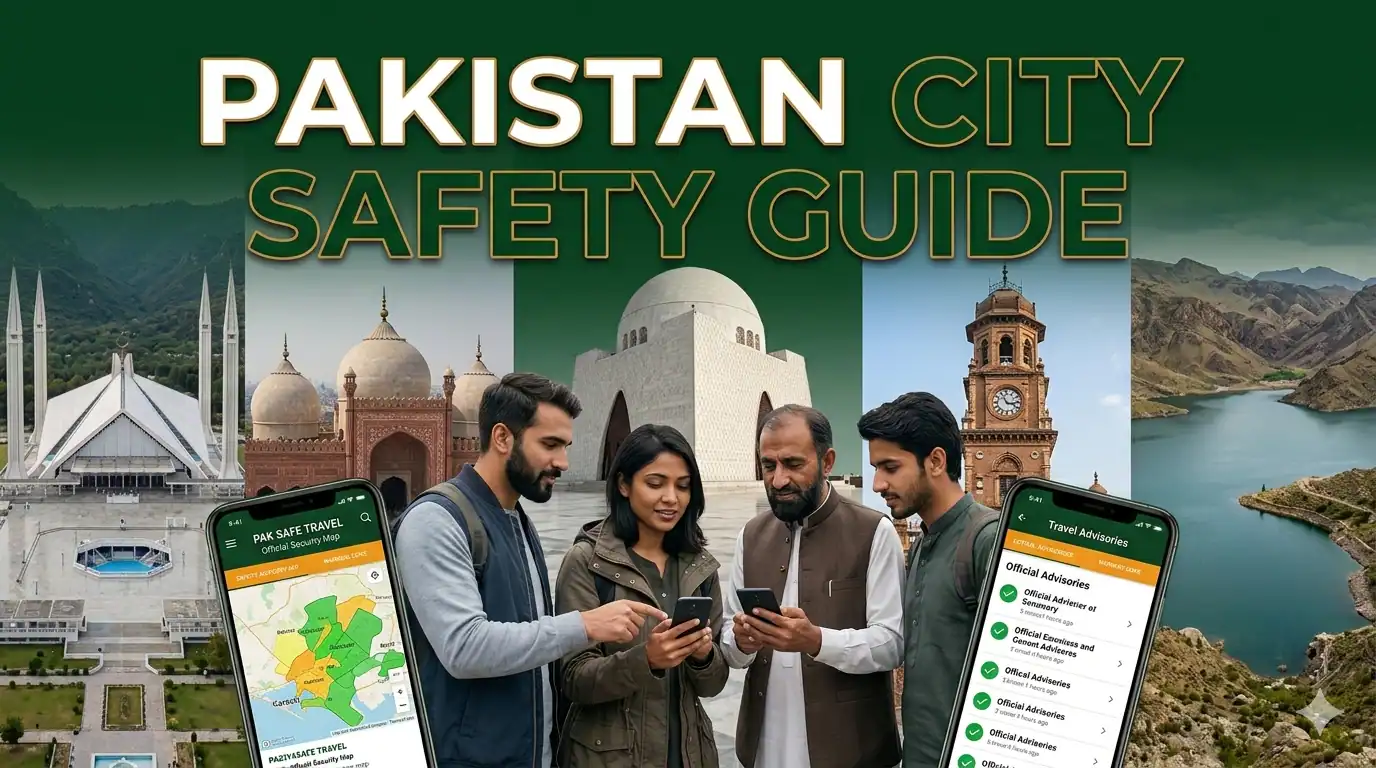
Understanding Security Challenges in Pakistan's Urban Centers
Terrorism threats in Pakistan cities remain a complex reality that travelers must understand when planning visits to this culturally rich South Asian nation. Pakistan has made significant strides in counter-terrorism operations over the past decade, yet security challenges persist in various urban areas. This comprehensive guide provides evidence-based, practical information for travelers—particularly those from Bangladesh and neighboring countries—who need to assess risks, plan securely, and navigate Pakistan's major cities with informed awareness.
Pakistan's major metropolitan areas including Karachi, Lahore, Islamabad, Rawalpindi, Peshawar, and Quetta have experienced varying levels of security incidents over the years. While the overall security situation has improved considerably since the peak of terrorism in the early 2010s, sporadic incidents continue to occur. Understanding the current threat landscape, government security measures, and practical safety protocols enables travelers to make informed decisions without succumbing to unnecessary fear or overlooking genuine risks.
What is the current terrorism threat level in Pakistan's major cities?
As of 2026, Pakistan maintains a high but improving security posture in its major urban centers. The government has implemented comprehensive counter-terrorism strategies including enhanced surveillance, intelligence operations, and security infrastructure. Islamabad and Lahore generally experience lower incident rates due to heavy security presence, while border cities like Peshawar and Quetta face elevated risks. Karachi, despite being the economic hub, has seen improved security but remains vigilant against targeted incidents. Travelers should consult current advisories from Bangladesh's Ministry of Foreign Affairs, Pakistan's Interior Ministry, and international sources before travel.
Why Understanding Pakistan's Security Context Matters for Travelers

Awareness of terrorism threats in Pakistan cities is essential for several reasons. First, it enables realistic risk assessment rather than decisions based on outdated perceptions or sensationalized media. Second, it helps travelers prepare appropriate documentation, insurance, and emergency protocols. Third, understanding security dynamics allows visitors to cooperate effectively with local authorities and respect security procedures that may be more visible than in other countries.
For Bangladeshi travelers specifically, Pakistan presents both opportunities and considerations. The two nations share cultural, religious, and historical ties, making Pakistan an attractive destination for business, education, religious tourism, and family visits. However, Bangladeshi passport holders must navigate visa requirements, security screenings, and regional travel restrictions with careful planning. This guide addresses practical questions: Which cities are safer for first-time visitors? What areas should be avoided? How do I register with my embassy? What emergency contacts should I maintain?
How has Pakistan's security situation evolved in recent years?
Pakistan's counter-terrorism efforts have yielded measurable improvements since the military operations launched in 2014-2015, particularly Operation Zarb-e-Azb in tribal areas. Major cities have seen reduced frequency of large-scale attacks through enhanced intelligence sharing, improved police capabilities, and infrastructure hardening. However, challenges remain including sectarian violence, targeted attacks on security forces, and occasional incidents in public spaces. The government maintains National Action Plan protocols, and cities employ varying levels of visible security including checkpoints, surveillance cameras, and rapid response teams.
Entry Requirements and Documentation for Pakistan Travel

Bangladeshi citizens planning to visit Pakistan must navigate specific entry requirements that have security implications:
- Visa Requirements: Bangladeshi passport holders require a visa to enter Pakistan. Tourist visas typically require invitation letters, hotel confirmations, and detailed itineraries. Business visas need sponsorship from Pakistani companies. Processing times can range from 2-6 weeks.
- No Objection Certificate (NOC): Certain areas, particularly near borders or sensitive regions, require additional NOC permissions from Pakistani authorities. This includes parts of Balochistan, Khyber Pakhtunkhwa border areas, and some tribal districts.
- Registration Requirements: Foreign nationals staying beyond initial visa periods may need to register with local police or immigration authorities. Hotels typically assist with this process.
- Travel Insurance: Comprehensive coverage including medical evacuation, terrorism coverage, and trip interruption is strongly recommended. Verify that your policy explicitly covers Pakistan.
- Embassy Registration: Bangladeshi citizens should register with the Bangladesh High Commission in Islamabad or consulates in Karachi and Lahore upon arrival.
- 👉 Why 2026 is the "Turning Point" for Syria’s Global Tourism Industry.
- 👉 The Ultimate South Korea Travel Guide: K-Pop to Ancient Palaces
- 👉 Jaffna: New Luxury Frontier for Seasoned Travelers
Always verify current requirements through official channels: Pakistan's Ministry of Interior website, Bangladesh's Ministry of Foreign Affairs portal, or the Pakistan High Commission in Dhaka. Requirements can change based on security assessments and bilateral relations.
Do Bangladeshi travelers face additional security screenings in Pakistan?
Yes, Bangladeshi nationals may encounter enhanced security protocols at airports, hotels, and certain venues due to bilateral security arrangements and regional threat assessments. This is standard procedure and not discriminatory. Cooperate patiently with security personnel, keep documentation readily accessible, and allow extra time for screenings. Having organized paperwork—including visa copies, hotel confirmations, invitation letters, and emergency contacts—facilitates smoother processing.
Security Situation by Major City: Risk Assessment

Pakistan's major cities present varying security profiles. Understanding these differences helps travelers plan itineraries aligned with their risk tolerance and travel purposes.
Islamabad: The Capital's Security Framework
Islamabad, Pakistan's capital, maintains the highest security levels among major cities. As the seat of government and home to diplomatic missions, the city employs extensive security infrastructure including:
- Heavy police and paramilitary presence in sensitive zones
- Checkpoint systems at major entry points
- Surveillance cameras in commercial and government areas
- Restricted zones requiring special permits
- 👉 Why 2026 is the "Turning Point" for Syria’s Global Tourism Industry.
- 👉 The Ultimate South Korea Travel Guide: K-Pop to Ancient Palaces
- 👉 Jaffna: New Luxury Frontier for Seasoned Travelers
The Red Zone (government buildings, foreign embassies) has controlled access. Sectors F-6, F-7, and F-8 are generally considered safer for foreign visitors. Islamabad International Airport maintains international-standard security. While incidents are rare compared to other cities, travelers should remain vigilant in crowded markets like Saddar and avoid large gatherings or protests.
Lahore: Cultural Hub with Moderate Risks
Lahore, Pakistan's cultural heart and second-largest city, balances tourism appeal with security challenges. The city has experienced incidents targeting public spaces, religious sites, and security forces. Key considerations:
- Tourist areas like Lahore Fort, Badshahi Mosque, and Shalimar Gardens have enhanced security including bag checks and metal detectors
- Wagah Border ceremony requires advance booking and security clearance
- Crowded markets (Anarkali, Liberty Market) warrant heightened awareness
- Religious processions and large gatherings carry elevated risks
- 👉 Why 2026 is the "Turning Point" for Syria’s Global Tourism Industry.
- 👉 The Ultimate South Korea Travel Guide: K-Pop to Ancient Palaces
- 👉 Jaffna: New Luxury Frontier for Seasoned Travelers
Lahore's security situation fluctuates; monitor local news and embassy updates. The city remains accessible to tourists willing to follow security protocols and maintain situational awareness.
Karachi: Economic Center with Complex Security Dynamics
Karachi, Pakistan's largest city and economic hub, presents the most complex security environment among major metropolitan areas. The city has made significant improvements but continues to face challenges:
- Targeted violence, including sectarian and political incidents, occurs sporadically
- Crime rates (kidnapping, robbery) exceed other major cities
- Certain areas (Lyari, parts of Karachi East) have elevated risks and limited police presence
- Affluent areas (Clifton, DHA, Gulshan-e-Iqbal) maintain better security
- Jinnah International Airport has robust security but approaches require caution
- 👉 Why 2026 is the "Turning Point" for Syria’s Global Tourism Industry.
- 👉 The Ultimate South Korea Travel Guide: K-Pop to Ancient Palaces
- 👉 Jaffna: New Luxury Frontier for Seasoned Travelers
Foreign travelers, including Bangladeshis, should exercise heightened caution in Karachi. Use reputable transportation, avoid displaying wealth, and maintain communication with trusted local contacts or your embassy.
Peshawar: Border City with Elevated Threats
Peshawar, capital of Khyber Pakhtunkhwa province, sits near the Afghanistan border and faces elevated terrorism risks. The city has experienced attacks on markets, mosques, and security installations. Considerations:
- Border proximity creates spillover risks from regional instability
- Sectarian violence and targeted attacks occur more frequently than in central cities
- Security forces maintain heavy presence with frequent checkpoints
- Certain districts require NOC permissions for foreigners
- 👉 Why 2026 is the "Turning Point" for Syria’s Global Tourism Industry.
- 👉 The Ultimate South Korea Travel Guide: K-Pop to Ancient Palaces
- 👉 Jaffna: New Luxury Frontier for Seasoned Travelers
First-time visitors to Pakistan should carefully consider whether Peshawar travel is essential. If visiting, coordinate with local authorities, use secure transportation, and maintain flexible plans.
Quetta: High-Risk Border Region
Quetta, capital of Balochistan province, presents the highest security risks among major Pakistani cities. The region faces:
- Insurgency-related violence and sectarian attacks
- Targeted killings of security forces and minorities
- Restricted access requiring NOC permissions for foreigners
- Limited consular support for emergencies
- 👉 Why 2026 is the "Turning Point" for Syria’s Global Tourism Industry.
- 👉 The Ultimate South Korea Travel Guide: K-Pop to Ancient Palaces
- 👉 Jaffna: New Luxury Frontier for Seasoned Travelers
Most governments advise against non-essential travel to Quetta and Balochistan. Bangladeshi travelers should only visit if absolutely necessary and with comprehensive security arrangements.
How do I check current security conditions in specific Pakistani cities?
Monitor multiple sources: (1) Bangladesh High Commission in Islamabad's travel advisories; (2) Pakistan Interior Ministry statements; (3) Reputable international sources like the UK FCDO or Australian DFAT; (4) Local English-language news (Dawn, The News International); (5) Travel forums with recent visitor reports. Avoid relying solely on social media, which can amplify unverified incidents. Subscribe to embassy alert services for real-time updates.
Best Time to Visit: Security and Seasonal Considerations

Timing your Pakistan visit involves balancing weather, cultural events, and security factors:
Security-Related Timing Factors
- Religious Observances: Ramadan, Eid celebrations, and Muharram processions see heightened security but also elevated risks of sectarian incidents. Large gatherings during these periods require extra caution.
- Political Events: Elections, political rallies, and national holidays (Pakistan Day, Independence Day) can trigger protests or security incidents. Monitor political calendars.
- Weather Extremes: Summer heat (May-August) can strain infrastructure and emergency services. Winter fog (December-February) in Punjab affects travel and security response times.
- Tourist Seasons: October-March offers pleasant weather and is peak tourist season, meaning better security resources but larger crowds at attractions.
- 👉 Why 2026 is the "Turning Point" for Syria’s Global Tourism Industry.
- 👉 The Ultimate South Korea Travel Guide: K-Pop to Ancient Palaces
- 👉 Jaffna: New Luxury Frontier for Seasoned Travelers
When should travelers avoid Pakistan due to security concerns?
There is no universally "unsafe" time to visit Pakistan, but certain periods warrant extra caution: (1) During active political crises or elections; (2) Immediately following major regional incidents that may trigger retaliatory violence; (3) During sectarian religious observances if you're unfamiliar with local dynamics; (4) Monsoon season (July-September) when flooding can disrupt emergency services. Always check current advisories 2-4 weeks before departure and maintain flexibility to postpone if conditions deteriorate.
Transportation Safety: Navigating Pakistan's Cities Securely

Transportation choices significantly impact personal security in Pakistani cities:
Air Travel
Pakistan's major airports (Islamabad, Lahore, Karachi) maintain international security standards. However:
- Arrive 3-4 hours before international flights for enhanced screenings
- Use airport-approved taxi services or pre-arranged hotel pickups
- Avoid discussing travel plans loudly in public areas
- Keep boarding passes and ID accessible for multiple checkpoints
- 👉 Why 2026 is the "Turning Point" for Syria’s Global Tourism Industry.
- 👉 The Ultimate South Korea Travel Guide: K-Pop to Ancient Palaces
- 👉 Jaffna: New Luxury Frontier for Seasoned Travelers
Inter-City Travel
Traveling between cities requires careful planning:
- Air: Safest option for long distances (Karachi-Lahore, Islamabad-Peshawar). Pakistan International Airlines (PIA) and private carriers (Serene Air, Air Sial) operate domestic routes.
- Train: Pakistan Railways offers AC classes with reasonable security. Book upper-class tickets (AC Business, AC Standard) and avoid night travel on sensitive routes.
- Bus: Reputable companies (Daewoo, Faisal Movers, Niazi Express) maintain security protocols. Avoid overnight buses in high-risk areas.
- Private Vehicle: If driving, use experienced local drivers familiar with security checkpoints. Avoid border routes without NOC permissions.
- 👉 Why 2026 is the "Turning Point" for Syria’s Global Tourism Industry.
- 👉 The Ultimate South Korea Travel Guide: K-Pop to Ancient Palaces
- 👉 Jaffna: New Luxury Frontier for Seasoned Travelers
Urban Transportation
Within cities:
- Ride-Hailing Apps: Careem and Uber operate in major cities and offer safer alternatives to street taxis. Share trip details with contacts.
- Hotel Transport: Use hotel-arranged vehicles, especially in Karachi and Peshawar.
- Public Transit: Lahore Metro and Islamabad bus services are generally safe but avoid peak crowds. Women should use designated sections where available.
- Rickshaws: Acceptable for short distances in safer areas but negotiate fares in advance.
- 👉 Why 2026 is the "Turning Point" for Syria’s Global Tourism Industry.
- 👉 The Ultimate South Korea Travel Guide: K-Pop to Ancient Palaces
- 👉 Jaffna: New Luxury Frontier for Seasoned Travelers
What should I do at security checkpoints?
Security checkpoints are common in Pakistani cities, especially near government buildings, markets, and religious sites. Cooperate fully: (1) Have ID and visa documents ready; (2) Allow bag searches without complaint; (3) Answer questions politely and briefly; (4) Do not photograph checkpoints or security personnel; (5) If traveling to restricted areas, carry NOC documentation. Checkpoints exist for your protection; patience and cooperation facilitate smooth passage.
Travel Cost Estimates: Budgeting for Security

Traveling securely in Pakistan may involve additional costs:
Security-Related Expenses
- Travel Insurance: Comprehensive policies covering Pakistan, terrorism, and medical evacuation typically cost 6-10% of trip value. Verify coverage explicitly includes Pakistan.
- Secure Accommodations: Mid-range to upscale hotels with security measures (guards, metal detectors, parking security) cost PKR 8,000-20,000 ($30-75) per night. Budget hotels may lack adequate security.
- Transportation: Private drivers or ride-hailing services cost more than public transit but offer better security. Budget PKR 3,000-5,000 ($10-18) daily for urban transport.
- Communication: Local SIM cards (Jazz, Telenor, Zong) cost PKR 500-1,000 ($2-4) with data packages essential for emergency connectivity.
- Security Guides: For high-risk areas or sensitive travel, consider hiring vetted local guides (PKR 5,000-10,000/day).
- Contingency Fund: Reserve 15-20% of your budget for emergency changes, extended stays, or evacuation costs.
- 👉 Why 2026 is the "Turning Point" for Syria’s Global Tourism Industry.
- 👉 The Ultimate South Korea Travel Guide: K-Pop to Ancient Palaces
- 👉 Jaffna: New Luxury Frontier for Seasoned Travelers
Sample 7-Day Budget for Secure Pakistan Travel
- Accommodations (mid-range hotels): PKR 70,000 ($250)
- Food and dining: PKR 25,000 ($90)
- Transportation (inter-city + local): PKR 35,000 ($125)
- Entry fees and activities: PKR 10,000 ($35)
- Communication and miscellaneous: PKR 10,000 ($35)
- Travel insurance: PKR 15,000 ($55)
- Total (excluding flights): PKR 165,000 ($590)
- 👉 Why 2026 is the "Turning Point" for Syria’s Global Tourism Industry.
- 👉 The Ultimate South Korea Travel Guide: K-Pop to Ancient Palaces
- 👉 Jaffna: New Luxury Frontier for Seasoned Travelers
Bangladeshi travelers should note that Pakistan's currency (PKR) has favorable exchange rates against BDT, but security-related expenses can add 20-30% to baseline travel costs.
How can I verify if my travel insurance covers Pakistan adequately?
Review policy documents for: (1) Explicit mention of Pakistan coverage; (2) Terrorism and civil unrest coverage; (3) Medical evacuation provisions; (4) Trip cancellation/interruption for security reasons; (5) 24/7 emergency assistance with Pakistan contact numbers. Contact your insurer directly to confirm coverage specifics. For Bangladeshi travelers, consult insurers experienced with South Asia travel or use international providers with clear Pakistan coverage.
Sample Itinerary: Security-Conscious Pakistan Travel

A balanced 7-day itinerary prioritizing security and cultural experience:
Days 1-3: Islamabad (Lower Risk)
- Day 1: Arrival at Islamabad International Airport, hotel check-in in F-7 or F-8 sector, embassy registration, light exploration of immediate area
- Day 2: Visit Faisal Mosque (morning, with security screening), Pakistan Monument (afternoon), Daman-e-Koh viewpoint (evening with hotel transport)
- Day 3: Lok Virsa Museum, Shah Faisal Mosque area markets, diplomatic enclave (exterior viewing), dinner in secure restaurant
- 👉 Why 2026 is the "Turning Point" for Syria’s Global Tourism Industry.
- 👉 The Ultimate South Korea Travel Guide: K-Pop to Ancient Palaces
- 👉 Jaffna: New Luxury Frontier for Seasoned Travelers
Days 4-5: Lahore (Moderate Risk)
- Day 4: Morning flight to Lahore, hotel check-in in Gulberg or Cantonment area, afternoon visit to Lahore Fort and Badshahi Mosque (with security checks), evening at Fort Road Food Street (well-trafficked area)
- Day 5: Shalimar Gardens (morning), Lahore Museum (afternoon), Wagah Border ceremony (requires advance booking and security clearance), return to hotel via pre-arranged transport
- 👉 Why 2026 is the "Turning Point" for Syria’s Global Tourism Industry.
- 👉 The Ultimate South Korea Travel Guide: K-Pop to Ancient Palaces
- 👉 Jaffna: New Luxury Frontier for Seasoned Travelers
Days 6-7: Return to Islamabad and Departure
- Day 6: Morning train or flight back to Islamabad, souvenir shopping in Centaurus Mall (secure venue), farewell dinner
- Day 7: Departure with 4-hour airport arrival for security procedures
- 👉 Why 2026 is the "Turning Point" for Syria’s Global Tourism Industry.
- 👉 The Ultimate South Korea Travel Guide: K-Pop to Ancient Palaces
- 👉 Jaffna: New Luxury Frontier for Seasoned Travelers
This itinerary avoids high-risk cities (Karachi, Peshawar, Quetta), focuses on secured tourist sites, uses safe transportation, and maintains flexibility. Adjust based on current conditions and personal interests.
How should I modify this itinerary if security conditions change?
Monitor advisories daily. If conditions deteriorate: (1) Contact Bangladesh High Commission for guidance; (2) Inform your hotel and transport providers of contingency plans; (3) Consider shortening the trip or focusing only on Islamabad; (4) Keep return flight options flexible; (5) Avoid making sudden, uninformed changes. When in doubt, prioritize communication with embassy officials over independent decisions during security incidents.
Essential Safety Tips for Travelers in Pakistan

Practical habits enhance security in Pakistani cities:
Before Travel
- Register with Bangladesh High Commission in Islamabad (email: dhk.islamabad@mofa.gov.bd)
- Share detailed itinerary with family and embassy
- Photocopy all documents (passport, visa, insurance); store digitally and with contacts
- Learn basic Urdu phrases for emergencies
- Research your hotel's security measures before booking
- 👉 Why 2026 is the "Turning Point" for Syria’s Global Tourism Industry.
- 👉 The Ultimate South Korea Travel Guide: K-Pop to Ancient Palaces
- 👉 Jaffna: New Luxury Frontier for Seasoned Travelers
During Travel
- Situational Awareness: Note exits in restaurants and hotels; observe security personnel locations; avoid predictable routines
- Digital Security: Use VPN for sensitive communications; avoid public Wi-Fi for banking; enable phone tracking
- Cultural Sensitivity: Dress conservatively; respect prayer times; avoid political discussions; photograph only where permitted
- Emergency Contacts: Save local numbers: Police (15), Ambulance (115), Bangladesh High Commission Islamabad (+92-51-2822051), Consulate Karachi (+92-21-99251005)
- 👉 Why 2026 is the "Turning Point" for Syria’s Global Tourism Industry.
- 👉 The Ultimate South Korea Travel Guide: K-Pop to Ancient Palaces
- 👉 Jaffna: New Luxury Frontier for Seasoned Travelers
For Bangladeshi Travelers Specifically
- Carry Bangladesh passport and visa at all times; photocopies insufficient
- Expect additional questioning at airports and hotels; remain patient
- Connect with Bangladeshi student or business communities for local support
- Avoid discussing Bangladesh-Pakistan political history in public
- Use halal food options widely available; dietary restrictions easily accommodated
- 👉 Why 2026 is the "Turning Point" for Syria’s Global Tourism Industry.
- 👉 The Ultimate South Korea Travel Guide: K-Pop to Ancient Palaces
- 👉 Jaffna: New Luxury Frontier for Seasoned Travelers
What are common mistakes travelers make in Pakistan regarding security?
Frequent errors include: (1) Underestimating documentation requirements and NOC needs; (2) Traveling to restricted areas without permissions; (3) Using unverified transportation; (4) Displaying wealth or expensive electronics; (5) Ignoring local advice about unsafe neighborhoods; (6) Failing to register with embassies; (7) Over-relying on social media for security information; (8) Not allowing extra time for security procedures. Balanced preparation—neither paranoid nor dismissive—supports safe travel.
Emergency Protocols: Responding to Security Incidents

If you encounter a terrorism-related incident in Pakistan:
Immediate Response: Run, Hide, Tell
- Run: If safe, leave the area immediately via safest route. Do not stop for photos or belongings. Move perpendicular to attack direction if active shooter.
- Hide: If escape impossible, find secure location. Lock/barricade doors, silence phones, stay away from windows. Remain hidden until authorities confirm safety.
- Tell: When safe, call Pakistan emergency services (15 for police, 1122 for rescue) and Bangladesh High Commission. Provide: your location, nature of incident, number of people involved, your status.
- 👉 Why 2026 is the "Turning Point" for Syria’s Global Tourism Industry.
- 👉 The Ultimate South Korea Travel Guide: K-Pop to Ancient Palaces
- 👉 Jaffna: New Luxury Frontier for Seasoned Travelers
Post-Incident Actions
- Follow instructions from Pakistani security forces; they have authority
- Contact Bangladesh High Commission immediately for consular assistance
- Notify family through pre-arranged communication plan
- Document injuries and damages for insurance claims
- Seek medical and psychological support; trauma is normal after incidents
- Avoid spreading unverified information on social media
- 👉 Why 2026 is the "Turning Point" for Syria’s Global Tourism Industry.
- 👉 The Ultimate South Korea Travel Guide: K-Pop to Ancient Palaces
- 👉 Jaffna: New Luxury Frontier for Seasoned Travelers
Medical Emergencies and Evacuation
Major cities have adequate private hospitals (Shifa International Islamabad, Aga Khan Karachi, Lahore General). For serious injuries or security-related medical emergencies, your insurance may cover medical evacuation to Bangkok, Dubai, or home country. Know your policy's evacuation procedures and keep insurance emergency numbers accessible.
How do I contact the Bangladesh High Commission during an emergency?
Save these numbers before travel: Bangladesh High Commission Islamabad: +92-51-2822051 (office), +92-300-5202851 (emergency mobile); Assistant High Commission Karachi: +92-21-99251005; Consulate Lahore: +92-42-35761727. Office hours: 9:00 AM - 5:00 PM (Sunday-Thursday). For after-hours emergencies, use the emergency mobile numbers. Register upon arrival so the High Commission has your contact details for proactive outreach during crises.
Building Long-Term Security Awareness for Pakistan Travel

Security competence develops through consistent practice:
- Review Pakistan security briefings before each trip; conditions evolve
- Maintain relationships with trusted local contacts who understand current dynamics
- Debrief after trips: What worked? What would you change?
- Stay informed about regional geopolitics affecting Pakistan's security
- Build a network of fellow travelers who visit Pakistan for information sharing
- 👉 Why 2026 is the "Turning Point" for Syria’s Global Tourism Industry.
- 👉 The Ultimate South Korea Travel Guide: K-Pop to Ancient Palaces
- 👉 Jaffna: New Luxury Frontier for Seasoned Travelers
These practices transform security from anxiety into informed confidence. Pakistan offers rich cultural experiences, historical sites, and warm hospitality to travelers who prepare adequately and respect local security realities.
Where can Bangladeshi travelers find ongoing Pakistan security updates?
Reliable sources include: (1) Bangladesh Ministry of Foreign Affairs website and social media; (2) Bangladesh High Commission Islamabad communications; (3) Pakistan Interior Ministry statements; (4) Reputable news: Dawn.com, TheNews.com.pk (English-language Pakistani media); (5) International advisories: UK FCDO, Australian DFAT, Canadian Travel Advice; (6) Travel forums with recent visitor reports. Avoid relying on sensationalized international media or unverified social media. Subscribe to embassy alert services for destination-specific updates.
Conclusion: Informed Travel to Pakistan's Cities

Understanding terrorism threats in Pakistan cities enables confident, responsible travel. While security challenges persist, millions of visitors—including business travelers, pilgrims, tourists, and students—navigate Pakistan safely each year through informed preparation and situational awareness. For Bangladeshi travelers, Pakistan offers cultural connections, historical sites, and hospitality worth experiencing with appropriate precautions.
The key is balancing realism with opportunity: acknowledging risks without being paralyzed by them, preparing thoroughly without excessive anxiety, and remaining flexible when conditions change. By following the guidance in this article—assessing city-specific risks, securing proper documentation, maintaining embassy contact, and practicing situational awareness—you can engage with Pakistan's urban centers while prioritizing personal safety.
Travel security is not about eliminating all risk; it is about making informed choices that align with your priorities and risk tolerance. Pakistan's cities, like many global destinations, reward prepared travelers with unforgettable experiences. Approach your journey with respect, awareness, and confidence.
0 Comments