.webp)
.webp)
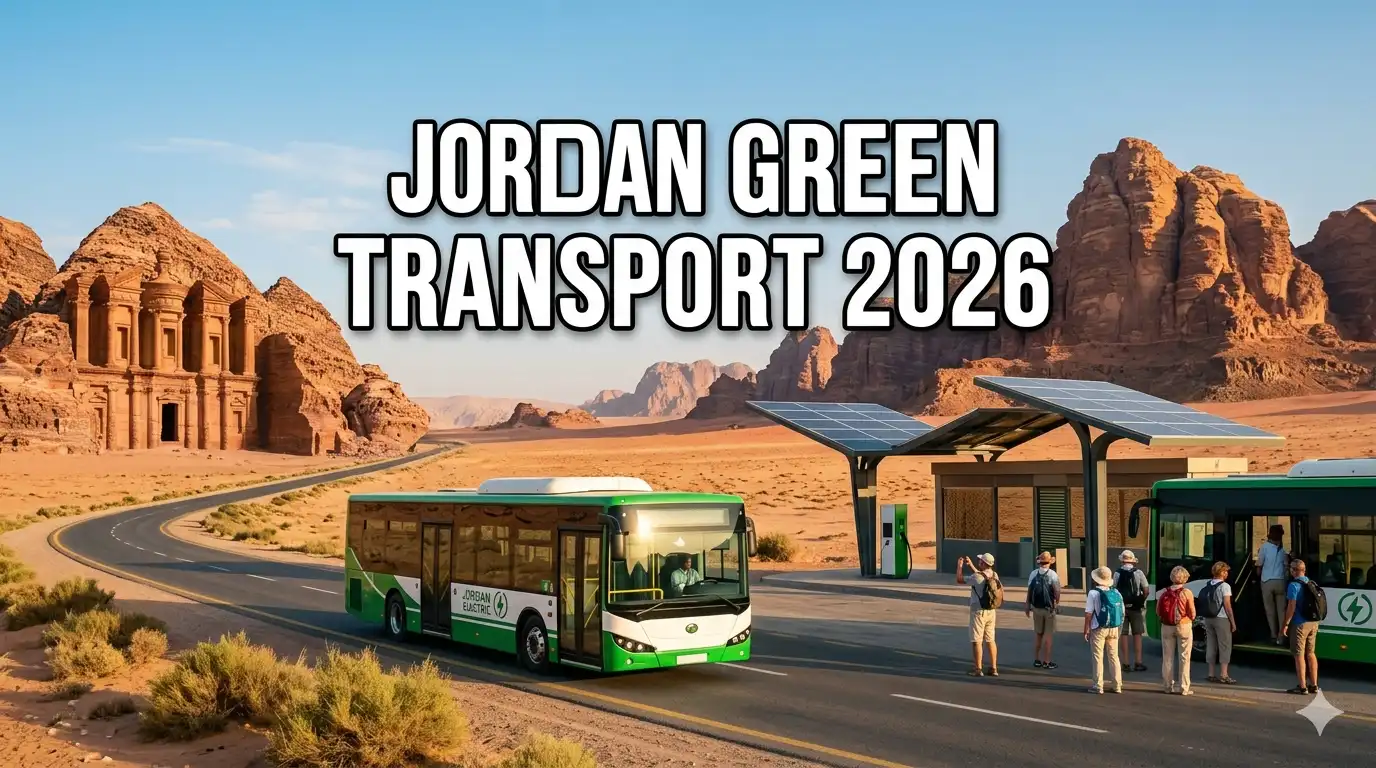
Introduction to Jordan's Sustainable Transport Revolution
Jordan is embarking on an ambitious transformation of its tourism transportation infrastructure. The Sustainable Transport Roadmap 2026-2030 represents a comprehensive strategy to reduce carbon emissions, enhance visitor experiences, and preserve the country's invaluable natural and cultural heritage sites, particularly Petra and Wadi Rum.
This green initiative comes at a critical time when global tourism faces increasing pressure to adopt environmentally responsible practices. Jordan, home to some of the world's most spectacular archaeological and natural wonders, is positioning itself as a leader in sustainable tourism in the Middle East region.
The roadmap encompasses electric vehicle integration, renewable energy-powered infrastructure, improved public transportation networks, and community-based tourism initiatives. For travelers planning to visit Petra's ancient carved facades or camp under the stars in Wadi Rum's desert landscape, understanding these changes is essential for trip planning in 2026 and beyond.
Why Jordan is Prioritizing Sustainable Transport

Jordan's commitment to sustainable transportation stems from multiple interconnected factors that affect the country's economic, environmental, and social future.
Environmental Preservation
Petra, a UNESCO World Heritage Site since 1985, faces ongoing threats from environmental degradation, climate change, and unsustainable tourism practices. The ancient Nabataean city, carved into rose-red sandstone cliffs over 2,000 years ago, is vulnerable to erosion, pollution, and the cumulative impact of millions of annual visitors.
Similarly, Wadi Rum Protected Area, also a UNESCO site, contains fragile desert ecosystems that can be easily disrupted by conventional vehicles, improper waste management, and unregulated tourism activities. The desert's unique geological formations, ancient rock art, and biodiversity require careful stewardship.
Traditional diesel-powered buses and vehicles contribute significantly to air pollution and carbon emissions in these sensitive areas. By transitioning to electric and low-emission transport, Jordan aims to reduce its tourism sector's carbon footprint by an estimated 40% by 2030.
Economic Benefits
Sustainable tourism is not just an environmental imperative—it's an economic opportunity. Modern travelers increasingly prioritize eco-friendly destinations and are willing to pay premium prices for responsible tourism experiences. By positioning itself as a green tourism leader, Jordan can attract higher-value visitors, extend tourist stays, and increase revenue per visitor.
The sustainable transport roadmap is expected to create thousands of new jobs in renewable energy, electric vehicle maintenance, eco-tourism guiding, and green hospitality sectors. Local communities near Petra and Wadi Rum will benefit from improved infrastructure, reduced pollution, and more equitable distribution of tourism revenue.
Energy Independence
Jordan imports approximately 96% of its energy needs, making it one of the most energy-dependent countries in the world. The shift to electric transportation powered by renewable energy sources—particularly solar power, for which Jordan has exceptional potential—reduces this dependency and enhances national energy security.
The country receives over 300 days of sunshine annually, making it ideal for solar energy generation. The sustainable transport roadmap integrates solar-powered charging stations, reducing operational costs and environmental impact simultaneously.
Key Components of the 2026-2030 Roadmap

Jordan's Sustainable Transport Roadmap consists of several interconnected initiatives designed to create a comprehensive green mobility ecosystem for tourists and residents alike.
Electric Bus Fleet Expansion
The cornerstone of the roadmap is the introduction of a modern electric bus fleet connecting major tourist destinations. By 2027, the government plans to deploy:
- 150 electric buses on routes between Amman, Petra, Wadi Rum, Aqaba, and other key destinations
- Air-conditioned, wheelchair-accessible vehicles with USB charging ports and free WiFi
- Real-time tracking systems allowing passengers to monitor bus locations via mobile apps
- Reduced fares compared to private transport options, making sustainable travel economically attractive
- 👉 পুরনো না নতুন মানালি – কোনটি বেছে নেবেন? সম্পূর্ণ ট্রাভেল গাইড
- 👉 Walking the Via Dolorosa: Jerusalem's Sacred Path of the Cross
- 👉 The Ultimate Cyprus Travel Guide: A Journey Through the Island of Love, Legends, and Eternal History
These buses will operate on fixed schedules with increased frequency during peak tourist seasons (March-May and September-November). The electric buses produce zero emissions at the point of use, significantly improving air quality in tourist areas and reducing noise pollution that can disturb wildlife and diminish visitor experiences.
Charging Infrastructure Development
Supporting the electric bus fleet requires extensive charging infrastructure. The roadmap includes:
- Solar-powered charging stations at major transit hubs in Amman, Petra, Wadi Rum, Aqaba, Jerash, and Madaba
- Fast-charging capability allowing buses to recharge during passenger boarding and rest stops
- Battery storage systems to ensure continuous operation even during periods of low solar generation
- Grid integration with Jordan's national renewable energy network
- 👉 পুরনো না নতুন মানালি – কোনটি বেছে নেবেন? সম্পূর্ণ ট্রাভেল গাইড
- 👉 Walking the Via Dolorosa: Jerusalem's Sacred Path of the Cross
- 👉 The Ultimate Cyprus Travel Guide: A Journey Through the Island of Love, Legends, and Eternal History
Private tour operators and hotels will also be encouraged to install charging stations through tax incentives and subsidies. By 2030, the plan envisions over 500 public and private charging points across the country's tourist corridor.
Electric Vehicle Rental Programs
For travelers who prefer independent exploration, the roadmap promotes electric vehicle (EV) rental options:
- Partnerships with international and local rental companies to introduce electric cars, SUVs, and vans
- One-way rental options allowing tourists to pick up vehicles in Amman and drop them off in Aqaba or vice versa
- Charging station maps integrated into navigation apps and tourist information centers
- Affordable pricing through government subsidies to make EVs competitive with conventional vehicles
- 👉 পুরনো না নতুন মানালি – কোনটি বেছে নেবেন? সম্পূর্ণ ট্রাভেল গাইড
- 👉 Walking the Via Dolorosa: Jerusalem's Sacred Path of the Cross
- 👉 The Ultimate Cyprus Travel Guide: A Journey Through the Island of Love, Legends, and Eternal History
By 2028, the goal is to have at least 30% of the tourist vehicle rental fleet composed of electric or hybrid vehicles. This transition requires coordination between the Ministry of Tourism, rental companies, and infrastructure developers.
Sustainable Last-Mile Solutions
Within heritage sites and protected areas, the roadmap emphasizes zero-emission "last-mile" transportation:
- Electric shuttles operating within Petra's visitor center to the Siq entrance
- E-bike rental stations at key locations for exploring surrounding areas
- Electric golf carts for visitors with mobility challenges at Petra and other archaeological sites
- Camel and horse transport managed under strict welfare and environmental guidelines in Wadi Rum
- 👉 পুরনো না নতুন মানালি – কোনটি বেছে নেবেন? সম্পূর্ণ ট্রাভেল গাইড
- 👉 Walking the Via Dolorosa: Jerusalem's Sacred Path of the Cross
- 👉 The Ultimate Cyprus Travel Guide: A Journey Through the Island of Love, Legends, and Eternal History
These solutions reduce congestion, minimize environmental impact, and enhance the visitor experience by creating more peaceful, authentic interactions with these remarkable places.
Green Travel to Petra: What Changes to Expect

Petra, Jordan's most iconic destination, will undergo significant transformation under the sustainable transport roadmap. These changes aim to preserve the ancient city while improving accessibility and visitor satisfaction.
New Visitor Access System
Starting in 2026, private vehicles will have restricted access to Petra's immediate vicinity. Instead, visitors will use a park-and-ride system:
- Parking facilities located 3 kilometers from the visitor center, with capacity for 2,000 vehicles
- Electric shuttle service running every 10 minutes between parking areas and the visitor center
- Designated drop-off zones for tour buses, taxis, and ride-sharing services
- Pedestrian and bicycle pathways connecting parking areas for those who prefer active transport
- 👉 পুরনো না নতুন মানালি – কোনটি বেছে নেবেন? সম্পূর্ণ ট্রাভেল গাইড
- 👉 Walking the Via Dolorosa: Jerusalem's Sacred Path of the Cross
- 👉 The Ultimate Cyprus Travel Guide: A Journey Through the Island of Love, Legends, and Eternal History
This system reduces traffic congestion, air pollution, and the visual impact of parking lots near the archaeological site. The electric shuttles are equipped with audio guides providing historical context during the short journey, enhancing the educational experience from the moment visitors arrive.
Within Petra: Sustainable Mobility
Once inside Petra, the roadmap introduces several sustainable mobility options:
Electric Transport for Long Distances: While walking remains the primary way to experience Petra, electric shuttles will be available for the 2-kilometer stretch from the visitor center to the Siq entrance, particularly beneficial for elderly visitors and those with disabilities. These vehicles operate on battery power and follow designated paths that minimize impact on the archaeological landscape.
E-Bike Stations: For exploring areas outside the main archaeological park, such as Little Petra (Siq al-Barid) and surrounding viewpoints, e-bike rental stations will be established. These bikes allow visitors to cover greater distances with less physical exertion while maintaining zero emissions.
Animal Transport Regulations: Horses, donkeys, and camels have traditionally been used within Petra, but concerns about animal welfare and environmental impact have prompted new regulations. The roadmap includes:
- Mandatory rest periods and maximum working hours for animals
- Veterinary care stations and hydration points
- Designated paths to prevent soil erosion
- Training programs for animal handlers on humane treatment
- Alternative electric transport options to reduce dependency on animals
- 👉 পুরনো না নতুন মানালি – কোনটি বেছে নেবেন? সম্পূর্ণ ট্রাভেল গাইড
- 👉 Walking the Via Dolorosa: Jerusalem's Sacred Path of the Cross
- 👉 The Ultimate Cyprus Travel Guide: A Journey Through the Island of Love, Legends, and Eternal History
Waste Management and Resource Conservation
Sustainable transport is just one aspect of Petra's green transformation. The site is also implementing:
- Solar-powered facilities including visitor centers, restrooms, and lighting
- Water conservation systems capturing and reusing rainwater
- Comprehensive recycling programs with bins throughout the site
- Plastic reduction initiatives encouraging visitors to use refillable water bottles
- Digital ticketing and information reducing paper waste
- 👉 পুরনো না নতুন মানালি – কোনটি বেছে নেবেন? সম্পূর্ণ ট্রাভেল গাইড
- 👉 Walking the Via Dolorosa: Jerusalem's Sacred Path of the Cross
- 👉 The Ultimate Cyprus Travel Guide: A Journey Through the Island of Love, Legends, and Eternal History
These measures complement the transport improvements, creating a holistic approach to sustainable tourism at Petra.
Wadi Rum's Desert Conservation Strategy

Wadi Rum, with its otherworldly landscapes of sandstone mountains, narrow canyons, and vast desert plains, requires a different approach to sustainable transport than Petra. The protected area's fragility and the traditional Bedouin lifestyle present unique challenges and opportunities.
Electric 4x4 Vehicles
The iconic desert safaris that allow visitors to explore Wadi Rum's remote areas will gradually transition from diesel-powered 4x4 vehicles to electric alternatives:
- Pilot program launching in 2026 with 20 electric 4x4 vehicles specifically designed for desert terrain
- Silent operation preserving the desert's natural soundscape and reducing disturbance to wildlife
- Zero emissions eliminating exhaust fumes in the pristine desert air
- Lower operating costs for Bedouin tour operators through reduced fuel and maintenance expenses
- 👉 পুরনো না নতুন মানালি – কোনটি বেছে নেবেন? সম্পূর্ণ ট্রাভেল গাইড
- 👉 Walking the Via Dolorosa: Jerusalem's Sacred Path of the Cross
- 👉 The Ultimate Cyprus Travel Guide: A Journey Through the Island of Love, Legends, and Eternal History
These electric vehicles are equipped with rugged tires, enhanced suspension, and extended-range batteries capable of handling Wadi Rum's challenging terrain. Charging stations powered by solar panels will be strategically located at Bedouin camps and visitor centers.
Solar-Powered Desert Camps
The roadmap extends beyond transportation to support sustainable accommodation infrastructure:
- Solar panel installations at established Bedouin camps to power lighting, charging stations, and basic amenities
- Eco-friendly waste management systems including composting toilets and recycling programs
- Water conservation measures such as low-flow fixtures and greywater reuse
- Training programs for camp operators on sustainable hospitality practices
- 👉 পুরনো না নতুন মানালি – কোনটি বেছে নেবেন? সম্পূর্ণ ট্রাভেল গাইড
- 👉 Walking the Via Dolorosa: Jerusalem's Sacred Path of the Cross
- 👉 The Ultimate Cyprus Travel Guide: A Journey Through the Island of Love, Legends, and Eternal History
These improvements enhance visitor comfort while minimizing the environmental footprint of overnight stays in this sensitive desert ecosystem.
Preserving Cultural Heritage
Sustainable transport in Wadi Rum also supports the preservation of Bedouin cultural heritage:
- Community-based tourism initiatives ensuring local Bedouin communities benefit economically from green tourism
- Cultural interpretation programs integrated into transport experiences, with guides sharing traditional knowledge
- Respectful visitor guidelines communicated through multilingual materials on electric shuttles and at charging stations
- 👉 পুরনো না নতুন মানালি – কোনটি বেছে নেবেন? সম্পূর্ণ ট্রাভেল গাইড
- 👉 Walking the Via Dolorosa: Jerusalem's Sacred Path of the Cross
- 👉 The Ultimate Cyprus Travel Guide: A Journey Through the Island of Love, Legends, and Eternal History
By involving local communities in the planning and implementation of sustainable transport solutions, Jordan ensures that conservation efforts align with cultural values and economic needs.
Practical Travel Planning for 2026 and Beyond

For travelers planning to visit Jordan under the new sustainable transport framework, here are essential considerations:
How to Reach Petra and Wadi Rum Sustainably
From Amman to Petra: Starting in 2026, travelers can book seats on the new electric bus service departing from Amman's Abdali Station. The journey takes approximately 3.5 hours with one rest stop. Tickets can be purchased online through the Jordan Tourism Board website or at the station. Fares are set at approximately 15 JOD (about $21 USD) one-way, competitive with private taxi options.
From Petra to Wadi Rum: A dedicated electric shuttle route connects Petra's visitor center to Wadi Rum Village, departing twice daily. The 1.5-hour journey costs around 10 JOD. Advance booking is recommended during peak seasons.
From Wadi Rum to Aqaba: The coastal city of Aqaba, popular for Red Sea diving, is connected via electric bus service with departures three times daily. Journey time is approximately 1 hour, fare around 8 JOD.
Booking and Payment
The sustainable transport network features a unified digital booking platform:
- Mobile app and website for route planning, schedule checking, and ticket purchases
- Multi-language support including English, Arabic, French, German, and Spanish
- Integrated payment options accepting credit cards, mobile wallets, and cash
- Real-time updates on departures, delays, and charging station availability
- 👉 পুরনো না নতুন মানালি – কোনটি বেছে নেবেন? সম্পূর্ণ ট্রাভেল গাইড
- 👉 Walking the Via Dolorosa: Jerusalem's Sacred Path of the Cross
- 👉 The Ultimate Cyprus Travel Guide: A Journey Through the Island of Love, Legends, and Eternal History
Travelers are encouraged to download the "Jordan Green Travel" app before arrival to streamline their transportation experience.
What to Pack for Sustainable Travel
To align with Jordan's green tourism initiatives, visitors should consider:
- Refillable water bottle to use at filling stations throughout the transport network
- Portable power bank for charging devices, reducing reliance on single-use battery products
- Reusable shopping bag for souvenirs and supplies
- Biodegradable sunscreen and toiletries to minimize environmental impact in sensitive areas
- Lightweight, modest clothing appropriate for Jordan's climate and cultural norms
- 👉 পুরনো না নতুন মানালি – কোনটি বেছে নেবেন? সম্পূর্ণ ট্রাভেল গাইড
- 👉 Walking the Via Dolorosa: Jerusalem's Sacred Path of the Cross
- 👉 The Ultimate Cyprus Travel Guide: A Journey Through the Island of Love, Legends, and Eternal History
Travel Cost Estimates for Sustainable Jordan

One common question from travelers is whether sustainable transport options are more expensive. The Jordanian government has structured the roadmap to ensure affordability:
Transportation Budget Breakdown (Per Person)
- Amman to Petra electric bus: 15 JOD (~$21 USD) one-way
- Petra to Wadi Rum shuttle: 10 JOD (~$14 USD) one-way
- Wadi Rum to Aqaba bus: 8 JOD (~$11 USD) one-way
- Local e-shuttle at Petra: 2 JOD (~$3 USD) round-trip
- E-bike rental (half-day): 12 JOD (~$17 USD)
- Electric 4x4 desert tour (Wadi Rum, 2 hours): 35 JOD (~$49 USD) per vehicle, up to 4 passengers
- 👉 পুরনো না নতুন মানালি – কোনটি বেছে নেবেন? সম্পূর্ণ ট্রাভেল গাইড
- 👉 Walking the Via Dolorosa: Jerusalem's Sacred Path of the Cross
- 👉 The Ultimate Cyprus Travel Guide: A Journey Through the Island of Love, Legends, and Eternal History
These prices are comparable to or lower than conventional transport options, making sustainable travel accessible to budget-conscious visitors. Group discounts and multi-day passes offer additional savings.
Accommodation and Activity Costs
While transport costs remain stable, travelers should budget for:
- Petra entrance fee: 50 JOD (~$70 USD) for one-day pass (international visitors)
- Wadi Rum protected area fee: 5 JOD (~$7 USD) entry plus tour costs
- Eco-lodge accommodation: 40-120 JOD (~$56-170 USD) per night depending on amenities
- Guided tours: 25-60 JOD (~$35-85 USD) depending on duration and group size
- 👉 পুরনো না নতুন মানালি – কোনটি বেছে নেবেন? সম্পূর্ণ ট্রাভেল গাইড
- 👉 Walking the Via Dolorosa: Jerusalem's Sacred Path of the Cross
- 👉 The Ultimate Cyprus Travel Guide: A Journey Through the Island of Love, Legends, and Eternal History
Many eco-lodges and tour operators offer package deals that bundle transport, accommodation, and activities at discounted rates.
Safety Tips for Sustainable Travel in Jordan

Jordan is widely regarded as one of the safest countries in the Middle East for tourists. The sustainable transport initiatives include enhanced safety measures:
Transport Safety Features
- GPS tracking and emergency communication on all electric buses and shuttles
- Trained drivers certified in eco-driving techniques and first aid
- Regular vehicle maintenance schedules to ensure mechanical reliability
- Climate-appropriate design with effective air conditioning for desert travel
- 👉 পুরনো না নতুন মানালি – কোনটি বেছে নেবেন? সম্পূর্ণ ট্রাভেল গাইড
- 👉 Walking the Via Dolorosa: Jerusalem's Sacred Path of the Cross
- 👉 The Ultimate Cyprus Travel Guide: A Journey Through the Island of Love, Legends, and Eternal History
Personal Safety Recommendations
- Stay hydrated in Jordan's arid climate; use refillable bottles at designated stations
- Follow marked paths at archaeological and natural sites to protect both yourself and the environment
- Respect local customs including modest dress and photography etiquette
- Keep emergency contacts saved: Jordan Tourism Police (+962 6 566 4477) and your country's embassy
- Travel insurance covering medical emergencies and trip disruptions is strongly recommended
- 👉 পুরনো না নতুন মানালি – কোনটি বেছে নেবেন? সম্পূর্ণ ট্রাভেল গাইড
- 👉 Walking the Via Dolorosa: Jerusalem's Sacred Path of the Cross
- 👉 The Ultimate Cyprus Travel Guide: A Journey Through the Island of Love, Legends, and Eternal History
Common Travel Mistakes to Avoid

Even with improved infrastructure, travelers can encounter challenges. Avoid these common pitfalls:
- Not booking transport in advance: During peak seasons (spring and autumn), electric bus seats can fill quickly. Reserve tickets at least 48 hours ahead.
- Underestimating travel times: While electric buses are efficient, desert routes and site visits require buffer time. Allow extra hours for connections.
- Ignoring charging logistics for EV rentals: If renting an electric vehicle, plan your route around charging station locations. Download offline maps as backup.
- Overlooking cultural preparation: Sustainable travel includes cultural respect. Learn basic Arabic greetings and understand local customs before arrival.
- Packing inappropriately: Jordan's climate varies significantly. Pack layers for cool desert nights and hot days, plus sturdy walking shoes for archaeological sites.
- 👉 পুরনো না নতুন মানালি – কোনটি বেছে নেবেন? সম্পূর্ণ ট্রাভেল গাইড
- 👉 Walking the Via Dolorosa: Jerusalem's Sacred Path of the Cross
- 👉 The Ultimate Cyprus Travel Guide: A Journey Through the Island of Love, Legends, and Eternal History
Future Outlook: Beyond 2030

Jordan's Sustainable Transport Roadmap 2026-2030 is designed as a foundation for long-term transformation. Looking ahead, the country envisions:
- Hydrogen-powered transport pilots for long-distance routes by 2032
- Expanded rail connections between major tourist destinations using renewable energy
- Carbon offset programs allowing travelers to contribute to reforestation and conservation projects
- Regional cooperation with neighboring countries to create cross-border sustainable tourism corridors
- 👉 পুরনো না নতুন মানালি – কোনটি বেছে নেবেন? সম্পূর্ণ ট্রাভেল গাইড
- 👉 Walking the Via Dolorosa: Jerusalem's Sacred Path of the Cross
- 👉 The Ultimate Cyprus Travel Guide: A Journey Through the Island of Love, Legends, and Eternal History
These ambitions position Jordan not just as a destination for experiencing ancient wonders, but as a model for how heritage tourism can evolve to meet contemporary environmental challenges.
Conclusion: Your Role in Sustainable Travel

Jordan's Sustainable Transport Roadmap 2026-2030 represents a significant step toward responsible tourism, but its success depends on traveler participation. By choosing electric buses, respecting environmental guidelines, supporting local communities, and sharing your positive experiences, you contribute to a more sustainable future for Petra, Wadi Rum, and Jordan as a whole.
The journey to these iconic destinations becomes part of the story—a story of innovation, preservation, and shared responsibility. As you plan your 2026 or later visit, embrace the opportunity to travel not just as a tourist, but as a partner in conservation. The rose-red city of Petra and the silent deserts of Wadi Rum will thank you, and future generations will inherit these wonders intact.
0 Comments