.webp)
.webp)
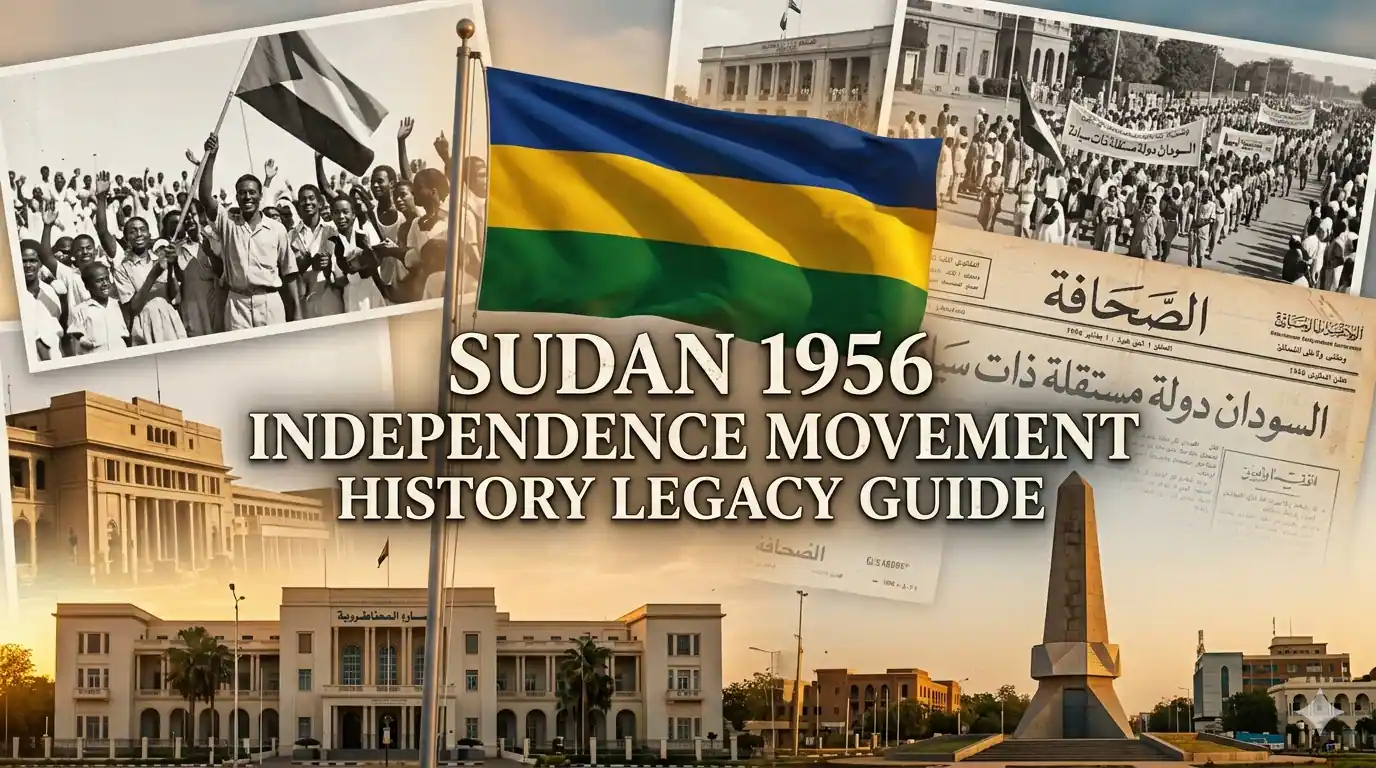
Understanding Sudans 1956 Independence Legacy
Sudan achieved independence on January 1 1956 ending nearly six decades of Anglo-Egyptian condominium rule. This pivotal moment shaped modern Sudanese identity and political development.
The independence movement represented decades of nationalist struggle intellectual debate and popular mobilization. Understanding this history provides essential context for exploring Sudan today.
History enthusiasts can trace the independence legacy through Khartoums landmarks museums and cultural sites. These locations preserve tangible connections to Sudans freedom journey.
The 1956 declaration influenced independence movements across Africa. Sudans experience offers valuable insights into decolonization processes throughout the continent.
Visiting independence-related sites requires preparation and cultural sensitivity. This guide reveals where and how to explore Sudans 1956 heritage responsibly.
Historical Context Before Independence

Understanding Sudans path to independence requires examining the colonial period. The Anglo-Egyptian condominium governed Sudan from 1899 to 1956.
British administrators controlled military and economic affairs while Egyptian influence remained significant culturally. This dual authority created complex political dynamics.
The Mahdist State preceding colonial rule left lasting impacts on Sudanese nationalism. Resistance to foreign domination shaped independence movement ideologies.
Educated Sudanese elites formed political organizations advocating self-determination. The Graduates Congress became a crucial platform for nationalist aspirations.
World War II accelerated decolonization pressures across Africa. Sudanese leaders leveraged international changes to advance independence demands.
Negotiations between Sudanese British and Egyptian representatives culminated in the 1953 self-government agreement. This paved the way for full independence three years later.
Key Figures of the Independence Movement

Ismail al-Azhari emerged as a central leader in Sudans independence struggle. His political acumen and nationalist vision guided the movement through critical negotiations.
Abdullah Khalil played instrumental roles in organizing political parties and mobilizing popular support. His leadership helped unify diverse factions behind independence goals.
Muhammad Ahmad Mahjub contributed intellectual foundations for Sudanese nationalism. His writings articulated visions for post-independence governance and identity.
Women activists participated in independence efforts though their contributions remain underrecognized. Exploring their stories provides fuller understanding of the movement.
Religious leaders influenced political discourse around independence. Islamic scholarship intersected with nationalist ideology in complex and significant ways.
Understanding these figures humanizes historical narratives. Their personal stories connect abstract political processes to lived experiences of freedom struggles.
Republican Palace The Heart of Independence
The Republican Palace in Khartoum stands as the most significant independence landmark. This building hosted the January 1 1956 declaration ceremony.
Architectural features reflect colonial design adapted for Sudanese governance. The palace symbolizes transition from foreign rule to national sovereignty.
Guided tours provide historical context about independence events within these walls. Knowledgeable guides share details unavailable in standard guidebooks.
Photography policies vary so inquire about permissions before visiting. Respectful documentation preserves memories while honoring site significance.
The palace grounds include gardens and monuments commemorating independence. These outdoor spaces offer contemplative areas for reflecting on historical significance.
Security procedures require advance coordination for visits. Contact tourism authorities or reputable guides to arrange appropriate access.
Independence Monument and Commemorative Sites
Khartoums Independence Monument commemorates the 1956 declaration with symbolic sculpture and inscriptions. This public memorial serves as gathering place for national celebrations.
The monument features representations of Sudanese cultural diversity united in freedom. Artistic elements convey messages about national identity and unity.
January 1 anniversary ceremonies attract crowds to this location. Visiting during commemorations provides immersive experiences of living historical memory.
Photography opportunities excel with dramatic architectural backdrops. Golden hour lighting enhances the monuments visual impact for historical documentation.
Informational plaques provide basic historical context though detailed interpretation requires supplementary research. Prepare with background knowledge before visiting.
Respectful behavior at commemorative sites demonstrates appreciation for Sudanese heritage. Observing local customs enhances cultural exchange experiences.
National Museum of Sudan Independence Exhibits
The National Museum of Sudan houses essential artifacts and documents from the independence era. Collections include photographs manuscripts and personal effects of nationalist leaders.
Exhibits trace political developments from colonial period through independence declaration. Chronological displays help visitors understand historical progression.
Archival materials provide primary source insights unavailable elsewhere. Researchers and serious history enthusiasts find invaluable resources within these collections.
Museum staff possess specialized knowledge about independence history. Engaging with curators enhances understanding beyond standard exhibit interpretations.
Photography policies restrict flash and tripods to protect delicate materials. Respect preservation requirements while documenting historically significant items.
Allow sufficient time for thorough exploration of independence-related sections. Rushed visits miss nuanced details that enrich historical understanding.
Omdurman Historical Sites and Independence Connections
Omdurman across the Nile from Khartoum contains significant independence-era locations. This historic city witnessed crucial political developments leading to 1956.
The Khalifa House Museum preserves Mahdist period artifacts contextualizing later nationalist movements. Understanding earlier resistance informs independence struggle analysis.
Traditional souqs maintain commercial practices unchanged since independence era. These living historical spaces connect past and present Sudanese experiences.
Religious institutions in Omdurman influenced political discourse around independence. Visiting these sites provides insights into faith and nationalism intersections.
Local guides in Omdurman share oral histories about independence events. These narratives complement official historical records with community perspectives.
Transportation between Khartoum and Omdurman requires planning for efficient site visits. Coordinate timing to maximize historical exploration opportunities.
Archives and Research Resources for History Enthusiasts
Serious researchers benefit from accessing archival collections documenting independence history. Several institutions preserve primary source materials from this period.
The Sudan National Archives contain government documents correspondence and reports from the independence transition. Advance arrangements facilitate research access.
University libraries in Khartoum hold academic collections on Sudanese political history. Scholarly resources support in-depth historical investigation.
Digital archives increasingly provide remote access to independence-era materials. Online databases complement physical research for international scholars.
Oral history projects capture personal narratives from independence generation. These testimonies preserve perspectives absent from official documentation.
Research ethics require sensitivity when handling historical materials and personal stories. Respect for subjects and sources ensures responsible historical engagement.
Itinerary for Independence History Exploration
A focused three-day itinerary allows comprehensive exploration of independence-related sites in Khartoum and Omdurman. Strategic planning maximizes historical learning opportunities.
Day one centers on Republican Palace and Independence Monument. Morning visits avoid crowds and heat while afternoon reflection consolidates initial impressions.
Day two dedicates to National Museum exploration and archival research. Extended museum time accommodates detailed examination of independence exhibits.
Day three explores Omdurman historical sites and community perspectives. Local guides provide contextual insights unavailable through independent exploration.
Flexible scheduling accommodates unexpected discoveries and extended discussions. Historical exploration benefits from unhurried engagement with sites and people.
Evening debrief sessions help synthesize daily learning and plan subsequent activities. Journaling preserves insights and questions for continued research.
Practical Travel Logistics for Historical Tourism
Visa requirements must be secured before traveling to Sudan for historical research. E-visa options now exist for many nationalities simplifying application processes.
Best travel seasons span November through February avoiding extreme heat. Comfortable temperatures facilitate extended outdoor site visits and walking tours.
Accommodation near historical sites reduces transportation time and fatigue. Central Khartoum hotels provide convenient bases for independence history exploration.
Local guides specializing in historical tourism enhance site interpretation significantly. Their expertise reveals details invisible to independent travelers.
Transportation arrangements require advance planning for efficient multi-site itineraries. Private vehicles with drivers offer flexibility for historical site hopping.
Internet connectivity supports research and communication though speeds vary. Download essential materials before travel to ensure access during connectivity gaps.
Safety Considerations for Historical Site Visits
Current security situations require careful assessment before traveling to Sudan. Many governments maintain travel advisories recommending against non-essential travel.
Verify current conditions through official sources before planning historical site visits. Situations can change rapidly requiring flexible travel planning.
Work with established tour operators when visiting historical landmarks. Professional guides navigate security concerns and cultural protocols effectively.
Register with your embassy upon arrival in Sudan. This facilitates emergency communications if situations deteriorate unexpectedly.
Maintain communication with local contacts regarding safety conditions. Historical site communities often possess valuable local knowledge about security.
Consider virtual tours if physical travel proves inadvisable. Some institutions offer online experiences supporting historical research without physical presence.
Cultural Etiquette at Historical and Commemorative Sites
Respectful behavior enhances experiences at Sudans independence heritage locations. Understanding cultural norms demonstrates appreciation for historical significance.
Dress modestly particularly when visiting religious or commemorative sites. Conservative clothing covering shoulders and knees aligns with local expectations.
Ask permission before photographing people or sensitive historical elements. Many Sudanese welcome documentation though some prefer privacy at solemn locations.
Learn basic Arabic greetings to facilitate positive interactions at historical sites. Simple phrases demonstrate respect and effort toward cultural engagement.
Follow site preservation guidelines protecting historical structures and artifacts. Stay on designated paths and avoid touching fragile commemorative materials.
Support local communities through fair purchases and respectful engagement at historical locations. Economic benefits from heritage tourism incentivize preservation efforts.
Photography Guidelines for Historical Documentation
Photography preserves memories and shares Sudans independence heritage with wider audiences. Strategic techniques enhance image quality and historical storytelling.
Golden hour lighting during sunrise and sunset creates dramatic architectural photography at independence landmarks. Plan shooting sessions around optimal light periods.
Wide angle lenses capture expansive historical sites and commemorative spaces. These lenses excel at documenting the scale and context of independence locations.
Telephoto lenses isolate architectural details and inscription elements. Compression effects create compelling compositions of historical monuments and plaques.
Polarizing filters reduce glare and enhance sky colors in outdoor historical photography. These filters improve image quality during bright daylight shooting at commemorative sites.
RAW format capture provides maximum post-processing flexibility for historical documentation. Challenging lighting conditions at heritage sites benefit from RAW files ability to recover details.
Cost Breakdown for Independence History Travel
Planning budgets for historical tourism in Sudan requires understanding various expenses. Prices vary based on comfort level research depth and group size.
Mid-range travelers should budget approximately 120 to 200 dollars daily for comfortable historical exploration. This includes accommodation meals transport and site access fees.
Professional guide services specializing in independence history range from 80 to 150 dollars daily. Expert interpretation significantly enhances historical understanding and site appreciation.
Accommodation near historical sites costs 60 to 150 dollars nightly depending on amenities. Central locations reduce transportation time and maximize site visit opportunities.
Meals at decent restaurants cost 10 to 25 dollars per meal. Local cuisine provides cultural immersion alongside nutritional sustenance for historical exploration.
Transportation via private vehicle with driver costs 40 to 80 dollars daily for multi-site itineraries. Reliable transport ensures efficient movement between historical locations.
Connecting Independence History to Contemporary Sudan
Understanding 1956 independence provides essential context for comprehending contemporary Sudan. Historical legacies influence current political social and cultural dynamics.
Post-independence challenges including governance conflicts and identity questions trace roots to 1956 transitions. Historical awareness informs analysis of present circumstances.
Community perspectives on independence vary across Sudans diverse populations. Engaging with multiple viewpoints enriches understanding of historical complexity.
Commemorative practices evolve as new generations interpret independence legacy. Observing contemporary memorialization reveals living historical consciousness.
Historical tourism supports preservation of independence heritage while fostering cross-cultural understanding. Responsible engagement benefits both visitors and host communities.
Sharing independence history responsibly promotes appreciation without exploitation. Ethical storytelling respects cultural significance of visited sites and shared narratives.
Resources for Continued Historical Learning
Post-travel research extends learning beyond site visits and guided tours. Multiple resources support continued engagement with Sudan independence history.
Academic publications provide scholarly analysis of independence movement and its legacies. University press books offer rigorous historical interpretation.
Documentary films capture visual narratives of independence era and subsequent developments. Audiovisual materials complement written sources for comprehensive understanding.
Oral history archives preserve personal testimonies from independence generation. These primary sources provide intimate perspectives on historical experiences.
Online databases increasingly digitize independence-era documents and photographs. Digital access facilitates ongoing research for international scholars and enthusiasts.
Professional networks connect researchers studying Sudanese history. Academic associations and online communities support collaborative historical investigation.
Conclusion Embracing Sudans Independence Heritage
Sudans 1956 independence movement represents a pivotal chapter in African decolonization history. The legacy of this struggle continues shaping national identity and political development.
History enthusiasts can explore tangible connections to independence through Khartoums landmarks museums and cultural sites. These locations preserve essential narratives of freedom and self-determination.
Responsible historical tourism supports preservation of independence heritage while fostering cross-cultural understanding. Your engagement contributes to safeguarding these stories for future generations.
Understanding the complexities of Sudans independence journey provides valuable insights into broader African historical experiences. The 1956 legacy offers lessons about nationalism decolonization and nation-building.
When conditions permit visiting Sudans independence sites offers profound encounters with living history. The Republican Palace Independence Monument and National Museum provide unforgettable connections to this remarkable historical moment.
Sudan awaits history buffs ready to explore the rich legacy of the 1956 independence movement. Your thoughtful engagement honors the struggles and aspirations that shaped this nations journey to freedom.
0 Comments