.webp)
.webp)
The Complete Guide to the FESPAM Pan-African Music Festival 2026: Dates and Venues
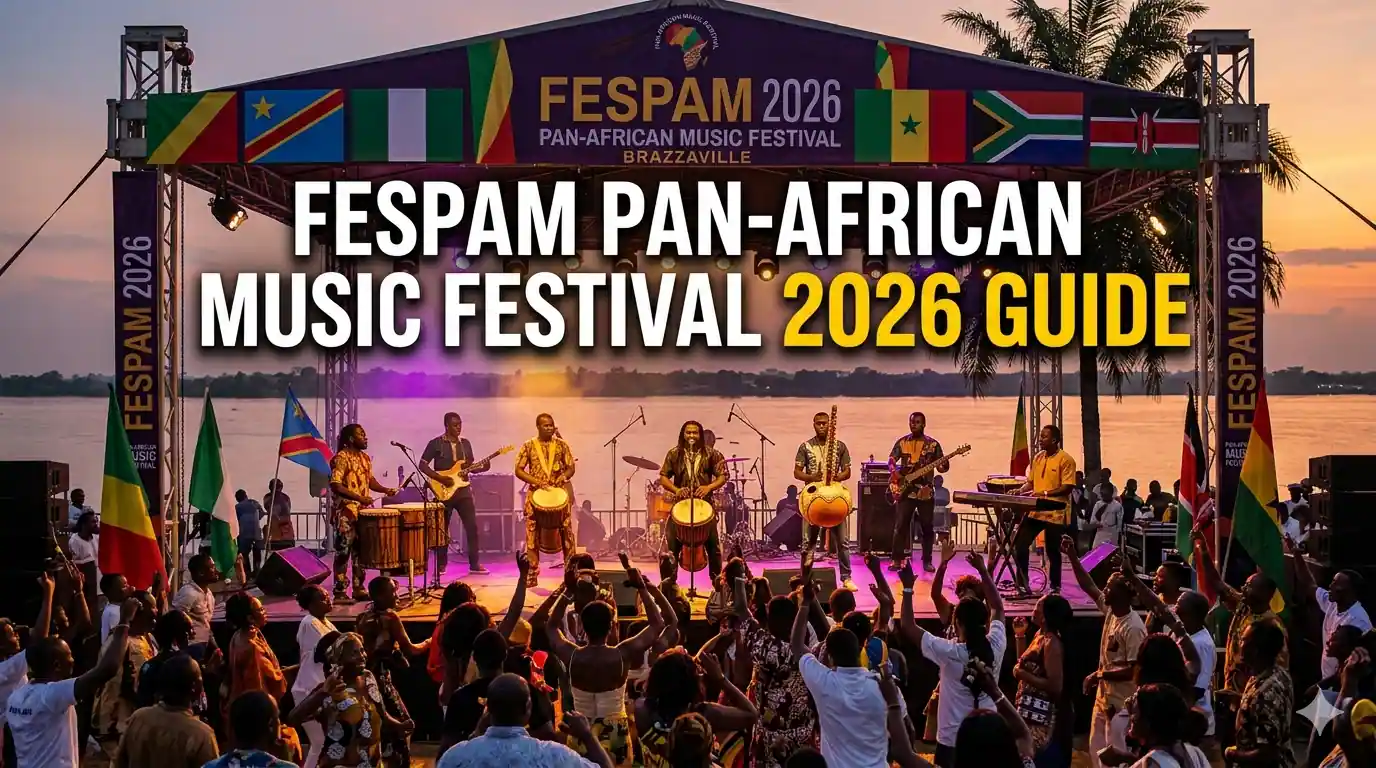
Understanding FESPAM and Its 2026 Schedule
The Festival Panafricain de Musique (FESPAM), or Pan-African Music Festival, stands as one of Africa's most prestigious cultural celebrations, bringing together artists, musicians, and music lovers from across the continent and diaspora. However, it is crucial for travelers planning to attend FESPAM in 2026 to understand the festival's biennial schedule. FESPAM takes place every two years in Brazzaville, Republic of Congo, alternating with another major cultural event called Feux De Brazza . The most recent 12th edition of FESPAM was successfully held from July 19 to 26, 2025, in Brazzaville , , which means the next edition is theoretically scheduled for 2027, not 2026 .
This comprehensive guide provides essential information for travelers interested in experiencing FESPAM, whether planning for the 2027 edition or exploring alternative Pan-African music festivals occurring in 2026. FESPAM features approximately 11 different venues throughout Brazzaville with nearly 70 performances showcasing artists from the African continent and diaspora . The festival is not merely a series of concerts but also includes professional music industry meetings, cultural exchanges, symposiums, instrument exhibitions, and educational programs that celebrate Africa's rich musical heritage while fostering the development of the continent's music industry.
For Bangladeshi travelers and international visitors interested in African music and culture, understanding FESPAM's schedule and planning accordingly is essential. While the 2026 calendar year will not feature a FESPAM edition, this guide will provide complete information about what to expect when the festival returns, details about venues and accommodations in Brazzaville, visa requirements, travel logistics, and alternative Pan-African music festivals that may take place in 2026, ensuring you can still experience the vibrant rhythms and cultural richness of African music.
FESPAM Festival History and Cultural Significance

The Pan-African Music Festival has established itself as a cornerstone of African cultural expression since its inception, serving as a platform for artistic excellence, cultural diplomacy, and music industry development across the continent. The 12th edition concluded on July 26, 2025, at the Palais des congrès de Brazzaville under the distinguished patronage of the Congolese head of state . This prestigious event demonstrates the Republic of Congo's commitment to promoting African music, supporting artists, and creating opportunities for professional networking and cultural exchange that extend far beyond the festival dates.
FESPAM's mission extends beyond entertainment to encompass the preservation and promotion of Africa's diverse musical traditions while embracing contemporary innovations. The festival features artists representing various African regions, musical styles, and generations, from traditional griots and masters of indigenous instruments to modern Afrobeat, hip-hop, and fusion artists pushing creative boundaries. This intergenerational and cross-regional approach ensures that FESPAM serves as both a celebration of heritage and a laboratory for the future of African music, making it an essential destination for anyone seeking to understand the continent's cultural landscape.
The Festival's Impact on African Music Industry
Beyond the spectacular performances, FESPAM includes significant professional components such as the Music Industry Meetings (Rencontres Professionnelles de l'Industrie Musicale), symposiums addressing challenges and opportunities facing African musicians, and exhibitions of traditional African musical instruments . These elements create valuable opportunities for artists, producers, label executives, and cultural policymakers to network, share knowledge, and develop collaborations that strengthen Africa's music ecosystem. The festival has recommended that the African Union integrate FESPAM into its official 2026 agenda, recognizing its importance as a continental cultural institution .
The scientific and artistic axes of FESPAM ensure a balanced approach that honors both the intellectual and creative dimensions of African music. During the 2025 edition, the Democratic Republic of Congo participated actively in both dimensions, contributing artists and scholars to the festival's programming . This dual focus on performance and scholarship distinguishes FESPAM from purely commercial music festivals, positioning it as a comprehensive cultural event that advances understanding, appreciation, and development of African musical traditions and contemporary expressions.
FESPAM 2027: What to Expect for the Next Edition

While FESPAM will not occur in 2026, understanding what to expect for the 2027 edition enables advance planning for this extraordinary cultural experience. Based on the festival's established pattern, FESPAM 2027 will likely take place in July 2027 in Brazzaville, Republic of Congo, following the biennial schedule that has characterized the festival's organization . The festival typically runs for approximately one week, with the 2025 edition spanning from July 19 to 26, providing ample time for diverse programming across multiple venues and the full range of artistic, professional, and cultural activities.
Travelers planning for FESPAM 2027 should anticipate a rich program featuring nearly 70 performances across 11 different venues throughout Brazzaville . The festival showcases an impressive diversity of African musical traditions, from West African kora and griot traditions to East African taarab, Southern African choral music, Central African rumba, and contemporary genres like Afrobeat, Afropop, hip-hop, and electronic music. Artists from across the African continent and diaspora participate, creating a truly pan-African celebration that reflects the extraordinary diversity and unity of African musical expression.
Typical Festival Programming and Activities
FESPAM's programming extends far beyond evening concerts to include daytime activities that enrich the festival experience. The 2025 edition featured the opening of MUSAF (likely a music industry forum or exhibition) at noon, followed by musical performances from 4 PM to 9 PM, and included guided tours of traditional musical instrument exhibitions . This comprehensive approach allows attendees to engage with African music on multiple levels, whether as casual listeners, serious students of music culture, or industry professionals seeking networking opportunities.
The festival typically includes opening and closing ceremonies at prestigious venues like the Palais des congrès, outdoor concerts in public spaces that allow broad community participation, intimate performances in cultural centers and theaters, workshops and masterclasses featuring renowned artists, panel discussions on music industry topics, and exhibitions celebrating African musical heritage. This varied programming ensures that FESPAM offers something for everyone, from families seeking cultural enrichment to music professionals pursuing career development opportunities.
Complete Guide to FESPAM Venues in Brazzaville

Brazzaville, the vibrant capital of the Republic of Congo, serves as the host city for FESPAM, utilizing approximately 11 different venues scattered throughout the city to accommodate the festival's diverse programming . Understanding these venues helps attendees plan their festival experience effectively and navigate Brazzaville with confidence. The festival strategically selects venues that range from large outdoor spaces capable of hosting thousands of attendees to intimate theaters and cultural centers that provide close encounters with artists.
The Palais des congrès de Brazzaville typically hosts major events including opening and closing ceremonies, featuring modern facilities and professional production capabilities suitable for prestigious occasions . Outdoor venues along the banks of the majestic Congo River provide stunning natural backdrops for concerts, combining musical performances with the beauty of one of Africa's great waterways. Cultural centers, theaters, and community spaces throughout Brazzaville's neighborhoods ensure that FESPAM remains accessible to local residents while offering international visitors opportunities to experience different areas of the city.
Venue Accessibility and Logistics
Brazzaville's urban layout and transportation infrastructure affect how attendees move between festival venues. The city offers taxi services and public transportation that provide access to different parts of the city where venues are located . For international visitors, understanding venue locations in relation to accommodations is crucial for efficient daily planning. Some venues may be concentrated in the city center near major hotels, while others might be located in residential neighborhoods or scenic areas along the river, requiring advance planning for transportation and timing.
Many FESPAM venues offer open-air experiences that celebrate Africa's pleasant evening climate, particularly during the July festival period. These outdoor settings create informal, community-oriented atmospheres where attendees can dance, socialize, and fully immerse themselves in the music. Indoor venues provide climate-controlled environments and enhanced acoustics for more formal performances. The diversity of venue types reflects FESPAM's commitment to making African music accessible in various contexts, from grand spectacles to intimate artistic encounters.
Traveling to Brazzaville for FESPAM: Essential Information

Planning a trip to Brazzaville for FESPAM requires understanding practical travel logistics, entry requirements, and accommodation options in the Republic of Congo. Brazzaville is accessible via Maya-Maya International Airport, which receives regular flights from Africa, Europe, the Middle East, Asia, and the Americas through various international airlines . For Bangladeshi travelers and other international visitors, securing appropriate visas and health documentation well in advance is essential, as citizens of many countries require visas to enter Congo, and a yellow fever vaccination certificate is mandatory for entry.
Visa applications can be submitted at Congolese embassies or consulates in travelers' home countries, or through authorized travel agencies that specialize in African destinations. The processing time for visas can vary, so initiating this process at least 4 to 6 weeks before intended travel dates is advisable. Additionally, travelers should ensure their passports remain valid for at least six months beyond their planned departure date from Congo and maintain copies of all travel documents, including flight itineraries, hotel reservations, and proof of sufficient funds for their stay.
Accommodation Options in Brazzaville
Brazzaville offers diverse accommodation options suitable for various budgets and preferences, from luxury international hotels to modest local establishments . Luxury travelers can choose from prestigious properties like the Radisson Blu M'Bamou Palace Hotel, the Grand Hotel de Kintélé, or the Ledger Plaza Maya-Maya Hotel, which provide high-end comfort, professional services, and convenient locations. Mid-range options include establishments like Hotel Residence Marina, Hotel Pefaco near the airport, and GHS Hotel, which combine comfort and quality services at more accessible price points.
Budget-conscious travelers and those seeking authentic local experiences can find numerous hotels scattered throughout the city center, including Lancaster Hotel, Olympic Hotel, Elonda Hotel, Hotel Saphir, Dream's Hotel, Hotel de la Paix, and others that offer clean, comfortable accommodations at affordable rates . Additionally, apartments and hostels in the city center provide alternatives for travelers preferring self-catering options or seeking to minimize accommodation costs. Booking accommodations well in advance of FESPAM is crucial, as the festival attracts thousands of visitors and hotel availability becomes limited.
Transportation and Getting Around Brazzaville

Navigating Brazzaville during FESPAM requires understanding local transportation options and planning accordingly. Taxis represent the most common and convenient mode of urban transport in Brazzaville, readily available throughout the city and capable of taking passengers to festival venues, hotels, restaurants, and tourist attractions . While taxis offer flexibility and direct routes, negotiating fares before beginning journeys is standard practice, as many taxis do not use meters. International visitors should familiarize themselves with approximate fares between common destinations to ensure fair pricing.
Public transportation services, including buses and shared taxis, provide more economical options for budget travelers willing to navigate less structured systems. Car hire services are available for those preferring independence and flexibility in exploring Brazzaville and surrounding areas, though visitors should be aware that driving conditions, road quality, and traffic patterns may differ significantly from their home countries . For FESPAM attendees, combining taxi services for evening concert travel with walking for nearby venues often proves most practical, especially when staying in central accommodations.
Arrival and Airport Transfers
Maya-Maya International Airport serves as the primary entry point for international visitors arriving in Brazzaville, located relatively close to the city center . Upon arrival, travelers can arrange airport transfers through their hotels, which often provide shuttle services for guests, or utilize taxi services available at the airport. Pre-arranging airport transfers through accommodations or travel agencies offers peace of mind, particularly for visitors arriving late at night or unfamiliar with local transportation systems. Confirming transfer arrangements in advance, including pickup procedures and costs, prevents confusion upon arrival.
For groups attending FESPAM together, organizing shared airport transfers can reduce costs and facilitate group coordination. Some FESPAM organizers or participating organizations may arrange group transportation for delegates, artists, or registered attendees, so checking with festival organizers about available transportation services is worthwhile. Regardless of chosen transportation method, allowing sufficient time for immigration procedures, baggage claim, and travel to accommodations ensures smooth arrivals and reduces travel stress.
Currency, Banking, and Financial Planning

Understanding financial logistics before traveling to Brazzaville for FESPAM prevents complications and ensures access to funds throughout the stay. The local currency in the Republic of Congo is the CFA franc (Central African CFA franc, XAF), which is pegged to the Euro and widely accepted throughout the country . Currency exchange offices and ATMs are available in Brazzaville, particularly in the city center, airports, and major hotels, though availability may be more limited than in larger international cities. Planning currency needs in advance and carrying some CFA francs upon arrival facilitates immediate expenses like transportation, meals, and incidentals.
Major credit cards are accepted in large hotels, upscale restaurants, and some shops, but cash remains the primary payment method for most transactions in Brazzaville, including taxis, local restaurants, markets, and smaller establishments . International visitors should inform their banks of travel plans to Congo before departure to prevent card blocks due to unusual international activity. Additionally, carrying backup payment methods, such as multiple cards or emergency cash in a widely convertible currency like US dollars or Euros, provides security in case of lost cards or ATM issues.
Budgeting for FESPAM and Brazzaville Expenses
Attending FESPAM involves various expenses beyond festival tickets, including accommodations, meals, local transportation, and potential tourism activities. While some FESPAM events may be free and open to the public, particularly outdoor concerts, other performances, professional meetings, or special events may require paid tickets or registration fees. Budget travelers can manage expenses by choosing mid-range or budget accommodations, eating at local restaurants rather than international establishments, using public transportation when feasible, and prioritizing free or low-cost festival events.
Mid-range travelers should budget for comfortable hotels, mix of local and international dining options, taxi transportation, and paid festival events. Luxury travelers can expect higher costs for premium accommodations, fine dining, private transportation, and VIP festival experiences. Regardless of budget level, setting aside contingency funds for unexpected expenses, souvenirs, spontaneous activities, or emergency situations is prudent. Researching current prices for accommodations, meals, and activities before travel helps establish realistic budgets and prevents financial stress during the festival.
Health and Safety Considerations for FESPAM Travelers

Protecting health and safety while attending FESPAM in Brazzaville requires preparation and awareness of local health risks and safety conditions. A yellow fever vaccination certificate is mandatory for entry into the Republic of Congo, and travelers should obtain this vaccination at least 10 days before departure to ensure certificate validity . Additionally, consulting with travel medicine specialists 4 to 6 weeks before travel allows time for other recommended vaccinations such as hepatitis A and B, typhoid, meningitis, and routine immunizations, as well as obtaining prescriptions for malaria prophylaxis, which is essential for Congo travel.
Purchasing comprehensive travel health insurance that covers medical treatment, emergency evacuation, and repatriation provides crucial protection against unexpected health issues or accidents . While Brazzaville has medical facilities, including hospitals and clinics, the quality and availability of healthcare may differ from standards in developed countries, making insurance coverage for medical evacuation to countries with advanced healthcare systems particularly valuable for serious medical situations. Carrying a personal health kit including prescription medications, over-the-counter remedies for common ailments, insect repellent, sunscreen, and basic first aid supplies ensures access to necessary health products.
Safety Practices in Brazzaville
Brazzaville is generally safe for tourists, particularly in areas frequented by visitors and during daylight hours, but exercising standard travel precautions enhances safety. Avoiding displays of wealth, keeping valuables secure, using hotel safes for important documents and excess cash, and remaining aware of surroundings in crowded areas reduces risks of theft or petty crime. Using registered taxis or hotel-recommended transportation services rather than accepting rides from strangers, avoiding isolated areas especially at night, and traveling in groups when possible further enhances personal safety.
During FESPAM festival events, large crowds create opportunities for pickpocketing, so securing wallets, phones, and bags, and maintaining awareness in crowded concert venues is important. Following local advice about areas to avoid, respecting cultural norms and local customs, and maintaining copies of important documents separately from originals provides additional security layers. Emergency contact numbers, including local police, medical services, and home country embassy or consulate, should be readily accessible throughout the stay.
Experiencing Brazzaville: Culture, Cuisine, and Tourism

Attending FESPAM offers excellent opportunities to explore Brazzaville's rich cultural heritage, vibrant neighborhoods, and natural beauty beyond festival venues. The city's location on the banks of the majestic Congo River provides stunning scenery and recreational opportunities, while its blend of tradition and modernity creates dynamic urban experiences . The colorful Poto-Poto market offers authentic local experiences where visitors can find traditional fabrics, handcrafted art objects, and local products while observing daily Congolese life. The renowned Poto-Poto School of Painting features artists working on-site and displays exceptional examples of the distinctive Poto-Poto painting style that has gained international recognition.
Brazzaville's culinary scene reflects both traditional Congolese flavors and international influences, offering diverse dining experiences for festival visitors. Local restaurants like La Mandarine, Noura, Le Terminalia, La Désirade, Le jardin des saveurs, and Mami Wata (located on the riverbank) serve authentic Congolese specialties including braised fish, cassava-based dishes, and other regional delicacies . International restaurants provide African, Asian, European, and American cuisines for those seeking variety, while local cafes and bistros offer quick meals and gourmet breaks in relaxed atmospheres.
Nearby Attractions and Excursions
Travelers extending their stays beyond FESPAM can explore remarkable natural and cultural attractions in and around Brazzaville. The Loufoulakari waterfalls, located approximately 80 kilometers from Brazzaville, offer spectacular natural beauty and opportunities for nature excursions . The Congo River itself provides possibilities for pirogue (traditional canoe) trips that bring visitors closer to the river's spectacular landscapes and aquatic life while experiencing traditional transportation methods. These river excursions offer peaceful contrasts to the energetic festival atmosphere and chances to appreciate the natural environment that shapes Congolese culture.
For wildlife enthusiasts, Conkouati-Douli National Park, located west of Brazzaville, protects elephants, buffalo, gorillas, and other wildlife in preserved natural habitats, though reaching this park requires additional travel time and planning . Within Brazzaville, visitors can explore iconic sites such as the Basilica of Saint Anne with its distinctive architecture, the People's Palace, and the Pierre Savorgnan de Brazza Memorial honoring the city's founder. The city's parks, museums, and art galleries provide additional cultural enrichment opportunities that complement the musical experiences of FESPAM.
Alternative Pan-African Music Festivals in 2026

While FESPAM will not occur in 2026, travelers seeking Pan-African music experiences can explore alternative festivals taking place across the continent and diaspora. Various African music festivals celebrate different genres, regions, and cultural traditions throughout the year, providing opportunities to experience African music's diversity even in non-FESPAM years. Some festivals focus on specific musical traditions like traditional African music, while others emphasize contemporary genres like Afrobeat, hip-hop, or electronic music, allowing travelers to choose experiences matching their musical interests.
International travelers should research festivals occurring in 2026 across countries like Morocco (featuring Gnaoua music and world music festivals), Senegal (known for diverse musical celebrations), South Africa (hosting numerous music festivals across genres), Nigeria (celebrating Afrobeats and contemporary African music), and other African nations with vibrant festival cultures. Additionally, Pan-African cultural festivals in the diaspora, particularly in Europe, North America, and the Caribbean, offer opportunities to experience African music and culture without traveling to the African continent, though these events may have different characters and scales compared to continent-based festivals like FESPAM.
Planning for Future FESPAM Editions
For travelers specifically interested in experiencing FESPAM rather than alternative festivals, planning for the 2027 edition or subsequent biennial events ensures access to this unique cultural celebration. Monitoring FESPAM's official website and social media channels provides updates about upcoming edition dates, artist lineups, ticket information, and registration details for professional programs . Subscribing to newsletters from African cultural organizations, music industry associations, and travel agencies specializing in African destinations helps travelers stay informed about FESPAM and other African cultural events.
Advance planning for FESPAM 2027 should begin at least 6 to 12 months before the expected July dates, allowing sufficient time for visa applications, flight bookings at favorable prices, accommodation reservations, and festival registration if required. Early planning proves particularly important for international travelers requiring visas, as processing times can be lengthy, and for securing accommodations in preferred categories, as Brazzaville's hotel capacity becomes strained during the festival period. Building relationships with travel agencies experienced in Congo travel and FESPAM attendance can simplify logistics and enhance the overall experience.
Conclusion: Embracing African Musical Heritage Through FESPAM

While the FESPAM Pan-African Music Festival will not take place in 2026 due to its biennial schedule, understanding this extraordinary cultural event prepares travelers for future editions and deepens appreciation for Africa's musical diversity. The next FESPAM edition in 2027 will continue the festival's tradition of bringing together nearly 70 performances across 11 venues in Brazzaville, showcasing artists from across the African continent and diaspora while fostering professional development, cultural exchange, and celebration of Africa's rich musical heritage . For Bangladeshi travelers and international visitors, FESPAM represents more than a music festival—it offers an immersive journey into the heart of African culture, creativity, and community.
Whether planning for FESPAM 2027, exploring alternative Pan-African music festivals in 2026, or simply deepening knowledge of African musical traditions, the spirit of FESPAM lives on through the music, artists, and cultural connections it fosters year-round. By understanding practical travel logistics, respecting local customs and health requirements, and approaching the experience with openness and curiosity, travelers can maximize their FESPAM experience and create lasting memories of Africa's vibrant musical landscape. The rhythms of Africa await, and FESPAM provides the perfect stage for discovering the continent's extraordinary musical wealth and the warm hospitality of the Congolese people in beautiful Brazzaville.
0 Comments