.webp)
.webp)
Samoa Health and Safety: Yellow Fever Requirements and Dengue Prevention Tips for 2026
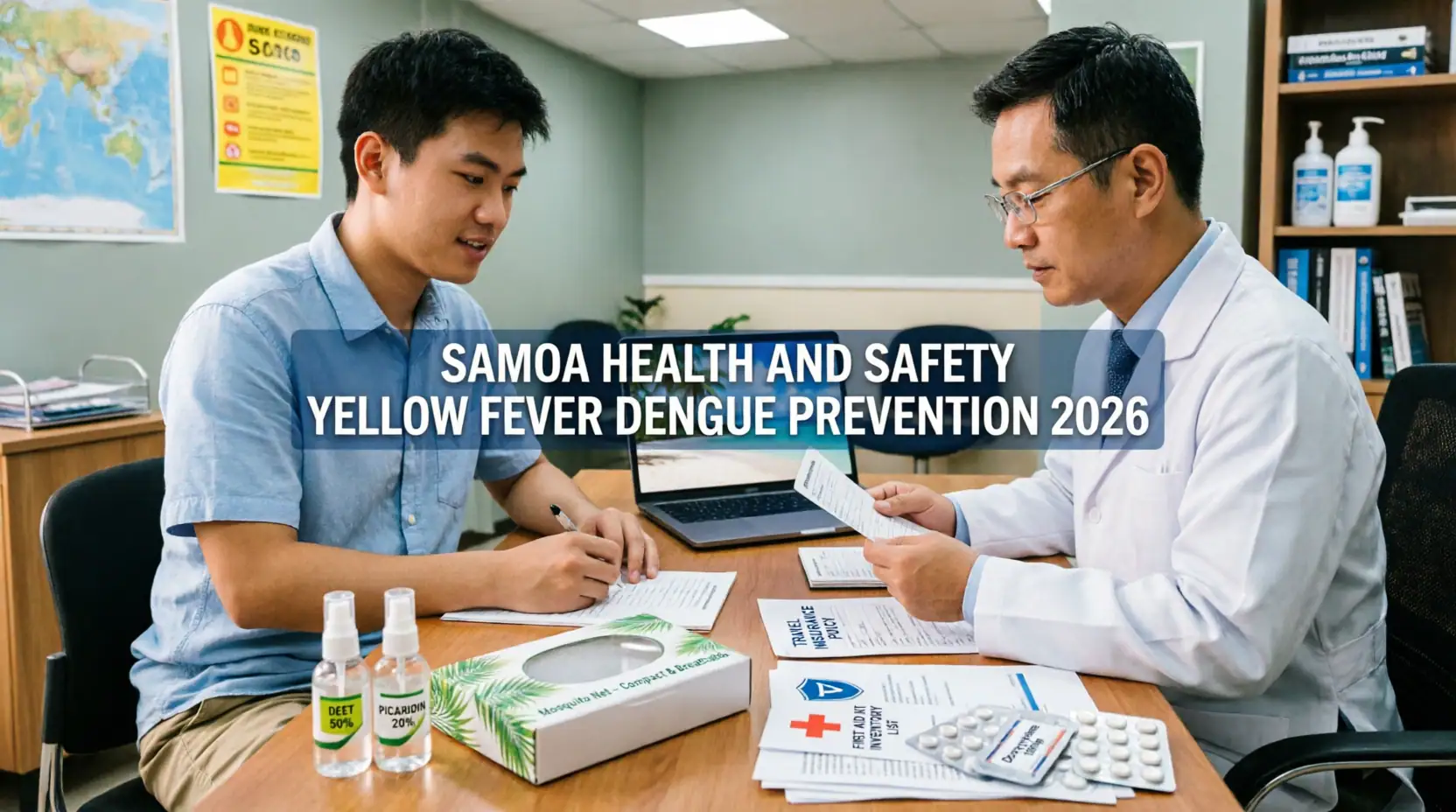
Understanding Samoa Health Requirements for 2026 Travelers
Planning a trip to Samoa in 2026 requires careful attention to health and safety considerations, particularly regarding yellow fever vaccination requirements and dengue fever prevention. As one of the Pacific's most beautiful and culturally rich destinations, Samoa welcomes visitors with warm hospitality, pristine beaches, and lush rainforests. However, like all tropical destinations, Samoa presents specific health considerations that travelers must understand and prepare for to ensure a safe and enjoyable experience. This comprehensive guide addresses the most critical health topics for Samoa travel in 2026: yellow fever entry requirements, dengue fever prevention strategies, and essential health precautions for all visitors.
Samoa's tropical climate, while ideal for beach activities and outdoor exploration, also creates conditions where mosquito-borne diseases can pose risks to unprepared travelers. Understanding which vaccinations are required versus recommended, knowing how to prevent mosquito bites effectively, and preparing for limited medical infrastructure are essential steps for responsible travel to Samoa. For travelers from Bangladesh, the United States, Europe, and other regions, this guide provides clear, actionable information to help you plan a healthy and safe Samoan adventure.
The information presented here is based on current guidance from the World Health Organization, Centers for Disease Control and Prevention, Samoa Ministry of Health, and other authoritative health sources. However, health requirements and disease situations can change, so travelers should verify current requirements with official sources and consult a travel medicine specialist 4-8 weeks before departure for personalized advice.
Yellow Fever Vaccination Requirements for Samoa Entry in 2026

One of the most common questions travelers ask about Samoa is whether yellow fever vaccination is required for entry. The answer is nuanced but generally straightforward for most visitors: Samoa does not require yellow fever vaccination for travelers arriving directly from countries without yellow fever risk, including the United States, Canada, Australia, New Zealand, and most European nations .
However, Samoa does require proof of yellow fever vaccination for travelers aged one year and older who are arriving from countries with risk of yellow fever virus transmission, or who have transited through such countries for more than 12 hours within six days of arrival in Samoa . This policy aligns with International Health Regulations designed to prevent the introduction of yellow fever into countries where the disease is not endemic but where the mosquito vectors exist.
Which Travelers Need Yellow Fever Vaccination for Samoa
Travelers who must present yellow fever vaccination proof for Samoa entry include those arriving from or transiting through countries in Africa and South America where yellow fever is endemic or where outbreaks have occurred . The World Health Organization maintains an official list of countries with yellow fever risk, and Samoa's entry requirements reference this list for enforcement .
For example, a traveler flying from Brazil to Samoa via Auckland would need to present yellow fever vaccination proof if the transit in Auckland occurred within six days of departure from Brazil. Conversely, a traveler flying from Los Angeles to Samoa via Auckland would not need yellow fever vaccination, as neither the United States nor New Zealand are yellow fever risk countries .
The yellow fever vaccination must be administered at least 10 days before travel to allow immunity to develop, and the vaccination must be documented on an International Certificate of Vaccination or Prophylaxis (ICVP), also known as the "yellow card" . This certificate must be signed by an authorized healthcare provider and include the vaccine manufacturer and batch number.
Obtaining Yellow Fever Vaccination and Documentation
Yellow fever vaccination is available only at authorized vaccination centers, which are typically located at major airports, travel clinics, or public health departments. In Bangladesh, the Institute of Epidemiology Disease Control and Research (IEDCR) in Dhaka serves as an authorized yellow fever vaccination center. Travelers should schedule appointments well in advance of travel, as vaccine availability can be limited and the 10-day immunity development period must be observed .
The vaccination is generally safe and effective, providing lifelong immunity for most recipients according to current International Health Regulations. Common side effects are mild and may include low-grade fever, headache, or soreness at the injection site. Serious adverse reactions are extremely rare . Travelers with specific medical conditions, including egg allergies, immunosuppression, or age over 60, should consult a travel medicine specialist to assess individual risk-benefit considerations before vaccination.
Upon receiving vaccination, travelers receive the ICVP certificate, which must be carried and presented at Samoa entry if required. Digital copies or photographs of the certificate are not accepted as primary proof; the original paper certificate with official stamps and signatures is required . Travelers should keep the certificate with other important travel documents and make photocopies as backups in case of loss.
Exemptions and Special Considerations
Certain travelers may be exempt from yellow fever vaccination requirements even if arriving from risk countries. Infants under 12 months of age are typically exempt due to increased risk of vaccine complications in this age group . Travelers with medical contraindications to vaccination may receive a medical waiver letter from an authorized physician, though acceptance of waivers is at the discretion of Samoa immigration authorities and does not guarantee entry .
Travelers who believe they may qualify for an exemption should contact the Samoa Ministry of Health or Samoa diplomatic missions before travel to understand current policies and documentation requirements. It is important to note that even with a waiver, travelers may face additional health screening or restrictions upon arrival in Samoa.
Dengue Fever in Samoa: Current Outbreak Status and Prevention
While yellow fever is not a risk in Samoa, dengue fever represents a significant and current health consideration for travelers in 2026. Samoa has been experiencing a substantial dengue outbreak since early 2025, with over 17,400 clinically diagnosed cases and more than 5,000 laboratory-confirmed cases reported through March 2026 . This outbreak has affected all age groups, with children under 15 years accounting for approximately 74 percent of cases .
Dengue fever is a viral illness transmitted by Aedes mosquitoes, primarily Aedes aegypti, which bite during daytime hours. The disease is not directly transmitted from person to person but requires the mosquito vector. Symptoms typically appear 4-10 days after infection and may include high fever, severe headache, pain behind the eyes, joint and muscle pain, rash, and mild bleeding . Most cases are mild and resolve within a week, but severe dengue (dengue hemorrhagic fever) can be life-threatening and requires immediate medical attention.
Current Dengue Situation in Samoa
The ongoing dengue outbreak in Samoa has prompted intensified prevention and response efforts by the Samoa Ministry of Health with support from international partners including the International Federation of Red Cross and Red Crescent Societies . Control measures include community clean-up campaigns to eliminate mosquito breeding sites, indoor and outdoor insecticide spraying, public education about prevention, and enhanced surveillance and case management .
Despite these efforts, dengue transmission continues in Samoa as of early 2026, with cases reported across both Upolu and Savai'i islands . Travelers should be aware that dengue risk exists throughout Samoa, including urban areas like Apia and rural villages. There is no specific treatment for dengue fever, making prevention through mosquito bite avoidance the most critical strategy for travelers.
Effective Dengue Prevention Strategies for Travelers
Preventing mosquito bites is the single most important action travelers can take to avoid dengue fever in Samoa. The Samoa Ministry of Health and international health authorities recommend a multi-layered approach to mosquito bite prevention :
Wear appropriate clothing: Choose loose-fitting, long-sleeved shirts and long pants in light colors. Dark colors attract mosquitoes, while tight clothing allows mosquitoes to bite through fabric. Light-colored, loose clothing creates a physical barrier that reduces bite risk .
Use effective insect repellent: Apply EPA-registered insect repellents containing DEET (20-50 percent), picaridin (20 percent), IR3535, or oil of lemon eucalyptus to exposed skin and clothing. Reapply according to product instructions, particularly after swimming or heavy sweating. For children, use repellents appropriate for their age and follow pediatric guidelines .
Stay in screened or air-conditioned accommodations: Choose lodging with window and door screens, air conditioning, or bed nets. If screens are not present or damaged, use bed nets treated with insecticide, particularly for daytime napping when Aedes mosquitoes are active .
Eliminate mosquito breeding sites: Even as a short-term visitor, you can help reduce local mosquito populations by emptying standing water from flower pots, buckets, or other containers around your accommodation. Small amounts of standing water can produce hundreds of mosquitoes in just one week .
Avoid peak biting times: Aedes mosquitoes that transmit dengue are most active during early morning and late afternoon hours. Limit outdoor activities during these times when possible, or take extra precautions with repellent and clothing if you must be outdoors .
Recognizing Dengue Symptoms and Seeking Care
Travelers who develop fever, headache, muscle pain, or rash during or after travel to Samoa should seek medical evaluation promptly. Early diagnosis and supportive care improve outcomes, and identifying dengue cases helps public health authorities track and control outbreaks .
Warning signs of severe dengue include severe abdominal pain, persistent vomiting, bleeding gums, fatigue, restlessness, or blood in vomit or stool. These symptoms typically appear as fever begins to subside, 3-7 days after symptom onset. Seek emergency medical care immediately if warning signs develop .
There is no specific antiviral treatment for dengue fever. Management focuses on rest, hydration, and pain relief with acetaminophen (paracetamol). Avoid aspirin, ibuprofen, and other non-steroidal anti-inflammatory drugs, which can increase bleeding risk in dengue patients .
Additional Vaccination Recommendations for Samoa Travel
While yellow fever vaccination is only required for travelers from specific risk countries, several other vaccinations are recommended for all travelers to Samoa to protect against diseases that may be encountered during travel . Consulting a travel medicine specialist 4-8 weeks before departure allows time for vaccines to become effective and for multi-dose series to be completed.
Routinely Recommended Vaccines
Measles-mumps-rubella (MMR): Ensure you are up to date with routine vaccinations, particularly measles. Samoa experienced a significant measles outbreak in 2019, and maintaining immunity is important for personal and community protection. Unvaccinated travelers one year old or older should receive MMR vaccine before travel to Samoa .
Hepatitis A: Recommended for all travelers to Samoa, as the virus can be transmitted through contaminated food or water even in resort areas. The vaccine is highly effective and typically administered as a two-dose series, with the first dose providing protection beginning approximately two weeks after administration .
Typhoid: Recommended for travelers who may eat or drink outside major hotels and restaurants, visit rural areas, or have close contact with local populations. The vaccine is available as an injectable polysaccharide vaccine or oral live-attenuated vaccine .
Vaccines for Specific Travelers
Hepatitis B: Recommended for travelers who may have sexual contact with new partners, receive medical or dental procedures, get tattoos or piercings, or have potential exposure to blood or body fluids. The vaccine requires three doses over six months for complete protection, though accelerated schedules are available .
Rabies: Consider for travelers engaging in outdoor activities, working with animals, or traveling to remote areas where prompt post-exposure treatment may not be available. Samoa has rabies in animal populations, and pre-exposure vaccination simplifies post-exposure management if a bite occurs .
Influenza: Recommended for all travelers, particularly during Samoa's wet season (November-April) when respiratory illnesses may circulate more widely. Annual influenza vaccination protects against strains circulating in the Southern Hemisphere .
Medical Facilities and Healthcare Access in Samoa
Understanding Samoa's healthcare infrastructure is essential for travel planning and emergency preparedness. While Samoa offers basic medical services, facilities are limited compared to developed countries, and specialized care may require medical evacuation to New Zealand, Australia, or other destinations with advanced medical capabilities.
Samoa's public healthcare system includes Tupua Tamasese Meaole Hospital in Apia (Upolu) and Malietoa Tanumafili II Hospital in Salelologa (Savai'i), which provide emergency care, inpatient services, and basic outpatient care . Private clinics in Apia offer additional options, though services remain basic by international standards. All foreigners are required to pay for health services in Samoa, and costs can be significant for emergency care or hospitalization .
Limitations of Samoan Healthcare
Travelers should be aware of several limitations in Samoa's healthcare system. Diagnostic capabilities are limited, with basic laboratory testing and imaging available but advanced diagnostics often requiring referral overseas. Specialist care is limited, with few specialists in fields like cardiology, neurology, or intensive care. Medication availability can be inconsistent, with some pharmaceuticals unavailable or requiring special ordering .
For serious illnesses or injuries, medical evacuation to Auckland, Sydney, or other regional centers may be necessary. Medical evacuation can cost tens of thousands of dollars without insurance coverage, making comprehensive travel insurance with evacuation benefits absolutely essential for all visitors to Samoa .
Preparing for Medical Needs While Traveling
Before traveling to Samoa, ensure you have adequate supplies of any prescription medications you require, along with copies of prescriptions and a letter from your physician explaining medical necessity. Carry medications in original containers with pharmacy labels to facilitate customs clearance and medical evaluation if needed .
Pack a comprehensive travel health kit including basic first aid supplies, over-the-counter medications for common ailments (pain relievers, antihistamines, anti-diarrheals, antacids), insect repellent, sunscreen, oral rehydration salts, and any personal medical devices. Include a basic first aid manual and instructions for using kit items .
Carry comprehensive travel insurance documentation including policy number, emergency contact numbers, and coverage details. Register with your country's travel registration program (such as the US State Department's STEP program) to facilitate emergency communication if needed .
Travel Insurance: Essential Coverage for Samoa Health Emergencies
Comprehensive travel insurance is not optional for Samoa travel—it is essential. Samoa's limited healthcare infrastructure, potential for mosquito-borne illnesses, and remote location make medical evacuation coverage particularly critical. Travel insurance should cover emergency medical treatment, hospitalization, medical evacuation, repatriation, and trip cancellation or interruption .
When selecting travel insurance for Samoa, verify that the policy explicitly covers Samoa and includes adequate medical evacuation benefits (minimum 100,000 USD recommended). Confirm that the policy covers adventure activities if you plan hiking, diving, or other active pursuits. Review exclusions carefully, particularly regarding pre-existing conditions, which may require additional coverage or waivers .
Key Insurance Coverage Elements
Emergency medical coverage: Ensure coverage limits are sufficient for potential hospitalization and treatment in Samoa or evacuation to regional medical centers. Minimum coverage of 50,000-100,000 USD for medical expenses is advisable .
Medical evacuation and repatriation: Coverage for emergency air ambulance or commercial medical escort to facilities with appropriate care capabilities. Evacuation from Samoa can cost 50,000-100,000 USD or more without insurance .
Trip cancellation and interruption: Coverage for non-refundable trip costs if you must cancel or cut short your trip due to illness, injury, or other covered reasons. This protects your investment if dengue or other health issues arise before or during travel .
24/7 assistance services: Access to multilingual emergency assistance coordinators who can help locate medical facilities, arrange evacuation, communicate with family, and navigate local healthcare systems .
Purchasing and Using Travel Insurance
Purchase travel insurance soon after booking your trip to ensure coverage for pre-departure cancellations. Provide accurate health information when applying, as misrepresentation can void coverage. Keep insurance documentation accessible during travel, including digital copies on your phone and printed copies in your luggage .
If you require medical care in Samoa, contact your insurance provider's emergency assistance line immediately. They can help locate appropriate facilities, arrange direct payment if possible, and coordinate evacuation if needed. Do not assume you can pay out of pocket and seek reimbursement later; many providers require pre-authorization for non-emergency care .
Additional Health and Safety Considerations for Samoa
Beyond yellow fever and dengue, several other health and safety considerations deserve attention for Samoa travelers in 2026.
Food and Water Safety
Tap water in Apia and major resorts is generally treated and safe for drinking, but water quality can vary in rural areas and villages. When in doubt, drink bottled water, boil water for one minute, or use chemical treatment or filtration. Avoid ice in drinks unless you are certain it was made from safe water .
Food safety practices in Samoa are generally good, but travelers should exercise caution with street food, buffet items left at room temperature, and raw or undercooked foods. Eat foods that are cooked and served hot, fruits and vegetables that you peel yourself, and avoid unpasteurized dairy products .
Sun and Heat Protection
Samoa's tropical location near the equator means intense ultraviolet radiation year-round. Use broad-spectrum sunscreen with SPF 30 or higher, reapplying every two hours and after swimming or sweating. Wear protective clothing, wide-brimmed hats, and UV-blocking sunglasses. Seek shade during peak sun hours (10 AM to 4 PM) when UV radiation is strongest .
Heat and humidity can cause dehydration and heat-related illness. Drink plenty of fluids, limit strenuous activity during the hottest parts of the day, and recognize signs of heat exhaustion (heavy sweating, weakness, dizziness, nausea). Rest in shade and cool down if symptoms develop .
Water Safety and Marine Hazards
Samoa's beautiful beaches and reefs offer excellent swimming and snorkeling opportunities, but water safety requires attention. Swim only at designated beaches with lifeguards when possible, heed warning flags and signs, and avoid swimming alone. Strong currents, reef cuts, and marine life including stonefish and sea urchins pose hazards .
Wear protective footwear when walking on reefs or rocky shores. Avoid touching marine life, as some species can cause painful stings or injuries. If stung by a stonefish or other venomous marine animal, seek immediate medical attention; antivenom may be required .
Practical Health Preparation Checklist for Samoa 2026
To ensure comprehensive health preparation for Samoa travel in 2026, use this practical checklist in the weeks and days before departure:
4-8 weeks before travel: Schedule appointment with travel medicine specialist; review and update routine vaccinations; receive recommended travel vaccines (hepatitis A, typhoid, etc.); obtain yellow fever vaccination if required; discuss malaria prophylaxis (though Samoa is malaria-free, discuss regional travel plans); obtain prescriptions for travel health kit medications; purchase comprehensive travel insurance with medical evacuation coverage .
2-4 weeks before travel: Assemble travel health kit with first aid supplies, medications, insect repellent, sunscreen; pack medications in original containers with prescriptions; make copies of prescriptions, insurance policy, and important medical documents; register with travel registration program; research medical facilities at your destination in Samoa .
1 week before travel: Check current health advisories for Samoa regarding dengue or other outbreaks; confirm travel insurance coverage and emergency contact numbers; pack insect repellent, sunscreen, and protective clothing; review dengue prevention strategies and symptoms .
Day of travel: Carry health documents (vaccination certificates, prescriptions, insurance) in carry-on luggage; apply insect repellent before departure if transiting through mosquito-prone areas; stay hydrated during travel; keep medications accessible in carry-on .
Conclusion: Healthy and Safe Travel to Samoa in 2026
Traveling to Samoa in 2026 can be a safe and rewarding experience with proper health preparation and awareness. While yellow fever vaccination is only required for travelers arriving from specific risk countries, dengue fever prevention through mosquito bite avoidance is essential for all visitors given the ongoing outbreak. Understanding Samoa's healthcare limitations, securing comprehensive travel insurance, and taking practical precautions regarding food, water, sun, and marine safety further protect your health while traveling.
The key to healthy Samoa travel is preparation: consult a travel medicine specialist, obtain recommended vaccinations, pack appropriate supplies, purchase adequate insurance, and stay informed about current health situations. By taking these steps, you can focus on enjoying Samoa's extraordinary natural beauty, rich cultural heritage, and warm hospitality without health concerns overshadowing your experience.
Samoa welcomes visitors with open arms and the spirit of fa'a Samoa—the Samoan way of life that emphasizes community, respect, and connection. By traveling responsibly and prioritizing health and safety, you honor both your own wellbeing and the communities you visit. May your 2026 journey to Samoa be filled with healthy adventures, meaningful connections, and memories that last a lifetime.
0 Comments