.webp)
.webp)
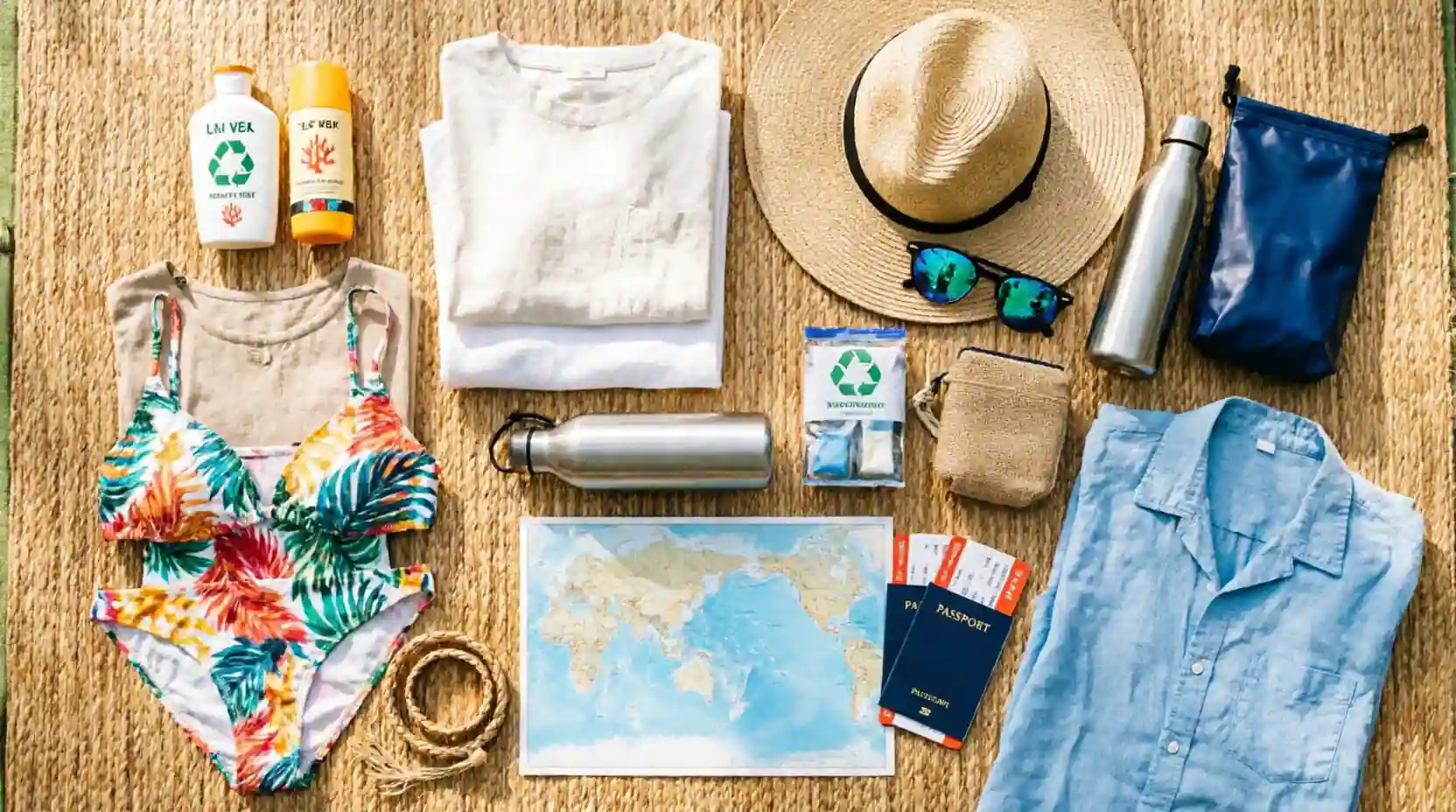
Understanding Tuvalus Unique Packing Needs
Packing for Tuvalu requires strategic thinking about the islands remote location tropical climate and fragile marine environment. This nine-island nation in the South Pacific presents specific challenges and opportunities for travelers preparing their luggage.
Tuvalus equatorial climate means consistent heat and humidity year-round with temperatures averaging twenty-eight to thirty-two degrees Celsius. Lightweight breathable clothing proves essential for comfort in these conditions.
The islands pristine coral reefs and marine ecosystems demand reef-safe products to prevent chemical damage to fragile coral and sea life. Understanding which products protect both you and the environment proves critical.
Tuvalus remoteness means limited shopping options and higher prices for imported goods. Packing comprehensively before departure prevents expensive or impossible purchases upon arrival.
This comprehensive 2026 guide covers everything from reef-safe sunscreen and lightweight linens to electronics health supplies and cultural considerations enabling confident preparation for your Tuvalu adventure.
Reef-Safe Sunscreen and Sun Protection Essentials

Protecting Tuvalus coral reefs starts with choosing reef-safe sunscreen and sun protection products that avoid harmful chemicals.
Reef-safe sunscreen must exclude oxybenzone and octinoxate chemicals proven to cause coral bleaching and harm marine life. Look for mineral-based sunscreens using zinc oxide or titanium dioxide as active ingredients.
Recommended reef-safe brands include Stream2Sea All Good Sunscreen Raw Elements and Badger. These products undergo third-party testing to verify reef safety while providing effective UV protection.
SPF thirty to fifty proves adequate for tropical conditions when applied generously and reapplied every two hours. Higher SPF offers minimal additional protection while increasing chemical load.
Pack sunscreen in travel-sized containers to comply with airline liquid restrictions though Tuvalus remoteness means bringing adequate supply for your entire stay. Reef-safe options may prove unavailable locally.
Beyond sunscreen include wide-brimmed hats UV-protective clothing and polarized sunglasses for comprehensive sun protection. These physical barriers reduce sunscreen dependency while enhancing comfort.
Lightweight Linen and Breathable Clothing

Tuvalus tropical climate demands clothing that breathes dries quickly and resists odor in humid conditions. Linen and similar natural fibers prove ideal choices.
Linen clothing offers exceptional breathability moisture-wicking and quick-drying properties. Pack linen shirts pants dresses and shorts in light colors that reflect rather than absorb sunlight.
Merino wool proves another excellent option despite seeming counterintuitive for tropics. Lightweight merino wicks moisture resists odor and regulates temperature effectively in humid conditions.
Synthetic performance fabrics designed for tropical travel offer durability and quick-drying benefits though may retain odors more than natural fibers. Choose wisely based on activity priorities.
Pack versatile pieces that mix and match creating multiple outfits from minimal items. Neutral colors and simple patterns maximize wardrobe flexibility while minimizing luggage weight.
Include at least one long-sleeve shirt and lightweight pants for sun protection during extended outdoor activities. These prove valuable for boat trips hiking and cultural visits.
Swimwear and Water Activities Gear

Tuvalus stunning lagoons and reefs invite extensive water activities requiring appropriate swimwear and gear preparation.
Bring multiple swimsuits enabling one to dry while wearing another. Quick-dry fabrics prove essential in humid conditions where air-drying proves slow.
Rash guards provide sun protection while swimming reducing sunscreen needs on large body areas. Choose UPF-rated options in light colors for maximum comfort.
Water shoes or reef-safe sandals protect feet from sharp coral and rocks during snorkeling or beach walking. Closed-toe water shoes prove safer than flip-flops for reef activities.
Snorkel gear including mask snorkel and fins can be brought or rented locally. Bringing your own ensures proper fit and hygiene though adds luggage weight.
Dry bags protect electronics and valuables during water activities. Multiple sizes enable organizing gear while keeping items dry during boat transfers or beach time.
Footwear for Island Exploration

Tuvalus terrain combines sandy beaches coral paths and occasional rough surfaces requiring versatile footwear strategies.
Sturdy sandals with good grip prove essential for daily wear. Brands like Teva Chaco or Keen offer durable options suitable for beach and light trail use.
Water shoes or aqua socks protect feet during snorkeling reef walking and boat transfers. These prove particularly valuable given sharp coral and rocky shorelines.
Lightweight walking shoes or trail runners suit longer explorations though Tuvalus small size limits need for heavy hiking footwear. Choose breathable options for humid conditions.
Flip-flops prove useful for beach and shower use though lack support for extended walking. Pack as secondary footwear rather than primary option.
Include at least one pair of closed-toe shoes for evenings cultural visits or unexpected terrain. Versatility proves valuable in remote destinations with limited shopping.
Health and Medical Supplies

Tuvalus remote location and limited medical facilities require comprehensive health preparation before travel.
Bring a personal medical kit including prescription medications over-the-counter remedies for pain fever diarrhea allergies and motion sickness. Local pharmacies stock basics though brands may differ.
Insect repellent containing DEET or picaridin proves essential for preventing mosquito bites. Tuvalu has no malaria though other insect-borne illnesses exist.
Reef-safe insect repellent options exist though may prove less effective than conventional products. Balance environmental concerns with personal protection needs.
Include basic first aid supplies bandages antiseptic wipes blister treatment and antibiotic ointment. Minor cuts and scrapes prove common during beach and reef activities.
Electrolyte tablets or powder help prevent dehydration in tropical heat. These prove valuable during extended outdoor activities or if gastrointestinal issues arise.
Electronics and Power Considerations

Tuvalus electrical infrastructure and connectivity require specific electronics preparation for remote island travel.
Tuvalu uses Type I electrical outlets same as Australia and New Zealand at two hundred forty volts. Bring appropriate power adapters for your devices.
Power outages occur occasionally though typically brief. Bring portable power banks for phones cameras and essential electronics to maintain functionality during outages.
Internet connectivity exists though speeds prove slow and reliability varies. Download offline maps entertainment and essential information before arrival.
Waterproof camera cases or action cameras protect electronics during water activities. The combination of salt water and sand proves damaging to unprotected devices.
Bring extra memory cards and batteries as replacement options may prove limited or expensive in Tuvalu. Remote destinations require self-sufficiency regarding electronics.
Documentation and Financial Preparation

Proper documentation and financial preparation proves essential for smooth travel to remote Tuvalu.
Carry valid passport with at least six months validity beyond intended departure date. Tuvalu requires this for entry though enforcement may vary.
Bring printed copies of travel insurance flight confirmations accommodation reservations and emergency contacts. Digital backups prove useful though paper copies ensure access if technology fails.
Tuvalus currency is the Tuvaluan dollar pegged to Australian dollar. Australian dollars widely accepted though carrying some local currency proves useful for small purchases.
Credit cards accepted at larger establishments though cash remains essential for markets small shops and remote areas. Bring adequate cash in small denominations.
Notify your bank of travel plans preventing card freezes triggered by foreign transactions. International travel alerts prove simple though critical preparation step.
Cultural Considerations and Appropriate Attire

Respecting Tuvaluan culture requires appropriate clothing choices particularly when visiting villages or attending cultural events.
Modest clothing covering shoulders and knees proves appropriate for village visits church services and cultural ceremonies. Pack lightweight long-sleeve shirts and pants or skirts for these occasions.
Beachwear belongs at beaches not in villages or public areas. Changing into appropriate clothing after beach activities demonstrates cultural respect.
Traditional Tuvaluan dress includes lavalava wraparound skirts for both men and women. Purchasing and wearing lavalava demonstrates cultural appreciation though not required.
Remove shoes when entering homes or certain buildings. Pack slip-on footwear facilitating this custom without inconvenience.
Photography etiquette requires asking permission before photographing people particularly in village settings. Respectful engagement proves more valuable than capturing images.
Packing Strategies for Remote Island Travel

Tuvalus remoteness and limited luggage capacity on small aircraft require strategic packing approaches.
Use packing cubes or compression bags to maximize luggage space and organize items efficiently. These prove particularly valuable when luggage weight limits prove strict.
Pack versatile items serving multiple purposes reducing overall luggage weight. A sarong functions as beach cover-up scarf towel or light blanket depending on needs.
Leave room in luggage for souvenirs or purchases though remember weight restrictions for return flights. Tuvaluan handicrafts and local products make meaningful mementos.
Wear bulkiest items including shoes and jackets during travel to conserve luggage space. This simple strategy significantly increases packing capacity.
Create a detailed packing list checking items off as packed and again before departure. Remote destinations offer limited opportunities to replace forgotten essentials.
Environmental Considerations and Sustainable Packing

Tuvalus fragile environment demands conscious packing choices that minimize environmental impact.
Choose biodegradable toiletries including shampoo soap and laundry detergent. Conventional products harm delicate island ecosystems even in small quantities.
Bring reusable water bottles shopping bags and food containers reducing single-use plastic waste. Tuvalus limited waste management makes plastic reduction particularly important.
Avoid packing items with excessive packaging that creates waste in destinations with limited disposal options. Choose products with minimal or recyclable packaging.
Support reef conservation by choosing reef-safe products beyond sunscreen including biodegradable soaps and eco-friendly insect repellent.
Educate yourself about Tuvalus climate change vulnerability and pack with awareness of the islands environmental challenges. Conscious travel supports conservation efforts.
Seasonal Packing Considerations

Tuvalus tropical climate remains relatively consistent year-round though seasonal variations affect packing priorities.
Dry season May through October features less rainfall and more predictable weather. Pack accordingly though always include rain protection for unexpected showers.
Wet season November through April brings more frequent rain and higher humidity. Include quick-dry clothing and waterproof gear for these conditions.
Trade winds prove stronger during dry season affecting water activities and comfort. Pack wind-resistant layers for boat trips or exposed locations.
King tides occurring several times yearly create exceptional high water levels affecting beach access and coastal activities. Check tide calendars when planning specific activities.
Regardless of season pack for heat and humidity with breathable clothing sun protection and hydration strategies. Tuvalus equatorial location ensures consistent warmth year-round.
What Not to Pack for Tuvalu

Understanding what to leave behind proves as important as knowing what to bring for efficient Tuvalu packing.
Avoid heavy clothing including jeans sweaters or winter gear. Tuvalus tropical climate makes these items uncomfortable and unnecessary.
Leave non-reef-safe sunscreen and toiletries at home. These products harm fragile marine ecosystems and may violate environmental guidelines.
Avoid excessive electronics or luxury items that prove difficult to protect in remote tropical conditions. Simplicity proves valuable in remote destinations.
Do not pack items readily available locally though at higher prices. Balance convenience against luggage weight and cost considerations.
Avoid single-use plastics and excessive packaging that creates waste in destinations with limited disposal infrastructure. Choose reusable alternatives whenever possible.
Final Packing Checklist for Tuvalu
A comprehensive checklist ensures nothing essential gets forgotten when preparing for Tuvalu travel.
Reef-safe sunscreen SPF thirty to fifty zinc oxide or titanium dioxide based
Lightweight linen or merino clothing shirts pants dresses shorts in light colors
Multiple swimsuits quick-dry fabrics rash guards for sun protection
Water shoes or reef-safe sandals for beach and water activities
Wide-brimmed hat polarized sunglasses UV-protective clothing
Personal medical kit prescriptions OTC remedies first aid supplies
Insect repellent DEET or picaridin based reef-safe options preferred
Power adapters Type I for Tuvalu portable power banks extra batteries
Waterproof camera case dry bags for electronics protection
Travel documents passport copies insurance confirmations emergency contacts
Cash Australian dollars small denominations credit cards notified for travel
Reusable water bottle shopping bags food containers reducing plastic waste
Biodegradable toiletries shampoo soap laundry detergent minimal packaging
Lightweight rain jacket or poncho for unexpected tropical showers
Conclusion Packing Smart for Tuvalu Adventure
Packing for Tuvalu requires balancing comfort environmental responsibility and practical preparation for remote island travel. Reef-safe products protect fragile marine ecosystems while lightweight linens ensure comfort in tropical conditions.
Strategic packing maximizes luggage space while ensuring essential items for health safety and cultural respect. Understanding Tuvalus unique needs enables confident preparation for this extraordinary Pacific destination.
Remember that packing represents just one aspect of responsible Tuvalu travel. Cultural sensitivity environmental awareness and support for local communities prove equally important for meaningful experiences.
Your thoughtful preparation enables focusing on Tuvalus remarkable beauty culture and significance rather than logistical challenges. Pack wisely travel responsibly and create memories lasting lifetimes in this remarkable Pacific atoll nation.
0 Comments