.webp)
.webp)
7 Hidden Gems in Louisiade Archipelago for Adventure Photographers
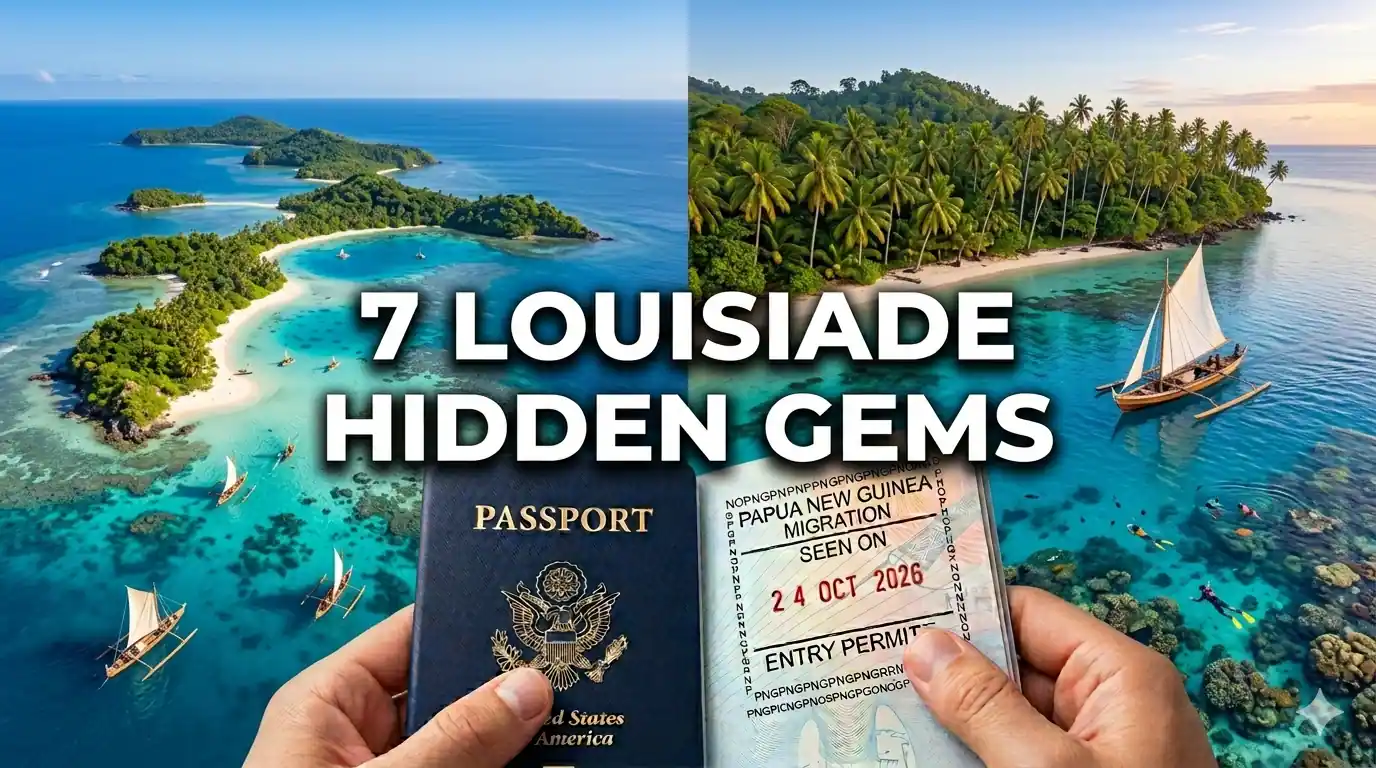
7 Hidden Gems in Louisiade Archipelago for Adventure Photographers
The Louisiade Archipelago stands as one of the world's last truly remote and unexplored frontiers, a scattered chain of pristine islands at the southeastern tip of Papua New Guinea that offers adventure photographers unparalleled opportunities to capture untouched natural beauty, vibrant coral reefs, traditional Melanesian cultures, and landscapes rarely documented by outside lenses. This extraordinary archipelago, comprising over 100 islands stretching across the Solomon Sea, remains largely inaccessible to mass tourism, preserving its authentic character and providing photographers with the rare chance to document places and cultures that exist far from the beaten path.
For adventure photographers seeking the ultimate combination of isolation, natural splendor, cultural authenticity, and photographic diversity, the Louisiade Archipelago delivers experiences that few destinations on Earth can match. From world-class diving on pristine coral reefs to traditional village life unchanged for generations, from dramatic volcanic peaks to turquoise lagoons teeming with marine life, this remote corner of Papua New Guinea offers a photographer's paradise where every frame tells a story of untouched beauty and cultural richness. This comprehensive guide reveals seven exceptional hidden gems within the Louisiade Archipelago that every adventure photographer needs to explore, providing detailed location information, optimal shooting conditions, access details, and insider tips to help you capture stunning images that showcase one of the Pacific's last great wilderness areas.
Why the Louisiade Archipelago Belongs on Every Adventure Photographer's List
The Louisiade Archipelago offers adventure photographers a rare combination of extreme remoteness, exceptional biodiversity, cultural authenticity, and pristine natural environments that few destinations worldwide can match. This island chain, lying at the edge of the Coral Sea where Papua New Guinea meets the Solomon Islands, encompasses dramatic landscapes from volcanic peaks to coral atolls, from dense tropical rainforests to crystal-clear lagoons, creating diverse photographic subjects within a single archipelago.
For photographers, the Louisiade Archipelago provides endless subjects: traditional outrigger canoes navigating turquoise waters, vibrant coral gardens in untouched reefs, traditional Melanesian villages maintaining ancient customs, dramatic seascapes with islands rising from deep blue waters, underwater worlds teeming with sharks, rays, and tropical fish, and cultural ceremonies rarely witnessed by outsiders. The quality of light throughout the day, especially during golden hour over the Pacific, creates exceptional conditions for landscape, seascape, underwater, and cultural photography.
Best Time to Visit Louisiade Archipelago for Photography
The dry season from May through October offers the most reliable weather for photography, with clear skies, minimal rainfall, calm seas for boat travel and diving, and optimal lighting conditions. This period provides the best visibility for underwater photography, with water clarity often exceeding 100 feet, and the most predictable conditions for accessing remote islands. The southeast trade winds during this season create pleasant temperatures and lower humidity.
The wet season from November through April brings lush landscapes, dramatic storm clouds, fewer visitors, and opportunities for atmospheric photography with moody skies and enhanced colors. While afternoon rain showers are common and sea conditions can be challenging, mornings often provide clear shooting conditions. This season excels for landscape photography with vibrant vegetation and dramatic weather patterns, though access to remote islands may be limited by sea conditions.
Hidden Gem Number 1: Misima Island's Pristine Reefs

Misima Island, the largest and most accessible island in the Louisiade Archipelago, serves as the gateway to this remote region and offers adventure photographers some of the world's most pristine coral reef systems, traditional villages, and dramatic coastal landscapes. This mountainous island, rising to over 3,000 feet, features lush rainforests, traditional gold mining sites, and surrounding reefs that remain largely unexplored and unexploited, providing exceptional opportunities for both underwater and landscape photography in settings rarely documented by outside photographers.
The waters surrounding Misima Island host extraordinary marine biodiversity with healthy coral gardens, steep reef walls, and abundant marine life including sharks, rays, sea turtles, and thousands of tropical fish species. For photographers, Misima offers the rare combination of accessible infrastructure, including a small airport and basic accommodations, with immediate access to world-class diving and cultural experiences in traditional villages. The island's position as the administrative center of the Louisiade makes it the logical starting point for exploring the archipelago's hidden gems.
Photography Opportunities at Misima Island
Underwater photography around Misima Island excels with multiple dive sites featuring pristine coral formations, dramatic drop-offs, and abundant marine life. The reef walls drop vertically into deep blue water, creating spectacular compositions with colorful corals in the foreground and pelagic species in the blue. Photographers can capture healthy hard and soft corals, giant clams, reef sharks, barracuda, and seasonal visits from larger pelagics. Water clarity typically exceeds 80 feet, providing exceptional conditions for both wide-angle reef scenes and macro photography of tiny critters.
Cultural photography opportunities abound in Misima's traditional villages, where daily life continues much as it has for generations. Photograph traditional outrigger canoes (lakatoi) being built and used for fishing and inter-island travel, document traditional gold panning techniques that have been practiced for centuries, capture village ceremonies and daily activities, and portray the warm hospitality of Misima's residents. Always ask permission before photographing people, and consider bringing small gifts or offering to share photos as a gesture of respect and reciprocity.
Access and Logistics for Misima Island
Reaching Misima Island requires flying from Port Moresby to Misima Island Airport (MIS) via Airlines PNG or Air Niugini, with flights typically connecting through Alotau in Milne Bay Province. The journey takes 2 to 3 hours total and operates 2 to 3 times weekly, requiring advance booking. Flight schedules can change due to weather and operational considerations, so build flexibility into your itinerary.
Accommodation on Misima is basic but functional, with the Misima Lodge and a few guesthouses providing clean rooms, meals, and assistance arranging boat transfers and diving. Bring all photography equipment, batteries, and memory cards as shopping opportunities are extremely limited. Internet connectivity is minimal, so plan accordingly. The best photography light occurs during early morning and late afternoon, with midday heat making underwater photography more comfortable than land-based shooting.
Hidden Gem Number 2: Tagula Island (Sudest) Wilderness

Tagula Island, also known as Sudest Island, represents one of the Louisiade Archipelago's most remote and least-documented destinations, offering adventure photographers extraordinary opportunities to capture pristine wilderness, traditional cultures, and dramatic landscapes in an island setting that few outsiders have ever experienced. This rugged island, rising to over 2,500 feet with dense tropical rainforest covering its mountainous interior, maintains traditional ways of life largely unchanged by modern development, providing photographers with authentic cultural subjects and untouched natural environments.
The island's isolation has preserved both its natural ecosystems and cultural traditions, creating a photographer's dream where traditional outrigger canoe building, subsistence agriculture, and ancient customs continue as they have for centuries. Surrounding reefs remain pristine and largely unexplored, offering exceptional diving and snorkeling with healthy coral ecosystems and abundant marine life. For photographers willing to embrace challenging conditions and limited infrastructure, Tagula Island delivers extraordinary rewards in the form of unique images that document a vanishing way of life and pristine natural beauty.
Photography Opportunities on Tagula Island
Cultural photography on Tagula Island provides rare access to traditional Melanesian life in one of its most authentic forms. Document traditional canoe building using ancient techniques passed down through generations, photograph subsistence gardening and fishing methods, capture traditional housing construction using local materials, and portray daily village life with warmth and respect. The island's relative isolation means residents maintain strong connections to traditional customs, providing rich photographic subjects for documentary and cultural photography.
Landscape photography opportunities include dramatic mountain peaks shrouded in mist, pristine beaches backed by dense rainforest, traditional villages nestled along coastlines, and seascapes showing the island's rugged beauty. Sunrise and sunset photography from coastal locations provides spectacular light illuminating the island's mountains and surrounding reefs. The island's interior rainforest offers opportunities for nature photography including birds, insects, and unique flora found only in this remote archipelago.
Access and Logistics for Tagula Island
Reaching Tagula Island requires significant planning and flexibility. There are no regular commercial flights, so access is primarily by boat from Misima Island or other Louisiade islands. Charter boats can be arranged through contacts on Misima, though costs are substantial and weather conditions dictate feasibility. The journey by boat takes 6 to 12 hours depending on sea conditions and departure point.
Accommodation on Tagula is extremely basic, typically consisting of village guesthouses or homestays arranged through local contacts. Bring all supplies including food, water purification, camping gear if planning to camp, and comprehensive photography equipment with backup power. There are no shops, limited electricity, and no internet connectivity. Hire local guides who can facilitate village visits, ensure cultural protocols are followed, and help navigate the island's terrain. Respect for local customs and asking permission before photographing are essential.
Hidden Gem Number 3: Rossel Island's Untouched Beauty

Rossel Island (Yela), the easternmost island in the Louisiade Archipelago, stands as one of Papua New Guinea's most remote and least-visited destinations, offering adventure photographers the opportunity to capture pristine landscapes, unique cultural traditions, and untouched natural environments in an island setting that exists far beyond the reach of conventional tourism. This rugged island, with its distinctive shape rising dramatically from the Solomon Sea, maintains traditional customs and natural ecosystems in remarkable condition, providing photographers with rare subjects and extraordinary scenic beauty.
The island's extreme isolation has preserved both its cultural heritage and natural environments, creating exceptional opportunities for documentary photography of traditional Melanesian life and landscape photography of pristine coastlines, dense rainforests, and dramatic volcanic peaks. Rossel Island's surrounding waters host healthy coral reefs with exceptional marine biodiversity, offering underwater photography opportunities in settings rarely documented. For photographers seeking the ultimate in remote adventure photography, Rossel Island represents the frontier of exploration in the Louisiade Archipelago.
Photography Opportunities on Rossel Island
Cultural photography on Rossel Island provides access to unique traditions distinct from other Louisiade islands. The island maintains its own language and cultural practices, including traditional shell money systems that continue to be used alongside modern currency. Photograph traditional ceremonies, daily subsistence activities, unique architectural styles, and the island's distinctive material culture. The rarity of outside visitors means residents maintain strong traditional practices, providing authentic photographic subjects for culturally sensitive photographers.
Landscape and seascape photography opportunities include dramatic coastal cliffs, pristine beaches accessible only by boat, mountain peaks rising from dense rainforest, and spectacular sunrises and sunsets over the Solomon Sea. The island's remote location provides exceptional light quality with minimal atmospheric pollution, creating ideal conditions for landscape photography. Underwater photography around Rossel's reefs offers pristine coral ecosystems, steep walls, and abundant marine life in settings rarely photographed.
Access and Logistics for Rossel Island
Reaching Rossel Island represents a significant logistical challenge requiring extensive planning, local contacts, and flexibility. There are no regular transportation services, and access is only possible by charter boat from Misima Island or other Louisiade locations. The journey takes 12 to 24 hours depending on sea conditions, requiring a seaworthy vessel and experienced crew familiar with these waters.
Accommodation on Rossel is limited to village homestays or camping, both requiring advance arrangement through local contacts. Bring all supplies including food, water, camping equipment, medical supplies, and comprehensive photography gear with backup power systems. There are no shops, no electricity, no communications infrastructure, and no medical facilities. Hire local guides essential for navigation, cultural protocols, and safety. Travel to Rossel Island should only be attempted by experienced adventurers with appropriate preparation and respect for the island's isolation and traditional culture.
Hidden Gem Number 4: Vanatinai's Sacred Sites

Vanatinai, also known as Sudest Island in some references, holds deep cultural and spiritual significance for the Louisiade Archipelago's traditional communities, offering adventure photographers unique opportunities to document sacred sites, traditional spiritual practices, and the intersection of ancient beliefs with daily life in one of the Pacific's most remote island groups. This island's cultural landscape includes traditional burial sites, ceremonial grounds, and locations of spiritual importance that have been maintained for generations, providing photographers with rare access to cultural heritage rarely witnessed by outsiders.
For photographers interested in cultural documentation and spiritual traditions, Vanatinai offers extraordinary subjects including traditional ceremonial practices, sacred natural features, ancient stone arrangements, and the ongoing connection between people and place that defines Melanesian spirituality. The island's natural beauty, with pristine beaches, dense rainforests, and surrounding reefs, provides stunning backdrops for cultural photography while offering opportunities for landscape and underwater photography in pristine settings.
Photography Opportunities at Sacred Sites
Cultural and documentary photography at Vanatinai's sacred sites requires sensitivity, respect, and often specific permission from traditional leaders and community members. When permission is granted, photographers can document traditional ceremonies, sacred natural features like unusual rock formations or ancient trees, traditional burial sites with distinctive architectural styles, and ceremonial objects used in spiritual practices. These subjects require the utmost respect and should only be photographed with explicit permission and understanding of cultural protocols.
Landscape photography around sacred sites often reveals the deep connection between natural features and cultural significance, with dramatic coastal formations, mountain peaks, and reef systems that hold spiritual importance for local communities. Photographing these landscapes with cultural context provides powerful images that communicate the relationship between people and place in Melanesian culture. Early morning and late afternoon light enhances the spiritual atmosphere of these locations, creating evocative images that transcend simple documentation.
Access and Cultural Protocols
Accessing Vanatinai's sacred sites requires working through proper channels including village leaders, traditional authorities, and local guides who understand cultural protocols and can facilitate appropriate introductions. Never attempt to visit sacred sites without permission, as this violates cultural norms and can cause serious offense. Build relationships with community members, explain your photographic intentions clearly, and be prepared to accept restrictions on what can be photographed.
When photographing sacred sites or cultural practices, always ask permission, respect any restrictions on photography, consider offering to share photographs with the community, and compensate guides and hosts appropriately. Understand that some sites or ceremonies may be completely off-limits to photography, and respect these boundaries without question. The privilege of documenting sacred traditions carries responsibility to represent them accurately and respectfully.
Hidden Gem Number 5: Pristine Atoll Lagoons

The Louisiade Archipelago's pristine atoll lagoons represent some of the most spectacular and least-documented marine environments in the Pacific, offering adventure photographers extraordinary opportunities to capture crystal-clear turquoise waters, vibrant coral gardens, traditional fishing practices, and seascapes of unparalleled beauty in settings that remain largely untouched by human impact. These protected lagoons, enclosed by coral reefs and accessible only by boat, provide photographers with a palette of blues and greens that must be seen to be believed, along with abundant marine life and traditional cultures intimately connected to the sea.
For photographers specializing in seascape, underwater, and cultural photography, the Louisiade's atoll lagoons offer perfect conditions with calm protected waters, exceptional visibility, colorful coral ecosystems, and traditional communities whose lives revolve around these marine environments. The lagoons serve as nurseries for fish, feeding grounds for sea turtles, and highways for traditional canoe travel, creating dynamic photographic subjects that combine natural beauty with cultural significance.
Photography Opportunities in Atoll Lagoons
Seascape and aerial photography in the atoll lagoons provides spectacular opportunities to capture the stunning contrast between deep blue ocean, turquoise lagoon waters, white sand bars, and vibrant coral reefs visible through crystal-clear water. Drone photography (where permitted) reveals patterns and colors impossible to capture from ground level, showing the intricate geometry of reef systems and the extraordinary beauty of these protected waters. Sunrise and sunset photography over the lagoons creates spectacular light reflecting off calm waters and illuminating traditional villages along the shores.
Underwater photography in the lagoons offers exceptional conditions with calm waters, good visibility, and abundant marine life including juvenile fish, sea turtles, rays, and healthy coral formations. The protected nature of lagoons makes them ideal for photographing marine life in relatively shallow water with excellent light penetration. Traditional fishing practices using spears, nets, and traps provide cultural photography opportunities that document sustainable relationships between people and marine resources that have existed for thousands of years.
Access and Logistics for Lagoon Photography
Accessing the Louisiade's atoll lagoons requires boat transportation from main islands like Misima, typically arranged through local guides or tour operators familiar with the archipelago's waters. Small outrigger canoes or motorized boats can navigate the lagoons, providing platforms for photography and access to remote beaches and traditional villages. Weather and sea conditions dictate accessibility, with the dry season offering the calmest conditions for lagoon exploration.
Photography in lagoons requires waterproof protection for equipment, as salt spray and occasional splashes are inevitable. Bring polarizing filters to manage reflections on water surfaces and enhance the brilliant colors of the lagoons. For underwater photography, housing appropriate for the depth and conditions is essential, along with lighting equipment to bring out colors that fade at depth. Respect for marine environments is critical; never touch or stand on coral, maintain safe distances from marine life, and follow local guidelines for protecting these fragile ecosystems.
Hidden Gem Number 6: Traditional Outrigger Canoe Villages

The Louisiade Archipelago's traditional outrigger canoe villages represent living museums of Melanesian maritime culture, offering adventure photographers extraordinary opportunities to document traditional boat-building techniques, seafaring traditions, and coastal communities whose lives remain intimately connected to the ocean and the ancient craft of outrigger canoe construction. These villages, scattered across the archipelago's islands, maintain skills and knowledge passed down through generations, providing photographers with rare access to cultural practices that define Pacific Island identity and heritage.
For photographers interested in cultural documentation, traditional crafts, and maritime heritage, the Louisiade's canoe villages offer rich subjects including master craftsmen shaping hulls from single tree trunks, communities preparing for inter-island voyages, traditional navigation techniques, and the central role these vessels play in social, economic, and cultural life. The combination of skilled craftsmanship, cultural significance, and photographic beauty makes these villages essential destinations for adventure photographers documenting Pacific Island traditions.
Photography Opportunities in Canoe Villages
Documentary and cultural photography in outrigger canoe villages provides opportunities to capture the entire process of traditional boat building, from selecting and felling appropriate trees to shaping hulls, carving decorative elements, and launching finished vessels. Photograph master craftsmen using traditional tools and techniques, document the communal nature of canoe construction with multiple generations working together, and capture the pride and skill evident in these traditional practices. The canoes themselves, with their elegant lines and traditional designs, make beautiful photographic subjects against the backdrop of turquoise waters and tropical beaches.
Cultural photography extends beyond boat building to document the broader maritime culture including fishing expeditions, inter-island trading voyages, traditional navigation using stars and ocean swells, and ceremonial occasions where canoes play central roles. Portrait photography of canoe builders, fishermen, and village elders provides human context for these traditions, telling the stories of individuals who maintain cultural knowledge in the modern era. Always approach portrait photography with respect, asking permission and building relationships before raising your camera.
Building Relationships and Gaining Access
Accessing traditional canoe villages and photographing boat-building activities requires building relationships with community members, working through local guides who can facilitate introductions, and demonstrating genuine interest in and respect for traditional culture. Never arrive expecting immediate access to photograph; instead, spend time getting to know community members, explaining your photographic interests, and understanding cultural protocols. Bring small gifts appropriate to the culture, offer to share photographs, and compensate guides and hosts fairly for their time and hospitality.
When photographing in canoe villages, be prepared to adapt to village schedules and priorities, which may not align with optimal photographic light. Respect any restrictions on photography, particularly regarding sacred aspects of canoe construction or ceremonial elements. Consider spending multiple days in a village to build trust and gain deeper access to daily life and traditional practices. The best photographs often come from patience, respect, and genuine engagement rather than rushing to capture images.
Hidden Gem Number 7: Underwater Coral Gardens

The Louisiade Archipelago's underwater coral gardens represent some of the most pristine and biodiverse marine ecosystems in the Pacific, offering adventure photographers extraordinary opportunities to capture vibrant coral formations, abundant marine life, and underwater landscapes in conditions that rival the world's best diving destinations while remaining largely undocumented and free from the crowds that plague more famous reef systems. These coral gardens, thriving in the archipelago's clear tropical waters, host thousands of species of fish, invertebrates, and marine plants, creating endless photographic subjects for underwater photographers.
For photographers specializing in underwater imagery, the Louisiade's coral gardens offer exceptional conditions with water clarity often exceeding 100 feet, healthy coral cover including both hard and soft corals, dramatic reef walls dropping into deep blue water, and abundant marine life from tiny macro subjects to large pelagic species. The relative inaccessibility of these reefs has protected them from the degradation affecting many Pacific coral ecosystems, providing photographers with the opportunity to document coral reefs in their natural, thriving state.
Photography Opportunities in Coral Gardens
Wide-angle underwater photography in the Louisiade's coral gardens provides spectacular opportunities to capture expansive reef scenes with colorful corals, schools of tropical fish, and the dramatic architecture of reef formations. Healthy hard corals in various shapes and colors create stunning compositions, while soft corals swaying in the current add movement and texture to images. Reef walls dropping vertically into the blue provide opportunities for dramatic compositions showing the transition from shallow coral gardens to deep ocean.
Macro photography opportunities abound with tiny critters including nudibranchs, shrimp, crabs, and juvenile fish inhabiting the coral gardens. Muck diving on sandy bottoms near reefs reveals unusual subjects like frogfish, octopus, and rare species found only in specific microhabitats. The diversity of subjects means photographers should bring both wide-angle and macro lenses or cameras capable of capturing the full range of underwater subjects. Water clarity and natural light penetration allow for excellent photography at various depths, though artificial lighting brings out colors that fade with depth.
Equipment and Techniques for Underwater Photography
Underwater photography in the Louisiade requires appropriate equipment including a quality camera housing rated for the depths you plan to dive, wide-angle and macro lenses or a versatile zoom lens, artificial lighting including strobes or video lights to restore colors lost at depth, and backup equipment as repair options do not exist in this remote location. Bring ample memory cards, batteries, and charging equipment, as opportunities to purchase supplies are non-existent.
Technique is as important as equipment for successful underwater photography. Master buoyancy control to avoid damaging fragile coral while positioning for optimal shots, understand how light behaves underwater and adjust settings accordingly, use artificial lighting strategically to bring out colors without creating backscatter, and practice patience to capture marine life behaving naturally. Consider hiring local dive guides who know the best sites and can help locate subjects while ensuring diving is conducted safely and responsibly in these pristine environments.
Essential Photography Gear for Louisiade Archipelago Adventures

Successfully photographing the Louisiade Archipelago's remote islands, pristine reefs, and traditional cultures requires thoughtful gear selection that balances versatility with the practical realities of traveling in one of the world's most isolated regions. The archipelago's combination of underwater environments, coastal landscapes, cultural subjects, and extreme remoteness demands equipment that can handle multiple photography styles while surviving tropical conditions with limited access to power, repairs, or replacements.
Essential camera gear includes a versatile DSLR or mirrorless camera body with excellent low-light performance, a wide-angle zoom lens (16-35mm or similar) for landscapes and seascapes, a standard zoom (24-70mm or 24-105mm) for general photography and cultural subjects, a telephoto zoom (70-200mm or 100-400mm) for wildlife and compressing distant landscapes, and for underwater photography, a quality housing with appropriate ports and artificial lighting. Bring multiple camera bodies if possible, as repairs are impossible and equipment failure could end your photography trip.
Protecting Gear in Remote Tropical Conditions
The Louisiade Archipelago's tropical marine environment poses specific challenges for camera equipment including high humidity, salt spray, sand, and limited opportunities for cleaning or repairs. Protect your gear with quality rain covers, silica gel packets in camera bags to absorb moisture, waterproof dry bags for boat trips, and regular cleaning to remove salt and sand. Never change lenses in dusty, sandy, or humid conditions when possible, and clean equipment daily with appropriate tools.
Power management is critical in the Louisiade where electricity is limited or non-existent on many islands. Bring multiple high-capacity batteries for all equipment, portable power banks with sufficient capacity to recharge devices multiple times, solar chargers for extended trips, and appropriate adapters for Australian-style outlets where electricity is available. Assume you will have no access to power for days at a time when visiting remote islands or camping.
Planning Your Louisiade Archipelago Photography Expedition

Successfully photographing the Louisiade Archipelago's hidden gems requires extensive planning that considers seasonal variations, access logistics, permit requirements, accommodation limitations, and the realities of traveling in one of Papua New Guinea's most remote regions. The archipelago's isolation means services are extremely limited, advance arrangements are essential, and flexibility is crucial when weather, transportation, or local conditions require changes to your plans.
Accommodation options range from basic lodges on Misima Island to village homestays and camping on more remote islands. Book Misima accommodations in advance, but understand that remote island stays require arrangement through local contacts and guides. Bring comprehensive camping gear if planning to camp, including tents, sleeping bags, cooking equipment, and all food and water supplies. Expect basic conditions with limited or no electricity, no internet, and minimal amenities outside Misima Island.
Transportation and Access Considerations
Getting to the Louisiade Archipelago requires flying from Port Moresby to Misima Island via Alotau on Airlines PNG or Air Niugini, with flights operating 2 to 3 times weekly and subject to weather delays and schedule changes. Book flights well in advance and build flexibility into your itinerary to accommodate delays. From Misima, accessing other islands requires charter boats arranged through local contacts, with costs varying based on distance, vessel type, and duration.
For remote island photography, hire local guides and boat operators who know the waters, understand weather patterns, and can facilitate access to villages and photography locations. These guides are essential for safety, cultural protocols, and maximizing your photography opportunities. Verify boat safety equipment, check weather forecasts, and never attempt boat travel in rough conditions. The Louisiade's remoteness means rescue services are limited, making safety preparations paramount.
Conclusion: Your Louisiade Archipelago Photography Journey Awaits
The Louisiade Archipelago stands ready to challenge and inspire adventure photographers with its remarkable combination of pristine natural beauty, vibrant marine ecosystems, traditional cultures, and extreme remoteness. From the accessible reefs of Misima Island to the untouched wilderness of Rossel Island, from traditional outrigger canoe villages to underwater coral gardens teeming with life, these seven hidden gems represent just the beginning of photographic opportunities in this extraordinary archipelago.
What makes the Louisiade Archipelago truly special for photographers is not just the visual splendor but the authenticity and rarity of the subjects. Unlike overcrowded destinations where photography has become commodified, the Louisiade welcomes photographers with opportunities to document places and cultures rarely seen by outside eyes, to capture images that contribute to understanding and appreciation of this remote region, and to create a visual record of traditions and environments that deserve preservation and respect.
Your Louisiade Archipelago photography expedition will challenge your technical skills, expand your creative vision, test your adaptability, and provide images that tell important stories about cultural preservation, marine conservation, and the enduring beauty of one of the Pacific's last great wilderness areas. Pack your gear thoughtfully, plan meticulously while maintaining flexibility, approach local communities with respect and humility, and prepare to capture images that will define your photography and contribute to documenting this remarkable corner of our world. The Louisiade Archipelago's hidden gems are waiting to reveal themselves through your lens.
0 Comments