.webp)
.webp)
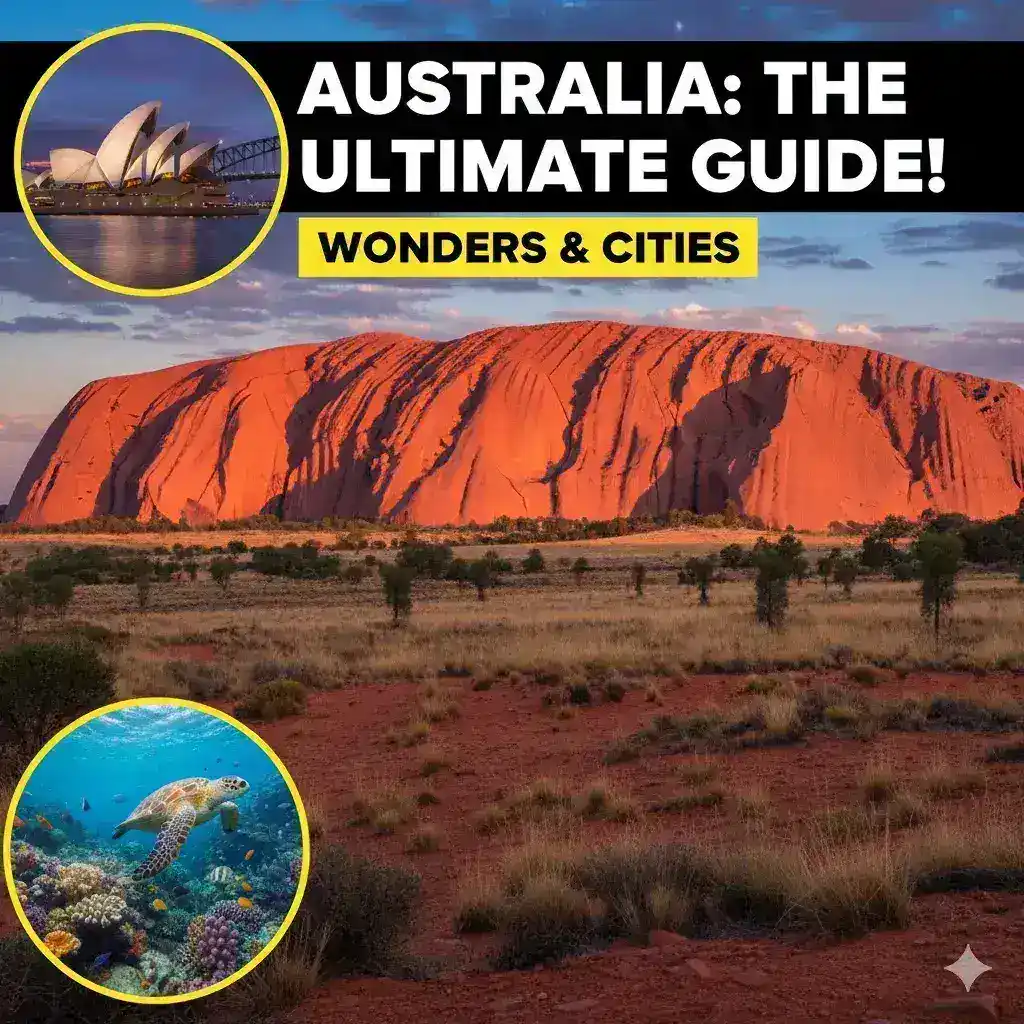
AUSTRALIA: THE ISLAND CONTINENT OF NATURAL WONDERS AND MODERN CITIES
Australia stands as one of the world's most extraordinary destinations, a vast island continent where ancient landscapes meet cutting-edge urban innovation, where unique wildlife roams freely alongside cosmopolitan culture, and where outdoor adventure blends seamlessly with sophisticated hospitality. Spanning nearly eight million square kilometers, Australia encompasses everything from tropical rainforests and coral reefs to red desert plains and snow-capped mountains, from vibrant multicultural cities to remote outback communities. In 2026, as travelers seek meaningful connections to nature, culture, and authentic experiences, Australia offers an unparalleled opportunity to explore one of the planet's most diverse and captivating countries.
This comprehensive guide invites you to discover Australia's remarkable natural wonders and dynamic modern cities with deeper understanding and greater appreciation. We will journey through iconic destinations like the Great Barrier Reef and Uluru, explore the cultural richness of Sydney and Melbourne, encounter unique wildlife in their natural habitats, and provide practical information for planning your Australian adventure in 2026. Whether you are a nature lover seeking wilderness experiences, a city enthusiast drawn to urban culture, a wildlife photographer, or simply a curious traveler, this guide will help you prepare for an encounter with one of the world's most extraordinary destinations.
Understanding Australia requires more than visiting famous landmarks; it demands engaging with the land's ancient heritage, diverse ecosystems, and contemporary identity. By approaching Australia with curiosity and respect, you will discover not just stunning scenery and iconic cities but a living dialogue between ancient Indigenous culture and modern innovation, between pristine wilderness and urban sophistication.
THE NATURAL WONDERS: ANCIENT LANDSCAPES AND UNIQUE ECOSYSTEMS
Australia's natural heritage is unparalleled, featuring landscapes and ecosystems found nowhere else on Earth. From the world's largest coral reef system to ancient rock formations that have stood for millions of years, Australia's natural wonders offer experiences that inspire awe and foster connection to the planet's extraordinary diversity.
The Great Barrier Reef:
Stretching over 2,300 kilometers along Queensland's northeastern coast, the Great Barrier Reef is the world's largest coral reef system and one of the seven natural wonders of the world. This UNESCO World Heritage Site comprises over 2,900 individual reefs and 900 islands, supporting an extraordinary diversity of marine life including over 1,500 fish species, 400 coral species, and numerous marine mammals, sea turtles, and seabirds.
Visiting the Great Barrier Reef in 2026 offers multiple ways to experience this underwater paradise. Snorkeling and diving tours depart from gateway towns like Cairns, Port Douglas, and Airlie Beach, offering opportunities to explore vibrant coral gardens, swim alongside sea turtles, and witness the reef's extraordinary biodiversity. For those who prefer to stay dry, glass-bottom boat tours, semi-submersible vessels, and scenic flights provide spectacular views of the reef's intricate patterns and brilliant colors.
Conservation is paramount at the Great Barrier Reef, which faces challenges from climate change, water quality, and crown-of-thorns starfish outbreaks. Many tour operators participate in reef conservation programs, offering visitors opportunities to contribute to coral restoration, citizen science projects, and educational initiatives. Choosing eco-certified operators ensures your visit supports sustainable tourism practices that protect this irreplaceable natural treasure.
Uluru and Kata Tjuta:
In the heart of Australia's Red Centre, Uluru (Ayers Rock) and Kata Tjuta (the Olgas) stand as iconic symbols of Australia's ancient landscape and Indigenous cultural heritage. Uluru, a massive sandstone monolith rising 348 meters above the desert plain, is sacred to the Anangu people, the Traditional Owners of the land. Kata Tjuta, a group of 36 domed rock formations located 25 kilometers west of Uluru, holds equal spiritual significance.
Visiting Uluru in 2026 offers profound opportunities to connect with Indigenous culture and ancient landscape. Sunrise and sunset viewings of Uluru, when the rock glows in brilliant shades of red and orange, are unforgettable experiences. Guided walks led by Anangu interpreters share creation stories, traditional ecological knowledge, and cultural practices that have sustained connection to Country for over 60,000 years.
Important note: Climbing Uluru has been prohibited since October 2019 out of respect for Anangu cultural beliefs. Visitors are encouraged to experience Uluru through cultural walks, photography, and learning about its significance rather than attempting to climb. This respectful approach enriches the visitor experience while honoring Indigenous sovereignty and cultural values.
The Daintree Rainforest:
North of Cairns, the Daintree Rainforest represents one of the oldest continuously surviving rainforests on Earth, with some sections dating back over 180 million years. This UNESCO World Heritage Site, part of the Wet Tropics of Queensland, supports extraordinary biodiversity including rare plant species, colorful birds, and unique mammals like the tree-kangaroo and musky rat-kangaroo.
Exploring the Daintree in 2026 offers opportunities for guided walks, river cruises, and canopy tours that reveal the rainforest's intricate ecosystems. The Daintree River cruise offers chances to spot saltwater crocodiles, while boardwalk trails through the forest reveal ancient ferns, towering trees, and vibrant birdlife. The nearby Cape Tribulation, where rainforest meets reef, offers the rare opportunity to experience two World Heritage Areas in one location.
Kakadu National Park:
In Australia's tropical north, Kakadu National Park showcases extraordinary natural and cultural heritage. This vast park, jointly managed by Traditional Owners and Parks Australia, features dramatic escarpments, cascading waterfalls, ancient rock art sites, and diverse ecosystems ranging from tidal wetlands to sandstone plateaus.
Visiting Kakadu in 2026 offers opportunities to witness spectacular waterfalls like Jim Jim and Twin Falls (best visited in the dry season), explore ancient rock art galleries at Ubirr and Nourlangie that depict creation stories and cultural practices spanning thousands of years, and observe abundant wildlife including saltwater crocodiles, wallabies, and over 280 bird species. Guided tours led by Bininj and Mungguy Traditional Owners provide essential cultural context and ensure respectful engagement with sacred sites.
The Twelve Apostles and Great Ocean Road:
Along Victoria's dramatic southern coast, the Great Ocean Road offers one of the world's most scenic drives, culminating in the iconic Twelve Apostles, limestone stacks rising dramatically from the Southern Ocean. Though only nine stacks remain standing, these natural monuments continue to captivate visitors with their raw beauty and powerful setting.
Driving the Great Ocean Road in 2026 offers opportunities to experience coastal scenery, rainforest walks, and wildlife encounters. Stop at viewpoints like Loch Ard Gorge, where a historic shipwreck adds human drama to the natural landscape, or explore the Otway National Park's temperate rainforests and tree-top walks. The road's combination of natural beauty, cultural heritage, and engineering achievement makes it an essential Australian experience.
MODERN CITIES: CULTURAL DIVERSITY AND URBAN INNOVATION
Australia's cities reflect the nation's multicultural identity, innovative spirit, and high quality of life. From the harbor-side elegance of Sydney to the laneway culture of Melbourne, Australia's urban centers offer sophisticated experiences that complement the country's natural wonders.
Sydney:
Australia's most iconic city, Sydney combines natural beauty with urban sophistication. The Sydney Opera House, with its distinctive sail-like shells, and the Harbour Bridge, affectionately known as the "Coathanger," define the city's skyline and offer unforgettable experiences. Climbing the Harbour Bridge provides panoramic views of the harbor, while tours of the Opera House reveal the architectural genius and cultural programming that make this building a global icon.
Sydney's neighborhoods offer diverse experiences: The Rocks, the city's historic quarter, features cobblestone lanes, weekend markets, and colonial buildings; Bondi Beach offers world-class surfing and coastal walks; Darling Harbour combines dining, entertainment, and attractions like the SEA LIFE Aquarium; and Surry Hills and Newtown showcase vibrant food scenes, boutique shopping, and street art.
In 2026, Sydney continues to evolve as a cultural hub, with world-class museums like the Art Gallery of New South Wales and the Australian Museum, diverse culinary offerings reflecting the city's multicultural population, and major events like the Sydney Festival and Vivid Sydney that celebrate arts, music, and innovation.
Melbourne:
Often ranked among the world's most livable cities, Melbourne is celebrated for its laneway culture, coffee scene, arts institutions, and sporting enthusiasm. The city's grid of streets is punctuated by hidden laneways adorned with street art, boutique shops, and intimate cafes serving some of the world's best coffee.
Melbourne's cultural institutions include the National Gallery of Victoria, one of Australia's premier art museums; the Melbourne Museum, which explores natural and cultural history; and the Arts Centre Melbourne, hosting theater, dance, and music performances. The city's sporting culture centers on the Melbourne Cricket Ground, where cricket and Australian Rules Football draw passionate crowds.
Melbourne's neighborhoods offer distinct characters: Fitzroy and Collingwood feature indie culture and vintage shopping; St Kilda offers beachside relaxation and Luna Park; Carlton showcases Italian heritage and Lygon Street's restaurants; and Southbank provides riverside dining and entertainment. In 2026, Melbourne continues to innovate in food, arts, and urban design, maintaining its reputation as Australia's cultural capital.
Brisbane and the Gold Coast:
Queensland's capital, Brisbane, offers a relaxed subtropical lifestyle with a growing cultural scene. The city's riverfront setting, parklands, and warm climate encourage outdoor living, while institutions like the Queensland Art Gallery and Gallery of Modern Art (QAGOMA) showcase contemporary art and innovation.
Nearby, the Gold Coast offers a contrasting experience with its surf beaches, theme parks, and vibrant nightlife. Surfers Paradise, the Gold Coast's iconic center, features high-rise apartments, beachfront dining, and water sports. For nature lovers, the Gold Coast hinterland offers rainforest walks, waterfalls, and wildlife encounters in Springbrook and Lamington National Parks.
Perth and Western Australia:
On Australia's west coast, Perth offers a relaxed lifestyle with beautiful beaches, a thriving food and wine scene, and easy access to extraordinary natural attractions. The city's isolation has fostered a distinctive culture that values outdoor living, innovation, and connection to the land.
Western Australia's natural attractions include the pristine beaches of the Margaret River region, renowned for surfing, wine, and gourmet food; the otherworldly landscapes of the Pinnacles Desert; and the extraordinary wildlife encounters at Monkey Mia, where wild dolphins interact with visitors. Perth's proximity to these experiences makes it an ideal base for exploring Western Australia's diverse landscapes.
Adelaide and South Australia:
Adelaide, known as the "twenty-minute city" for its compact, accessible layout, offers a relaxed pace with sophisticated cultural offerings. The city is surrounded by parklands and is a gateway to renowned wine regions including the Barossa Valley, McLaren Vale, and Adelaide Hills.
South Australia's natural attractions include Kangaroo Island, often called "Australia's Galapagos" for its abundant wildlife including kangaroos, koalas, sea lions, and rare bird species; the dramatic coastal scenery of the Fleurieu Peninsula; and the ancient landscapes of the Flinders Ranges. Adelaide's festivals, including the Adelaide Festival of Arts and the Adelaide Fringe, celebrate the city's creative spirit.
WILDLIFE ENCOUNTERS: UNIQUE FAUNA IN NATURAL HABITATS
Australia's isolation has produced a unique array of wildlife found nowhere else on Earth. Encountering these animals in their natural habitats is one of Australia's most distinctive experiences.
Kangaroos and Wallabies:
Australia's most iconic mammals, kangaroos and wallabies, can be observed in numerous national parks and wildlife reserves across the country. In the early morning or late afternoon, visit places like Murramarang National Park in New South Wales, where eastern grey kangaroos graze on beaches, or Kangaroo Island, where you can observe multiple species in their natural habitats.
Koalas:
These adorable marsupials, known for sleeping up to twenty hours a day, can be spotted in eucalyptus forests along Australia's eastern coast. While koala encounters at wildlife parks offer guaranteed sightings, observing them in the wild requires patience and keen eyes. Places like the Great Otway National Park in Victoria and the Koala Coast in Queensland offer opportunities to spot wild koalas.
Marine Life:
Australia's waters support extraordinary marine biodiversity. Along the Great Barrier Reef, snorkelers and divers encounter colorful fish, sea turtles, reef sharks, and giant clams. Along the southern coast, visitors can swim with sea lions at Kangaroo Island or witness the annual migration of southern right whales along the Great Australian Bight. In Western Australia, swimming with whale sharks at Ningaloo Reef offers an unforgettable encounter with the world's largest fish.
Birdlife:
Australia's birdlife is spectacular and diverse. From the laughing kookaburra to the brilliant plumage of rainbow lorikeets, from the majestic wedge-tailed eagle to the tiny fairy wren, Australia's birds delight observers. Kakadu National Park, with over 280 recorded bird species, is a birdwatcher's paradise, while urban parks in cities like Sydney and Melbourne offer opportunities to observe native birds alongside introduced species.
Reptiles and Amphibians:
Australia is home to extraordinary reptiles including saltwater and freshwater crocodiles, goannas, and numerous snake species. While observing crocodiles requires caution and guided tours in places like Kakadu or the Daintree, many reptiles can be safely observed at wildlife parks and sanctuaries that prioritize animal welfare and conservation education.
INDIGENOUS CULTURE AND HERITAGE: 60,000 YEARS OF CONNECTION TO COUNTRY
Australia's Indigenous peoples, comprising Aboriginal and Torres Strait Islander communities, have maintained continuous connection to Country for over 60,000 years, making theirs the world's oldest living culture. Engaging with Indigenous culture enriches the Australian travel experience and fosters understanding of the land's deep history and ongoing significance.
Cultural Experiences:
Many destinations across Australia offer opportunities to learn about Indigenous culture through guided experiences led by Traditional Owners. At Uluru, Anangu guides share creation stories, traditional ecological knowledge, and cultural practices. In Kakadu, Bininj and Mungguy guides interpret rock art sites and share knowledge of seasonal cycles and land management. In the Daintree, Kuku Yalanji guides reveal the rainforest's cultural significance and traditional uses of plants.
Art and Storytelling:
Indigenous art, one of the world's oldest continuous artistic traditions, offers powerful insights into cultural knowledge, spiritual beliefs, and connection to Country. Galleries and cultural centers across Australia showcase contemporary and traditional Indigenous art, from bark paintings and dot paintings to contemporary installations. Purchasing art directly from Indigenous artists or community-owned art centers ensures that proceeds support cultural preservation and economic empowerment.
Respectful Engagement:
When engaging with Indigenous culture, approach with humility, curiosity, and respect. Follow guidance from Traditional Owners regarding photography, sacred sites, and cultural protocols. Recognize that Indigenous knowledge systems represent sophisticated understandings of ecology, astronomy, and community that offer valuable perspectives for contemporary challenges.
PRACTICAL TRAVEL INFORMATION FOR AUSTRALIA IN 2026
Planning a trip to Australia requires consideration of the country's vast distances, diverse climates, and unique travel logistics. This section provides essential information for traveling responsibly in Australia in 2026.
Visa Requirements:
Most international visitors to Australia require a visa or electronic travel authority (ETA). US citizens can apply for an ETA online, which allows multiple entries for tourism or business purposes for up to 90 days per visit. Apply well in advance of travel through the official Australian Government website. Ensure your passport is valid for at least six months beyond your intended departure date.
Best Times to Visit:
Australia's size means climate varies dramatically by region and season. Generally:
- Northern Australia (Queensland, Northern Territory, northern Western Australia): Dry season (May to October) offers pleasant temperatures and minimal rainfall; wet season (November to April) brings high humidity, heavy rainfall, and potential cyclones.
- Southern Australia (New South Wales, Victoria, South Australia, Tasmania, southern Western Australia): Summer (December to February) brings warm to hot weather ideal for beaches; winter (June to August) offers cooler temperatures suitable for city exploration and snow sports in alpine regions.
- Central Australia (Uluru, Alice Springs): Spring (September to November) and autumn (March to May) offer pleasant temperatures; summer can be extremely hot, while winter nights can be cold.
Consider visiting during shoulder seasons (April-May, September-October) for pleasant weather, fewer crowds, and good value across most regions.
Getting Around:
Australia's vast distances make transportation planning essential. Domestic flights connect major cities efficiently, with airlines like Qantas, Virgin Australia, and Jetstar offering frequent services. For regional travel, consider rental cars, campervans, or coaches, but allow ample time for long drives. In cities, public transportation networks including trains, buses, and ferries provide convenient options.
For road trips, plan routes carefully and carry sufficient water, fuel, and emergency supplies, especially in remote areas. Download offline maps and check road conditions before traveling in rural regions.
Accommodation:
Australia offers diverse accommodation options ranging from luxury resorts and boutique hotels to hostels, campgrounds, and eco-lodges. In cities, book accommodation well in advance for peak seasons and major events. In regional and remote areas, options may be limited, so reserve early.
Consider staying at Indigenous-owned and operated accommodations to support community tourism and gain authentic cultural insights. Eco-certified lodges and tours prioritize sustainability and conservation.
Budgeting:
Australia can be expensive compared to some destinations, but costs vary by region and travel style. Major cities tend to be pricier than regional areas. Daily budgets might range from 80-150 AUD for budget travelers, 150-300 AUD for mid-range, and 300+ AUD for luxury experiences. Factor in costs for domestic flights, tours, park entry fees, and activities when planning.
Money-saving tips include traveling during shoulder seasons, using public transportation, preparing some meals if staying in accommodation with kitchen facilities, and taking advantage of free attractions like beaches, parks, and many museums.
Health and Safety:
Australia is generally safe for travelers, but take standard precautions. Protect against sun exposure with sunscreen, hats, and protective clothing; Australia's ozone layer is thin, and UV levels can be extreme. Stay hydrated, especially in hot or remote areas.
Be aware of wildlife considerations: observe animals from safe distances, never feed wildlife, and follow guidance regarding crocodiles, snakes, and marine stingers in relevant regions. Swim only at patrolled beaches and heed warning signs.
Travel insurance covering medical emergencies, evacuation, and trip interruption is strongly recommended. Register with your country's travel advisory service for safety updates.
SUSTAINABLE AND RESPONSIBLE TOURISM
Visiting Australia's natural and cultural treasures carries responsibility to preserve these irreplaceable assets for future generations. In 2026, sustainable tourism practices are essential for protecting Australia's unique heritage.
Protect Natural Environments:
Follow Leave No Trace principles: stay on designated trails, pack out all waste, avoid disturbing wildlife, and respect marine environments when snorkeling or diving. Choose eco-certified tour operators and accommodations that prioritize conservation and sustainability.
Support Indigenous Communities:
Choose Indigenous-owned and operated tours, accommodations, and art centers to ensure tourism benefits reach Traditional Owners and supports cultural preservation. Engage respectfully with Indigenous culture, following guidance regarding photography, sacred sites, and cultural protocols.
Minimize Environmental Impact:
Australia faces challenges including climate change, water scarcity, and habitat loss. Reduce your footprint by choosing direct flights when possible, using public transportation, carrying reusable water bottles and bags, and supporting businesses with strong environmental practices.
Contribute to Conservation:
Many Australian conservation organizations offer opportunities for visitors to contribute to reef restoration, wildlife monitoring, or habitat protection. Consider participating in citizen science projects or making donations to support conservation efforts.
CONCLUSION: AN EXTRAORDINARY JOURNEY AWAITS
Australia offers an extraordinary journey through ancient landscapes, unique wildlife, vibrant cities, and living cultures that together create one of the world's most compelling travel destinations. From the underwater wonder of the Great Barrier Reef to the spiritual significance of Uluru, from the harbor-side elegance of Sydney to the laneway culture of Melbourne, Australia invites travelers to explore, discover, and connect.
In 2026, as travelers seek meaningful experiences that balance adventure with responsibility, Australia offers opportunities to engage with nature, culture, and community in ways that enrich both visitor and host. By approaching Australia with curiosity, respect, and a commitment to sustainable practices, you can contribute to the preservation of this remarkable country while creating memories that last a lifetime.
May your Australian adventure deepen your appreciation for the planet's diversity and inspire your commitment to protecting the natural and cultural treasures that make our world extraordinary. As you explore the island continent of natural wonders and modern cities, may you carry forward the spirit of discovery, respect, and connection that defines the best of travel.
Useful resources include Tourism Australia at australia.com for trip planning, Parks Australia for national park information, and individual state tourism websites for regional details. Emergency services in Australia can be reached at 000. Disclaimer: Information is accurate as of early 2026. Entry requirements, park hours, and policies may change; verify details before travel. This guide is for informational purposes only and does not constitute professional travel advice.
0 Comments