.webp)
.webp)
Marshall Islands 10-Day Itinerary: Majuro to Arno Island Hopping
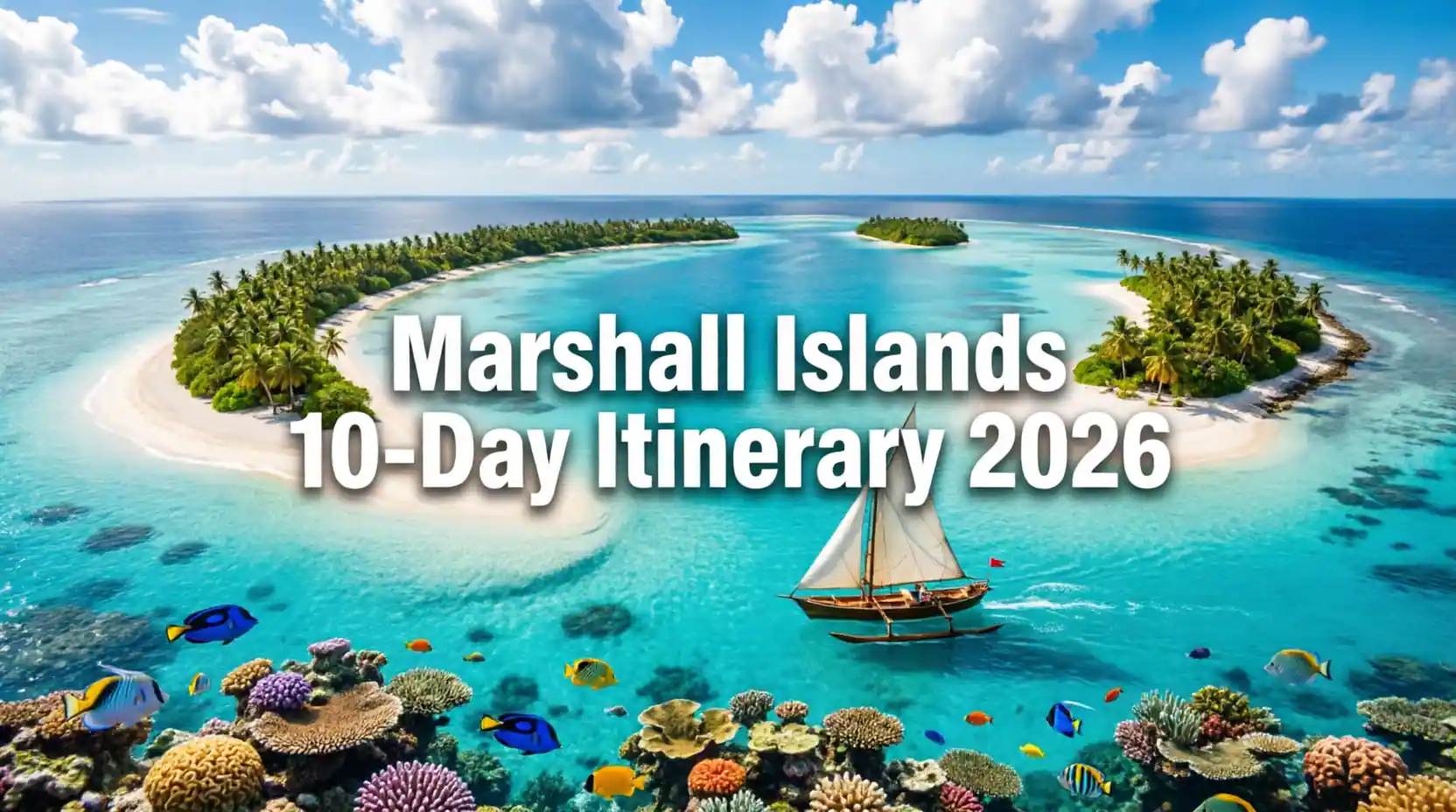
10-Day Marshall Islands Itinerary: Island Hopping from Majuro to Arno
Discover the remote beauty of the Marshall Islands with this comprehensive 10-day island-hopping itinerary from Majuro to Arno Atoll. This Pacific nation, comprising 29 coral atolls and 5 isolated islands scattered across 750,000 square miles of ocean, offers pristine lagoons, world-class diving, rich Marshallese culture, and poignant WWII history. For adventurous travelers seeking an off-the-beaten-path destination where mass tourism hasn't yet arrived, the Marshall Islands deliver an authentic Pacific island experience.
This carefully crafted itinerary balances exploration of Majuro Atoll—the nation's capital and main entry point—with an immersive journey to nearby Arno Atoll, known for its traditional culture, excellent diving, and laid-back island atmosphere. You'll discover WWII wrecks, swim in crystal-clear lagoons, learn about Marshallese navigation traditions, and experience the warm hospitality of island communities while supporting sustainable tourism in this climate-vulnerable nation.
Important travel context: The Marshall Islands face unique challenges including limited tourism infrastructure, infrequent inter-atoll transportation, and vulnerability to climate change. This itinerary accounts for these realities while maximizing your experience. Advance planning, flexibility, and respect for local customs are essential for a successful Marshall Islands adventure.
Is the Marshall Islands safe for tourists?
Yes, the Marshall Islands are generally safe for tourists with low crime rates and welcoming locals. However, travelers should exercise standard precautions, respect local customs (modest dress, especially on outer islands), and be aware of limited medical facilities outside Majuro. The main challenges are logistical: infrequent boat/flight schedules between atolls, limited accommodation options, and the need for advance planning rather than safety concerns.
Day 1: Arrival in Majuro – Gateway to the Pacific

Morning/Afternoon: Arrival and Orientation
• Arrive at Marshall Islands International Airport (MAJ) on Majuro Atoll
• Complete immigration and customs (allow 30-60 minutes)
• Transfer to accommodation: Pre-arrange hotel pickup or use local taxi service ($10-20 USD)
• Check into your Majuro accommodation and freshen up
• Accommodation Options:
- Budget: Marshall Islands Resort (basic but clean), local guesthouses ($50-80/night)
- Mid-range: Marshall Islands Resort upgraded rooms, Rita Hotel ($80-150/night)
- Higher-end: Marshall Islands Resort premium rooms, private bungalows ($150-250/night)
• Note: Majuro has limited luxury options; manage expectations accordingly
Late Afternoon: Majuro Lagoon Introduction
• Take a leisurely walk along the Majuro lagoon shoreline
• Visit the Majuro Local Market to observe daily island life (respectful photography only with permission)
• Purchase local fruits (coconut, papaya, breadfruit) and snacks
• Orientation: Familiarize yourself with the main road (only paved road on the atoll) running along the narrow strip of land
• Cultural Tip: Majuro is a working atoll, not a tourist resort. Embrace the authentic Marshallese experience.
Evening: Welcome Dinner and Sunset
• Dinner at a local restaurant:
- Options: Emelan Restaurant (local and international cuisine), Island Burger Café (casual), or hotel restaurant
- Must-try: Fresh fish, coconut crab (if in season), rice and fish, tropical fruits
• Watch the sunset over the lagoon from your accommodation or a beachfront spot
• Early rest to adjust to the time zone (UTC+12) and prepare for tomorrow's adventures
Day 1 Practical Tips:
• Currency: US Dollar (USD) is official currency; credit cards accepted at major hotels only; bring cash
• Connectivity: Purchase local SIM card at airport or in town (NTA or MINTA providers)
• Water: Drink bottled water only; avoid tap water
• Dress code: Modest dress respected; swimwear appropriate only at beaches/pools
• Time zone adjustment: Marshall Islands are among the first to see the new day
What should I know before arriving in Majuro?
Key pre-arrival information: The Marshall Islands use USD as currency; bring sufficient cash as ATMs are limited and credit cards rarely accepted outside major hotels. Book inter-atoll transport (boats/flights to Arno) in advance as schedules are infrequent. Pack reef-safe sunscreen, insect repellent, modest clothing for cultural respect, and any medications you need (pharmacies are limited). Download offline maps and important contacts. Expect basic infrastructure and embrace the authentic Pacific island experience rather than resort luxury.
Day 2: Majuro Atoll Exploration – WWII History and Culture

Morning: WWII Historical Sites
• Visit the Alele Museum and Public Library:
- Marshall Islands' national museum showcasing traditional culture, WWII artifacts, and nuclear testing history
- See traditional navigation charts, canoe models, and cultural exhibits
- Entry fee: ~$5 USD; allow 1.5-2 hours
- Cultural Insight: The museum preserves Marshallese heritage threatened by climate change and modernization
• Explore WWII bunkers and gun emplacements scattered around Majuro
- Japanese fortifications from the war remain visible at various lagoon locations
- Self-guided exploration; ask locals for directions to accessible sites
Lunch: Local Marshallese Cuisine
• Eat at a local eatery or food stall
• Traditional dishes to try:
- Rice and fish: Staple meal with fresh reef fish
- Breadfruit: Boiled or fried, often served with coconut
- Coconut crab: Delicacy if available and in season
- Tropical fruits: Fresh papaya, banana, coconut
• Budget: $5-15 USD for local meals
Afternoon: Majuro Lagoon Tour
• Book a half-day lagoon boat tour ($30-50 USD per person):
- Visit small islets (motus) within Majuro Atoll
- Snorkeling in shallow lagoon waters (bring your own gear or rent)
- See traditional fishing methods and local island life
- Learn about atoll ecology and marine conservation
• Alternative: Rent a kayak if available and explore the lagoon independently
• Marine Life: Expect to see colorful reef fish, coral formations, and possibly rays in the lagoon
Evening: Cultural Experience
• Attend a cultural performance if available (check with your accommodation or tourism office)
• Traditional Marshallese dance and music showcase island heritage
• Alternatively, enjoy a relaxed dinner at a local restaurant
• Early evening to rest before tomorrow's journey to Arno
Day 2 Practical Tips:
• Museum hours: Typically 9 AM - 4 PM, Monday-Friday; confirm before visiting
• Boat tours: Book in advance through your hotel or local tour operators
• Sun protection: Essential—reef-safe sunscreen, hat, sunglasses
• Hydration: Drink plenty of water in the tropical heat
• Respect: Always ask permission before photographing people or cultural sites
What are the must-see attractions in Majuro?
Top Majuro attractions include: Alele Museum (cultural and WWII history), Majuro Lagoon (boat tours and snorkeling), WWII bunkers and fortifications, local markets for authentic island life, and traditional islet (motu) visits. The atoll's narrow landmass and expansive lagoon offer a unique geography to explore. While Majuro is primarily a working capital rather than a tourist destination, it provides essential cultural context and services before heading to outer islands like Arno.
Day 3: Journey to Arno Atoll – Traditional Island Life

Morning: Departure to Arno
• Travel from Majuro to Arno Atoll (approximately 20 miles/32 km southeast):
- Transportation Options:
- Public boat: Most common and affordable ($10-20 USD); departs from Majuro harbor; 2-3 hour journey; schedule varies (often 2-3 times weekly)
- Private boat charter: More expensive ($100-200 USD) but flexible timing; 1-2 hours
- Air Marshall Islands flight: Small aircraft to Arno airstrip if available; check schedule in advance
- Important: Confirm departure time and day the day before; schedules can change based on weather and demand
- Pack light but bring essentials: water, snacks, sun protection, seasickness medication if needed
• Scenic journey across the Pacific Ocean with views of coral atolls and turquoise waters
Midday: Arrival and Settlement in Arno
• Arrive at Arno Atoll's main island (Ine or other populated islet)
• Meet your accommodation host or local contact
• Accommodation Options in Arno:
- Guesthouses/homestays: Most common; basic but authentic ($30-60/night including meals)
- Small lodges: Limited availability; slightly more comfortable ($60-100/night)
- Camping: Possible with local permission; bring all supplies
- Note: Arno has very limited tourist infrastructure; embrace the simplicity
• Check in and freshen up
• Meet your hosts and learn about house rules and local customs
Afternoon: Arno Village Orientation
• Walking tour of the main village with a local guide:
- Learn about traditional Marshallese architecture and village layout
- Visit the community center or church (important social hubs)
- Observe traditional crafts: weaving, canoe building, fishing net making
- Meet local families and children (always ask permission before photographing)
• Cultural Etiquette:
- Dress modestly: Cover shoulders and knees, especially in villages
- Greet people with "Iakwe" (hello in Marshallese)
- Remove shoes when entering homes or churches
- Ask permission before photographing people or private property
Evening: Traditional Arno Dinner
• Enjoy a home-cooked Marshallese meal with your hosts:
- Fresh fish (often caught that day)
- Rice, breadfruit, or taro
- Coconut-based dishes
- Fresh tropical fruits
• Participate in evening activities if invited: storytelling, traditional crafts, or simply relaxing with the family
• Early rest after the journey; tomorrow brings Arno's natural beauty
Day 3 Practical Tips:
• Boat schedules: Confirm the day before; be flexible as weather can delay departures
• Seasickness: Take medication before boarding if prone to motion sickness
• Cash: Bring sufficient USD cash; no ATMs on Arno
• Communication: Limited to no cell service on Arno; inform contacts of your plans
• Expectations: Arno is remote and traditional; embrace the authentic experience over luxury
How do I get from Majuro to Arno Atoll?
Transportation from Majuro to Arno Atoll (20 miles/32 km) includes: public boats departing from Majuro harbor 2-3 times weekly ($10-20 USD, 2-3 hours), private boat charters for flexibility ($100-200 USD, 1-2 hours), or occasional Air Marshall Islands flights to Arno airstrip. Public boats are most common but schedules vary based on weather and demand. Always confirm departure times the day before and arrive early. Bring water, snacks, sun protection, and seasickness medication if needed.
Day 4: Arno Atoll Diving and Snorkeling Paradise

Morning: World-Class Diving Experience
• Arno Atoll is renowned for exceptional diving with minimal crowds:
- Dive Sites:
- Arno Pass: Drift diving with strong currents bringing nutrients and marine life
- Coral Gardens: Shallow reefs perfect for all skill levels
- Wall Dives: Dramatic drop-offs into the deep Pacific
- Marine Life: Expect to see sharks (reef, whitetip), rays (manta, eagle), tuna, barracuda, Napoleon wrasse, and vibrant coral formations
- Logistics:
- Arrange dive trip through local operators or your accommodation ($80-150 USD for 2-tank dive including gear)
- Bring certification card (C-card) if certified
- Non-divers can snorkel at designated sites ($20-40 USD for gear rental and boat trip)
- Safety: Dive with experienced local guides who know currents and conditions
Lunch: Beachside Picnic
• Return to shore for lunch:
- Packed lunch from your accommodation or local eatery
- Fresh fish sandwiches, tropical fruits, and plenty of water
- Rest and rehydrate after morning activities
Afternoon: Snorkeling and Beach Time
• Explore Arno's shallow lagoons and reefs by snorkel:
- Recommended Spots:
- House reef near your accommodation (if available)
- Protected lagoon areas with calm waters
- Small islets (motus) accessible by short boat ride
- What You'll See: Colorful reef fish, coral gardens, sea cucumbers, starfish, and possibly sea turtles
- Equipment: Bring your own mask/snorkel for best fit, or rent locally
• Relax on Arno's pristine white-sand beaches
- Swim in the warm, clear lagoon waters
- Read, nap in a hammock, or simply enjoy the peaceful island atmosphere
- Environmental Note: Use reef-safe sunscreen only; don't touch or stand on coral
Evening: Sunset and Seafood Dinner
• Watch the sunset over the Pacific from the beach
• Dinner featuring fresh-caught seafood:
- Grilled fish, lobster (if in season), or other local catches
- Traditional Marshallese preparations with coconut
- Rice, breadfruit, and fresh vegetables
• Share the day's experiences with fellow travelers or your hosts
• Reflect on the incredible marine biodiversity you witnessed
Day 4 Practical Tips:
• Diving certification: Required for scuba; snorkeling requires swimming ability
• Marine conservation: Don't touch coral, fish, or marine life; maintain buoyancy control
• Sun protection: Reapply reef-safe sunscreen frequently; wear rash guard for UV protection
• Hydration: Drink plenty of water; avoid alcohol before/after diving
• Respect: Follow local diving/snorkeling guidelines and marine protected area rules
Is Arno Atoll good for diving and snorkeling?
Yes, Arno Atoll offers exceptional diving and snorkeling with pristine coral reefs, abundant marine life including sharks, rays, tuna, and colorful reef fish, plus minimal crowds. The atoll features diverse dive sites from drift dives in Arno Pass to shallow coral gardens suitable for all levels. Water visibility is typically excellent (60-100+ feet). Local dive operators provide guides who know the best sites and conditions. Snorkelers can explore shallow lagoons and house reefs. Bring reef-safe sunscreen and respect marine conservation practices.
Day 5: Traditional Marshallese Culture and Craftsmanship

Morning: Traditional Craft Workshops
• Participate in hands-on cultural learning experiences:
- Traditional Weaving:
- Learn to weave mats, baskets, or fans from pandanus leaves
- Marshallese women have practiced this art for generations
- Create a small souvenir to take home
- Cost: Often free or small donation ($5-10 USD)
- Canoe Building:
- Observe or assist with traditional outrigger canoe (walap) construction
- Learn about Marshallese navigation heritage
- Understand the cultural significance of canoe culture
- Fishing Techniques:
- Learn traditional fishing methods: spearfishing, net casting, line fishing
- Understand sustainable practices passed down through generations
- Possibly join a fishing expedition if timing aligns
Lunch: Community Meal
• Share a meal with local families or community members
• Experience traditional Marshallese hospitality
• Practice basic Marshallese phrases:
- "Iakwe" = Hello
- "Komman tata" = Thank you very much
- "Mej wot" = Goodbye
• Ask questions about daily life, culture, and traditions
Afternoon: Village Life and Local Markets
• Explore the village with a local guide:
- Visit the community center or church (central to island life)
- Observe traditional architecture and housing
- Learn about the clan system and social structure
- Understand how climate change affects the atoll
• Visit the local market (if operating):
- See fresh produce, fish, and handmade crafts
- Purchase local items to support the community
- Practice respectful bargaining if appropriate
• Cultural Sensitivity:
- Always ask permission before entering private property
- Dress modestly (cover shoulders and knees)
- Respect quiet hours and religious observances
- Follow your guide's lead on appropriate behavior
Evening: Cultural Exchange and Storytelling
• Participate in evening cultural activities if available:
- Traditional storytelling about Marshallese legends and history
- Music and dance performances
- Sharing meals and conversation with local families
• Learn about:
- Nuclear testing legacy and its impact on the Marshall Islands
- Climate change challenges facing low-lying atolls
- Efforts to preserve Marshallese culture and language
• Reflect on the resilience and warmth of the Marshallese people
Day 5 Practical Tips:
• Cultural respect: Always prioritize local customs over tourist convenience
• Photography: Ask permission before photographing people, homes, or cultural activities
• Gifts: Small, practical gifts (school supplies, tools) are appreciated but not expected
• Participation: Engage enthusiastically but respectfully in cultural activities
• Learning: Approach with humility and genuine curiosity
What cultural experiences are available in Arno Atoll?
Arno Atoll offers authentic cultural experiences including traditional weaving workshops (pandanus mats, baskets), canoe building observation, traditional fishing technique demonstrations, village tours with local guides, community meals with Marshallese families, and evening storytelling sessions. These experiences provide insight into traditional Marshallese life, navigation heritage, and contemporary island culture. Always approach cultural activities with respect, ask permission before photographing, and follow local customs regarding dress and behavior. Many experiences are arranged through your accommodation or village leaders.
Day 6: Arno Atoll Nature Exploration and Conservation

Morning: Islet (Motu) Hopping
• Explore the small islets that make up Arno Atoll:
- Transportation: Arrange local boat with village fishermen ($20-40 USD for half-day)
- Destinations: Visit 2-3 different motus (small coral islets)
- Activities:
- Walk pristine beaches untouched by tourism
- Observe seabird nesting sites (terns, noddies, frigatebirds)
- Learn about atoll ecology and formation
- Swim in secluded lagoons with crystal-clear water
- Environmental Education:
- Understand how coral atolls form and function
- Learn about threats: climate change, sea-level rise, ocean acidification
- See evidence of coastal erosion and community adaptation efforts
- Picnic Lunch: Enjoy a simple beachside meal on a remote motu
Afternoon: Conservation and Sustainability
• Learn about local conservation efforts:
- Marine Protected Areas: Visit community-managed fishing zones
- Coral Restoration: Observe any coral gardening or restoration projects
- Sustainable Fishing: Understand traditional and modern conservation practices
- Climate Adaptation: See how the community is responding to rising seas
• Participate in a conservation activity if available:
- Beach cleanup (bring reusable bags)
- Coral monitoring or citizen science project
- Tree planting (coconut, pandanus, or native species)
- Impact: Your participation supports local conservation and provides meaningful cultural exchange
Late Afternoon: Reflection and Relaxation
• Return to your accommodation
• Time for personal reflection, journaling, or simply relaxing
• Optional activities:
- Read about Marshall Islands history and culture
- Process photos from the week
- Rest and recharge before final days
- Write postcards or messages to send home
• Climate Reality: Take time to understand the existential threat climate change poses to the Marshall Islands, where the highest point is only 2 meters above sea level
Evening: Farewell Dinner with Hosts
• Share a special dinner with your Arno hosts:
- Express gratitude for their hospitality and knowledge
- Exchange stories and contact information if appropriate
- Discuss how tourism can support the community sustainably
- Learn about their hopes and concerns for the future
• Meaningful Exchange: This is more than a tourist transaction—it's a human connection across cultures facing a shared planetary future
Day 6 Practical Tips:
• Environmental responsibility: Leave no trace; take all trash back to Majuro
• Respect: Follow local conservation rules and fishing restrictions
• Sensitivity: Climate change is an urgent, emotional issue for Marshallese people; listen more than you speak
• Support: Consider donating to local conservation efforts if moved to do so
• Preparation: Bring reusable water bottle, bags, and containers to minimize waste
How does climate change affect the Marshall Islands?
The Marshall Islands face existential threats from climate change: sea-level rise threatens to submerge low-lying atolls (highest point is only 2 meters/6.5 feet), coastal erosion destroys land and infrastructure, saltwater intrusion contaminates freshwater lenses and agricultural land, ocean acidification damages coral reefs, and increased storm intensity causes flooding. The nation is a vocal advocate for climate action internationally. Visitors should approach this topic with sensitivity, listen to local perspectives, and understand that for Marshallese people, climate change is not a future threat but a present crisis affecting daily life and cultural survival.
Day 7: Return to Majuro and Leisure Time

Morning: Departure from Arno
• Prepare for return journey to Majuro:
- Pack belongings and check accommodation for forgotten items
- Settle any outstanding payments with hosts
- Express gratitude and say farewells
- Confirm boat departure time (may differ from arrival schedule)
• Scenic boat journey back to Majuro (2-3 hours)
- Reflect on your Arno experiences
- Watch the atoll disappear into the horizon
- Arrive at Majuro harbor by midday
Afternoon: Majuro Free Time
• Check back into Majuro accommodation
• Options for afternoon activities:
- Shopping: Visit local markets for souvenirs:
- Handwoven mats, baskets, and fans
- Shell jewelry and crafts
- Local artwork and photographs
- Tip: Buy directly from artisans when possible
- Relaxation: Enjoy hotel amenities:
- Pool time to relax after island adventures
- Beach access if available
- Rest and recharge
- Exploration: Revisit favorite Majuro spots:
- Return to a restaurant you enjoyed
- Explore areas you missed earlier
- Take photos in better light
Late Afternoon: Lagoon Cruise (Optional)
• Book a sunset lagoon cruise if available ($40-80 USD):
- Cruise around Majuro Atoll's islets
- Watch the sunset over the Pacific
- Enjoy refreshments on board
- See Majuro from a different perspective
- Great photo opportunities
• Alternative: Relax at a beachfront café or restaurant
Evening: Farewell Dinner
• Celebrate your Marshall Islands journey:
- Choose a nice restaurant for a special meal
- Recommendations: Emelan Restaurant, hotel restaurant, or other established venues
- Order fresh seafood and local specialties
- Reflect on highlights from the trip
• Packing: Begin organizing belongings for departure tomorrow
Day 7 Practical Tips:
• Boat schedules: Confirm return time the day before; be flexible
• Souvenirs: Support local artisans; avoid purchasing coral or shell items that harm reefs
• Documentation: Keep receipts for any customs declarations
• Rest: Don't over-schedule; allow time to process your experiences
• Gratitude: Consider writing thank-you notes to hosts if appropriate
What souvenirs should I buy in the Marshall Islands?
Authentic Marshall Islands souvenirs include: handwoven pandanus mats and baskets (traditional craftsmanship), shell jewelry (ethically sourced), local artwork and photographs, traditional canoe models, and woven fans. Purchase directly from artisans at local markets or craft centers to support the community. Avoid buying coral, shells from endangered species, or items that harm marine ecosystems. Handwoven items are particularly meaningful as weaving is a cherished cultural skill passed through generations. Budget $10-50 USD for quality handmade items.
Day 8: Majuro Deep Dive – Nuclear History and Resilience

Morning: Nuclear Testing Legacy Education
• Visit the Alele Museum's nuclear testing exhibits:
- Learn about 67 nuclear tests conducted by the US between 1946-1958
- Understand the impact on Bikini and Enewetak atolls
- See photographs, artifacts, and survivor testimonies
- Context: This history is essential to understanding modern Marshall Islands
• Optional: Watch documentary films if available at the museum
• Reflection: This is difficult but important history; approach with respect and openness
Lunch: Casual Dining
• Light lunch at a local café or eatery
• Process what you've learned
• Discuss with fellow travelers or guides if desired
Afternoon: Contemporary Marshall Islands
• Learn about modern challenges and resilience:
- Climate Change: Visit coastal areas to see erosion and adaptation efforts
- Economic Development: Understand the compact relationship with the US
- Cultural Preservation: See efforts to maintain language and traditions
- Youth and Education: Learn about opportunities and challenges for young Marshallese
• Meet with local organizations if arranged in advance:
- Environmental NGOs working on conservation
- Cultural preservation groups
- Women's cooperatives or youth programs
- Note: Arrange these visits before your trip through tourism office or contacts
Late Afternoon: Personal Exploration
• Free time to pursue personal interests:
- Return to favorite spots from earlier in the week
- Complete any shopping you missed
- Relax at the beach or pool
- Write in a travel journal
- Process photos and experiences
• Flexibility: This unstructured time allows you to follow your interests
Evening: Casual Dinner and Packing
• Relaxed dinner at a local restaurant
• Final packing for departure tomorrow
• Confirm airport transfer arrangements
• Early rest after two weeks of island adventures
Day 8 Practical Tips:
• Sensitivity: Nuclear testing and climate change are emotional topics; listen respectfully
• Learning: This day provides crucial context for understanding the Marshall Islands
• Balance: Mix heavy topics with lighter activities to avoid overwhelm
• Preparation: Confirm departure logistics for tomorrow
• Reflection: Take time to process the complexity of what you've experienced
What is the nuclear testing history of the Marshall Islands?
Between 1946-1958, the United States conducted 67 nuclear tests in the Marshall Islands, including the 1954 Castle Bravo test—the largest US nuclear detonation. Tests were conducted at Bikini and Enewetak atolls, displacing local populations and causing long-term health and environmental damage. Radioactive contamination continues to affect some islands, and displaced communities struggle with health issues and loss of homeland. The Alele Museum in Majuro documents this history. Understanding this legacy is essential to comprehending modern Marshall Islands and their advocacy for climate justice and nuclear accountability.
Day 9: Majuro Final Day – Last Moments in Paradise

Morning: Final Majuro Experiences
• Choose your preferred morning activity:
- Option 1: Beach Time
- Enjoy a final swim in the lagoon
- Relax on the beach with a book
- Take farewell photos of the atoll
- Option 2: Last-Minute Exploration
- Visit any sites you missed earlier
- Return to favorite restaurants or cafés
- Complete souvenir shopping
- Option 3: Relaxation
- Sleep in and enjoy a leisurely breakfast
- Pack and organize belongings
- Rest before travel
• Flexibility: This is your day to design based on your interests and energy
Lunch: Farewell Meal
• Enjoy a special lunch:
- Return to a favorite restaurant
- Try dishes you missed earlier
- Savor fresh seafood one last time
• Gratitude: Thank restaurant staff and anyone who helped during your stay
Afternoon: Preparation for Departure
• Final packing and organization:
- Confirm all belongings are packed
- Check passport, tickets, and documents
- Set aside items needed for travel day
- Weigh luggage if concerned about limits
• Settle any outstanding bills:
- Hotel/accommodation charges
- Restaurant tabs
- Tour or activity payments
- Tips for guides and hosts
• Checkout: Complete hotel checkout procedures; arrange luggage storage if needed
Late Afternoon: Sunset Reflection
• Find a quiet spot to watch your final Marshall Islands sunset:
- Beach, lagoon viewpoint, or hotel terrace
- Reflect on the journey: highlights, learnings, connections
- Journal your thoughts and feelings
- Take final photos
• Gratitude Practice: Acknowledge the privilege of visiting this special place and the hospitality you received
Evening: Farewell Dinner
• Special farewell dinner:
- Choose a nice restaurant or hotel dining
- Celebrate your Marshall Islands adventure
- Share stories if traveling with others
• Early evening to ensure rest before departure
Day 9 Practical Tips:
• Documents: Keep passport, tickets, and important papers easily accessible
• Currency: Exchange any remaining USD if needed (though USD is used in many Pacific nations)
• Contacts: Save contact information for people you met if desired
• Rest: Don't over-exert; save energy for travel day
• Appreciation: Take mental photos of moments you want to remember
What should I do on my last day in Majuro?
On your final Majuro day, prioritize: completing any missed activities or shopping, enjoying a final beach or lagoon experience, settling accommodation bills and travel logistics, packing thoroughly, watching a farewell sunset, and resting before departure. Keep travel documents accessible, confirm airport transfer arrangements, and allow time for reflection on your journey. Avoid scheduling demanding activities; instead, focus on relaxation, gratitude, and preparation for smooth departure. Consider writing thank-you notes to hosts or guides who made your trip special.
Day 10: Departure – Carrying the Marshall Islands Home

Morning: Final Preparations
• Wake early to allow ample time for departure:
- Enjoy a final Marshallese breakfast
- Double-check all packing
- Confirm airport transfer timing
- Settle any last-minute details
• Checkout: Complete hotel checkout procedures
• Transfer: Depart for Marshall Islands International Airport (MAJ)
- Allow 30-45 minutes for transfer from most Majuro locations
- Confirm driver knows your flight details
- Keep passport and tickets easily accessible
Airport Procedures
• Arrive at airport 2-3 hours before international departure:
- Check in for your flight
- Complete any required customs/immigration forms
- Go through security screening
- Note: Airport facilities are basic; don't expect extensive shopping or dining
• Departure Tax: Confirm if departure tax is included in ticket or must be paid separately
• Final Moments: Take one last look at the lagoon from the airport
- Reflect on your 10-day journey
- Carry memories and lessons home
During Your Flight
• Use travel time to:
- Process photos and experiences
- Write in your travel journal
- Rest and recover from the journey
- Plan how to share your experience responsibly
• Responsible Storytelling: Consider how you'll share your Marshall Islands experience:
- Highlight Marshallese resilience and culture
- Acknowledge climate change urgency
- Respect privacy of people you met
- Avoid romanticizing poverty or vulnerability
Beyond the Trip
• Follow-Up Actions:
- Send thank-you messages to hosts or guides if appropriate
- Share photos with people you met (if you have contact information)
- Support Marshall Islands causes: climate action, cultural preservation, sustainable tourism
- Advocate for climate justice in your own community
- Consider returning to support the islands in the future
• Continued Learning:
- Read more about Marshall Islands history and culture
- Follow Marshallese voices on climate change
- Stay informed about Pacific island nations
- Share what you learned with others
Day 10 Practical Tips:
• Timing: Arrive at airport early; Pacific island flights can have unique procedures
• Documents: Keep passport, tickets, and customs forms organized
• Patience: Island time is real; delays happen; maintain flexibility
• Gratitude: Carry the warmth of Marshallese hospitality with you
• Impact: Your visit should benefit the community; continue supporting sustainable tourism
What should I know about departing the Marshall Islands?
Departure logistics: Arrive at Marshall Islands International Airport 2-3 hours before international flights; facilities are basic with limited dining/shopping. Confirm if departure tax is included in your ticket. Keep passport, tickets, and customs forms easily accessible. Allow extra time for potential delays common in Pacific island travel. Complete any required customs declarations. Maintain flexibility and patience. After departure, consider how to responsibly share your experience, support Marshall Islands causes (especially climate action), and continue learning about Pacific island nations and their challenges.
Practical Information for Your Marshall Islands Journey
Entry Requirements:
• Visa: US citizens and many nationalities receive 90-day visa-free entry
• Passport: Must be valid for at least 6 months beyond entry date
• Proof of Onward Travel: May be required at entry
• Vaccinations: No mandatory vaccinations; hepatitis A/B and typhoid recommended
• Customs: Declare all food, plants, and animal products
Transportation Between Atolls:
• Majuro to Arno: Public boats 2-3 times weekly ($10-20 USD, 2-3 hours); private charters available ($100-200 USD); occasional Air Marshall Islands flights
• Scheduling: Confirm departure times day before; weather-dependent; be flexible
• Booking: Arrange through accommodation, tourism office, or local operators
• What to Bring: Water, snacks, sun protection, seasickness medication, waterproof bag
Accommodation Guide:
• Majuro: Limited options ranging from $50-250 USD/night; book in advance
• Arno: Basic guesthouses/homestays $30-100 USD/night often including meals; very limited availability
• Booking: Reserve well in advance, especially for Arno
• Expectations: Basic amenities; intermittent electricity/water; embrace simplicity
• Payment: Cash (USD) preferred; credit cards rarely accepted
Health and Safety:
• Medical Facilities: Limited outside Majuro; bring all necessary medications
• Water: Drink bottled water only; avoid tap water
• Food Safety: Eat at established venues; ensure food is freshly cooked
• Sun Protection: Essential—reef-safe sunscreen, hat, sunglasses, rash guard
• Insects: Mosquito repellent recommended; dengue fever present
• Travel Insurance: Essential—must include medical evacuation coverage
Cultural Etiquette:
• Dress Code: Modest dress required—cover shoulders and knees, especially in villages
• Greetings: Learn basic Marshallese: "Iakwe" (hello), "Komman tata" (thank you)
• Photography: Always ask permission before photographing people or private property
• Respect: Remove shoes when entering homes or churches
• Sunday: Day of rest and worship; limited activities; dress especially modestly
• Gifts: Small, practical gifts appreciated but not expected
Money and Costs:
• Currency: US Dollar (USD) is official currency
• Cash: Bring sufficient cash; ATMs very limited; credit cards rarely accepted
• Budget Guide (per day):
- Budget: $50-80 USD (basic accommodation, local meals, public transport)
- Mid-range: $100-200 USD (comfortable lodging, mix of local/international meals, some tours)
- Higher-end: $200-400+ USD (best available accommodation, private tours, diving)
• Tipping: Not expected but appreciated for exceptional service
• Costs: Import costs make goods expensive; budget accordingly
Connectivity:
• Cell Service: Available in Majuro; limited to none on outer islands
• Internet: Slow and expensive; don't rely on connectivity
• SIM Cards: NTA or MINTA providers; purchase at airport or in town
• Recommendation: Embrace disconnection; download offline maps and important info before travel
Packing List Essentials:
• Documents: Passport, visa, travel insurance, flight confirmations, copies of everything
• Clothing: Lightweight modest clothing, swimwear, hat, sunglasses, sturdy shoes, rain jacket
• Health: Medications, first-aid kit, reef-safe sunscreen, insect repellent, hand sanitizer
• Electronics: Camera, chargers, power bank, universal adapter, waterproof phone case
• Miscellaneous: Reusable water bottle, dry bag, snorkel gear (optional), flashlight, cash
Best Time to Visit:
• Dry Season: November-April offers best weather
• Wet Season: May-October has more rain but still visitable
• Temperature: Consistently warm year-round (80-85°F / 27-29°C)
• Considerations: Avoid major holidays when transport is limited; book well in advance
Sustainable Tourism Practices:
• Use reef-safe sunscreen only
• Don't touch or stand on coral
• Minimize single-use plastics; bring reusable items
• Support local businesses and artisans
• Respect cultural sites and traditions
• Learn about climate change impacts and advocate for action
• Leave no trace; pack out all trash
• Compensate hosts and guides fairly
• Share your experience responsibly, centering Marshallese voices
Final Reflections: The Marshall Islands Experience
Your 10-day journey through the Marshall Islands—from Majuro's bustling capital to Arno's traditional atoll life—offers far more than a typical tropical vacation. This experience immerses you in a culture facing existential threats while demonstrating remarkable resilience, warmth, and hospitality.
What You've Gained:
• Deep appreciation for Marshallese culture, navigation heritage, and island traditions
• Understanding of climate change's urgent reality for low-lying Pacific nations
• Awareness of nuclear testing's lasting legacy and ongoing impacts
• World-class diving and snorkeling in pristine, uncrowded waters
• Authentic cultural exchange with welcoming island communities
• Perspective on sustainability, resilience, and what truly matters
Responsibilities You Carry:
• Share your experience in ways that amplify Marshallese voices, not just your own
• Advocate for climate action in your own community and country
• Support sustainable tourism that benefits local communities
• Continue learning about Pacific island nations and their challenges
• Respect the privacy and dignity of people who welcomed you
• Acknowledge your privilege in being able to visit and leave
The Marshall Islands' Future:
The Marshall Islands face an uncertain future as sea levels rise and climate change accelerates. Yet the Marshallese people demonstrate extraordinary resilience, maintaining their culture, advocating for justice, and welcoming visitors with open hearts. Your visit, when done responsibly, can support their economy and amplify their urgent message to the world.
Carrying This Experience Forward:
As you return home, carry with you not just photos and souvenirs, but a deeper understanding of our interconnected world. The Marshall Islands remind us that climate change is not a distant threat but a present crisis. They teach us about resilience, community, and the importance of protecting what we love. They show us that even in the face of existential threats, humanity, culture, and hope endure.
Your journey from Majuro to Arno has been more than island hopping—it's been a lesson in humility, a call to action, and a gift of connection. Honor that gift by being a responsible traveler, an informed advocate, and a respectful storyteller.
Iakwe (hello) and komman tata (thank you) to the Marshall Islands. May your experience inspire meaningful action and continued learning.
0 Comments