.webp)
.webp)
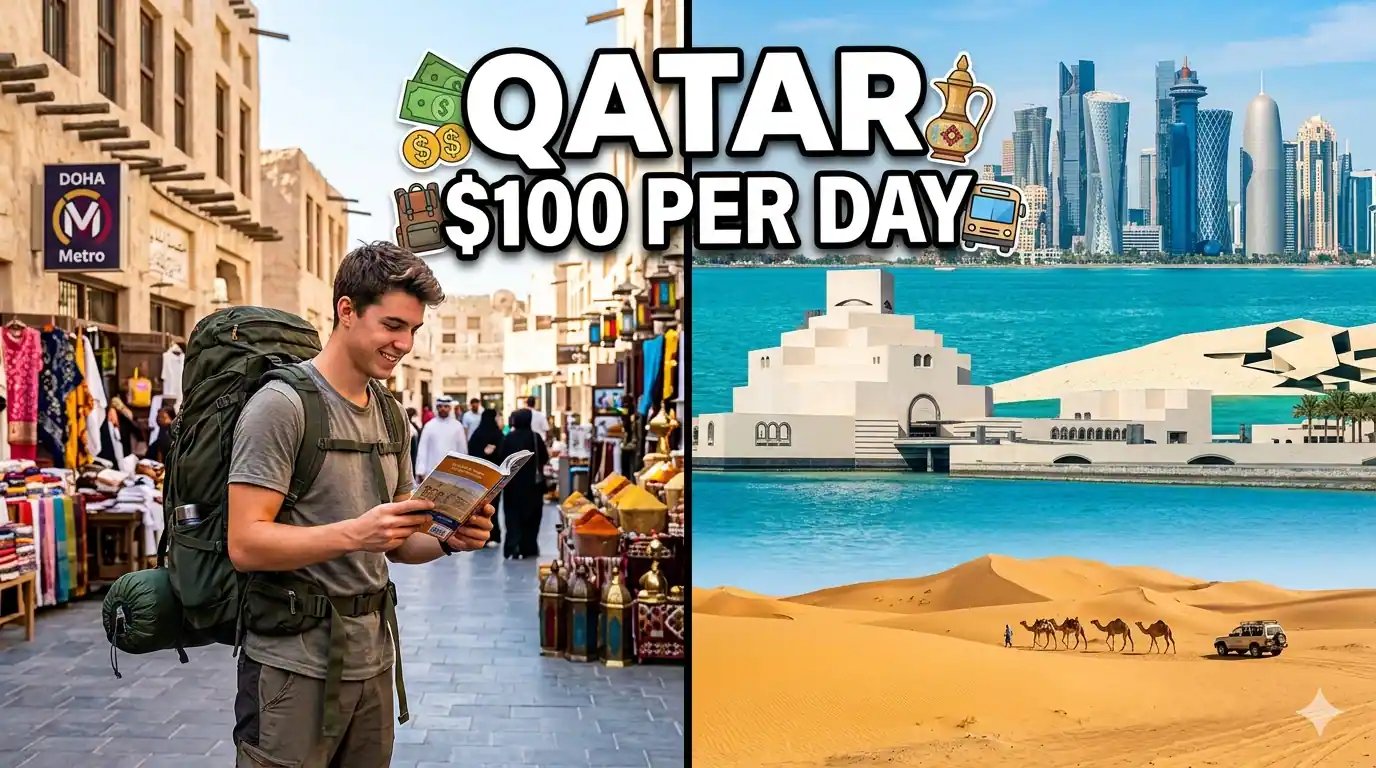
Discovering Qatar on a Backpacker Budget Complete Guide
Qatar has long been perceived as an expensive destination reserved for luxury travelers and business executives, but this small Gulf nation offers surprising opportunities for budget-conscious backpackers willing to explore beyond the five-star hotels and fine dining establishments. With strategic planning, local knowledge, and smart travel choices, experiencing Qatar's rich cultural heritage, stunning modern architecture, and unique desert landscapes on $100 per day is entirely achievable in 2026. This comprehensive guide demonstrates how backpackers can navigate this fascinating country without breaking the bank, revealing affordable accommodation options, budget-friendly dining spots, free attractions, and efficient public transportation that make Qatar accessible to travelers of all budgets.
The 2022 FIFA World Cup transformed Qatar's infrastructure dramatically, leaving behind a legacy of world-class public transportation, expanded accommodation options, and improved tourist facilities that benefit budget travelers today. The Doha Metro, one of the world's most modern and affordable rapid transit systems, connects major attractions for just 2 Qatari Riyals (approximately $0.55) per ride, while the proliferation of budget hotels, hostels, and guesthouses provides comfortable lodging at a fraction of luxury resort prices. Combined with abundant affordable dining options ranging from traditional Qatari cafeterias to international food courts, free cultural attractions, and budget-friendly desert tour operators, Qatar has emerged as a viable destination for backpackers seeking Middle Eastern adventures without the typical Gulf state price tag.
This practical 7-day itinerary proves that Qatar offers exceptional value for money when you know where to look and how to plan. From exploring the historic alleyways of Souq Waqif and marveling at the Museum of Islamic Art's world-class collection to experiencing traditional dhow boat rides, visiting the stunning Education City mosques, and venturing into the desert to see the iconic Inland Sea, this guide covers everything budget travelers need to know. We will break down daily costs, reveal money-saving strategies, highlight free attractions, and provide insider tips that help you maximize your Qatar experience while staying firmly within a $100 daily budget that includes accommodation, food, transportation, activities, and even some souvenirs.
Understanding Qatar Visa Requirements and Entry Costs

Before diving into budget planning, understanding Qatar's visa requirements and associated costs proves essential for accurate trip budgeting. Qatar offers relatively straightforward visa policies that have become increasingly traveler-friendly in recent years, particularly for tourists from Western countries, though requirements vary significantly based on nationality. Citizens of over 95 countries enjoy visa-free entry or visa-on-arrival privileges for stays ranging from 30 to 90 days, while others must apply for e-visas or traditional tourist visas in advance. Understanding which category you fall into and associated costs prevents unexpected expenses and ensures smooth entry into the country.
For citizens of the United States, United Kingdom, Canada, Australia, New Zealand, and most European Union countries, Qatar provides visa-free entry for up to 30 days, extendable for an additional 30 days for a fee of 100 Qatari Riyals (approximately $27). This generous policy eliminates visa application costs and processing time, making Qatar highly accessible for spontaneous budget travel. Travelers from countries not eligible for visa-free entry can apply for e-visas online through the Hayya platform, Qatar's official visa portal, with tourist visas costing approximately 100 Qatari Riyals for single entry and valid for 30 days. The application process requires valid passport copies, confirmed accommodation bookings, return flight tickets, and proof of sufficient funds, typically processed within 3 to 5 business days.
Budget travelers should factor in potential visa costs when calculating total trip expenses, though many nationalities face zero visa fees. Additionally, Qatar requires all visitors to have valid health insurance covering their stay, which can be purchased upon arrival for approximately 50 Qatari Riyals ($14) for a month's coverage or arranged through international providers before travel. While this represents an additional cost, it provides essential medical coverage and peace of mind during your backpacking adventure. Entry requirements also include having a passport valid for at least six months beyond your intended stay and proof of onward or return travel, though immigration officials rarely request these documents from visa-free nationals arriving with confirmed accommodation.
What are the total entry costs for budget travelers
Total entry costs for budget travelers range from $0 to $50 depending on nationality. Visa-free nationals pay nothing for entry, while those requiring e-visas pay approximately $27. Mandatory health insurance costs $14 for one month coverage. Budget travelers should budget $0 to $50 for entry costs, with most Western passport holders paying only the health insurance fee. These costs remain reasonable compared to other Gulf destinations and represent a one-time expense that does not impact your daily $100 budget.
Budget Accommodation Options in Doha and Beyond

Accommodation represents your largest daily expense when backpacking Qatar, but strategic choices can keep costs well within budget while providing comfortable, clean, and safe lodging. Qatar's accommodation landscape has diversified significantly since the World Cup, with options now ranging from luxury hotels to budget hostels, guesthouses, and serviced apartments that cater to various price points. Understanding where to look and what to expect helps you secure the best value for your money without sacrificing comfort or safety.
Budget hotels in Doha typically charge between 150 to 300 Qatari Riyals ($41 to $82) per night for basic double rooms with private bathrooms, air conditioning, and sometimes breakfast included. These properties, often located in older districts like Al Sadd, Najma, or near the Central Market, provide clean, functional accommodation without luxury frills but with essential amenities like WiFi, 24-hour reception, and convenient locations near Metro stations. Popular budget hotel chains include Ibis, Citymax, and local brands like Al Mirqab Boutique Hotel, which offer consistent quality and reliable service at reasonable prices. Booking 2 to 4 weeks in advance through platforms like Booking.com or Agoda typically secures rates 20 to 30 percent lower than walk-in prices.
Hostels and shared accommodation represent the most budget-friendly option, with dormitory beds available for 80 to 150 Qatari Riyals ($22 to $41) per night. While Qatar's hostel culture remains less developed than in Southeast Asia or Europe, several properties cater to backpackers and budget travelers, offering shared dormitories or private rooms with communal kitchens, common areas, and social atmospheres that facilitate meeting fellow travelers. Options like The Backpack Hostel in Doha or various guesthouses in the Souq Waqif area provide basic but clean accommodation with opportunities to connect with other budget-conscious explorers. Some hostels organize group tours and activities, providing additional value and social opportunities.
Alternative accommodation includes serviced apartments with kitchenettes that allow self-catering, potentially reducing food costs significantly. Monthly rentals through platforms like Airbnb or local real estate agencies can provide excellent value for extended stays, with studios or one-bedroom apartments costing 2,500 to 4,000 Qatari Riyals ($687 to $1,099) monthly, breaking down to 83 to 133 Riyals ($23 to $36) nightly for stays of a week or longer. This option particularly suits digital nomads or travelers planning extended Qatar exploration, as having a kitchen enables grocery shopping and meal preparation that dramatically reduces daily food expenses while providing more space and privacy than hotel rooms.
How much should you budget for accommodation
Budget travelers should allocate 40 to 80 Qatari Riyals ($11 to $22) nightly for hostel dormitories, 150 to 250 Riyals ($41 to $69) for budget hotels, or 80 to 130 Riyals ($22 to $36) nightly for apartment rentals on weekly or monthly basis. For a 7-day trip, budget $150 to $300 for hostel accommodation, $290 to $480 for budget hotels, or $160 to $250 for apartment rentals. These costs leave sufficient daily budget for food, transportation, and activities while maintaining comfort and safety standards.
Affordable Dining and Food Options Throughout Qatar

Qatar's culinary scene offers remarkable diversity and affordability for budget-conscious travelers willing to explore beyond hotel restaurants and upscale dining establishments. The country's multicultural population has created a food landscape featuring authentic cuisines from around the world at prices that surprise visitors expecting Gulf-state extravagance. From traditional Qatari cafeterias serving local specialties to international food courts, street food markets, and grocery stores enabling self-catering, budget travelers can eat well for 30 to 50 Qatari Riyals ($8 to $14) daily without sacrificing nutrition, variety, or taste.
Traditional Qatari cafeterias, known locally as "cafeterias" or "Iranian cafeterias," represent the most affordable and authentic dining option, serving hearty meals for 10 to 20 Riyals ($2.75 to $5.50). These no-frills establishments, found throughout Doha and other cities, offer Iranian and South Asian-influenced cuisine including biryani, grilled chicken, falafel wraps, fresh bread, and traditional Qatari dishes like machboos (spiced rice with meat or fish) and thareed (bread and meat stew). Popular spots like Al Sultan Brahim, Cafeteria Al-Nasr, and various unnamed local cafeterias in Najma and Al Sadd districts serve generous portions that satisfy hungry backpackers at incredibly low prices. These cafeterias also offer excellent value breakfast options with fresh bread, cheese, eggs, and karak chai (sweet spiced tea) for 5 to 10 Riyals.
Food courts in shopping malls provide another affordable dining option with international variety and air-conditioned comfort essential during Qatar's hot months. Mall food courts at locations like City Center Doha, Villaggio Mall, and Doha Festival City feature international chains and local vendors offering meals for 20 to 35 Riyals ($5.50 to $9.50). Options include Middle Eastern shawarma, Asian noodle dishes, Indian curries, Western fast food, and healthy salads, providing variety and predictable pricing. While slightly more expensive than local cafeterias, food courts offer comfortable seating, diverse menus, and convenient locations near Metro stations, making them ideal for budget travelers seeking variety without breaking the bank.
Souq Waqif, Doha's traditional market, offers authentic dining experiences at moderate prices, with restaurants serving traditional Qatari, Lebanese, and Middle Eastern cuisine for 30 to 60 Riyals ($8 to $16) per meal. While more expensive than cafeterias, Souq Waqif restaurants provide atmospheric dining in historic settings with traditional architecture and cultural ambiance that enhances the experience. Try local specialties like grilled hammour (grouper fish), lamb ouzi, or mezze platters while enjoying the souq's vibrant atmosphere. For the budget-conscious, visiting during lunch hours when many restaurants offer set menus or early bird discounts can reduce costs by 20 to 30 percent.
What are typical daily food costs for budget travelers
Budget travelers can eat comfortably for 30 to 50 Qatari Riyals ($8 to $14) daily by combining cafeteria meals, food court dining, and occasional self-catering. Breakfast costs 5 to 10 Riyals at cafeterias, lunch 10 to 20 Riyals for cafeteria or food court meals, and dinner 15 to 25 Riyals at mid-range restaurants or Souq Waqif eateries. Self-catering from grocery stores like Lulu Hypermarket or Carrefour can reduce costs to 20 to 30 Riyals daily. Weekly food budgets range from $60 to $100, leaving substantial daily budget for activities and transportation.
Public Transportation and Getting Around Affordably

Qatar's public transportation system, particularly the Doha Metro, represents one of the world's most modern, efficient, and affordable rapid transit networks, making budget travel throughout the country not only possible but convenient and comfortable. The Metro system, opened in phases leading up to the 2022 World Cup, connects Doha's major districts, attractions, shopping centers, and the airport with three lines (Red, Gold, and Green) covering over 75 kilometers and 37 stations. Single journey tickets cost just 2 Qatari Riyals ($0.55) for standard class and 4 Riyals ($1.10) for gold class, while day passes providing unlimited travel cost 6 Riyals ($1.65) for standard and 12 Riyals ($3.30) for gold class, making it incredibly affordable for budget travelers to explore the city comprehensively.
The Metro operates from 6 AM to 11 PM on weekdays and extends to midnight on weekends, with trains arriving every 5 to 10 minutes during peak hours and 10 to 15 minutes during off-peak times. The system's cleanliness, safety, air conditioning, and ease of use make it preferable to taxis for budget-conscious travelers, while stations feature clear signage in Arabic and English, free WiFi, and connections to bus networks for areas not served by Metro. Major attractions like Museum of Islamic Art, Souq Waqif (via Msheireb station), Education City, and Aspire Park are all accessible via Metro, eliminating expensive taxi fares and parking concerns. For airport transfers, the Red Line connects Hamad International Airport to the city center in just 20 minutes for 2 Riyals, compared to 70 to 100 Riyals for taxis.
Public buses supplement the Metro network, reaching areas like Souq Waqif's deeper sections, traditional neighborhoods, and suburban locations not served by rail. Bus fares cost 2.50 Riyals ($0.70) per ride with cash payment or 2 Riyals using the Hayya Card (Qatar's integrated transport card), making them affordable though less convenient than Metro due to less frequent service and longer travel times. The M101 bus route connects Doha to the northern heritage sites like Al Zubarah Fort and Al Thakira Mangroves for 6 Riyals each way, providing budget access to important historical attractions that would otherwise require expensive private tours or taxi rides costing 200+ Riyals round-trip.
Karwa taxis and ride-hailing apps like Uber and Careem provide convenient but more expensive transportation options that budget travelers should use selectively. Taxis charge a base fare of 10 Riyals plus 1.80 Riyals per kilometer, making short trips affordable but longer journeys expensive. A taxi from Doha city center to Souq Waqif costs 25 to 35 Riyals compared to 2 Riyals by Metro, while airport transfers cost 70 to 100 Riyals versus 2 Riyals by Metro. Budget travelers should reserve taxis for situations where public transport is impractical, such as late-night travel, carrying heavy luggage, or reaching destinations not served by Metro or buses.
How much does transportation cost for a week
Weekly transportation costs using Doha Metro and buses range from 14 to 42 Qatari Riyals ($4 to $12) depending on travel frequency. Daily Metro day passes cost 6 Riyals, so a week of unlimited travel costs 42 Riyals ($12). Occasional Metro users spending 2 to 3 Riyals daily on single journeys pay 14 to 21 Riyals weekly. Adding one or two taxi rides for convenience increases costs to 50 to 80 Riyals ($14 to $22) weekly. These minimal transportation costs leave 80 to 90 percent of your daily budget for accommodation, food, and activities.
Free and Budget-Friendly Attractions in Qatar

Qatar offers an impressive array of free and low-cost attractions that enable budget travelers to experience the country's rich cultural heritage, stunning architecture, and natural beauty without expensive entrance fees or tour packages. From world-class museums with free admission to beautiful public spaces, traditional markets, beaches, and desert landscapes accessible independently, budget-conscious visitors can fill their itineraries with memorable experiences that cost little or nothing while providing deep insights into Qatari culture, history, and contemporary society.
Museums represent exceptional value in Qatar, with several world-class institutions offering free admission. The Museum of Islamic Art, designed by legendary architect I.M. Pei, houses one of the world's most comprehensive collections of Islamic art spanning 1,400 years and three continents, all accessible free of charge. The museum's stunning architecture, waterfront location, and world-class exhibitions make it a must-visit attraction that costs nothing beyond transportation. Similarly, the National Museum of Qatar, housed in a spectacular building inspired by the desert rose crystal, offers free admission to permanent exhibitions exploring Qatar's natural history, Bedouin heritage, pearl diving history, and modern development, though special exhibitions may charge 50 Riyals ($14).
Souq Waqif, Doha's restored traditional market, provides hours of free exploration through winding alleyways filled with traditional architecture, spice markets, textile shops, falconry stores, and the famous Souq Waqif Falcon Hospital where you can observe traditional practices. While purchasing goods costs money, wandering the souq, photographing the architecture, observing daily life, and experiencing the atmosphere costs nothing. The souq comes alive in evenings when temperatures cool and locals and tourists mingle in the pedestrian-only streets, creating a vibrant cultural experience that defines traditional Qatari urban life.
Qatar's Corniche, a 7-kilometer waterfront promenade stretching along Doha Bay, offers free access to stunning views of the modern skyline, traditional dhow boats, and the Museum of Islamic Art Park. Walking, jogging, or simply sitting on benches along the Corniche provides exercise, fresh air, and photo opportunities without cost. The adjacent MIA Park features green lawns, children's play areas, and regular free events including outdoor concerts, food festivals, and cultural celebrations, particularly during cooler winter months from November to March. These public spaces demonstrate Qatar's commitment to providing free recreational facilities for residents and visitors alike.
What are the best free attractions in Qatar
Best free attractions include Museum of Islamic Art with world-class Islamic art collection, National Museum of Qatar's permanent exhibitions, Souq Waqif traditional market exploration, Doha Corniche waterfront promenade, MIA Park with skyline views, Education City's stunning mosques and architecture, Al Bidda Park for outdoor recreation, and various public beaches like Katara Beach. These attractions provide cultural enrichment, natural beauty, and recreational opportunities at zero cost, enabling budget travelers to experience Qatar's highlights without expensive entrance fees.
Seven Day Budget Itinerary for Qatar

This practical 7-day itinerary demonstrates how to experience Qatar's diverse attractions while staying within a $100 daily budget, balancing free attractions, affordable dining, efficient public transportation, and selective paid experiences that provide maximum value. The itinerary assumes accommodation costs of 150 to 200 Riyals ($41 to $55) nightly for budget hotels or hostels, leaving 200 to 250 Riyals ($55 to $69) daily for food, transportation, activities, and miscellaneous expenses.
Day 1: Arrival and Doha Introduction
Arrive at Hamad International Airport and take the Metro Red Line to your accommodation for just 2 Riyals. Check into your budget hotel or hostel, then explore the immediate neighborhood to orient yourself. In the afternoon, take the Metro to Msheireb station and walk to Souq Waqif, spending the evening exploring the traditional market's alleyways, observing the architecture, and enjoying the vibrant atmosphere at no cost. Have dinner at a local cafeteria in Souq Waqif for 15 to 20 Riyals, trying traditional Qatari or Lebanese cuisine. Total Day 1 costs: Metro 4 Riyals, dinner 20 Riyals, total 24 Riyals ($7) plus accommodation.
Day 2: Islamic Art and Corniche
Begin with breakfast at a local cafeteria for 8 Riyals, then take the Metro to Museum of Islamic Art station. Spend 3 to 4 hours exploring the museum's free exhibitions, appreciating I.M. Pei's architectural masterpiece, and enjoying views of Doha Bay. Walk through the adjacent MIA Park, then stroll along the Corniche waterfront promenade toward the city center, enjoying skyline views and fresh air. Have lunch at a food court or cafeteria for 15 Riyals, then visit the National Museum of Qatar (free admission) in the afternoon. Evening relaxation at your accommodation or exploring local neighborhoods. Total Day 2 costs: Breakfast 8 Riyals, lunch 15 Riyals, dinner 20 Riyals, Metro 4 Riyals, total 47 Riyals ($13) plus accommodation.
Day 3: Education City and Modern Architecture
Take the Metro to Education City, exploring the stunning architecture of Qatar Foundation's campus including the iconic Qatar National Library (free entry), Education City Mosque open to non-Muslim visitors, and various university buildings showcasing contemporary Islamic architecture. Spend the morning photographing architectural highlights and visiting the library's remarkable interior. Have lunch at Education City's food court for 18 Riyals, then take Metro to Aspire Park, Doha's largest public park, for afternoon relaxation among green lawns and lakes. Visit the nearby 3-2-1 Qatar Olympic and Sports Museum if interested (50 Riyals admission, optional). Return to city center for dinner at a budget restaurant for 20 Riyals. Total Day 3 costs: Meals 46 Riyals, Metro 6 Riyals, optional museum 50 Riyals, total 52 to 102 Riyals ($14 to $28) plus accommodation.
Day 4: Traditional Culture and Katara Cultural Village
Start with breakfast at your hotel or local cafeteria for 8 Riyals, then take Metro and bus to Katara Cultural Village, exploring the amphitheater, traditional architecture, art galleries (free entry), and beautiful mosque. Katara offers free cultural exhibitions, beautiful beach access, and photogenic architecture blending traditional and modern design. Have lunch at Katara's food court or affordable restaurant for 20 Riyals, then explore the area's beaches, art installations, and cultural spaces. Return to city center and visit Souq Waqif again for evening atmosphere, perhaps taking a traditional dhow boat ride along the coast for 50 Riyals (optional but recommended for the experience). Dinner at Souq Waqif for 25 Riyals. Total Day 4 costs: Meals 53 Riyals, transportation 8 Riyals, optional dhow ride 50 Riyals, total 61 to 111 Riyals ($17 to $30) plus accommodation.
Day 5: Desert Adventure on a Budget
Book an affordable group desert tour costing 150 to 200 Riyals ($41 to $55), which typically includes hotel pickup, 4WD desert driving, dune bashing, camel riding, sunset photography opportunities, BBQ dinner, and traditional entertainment. These group tours provide excellent value compared to private tours costing 500+ Riyals, and include all major desert experiences without requiring expensive car rental or navigation skills. Alternatively, budget travelers can take public bus to Mesaieed (6 Riyals each way) and explore the southern desert independently, though this requires more planning and lacks guided experiences. Full-day tour includes lunch and dinner, so food costs minimal. Total Day 5 costs: Desert tour 200 Riyals, additional expenses 20 Riyals, total 220 Riyals ($60) plus accommodation.
Day 6: Al Zubarah Heritage Site
Take the M101 bus from Doha to Al Zubarah Fort and UNESCO World Heritage Site (6 Riyals each way), exploring the restored 18th-century fort, archaeological ruins of the historic pearling town, and visitor center exhibitions free of charge. This remote site provides fascinating insights into Qatar's pre-oil history and pearl diving heritage, with minimal crowds and authentic atmosphere. Pack lunch or purchase snacks in Doha before departure to avoid limited food options at the site. After exploring Al Zubarah, visit nearby Al Thakira Mangroves if time permits, taking a short taxi ride or walking from the fort. Return to Doha by late afternoon bus. Have dinner in Doha for 20 Riyals. Total Day 6 costs: Bus 12 Riyals, meals 30 Riyals, total 42 Riyals ($12) plus accommodation.
Day 7: Final Exploration and Departure
Depending on your departure time, visit any missed attractions, return to favorite spots for final exploration, or shop for souvenirs at Souq Waqif or local markets. Budget 50 to 100 Riyals for souvenirs like dates, traditional sweets, or small handicrafts. Have a final Qatari breakfast at a traditional cafeteria for 10 Riyals, then take Metro to the airport for 2 Riyals. Total Day 7 costs: Meals 20 Riyals, Metro 2 Riyals, souvenirs 50 to 100 Riyals, total 72 to 122 Riyals ($20 to $33) plus accommodation.
What is the total cost for 7 days in Qatar
Total 7-day costs for budget travelers range from 1,800 to 2,400 Qatari Riyals ($495 to $659) including accommodation at 150 to 200 Riyals nightly ($1,050 to $1,400 for 7 nights), food at 40 to 60 Riyals daily ($77 to $116 for 7 days), transportation at 50 to 100 Riyals weekly ($14 to $27), activities including desert tour and attractions at 300 to 400 Riyals ($82 to $110), and miscellaneous expenses. This averages $70 to $94 daily, comfortably within the $100 budget while providing comprehensive Qatar experiences.
Money-Saving Tips for Budget Travelers in Qatar

Maximizing your Qatar budget requires strategic planning, local knowledge, and smart travel choices that reduce costs without sacrificing experiences. Implementing these proven money-saving strategies can reduce your daily expenses by 20 to 30 percent, extending your trip duration or freeing funds for additional activities and experiences that enhance your Qatar adventure.
Accommodation savings begin with booking 2 to 4 weeks in advance through comparison websites like Booking.com, Agoda, or Hotels.com, which often offer discounts of 15 to 30 percent compared to walk-in rates. Consider staying in areas like Al Sadd, Najma, or near the airport rather than West Bay or Pearl-Qatar, where budget hotels cost 30 to 50 percent less while maintaining Metro access. Weekly or monthly apartment rentals through Airbnb or local agencies provide exceptional value for stays exceeding one week, reducing nightly costs to 80 to 120 Riyals compared to 150 to 250 Riyals for hotels. Traveling with companions and sharing accommodation costs further reduces individual expenses significantly.
Food costs decrease dramatically by eating at local cafeterias rather than restaurants, with meals costing 10 to 20 Riyals versus 30 to 60 Riyals. Self-catering from grocery stores like Lulu Hypermarket, Carrefour, or Monoprix enables breakfast and some dinners for 15 to 25 Riyals daily versus 40 to 60 Riyals dining out. Purchase water, snacks, and simple meal ingredients from supermarkets rather than convenience stores or hotels, where prices are 50 to 100 percent higher. Take advantage of lunch specials and early bird discounts at restaurants, which often offer 20 to 30 percent reductions compared to dinner pricing.
Transportation savings come from using Metro and buses exclusively rather than taxis, reducing daily transport costs from 30 to 50 Riyals to 4 to 8 Riyals. Purchase Hayya Cards for integrated transport at discounted rates, and use Metro day passes for unlimited travel when planning multiple daily journeys. Walk short distances rather than taking taxis for 1 to 2 kilometer trips, as Doha's improving pedestrian infrastructure and climate-controlled walkways in areas like Msheireb make walking comfortable even in heat. Plan efficient daily routes grouping nearby attractions to minimize transportation needs and costs.
How can you reduce daily costs to under $50
Reducing daily costs to under $50 requires hostel dormitory accommodation at 80 to 120 Riyals ($22 to $33), cafeteria meals and self-catering at 25 to 35 Riyals ($7 to $10), exclusive Metro and bus use at 4 to 6 Riyals ($1 to $2), focusing on free attractions, and avoiding paid tours and activities. This ultra-budget approach suits backpackers prioritizing extended travel over comfort, enabling Qatar exploration on $50 daily while still experiencing major attractions through free museums, public spaces, and independent desert visits via public transport.
Cultural Considerations and Budget Travel Etiquette

Understanding and respecting Qatari cultural norms and Islamic traditions proves essential for budget travelers, as cultural sensitivity affects not only your interactions with locals but also your ability to access affordable accommodation, dining, and transportation options. Qatar maintains conservative social norms rooted in Islamic values and Bedouin traditions, though the country has become increasingly cosmopolitan and welcoming to international visitors, particularly since the World Cup. Budget travelers who demonstrate cultural awareness and respect find warmer reception, better service, and more authentic experiences that enhance their journey without additional cost.
Dress codes require modest attire in public spaces, with shoulders and knees covered for both men and women, though enforcement varies by location. While tourists enjoy some flexibility, particularly in hotels and tourist areas, dressing conservatively demonstrates respect and prevents uncomfortable situations or denied entry to religious sites and government buildings. Budget travelers should pack lightweight, loose-fitting clothing that covers shoulders and knees, as air-conditioned interiors make modest dress comfortable even in hot weather. Purchasing appropriate clothing locally at budget markets like Souq Waqif or discount stores costs less than buying specialty travel clothing before departure.
Public behavior expectations include avoiding public displays of affection beyond hand-holding, refraining from alcohol consumption outside licensed venues (hotels and specific restaurants), and respecting prayer times when some shops close briefly. During Ramadan, the holy month of fasting, eating, drinking, or smoking in public during daylight hours is prohibited by law, though many restaurants serve food discreetly to non-Muslims. Budget travelers visiting during Ramadan should plan meals carefully, as many affordable cafeterias close during daylight hours, though hotel restaurants and some international chains continue serving food. Ramadan also offers unique cultural experiences like evening iftar meals and night markets that provide affordable dining and authentic cultural immersion.
Best Time to Visit Qatar on a Budget

Timing your Qatar visit significantly impacts costs, comfort, and available activities, with distinct seasonal variations affecting accommodation prices, flight costs, and weather conditions that influence your ability to enjoy outdoor attractions and activities. Understanding these patterns enables strategic planning that maximizes value while minimizing expenses and discomfort.
Peak season from November through March offers the most pleasant weather with daytime temperatures of 20 to 25 degrees Celsius (68 to 77 Fahrenheit) and cool evenings perfect for outdoor exploration, desert tours, and beach activities. However, this popularity drives accommodation prices 30 to 50 percent higher than off-season rates, and major events like the Doha Jewellery and Watches Festival or Qatar International Food Festival attract crowds that increase costs. Budget travelers visiting during peak season should book accommodation 2 to 3 months in advance to secure better rates and accept that some premium pricing is unavoidable for the comfortable weather.
Shoulder seasons in April to May and September to October provide good compromises with warm but tolerable temperatures of 28 to 35 degrees Celsius (82 to 95 Fahrenheit), reduced accommodation costs of 15 to 25 percent below peak season, and fewer crowds at major attractions. These months suit budget travelers willing to tolerate warmer weather for significant cost savings, particularly for indoor attractions like museums, shopping malls, and air-conditioned souqs that remain comfortable year-round. Desert tours operate throughout shoulder seasons, though midday heat requires early morning or late afternoon scheduling.
When is the cheapest time to visit Qatar
The cheapest time to visit Qatar is during summer months from June through August, when accommodation costs drop 40 to 60 percent below peak season rates, with budget hotels available for 100 to 150 Riyals ($27 to $41) nightly. However, extreme heat of 40 to 50 degrees Celsius (104 to 122 Fahrenheit) with high humidity makes outdoor activities uncomfortable or dangerous during daylight hours, limiting exploration to early mornings, evenings, and air-conditioned indoor attractions. Budget travelers prioritizing cost savings over outdoor activities and willing to adapt schedules to avoid midday heat can experience Qatar's museums, malls, and cultural sites at minimal cost during summer, though desert tours and beach activities become impractical.
Conclusion Your Affordable Qatar Adventure

Backpacking Qatar on $100 per day proves entirely achievable with strategic planning, cultural awareness, and smart travel choices that prioritize experiences over luxury while maintaining comfort and safety. This comprehensive guide demonstrates that Qatar, despite its reputation for opulence and extravagance, offers budget travelers world-class museums with free admission, efficient and affordable public transportation, diverse and inexpensive dining options, stunning architecture and public spaces accessible at no cost, and unforgettable desert experiences through affordable group tours. The country's compact size, excellent infrastructure, and growing tourism facilities make it ideal for budget exploration, with 7 days sufficient to experience major highlights while staying comfortably within a $100 daily budget.
For Bangladeshi travelers and international backpackers, Qatar represents an accessible Middle Eastern destination that combines cultural richness, modern amenities, and affordable travel opportunities when approached with local knowledge and budget-conscious strategies. The $100 daily budget accommodates comfortable accommodation, diverse dining, comprehensive transportation, paid activities like desert tours, and even souvenirs, while focusing on free attractions and affordable dining can reduce costs to $50 to $70 daily for extended travel. Whether you are exploring the historic alleyways of Souq Waqif, marveling at world-class museums, experiencing traditional Qatari hospitality, or venturing into the golden desert dunes, Qatar rewards budget travelers with authentic experiences, warm hospitality, and memories that far exceed the modest financial investment required.
Your Qatar backpacking adventure awaits, proving that extraordinary travel experiences do not require extraordinary budgets, only thoughtful planning, cultural respect, and openness to discovering this remarkable Gulf nation through the eyes of a budget-conscious explorer. Pack your bags, book your budget accommodation, download the Metro app, and prepare to discover Qatar's hidden gems and cultural treasures on a backpacker's budget that stretches your dollars while enriching your travel experience.
0 Comments