.webp)
.webp)
Introduction to Syrian Food Culture and Pricing
Syria boasts one of the Middle East's most celebrated culinary traditions, offering travelers an extraordinary range of dining experiences from humble street stalls to opulent palace restaurants.
Understanding food costs in Syria helps travelers budget effectively while experiencing the full spectrum of Syrian gastronomy, from iconic falafel to elaborate multi-course feasts.
This comprehensive guide compares prices across dining categories, providing practical insights for budget travelers and luxury seekers alike in 2026.
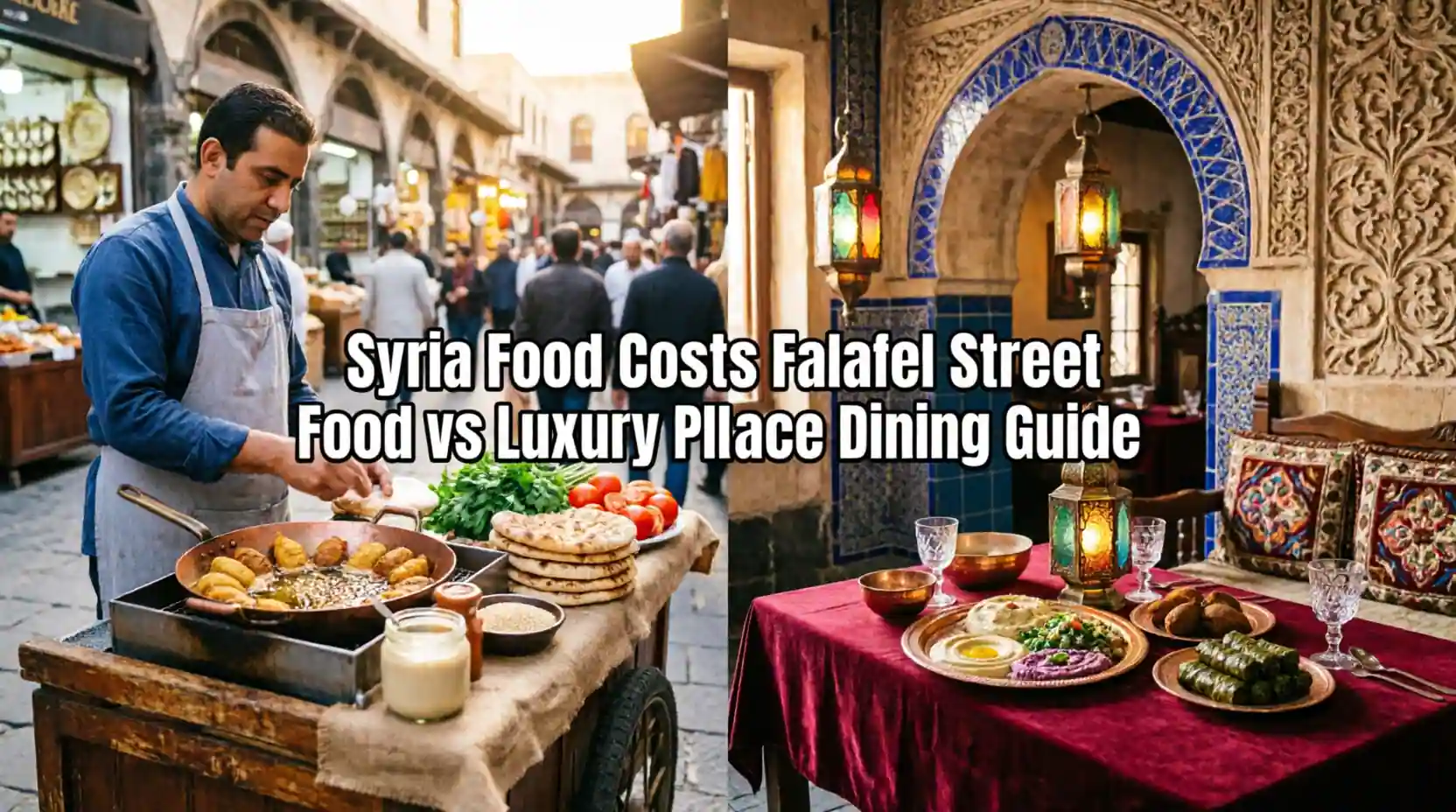
Street food represents the heart of Syrian culinary culture, with falafel standing as a beloved staple enjoyed by people from all walks of life.
Luxury dining offers a different perspective, showcasing refined preparations, elegant settings, and service standards that reflect Syria's rich hospitality traditions.
Why Food Costs Vary Dramatically in Syria

Food pricing in Syria reflects complex factors including ingredient sourcing, preparation methods, location, ambiance, and service levels.
Street vendors operate with minimal overhead, preparing food in simple setups that keep costs accessible for everyday consumers.
Luxury restaurants invest in premium ingredients, skilled chefs, elegant decor, and professional service, justifying higher price points.
Currency fluctuations significantly impact prices, with the Syrian pound experiencing volatility that affects both local and visitor budgets.
Regional variations exist, with Damascus and Aleppo typically commanding higher prices than smaller towns and rural areas.
Economic Context for Travelers
Syria's economy has faced significant challenges in recent years, affecting food prices, availability, and purchasing power for residents.
Travelers paying in foreign currency may find prices favorable compared to pre-conflict levels, though this reflects broader economic difficulties.
Local residents adapt through home cooking, market shopping, and prioritizing affordable staples like bread, lentils, and seasonal vegetables.
Understanding this context helps visitors approach dining with respect and awareness of the economic realities facing Syrian communities.
Budgeting flexibly allows travelers to enjoy both street food authenticity and occasional luxury experiences without financial strain.
Street Side Falafel: Syria's Iconic Affordable Meal

Falafel stands as Syria's most recognizable street food, offering delicious, nutritious, and remarkably affordable sustenance for locals and visitors.
Traditional Syrian falafel differs from other regional varieties, featuring a distinctive blend of chickpeas, fava beans, herbs, and spices.
Vendors prepare falafel fresh throughout the day, frying balls to golden perfection and serving them in warm pita bread with accompaniments.
Standard falafel sandwiches include tahini sauce, pickled vegetables, fresh tomatoes, cucumbers, and parsley for balanced flavors and textures.
Some vendors offer variations with added ingredients like fried eggplant, spicy harissa, or extra vegetables for modest price increases.
Current Falafel Prices Across Syria
In Damascus, a standard falafel sandwich typically costs between 1,500 and 3,000 Syrian pounds, equivalent to approximately 0.50 to 1 US dollar at informal exchange rates.
Aleppo vendors often charge similar prices, ranging from 1,200 to 2,500 Syrian pounds per sandwich depending on location and ingredients.
Smaller cities and towns may offer falafel at even lower prices, sometimes under 1,000 Syrian pounds in rural areas.
Premium street vendors in tourist areas or upscale neighborhoods might charge up to 5,000 Syrian pounds for enhanced versions with extra toppings.
Buying falafel by the piece rather than as a sandwich reduces costs further, with individual balls priced at 200 to 500 Syrian pounds each.
Where to Find the Best Street Falafel
Damascus Old City features numerous falafel vendors near Bab Sharqi and the Straight Street, offering authentic preparations in historic settings.
Aleppo's restored souq areas host traditional falafel stalls where recipes have been passed down through generations of vendors.
Local markets and neighborhood corners often feature the most authentic and affordable options favored by residents rather than tourists.
Look for vendors with steady customer flow, as high turnover ensures fresh ingredients and properly heated oil for optimal quality.
Ask locals for recommendations, as the best falafel is often found at unassuming stalls without English signage or tourist marketing.
Luxury Palace Dining: Experiencing Syrian Cuisine at Its Finest

Luxury dining in Syria offers travelers opportunities to experience refined interpretations of traditional cuisine in elegant, historically significant settings.
Palace restaurants often occupy restored Ottoman-era buildings featuring courtyards, fountains, and architectural details that enhance the dining atmosphere.
Menus showcase sophisticated preparations of classic Syrian dishes, using premium ingredients and presentation techniques that elevate familiar flavors.
Service standards include professional waitstaff, sommeliers for wine pairings where available, and attention to dietary preferences and restrictions.
Ambiance elements like live traditional music, candlelight, and curated decor create memorable experiences beyond the food itself.
Typical Costs for Luxury Dining Experiences
A three-course meal at a high-end Damascus restaurant typically ranges from 25,000 to 60,000 Syrian pounds per person, approximately 8 to 20 US dollars.
Premium establishments in historic palaces may charge 75,000 to 150,000 Syrian pounds per person for elaborate tasting menus with wine pairings.
Appetizers and mezze plates at luxury venues cost 5,000 to 15,000 Syrian pounds each, compared to 1,000 to 3,000 pounds at mid-range restaurants.
Main courses featuring lamb, premium cuts of meat, or specialty preparations range from 15,000 to 40,000 Syrian pounds at upscale establishments.
Beverage costs vary significantly, with fresh juices at 2,000 to 5,000 pounds and imported wines or spirits commanding premium prices where available.
Notable Luxury Dining Venues in Syria
Beit Jabri in Damascus occupies a beautifully restored Ottoman mansion, offering refined Syrian cuisine in an atmospheric courtyard setting.
Al-Quds Restaurant in Aleppo combines traditional recipes with elegant presentation in a historic building near the restored old city.
Palace hotels in Damascus and Latakia feature fine dining restaurants with international standards and extensive menu selections.
Some venues offer cultural dining experiences with live music, traditional performances, and storytelling that enhance the culinary journey.
Reservations are recommended for popular luxury venues, particularly during weekends and peak travel seasons.
Complete Cost Comparison: Street Food vs. Luxury Dining

Understanding the price spectrum helps travelers allocate food budgets strategically while experiencing Syria's diverse culinary offerings.
Street falafel at 1,500 to 3,000 Syrian pounds provides a complete, satisfying meal at a fraction of luxury dining costs.
Mid-range restaurants offering traditional Syrian meals typically charge 8,000 to 20,000 Syrian pounds per person for substantial dishes.
Luxury palace dining at 25,000 to 150,000 Syrian pounds per person represents the premium end of Syria's dining spectrum.
The price difference between street falafel and luxury dining can exceed fiftyfold, reflecting vastly different experiences and value propositions.
Value Assessment for Different Travel Styles
Budget travelers can eat well on 5,000 to 10,000 Syrian pounds daily by combining street food with simple restaurant meals.
Mid-range budgets of 20,000 to 40,000 Syrian pounds daily allow for varied dining including occasional upscale experiences.
Luxury travelers spending 75,000 to 200,000 Syrian pounds daily can enjoy premium venues, private dining, and specialty ingredients.
Mixing dining styles maximizes culinary exploration while managing costs, enjoying street authenticity alongside occasional luxury indulgence.
Consider that street food often delivers exceptional flavor and cultural immersion that luxury venues cannot replicate despite higher prices.
Sample Daily Food Budgets for Syria Travelers

Planning daily food expenses helps travelers manage budgets while ensuring satisfying and diverse culinary experiences throughout their Syria journey.
Budget option: Breakfast falafel sandwich 2,000 pounds, lunch shawarma wrap 3,000 pounds, dinner simple mezze plate 5,000 pounds totals 10,000 Syrian pounds.
Mid-range option: Breakfast hotel meal 5,000 pounds, lunch restaurant mezze and main 15,000 pounds, dinner upscale restaurant 25,000 pounds totals 45,000 Syrian pounds.
Luxury option: Breakfast palace hotel 15,000 pounds, lunch fine dining 40,000 pounds, dinner premium tasting menu 75,000 pounds totals 130,000 Syrian pounds.
These estimates exclude beverages beyond basic water or tea, which can significantly increase costs at luxury venues.
Adding snacks, fresh juices, desserts, or specialty items requires additional budget allocation based on personal preferences.
Weekly Food Cost Projections
Budget travelers can expect weekly food costs of 60,000 to 80,000 Syrian pounds focusing primarily on street food and simple restaurants.
Mid-range weekly budgets of 250,000 to 350,000 Syrian pounds allow for diverse dining with regular restaurant meals and occasional upscale experiences.
Luxury weekly spending of 800,000 to 1,200,000 Syrian pounds supports premium dining at Syria's finest establishments throughout the week.
These projections assume three meals daily plus snacks and beverages, with flexibility for special occasions or spontaneous culinary discoveries.
Travelers should build in contingency funds for unexpected opportunities, price fluctuations, or extended stays beyond initial plans.
Understanding Syrian Currency and Payment Methods

Navigating food costs in Syria requires understanding the local currency, exchange rates, and available payment methods for travelers.
The official currency is the Syrian pound, abbreviated SYP or represented by the symbol £S, with denominations ranging from 50 to 5,000 pounds.
Exchange rates fluctuate significantly, with informal market rates often differing substantially from official bank rates.
Travelers typically access favorable rates through licensed exchange offices in major cities rather than airports or hotels.
Carrying small denominations facilitates street food purchases and tipping, as vendors may lack change for large bills.
Cash Versus Card Payments
Cash remains the dominant payment method for food purchases throughout Syria, particularly at street vendors and smaller restaurants.
Credit and debit card acceptance is limited to upscale hotels, international chains, and some luxury restaurants in major cities.
International cards may face processing issues or additional fees, making cash the more reliable option for most food transactions.
ATMs exist in major cities but may have limited availability, withdrawal limits, or occasional service interruptions.
Carrying sufficient US dollars or euros as backup allows currency exchange if local cash supplies run low during travel.
Regional Price Variations Across Syria

Food costs vary noticeably across Syria's different regions, influenced by local economies, tourism levels, and ingredient availability.
Damascus, as the capital and largest city, typically features the highest food prices, particularly in tourist areas and upscale neighborhoods.
Aleppo's restored areas command premium prices for dining, though local neighborhoods offer more affordable traditional options.
Coastal cities like Latakia and Tartous benefit from fresh seafood availability, with prices varying by season and catch quality.
Rural areas and smaller towns generally offer lower prices for both street food and restaurant meals compared to major urban centers.
Seasonal and Market Factors
Seasonal produce availability affects prices, with fresh fruits and vegetables costing less during harvest periods.
Ramadan and Eid holidays can influence restaurant pricing and availability, with some venues offering special menus at premium rates.
Tourist seasons may drive up prices in popular areas, though Syria's tourism infrastructure remains developing compared to regional neighbors.
Local market dynamics, including supply chain conditions and import availability, can cause price fluctuations for certain ingredients.
Understanding these factors helps travelers time visits and dining choices to optimize value and experience quality.
Practical Tips for Managing Food Costs in Syria

Strategic approaches to dining help travelers enjoy Syrian cuisine while maintaining budget control and maximizing culinary experiences.
Eat where locals eat, as neighborhood restaurants and street vendors often offer better value than tourist-oriented establishments.
Share mezze plates with travel companions to sample more dishes while controlling portion sizes and overall costs.
Drink tap water only if confirmed safe, otherwise purchase bottled water to avoid health issues that could disrupt travel plans.
Learn basic Arabic food terms to navigate menus confidently and avoid misunderstandings that could lead to unexpected charges.
Maximizing Value at Every Price Point
Street food vendors often provide the most authentic flavors and cultural immersion at the lowest cost, making them essential experiences.
Mid-range restaurants frequently offer the best balance of quality, ambiance, and price for travelers seeking comfortable dining without luxury premiums.
Luxury venues justify higher costs through exceptional service, unique settings, and refined preparations worth occasional splurges.
Ask about daily specials or set menus, which often provide better value than ordering individual items from full menus.
Tipping customs vary, with 5 to 10 percent appreciated at restaurants though not always expected at street food stalls.
Food Safety and Hygiene Considerations

Enjoying Syrian street food and restaurant dining requires awareness of food safety practices to ensure healthy travel experiences.
Choose vendors with high customer turnover, as busy establishments maintain fresher ingredients and properly heated cooking oil.
Observe food preparation areas when possible, looking for clean surfaces, proper handwashing, and appropriate food storage practices.
Opt for thoroughly cooked items and avoid raw vegetables or fruits that cannot be peeled when dining at street vendors.
Carry hand sanitizer and use it before eating, particularly when enjoying street food without immediate access to washing facilities.
Health Precautions for Travelers
Stay hydrated with bottled or properly treated water, especially during warmer months when food-related illnesses pose greater risks.
Introduce new foods gradually to allow your digestive system to adjust to different spices, preparation methods, and ingredients.
Carry basic medications for digestive issues, as dietary changes during travel can occasionally cause temporary discomfort.
Consult a travel medicine specialist before departure regarding recommended vaccinations and preventive health measures for Syria.
Travel insurance covering medical care and evacuation provides important protection given variable healthcare infrastructure in some regions.
Cultural Etiquette When Dining in Syria

Respectful engagement with Syrian dining customs enhances experiences and demonstrates appreciation for local culture and hospitality.
Accept offers of tea or coffee graciously, as refusing hospitality can be perceived as impolite in Syrian social interactions.
Use your right hand for eating when dining traditionally, as the left hand is considered inappropriate for food handling.
Compliment the food and thank hosts or servers, as expressions of appreciation are valued in Syrian hospitality traditions.
Dress modestly when dining in public, particularly in conservative areas or religious neighborhoods, to show respect for local norms.
Navigating Social Dining Situations
When invited to share meals with locals, follow their lead regarding pacing, portion sizes, and conversation topics.
Ask permission before photographing food or dining scenes, particularly when other people are present in the frame.
Learn basic dining phrases in Arabic, such as "Sahtain" (enjoy your meal) and "Shukran" (thank you), to facilitate positive interactions.
Understand that meal times may differ from Western schedules, with lunch often served later and dinner beginning after sunset.
Be patient with service pacing, as Syrian dining emphasizes relaxed enjoyment rather than rapid turnover common in some Western restaurants.
Vegetarian and Dietary Restriction Considerations

Syrian cuisine offers substantial options for vegetarian travelers, with many traditional dishes featuring vegetables, legumes, and grains.
Falafel, hummus, baba ganoush, fattoush, tabbouleh, and stuffed vegetables provide delicious plant-based choices widely available across price points.
Communicate dietary needs clearly using simple Arabic terms or translation apps, as English proficiency varies among food service staff.
Specify preferences regarding dairy, eggs, or honey for strict vegetarians, as some seemingly plant-based dishes may include animal products.
Vegan travelers should inquire about cooking fats, as some traditional preparations use butter or animal-derived ingredients.
Managing Allergies and Special Diets
Carry printed cards explaining allergies or restrictions in Arabic to facilitate clear communication with kitchen staff.
Be aware that cross-contamination risks exist in busy kitchens, particularly for severe allergies requiring strict avoidance.
Gluten-free options may be limited due to the centrality of bread and wheat-based dishes in Syrian cuisine.
Nut allergies require particular caution, as pine nuts, pistachios, and almonds feature prominently in many Syrian preparations.
Research restaurants in advance when possible, identifying venues experienced with accommodating dietary restrictions for international guests.
Beverage Costs and Options Across Dining Categories

Beverage pricing in Syria varies significantly by type, venue, and preparation method, affecting overall meal costs.
Tap water is generally free at restaurants, though travelers often prefer bottled water priced at 500 to 1,500 Syrian pounds per bottle.
Fresh fruit juices cost 1,000 to 4,000 Syrian pounds at street vendors and 3,000 to 8,000 pounds at restaurants depending on fruit and preparation.
Traditional drinks like jallab, tamarind, and qamar al-din offer authentic flavors at moderate prices of 1,500 to 5,000 Syrian pounds.
Coffee and tea range from 500 to 2,000 pounds at casual venues to 3,000 to 10,000 pounds at luxury establishments with premium preparations.
Alcohol Availability and Pricing
Alcohol is legally available in Syria though consumption is less common than in some neighboring countries due to cultural and religious factors.
Licensed restaurants and hotels in major cities serve beer, wine, and spirits, with prices ranging from 5,000 to 25,000 Syrian pounds per drink.
Local Syrian beers like Al-Shark and Al-Arz offer affordable options at 3,000 to 8,000 pounds per bottle in licensed venues.
Imported wines and spirits command premium prices, often exceeding 15,000 to 40,000 Syrian pounds per serving at luxury establishments.
Travelers should verify current regulations and venue policies regarding alcohol service, as rules may change based on local conditions.
Shopping for Food: Markets and Grocery Costs
Travelers interested in self-catering or experiencing local food culture can explore Syria's vibrant markets and grocery options.
Traditional souqs offer fresh produce, spices, nuts, dried fruits, and specialty items at prices often lower than restaurants.
Fruits and vegetables in season cost remarkably little, with tomatoes, cucumbers, and leafy greens priced at 500 to 2,000 Syrian pounds per kilogram.
Proteins like chicken, lamb, and fish vary by cut and quality, ranging from 5,000 to 25,000 Syrian pounds per kilogram depending on type and location.
Staples like rice, lentils, bulgur, and bread provide affordable nutrition, with prices generally lower than dining out for equivalent calories.
Market Etiquette and Shopping Tips
Bargaining is expected in traditional markets for non-food items, though food prices are typically fixed at posted or stated rates.
Visit markets in the morning for the freshest produce and best selection, as popular items may sell out by afternoon.
Bring reusable bags or accept vendor-provided packaging, being mindful of waste reduction in environments with limited recycling infrastructure.
Sample items when offered, as vendors often provide small tastes to demonstrate quality and build customer relationships.
Carry small denominations for market purchases, as vendors may lack change for large bills during busy periods.
Making Informed Dining Decisions in Syria
Balancing budget considerations with culinary curiosity enables travelers to experience Syria's food culture fully and memorably.
Prioritize authentic street food experiences for cultural immersion and exceptional value, particularly for iconic dishes like falafel.
Reserve luxury dining for special occasions or when seeking refined interpretations of traditional cuisine in memorable settings.
Remain flexible with dining plans, allowing spontaneous discoveries and local recommendations to guide food choices.
Document favorite dishes and venues to share with fellow travelers and support Syrian culinary businesses through positive word-of-mouth.
Supporting Local Food Communities
Choose locally owned restaurants and street vendors over international chains to ensure spending benefits Syrian families and communities.
Purchase traditional food products like olive oil, za'atar, or sweets as souvenirs, supporting local producers and artisans.
Provide constructive feedback to establishments through respectful communication rather than public criticism that could harm small businesses.
Share dining experiences on travel platforms to help future visitors discover authentic and well-regarded food options across Syria.
Recognize that every meal represents an opportunity to engage with Syrian culture, support local economies, and create lasting travel memories.
Navigating food costs in Syria offers travelers opportunities to experience extraordinary culinary diversity while managing budgets effectively.
From 1,500-pound falafel sandwiches to 150,000-pound palace feasts, Syria's dining spectrum accommodates every travel style and preference.
Understanding pricing factors, regional variations, and practical strategies empowers visitors to enjoy Syrian cuisine confidently and respectfully.
Whether savoring street food authenticity or luxury refinement, each meal contributes to deeper appreciation of Syria's rich cultural heritage.
0 Comments