.webp)
.webp)
35 Essential Tips for First-Time Travelers to South Korea
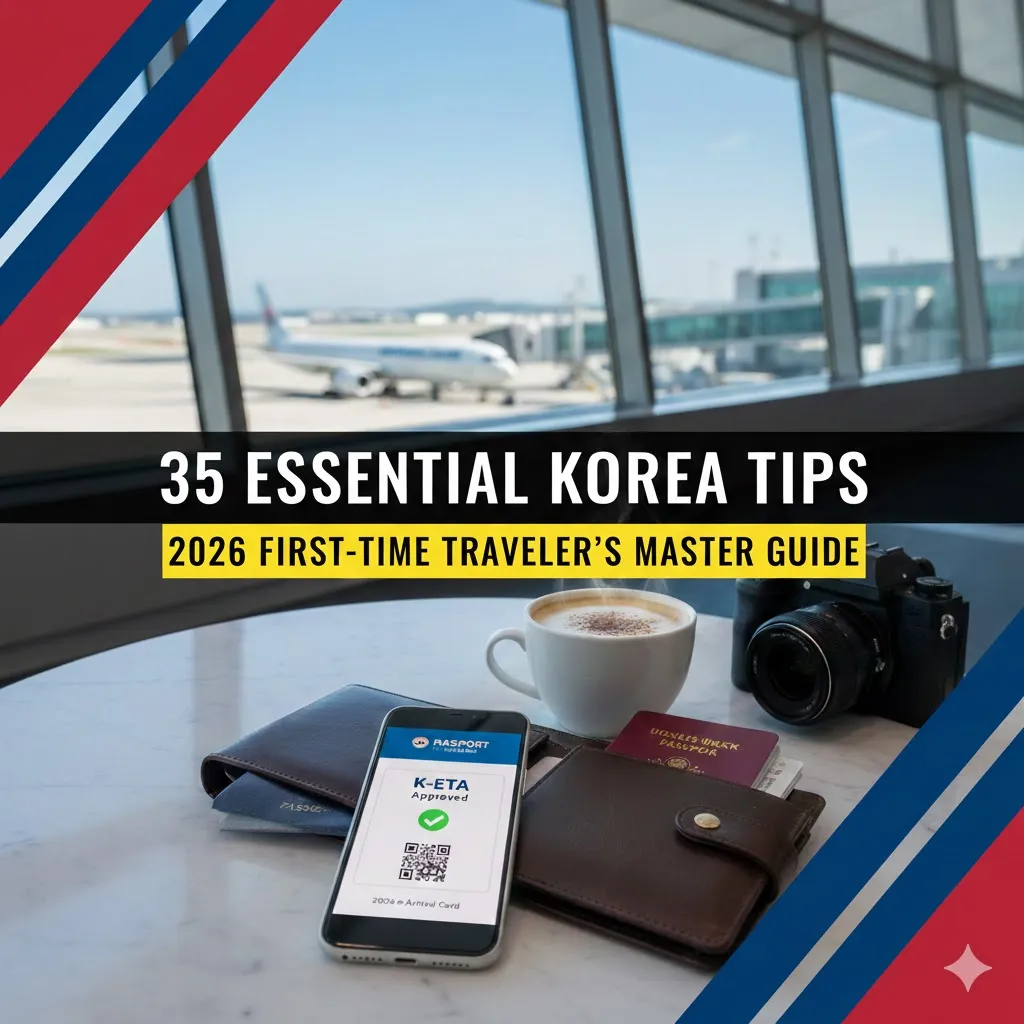
35 ESSENTIAL TIPS FOR FIRST-TIME TRAVELERS TO SOUTH KOREA
Planning your first trip to South Korea? You are about to embark on an extraordinary journey through a country where ancient traditions and cutting-edge innovation coexist in vibrant harmony. From the serene courtyards of 600-year-old palaces to the pulsing energy of K-Pop districts, from mountain temples where monks have meditated for centuries to neon-lit streets where technology shapes daily life, South Korea offers travelers an unforgettable experience. However, navigating a new culture, language, and transportation system can feel overwhelming for first-time visitors.
This comprehensive guide provides 35 essential tips to help first-time travelers to South Korea prepare for a smooth, enjoyable, and culturally respectful journey in 2026. Whether you are visiting for K-Pop culture, ancient history, culinary adventures, or natural wonders, these practical tips cover everything from pre-trip preparation to on-the-ground navigation, cultural etiquette, and money-saving strategies. By following this advice, you will avoid common pitfalls, connect more meaningfully with Korean culture, and make the most of your time in the Land of the Morning Calm.
PRE-TRIP PREPARATION: SETTING YOURSELF UP FOR SUCCESS
1. Check Visa Requirements Early
Most international visitors from the USA, Canada, UK, EU, Australia, and New Zealand can enter South Korea visa-free for tourism stays up to 90 days. However, some nationalities may need to apply for K-ETA (Korea Electronic Travel Authorization) online before travel. Visit the official Hi Korea website (hi.korea.go.kr) at least one month before departure to verify current requirements. Ensure your passport is valid for at least six months beyond your intended departure date.
2. Download Essential Apps Before Arrival
Google Maps has limited functionality in South Korea. Before you arrive, download these essential apps:
- Naver Map or KakaoMap: For accurate navigation, public transit directions, and restaurant reviews (both offer English interfaces)
- Papago: Naver's translation app with excellent Korean-English translation, including image and voice features
- Kakao T: For hailing taxis and checking fares
- Subway Korea: For offline subway maps and route planning
- Klook or KKday: For booking tours, attractions, and transportation passes
3. Arrange Connectivity: SIM Card or Portable WiFi
Reliable internet access is essential for navigation, translation, and booking. At Incheon or Gimpo Airport, you can purchase:
- SIM Cards: Available from SK Telecom, KT, or LG U+ counters; require passport registration; prices range from $20-40 USD for 10-20GB data
- Portable WiFi (Pocket WiFi): Rent at airport counters; allows multiple device connections; prices range from $5-10 USD per day
- eSIM Options: Some providers offer eSIMs you can activate before arrival; check compatibility with your device
4. Exchange a Small Amount of Currency Before Arrival
While credit cards are widely accepted in South Korea, having some Korean Won (KRW) in cash is useful for street food, markets, transportation cards, and small vendors. Exchange $50-100 USD at your home bank or at the airport upon arrival. Note that airport exchange rates are typically less favorable; exchange larger amounts at banks or authorized exchange counters in the city.
5. Notify Your Bank of Travel Plans
To avoid having your credit or debit cards blocked for suspicious international activity, notify your bank of your travel dates and destinations before departure. Confirm your cards have no foreign transaction fees, or consider getting a travel-friendly card that waives these fees.
6. Purchase Travel Insurance
South Korea has excellent healthcare, but medical costs for foreigners can be high. Purchase comprehensive travel insurance that covers medical emergencies, evacuation, trip cancellation, and lost belongings. Keep a digital and physical copy of your policy details and emergency contact numbers.
7. Learn Basic Korean Phrases
While many Koreans in tourist areas speak some English, learning a few basic phrases shows respect and enhances your experience:
- Annyeonghaseyo (ahn-nyong-ha-se-yo): Hello
- Gamsahamnida (gam-sa-ham-ni-da): Thank you
- Mianhamnida (mi-an-ham-ni-da): Sorry / Excuse me
- Eolma-yeyo? (eol-ma-ye-yo): How much is it?
- Yeogiyo (yeo-gi-yo): Here / This one (useful when ordering)
- Hana, dul, set (ha-na, dul, set): One, two, three (useful for counting)
8. Pack for the Season and Culture
South Korea has four distinct seasons. Pack accordingly:
- Spring (April-May): Light layers, light jacket for cool evenings, comfortable walking shoes
- Summer (June-August): Lightweight, breathable clothing, rain jacket for monsoon season, sun protection
- Fall (September-November): Layers, light jacket, comfortable shoes for walking and hiking
- Winter (December-February): Warm coat, thermal layers, gloves, hat, warm boots
- Cultural Consideration: Pack modest clothing for temple visits (cover shoulders and knees); you can rent hanbok (traditional dress) for palace visits
9. Book Accommodation in Advance for Peak Seasons
South Korea is popular year-round, but certain periods see especially high demand:
- Cherry Blossom Season (early April): Book 3-6 months in advance
- Fall Foliage (mid-October to early November): Book 2-4 months in advance
- Major Holidays (Seollal/Lunar New Year, Chuseok/Harvest Festival): Many businesses close; book early if traveling during these times
- Consider location: Stay near subway stations for convenient access to attractions
10. Research Cultural Etiquette Before Arrival
Understanding basic Korean cultural norms enhances your experience and shows respect:
- Bowing: A slight bow is appreciated when greeting or thanking someone
- Shoes: Remove shoes before entering homes, traditional restaurants, and some temples
- Age and Hierarchy: Korean culture values age and seniority; use both hands when giving or receiving items, especially from elders
- Public Behavior: Avoid loud conversations on public transportation; eating while walking is less common than in some Western countries
NAVIGATION AND TRANSPORTATION: GETTING AROUND WITH CONFIDENCE
11. Get a T-Money Card Immediately
The T-Money card is a rechargeable transportation card that works on subways, buses, and taxis across South Korea. Purchase one at any convenience store (CU, GS25, 7-Eleven) or subway station upon arrival. Load it with 10,000-20,000 KRW ($8-16 USD) to start. Benefits include discounted fares and seamless transfers between transportation modes.
12. Master the Subway System
Seoul's subway is clean, efficient, and English-friendly. Tips for first-time users:
- Station Signs: All signs are in Korean and English; follow colored line indicators
- Exit Numbers: Pay attention to exit numbers; they can be far apart and lead to different destinations
- Rush Hours: Avoid 7:30-9:30 AM and 6-8 PM on weekdays if possible; trains are extremely crowded
- Priority Seats: Reserved for elderly, pregnant women, and disabled passengers; avoid sitting in these seats unless eligible
13. Use KakaoMap or Naver Map for Navigation
Google Maps is unreliable in South Korea due to government restrictions on map data. Instead:
- Download Naver Map or KakaoMap before arrival; both offer English interfaces
- These apps provide accurate walking, subway, and bus directions with real-time updates
- They also show restaurant reviews, business hours, and contact information
14. Understand Taxi Etiquette and Pricing
Taxis are affordable and plentiful in South Korea. Tips for first-time users:
- Hailing: Raise your hand to hail; look for taxis with the "empty" light on
- Payment: Most taxis accept cash and credit cards; Kakao T app allows app-based payment
- Destination: Have your destination written in Korean or show the address on your phone; drivers may not speak English
- Pricing: Base fare starts around 4,800 KRW ($4 USD); metered; tolls and late-night surcharges apply
- Silver/Black Taxis: Premium taxis with English-speaking drivers; more expensive but convenient for tourists
15. Consider the Korea Rail Pass for Extensive Travel
If you plan to visit multiple cities beyond Seoul (Busan, Gyeongju, Jeonju, etc.), the Korea Rail Pass (KR Pass) offers unlimited travel on KTX and other trains for a set number of days. Purchase online before arrival for the best rates. Note that the pass must be exchanged for a physical ticket at designated stations upon arrival.
16. Download Offline Maps and Translation Tools
While mobile data is widely available, having offline backups is wise:
- Save offline maps in Naver Map or KakaoMap for areas you will visit
- Download Korean language pack in Papago for offline translation
- Take screenshots of important addresses, hotel information, and emergency contacts
CULTURAL ETIQUETTE AND RESPECTFUL TRAVEL
17. Respect Temple and Palace Etiquette
When visiting Buddhist temples or royal palaces:
- Dress Modestly: Cover shoulders and knees; some temples provide wraps for visitors
- Remove Shoes: Required before entering temple buildings and some palace structures
- Photography: Check signage; flash photography may be prohibited in certain areas
- Behavior: Speak quietly; avoid eating or drinking in sacred spaces; follow posted guidelines
18. Understand Dining Etiquette
Korean dining culture has specific customs that enhance the experience:
- Sharing Meals: Korean meals are often communal; dishes are placed in the center for everyone to share
- Chopsticks and Spoons: Metal chopsticks and long-handled spoons are standard; rice and soup are eaten with the spoon
- Pouring Drinks: When pouring drinks for others, use both hands; receive drinks with both hands as a sign of respect
- Age Hierarchy: The eldest person at the table typically starts eating first; follow their lead
- Finishing Meals: It is polite to finish what is on your plate; leaving food may be seen as wasteful
19. Learn Basic Restaurant Ordering Tips
Ordering food in Korea can be intimidating for first-timers. Tips to simplify the process:
- Picture Menus: Many restaurants have picture menus; point to what you want
- Tablet Ordering: Some restaurants have tablet kiosks with English options
- Basic Phrases: "Yeogiyo" (This one) while pointing is universally understood
- Water: Tap water is safe; restaurants typically provide free water or barley tea
- Tipping: Not customary; service charges are typically included
20. Respect Personal Space and Public Behavior
Korean culture values harmony and consideration in public spaces:
- Volume: Keep conversations at a moderate volume on public transportation and in public areas
- Queuing: Form orderly lines for subways, buses, and attractions; cutting in line is frowned upon
- Trash: Public trash cans are rare; carry a small bag for trash until you find appropriate disposal
- Smoking: Smoking is prohibited in most indoor public spaces and many outdoor areas; look for designated smoking zones
21. Understand Gift-Giving and Receiving Customs
If you receive gifts or invitations during your travels:
- Receiving: Accept gifts with both hands as a sign of respect
- Opening: It is polite to open gifts in private rather than immediately
- Reciprocating: Small gifts from your home country are appreciated if invited to a Korean home
- Business Cards: If exchanging business cards, present and receive with both hands; take a moment to read the card before putting it away
MONEY, SHOPPING, AND PRACTICAL LOGISTICS
22. Use Credit Cards Widely, But Carry Cash for Markets
Credit cards (Visa, Mastercard) are accepted at most hotels, restaurants, and shops in cities. However, carry cash for:
- Street food stalls and traditional markets
- Small vendors and rural areas
- Transportation card top-ups at convenience stores
- Temple admission fees and small donations
23. Understand Tax Refund Procedures
South Korea offers tax refunds for foreign visitors on purchases over 30,000 KRW ($24 USD) at participating stores. Tips:
- Look for "Tax Free" signs at stores
- Request a tax refund form at checkout; bring your passport
- Claim refunds at airport kiosks before departure; allow extra time at the airport
- Some stores offer instant refunds; ask at checkout
24. Bargain Respectfully at Traditional Markets
Bargaining is expected at traditional markets like Gwangjang Market or Namdaemun, but not at department stores or convenience stores. Tips:
- Start at 50-70% of the asking price and negotiate politely
- Maintain a friendly demeanor; bargaining should be enjoyable, not confrontational
- If you agree on a price, complete the purchase; walking away after agreeing is considered rude
- Cash is preferred for market purchases
25. Keep Small Denominations of Currency
Having small bills (1,000, 5,000, 10,000 KRW) is useful for:
- Transportation card top-ups
- Street food and market purchases
- Temple admission fees
- Tipping tour guides (though tipping is not customary, small tips for exceptional service are appreciated)
26. Use Convenience Stores Strategically
Korean convenience stores (CU, GS25, 7-Eleven) are incredibly useful for travelers:
- T-Money Card Top-Ups: Recharge your transportation card at any convenience store
- Affordable Meals: High-quality ready-to-eat meals, snacks, and beverages at reasonable prices
- Essentials: Toiletries, medications, chargers, and travel essentials available 24/7
- ATMs: Most convenience stores have ATMs that accept international cards (look for Global ATM signs)
HEALTH, SAFETY, AND EMERGENCY PREPAREDNESS
27. Know Emergency Numbers and Services
South Korea has efficient emergency services. Save these numbers in your phone:
- 112: Police (English-speaking operators available)
- 119: Ambulance and Fire (English-speaking operators available)
- 1330: Korea Travel Hotline (24/7 tourist assistance in multiple languages)
- Your Country's Embassy: Save contact information for your embassy or consulate in Seoul
28. Be Aware of Air Quality and Seasonal Considerations
South Korea experiences seasonal air quality variations:
- Yellow Dust (Hwangsa): Spring (March-May) can bring dust storms from China; check air quality indexes and wear masks on high-pollution days
- Monsoon Season: Late June-July brings heavy rainfall; carry a compact umbrella or rain jacket
- Winter Cold: December-February can be very cold; dress in layers and protect exposed skin
29. Stay Hydrated and Mindful of Food Safety
South Korea's food is generally very safe, but take standard precautions:
- Water: Tap water is safe to drink, though many locals prefer bottled water; carry a reusable bottle
- Street Food: Choose busy stalls with high turnover; ensure food is cooked fresh and served hot
- Allergies: If you have food allergies, learn key phrases or carry a card explaining your restrictions in Korean
- Medications: Bring any prescription medications in original packaging with a doctor's note; some medications legal elsewhere may be restricted in Korea
30. Protect Your Belongings in Crowded Areas
South Korea has low violent crime rates, but petty theft can occur in crowded tourist areas. Tips:
- Bags: Keep bags zipped and in front of you in crowded markets, subways, and festivals
- Valuables: Use hotel safes for passports, extra cash, and expensive electronics
- Awareness: Be mindful of your surroundings, especially in busy areas like Myeongdong or Hongdae
- Copies: Keep digital and physical copies of your passport, visa, and travel insurance separate from originals
CULTURAL IMMERSION AND ENHANCING YOUR EXPERIENCE
31. Try a Hanbok Experience at Palaces
Renting hanbok (traditional Korean dress) is a popular and rewarding experience:
- Free Palace Entry: Many palaces (including Gyeongbokgung) offer free admission to visitors wearing hanbok
- Rental Locations: Numerous shops near palaces in Insadong and Bukchon; prices range from 10,000-30,000 KRW ($8-24 USD) for 2-4 hours
- Photography: Palaces and traditional neighborhoods provide beautiful backdrops; be mindful of other visitors
- Cultural Context: Learn about hanbok's history and significance to enhance your experience
32. Participate in a Temple Stay or Cultural Workshop
Immersive cultural experiences deepen your understanding of Korean heritage:
- Temple Stays: Programs at temples like Jogyesa (Seoul) or Bulguksa (Gyeongju) offer meditation, tea ceremony, and temple meals
- Craft Workshops: Try hanji (traditional paper) making, pottery, or kimchi preparation at cultural centers
- Cooking Classes: Learn to prepare Korean dishes like bibimbap or kimchi with local chefs
- Booking: Reserve in advance through tourism offices or reputable tour operators
33. Explore Beyond Seoul: Day Trips and Regional Travel
While Seoul is captivating, South Korea's regions offer unique experiences:
- DMZ Tours: Understand modern Korean history through guided tours of the Demilitarized Zone (book through authorized operators)
- Suwon Hwaseong Fortress: A UNESCO World Heritage Site just 30 minutes from Seoul by subway
- Nami Island and Petite France: Scenic day trip popular for fall foliage and K-drama filming locations
- Busan: Coastal city with beaches, seafood markets, and unique cultural attractions (2.5 hours by KTX from Seoul)
- Gyeongju: Ancient capital with historic temples and tombs (2 hours by KTX from Seoul)
34. Engage with K-Pop Culture Respectfully
For K-Pop enthusiasts, South Korea offers unique experiences:
- Entertainment Districts: Visit Gangnam or Apgujeong to see entertainment company buildings; respect private property and fan guidelines
- Street Performances: Enjoy K-Pop dance covers in Hongdae and Myeongdong public squares
- Merchandise: Purchase official goods at authorized stores; be wary of counterfeit products
- Concerts and Events: Check official fan clubs and ticketing platforms for legitimate ticket sales; avoid scalpers
35. Practice Sustainable and Responsible Tourism
Help preserve South Korea's cultural and natural heritage for future generations:
- Reduce Waste: Carry a reusable water bottle and shopping bag; South Korea is working to reduce single-use plastics
- Public Transportation: Use Seoul's efficient subway and bus system instead of taxis when possible
- Support Local: Choose locally-owned accommodations, restaurants, and tour operators to ensure tourism benefits reach communities
- Cultural Respect: Learn about the history and significance of sites before visiting; listen to Korean guides and scholars who interpret their own heritage
- Share Responsibly: When sharing your experiences on social media, promote accurate information and cultural respect rather than sensationalism
CONCLUSION: EMBRACING YOUR KOREAN ADVENTURE
Traveling to South Korea for the first time is an exciting opportunity to explore a country where ancient traditions and modern innovation coexist in vibrant harmony. By following these 35 essential tips, you will navigate cultural differences with confidence, avoid common pitfalls, and create meaningful connections with Korean culture and people.
Remember that travel is not just about checking off landmarks; it is about embracing new experiences, learning from different perspectives, and growing through cultural exchange. Approach South Korea with curiosity, humility, and respect, and you will discover not just spectacular sights but a warm, welcoming culture that values hospitality, harmony, and human connection.
May your first journey to South Korea deepen your appreciation for the harmony of tradition and innovation, and inspire your commitment to respectful, meaningful travel. As the artisans, scholars, and artists who shaped Korean culture understood, true legacy lies not just in monuments of stone but in the knowledge, values, and stories that endure across generations. May you carry that understanding forward, wherever your journey leads.
Useful resources include the Korea Tourism Organization at visitkorea.or.kr for trip planning, Korail at letskorail.com for train travel, and the 1330 Korea Travel Hotline for 24/7 tourist assistance in multiple languages. Emergency services in South Korea can be reached at 112 for police and 119 for ambulance and fire. Disclaimer: Information is accurate as of early 2026. Entry requirements, attraction hours, and policies may change; verify details before travel. This guide is for informational purposes only and does not constitute professional travel advice.
0 Comments