.webp)
.webp)
Armenia Travel Guide 2026: Journey to the Land of Noah
Nestled in the rugged beauty of the South Caucasus, Armenia stands as one of the world's oldest civilizations and the first nation to adopt Christianity as a state religion in 301 AD. As we journey into 2026, this remarkable country, known biblically as the Land of Noah, continues to captivate travelers with its ancient monasteries perched on mountain cliffs, pristine alpine lakes, and a culture that has survived millennia of challenges.
Armenia's rich tapestry of history, stunning landscapes, and warm hospitality make it an emerging destination for discerning travelers seeking authenticity and adventure. From the bustling streets of Yerevan, one of the world's oldest continuously inhabited cities, to the remote monasteries of Tatev and Geghard, Armenia offers experiences that touch the soul and expand the mind.
This comprehensive guide will equip you with everything needed to explore Armenia in 2026, from practical travel requirements to hidden gems that few tourists discover. Whether you're drawn by the biblical connection to Mount Ararat, the world's finest brandy, or the chance to walk among 3,000-year-old temples, Armenia promises an unforgettable journey through time and tradition.
Why Visit Armenia in 2026?
The year 2026 marks an exceptional time to discover Armenia. The country has made remarkable strides in tourism infrastructure while preserving its authentic character. New flight connections, improved road networks, and a growing selection of boutique hotels and eco-lodges have made traveling through Armenia more comfortable than ever, without sacrificing the raw beauty and genuine experiences that make it special.
Armenia's tourism sector has embraced sustainable practices, with community-based tourism initiatives flourishing in rural areas. This means your visit directly supports local families and helps preserve ancient traditions. The country's compact size allows you to experience diverse landscapes—from snow-capped peaks to semi-desert valleys—within hours, making it perfect for travelers with limited time.
Additionally, Armenia remains refreshingly affordable compared to Western European destinations, offering exceptional value without compromising on quality. The warmth of Armenian hospitality, known as hyuraserutyun, ensures that every visitor feels welcomed as an honored guest.
Understanding Armenia: The First Christian Nation
Armenia's claim as the Land of Noah stems from biblical tradition, which holds that Mount Ararat—though now in modern-day Turkey but visible from Armenia—was the resting place of Noah's Ark. This biblical connection is just one thread in the rich tapestry of Armenian history that spans over 3,000 years.
In 301 AD, Armenia became the first nation to adopt Christianity as its official religion, predating even the Roman Empire. This pivotal moment shaped Armenian identity and left an architectural legacy of thousands of churches and monasteries scattered across the landscape. These sacred sites, many carved into cliffs or perched on remote mountain peaks, represent some of the finest examples of medieval architecture in the world.
Despite centuries of foreign domination, invasions, and the tragic Armenian Genocide of 1915, the Armenian people have preserved their unique language, alphabet (created in 405 AD), and cultural traditions. Today, Armenia stands as an independent republic, proud of its heritage and eager to share it with respectful visitors.
Essential Travel Requirements for Armenia 2026

Planning your Armenian adventure begins with understanding entry requirements and practical considerations.
Visa Requirements
Armenia offers visa-free or visa-on-arrival access to citizens of many countries, making it one of the most accessible destinations in the region. As of 2026:
- Visa-free entry: Citizens of EU countries, United States, Canada, United Kingdom, Australia, Japan, South Korea, and many other nations can enter Armenia visa-free for up to 180 days per year.
- E-visa: Travelers from countries not eligible for visa-free entry can obtain an e-visa online before arrival. The e-visa costs approximately $6-31 depending on processing time and validity (21 or 120 days).
- Visa on arrival: Available at Zvartnots International Airport in Yerevan for certain nationalities.
- 👉 Jaffna: New Luxury Frontier for Seasoned Travelers
- 👉 Al Jahra Pool Nature Reserve Sustainable Tourism Guide 2026
- 👉 Ultimate 14-Day Gobi Desert Itinerary: Dunes, Fossils & Camels 2026
Always verify current requirements based on your nationality before traveling. Your passport should be valid for at least six months beyond your intended stay.
Travel Insurance
While not mandatory for entry, comprehensive travel insurance is strongly recommended. Armenia's mountainous terrain means that outdoor activities like hiking and skiing carry inherent risks. Ensure your policy covers medical emergencies, evacuation, and adventure activities if you plan to trek or ski. Healthcare in Yerevan is adequate for routine issues, but serious conditions may require evacuation to neighboring countries.
Health Considerations
No specific vaccinations are required for entry to Armenia, though routine vaccinations should be up to date. Consider Hepatitis A and B vaccines, especially if you'll be eating locally or staying for extended periods. Tick-borne encephalitis vaccination may be advisable if hiking in forested areas during spring and summer.
Tap water in Yerevan is generally safe to drink, but in rural areas, stick to bottled water. The high altitude in many regions (Yerevan sits at 1,000 meters/3,300 feet) may cause mild altitude sensitivity; stay hydrated and allow time to acclimate.
Best Time to Visit Armenia

Armenia experiences four distinct seasons, each offering unique experiences and landscapes.
Spring (April to June)
Spring is arguably the best time to visit Armenia. The landscape bursts with wildflowers, waterfalls flow at their peak from melting snow, and temperatures are pleasant (15-25°C / 59-77°F). May and June are particularly beautiful, with lush green valleys and comfortable weather for hiking and sightseeing. This is also when traditional festivals like Vardavar (water festival) take place.
The disadvantage is that some high mountain passes may remain closed until late May or early June due to snow.
Summer (July to September)
Summer brings warm to hot weather, especially in Yerevan and lower elevations, where temperatures can reach 35-40°C (95-104°F). However, mountain regions like Dilijan and Lake Sevan remain cool and refreshing. This is peak tourist season, with longer daylight hours perfect for exploring remote monasteries and hiking trails.
Summer is ideal for visiting high-altitude destinations and participating in outdoor festivals. The grape harvest begins in late August, offering opportunities to experience traditional winemaking.
Autumn (September to November)
Autumn is another excellent time to visit, particularly September and October. The weather remains pleasant, crowds thin out, and the landscape transforms with spectacular fall colors. This is harvest season for grapes, pomegranates, and other fruits, making it perfect for food and wine enthusiasts.
November marks the beginning of the off-season, with cooler temperatures and increased rainfall, but also lower prices and fewer tourists.
Winter (December to March)
Winter in Armenia is cold and snowy, especially in the mountains. Yerevan experiences temperatures between -5°C and 5°C (23-41°F), while mountain areas can drop much lower. However, winter offers unique experiences: skiing at Tsaghkadzor, one of the region's best ski resorts; witnessing monasteries dusted with snow; and enjoying cozy evenings by the fire with Armenian wine and food.
New Year and Christmas (celebrated on January 6th) are festive times with special traditions and events.
Top Destinations in Armenia

Armenia's compact size means you can explore multiple regions in a single trip. Here are the must-visit destinations:
Yerevan: The Pink City
Armenia's capital, Yerevan, is one of the world's oldest continuously inhabited cities, founded in 782 BC. Built from volcanic tuff stone that glows pink in sunlight, Yerevan blends ancient history with modern energy.
Must-see attractions:
- Republic Square: The heart of Yerevan, surrounded by beautiful neoclassical buildings and featuring musical fountains with evening shows.
- Cascade Complex: A massive stairway with art galleries, sculptures, and panoramic city views from the top.
- Matenadaran: One of the world's richest repositories of medieval manuscripts and books.
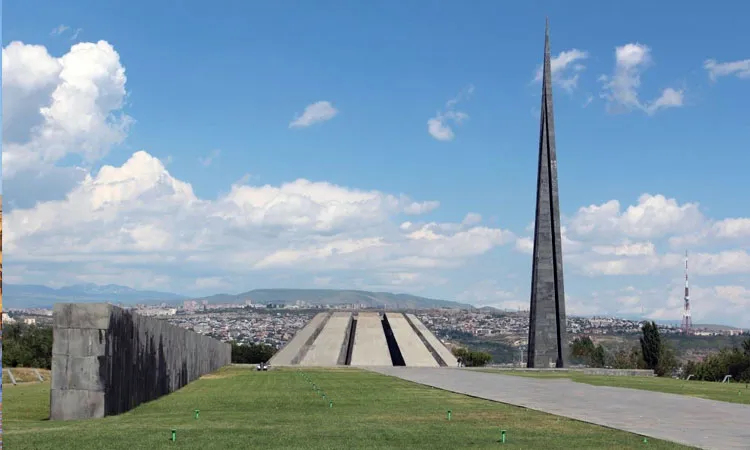
- Tsitsernakaberd Armenian Genocide Memorial: A moving tribute to the 1.5 million Armenians who perished in 1915.
- Vernissage Market: An open-air market selling traditional crafts, souvenirs, and antiques (best on weekends).
- Blue Mosque: The only functioning mosque in Armenia, offering a glimpse of the country's diverse religious history.
- 👉 Jaffna: New Luxury Frontier for Seasoned Travelers
- 👉 Al Jahra Pool Nature Reserve Sustainable Tourism Guide 2026
- 👉 Ultimate 14-Day Gobi Desert Itinerary: Dunes, Fossils & Camels 2026
Spend at least 3-4 days exploring Yerevan's museums, cafes, and vibrant nightlife. The city's restaurant scene has exploded in recent years, offering everything from traditional Armenian cuisine to innovative fusion dishes.
Geghard Monastery and Garni Temple
These two UNESCO World Heritage Sites are often visited together and represent Armenia's pre-Christian and Christian heritage.
Garni Temple, built in the 1st century AD, is the only surviving Greco-Roman colonnaded building in Armenia. Dedicated to the sun god Mihr, it showcases classical architecture against a dramatic mountain backdrop.
Geghard Monastery, partially carved into the adjacent mountain, dates to the 4th century though most structures are from the 13th century. The name "Geghard" means "spear," referring to the Holy Spear that pierced Christ's side, which was allegedly kept here for centuries. The acoustics in the main church are extraordinary, and monks sometimes perform traditional singing.
The hike from Garni to Geghard through the Azat River Gorge, with its basalt columns known as the "Symphony of Stones," is highly recommended.
Lake Sevan: The Jewel of Armenia
Lake Sevan, one of the largest freshwater high-altitude lakes in Eurasia, sits at 1,900 meters (6,200 feet) above sea level. Known as the "Armenian Sea," it's a popular summer destination for swimming, fishing, and relaxation.
The Sevanavank Monastery on the peninsula offers stunning views and historical significance. Founded in 874 AD by Princess Mariam, it was one of the few places where Armenian monks could study during Arab occupation.
Try fresh ishkhan (Sevan trout) at lakeside restaurants, though be aware that overfishing has made this delicacy increasingly rare and expensive.
Dilijan: Armenia's Switzerland
Nestled in dense forests, Dilijan offers a refreshing contrast to Armenia's arid landscapes. Known for its mineral water, traditional architecture, and artistic community, Dilijan feels like a different country.
Explore the Dilijan Old Town (Sharambeyan Street), with restored 19th-century houses housing workshops, galleries, and cafes. Visit Haghartsin Monastery, hidden in the forest, and Goshavank Monastery, a medieval scholarly center.
Dilijan is perfect for hiking, with trails ranging from easy walks to challenging mountain treks. The Dilijan National Park protects the region's rich biodiversity.
Tatev Monastery and the Wings of Tatev
One of Armenia's most spectacular sites, Tatev Monastery sits on a basalt plateau overlooking the Vorotan River Gorge. Founded in the 9th century, it was a major medieval university and center of learning.
Reaching Tatev is an adventure in itself. The Wings of Tatev cable car, certified by Guinness World Records as the longest non-stop double-track cable car (5.7 km / 3.5 miles), offers breathtaking views as it soars over the gorge.
Explore the monastery complex, descend to the Devil's Bridge natural formation, and visit the nearby Tatevi Anapat hermitage. The area is also known for producing excellent wine and fruit brandy.
Khor Virap and the View of Ararat
Khor Virap Monastery offers the most iconic view in Armenia: Mount Ararat rising majestically across the border in Turkey. According to tradition, this is where Gregory the Illuminator was imprisoned for 13 years before converting King Tiridates III to Christianity.
The monastery's location near the Turkish border makes it a poignant reminder of Armenia's lost territories. On clear days, the view of Ararat is unforgettable. You can descend into the underground prison cell where Saint Gregory was held.
Armenian Cuisine: A Culinary Journey

Armenian cuisine, one of the world's oldest, reflects the country's agricultural heritage and strategic location along ancient trade routes.
Must-Try Dishes
Dolma: Minced meat (or lentils for fasting dolma) wrapped in grape leaves or stuffed into vegetables. Considered Armenia's national dish.
Khorovats: Armenian barbecue, typically pork, marinated and grilled to perfection. A staple at celebrations and family gatherings.
Harissa: A porridge of wheat and meat, traditionally eaten during Easter and other religious holidays.
Tolma: Similar to dolma but specifically refers to meat wrapped in cabbage or chard leaves.
Ghapama: Pumpkin stuffed with rice, dried fruits, nuts, and honey—a festive dish often served at weddings.
Manti: Tiny dumplings filled with spiced meat, served with yogurt and paprika butter.
Spas: A refreshing yogurt soup with wheat, perfect for hot summer days.
Bread and Cheese
Lavash, the thin unleavened flatbread, is central to Armenian meals and recognized by UNESCO as Intangible Cultural Heritage. Fresh from the tonir (underground clay oven), it's incomparable.
Armenian cheese, particularly chanakh (brined cheese) and motal (aged cheese stored in clay pots), pairs wonderfully with bread and wine.
Armenian Wine and Brandy
Armenia is one of the world's oldest wine-producing regions, with evidence of winemaking dating back 6,000 years. The indigenous Areni grape produces excellent red wines, while Voskehat creates aromatic whites.
Visit wineries in the Areni region, Vayots Dzor, or near Yerevan for tastings. Many wineries combine ancient traditions with modern techniques.
Armenian brandy (often called cognac) is world-renowned. The Yerevan Brandy Company, founded in 1887, produces exceptional brandies aged from 3 to 20+ years. Winston Churchill allegedly favored Armenian brandy, and it's said that Stalin demanded it at the Yalta Conference.
Where to Eat
Yerevan offers diverse dining options, from upscale restaurants to casual taverns. Try Tavern Yerevan, Sherep, or Mer Taghe for authentic Armenian cuisine. In smaller towns, family-run guesthouses often serve the best home-cooked meals.
Don't miss gata (sweet bread) and nazuk (pastry) from local bakeries, perfect with Armenian coffee.
Getting Around Armenia

Armenia's transportation network is developing, with several options for travelers.
Public Transportation
Marshrutkas (minibuses) are the backbone of intercity transport, connecting Yerevan to most towns and major attractions. They're inexpensive (typically $2-5 per trip) but can be crowded and uncomfortable for long journeys. Marshrutkas depart when full, so schedules are flexible.
Buses operate on major routes and are more comfortable than marshrutkas, with assigned seats and air conditioning.
Within Yerevan, the metro is limited (only 10 stations), but buses, trolleybuses, and marshrutkas cover the city extensively. Taxis are affordable and plentiful.
Taxis and Ride-Sharing
Yandex.Taxi and GGBTaxi apps work well in Yerevan and some other cities, offering transparent pricing and convenience. Street taxis are everywhere; always negotiate the fare before departure or insist on using the meter. Short rides within Yerevan cost $2-5.
Car Rental
Renting a car provides maximum flexibility, especially for visiting remote monasteries and rural areas. International rental companies and local agencies operate in Yerevan. Expect to pay $30-60 per day depending on the vehicle. An international driving permit is recommended though not always required.
Road conditions vary: main highways are generally good, but mountain roads can be narrow and challenging. Drive defensively and be prepared for livestock on roads in rural areas.
Private Drivers and Tours
Hiring a private driver for day trips or multi-day tours is popular and relatively affordable ($60-100 per day including fuel and driver). This option combines convenience with local knowledge, as drivers often double as informal guides.
Organized tours are available for major attractions and can be booked through hotels or tour companies.
Accommodation Options

Armenia offers diverse lodging options for every budget.
Hotels
Yerevan has numerous hotels ranging from budget to luxury. International chains like Marriott and Hyatt Regency operate alongside excellent local hotels like Armenia Marriott Hotel and Hotel Dvin. Mid-range hotels ($40-80 per night) offer good value with modern amenities.
In regional centers like Gyumri, Vanadzor, and Goris, hotel options are more limited but improving.
Guesthouses and B&Bs
Guesthouses are abundant, especially in tourist areas like Dilijan, Goris, and near monasteries. These family-run establishments offer authentic experiences, home-cooked meals, and warm hospitality. Prices range from $20-50 per night including breakfast.
Platforms like Booking.com and Airbnb list many options, but asking locals or your Yerevan hotel for recommendations often yields the best finds.
Hostels
Budget travelers will find hostels primarily in Yerevan, with a few in tourist towns. Dorm beds cost $8-15 per night, and hostels are excellent for meeting fellow travelers and getting travel advice.
Eco-Lodges and Rural Tourism
Community-based tourism is growing, with eco-lodges and homestays in villages offering immersive cultural experiences. Organizations like Armenia Tree Project and UNDP support rural tourism initiatives that directly benefit local communities.
Cultural Etiquette and Customs

Understanding Armenian customs enhances your travel experience and shows respect for local traditions.
Hospitality
Armenians are renowned for their hospitality. If invited to an Armenian home, bring a small gift (chocolate, wine, or flowers). Remove your shoes when entering homes. Expect to be fed generously—refusing food can be considered impolite. Toasts are important at meals; the tamada (toastmaster) leads, and it's respectful to participate.
Religious Sites
When visiting churches and monasteries, dress modestly (covered shoulders and knees). Women may be asked to cover their heads in some monasteries (scarves are often provided). Speak quietly and avoid visiting during services unless participating. Photography may be restricted inside churches; always ask permission.
Photography
Armenians are generally comfortable being photographed, but always ask permission, especially for close-ups. Some people, particularly elderly individuals in rural areas, may decline. Never photograph military installations or border areas.
Tipping
Tipping is appreciated but not mandatory. In restaurants, 10% is standard if service charge isn't included. Round up taxi fares or add 10% for good service. Tip hotel staff, guides, and drivers based on service quality.
Language
Armenian is the official language, with its unique alphabet. Russian is widely spoken, especially by older generations. English is increasingly common among younger people in Yerevan and tourist areas. Learning a few Armenian phrases like barev (hello) and shnorhakalutyun (thank you) is appreciated.
Budget and Money Matters

Armenia offers excellent value for travelers.
Currency
The Armenian Dram (AMD) is the local currency. As of 2026, exchange rates are approximately 390-400 AMD to 1 USD. Exchange money at banks or official exchange offices; avoid street changers. ATMs are widespread in Yerevan and larger towns but scarce in rural areas.
Daily Budget
Budget travelers: $30-40 per day (hostels, street food, public transport)
Mid-range travelers: $60-100 per day (guesthouses/hotels, restaurant meals, mix of transport and tours)
Luxury travelers: $150+ per day (4-5 star hotels, fine dining, private drivers, premium experiences)
These estimates exclude international flights and major purchases.
Credit Cards
Credit cards (Visa, Mastercard) are accepted in Yerevan hotels, restaurants, and larger shops. Smaller establishments, markets, and rural areas operate on cash. Always carry some dram for small purchases and tips.
Safety and Practical Tips

Armenia is generally very safe for travelers.
Crime and Safety
Violent crime against tourists is rare. Petty theft can occur in crowded areas, so exercise normal precautions. Armenia has a low crime rate compared to many European countries. Walking alone at night in Yerevan is generally safe, though stay aware of your surroundings.
Border Areas
Avoid traveling near the borders with Azerbaijan and, to a lesser extent, Turkey, due to ongoing tensions and landmines. Stick to established tourist routes and heed local advice. The border with Georgia is generally safe and well-traveled.
Earthquakes
Armenia is in a seismically active zone. The devastating 1988 Spitak earthquake killed tens of thousands. While major quakes are rare, be aware of basic earthquake safety. Many buildings, especially in Yerevan, have been reinforced or rebuilt to modern standards.
Emergency Numbers
Police: 102
Ambulance: 103
Fire: 101
Emergency (all services): 112
Internet and Connectivity
Armenia has excellent internet infrastructure. Free Wi-Fi is available in most cafes, restaurants, and hotels. Consider purchasing a local SIM card from Beeline, VivaCell-MTS, or Ucom for affordable data (around $5-10 for several GB). Coverage is good in populated areas but spotty in remote mountains.
Sustainable and Responsible Tourism

As Armenia's tourism grows, responsible travel becomes increasingly important.
Environmental Responsibility
Armenia faces environmental challenges including deforestation, water pollution, and waste management issues. Travelers can help by: refusing single-use plastics, carrying a reusable water bottle (tap water is safe in most areas), disposing of trash properly (take it with you if bins aren't available), respecting wildlife and natural habitats, and choosing eco-friendly tour operators and accommodations.
Supporting Local Communities
Buy locally-made crafts and products, eat at family-run restaurants, stay in guesthouses and homestays, hire local guides, and visit community-based tourism projects. Your spending can make a real difference in rural areas where economic opportunities are limited.
Cultural Respect
Armenia has endured tremendous hardships, including the Genocide and recent conflicts. Approach sensitive topics with respect and empathy. Listen to local perspectives without imposing your own views. Remember that you're a guest in a country proud of its survival and resilience.
Conclusion: Your Armenian Adventure Awaits

Armenia in 2026 offers travelers a rare combination: ancient history and living traditions, dramatic landscapes and warm hospitality, affordability and authenticity. From the moment you witness your first sunrise over Mount Ararat to your last sip of Armenian brandy, this remarkable country will touch your heart.
Whether you're exploring 1,700-year-old monasteries, hiking through pristine mountain valleys, savoring centuries-old culinary traditions, or simply sharing tea with a local family, Armenia invites you to slow down, connect deeply, and discover a civilization that has thrived for millennia against all odds.
The Land of Noah is more than a biblical reference—it's a testament to human resilience, faith, and the enduring power of culture. As you plan your 2026 journey, know that Armenia awaits with open arms and countless stories to share.
Barev, Armenia. Your journey begins now.
0 Comments