.webp)
.webp)
Uzbekistan Transportation Guide Yandex Go App and Shared Taxis
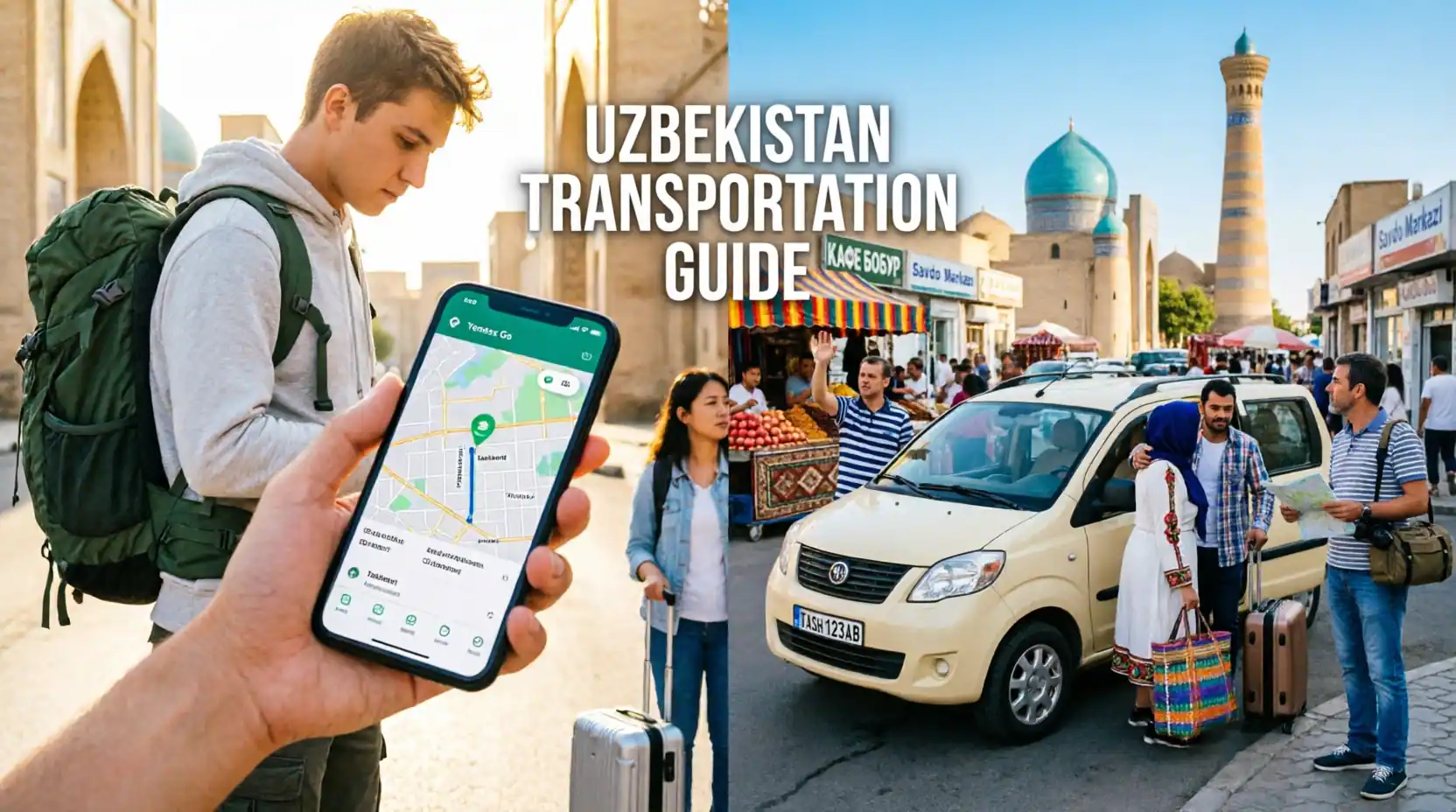
Understanding Transportation Options in Uzbekistan
Getting around Uzbekistan presents first-time travelers with two primary choices. The modern Yandex Go app offers convenient ride-hailing similar to Uber. Traditional shared taxis provide authentic local experiences at budget prices.
Both options have distinct advantages depending on your travel style and destination. Understanding these differences helps you navigate Uzbekistan confidently and efficiently.
Uzbekistan's transportation infrastructure has improved dramatically in recent years. The government actively supports digital innovation while preserving traditional services that communities rely upon.
First-time visitors often feel overwhelmed by transportation choices. This comprehensive guide compares Yandex Go and shared taxis across cost, convenience, safety, and cultural experience.
Whether you prioritize budget travel, comfort, or cultural immersion, this article helps you select the right transportation method for every leg of your Uzbekistan journey.
Why Transportation Choice Matters for First-Time Travelers

Your transportation decisions directly impact your Uzbekistan experience. Poor choices can waste time, money, and energy that could enhance your cultural exploration.
First-time travelers face unique challenges including language barriers, unfamiliar currency, and different cultural norms. Transportation decisions compound these challenges if not properly understood.
Choosing between app-based rides and shared taxis affects your budget significantly. A single day of poor transportation choices can double your daily expenses unexpectedly.
Safety considerations vary between transportation methods. Understanding local practices helps you avoid scams and uncomfortable situations that can derail your trip.
Cultural immersion opportunities differ dramatically between options. Shared taxis connect you with locals while app rides offer privacy and predictability.
What Makes Uzbekistan Transportation Unique?
Uzbekistan blends Soviet-era infrastructure with modern digital services. This combination creates transportation options unavailable in most other countries.
The dominance of Chevrolet vehicles provides visual consistency across the country. Nearly all taxis and shared vehicles are Chevrolet Spark, Nexia, or Damas models.
Cash remains the primary payment method despite app availability. Understanding currency exchange and small bill management is essential for smooth transactions.
Regional variations affect transportation availability and pricing. Tashkent offers the most options while rural areas rely heavily on shared taxis and minibuses.
Yandex Go App Complete Guide for Uzbekistan

Yandex Go serves as Central Asia's leading ride-hailing platform. The app operates similarly to Uber with familiar interface and booking process.
Download Yandex Go before arriving in Uzbekistan. The app works on both iOS and Android devices with English language support.
Create your account using an international phone number. You can add a local Uzbek SIM card later for improved connectivity and pricing.
Link a credit card for seamless payments or choose cash option. Most travelers prefer cash to avoid foreign transaction fees and currency conversion issues.
Enter your destination in English or Cyrillic script. The app recognizes major landmarks, hotels, and addresses throughout Uzbekistan's cities.
Setting Up Yandex Go for First Use
Enable location services for accurate pickup positioning. The app uses GPS to match you with nearby drivers efficiently.
Review fare estimates before confirming rides. Prices fluctuate based on demand, time of day, and distance traveled.
Check driver ratings and vehicle details before accepting rides. Higher-rated drivers typically provide better service and safer vehicles.
Use the in-app chat feature to communicate with drivers. Basic translation tools help overcome language barriers during pickup coordination.
Save frequent destinations like your hotel or major attractions. This feature speeds up booking and reduces input errors in unfamiliar locations.
Yandex Go Pricing and Payment
Base fares in Tashkent start around 5,000 to 8,000 Uzbek Som for short trips. This equals approximately $0.40 to $0.65 USD at current exchange rates.
Per kilometer rates range from 1,500 to 2,500 Som depending on vehicle class. Economy options cost less while comfort and business classes charge premiums.
Peak hour surcharges apply during morning and evening rush periods. Expect 20 to 50 percent price increases between 7-9 AM and 5-8 PM.
Airport pickups often include additional fees. Tashkent International Airport rides may cost 15,000 to 25,000 Som more than regular urban trips.
Cash payments require exact change whenever possible. Drivers appreciate small bills and may struggle to provide change for large denominations.
Advantages of Using Yandex Go
Transparent pricing eliminates negotiation stress and potential overcharging. You see the exact fare before confirming your ride.
Driver and vehicle information provides security and accountability. License plates, photos, and ratings help verify your ride matches the app details.
Route tracking allows sharing your journey with travel companions. This feature enhances safety especially for solo travelers or nighttime trips.
English language support reduces communication barriers. The app interface and basic driver communication tools accommodate international visitors.
Receipt generation simplifies expense tracking for business travelers. Digital records help with reimbursement and budget management.
Limitations of Yandex Go in Uzbekistan
Service availability decreases outside major cities. Samarkand and Bukhara have good coverage but rural areas may lack app-based options.
Internet connectivity requirements can create challenges. Poor signal areas may prevent booking or cause app malfunctions during rides.
Payment flexibility remains limited compared to cash taxis. Some drivers prefer cash even when app payment is selected.
Vehicle quality varies significantly between drivers. Economy class rides may feature older vehicles with basic comfort levels.
Surge pricing during festivals or events can dramatically increase costs. Major celebrations may trigger 2x or 3x fare multipliers.
Shared Taxis Complete Guide for Uzbekistan

Shared taxis represent Uzbekistan's traditional transportation backbone. These vehicles operate on fixed routes carrying multiple passengers heading in similar directions.
Identify shared taxis by their distinctive appearance and behavior. Look for Chevrolet Spark or Damas vans with multiple passengers and drivers calling out destinations.
Shared taxis depart when full rather than on fixed schedules. This system maximizes efficiency but requires patience and flexibility from passengers.
Fares are negotiated before boarding and typically charged per seat. Prices depend on distance, route popularity, and number of passengers.
Drivers often speak limited English but communicate destinations through gestures and basic phrases. Learning key Uzbek or Russian transportation terms enhances your experience.
Finding and Boarding Shared Taxis
Locate shared taxi stands at major transportation hubs. Airports, train stations, and bus terminals feature organized queues with designated routes.
Street hailing works in urban areas with practice. Stand near busy intersections and signal drivers while clearly stating your destination.
Confirm the route and fare before entering the vehicle. Misunderstandings about destinations create awkward situations and potential overcharging.
Board quickly when space becomes available. Shared taxis prioritize efficiency and may depart without waiting for hesitant passengers.
Store luggage securely in the trunk or on your lap. Space constraints require compact packing and consideration for fellow passengers.
Shared Taxi Pricing and Payment
Short urban trips cost 5,000 to 15,000 Som per person. This budget option undercuts app-based rides by 30 to 50 percent typically.
Intercity shared taxis charge 20,000 to 50,000 Som depending on distance. Tashkent to Samarkand shared rides cost approximately 35,000 Som per seat.
Negotiate fares politely but firmly. Start with local price knowledge and adjust based on driver responses and route specifics.
Carry small denomination bills for exact payment. Drivers appreciate 1,000, 5,000, and 10,000 Som notes for efficient transactions.
Group travel can reduce per-person costs significantly. Four passengers sharing a taxi split the fare making it competitive with app pricing.
Advantages of Shared Taxis
Significant cost savings benefit budget-conscious travelers. Shared rides often cost half the price of private app-based alternatives.
Cultural immersion occurs naturally through passenger interactions. Conversations with locals provide insights unavailable through guided tours.
Flexibility for spontaneous route changes appeals to adventurous travelers. Drivers often accommodate reasonable detours for additional small fees.
Wide availability across urban and rural areas ensures transportation access. Shared taxis reach destinations where app services do not operate.
No internet or smartphone requirements make this option universally accessible. Travelers with basic phones or connectivity issues can still navigate effectively.
Challenges of Shared Taxis
Language barriers create communication difficulties for first-time visitors. Destination misunderstandings can lead to wrong stops or overcharging.
Comfort levels vary significantly between vehicles. Older cars may lack air conditioning, seat belts, or adequate maintenance.
Departure timing depends on filling all seats. Waiting periods can range from minutes to over an hour during off-peak times.
Safety standards differ from regulated app services. Vehicle inspections and driver background checks may be less rigorous.
Luggage space limitations affect travelers with multiple bags. Large suitcases may require purchasing additional seats or finding alternative transport.
Cost Comparison Yandex Go Versus Shared Taxis

Understanding transportation costs helps budget your Uzbekistan trip accurately. Price differences between options vary by route, time, and passenger count.
Urban Transportation Costs
Tashkent city center trips illustrate typical pricing differences. A 5 kilometer ride costs 12,000 Som via Yandex Go versus 7,000 Som via shared taxi.
Samarkand historic district rides follow similar patterns. App-based fares average 15,000 Som while shared taxis charge 9,000 Som for equivalent distances.
Bukhara old city transportation shows smaller price gaps. Limited app availability reduces competition keeping Yandex Go prices closer to shared taxi rates.
Evening and nighttime rides increase costs for both options. Yandex Go applies surge pricing while shared taxi drivers may request higher fares after dark.
Group travel changes the cost equation significantly. Four passengers sharing a taxi split fares making private rides competitive with app pricing.
Intercity Transportation Costs
Tashkent to Samarkand demonstrates long-distance pricing. Yandex Go private rides cost 350,000 Som while shared taxis charge 35,000 Som per seat.
Samarkand to Bukhara follows similar patterns. App-based private transfers cost 280,000 Som versus 28,000 Som per person for shared taxis.
Bukhara to Khiva represents remote route pricing. Limited app availability makes shared taxis the primary option at 25,000 Som per seat.
Airport transfers show unique pricing dynamics. Yandex Go provides fixed fares from 45,000 Som while airport shared taxis negotiate from 15,000 Som.
Multi-stop itineraries benefit from app pricing transparency. Complex routes with multiple destinations are easier to price and book through Yandex Go.
Hidden Costs to Consider
Internet data usage affects Yandex Go total costs. Navigation and booking consume approximately 50-100 MB per day of active use.
Currency exchange fees impact cash transactions for shared taxis. Poor exchange rates at airports or hotels can add 5-10 percent to transportation budgets.
Waiting time costs differ between options. Shared taxi delays may waste valuable sightseeing time while app rides provide predictable scheduling.
Luggage fees apply occasionally for shared taxis. Large bags may require purchasing extra seats adding unexpected costs to budget calculations.
Tipping customs vary between transportation methods. App rides rarely expect tips while shared taxi drivers appreciate small gratuities for good service.
Safety and Security Considerations

Transportation safety requires attention regardless of chosen method. Understanding risks and precautions protects travelers throughout their Uzbekistan journey.
Yandex Go Safety Features
Driver verification provides baseline security assurance. Background checks and document validation reduce risks compared to unregulated taxis.
Real-time trip tracking enables sharing location with contacts. This feature enhances safety for solo travelers and nighttime journeys.
In-app emergency contacts connect to local authorities if needed. Quick access to help provides peace of mind during unfamiliar travel.
Vehicle identification through license plates and photos prevents boarding wrong cars. Visual verification matches app details with actual vehicles.
Rating systems encourage good behavior from both drivers and passengers. Accountability mechanisms promote respectful interactions and safe practices.
Shared Taxi Safety Practices
Choose taxis with multiple passengers when possible. Groups provide natural security and reduce targeting risks for solo travelers.
Verify driver credentials informally through conversation. Legitimate drivers typically know routes well and communicate destinations clearly.
Avoid displaying valuables or large amounts of cash. Discretion prevents attracting unwanted attention during shared rides.
Trust your instincts about vehicle condition and driver behavior. Decline rides that feel unsafe even if it means waiting for better options.
Share your travel plans with accommodation staff. Hotel personnel can provide local advice about reliable transportation and areas to avoid.
General Safety Tips for All Transportation
Keep copies of important documents separate from originals. Passport photocopies facilitate replacement if theft occurs during transit.
Use hotel concierge services for transportation recommendations. Local staff know reliable drivers and current safety conditions.
Avoid traveling alone late at night when possible. Group travel or pre-arranged transportation reduces risks during vulnerable hours.
Learn basic emergency phrases in Uzbek or Russian. Simple communication skills help resolve issues quickly during transportation challenges.
Carry local emergency contact numbers including tourist police. Quick access to help resources enhances overall travel security.
Practical Tips for First-Time Travelers

Successful transportation navigation requires preparation and adaptability. These practical tips help first-time visitors maximize their Uzbekistan experience.
Pre-Arrival Preparation
Download Yandex Go and create your account before departure. Pre-setup eliminates connectivity challenges during initial arrival stress.
Research typical fares for your planned routes. Price knowledge prevents overcharging and supports confident negotiation with shared taxi drivers.
Obtain local currency in small denominations before transportation needs. Having appropriate bills simplifies transactions and reduces exchange complications.
Save your accommodation address in both English and Cyrillic scripts. Dual-format addresses help drivers locate destinations regardless of language preferences.
Install offline maps as backup navigation tools. Google Maps or Maps.me provide route guidance when internet connectivity fails.
On-the-Ground Strategies
Start with Yandex Go for initial airport transfers. Familiar app interface reduces stress during arrival when fatigue and disorientation peak.
Gradually incorporate shared taxis as confidence builds. Progressive exposure to local transportation builds skills without overwhelming first-time visitors.
Ask hotel staff for transportation advice specific to your itinerary. Local knowledge reveals route nuances and reliable service providers.
Carry a translation app for complex destination communication. Google Translate's conversation mode helps bridge language gaps during negotiations.
Keep small bills readily accessible for quick transactions. Efficient payment processes reduce waiting time and improve overall experience.
Cultural Etiquette for Transportation
Greet drivers with "Assalomu alaykum" when boarding shared taxis. This traditional greeting shows respect and often improves service quality.
Remove shoes when entering vehicles if requested. Some drivers prefer clean interiors and may ask passengers to follow this custom.
Avoid loud conversations or phone calls during shared rides. Respectful behavior maintains pleasant atmosphere for all passengers.
Tip modestly for exceptional service when appropriate. Small gratuities of 1,000-2,000 Som acknowledge good drivers without creating expectations.
Thank drivers with "Rahmat" when departing. Simple expressions of gratitude foster positive interactions and cultural appreciation.
Sample Transportation Itinerary for First-Time Visitors

Strategic transportation planning optimizes time, budget, and experience quality. This sample itinerary demonstrates effective method selection throughout a typical Uzbekistan trip.
Day One Arrival in Tashkent
Use Yandex Go for airport to hotel transfer. Fixed pricing and English support reduce arrival stress after long international flights.
Explore nearby attractions using Yandex Go for short trips. App convenience helps orient yourself to the city while building confidence.
Evening dinner travel can use either method based on comfort level. Short distances make both options viable for initial experimentation.
Save hotel address and key locations in Yandex Go app. Pre-saved destinations streamline future booking and reduce input errors.
Day Two Tashkent Exploration
Morning sightseeing combines Yandex Go for efficiency with shared taxis for cultural experience. Strategic mixing maximizes both convenience and immersion.
Use shared taxis for routes with clear destination signs. Simple trips to Chorsu Bazaar or Independence Square work well for first shared taxi experiences.
Afternoon museum visits benefit from Yandex Go scheduling reliability. Time-sensitive activities require predictable transportation to avoid missing reservations.
Evening exploration can experiment with shared taxis as confidence grows. Successful daytime experiences build skills for more complex nighttime navigation.
Day Three Tashkent to Samarkand
High-speed train represents best intercity option for this route. Afrosiyob service covers 300 kilometers in just 2 hours comfortably.
Use Yandex Go for hotel to train station transfer. Punctuality matters for train departures making app reliability valuable.
Samarkand arrival transportation can use shared taxis for budget savings. Short distances from station to hotels keep costs minimal regardless of method.
Evening Registan Square visits work well with either transportation choice. Central location and tourist infrastructure support both options effectively.
Day Four Samarkand Exploration
Morning historic site visits benefit from Yandex Go efficiency. Multiple stops with luggage or time constraints favor app-based scheduling.
Afternoon bazaar exploration pairs well with shared taxis. Flexible routing and local driver knowledge enhance market navigation experiences.
Evening cultural performances may require pre-arranged transportation. Coordinate with venues or hotels for reliable return trips after events.
Mix transportation methods based on daily priorities. Balance budget considerations with comfort needs throughout your exploration.
Troubleshooting Common Transportation Issues

Even well-prepared travelers encounter transportation challenges. These solutions address frequent problems first-time visitors face in Uzbekistan.
Yandex Go App Problems
App not loading or connecting? Check internet connectivity and restart the application. Poor signal areas may require moving to better coverage locations.
Driver cannot find your location? Use landmark references and share your position via in-app chat. Major hotels and attractions serve as reliable pickup points.
Fare seems incorrect or surge pricing applies? Compare with estimated prices and consider waiting for demand to decrease. Off-peak travel often reduces costs significantly.
Payment issues with card transactions? Switch to cash payment option or verify card details with your bank. International transaction blocks sometimes affect travel purchases.
Driver speaks no English? Use translation apps for basic communication or request hotel staff assistance with destination details. Visual aids like maps help bridge language gaps.
Shared Taxi Challenges
Destination misunderstanding occurs? Show written addresses in Cyrillic script or use map images on your phone. Visual references often clarify verbal confusion.
Fare negotiation feels uncomfortable? Research typical prices beforehand and practice polite but firm communication. Local hotel staff can provide current rate guidance.
Vehicle condition seems unsafe? Trust your instincts and decline rides that appear problematic. Wait for better options rather than compromising safety for convenience.
Waiting time exceeds expectations? Use delays for people-watching or cultural observation. Shared taxi stands often provide interesting glimpses into local life.
Luggage space insufficient? Consider purchasing an extra seat or splitting bags between vehicles. Flexible approaches solve space constraints without major disruption.
General Problem-Solving Strategies
Keep accommodation contact information readily available. Hotel staff can provide transportation assistance or alternative solutions during difficulties.
Carry backup transportation funds in separate locations. Multiple cash sources prevent complete immobilization if theft or loss occurs.
Learn basic phrases for common transportation scenarios. Simple Uzbek or Russian expressions facilitate communication during routine interactions.
Document transportation details including license plates and driver information. Records assist with issue resolution or reporting if problems arise.
Maintain flexible attitudes toward transportation plans. Adaptability reduces stress when unexpected changes require alternative arrangements.
Conclusion and Final Recommendations

Choosing between Yandex Go and shared taxis in Uzbekistan depends on your priorities and travel style. Both options offer valid approaches to navigating this fascinating country.
First-time travelers benefit from starting with Yandex Go for familiar interface and predictable pricing. Gradual incorporation of shared taxis builds confidence and cultural connection.
Budget-conscious visitors maximize savings through strategic shared taxi use while maintaining app backups for complex routes or time-sensitive travel.
Cultural immersion seekers embrace shared taxis for authentic local interactions while using apps for practical necessities like airport transfers or late-night returns.
Regardless of chosen method, preparation and flexibility ensure successful transportation experiences throughout your Uzbekistan adventure.
Remember that transportation represents more than logistics in Uzbekistan. Each ride offers opportunities for connection, learning, and memorable moments that define meaningful travel.
Embrace both modern convenience and traditional charm as you explore this remarkable country. Your transportation choices shape your journey in ways that extend far beyond simple point-to-point movement.
0 Comments