.webp)
.webp)
Discovering Togos Ancient Maritime Craft Tradition
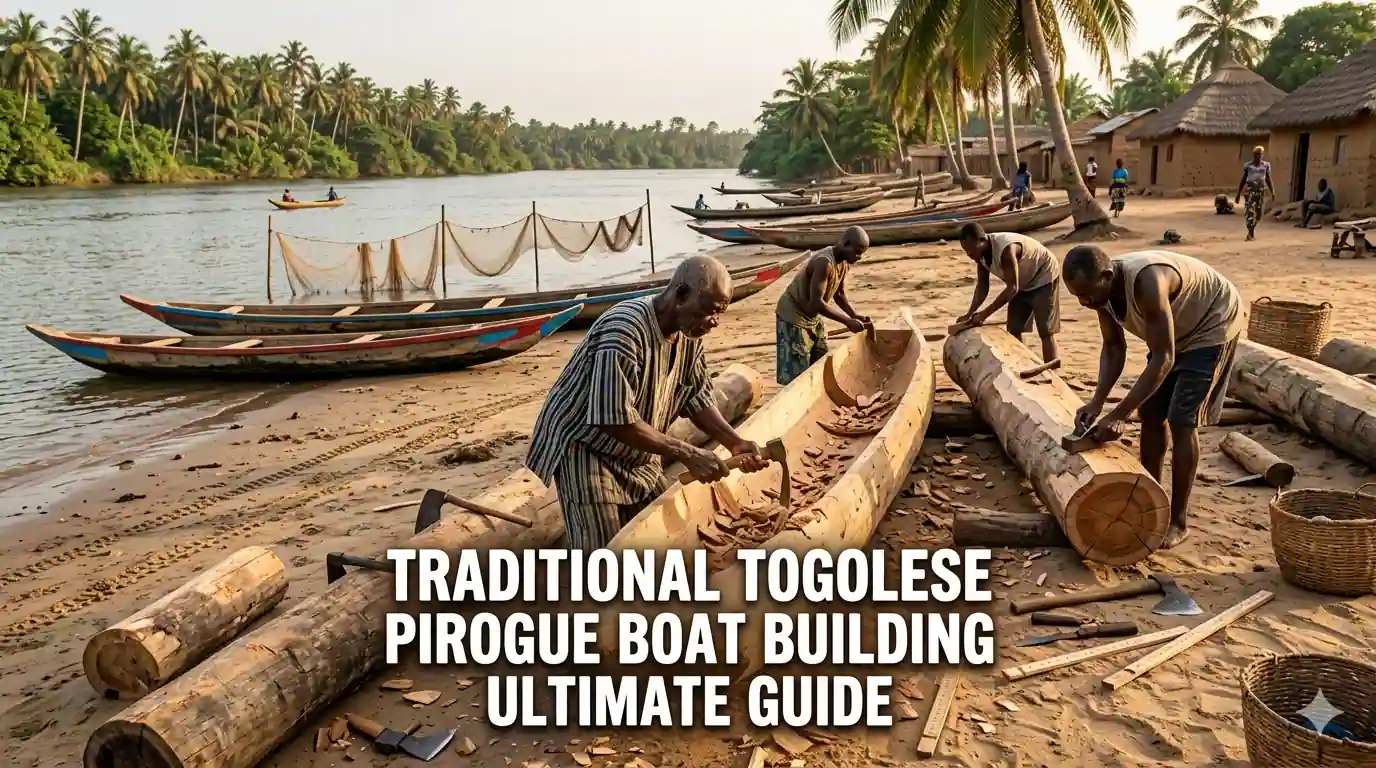
Traditional boat building in Togo represents centuries of maritime knowledge passed down through generations. The craft of constructing pirogues or dugout canoes remains vital to coastal and riverside communities throughout the country.
These handcrafted vessels serve as the backbone of local fishing industries transportation systems and cultural practices. Understanding pirogue construction provides insights into Togolese ingenuity and adaptation to coastal environments.
Master boat builders employ techniques refined over generations using traditional tools and locally sourced materials. This ancient craft continues thriving despite modernization pressures demonstrating cultural resilience.
Visiting traditional boat building sites offers travelers unique opportunities to witness living heritage. This guide reveals everything about Togolese pirogue construction from techniques to where to observe this remarkable craftsmanship.
The art of pirogue building connects Togo to broader West African maritime traditions while maintaining distinctive local characteristics. Each vessel tells stories of skill patience and cultural continuity.
Historical Origins of Togolese Boat Building

Boat building in Togo traces back to pre-colonial era when coastal communities developed sophisticated maritime technologies. The Ewe Mina and other ethnic groups perfected dugout canoe construction adapting to Atlantic coastal conditions.
Traditional knowledge transferred through apprenticeship systems where young men learned from master builders over many years. This oral and practical transmission ensured technique preservation across generations.
Colonial period introduced new tools and some design modifications though core construction methods remained traditional. European contact brought metal tools replacing stone and shell implements but building principles stayed intact.
Fishing communities along Togos fifty-six kilometer coastline developed specialized pirogue designs suited to local conditions. Different vessel types emerged for lagoon fishing open ocean expeditions and river transportation.
Post-independence era saw some modernization though traditional methods persist particularly in rural areas. The craft remains economically and culturally significant supporting thousands of livelihoods.
UNESCO and cultural organizations increasingly recognize traditional boat building as intangible heritage worthy of preservation. Documentation efforts aim to safeguard this knowledge for future generations.
Types of Pirogues in Togo

Togolese boat builders construct various pirogue types designed for specific purposes and water conditions. Understanding these variations reveals adaptation to diverse maritime environments.
Fishing pirogues represent the most common type ranging from small four-meter vessels to larger ten-meter craft. These boats feature narrow beams for speed and maneuverability in coastal waters.
Transport pirogues prioritize cargo capacity and stability over speed. These wider vessels carry goods passengers and equipment between coastal villages and across lagoons.
Ocean-going pirogues built for offshore fishing feature reinforced hulls and greater length. These robust craft withstand Atlantic swells and enable multi-day fishing expeditions.
Lagoon pirogues designed for calm inland waters emphasize shallow draft and stability. These boats navigate mangrove channels and lake surfaces with ease.
Ceremonial pirogues occasionally constructed for festivals and cultural events feature decorative carvings and special finishes. These vessels showcase artistic skills beyond functional requirements.
Traditional Materials and Wood Selection

Wood selection proves critical for successful pirogue construction requiring specific characteristics and extensive knowledge. Master builders identify suitable trees based on species grain patterns and growth conditions.
Iroko wood remains the preferred material for quality pirogues due to durability water resistance and workability. This tropical hardwood withstands marine environments for decades with proper maintenance.
Samba African mahogany and other hardwoods serve as alternatives when iroko proves unavailable or cost-prohibitive. Different woods offer varying characteristics affecting boat performance and longevity.
Tree selection involves identifying straight trunks with minimal branching and appropriate diameter. Builders seek trees at least one meter in diameter for standard pirogues requiring larger dimensions for bigger vessels.
Sustainable harvesting practices increasingly important as old-growth forests diminish. Some builders now work with smaller trees or reclaimed wood adapting techniques to material availability.
Wood seasoning before construction prevents cracking and warping though time constraints sometimes limit this process. Traditional knowledge guides decisions about when wood is ready for carving.
Essential Tools of the Trade

Traditional pirogue construction employs specialized tools though modern implements have supplemented traditional implements. Understanding these tools reveals the craftsmanship involved.
Chainsaws now commonly used for initial trunk cutting and rough shaping replacing labor-intensive axe work. This modernization reduces construction time significantly while maintaining traditional finishing techniques.
Adzes remain essential for hollowing and shaping hulls requiring considerable skill to wield effectively. Master builders control these tools with precision creating smooth interior and exterior surfaces.
Chisels and gouges refine details and create precise joints. These hand tools enable the fine work that distinguishes quality craftsmanship from basic construction.
Planes smooth surfaces and achieve final hull shapes. Both traditional wooden planes and modern metal versions appear in contemporary boat building workshops.
Measuring tools including ropes stakes and simple levels guide proportions and symmetry. Traditional builders rely on experience and visual assessment more than precise measurements.
Fire historically used for hollowing though now rarely employed. Controlled burning softened wood for removal a technique largely replaced by mechanical methods.
The Pirogue Construction Process Step by Step

Building a traditional pirogue follows sequential steps refined over generations. Each phase requires specific skills and careful execution to produce seaworthy vessels.
Tree felling and transport to the workshop represents the first challenging step. Large trunks require significant effort to move often involving community cooperation and traditional techniques.
Bark removal and initial shaping establish the boats basic dimensions. Builders mark outlines using traditional proportions based on intended use and desired capacity.
Rough hollowing creates the interior cavity that will become the boats cargo and passenger space. This labor-intensive phase removes bulk material while leaving sufficient hull thickness.
Hull shaping refines exterior contours for optimal water performance. Builders create streamlined forms reducing drag while maintaining structural integrity and stability.
Interior finishing smooths surfaces and establishes final dimensions. This phase requires particular skill to achieve even hull thickness preventing weak points.
Gunwale installation adds structural reinforcement along the boats upper edges. This framing prevents hull spreading and provides attachment points for additional components.
Final smoothing and treatment prepares the vessel for water. Surface finishing affects both aesthetics and hydrodynamic performance.
Specialized Techniques and Craftsmanship Secrets

Master boat builders possess specialized knowledge distinguishing exceptional craftsmanship from basic construction. These techniques represent accumulated wisdom passed through generations.
Grain reading enables builders to work with woods natural characteristics rather than against them. Understanding grain patterns prevents splitting and ensures structural strength.
Proportion systems based on traditional ratios ensure balanced designs without complex calculations. Experienced builders internalize these proportions creating harmonious vessels through visual assessment.
Hull thickness variation strategically strengthens stress points while reducing weight elsewhere. This sophisticated approach optimizes performance and durability.
Symmetry achievement without modern measuring tools demonstrates remarkable skill. Builders use simple techniques and experienced eyes to create balanced hulls.
Water testing and adjustment phases refine performance before delivery. Builders launch incomplete vessels to assess handling making modifications based on observed behavior.
Repair techniques extend vessel lifespans significantly. Master builders can restore damaged pirogues to full functionality using traditional methods.
Regional Variations in Building Styles

Different regions of Togo exhibit distinctive boat building styles reflecting local conditions and cultural preferences. These variations demonstrate adaptive innovation within traditional frameworks.
Maritime Region coastal communities build robust ocean-going pirogues designed for Atlantic conditions. These vessels feature reinforced hulls and higher freeboard for rough water handling.
Lagoon area builders around Lake Togo create shallower draft boats optimized for calm inland waters. These designs prioritize maneuverability in narrow channels over ocean capability.
Riverside communities along the Mono River construct vessels suited to river conditions and transportation needs. These pirogues balance cargo capacity with navigation requirements.
Northern influences occasionally appear in boats built by migrants from inland regions. These hybrid designs blend coastal and riverine traditions creating unique variations.
Urban workshops near Lome sometimes incorporate modern design elements while maintaining traditional construction methods. This evolution reflects changing user requirements and market demands.
Cultural Significance and Community Roles

Pirogue building transcends mere craft representing vital cultural practice connecting communities to maritime heritage. These vessels embody social economic and spiritual dimensions of coastal life.
Boat building workshops serve as community gathering places where knowledge transfers across generations. These spaces preserve not only technical skills but also cultural values and social bonds.
Launch ceremonies often accompany completion of major vessels involving blessings celebrations and community participation. These rituals acknowledge the boats significance beyond its functional role.
Fishing communities depend entirely on pirogues for livelihoods making boat builders essential community members. The craft supports entire economic ecosystems from fishermen to fish traders.
Traditional ownership patterns sometimes involve collective investment in vessels strengthening community ties. Shared ownership distributes costs and risks while reinforcing social cohesion.
Boat building knowledge represents cultural capital conferring status and respect on master craftsmen. These individuals hold important positions in community hierarchies.
Economic Aspects of Traditional Boat Building

Traditional pirogue construction comprises significant economic activity supporting thousands of livelihoods throughout coastal Togo. Understanding these economics reveals the crafts contemporary relevance.
Master builders typically operate small workshops employing several apprentices and assistants. These enterprises provide employment while training next generation of craftsmen.
Pirogue prices vary based on size wood quality and builder reputation ranging from five hundred to three thousand dollars. Larger ocean-going vessels command premium prices reflecting material and labor investments.
Payment structures often involve deposits progress payments and final settlement accommodating fishermen cash flow constraints. These arrangements reflect understanding of client economic realities.
Wood costs represent the largest expense followed by labor and tools. Material price increases particularly for quality hardwoods pressure builder margins and customer affordability.
Competition from fiberglass boats challenges traditional builders though many fishermen prefer wooden pirogues for repairability and performance characteristics. Market dynamics shape building practices and innovation.
Where to Witness Traditional Boat Building in Togo

Several locations throughout Togo offer opportunities to observe traditional pirogue construction. Visiting these sites provides authentic cultural experiences and supports craft preservation.
Anoho beach near Lome features active boat building yards where multiple craftsmen work simultaneously. This accessible location welcomes respectful visitors interested in observing traditional techniques.
Bagauida fishing village along the coast maintains traditional building practices with several active workshops. The villages remote location preserves authentic methods with minimal tourist influence.
Aneho historic town hosts boat builders working near the lagoon creating vessels suited to inland waters. This setting combines historical interest with living craft traditions.
Cape Coast areas feature ocean-going pirogue construction showcasing techniques for rough water vessels. These sites demonstrate adaptation to challenging Atlantic conditions.
Visiting workshops requires permission and respectful behavior. Engaging local guides facilitates appropriate introductions and ensures visits benefit communities rather than disrupt work.
Learning Opportunities and Apprenticeships

Traditional boat building knowledge transfers through apprenticeship systems though formal programs increasingly supplement this model. Understanding learning pathways reveals how the craft survives.
Traditional apprenticeships begin in adolescence with boys working alongside master builders for five to ten years. This immersive education combines observation practice and gradual skill development.
Apprentices progress from simple tasks like tool maintenance to complex operations like hull shaping. This graduated responsibility ensures competence before independent work.
Vocational training programs now offer structured boat building education combining traditional and modern techniques. These programs accelerate learning while preserving essential traditional knowledge.
International organizations occasionally sponsor workshops documenting and teaching traditional methods. These initiatives support preservation while creating economic opportunities for master builders.
Foreign visitors interested in learning typically participate in short-term workshops rather than full apprenticeships. These experiences provide basic understanding though mastery requires years of dedicated practice.
Modern Challenges Facing Traditional Builders

Traditional pirogue construction faces multiple challenges threatening its continuation. Understanding these pressures reveals the crafts vulnerability and preservation needs.
Wood scarcity particularly of preferred species like iroko forces builders to use inferior materials or expensive imports. Deforestation and logging restrictions limit access to quality timber.
Younger generations increasingly pursue alternative livelihoods viewing boat building as economically marginal and physically demanding. This demographic shift threatens knowledge transmission.
Fiberglass and metal boats compete with traditional pirogues offering different performance characteristics and maintenance requirements. Market competition pressures traditional builders to adapt or decline.
Climate change affects coastal conditions and fishing patterns altering boat requirements. Builders must adapt designs to changing environmental realities.
Economic pressures from cheap imports and changing fishing economics reduce demand for traditional vessels. Builders struggle to maintain viable businesses in changing markets.
Preservation and Sustainability Initiatives

Various efforts aim to preserve traditional boat building while ensuring environmental and economic sustainability. These initiatives balance heritage conservation with contemporary realities.
Reforestation programs specifically plant hardwood species suitable for boat construction. These long-term investments address wood scarcity while supporting future generations of builders.
Documentation projects record traditional techniques through video photography and written descriptions. These archives preserve knowledge even as practitioner numbers decline.
Cultural tourism initiatives create economic incentives for maintaining traditional practices. Visitor interest provides income supporting craft continuation though requires careful management to avoid commodification.
Sustainable harvesting certifications enable builders to access quality wood while supporting forest conservation. These programs balance material needs with environmental protection.
Hybrid approaches combining traditional methods with sustainable materials offer adaptation pathways. Innovation within tradition enables craft evolution without losing essential character.
Tools and Equipment for Aspiring Builders

Individuals interested in traditional boat building require specific tools and equipment. Understanding these requirements helps assess commitment levels and resource needs.
Essential hand tools include adzes chisels planes saws and measuring implements. Quality tools represent significant investment though last generations with proper care.
Safety equipment including eye protection gloves and hearing protection proves essential. Modern safety standards complement traditional practices protecting builders from injury.
Workspace requirements include covered areas for wood storage and construction plus access to water for launching. Adequate facilities enable efficient work and quality outcomes.
Material sourcing networks connect builders with wood suppliers tool merchants and finishing material providers. These relationships develop over years proving crucial for successful operations.
Learning resources including manuals videos and mentor access support skill development. Combining traditional apprenticeship with modern educational materials accelerates learning.
The Future of Togolese Boat Building

Traditional pirogue construction faces uncertain future requiring adaptive strategies for survival. Understanding trajectories helps identify support opportunities and preservation priorities.
Hybrid models blending traditional craftsmanship with sustainable practices and market realities offer promising pathways. Evolution rather than rigid preservation may ensure craft continuation.
Young builder initiatives providing training business support and market access encourage new generation entry. Economic viability proves essential for attracting and retaining practitioners.
International recognition through UNESCO or similar designations could elevate status and support preservation. Formal heritage designation brings resources and prestige though may alter practice.
Technology integration including improved tools and design software could enhance efficiency while maintaining traditional essence. Selective modernization may strengthen rather than weaken tradition.
Community commitment to maintaining boat building as cultural practice ultimately determines survival. External support helps but internal valuation proves decisive for long-term continuation.
Responsible Tourism and Cultural Respect
Visitors interested in traditional boat building must approach with cultural sensitivity and respect. Responsible engagement ensures experiences benefit rather than exploit communities.
Requesting permission before photographing or filming respects builders autonomy and dignity. Some craftsmen decline documentation for cultural or competitive reasons that deserve respect.
Compensating guides and workshops fairly for time and knowledge sharing supports economic sustainability. Free observation extracts value without reciprocity undermining craft viability.
Learning basic French or local greetings facilitates positive interactions demonstrating respect. Language effort signals genuine interest rather than mere curiosity.
Purchasing boats or supporting builders through legitimate channels provides tangible support. Direct economic benefits reinforce crafts value to communities.
Sharing experiences responsibly promotes appreciation without exoticization. Ethical storytelling respects cultural significance and human dignity of practitioners.
Conclusion Preserving Maritime Heritage
Traditional Togolese boat building represents remarkable cultural heritage combining practical skill artistic expression and community significance. These handcrafted pirogues embody generations of accumulated knowledge.
Witnessing this craft provides insights into West African maritime traditions sustainable practices and cultural resilience. The construction process reveals sophistication often overlooked in traditional technologies.
Supporting traditional builders through respectful tourism fair commerce and preservation advocacy helps ensure craft survival. These vessels and the knowledge creating them deserve protection as living heritage.
Visiting boat building sites in Togo offers authentic cultural experiences connecting travelers to maritime traditions. Your interest and respect contribute to valuing and preserving this remarkable craft.
The future of traditional pirogue building depends on balancing preservation with adaptation maintaining essence while responding to contemporary realities. By engaging thoughtfully you help ensure these wooden vessels continue gliding across Togolese waters for generations to come.
0 Comments