.webp)
.webp)
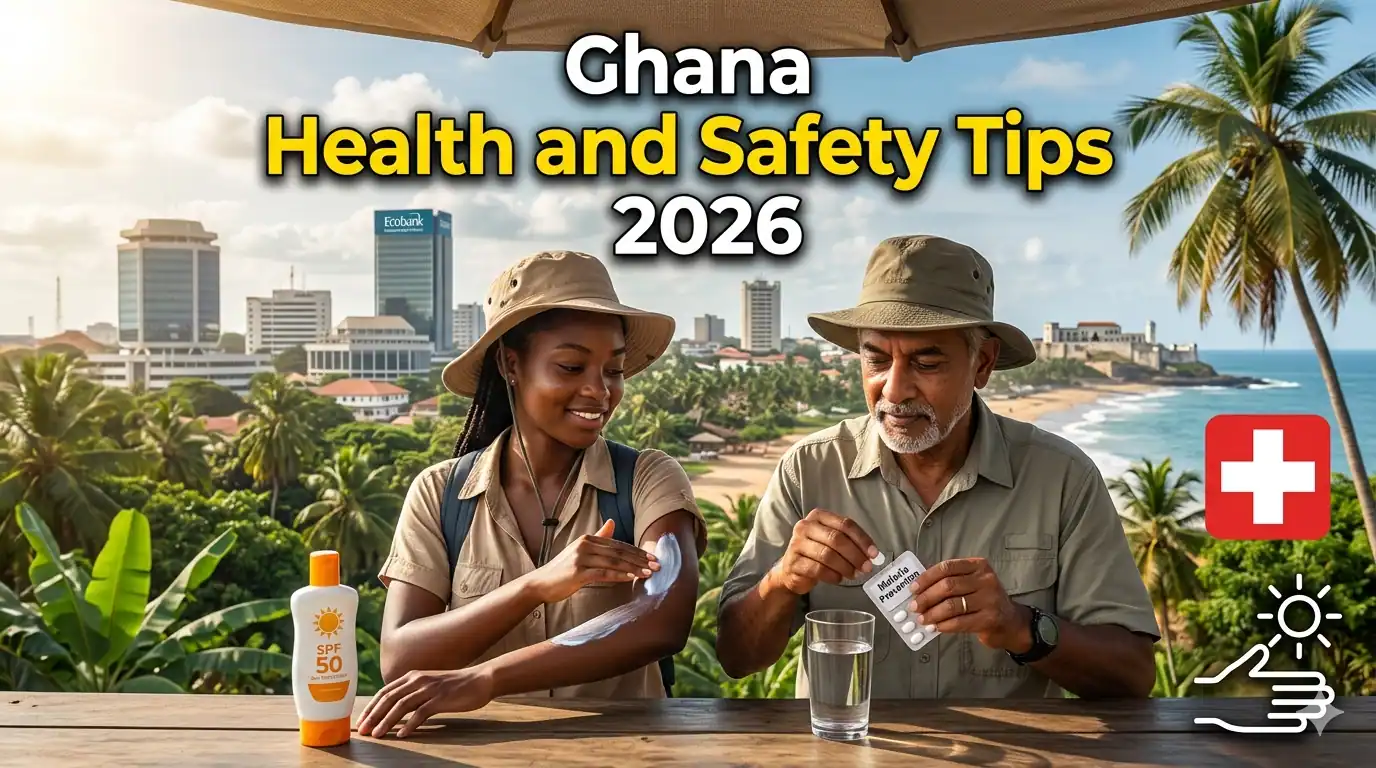
Introduction to Ghana Health and Safety
Traveling to Ghana offers incredible cultural experiences and natural beauty but requires careful health preparation.
Understanding malaria prevention and tropical sun protection is essential for a safe and enjoyable visit.
This comprehensive guide provides up-to-date information for travelers planning trips to Ghana in 2026.
Ghana's tropical climate presents specific health considerations that every visitor should address before departure.
Proper preparation significantly reduces health risks and enhances your overall travel experience in West Africa.
Understanding Malaria Risk in Ghana

Malaria remains the most significant health concern for travelers visiting Ghana throughout the year.
The disease is transmitted through bites from infected Anopheles mosquitoes active primarily at dusk and dawn.
Ghana experiences year-round malaria transmission with increased risk during and after the rainy seasons.
Both urban areas like Accra and rural regions present malaria exposure risks for unprotected travelers.
Understanding prevention strategies is crucial since malaria can develop into a serious illness if untreated.
What Is Malaria and How Is It Transmitted
Malaria is a parasitic disease caused by Plasmodium organisms transmitted through mosquito bites.
Female Anopheles mosquitoes carry the parasite and inject it into humans during blood meals.
Symptoms typically appear 10 to 15 days after infection and include fever, chills, and flu-like illness.
Without prompt treatment, malaria can progress to severe complications affecting multiple organ systems.
Early recognition and medical care are critical for preventing serious outcomes from malaria infection.
Which Regions of Ghana Have Highest Malaria Risk
All regions of Ghana present malaria risk but transmission intensity varies by location and season.
Coastal areas including Accra and Cape Coast have moderate year-round transmission levels.
Northern regions experience higher transmission rates especially during and after rainy seasons.
Rural areas and locations near standing water present elevated mosquito exposure risks.
Urban centers with better infrastructure may have lower but still significant transmission potential.
Malaria Prevention Strategies for Ghana Travelers

Effective malaria prevention combines medication, mosquito avoidance, and prompt medical attention.
Travelers should consult healthcare providers 4 to 6 weeks before departure for personalized recommendations.
Prescription antimalarial medications significantly reduce infection risk when taken as directed.
Physical barriers like insecticide-treated bed nets provide crucial protection during sleeping hours.
Combining multiple prevention methods offers the strongest defense against malaria transmission.
Which Antimalarial Medications Work Best for Ghana
Atovaquone-proguanil is highly effective and well-tolerated for short-term Ghana travel.
Doxycycline offers affordable protection but requires daily dosing and sun sensitivity precautions.
Mefloquine provides weekly dosing convenience but may cause neuropsychiatric side effects in some users.
Chloroquine is no longer recommended for Ghana due to widespread parasite resistance.
Your healthcare provider will help select the most appropriate medication based on your health profile.
How to Take Antimalarial Medication Correctly
Start your medication before travel as directed, typically 1 to 2 days or 1 to 2 weeks prior.
Continue taking doses consistently throughout your stay in Ghana without missing any doses.
Complete the full post-travel course, which may extend 1 to 4 weeks after leaving Ghana.
Set daily reminders to maintain your medication schedule and avoid accidental missed doses.
Carry medications in original packaging with prescription information for customs and emergency reference.
Mosquito Avoidance Techniques in Ghana

Physical and chemical mosquito avoidance complements medication for comprehensive malaria prevention.
Apply EPA-registered insect repellents containing DEET, picaridin, or oil of lemon eucalyptus.
Reapply repellent according to product instructions, especially after swimming or heavy sweating.
Wear long-sleeved shirts and long pants in light colors during peak mosquito activity hours.
Treat clothing and gear with permethrin for added protection against mosquito bites.
What Time Are Mosquitoes Most Active in Ghana
Anopheles mosquitoes that transmit malaria are most active from dusk through dawn hours.
Peak biting activity typically occurs between 6 PM and 6 AM throughout Ghana.
Travelers should maximize protective measures during evening and nighttime outdoor activities.
Indoor accommodations with air conditioning or well-fitted screens reduce exposure risk significantly.
Sleeping under insecticide-treated bed nets provides essential protection during vulnerable sleeping hours.
How to Choose Effective Insect Repellent
Select repellents with 20 to 50 percent DEET for reliable protection in tropical environments.
Picaridin 20 percent offers comparable effectiveness with less odor and skin irritation.
Oil of lemon eucalyptus provides natural option but requires more frequent reapplication.
Apply repellent to exposed skin after sunscreen and avoid contact with eyes and mouth.
Store repellents properly and check expiration dates to ensure maximum effectiveness.
Tropical Sun Protection Essentials for Ghana

Ghana's location near the equator creates intense ultraviolet radiation requiring diligent sun protection.
UV exposure can cause sunburn, premature aging, and increased skin cancer risk for unprotected travelers.
The tropical sun remains strong year-round with peak intensity between 10 AM and 4 PM.
Reflection from sand, water, and light surfaces amplifies UV exposure in coastal and outdoor settings.
Consistent sun protection practices preserve skin health and prevent painful sunburn during your visit.
What SPF Sunscreen Should You Use in Ghana
Use broad-spectrum sunscreen with SPF 30 or higher for adequate protection against UVA and UVB rays.
Water-resistant formulas maintain effectiveness during swimming, sweating, or humid tropical conditions.
Apply sunscreen generously 15 to 30 minutes before sun exposure to allow proper skin absorption.
Reapply every two hours and immediately after swimming, towel drying, or heavy perspiration.
Don't forget often-missed areas like ears, back of neck, tops of feet, and lips with SPF balm.
Additional Sun Protection Strategies
Wear wide-brimmed hats that shade face, ears, and neck from direct and reflected sunlight.
UV-blocking sunglasses protect eyes from cataract risk and reduce glare in bright conditions.
Lightweight long-sleeved clothing with UPF rating provides consistent protection without constant reapplication.
Seek shade during peak sun hours especially when engaging in outdoor activities or sightseeing.
Stay hydrated to support skin health and overall thermoregulation in hot tropical climates.
Required Vaccinations for Ghana Travel 2026

Ghana requires proof of yellow fever vaccination for entry from all travelers over one year of age.
Obtain your yellow fever vaccine at least 10 days before travel to ensure certificate validity.
Carry your International Certificate of Vaccination or Prophylaxis for presentation at border control.
Additional recommended vaccines include hepatitis A, hepatitis B, typhoid, and routine immunizations.
Consult a travel medicine specialist 4 to 6 weeks before departure for personalized vaccination planning.
Why Is Yellow Fever Vaccination Mandatory for Ghana
Yellow fever is a viral disease transmitted by mosquitoes in tropical regions of Africa and South America.
Ghana requires vaccination to prevent importation and potential establishment of the disease.
The vaccine provides long-lasting immunity and is highly effective at preventing infection.
International health regulations mandate the certificate to protect both travelers and local populations.
Failure to present valid proof may result in denied entry or vaccination upon arrival at additional cost.
Other Recommended Vaccines for Ghana Visitors
Hepatitis A vaccine protects against food and waterborne transmission common in tropical destinations.
Typhoid vaccination reduces risk from contaminated food and water especially in rural areas.
Hepatitis B vaccine is recommended for travelers who may have medical procedures or intimate contact.
Rabies pre-exposure vaccination may benefit travelers planning extended stays or rural adventures.
Ensure routine vaccines including measles-mumps-rubella and tetanus are up to date before travel.
Food and Water Safety in Ghana

Food and water precautions prevent common travel illnesses like travelers' diarrhea and parasitic infections.
Drink only bottled, boiled, or chemically treated water throughout your stay in Ghana.
Avoid ice cubes in drinks unless confirmed made from purified or bottled water sources.
Eat foods that are thoroughly cooked and served hot to minimize bacterial contamination risk.
Peel fruits and vegetables yourself or choose items you can wash with safe water.
How to Identify Safe Drinking Water in Ghana
Purchase sealed bottled water from reputable brands and check that caps are intact.
Use water purification tablets or portable filters when bottled water is unavailable.
Boil water for at least one minute to kill pathogens if other options are not accessible.
Avoid tap water for drinking, brushing teeth, or preparing infant formula without treatment.
Carry a reusable water bottle with built-in filtration for convenient safe hydration on the go.
Street Food Safety Guidelines
Street food can be safe when selected carefully and consumed with appropriate precautions.
Choose vendors with high customer turnover indicating fresh food preparation and popularity.
Opt for foods cooked thoroughly in front of you and served piping hot.
Avoid raw salads, unpeeled fruits, and foods left at ambient temperature for extended periods.
Carry hand sanitizer and clean your hands before eating when soap and water are unavailable.
Medical Facilities and Healthcare Access in Ghana

Ghana offers varying levels of medical care with major cities having better-equipped facilities than rural areas.
Accra and Kumasi host the most advanced hospitals with specialists and diagnostic capabilities.
Private hospitals generally provide higher standards of care and shorter wait times than public facilities.
Travelers should carry comprehensive travel insurance covering medical evacuation for serious conditions.
Know the location of reputable medical facilities near your accommodation before health issues arise.
Where to Find Quality Medical Care in Accra
Korle Bu Teaching Hospital is Ghana's largest public hospital with comprehensive services in Accra.
Nyaho Medical Centre offers private care with international standards and English-speaking staff.
Trust Hospital provides modern facilities and emergency services in the Airport City area.
International clinics cater specifically to expatriates and travelers with multilingual support.
Keep contact information for your chosen facility and your travel insurance emergency line readily available.
What to Do in a Medical Emergency
Call Ghana's emergency number 193 for ambulance services though response times may vary.
Contact your travel insurance provider immediately for guidance and coverage authorization.
Proceed to the nearest reputable hospital or clinic for urgent medical assessment and treatment.
Carry a list of medications, allergies, and pre-existing conditions to share with healthcare providers.
Keep copies of medical records and receipts for insurance claims and follow-up care coordination.
Travel Insurance for Ghana Health Coverage

Comprehensive travel insurance is essential for managing unexpected medical costs during Ghana visits.
Ensure your policy covers malaria treatment, emergency evacuation, and repatriation if needed.
Verify coverage limits are sufficient for private hospital care which can be expensive for foreigners.
Check that pre-existing conditions are disclosed and covered to avoid claim denials.
Carry your insurance card and emergency contact numbers in both digital and physical formats.
What Should Ghana Travel Insurance Cover
Medical expenses coverage of at least $100,000 ensures adequate protection for serious illnesses.
Emergency medical evacuation coverage is critical for accessing specialized care outside Ghana if needed.
Trip interruption and cancellation benefits protect your investment if illness prevents travel.
24/7 multilingual assistance services help coordinate care and navigate local healthcare systems.
Direct payment arrangements with hospitals reduce out-of-pocket expenses during treatment.
How to File a Travel Insurance Claim
Contact your insurance provider's emergency assistance line before seeking non-urgent care when possible.
Obtain detailed medical reports, itemized bills, and receipts for all treatments and medications.
Document the incident with photos, police reports if applicable, and witness contact information.
Submit claims promptly with all required documentation to avoid processing delays.
Keep copies of all submitted materials and follow up regularly on claim status.
Heat Illness Prevention in Tropical Ghana

Ghana's tropical climate poses risks of heat exhaustion and heatstroke for unprepared travelers.
High temperatures combined with humidity challenge the body's natural cooling mechanisms.
Acclimatize gradually by limiting intense activity during your first few days in Ghana.
Recognize early symptoms like heavy sweating, weakness, and dizziness to prevent progression.
Hydration and rest are fundamental strategies for maintaining health in hot tropical environments.
How to Stay Hydrated in Ghana's Climate
Drink water consistently throughout the day even before you feel thirsty.
Aim for at least 2 to 3 liters of fluids daily in hot and humid conditions.
Include electrolyte-replenishing beverages during prolonged outdoor activity or heavy sweating.
Limit alcohol and caffeine intake which can contribute to dehydration in tropical heat.
Monitor urine color as a simple indicator of hydration status aiming for pale yellow.
Recognizing Heat Exhaustion and Heatstroke
Heat exhaustion symptoms include heavy sweating, weakness, nausea, and cool moist skin.
Move to shade or air conditioning, loosen clothing, and sip water if experiencing these signs.
Heatstroke is a medical emergency with high body temperature, confusion, and possible loss of consciousness.
Seek immediate medical attention for suspected heatstroke as it can be life-threatening.
Prevent heat illness by scheduling activities during cooler morning or evening hours.
Personal Safety and Security in Ghana

Ghana is generally safe for travelers but standard precautions enhance personal security during your visit.
Stay aware of your surroundings especially in crowded markets and transportation hubs.
Use reputable transportation services and avoid traveling alone at night in unfamiliar areas.
Secure valuables in hotel safes and carry only necessary items when exploring cities.
Keep digital copies of important documents like passport and insurance separate from originals.
Is Ghana Safe for Solo Travelers
Ghana welcomes solo travelers and is considered one of West Africa's safer destinations.
Exercise normal caution regarding personal belongings and avoid displaying expensive items openly.
Connect with other travelers or join group tours for certain activities to enhance safety.
Inform accommodation staff or trusted contacts about your daily travel plans and expected return.
Trust your instincts and remove yourself from situations that feel uncomfortable or unsafe.
Emergency Contacts for Travelers in Ghana
Dial 191 for police assistance, 192 for fire services, and 193 for ambulance in Ghana.
Save contact information for your country's embassy or consulate in Accra for citizen services.
Keep your travel insurance emergency assistance number accessible at all times.
Program local contacts including hotel, tour operator, and trusted local guides into your phone.
Share your itinerary and emergency contacts with family or friends before departing for Ghana.
Post-Travel Health Monitoring

Health vigilance should continue after returning from Ghana to detect any travel-related illnesses.
Malaria symptoms can appear weeks or months after exposure so monitor your health carefully.
Seek medical evaluation promptly if you develop fever, chills, or flu-like symptoms after travel.
Inform healthcare providers about your Ghana travel history to ensure appropriate diagnostic testing.
Complete any prescribed post-travel medication courses as directed by your healthcare provider.
When to Seek Medical Care After Ghana Travel
Consult a healthcare provider immediately for fever occurring within one year of returning from Ghana.
Mention your travel history and malaria prophylaxis use to guide appropriate testing and treatment.
Seek care for persistent diarrhea, unusual rashes, or other symptoms that develop after travel.
Early diagnosis and treatment of travel-related illnesses improve outcomes and prevent complications.
Consider a post-travel health check if you engaged in high-risk activities or extended rural stays.
How to Prepare for Post-Travel Medical Visits
Document your travel dates, destinations, and activities to share with healthcare providers.
List all medications taken including malaria prophylaxis with dosages and timing.
Note any insect bites, unusual exposures, or health concerns experienced during your trip.
Bring your vaccination records and travel insurance information to facilitate care coordination.
Follow up as recommended to ensure complete resolution of any travel-related health issues.
Conclusion and Key Takeaways

Protecting your health in Ghana requires proactive planning and consistent preventive practices.
Malaria prevention through medication and mosquito avoidance is non-negotiable for all travelers.
Tropical sun protection with high-SPF sunscreen and protective clothing preserves skin health.
Required vaccinations especially yellow fever must be completed before arrival in Ghana.
Comprehensive travel insurance and knowledge of medical facilities provide crucial safety nets.
With proper preparation you can enjoy Ghana's incredible culture and landscapes with confidence and peace of mind.
0 Comments