.webp)
.webp)
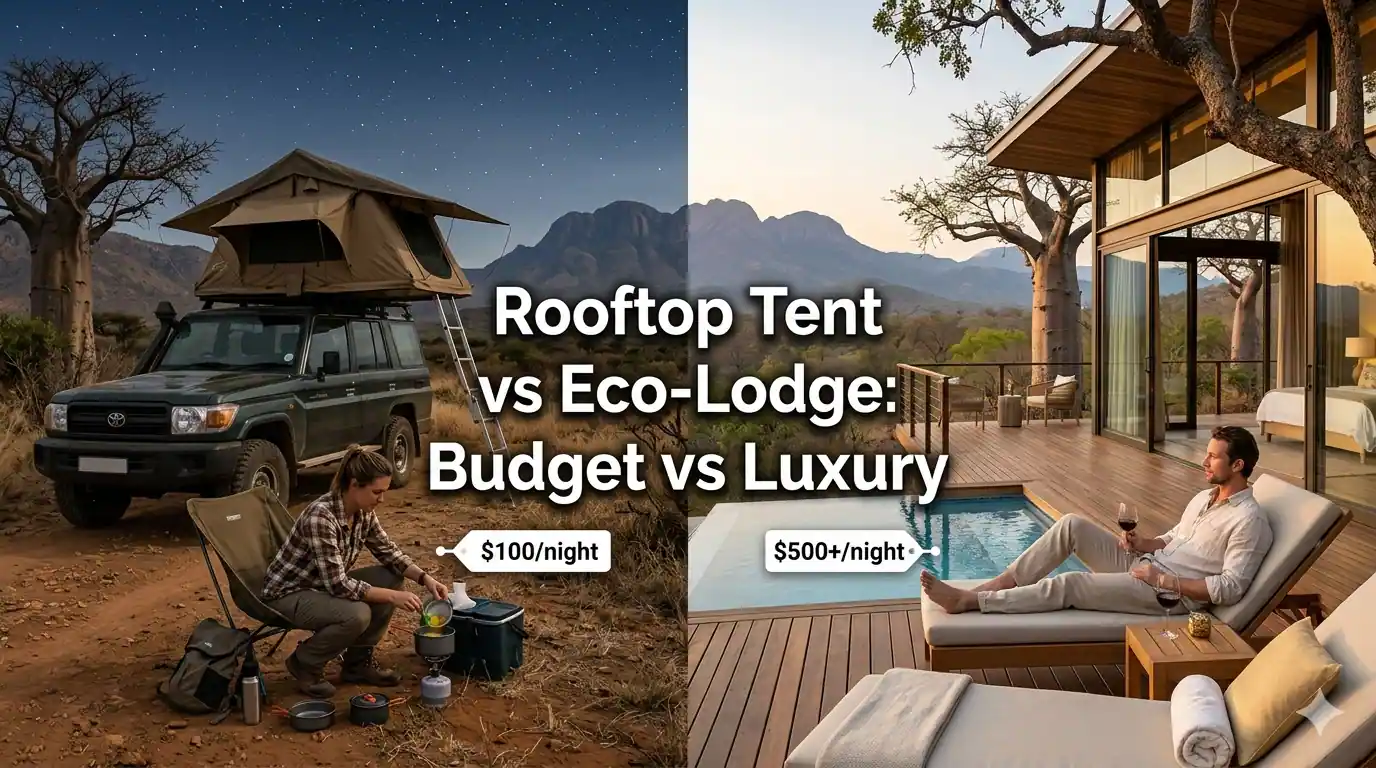
Introduction: The Great Accommodation Debate for Modern Travelers
In an era where travel experiences are increasingly valued over material possessions, outdoor enthusiasts and nature lovers face a fascinating dilemma: should you embrace the rugged freedom of rooftop tent camping, or indulge in the refined comfort of a high-end eco-lodge? This question isn't just about budget versus luxury—it's about defining what kind of connection you want with nature, what level of comfort enhances rather than detracts from your adventure, and how you want to allocate your travel budget for maximum impact and memory-making.
The rise of overlanding and self-drive adventures has made rooftop tent camping increasingly popular among travelers seeking authentic wilderness experiences without the bulk of traditional camping gear. These elevated sleeping platforms, mounted on 4x4 vehicles or trailers, offer mobility, quick setup, and protection from ground-dwelling creatures while keeping costs remarkably low. Meanwhile, the eco-lodge industry has exploded, offering sophisticated travelers the chance to experience pristine natural environments without sacrificing comfort, gourmet dining, or personalized service.
Both options cater to environmentally conscious travelers who want to minimize their footprint while maximizing their connection to nature. Yet they represent fundamentally different philosophies of travel: one emphasizes self-reliance, mobility, and raw adventure, while the other prioritizes comfort, curated experiences, and hassle-free immersion in nature. Understanding the true costs, benefits, and experiences of each approach helps you make an informed decision that aligns with your travel style, budget, and values.
This comprehensive comparison examines every aspect of rooftop tent camping versus high-end eco-lodges, from hard costs and comfort levels to environmental impact and experiential value. Whether you're planning an African safari, exploring South America's wilderness, or discovering remote corners of your own continent, this guide will help you choose the accommodation style that will make your journey unforgettable.
Understanding Rooftop Tent Camping: The Budget Adventurer's Choice

Rooftop tent camping has evolved from a niche overlanding accessory to a mainstream travel accommodation choice, particularly popular among adventure travelers in their 20s to 50s who value flexibility and authenticity. These tents, which mount on vehicle roof racks or dedicated platforms, deploy in minutes to create elevated sleeping quarters that keep campers off the ground, away from moisture, insects, and small wildlife.
Modern rooftop tents come in two primary styles: hard-shell models that pop up hydraulically or with gas struts, and soft-shell designs that unfold like traditional tents but from an elevated position. Hard-shell tents typically cost between $1,500 and $4,000, offer faster setup (2-5 minutes), and provide better insulation and weather resistance. Soft-shell tents range from $800 to $2,500, take 5-15 minutes to set up, but often provide more interior space and better ventilation.
The initial investment in a rooftop tent system extends beyond the tent itself. You'll need a suitable vehicle with adequate roof load capacity (dynamic weight rating of at least 165 pounds while driving), a quality roof rack system ($300-$800), and often ladder extensions or annex rooms for additional living space ($200-$600). However, this one-time investment replaces nightly accommodation costs and provides years of travel opportunities.
Beyond the gear, rooftop tent camping requires a mindset shift toward self-sufficiency. You become responsible for your own meals, water supply, power generation (often through portable solar panels or vehicle battery systems), and camp setup. This independence appeals to travelers who enjoy problem-solving, appreciate simplicity, and find satisfaction in mastering outdoor skills. The learning curve can be steep for beginners, but experienced rooftop tent campers can establish camp in complete darkness if necessary, cook elaborate meals with minimal equipment, and find safe, legal camping spots in remote locations.
The mobility advantage of rooftop tent camping cannot be overstated. Unlike traditional camping where you establish a base camp and take day trips, rooftop tent camping allows you to wake up in a new location every morning if desired. This flexibility is invaluable for photography enthusiasts chasing golden light, wildlife watchers following animal movements, or travelers simply exploring without a rigid itinerary. You're not tied to lodge schedules, meal times, or organized activities—you create your own adventure.
Daily Costs of Rooftop Tent Camping
Once you've made the initial equipment investment, the ongoing costs of rooftop tent camping are remarkably low compared to any other accommodation style. Campsite fees vary widely depending on location and amenities: basic wilderness camping with no facilities might cost $5-$15 per night, established campgrounds with toilets and water range $15-$35, and premium campsites with electricity, showers, and facilities run $35-$60 per night.
Food costs depend entirely on your cooking style and location. Self-catering with groceries purchased in towns typically costs $15-$30 per person per day in developing countries and $25-$50 in developed nations. Dining out occasionally while camping adds $20-$40 per meal. Fuel costs represent a significant expense, especially for heavy 4x4 vehicles carrying rooftop tents—expect 15-30% reduced fuel efficiency compared to normal driving.
Additional ongoing costs include vehicle maintenance (more frequent with off-road driving), camping equipment replacement and upgrades, national park entry fees ($10-$50 per person per day in many African countries), and occasional splurges on showers or laundry facilities ($5-$15 per use). Despite these expenses, a couple traveling with a rooftop tent can comfortably explore for $50-$100 per day total in many destinations, or $100-$200 per day in more expensive regions.
Exploring High-End Eco-Lodges: Luxury Meets Conservation

High-end eco-lodges represent the pinnacle of sustainable luxury travel, combining world-class comfort with environmental responsibility and authentic cultural experiences. These properties, typically located in pristine natural environments from African savannas to Costa Rican rainforests, offer an immersive wilderness experience without the inconveniences of traditional camping. The eco-lodge movement has matured significantly over the past two decades, evolving from basic sustainable accommodations to sophisticated properties that rival five-star hotels while maintaining genuine environmental and social commitments.
Modern eco-lodges feature architecturally stunning designs that blend seamlessly with their surroundings, often using local materials and traditional building techniques. Accommodations range from luxurious tented suites with king-size beds, en-suite bathrooms, and private decks to permanent structures featuring floor-to-ceiling windows, outdoor showers, and plunge pools. Regardless of the specific design, high-end eco-lodges prioritize comfort without compromising their environmental ethos—solar power, rainwater harvesting, waste reduction, and local community employment are standard features rather than marketing gimmicks.
The service level at luxury eco-lodges typically exceeds that of urban hotels, with staff-to-guest ratios often reaching 2:1 or higher. Personalized attention includes private guides for game drives or nature walks, customized dining experiences accommodating dietary restrictions and preferences, and concierge services arranging everything from helicopter tours to cultural village visits. Many lodges employ naturalists, ornithologists, or conservation biologists who lead educational programs, enhancing guests' understanding of the local ecosystem and conservation challenges.
Dining at high-end eco-lodges is an experience in itself, with executive chefs creating gourmet menus from locally sourced ingredients, often including produce from on-site gardens and sustainably harvested game or fish. Meals are typically included in the room rate and served in stunning settings—bush dinners under the stars, breakfast overlooking wildlife watering holes, or private picnics in remote locations. Wine cellars feature carefully curated selections, and many lodges accommodate special dietary needs with creativity and flair.
The curated experiences offered by eco-lodges represent significant value beyond accommodation. Guided game drives in custom safari vehicles, walking safaris with armed rangers, night drives to spot nocturnal wildlife, canoe excursions, and cultural visits to local communities are all included or available at additional cost. These experiences are led by expert guides with deep knowledge of local ecology, animal behavior, and conservation issues, providing educational depth that independent travelers might struggle to achieve on their own.
Understanding Eco-Lodge Pricing
High-end eco-lodges command premium prices that reflect their remote locations, exceptional service levels, environmental investments, and all-inclusive offerings. Rates typically range from $400 to $1,500 per person per night, with ultra-luxury properties exceeding $2,000 per person nightly. These rates usually include accommodation, all meals, most activities, and sometimes even premium beverages and special experiences.
The pricing structure reflects real costs: transporting food and supplies to remote locations, maintaining sophisticated infrastructure powered by renewable energy, employing and training local staff at fair wages, contributing to conservation projects and community development, and maintaining the high service standards discerning travelers expect. While the nightly rate seems steep compared to rooftop tent camping, the all-inclusive nature means fewer unexpected expenses during your stay.
Seasonal pricing variations can be significant, with peak season rates (typically dry season in Africa, dry months in tropical destinations) 30-50% higher than green or low season. Many lodges offer special rates for extended stays, honeymoon packages, or conservation-focused travelers willing to participate in research projects. Booking well in advance (6-12 months for popular properties) often secures better rates and ensures availability at sought-after lodges.
Head-to-Head Cost Comparison: The Real Numbers

Understanding the true cost difference between rooftop tent camping and eco-lodges requires examining both immediate expenses and long-term value. Let's break down a typical 10-day safari or wilderness adventure to see how the numbers compare.
Rooftop Tent Camping Costs (for two people, 10 days):
- Initial equipment investment (amortized over 50 trips): $100-$150
- Campsite fees ($25 average per night): $250
- Food and beverages ($40 per person daily): $800
- Fuel (increased consumption with heavy vehicle): $400-$600
- Park entry fees ($30 per person daily): $600
- Vehicle rental or depreciation: $500-$1,000
- Miscellaneous (showers, laundry, activities): $200
- Total: $2,850-$3,600 for two people
- 👉 Togo West African Heritage Loop Travel Guide 2026
- 👉 Lowland Gorilla Tracking in Dzanga-Sangha 2026: Prices, Permits & Habituated Groups
- 👉 DRC eVisa 2026: Step-by-Step Digital Visa Application Guide
High-End Eco-Lodge Costs (for two people, 10 days):
- Accommodation at $600 per person nightly (mid-range luxury): $12,000
- Premium beverages and special activities: $500-$1,000
- Gratuities for staff: $300-$500
- Transportation to remote lodge (flights/transfers): $1,000-$2,000
- Total: $13,800-$15,500 for two people
- 👉 Togo West African Heritage Loop Travel Guide 2026
- 👉 Lowland Gorilla Tracking in Dzanga-Sangha 2026: Prices, Permits & Habituated Groups
- 👉 DRC eVisa 2026: Step-by-Step Digital Visa Application Guide
The difference is stark: rooftop tent camping costs approximately 20-25% of a comparable eco-lodge experience. However, this comparison doesn't tell the whole story. The eco-lodge rate includes expert guides, all meals prepared by professional chefs, premium beverages, laundry service, and curated experiences that would cost extra for independent campers. Additionally, the time investment differs dramatically—rooftop tent camping requires hours daily for camp setup, meal preparation, and logistics, while eco-lodges handle everything seamlessly.
For budget-conscious travelers, the savings from rooftop tent camping could extend a trip from 10 days to 40 days, allow visits to more destinations, or fund future adventures. For those with limited vacation time but ample budget, eco-lodges maximize comfort and experiences within a constrained timeframe. The "better" choice depends entirely on your priorities: maximizing days in the field versus maximizing comfort and convenience per day.
Comfort and Convenience: Apples and Oranges?

Comparing comfort levels between rooftop tent camping and eco-lodges reveals fundamentally different philosophies about what constitutes a good night's rest and a satisfying travel experience. Rooftop tents have evolved significantly from basic canvas shelters, now featuring high-density foam mattresses, ventilation windows, LED lighting, and even USB charging ports. However, you're still sleeping in a tent, exposed to ambient temperatures, weather sounds, and the realities of outdoor living.
Climate control represents one of the biggest comfort differentiators. Rooftop tents rely on natural ventilation and appropriate sleeping bags or blankets for temperature regulation. In hot climates, this means warm nights interrupted by bathroom trips via ladder; in cold conditions, it requires quality cold-weather gear and acceptance of condensed breath inside the tent. Eco-lodges, conversely, typically offer air conditioning or heating, ceiling fans, and sometimes even fireplaces, ensuring optimal sleeping temperatures regardless of external conditions.
Bathroom facilities highlight another major divide. Rooftop tent campers use campground toilets (which range from flush facilities to pit latrines), outdoor showers (often with limited hot water), or complete wilderness bathing with biodegradable soap and water basins. Eco-lodges feature en-suite bathrooms with hot running water, flush toilets, quality toiletries, and often spectacular views from the shower. For travelers who consider a hot shower and private toilet essential, this difference alone may determine their choice.
Sleep quality encompasses more than just the bed. Rooftop tents expose you to natural sounds—wind, rain, wildlife, insects—which some travelers find enchanting and others find sleep-disrupting. The mattress, while improved, can't match a luxury lodge's premium bedding. Eco-lodges invest heavily in sleep quality: orthopedic mattresses, high-thread-count linens, blackout curtains, soundproofing, and pillow menus ensure restorative rest. After active days of game viewing or hiking, this comfort level helps you recharge fully.
Food and dining experiences differ dramatically between the two styles. Rooftop tent camping requires you to plan, shop for, store, prepare, and clean up after all meals. This can be enjoyable for those who like cooking outdoors and don't mind simple fare, but it becomes tedious after weeks on the road. Menu variety is limited by storage capacity and cooking equipment. Eco-lodges, meanwhile, provide restaurant-quality meals prepared by professional chefs, with attention to dietary restrictions, local ingredients, and presentation. The social aspect of communal dining at lodges also facilitates meeting fellow travelers and sharing experiences.
Privacy and personal space present another consideration. Rooftop tents are compact, typically offering 40-60 square feet of sleeping space for two people plus gear. Changing clothes, organizing equipment, and finding personal space requires creativity and cooperation. Eco-lodge rooms or suites provide 300-800 square feet or more, with separate living areas, private decks, and space to spread out. For extended trips or travelers who value personal space, this difference becomes increasingly significant.
Environmental Impact: Which Choice is Greener?

Both rooftop tent camping and eco-lodges appeal to environmentally conscious travelers, but they have different environmental footprints and conservation impacts. Understanding these differences helps you align your accommodation choice with your sustainability values.
Rooftop tent camping, when practiced responsibly, has a relatively low environmental impact per night. You're using minimal infrastructure, consuming little electricity (often from solar), generating limited waste if you follow Leave No Trace principles, and staying in designated campsites or dispersed camping areas. However, the vehicle required for rooftop tent camping—typically a heavy 4x4—has a substantial carbon footprint. Fuel consumption for overland travel can be 15-25 liters per 100 kilometers, and the manufacturing and shipping of camping equipment also carries environmental costs.
The concentration of campers in popular areas can degrade campsites, disturb wildlife, and strain local water resources. Responsible rooftop tent campers mitigate these impacts by camping only in designated areas, packing out all waste, minimizing campfire use, respecting wildlife distances, and supporting conservation through park fees. The mobility of rooftop tent camping also means you're not contributing to the permanent infrastructure development that can fragment habitats.
High-end eco-lodges, despite their larger physical footprint, often make significant positive contributions to conservation and communities. The best eco-lodges operate as conservation enterprises, using tourism revenue to protect wildlife, restore habitats, and fund anti-poaching efforts. Many employ and train local community members, providing economic alternatives to activities like poaching or deforestation. They invest in renewable energy, water conservation, waste management, and sustainable building practices that minimize their operational footprint.
However, eco-lodges require substantial resources to construct and maintain in remote locations. Building materials must be transported long distances, often using fossil fuels. Even with solar power, lodges consume significant energy for refrigeration, water pumping, and guest services. Luxury amenities like pools, spas, and gourmet kitchens increase resource consumption. The key is whether the lodge's conservation and community benefits outweigh its operational footprint—a calculation that varies by property.
Some lodges achieve carbon neutrality or even carbon negativity through reforestation projects, renewable energy generation exceeding their needs, or carbon offset programs. Others contribute a percentage of revenue to conservation trusts or employ wildlife biologists on staff. When choosing an eco-lodge, look for credible certifications like EarthCheck, Green Globe, or Rainforest Alliance, and research the property's specific conservation initiatives and community partnerships.
From a pure carbon footprint perspective, rooftop tent camping likely wins for short trips due to lower infrastructure requirements. However, for longer stays or when considering broader conservation impact, a well-run eco-lodge that protects thousands of acres of habitat and employs dozens of local people may create more net positive environmental value than individual campers, even if their per-night footprint is higher.
Experience and Authenticity: Different Paths to Connection

Both rooftop tent camping and eco-lodges offer authentic connections to nature, but they facilitate different types of experiences and relationships with the environment. Your preference depends on what "authenticity" means to you and how you prefer to engage with wilderness.
Rooftop tent camping provides raw, unfiltered immersion in nature. You're exposed to the elements, responsible for your own safety and comfort, and fully engaged with the practical realities of outdoor living. This self-reliance creates a sense of accomplishment and connection that many travelers find deeply satisfying. You wake to the sounds of the wilderness, cook over a campfire or portable stove, and spend evenings stargazing without light pollution. The experience feels earned rather than provided.
The independence of rooftop tent camping allows spontaneous decisions: extending a stay because you've found a perfect spot, changing routes based on weather or wildlife sightings, or simply lingering over morning coffee watching the sunrise. You're not bound by lodge schedules, meal times, or organized activities. This freedom appeals to travelers who value autonomy and enjoy the problem-solving aspects of adventure travel.
However, rooftop tent camping can also consume significant time and energy in logistics: finding campsites, setting up and breaking down camp, cooking and cleaning, managing water and power, and navigating unfamiliar terrain. Some travelers find these tasks enhance their connection to place; others feel they detract from relaxation and enjoyment. After a week or more, the novelty of outdoor living can wear thin, especially in challenging weather or remote locations with limited facilities.
Eco-lodges curate authentic experiences while removing friction and discomfort. Expert guides provide deep knowledge of local ecology, animal behavior, and conservation issues that independent travelers might struggle to access. Relationships with local communities facilitate cultural exchanges and visits that might be difficult to arrange independently. The lodge's location and infrastructure provide access to prime wildlife viewing areas or scenic spots that would be challenging to reach with a rooftop tent.
The educational component of eco-lodges often exceeds what independent campers can achieve on their own. Naturalists and guides share years of specialized knowledge, pointing out subtle signs of wildlife, explaining complex ecological relationships, and contextualizing conservation challenges. For travelers who want to learn deeply about a destination, this expertise adds tremendous value beyond comfortable accommodation.
However, some travelers find the curated nature of eco-lodge experiences less authentic than discovering things independently. The bubble of luxury can feel disconnected from local realities, and interactions with communities may feel staged rather than genuine. The best eco-lodges work hard to avoid these pitfalls, facilitating authentic exchanges and ensuring tourism benefits flow to local communities, but the risk of "poverty tourism" or performative cultural experiences exists.
Ultimately, both approaches can provide profound connections to nature and place. Rooftop tent camping offers authenticity through self-reliance and direct engagement with the environment. Eco-lodges offer authenticity through expert knowledge, curated access to special places, and meaningful conservation impact. Neither is inherently more "real" than the other—they're simply different paths to the same destination of meaningful travel.
Safety and Security Considerations

Safety concerns differ significantly between rooftop tent camping and eco-lodges, particularly in remote wilderness areas or developing countries. Understanding these differences helps you choose the option that matches your risk tolerance and experience level.
Rooftop tent camping requires self-sufficiency in handling emergencies. Vehicle breakdowns in remote areas can strand you far from help, requiring mechanical knowledge, recovery equipment, and satellite communication devices. Medical emergencies demand comprehensive first aid kits, knowledge of wilderness medicine, and evacuation insurance. Wildlife encounters require understanding animal behavior, proper food storage, and sometimes carrying deterrents like bear spray or firearms where legal and appropriate.
Security concerns vary by destination. In some regions, camping in isolated areas carries risks of theft or confrontation. Researching safe camping locations, using established campgrounds when appropriate, and maintaining situational awareness are essential skills. The elevated position of rooftop tents provides some security advantage over ground tents, making unauthorized entry more difficult and keeping you away from ground-dwelling creatures.
Eco-lodges provide significant safety advantages through infrastructure, staff, and protocols. Professional guides accompany all wildlife activities, reducing dangerous encounters. Lodges maintain communication systems, emergency protocols, and often have medical staff or evacuation plans. Vehicles are maintained professionally, and alternative transportation is available if needed. Staff handle security concerns, allowing guests to relax without constant vigilance.
For travelers with health conditions, mobility limitations, or limited wilderness experience, eco-lodges provide access to remote natural areas that would be risky or impossible to visit independently. The presence of trained staff, emergency equipment, and established protocols creates a safety net that independent campers must provide for themselves.
However, eco-lodges aren't without risks. Remote locations mean medical facilities may be hours away even with evacuation plans. Wildlife encounters remain possible even within lodge grounds. Food and water safety depends on the lodge's standards and infrastructure. Research properties carefully, verify their safety protocols, and ensure you have appropriate travel insurance covering emergency evacuation from remote areas.
Best Destinations for Each Style

Certain destinations lend themselves particularly well to rooftop tent camping or eco-lodge stays, based on infrastructure, regulations, wildlife viewing opportunities, and overall travel experience.
Ideal Rooftop Tent Camping Destinations:
- Namibia: Extensive network of campsites, well-maintained roads, incredible self-drive opportunities, and legal wild camping in many areas make Namibia a rooftop tent paradise. The country's low population density and stunning landscapes reward independent exploration.
- Australia: Vast distances, excellent camping infrastructure, and diverse landscapes from Outback to coast make Australia perfect for extended rooftop tent adventures. Freedom camping is permitted in many areas with proper permits.
- New Zealand: While freedom camping regulations have tightened, the country's excellent DOC campgrounds and stunning scenery make it ideal for rooftop tent travel. The compact size allows diverse experiences in a single trip.
- Western USA: National forests, BLM land, and numerous campgrounds across western states offer endless rooftop tent opportunities. The infrastructure supports self-sufficient travel while providing access to iconic landscapes.
- Patagonia (Chile/Argentina): For experienced overlanders, Patagonia offers spectacular camping with dramatic scenery. Infrastructure is developing, and the adventure factor is high.
- 👉 Togo West African Heritage Loop Travel Guide 2026
- 👉 Lowland Gorilla Tracking in Dzanga-Sangha 2026: Prices, Permits & Habituated Groups
- 👉 DRC eVisa 2026: Step-by-Step Digital Visa Application Guide
Ideal Eco-Lodge Destinations:
- Botswana: High-cost, low-impact tourism model makes eco-lodges the primary accommodation option. The Okavango Delta and private concessions offer world-class wildlife viewing best accessed through lodge-based safaris.
- Costa Rica: Pioneering eco-lodge destination with properties ranging from rustic to ultra-luxury, all emphasizing sustainability and rainforest immersion. Excellent for wildlife viewing and adventure activities.
- Rwanda/Uganda: Gorilla trekking experiences are best accessed through lodges near national parks. The high permit costs and remote locations make lodge-based travel practical and comfortable.
- Galapagos Islands: Limited camping options and the value of expert naturalist guides make eco-lodges or liveaboards the preferred choice for most visitors.
- Indian Ocean Islands: Seychelles, Mauritius, and similar destinations feature luxury eco-lodges combining beach and nature experiences with high comfort levels.
- 👉 Togo West African Heritage Loop Travel Guide 2026
- 👉 Lowland Gorilla Tracking in Dzanga-Sangha 2026: Prices, Permits & Habituated Groups
- 👉 DRC eVisa 2026: Step-by-Step Digital Visa Application Guide
Many destinations work well for both styles. South Africa, Tanzania, Kenya, and Ecuador all offer excellent camping infrastructure alongside world-class eco-lodges, allowing you to mix styles based on budget, itinerary, and preferences.
Hybrid Approaches: Getting the Best of Both Worlds

You don't have to choose exclusively between rooftop tent camping and eco-lodges. Many savvy travelers combine both styles within a single trip to balance budget, comfort, and experience. This hybrid approach maximizes the advantages of each while mitigating their disadvantages.
One popular strategy is "camping with splurges": spend most nights in a rooftop tent to keep costs down and maintain mobility, then book 2-3 nights at an eco-lodge for rest, relaxation, and experiences difficult to access independently. For example, you might camp while self-driving through Namibia's parks, then splurge on a luxury lodge in the Okavango Delta for guided water-based safaris and gourmet dining. This approach breaks up the intensity of camping, provides laundry and shower opportunities, and creates memorable highlight experiences.
Another hybrid model uses eco-lodges as base camps for day trips, then camping in remote areas between lodges. This works well in destinations like Costa Rica or Ecuador, where you might stay at a rainforest lodge for guided wildlife tours, then camp while traveling between regions. The lodge stays provide expert knowledge and comfortable rest, while camping maintains budget control and flexibility.
Some travelers use a "ramping up" approach, starting with camping to acclimate to the destination and build confidence, then transitioning to lodges for the final portion of the trip when fatigue sets in and comfort becomes more valuable. Conversely, "ramping down" starts with lodge luxury, then transitions to camping for more adventurous portions of the journey.
For those who want eco-lodge experiences without the full cost, consider visiting lodges for day activities only—many properties welcome non-guests for game drives, meals, or spa treatments at a fraction of overnight rates. This lets you experience the lodge's expertise and amenities while camping elsewhere for accommodation.
The hybrid approach requires more planning than committing to one style, but it offers flexibility to match accommodation to specific portions of your itinerary, energy levels, and budget constraints. It's particularly effective for longer trips where doing one style exclusively might become tedious or exhausting.
Making Your Decision: Key Questions to Ask Yourself

Choosing between rooftop tent camping and eco-lodges ultimately depends on your personal priorities, travel style, and trip objectives. Ask yourself these questions to guide your decision:
Budget Considerations:
- What is your total trip budget, and what percentage are you willing to allocate to accommodation?
- Do you have capital for initial rooftop tent equipment investment, or do you prefer pay-as-you-go expenses?
- Would you rather spend money on more days traveling or more comfort per day?
- 👉 Togo West African Heritage Loop Travel Guide 2026
- 👉 Lowland Gorilla Tracking in Dzanga-Sangha 2026: Prices, Permits & Habituated Groups
- 👉 DRC eVisa 2026: Step-by-Step Digital Visa Application Guide
Comfort and Convenience:
- How important are hot showers, comfortable beds, and gourmet meals to your enjoyment of travel?
- Do you enjoy cooking and camp setup, or do you find these tasks tedious?
- What's your tolerance for weather exposure, insects, and basic facilities?
- 👉 Togo West African Heritage Loop Travel Guide 2026
- 👉 Lowland Gorilla Tracking in Dzanga-Sangha 2026: Prices, Permits & Habituated Groups
- 👉 DRC eVisa 2026: Step-by-Step Digital Visa Application Guide
Experience Goals:
- Do you value independence and self-reliance, or do you prefer expert guidance and curated experiences?
- Is your priority checking off wildlife sightings and photo opportunities, or immersing yourself deeply in a landscape?
- Do you want to meet other travelers and share experiences, or do you prefer solitude?
- 👉 Togo West African Heritage Loop Travel Guide 2026
- 👉 Lowland Gorilla Tracking in Dzanga-Sangha 2026: Prices, Permits & Habituated Groups
- 👉 DRC eVisa 2026: Step-by-Step Digital Visa Application Guide
Practical Constraints:
- How much time do you have for the trip? (Limited time may favor lodges for efficiency)
- What's your experience level with outdoor skills and remote travel?
- Do you have health conditions or mobility limitations that make camping challenging?
- Are you traveling solo, as a couple, or with family/children? (Different styles suit different group compositions)
- 👉 Togo West African Heritage Loop Travel Guide 2026
- 👉 Lowland Gorilla Tracking in Dzanga-Sangha 2026: Prices, Permits & Habituated Groups
- 👉 DRC eVisa 2026: Step-by-Step Digital Visa Application Guide
Environmental Values:
- Is minimizing your carbon footprint the top priority, or do you value contributing to conservation through tourism revenue?
- Do you want to support local communities directly through employment and purchases?
- Are you comfortable with the infrastructure development that lodges require, or do you prefer minimal-impact camping?
- 👉 Togo West African Heritage Loop Travel Guide 2026
- 👉 Lowland Gorilla Tracking in Dzanga-Sangha 2026: Prices, Permits & Habituated Groups
- 👉 DRC eVisa 2026: Step-by-Step Digital Visa Application Guide
There's no universally correct answer—only the answer that's right for you, this trip, and your current life circumstances. Your preferences may also evolve over time; many travelers start with eco-lodges, gain confidence and skills, then transition to more independent camping. Others begin with camping and gradually appreciate the value and comfort of well-run lodges as they age or their priorities shift.
Conclusion: Both Paths Lead to Transformation

The choice between rooftop tent camping and high-end eco-lodges isn't about right or wrong—it's about aligning your accommodation style with your values, budget, and vision for your journey. Both approaches offer profound opportunities to connect with nature, witness wildlife in their natural habitats, and create memories that last a lifetime. The dusty independence of rooftop tent camping and the curated luxury of eco-lodges are simply different languages speaking the same truth: that time in wild places changes us.
Rooftop tent camping rewards those who embrace challenge, value autonomy, and find satisfaction in self-reliance. It stretches budgets further, allowing more time in the field and access to remote corners that remain untouched by tourism infrastructure. The skills you develop—navigation, problem-solving, outdoor cooking, weather assessment—become part of your travel toolkit, empowering future adventures. The stories you'll tell around campfires, watching stars unpolluted by city lights, carry a authenticity earned through effort.
High-end eco-lodges serve travelers who prioritize comfort without compromising environmental values, who want expert knowledge and curated access to special places, and who understand that their tourism dollars can fund conservation and community development. The ease of lodge-based travel allows you to focus entirely on experience rather than logistics, to learn deeply from expert guides, and to rest fully between adventures. The knowledge that your stay protects habitat, employs local people, and supports conservation adds meaning beyond personal enjoyment.
Increasingly, the travel industry recognizes that these aren't mutually exclusive choices. Lodges are becoming more accessible with varied pricing tiers and special offers. Rooftop tent equipment is improving while becoming more affordable. Hybrid models that combine both styles are gaining popularity among travelers who want flexibility. The future of nature-based travel isn't about choosing sides—it's about creating diverse options that allow everyone to experience wilderness in ways that match their circumstances and values.
Whichever path you choose, or however you blend them, remember that the accommodation is just the vessel—the transformation happens in the moments between: the elephant crossing your path at dawn, the laughter shared with fellow travelers, the silence of a wilderness night, the realization of your own capability and resilience. Both rooftop tents and eco-lodges can facilitate these moments. The magic isn't in where you sleep, but in how you engage with the world when you're awake.
So plan your adventure, pack your gear or make your reservation, and go. The wild places are waiting, and they don't care whether you arrive in a rooftop tent or a luxury suite. They only ask that you come with respect, curiosity, and openness to the transformation that awaits. Your perfect accommodation style is the one that gets you there, keeps you comfortable enough to be present, and sends you home changed for the better.
0 Comments