.webp)
.webp)
Ultimate Guide to Tajikistan Apricot Route and Orchard Tours in North
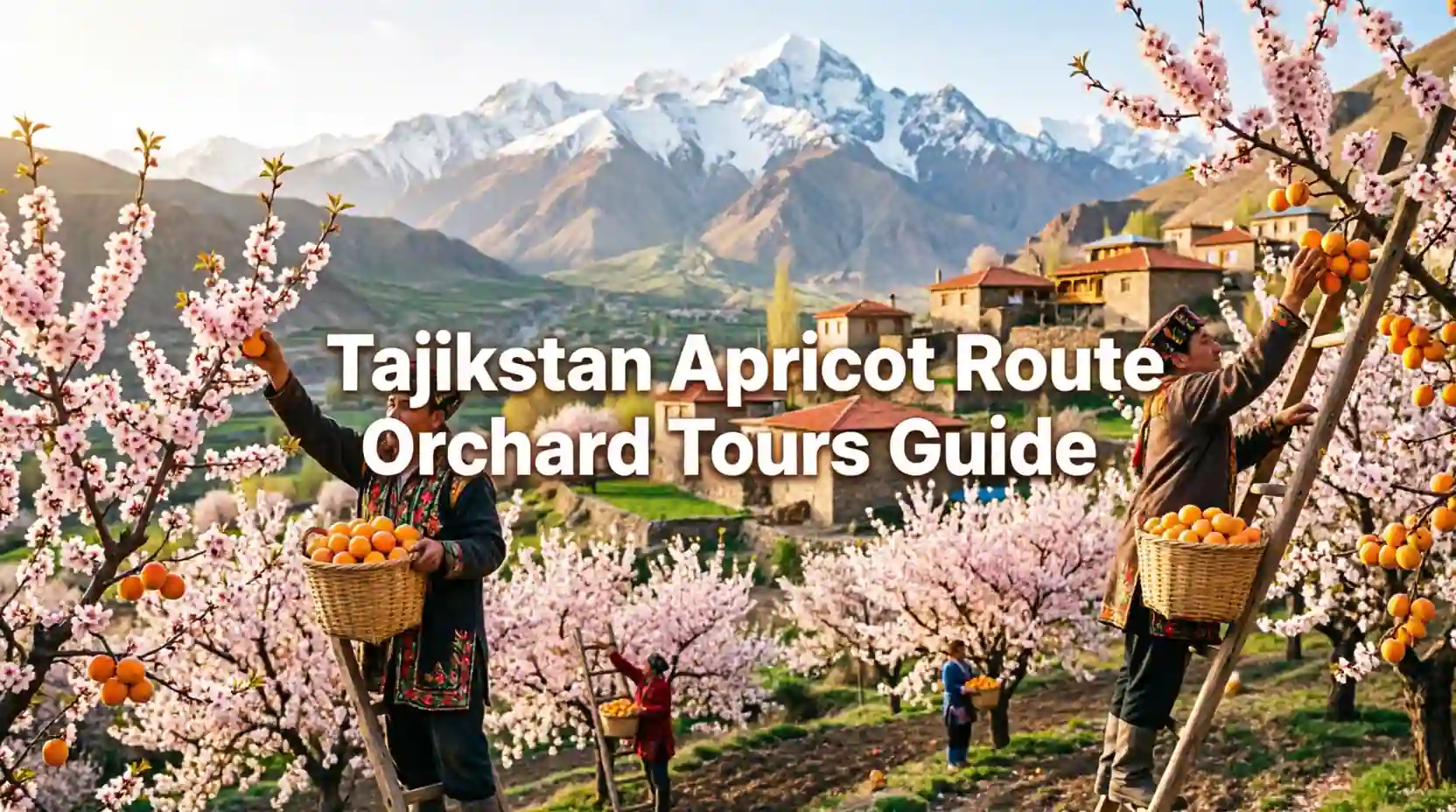
Introduction to Tajikistan Apricot Route
The Tajikistan Apricot Route represents one of Central Asia's most delightful agritourism experiences in the country's northern regions.
This unique journey takes travelers through ancient orchards where apricot cultivation has thrived for over two thousand years.
Northern Tajikistan's Sughd Region and surrounding valleys produce some of the world's finest apricots with exceptional flavor and quality.
Visitors can experience traditional harvesting methods, taste fresh varieties, and learn about centuries-old cultivation techniques.
This comprehensive guide reveals the best orchard tours, timing, and experiences along the Apricot Route.
Geography and Apricot Growing Regions

Northern Tajikistan's unique geography creates ideal conditions for apricot cultivation in mountain valleys and foothills.
The Sughd Region particularly around Khujand and the Ferghana Valley slopes hosts extensive apricot orchards.
Elevations between eight hundred and two thousand meters provide optimal climate for apricot development.
Mountain streams and traditional irrigation systems called aryks supply water to orchards throughout growing season.
Understanding regional variations helps travelers plan optimal orchard tour itineraries.
Primary Apricot Growing Areas
Khujand Region serves as northern gateway with extensive orchards surrounding the city and along Syr Darya River.
Isfara Valley features terraced orchards climbing mountain slopes with spectacular views and traditional villages.
Konibodom and surrounding areas maintain ancient orchard traditions with family-owned groves passed through generations.
Mastchoh District offers remote orchard experiences with authentic rural Tajik hospitality and pristine mountain settings.
Each region features distinct apricot varieties and harvesting traditions worth exploring.
Climate and Growing Conditions
Continental climate with cold winters and hot summers creates ideal apricot growing environment.
Spring bloom occurs March through April with pink and white blossoms covering valley slopes.
Harvest season runs June through August depending on variety and elevation.
Mountain microclimates produce varied harvest times allowing extended touring season.
Low humidity and abundant sunshine create intensely flavored fruits with high sugar content.
Apricot Varieties and Characteristics

Tajikistan cultivates numerous apricot varieties each with distinct flavors, textures, and uses.
Traditional varieties have been selected over centuries for specific qualities and local adaptation.
Understanding varieties enhances appreciation during orchard tours and tastings.
Some varieties excel for fresh eating while others suit drying or preservation.
Local farmers possess deep knowledge about varieties passed through generations.
Popular Tajik Apricot Varieties
Shakarpara known as sugar piece features exceptionally sweet flavor with tender melting texture.
Kandak produces large fruits with firm flesh ideal for fresh consumption and transport.
Mirsanjuli offers balanced sweet-tart flavor with aromatic qualities prized by locals.
Isfara variety named after the valley produces medium-sized fruits excellent for drying.
Local wild apricots called zardoli grow in mountain areas with intense concentrated flavors.
Uses and Processing Methods
Fresh consumption dominates during harvest season with fruits eaten at peak ripeness.
Drying produces qurut dried apricots that store well and provide nutrition year-round.
Jam and preserve making utilizes abundant harvests with traditional family recipes.
Apricot kernels removed and sold separately as valuable product for oil and confections.
Traditional medicine uses various apricot parts for health remedies and treatments.
Best Time to Visit for Apricot Experiences

Timing your visit determines which apricot experiences are available during your journey.
Different seasons offer distinct attractions from blossoms to harvest to dried fruit production.
Understanding seasonal cycles helps plan optimal orchard tour timing.
Weather conditions vary significantly affecting travel comfort and orchard accessibility.
Each season provides unique photographic and cultural opportunities.
Blossom Season March to April
Spring bloom transforms valleys into seas of pink and white flowers creating spectacular scenery.
Photography opportunities exceptional with blossoms against snow-capped mountain backdrops.
Temperatures mild ranging from fifteen to twenty-five degrees Celsius ideal for touring.
Fewer tourists during blossom season provides intimate orchard experiences.
Local festivals sometimes celebrate bloom with traditional music and community gatherings.
Harvest Season June to August
Peak harvest offers hands-on participation in picking and processing activities.
Early varieties begin June with main harvest July and late varieties into August.
Higher elevations harvest later extending season for dedicated apricot enthusiasts.
Warm temperatures twenty-five to thirty-five degrees Celsius require sun protection.
Orchard tours most active with many families welcoming visitors during harvest.
Orchard Tour Experiences and Activities

Apricot orchard tours provide immersive experiences connecting visitors with agricultural traditions.
Activities range from simple tastings to multi-day farm stays with full participation.
Local families often host visitors sharing knowledge and hospitality generously.
Hands-on activities deepen understanding of apricot cultivation and processing.
These experiences create lasting memories and meaningful cultural connections.
Guided Orchard Tours
Professional guides explain cultivation techniques, varieties, and historical context during tours.
Tours typically include multiple orchards showcasing different varieties and growing methods.
Tasting sessions feature fresh fruits with guidance on identifying quality and ripeness.
Photography opportunities abundant with permission to capture orchard beauty and processes.
Tour costs typically twenty to fifty USD per person depending on duration and inclusions.
Harvest Participation
Visitors can participate in harvesting learning traditional picking techniques from experienced farmers.
Gentle handling essential to prevent bruising with specific methods for different varieties.
Sorting and grading activities teach quality standards and market preparation.
Participation often includes shared meals with hosting families featuring apricot-based dishes.
Harvest work typically morning hours avoiding midday heat with breaks for refreshments.
Processing and Preservation Workshops
Drying demonstrations show traditional methods using sunlight and natural ventilation.
Participants learn to prepare apricots for drying including proper cutting and pitting techniques.
Jam making workshops feature traditional recipes passed through generations.
Kernel extraction and processing provides insight into utilizing entire fruit.
Workshops typically two to four hours with products to take home as souvenirs.
Cultural Significance of Apricots

Apricots hold deep cultural significance in Tajik society beyond their economic value.
Ancient traditions and customs surround apricot cultivation, harvest, and consumption.
Understanding cultural context enriches orchard tour experiences and interactions.
Apricots feature prominently in Tajik hospitality, cuisine, and seasonal celebrations.
These cultural connections create meaningful exchanges between visitors and hosts.
Historical Importance
Apricot cultivation in Tajikistan dates back over two thousand years to ancient Silk Road era.
Historical records document apricot trade along Silk Road routes through Tajik valleys.
Traditional irrigation systems developed specifically for orchard cultivation still in use.
Ancient varieties preserved through generations maintaining genetic diversity and adaptation.
Orchard landscapes represent living cultural heritage reflecting centuries of human adaptation.
Role in Tajik Hospitality
Offering fresh apricots to guests represents fundamental Tajik hospitality custom.
Refusing offered fruits can be considered impolite though small portions acceptable.
Apricot-based sweets and preserves feature prominently in celebration meals.
Sharing apricot harvest with neighbors and community reinforces social bonds.
Visitors often receive apricot products as gifts expressing host generosity and appreciation.
Planning Your Apricot Route Journey

Successful Apricot Route travel requires thoughtful planning and realistic expectations.
Transportation, accommodation, and timing all impact orchard tour experiences.
Flexibility enhances opportunities for spontaneous orchard visits and local interactions.
Understanding logistics prevents frustrations and maximizes enjoyment.
This section provides practical planning guidance for Apricot Route adventures.
Transportation Options
Private vehicle with driver offers maximum flexibility for reaching remote orchards.
Shared taxis connect major towns though orchard access requires additional local transport.
Guided tours include transportation simplifying logistics though reducing independence.
Public marshrutka minibuses reach towns but not individual orchards requiring walking.
Rental vehicles possible though mountain driving experience essential for safety.
Accommodation Choices
Khujand offers hotel options ranging from budget to mid-range with good amenities.
Homestays in orchard villages provide authentic experiences with local families.
Guesthouses in Isfara and Konibodom offer comfortable lodging with orchard access.
Camping possible in some areas though facilities limited and permission required.
Booking homestays in advance recommended during peak harvest season.
Photography Opportunities

Apricot Route presents exceptional photography opportunities throughout the seasons.
Blossoms, harvest activities, and mountain landscapes provide diverse subjects.
Understanding photography etiquette ensures respectful documentation of people and places.
Technical preparation maximizes image quality in varying light conditions.
These guidelines enable beautiful photography while respecting local communities.
Best Photography Subjects
Spring blossoms create stunning compositions with pink and white flowers against mountains.
Harvest activities show traditional techniques and community cooperation.
Orchard landscapes feature terraced slopes and traditional irrigation channels.
Portrait opportunities with farmers and families though always ask permission first.
Drying apricots on rooftops create colorful patterns and textures.
Photography Etiquette
Always request permission before photographing people especially women and children.
Respect refusals gracefully without argument or persistence.
Avoid photographing inside homes without explicit invitation and permission.
Offer to share photographs with subjects when possible building positive relationships.
Use images respectfully online providing cultural context and avoiding stereotyping.
Local Communities and Hospitality

Apricot Route communities maintain traditional Tajik hospitality and welcoming attitudes.
Understanding cultural norms enhances interactions and creates positive experiences.
Community-based tourism provides economic benefits supporting orchard preservation.
Respectful engagement builds mutual understanding and lasting connections.
These community insights facilitate meaningful cultural exchanges.
Traditional Hospitality Customs
Tea ceremony central to Tajik hospitality with multiple small cups served.
Accepting offered food and drink demonstrates respect for host generosity.
Removing shoes when entering homes follows traditional custom.
Complimenting orchards and harvest shows appreciation for host livelihood.
Small gifts like sweets from your home region appreciated though not required.
Supporting Local Economies
Purchase apricots and products directly from farmers ensuring fair compensation.
Homestay fees typically ten to twenty-five USD per person including meals.
Local guides provide employment and cultural interpretation worth the investment.
Buy traditional crafts and preserves supporting artisan skills and livelihoods.
Respect pricing avoiding aggressive haggling over small amounts in rural communities.
Practical Travel Information

Successful Apricot Route travel requires practical preparation and local knowledge.
Understanding costs, communication, and logistics prevents complications.
Flexibility and realistic expectations enhance enjoyment of rural experiences.
Health and safety considerations ensure comfortable orchard touring.
These practical details support smooth Apricot Route adventures.
Budget Considerations
Orchard tours typically cost twenty to fifty USD depending on duration and inclusions.
Homestay accommodation ten to twenty-five USD per person including meals.
Fresh apricots inexpensive during harvest at one to three USD per kilogram.
Transportation between orchards five to twenty USD depending on distance and method.
Overall daily budget thirty to sixty USD adequate for comfortable orchard touring.
Communication and Language
Tajik and Russian primary languages with limited English in rural areas.
Learning basic Tajik greetings facilitates positive interactions with orchard families.
Translation apps helpful though connectivity limited in remote orchard areas.
Local guides provide language assistance and cultural interpretation.
Non-verbal communication and patience overcome language barriers effectively.
Health and Safety
June through August temperatures can exceed thirty-five degrees Celsius requiring sun protection.
Carry water staying hydrated during orchard tours and harvesting activities.
Sturdy footwear essential for uneven orchard terrain and mountain paths.
Apricot allergies rare though possible be cautious with initial tastings.
Basic first aid supplies recommended for remote orchard visits.
Sustainable and Responsible Tourism

Responsible apricot tourism supports orchard preservation and community wellbeing.
Sustainable practices ensure apricot heritage continues for future generations.
Visitor behavior impacts orchard ecosystems and community attitudes toward tourism.
Conscious choices amplify positive impacts of apricot route travel.
These sustainability principles benefit both visitors and host communities.
Environmental Responsibility
Stay on designated orchard paths preventing damage to irrigation systems and trees.
Pack out all trash including fruit pits which can attract pests to orchards.
Respect water sources and traditional irrigation infrastructure.
Do not pick fruit without permission even from ground as it affects harvest.
Use biodegradable products preventing chemical contamination of orchard soils.
Cultural Preservation
Support traditional orchard management practices by purchasing from heritage growers.
Learn about and respect traditional harvesting and processing methods.
Document and share traditional knowledge helping preserve cultural heritage.
Encourage younger generations to continue orchard traditions through respectful interest.
Avoid behaviors that commodify culture treating interactions as genuine exchanges.
Apricot Products and Souvenirs
Apricot Route offers unique products making excellent souvenirs and gifts.
Traditional processing methods create distinctive flavors unavailable elsewhere.
Understanding product quality helps select best items for purchase.
Direct purchases from producers ensure authenticity and fair compensation.
These products extend apricot experiences beyond your Tajikistan journey.
Dried Apricots and Preserves
Qurut dried apricots vary by variety and drying method affecting flavor and texture.
Sun-dried apricots darker with concentrated flavor compared to sulfured commercial varieties.
Apricot jam and preserves feature traditional recipes with intense fruit flavors.
Prices range from five to fifteen USD per kilogram depending on quality and packaging.
Properly dried apricots store well for months making excellent travel souvenirs.
Apricot Kernel Products
Apricot kernels sold separately as snacks or for oil extraction.
Sweet kernels eaten fresh while bitter kernels used for oil and flavoring.
Kernel oil valued for cosmetic and culinary applications.
Prices typically ten to twenty USD per kilogram for processed kernels.
Verify kernels properly processed to remove toxic compounds before consumption.
Conclusion and Final Recommendations
The Tajikistan Apricot Route offers unforgettable agritourism experiences in stunning mountain settings.
Orchard tours provide authentic cultural connections and insights into ancient agricultural traditions.
Timing visits for blossom or harvest seasons maximizes apricot experiences and photographic opportunities.
Respectful engagement with local communities ensures positive impacts and meaningful exchanges.
With proper planning and cultural sensitivity the Apricot Route becomes highlight of Tajikistan travel.
0 Comments