.webp)
.webp)
Corporate Research Trip Planning for Lithium and Emerald Mines
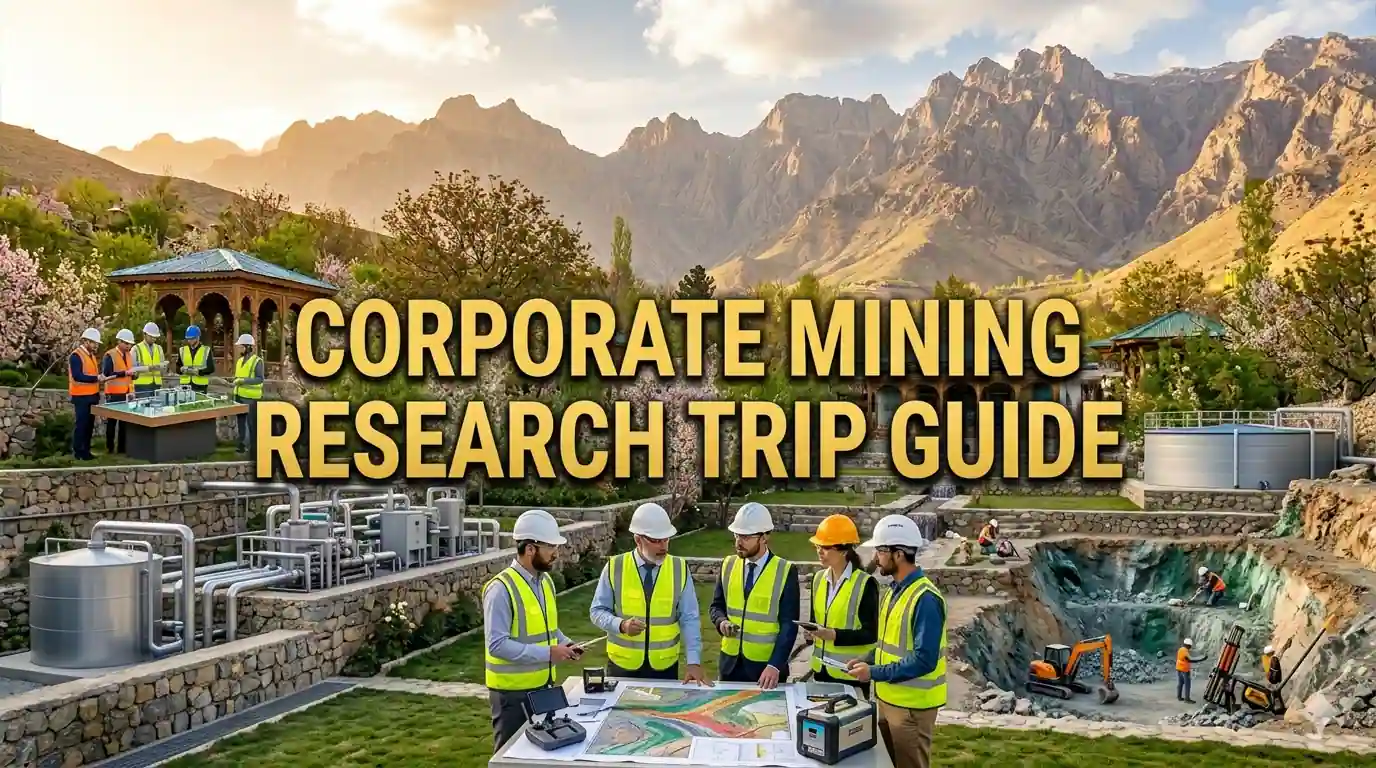
Introduction to Corporate Mining Research Trips
Corporate research trips to lithium and emerald mines require meticulous planning and industry expertise.
These specialized site visits enable companies to evaluate mineral assets, establish partnerships, and conduct due diligence.
Understanding the unique requirements of mining site access ensures productive and safe research expeditions.
This comprehensive guide covers planning logistics, permits, safety protocols, and stakeholder coordination.
Successful mining research trips yield valuable insights for investment decisions and strategic business development.
Understanding Lithium and Emerald Mining Regions

Lithium deposits concentrate in specific geological formations primarily found in South America and Australia.
The Lithium Triangle spanning Chile, Argentina, and Bolivia holds over half of global lithium reserves.
Emerald mining occurs in distinct geological zones with Colombia, Zambia, and Brazil as primary producers.
Each mining region presents unique regulatory frameworks, accessibility challenges, and operational considerations.
Research teams must understand regional geology, political stability, and infrastructure before planning visits.
Major Lithium Producing Regions
Chile's Salar de Atacama represents the world's largest and purest lithium brine operation.
Argentina's lithium projects in Salta and Jujuy provinces offer growing production capacity.
Australia's hard rock lithium mines in Western Australia provide spodumene concentrate.
China controls significant lithium processing capacity and domestic production in Qinghai and Tibet.
Emerging African lithium projects in Zimbabwe and Mali attract increasing international investment.
Primary Emerald Mining Locations
Colombia's Muzo, Chivor, and Coscuez mines produce the world's finest quality emeralds.
Zambia's Kafubu region has become a major emerald producer with modern mining operations.
Brazil's Minas Gerais state yields emeralds alongside other precious gemstones.
Afghanistan's Panjshir Valley contains high-quality emerald deposits though access remains challenging.
Pakistan's Swat Valley and surrounding regions offer emerald mining opportunities for qualified researchers.
Pre Trip Planning and Research

Thorough preparation forms the foundation of successful corporate mining research expeditions.
Define clear objectives including asset evaluation, partnership discussions, or technical assessments.
Assemble multidisciplinary teams with geologists, engineers, financial analysts, and legal advisors.
Conduct comprehensive background research on target mines, operators, and regional conditions.
Establish realistic timelines accounting for permit processing, travel logistics, and site accessibility.
Defining Research Objectives
Investment due diligence requires detailed technical data, financial records, and legal documentation review.
Partnership evaluations focus on operational capabilities, management quality, and strategic alignment.
Technical assessments examine extraction methods, processing facilities, and resource estimates.
Market research trips gather intelligence on production volumes, quality standards, and supply chain dynamics.
Regulatory compliance reviews ensure operations meet environmental, safety, and legal requirements.
Assembling the Research Team
Geologists provide technical expertise on deposit quality, extraction feasibility, and resource estimation.
Mining engineers evaluate operational infrastructure, equipment, and production methodologies.
Financial analysts assess economic viability, cost structures, and investment return projections.
Legal advisors review permits, land rights, regulatory compliance, and contractual obligations.
Local guides and translators facilitate communication and navigate cultural and logistical challenges.
Obtaining Permissions and Permits

Access to active mining operations requires formal authorization from multiple stakeholders.
Mine operators must approve site visits and determine accessible areas based on safety considerations.
Government agencies often require research permits especially for foreign nationals visiting mining regions.
Local community agreements may be necessary particularly in indigenous or rural mining areas.
Allow sufficient lead time as permit approval processes can take weeks or months depending on jurisdiction.
Corporate Authorization Process
Submit formal written requests to mining company headquarters detailing visit purpose and team composition.
Provide company credentials, professional backgrounds, and specific information requirements.
Sign confidentiality agreements and non-disclosure contracts protecting proprietary operational data.
Coordinate with corporate relations departments who manage external visitor protocols and schedules.
Establish clear communication channels with site managers responsible for hosting research teams.
Government and Regulatory Approvals
Research visas may be required for geological surveys and technical assessments in many countries.
Mining ministry permissions often necessary for accessing active extraction sites and technical facilities.
Regional authorities in mining provinces may impose additional requirements beyond national regulations.
Environmental agencies might require clearance for visits to sensitive ecological areas near mines.
Customs documentation for specialized equipment like geological instruments needs advance preparation.
Safety Protocols and Risk Management

Mining environments present inherent hazards requiring comprehensive safety preparation and protocols.
Physical risks include heavy equipment, unstable terrain, underground conditions, and chemical exposures.
Regional security concerns vary significantly between stable mining jurisdictions and higher risk areas.
Health considerations encompass altitude sickness, tropical diseases, and limited medical facilities.
Insurance coverage must address mining site access, medical evacuation, and political instability.
Personal Protective Equipment Requirements
Hard hats meeting international safety standards are mandatory for all mine site visits.
Steel toed boots with ankle support protect against falling objects and uneven terrain.
High visibility vests ensure workers and equipment operators can identify visitors easily.
Safety glasses and hearing protection required in processing facilities and high noise areas.
Respiratory protection may be necessary in areas with dust, chemical vapors, or poor ventilation.
Medical and Emergency Preparedness
Comprehensive travel insurance must cover high risk activities and remote location medical evacuation.
Pre trip medical examinations ensure team members can physically handle mining environment demands.
Vaccinations appropriate to destination regions protect against local disease risks.
Emergency action plans detail evacuation routes, medical facilities, and communication protocols.
First aid training for team members provides immediate response capability before professional help arrives.
Logistics and Transportation Planning

Mining operations often locate in remote areas requiring complex transportation arrangements.
International flights connect to major cities followed by domestic flights or long distance ground transport.
Local transportation may involve four wheel drive vehicles, helicopters, or specialized mining transport.
Accommodation ranges from mining camp facilities to nearby towns depending on site location.
Communication systems including satellite phones ensure connectivity in areas without cellular coverage.
International Travel Arrangements
Book flights with flexibility for weather delays and operational schedule changes common in mining regions.
Coordinate arrival times with mine site schedules to maximize productive research time.
Arrange airport transfers through mining companies or trusted local transportation providers.
Consider time zone adjustments and jet lag when scheduling critical site visits and meetings.
Maintain backup travel plans for regions with limited flight frequency or seasonal weather disruptions.
Local Transportation and Access
Four wheel drive vehicles with experienced drivers navigate rough mining roads and mountain terrain.
Mining companies often provide site transportation from arrival points to operational facilities.
Helicopter access may be necessary for remote high altitude lithium operations in the Andes.
Underground mine visits require specialized transport and additional safety briefings and equipment.
Local drivers familiar with mining region roads enhance safety and efficiency significantly.
Accommodation and On Site Facilities

Remote mining locations offer limited accommodation options requiring advance planning and realistic expectations.
Mining camps provide basic lodging, meals, and facilities for workers and authorized visitors.
Nearby towns may offer hotels though quality and availability vary dramatically by region.
Extended stays in remote locations require preparation for limited amenities and recreational options.
Connectivity for internet and phone service often limited affecting communication with headquarters.
Mining Camp Accommodations
Camp facilities typically include shared or private rooms with basic furnishings and linens.
Centralized dining halls serve meals on fixed schedules accommodating shift work patterns.
Recreational facilities may include gyms, television rooms, and limited internet access.
Laundry services usually available though personal hygiene items require bringing your own supply.
Quiet hours and camp rules maintain order in close quarters housing diverse work teams.
Regional Town Hotels
Towns near mining operations offer hotels ranging from basic to moderately comfortable standards.
Antofagasta Chile serves lithium operations in the Atacama with reasonable hotel infrastructure.
Villeta and Muzo in Colombia provide accommodation for emerald mine visitors though options are limited.
Kitwe and Ndola in Zambia offer better hotel choices for Kafubu emerald region access.
Book accommodations early especially during peak mining activity seasons when rooms fill quickly.
Cultural Considerations and Local Engagement

Successful mining research trips require cultural sensitivity and respect for local communities.
Many mining regions host indigenous populations with distinct customs, languages, and land rights.
Understanding local business etiquette facilitates productive relationships with operators and officials.
Language barriers necessitate professional translators for technical discussions and negotiations.
Community relations impact mining operations and researcher access requiring diplomatic engagement.
Working with Local Communities
Engage community leaders and obtain social license for site visits in indigenous territories.
Respect traditional land use patterns and sacred sites that may overlap with mining areas.
Employ local guides and support community businesses to demonstrate commitment to regional development.
Understand community concerns about mining impacts on water, environment, and traditional livelihoods.
Document social and environmental considerations as part of comprehensive due diligence processes.
Business Etiquette in Mining Regions
Relationship building takes precedence over immediate business transactions in many mining cultures.
Formal titles and hierarchical respect remain important in Latin American and African business contexts.
Gift giving customs vary by region requiring research to avoid inappropriate or offensive gestures.
Meeting schedules often more flexible than Western expectations requiring patience and adaptability.
Dining and social occasions provide important opportunities for relationship development and trust building.
Technical Preparation and Equipment

Effective mining research requires appropriate technical equipment and data collection tools.
Geological sampling may be permitted under strict protocols with proper authorization and documentation.
Photography and video recording often restricted for security and proprietary information protection.
Specialized instruments for field analysis require customs clearance and calibration documentation.
Data security measures protect sensitive information collected during site visits and technical reviews.
Documentation and Data Collection
Prepare standardized checklists ensuring consistent data collection across multiple site visits.
Digital tablets and ruggedized laptops withstand harsh mining environment conditions better than standard equipment.
Backup power supplies and portable charging systems maintain device functionality in remote locations.
Cloud storage and encrypted drives protect collected data from loss or unauthorized access.
Photographic documentation with proper permissions captures visual evidence for later analysis and reporting.
Specialized Technical Equipment
Portable XRF analyzers enable rapid elemental analysis of lithium concentrations and emerald host rocks.
GPS devices with topographic maps support spatial data collection and claim boundary verification.
Drone systems with appropriate permissions provide aerial surveys of large scale mining operations.
Water quality testing kits assess environmental compliance and resource availability at mining sites.
Personal gas detectors protect team members in underground environments or processing facilities.
Budget Planning and Cost Management

Corporate mining research trips involve significant expenses requiring careful budget planning and management.
International travel, specialized equipment, permits, and local services accumulate substantial costs.
Contingency funds of twenty to thirty percent accommodate unexpected expenses and schedule changes.
Cost sharing arrangements with partners or consortium members can reduce individual company expenses.
Detailed expense tracking supports financial reporting and justifies research investment to stakeholders.
Major Expense Categories
International and domestic airfare represents a significant portion of total trip budgets especially for remote locations.
Accommodation and per diem expenses vary dramatically between mining camps and urban hotels.
Local transportation including vehicle rental, fuel, and driver fees adds substantial costs in remote regions.
Permit fees, site access charges, and consultant payments require advance budget allocation.
Insurance premiums for high risk travel and specialized coverage increase overall trip costs significantly.
Cost Optimization Strategies
Coordinate multiple site visits in single regions to maximize travel investment and reduce per site costs.
Partner with other companies or research institutions to share transportation and local service expenses.
Book accommodations and flights well in advance securing better rates and ensuring availability.
Utilize mining company provided transportation and facilities when available reducing external service costs.
Balance cost considerations with safety and effectiveness avoiding false economy in critical areas.
Stakeholder Coordination and Communication

Complex mining research trips require coordination among multiple stakeholders with varying interests.
Internal teams need clear communication about objectives, schedules, and individual responsibilities.
External partners including mine operators, government agencies, and local communities require diplomatic engagement.
Regular updates to headquarters maintain organizational awareness and enable real time decision making.
Post trip reporting synthesizes findings and recommendations for broader stakeholder consumption.
Internal Team Coordination
Pre trip briefings align team members on objectives, protocols, and individual roles and responsibilities.
Daily debriefings during trips capture observations while fresh and adjust plans based on findings.
Clear chain of command establishes decision making authority for unexpected situations and challenges.
Shared digital platforms enable real time document access and collaborative data analysis during trips.
Post trip debriefings synthesize individual observations into comprehensive findings and recommendations.
External Stakeholder Management
Maintain regular communication with mine operators confirming schedules, access, and logistical arrangements.
Government liaison contacts facilitate permit processing and resolve regulatory issues that may arise.
Local community representatives provide context, facilitate access, and help navigate cultural considerations.
Embassy or consulate registration ensures government awareness of travel plans for emergency response.
Industry associations and professional networks offer support, introductions, and local knowledge resources.
Post Trip Analysis and Reporting

Systematic post trip analysis transforms raw observations into actionable intelligence for decision makers.
Technical reports document geological findings, operational assessments, and resource evaluations.
Financial models incorporate site visit data refining investment projections and risk assessments.
Recommendations guide next steps including further due diligence, negotiations, or investment decisions.
Knowledge management systems preserve institutional learning for future mining research initiatives.
Report Development
Executive summaries distill complex technical findings into accessible formats for senior decision makers.
Technical appendices provide detailed data, photographs, and methodologies supporting conclusions.
Risk assessments synthesize operational, political, environmental, and social factors affecting projects.
Comparative analysis benchmarks visited operations against industry standards and alternative opportunities.
Clear recommendations with supporting rationale enable informed strategic decisions about mining investments.
Follow Up Actions
Thank you communications to hosts maintain relationships for future access and collaboration opportunities.
Data verification requests clarify uncertainties and fill information gaps identified during analysis.
Additional site visits may be warranted for promising opportunities requiring deeper investigation.
Negotiation processes initiate based on positive findings moving from research to transaction phases.
Lessons learned documentation improves planning and execution of future corporate mining research trips.
Conclusion and Key Takeaways

Corporate research trips to lithium and emerald mines demand comprehensive planning and preparation.
Success requires balancing technical objectives with safety, cultural sensitivity, and stakeholder relationships.
Thorough pre trip research, proper permissions, and realistic logistics planning form the foundation.
On site flexibility, professional conduct, and systematic data collection maximize research value.
Post trip analysis transforms observations into strategic intelligence guiding investment and partnership decisions.
0 Comments