.webp)
.webp)
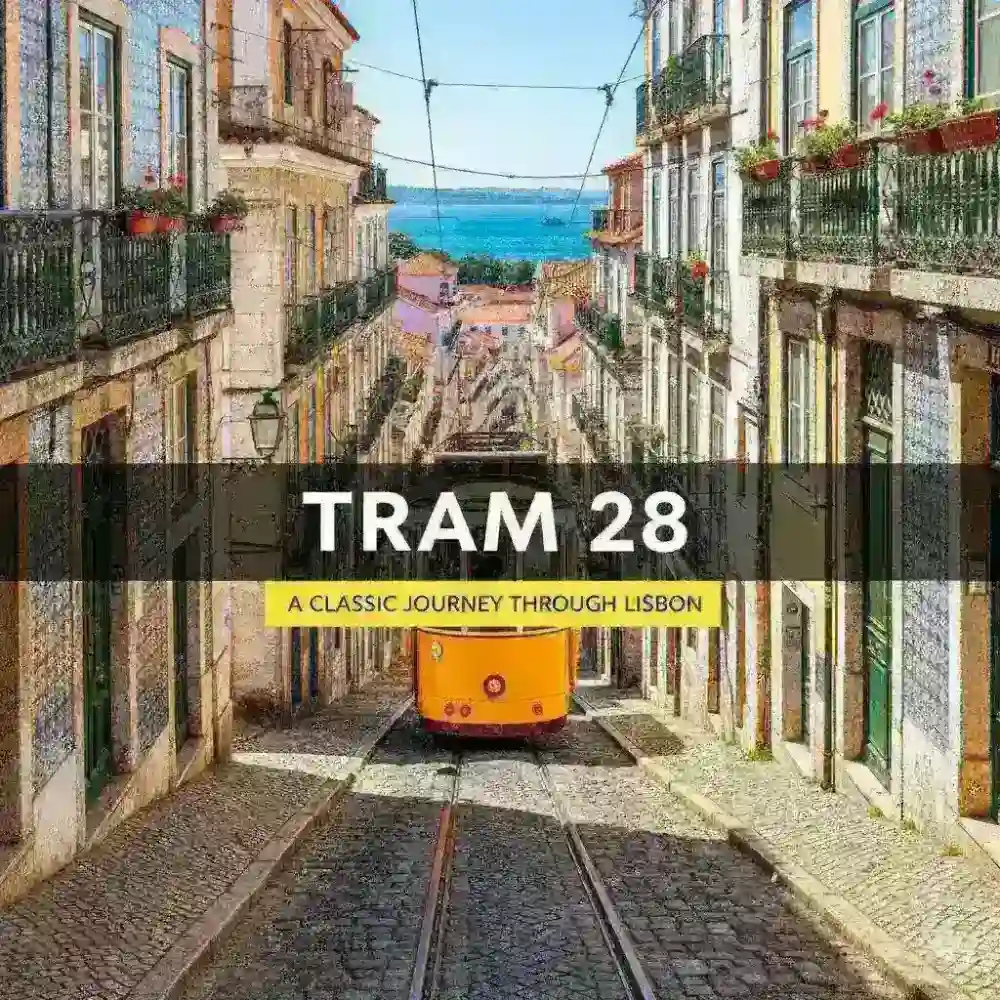
TRAM 28: A CLASSIC YELLOW TRAM JOURNEY THROUGH HISTORIC STREETS
Tram 28 stands as one of Lisbon's most iconic and beloved experiences—a vintage yellow tram that winds through the city's historic hills, narrow cobblestone streets, and charming neighborhoods, offering passengers an unforgettable journey through Lisbon's past and present. This classic Remodelado tram, with its wooden interiors, brass fittings, and nostalgic charm, has been carrying passengers through Lisbon's streets since the 1930s, connecting the historic districts of Alfama, Graça, Baixa, Chiado, and Estrela while providing spectacular views, authentic local atmosphere, and a tangible connection to the city's transportation heritage.
In 2026, as travelers seek authentic cultural experiences and iconic city moments, Tram 28 remains an essential Lisbon experience. However, its popularity with tourists has created challenges: crowded trams, long queues, and pickpocket concerns. This comprehensive guide will help you navigate Tram 28 with confidence—teaching you how to avoid crowds, board strategically, appreciate the historic route, capture stunning photography, and experience this classic journey as both a practical transportation option and a memorable cultural adventure.
Understanding Tram 28 requires more than simply hopping on; it demands engaging with Lisbon's hillside geography, respecting local commuters who rely on this service daily, and appreciating the historic significance of these vintage trams. By approaching Tram 28 with preparation, curiosity, and respect, you will discover not just a tourist attraction but a living dialogue between Lisbon's historic character and contemporary urban life.
HISTORY AND HERITAGE: LISBON'S VINTAGE TRAM LEGACY
The story of Tram 28 is intertwined with Lisbon's urban development and transportation history.
Origins and Evolution:
Early Tram History (19th-20th Centuries):
- 1873: Lisbon's first horse-drawn trams began operating
- 1901: Electric trams replaced horse-drawn carriages, modernizing city transportation
- 1930s: Remodelado trams introduced—vintage wooden carriages with distinctive yellow livery that remain in service today
- Tram 28 Route: Established to connect historic neighborhoods on Lisbon's seven hills, serving both practical transportation and scenic tourism
The Remodelado Tram:
- Design: Vintage wooden interior, brass handrails, sliding windows, and classic yellow exterior
- Capacity: Approximately 40 passengers (16 seated, 24 standing)—intimate but crowded during peak times
- Charm: Authentic atmosphere with creaking wood, bell ringing, and driver interaction
- Preservation: These historic trams are maintained as working heritage, not museum pieces
Cultural Significance:
- Local Life: Tram 28 remains essential transportation for residents of Alfama, Graça, and other historic neighborhoods
- Tourist Icon: Recognized worldwide as a symbol of Lisbon's charm and historic character
- Heritage Preservation: Represents Portugal's commitment to maintaining historic transportation while serving modern needs
THE ROUTE: NEIGHBORHOODS AND LANDMARKS ALONG TRAM 28
Tram 28 follows a approximately 7-kilometer route through some of Lisbon's most historic and picturesque neighborhoods. Understanding the route helps you plan your journey and maximize your experience.
Route Overview:
Termini:
- Martim Moniz (Eastern Terminus): Starting point in a multicultural neighborhood near Rossio
- Campo de Ourique (Western Terminus): Residential neighborhood near Estrela Basilica
Key Neighborhoods Along the Route:
1. Martim Moniz to Alfama:
- Martim Moniz Square: Multicultural area with markets and street life
- Rua da Conceição: Narrow commercial street leading toward historic center
- Sé Cathedral Area: Approaching Lisbon's oldest church and Alfama district
2. Alfama District (Heart of the Route):
- Narrow Cobblestone Streets: Tram navigates incredibly tight passages between traditional houses
- Miradouro de Santa Luzia: Iconic viewpoint with azulejo panels and Tagus River views (tram passes nearby)
- São Jorge Castle Area: Tram climbs toward Lisbon's historic fortress
- Authentic Atmosphere: Laundry hanging between buildings, Fado music echoing, local life unfolding
3. Graça Neighborhood:
- Residential Charm: Traditional Lisbon neighborhood with local shops and cafés
- Miradouro da Graça: Spectacular panoramic viewpoint (short walk from tram stop)
- Local Atmosphere: Less touristy than Alfama; authentic Lisbon residential life
4. Baixa and Chiado:
- Downtown Lisbon: Tram descends into the reconstructed Pombaline downtown
- Shopping Districts: Chiado's elegant streets with boutiques, cafés, and cultural venues
- Architectural Contrast: Transition from medieval Alfama to neoclassical Baixa
5. Estrela and Campo de Ourique:
- Estrela Basilica: Beautiful baroque church with dome and gardens
- Residential Character: Quiet, upscale neighborhood with local markets and cafés
- Journey's End: Campo de Ourique terminus in a charming residential area
Must-See Stops and Photo Opportunities:
Alfama Stops:
- Near Sé Cathedral: Disembark to explore Lisbon's oldest church and Alfama's maze-like streets
- Santa Luzia Area: Short walk to Miradouro de Santa Luzia for iconic Alfama and river views
- Castle Approach: Tram climbs toward São Jorge Castle; excellent photo opportunities of traditional houses
Graça Stop:
- Miradouro da Graça: One of Lisbon's best panoramic viewpoints; worth the short walk from tram stop
- Local Cafés: Authentic neighborhood cafés perfect for coffee and people-watching
Chiado/Baixa Stops:
- Shopping and Culture: Explore Chiado's elegant streets, bookstores, and cafés
- Architectural Contrast: Photograph the transition from medieval to neoclassical Lisbon
Estrela Stop:
- Estrela Basilica: Beautiful baroque church with impressive dome and gardens
- Peaceful Atmosphere: Quieter neighborhood perfect for relaxed exploration
PRACTICAL RIDING TIPS: NAVIGATING TRAM 28 WITH CONFIDENCE
Tram 28's popularity creates challenges; these strategies will help you enjoy the experience while avoiding common pitfalls.
Avoiding Crowds: Strategic Timing and Boarding
Best Times to Ride:
- Early Morning (7-9 AM): Fewer tourists, more local commuters, peaceful atmosphere; ideal for photography
- Mid-Morning (10 AM-12 PM): Moderate crowds; good balance of atmosphere and accessibility
- Early Afternoon (2-4 PM): Often less crowded than late morning; good light for photography
- Avoid: Late morning (11 AM-1 PM) and late afternoon (5-7 PM) when tourist crowds peak
Boarding Strategies:
- Start at Martim Moniz: Board at the eastern terminus for best chance of seating; avoid boarding at popular Alfama stops where tram is already crowded
- Alternative Start: Campo de Ourique terminus also offers seating opportunities with fewer crowds than central stops
- Avoid Mid-Route Boarding: Stops in Alfama and Graça are often packed; boarding here means standing in crowded conditions
Direction of Travel:
- Martim Moniz to Campo de Ourique (East to West): Generally less crowded in morning; scenic descent through historic neighborhoods
- Campo de Ourique to Martim Moniz (West to East): Often less crowded in afternoon; scenic ascent with river views
Ticketing and Payment:
Viva Viagem Card (Recommended):
- What It Is: Rechargeable contactless card for all Lisbon public transport
- Where to Buy: Metro stations, Carris kiosks, tobacco shops, airport
- Cost: Card deposit approximately €0.50; load with credit as needed
- Benefits: Discounted fares (approximately €1.50 per tram ride vs. €3.00 cash); seamless transfers between metro, tram, bus
- How to Use: Tap card on reader when boarding; no need to tap when exiting
Single Ticket (Cash):
- Cost: Approximately €3.00 paid to driver when boarding
- Disadvantages: More expensive than Viva Viagem; slower boarding process; no transfer benefits
- When to Use: If you only plan one tram ride and don't want to purchase a card
Lisbon Card Consideration:
- What It Is: Tourist card offering free public transport and discounted attraction entry
- Cost: Approximately €20-40 depending on duration (24/48/72 hours)
- Benefits: Free Tram 28 rides plus entry to Jerónimos Monastery, Belém Tower, and other attractions
- Calculate Value: Worthwhile if visiting multiple paid attractions; otherwise Viva Viagem more economical
Onboard Experience: What to Expect
Physical Experience:
- Vintage Carriage: Wooden seats, brass handrails, sliding windows, and classic charm
- Movement: Tram can be bumpy on cobblestone streets; hold handrails securely
- Capacity: Approximately 40 passengers; often exceeds capacity during peak times
- Windows: Open windows provide fresh air and photo opportunities; be mindful of belongings
Atmosphere:
- Local Life: Observe Lisbon residents commuting, shopping, and going about daily life
- Driver Interaction: Tram drivers often greet passengers and provide route information
- Authentic Sounds: Bell ringing, creaking wood, and street sounds create nostalgic atmosphere
- Tourist Mix: Expect international visitors; be respectful of shared space
Photography Tips: Capturing the Tram 28 Experience
Best Photography Locations:
From Inside the Tram:
- Window Shots: Capture narrow streets, colorful facades, and local life through open windows
- Interior Details: Wooden seats, brass fittings, and vintage atmosphere
- Passenger Moments: Candid shots of fellow travelers and locals (ask permission when appropriate)
From Outside the Tram:
- Iconic Angles: Tram climbing steep Alfama streets with traditional houses in background
- Golden Hour: Warm light on yellow tram and historic architecture (early morning or late afternoon)
- Street Scenes: Tram navigating narrow passages with laundry, azulejos, and local life
Technical Considerations:
- Equipment: Wide-angle lens (16-35mm) for street scenes; prime lens (35mm or 50mm) for details
- Settings: Fast shutter speed (1/250 or faster) to freeze motion on bumpy streets; aperture f/5.6-f/8 for good depth of field
- Stability: Hold camera securely; tram movement can cause blur; consider image stabilization
- Lighting: Morning light illuminates eastern facades; afternoon light better for western exposures
Respectful Photography:
- Ask Permission: When photographing passengers, especially locals, ask first and respect refusals
- Avoid Disruption: Don't block aisles or doors while taking photos; be mindful of other passengers
- No Flash: Flash photography can disturb passengers and driver; use natural light
Safety and Security: Protecting Your Belongings
Pickpocket Awareness:
- High-Risk Environment: Tram 28's crowded conditions attract pickpockets; remain vigilant
- Bag Security: Keep bags closed and in front of you; use cross-body bags or money belts
- Valuables: Keep phones, cameras, and wallets secure; avoid displaying expensive items unnecessarily
- Awareness: Be especially careful when boarding, exiting, and in crowded sections
General Safety Tips:
- Hold Handrails: Tram movement on cobblestone streets can be sudden; maintain balance
- Mind the Gap: Watch step when boarding and exiting; tram platform and street may not align perfectly
- Children: Keep children close; hold hands in crowded conditions
- Emergency: Tram drivers can assist with emergencies; know your stop and route
Alternative Options: When Tram 28 Isn't Ideal
If Tram 28's crowds or schedule don't suit your needs, consider these alternatives:
Other Historic Tram Routes:
- Tram 12: Shorter route through Alfama; less crowded than Tram 28; similar vintage experience
- Tram 15: Connects city center to Belém; modern trams but scenic riverside route
- Tram 18: Connects Cais do Sodré to Cemitério da Ajuda; local route with authentic atmosphere
Walking Alternatives:
- Alfama Walking Tour: Explore Alfama's narrow streets on foot; more flexible than tram schedule
- Graça to Baixa Walk: Scenic downhill walk through historic neighborhoods; free and rewarding
- Guided Walking Tours: Licensed guides provide historical context and optimal routes
Hop-On Hop-Off Buses:
- Coverage: Multiple routes covering major Lisbon attractions including Alfama, Belém, and Chiado
- Convenience: Flexible schedule, audio commentary, and comfort
- Trade-off: Less authentic than vintage tram but more predictable and comfortable
CULTURAL ETIQUETTE: RESPECTFUL RIDING IN LISBON
Tram 28 is both a tourist experience and essential local transportation; respectful behavior enhances everyone's experience.
Respecting Local Commuters:
- Priority Seating: Offer seats to elderly passengers, pregnant women, and people with disabilities
- Space Awareness: Keep bags on your lap or under seats; don't block aisles or doors
- Volume Control: Keep conversations at moderate volume; avoid loud tourist behavior
- Patience: Tram may stop frequently for local passengers; embrace the authentic pace
Interacting with Tram Staff:
- Greetings: A simple "Bom dia" (good morning) or "Boa tarde" (good afternoon) to the driver is appreciated
- Questions: Ask politely if you need route information; drivers often help tourists
- Tipping: Not expected but a small tip (€1-2) for exceptional service is appreciated
Photography Etiquette:
- Ask Permission: When photographing passengers, especially locals, always ask first
- Respect Refusals: If someone declines to be photographed, respect their wishes immediately
- Avoid Intrusion: Don't photograph people in private moments or through home windows
Language Tips for Tram 28:
Basic Portuguese Phrases:
- "Bom dia" (bom DEE-ah) = Good morning
- "Boa tarde" (BOA tar-deh) = Good afternoon
- "Por favor" (por fah-VOR) = Please
- "Obrigado/a" (ob-ree-GAH-doo/ah) = Thank you (male/female speaker)
- "Com licença" (kom lee-SEN-sah) = Excuse me (to pass by)
- "Quanto custa?" (KWAN-too KOOS-tah) = How much does it cost?
- "Onde é...?" (ON-deh eh) = Where is...?
English in Lisbon:
- Most tram drivers and many passengers speak basic English
- Learning Portuguese phrases shows respect and often leads to warmer interactions
- Use simple, clear English; avoid slang or complex terms
NEARBY ATTRACTIONS: EXTENDING YOUR TRAM 28 EXPERIENCE
Tram 28's route passes numerous Lisbon attractions; plan stops to maximize your exploration.
From Alfama Stops:
- São Jorge Castle: 10-minute walk from tram; panoramic views and historic fortress
- Sé Cathedral: Lisbon's oldest church; free entry to main church
- Miradouro de Santa Luzia: Iconic viewpoint with azulejo panels and river views
- Fado Venues: Authentic Fado experiences in intimate Alfama restaurants
From Graça Stop:
- Miradouro da Graça: One of Lisbon's best panoramic viewpoints; perfect for sunset
- Local Cafés: Authentic neighborhood cafés for coffee and pastéis de nata
- Residential Exploration: Wander Graça's quiet streets for authentic Lisbon atmosphere
From Chiado/Baixa Stops:
- Chiado Shopping: Elegant streets with boutiques, bookstores, and historic cafés
- São Carlos Theatre: Beautiful 18th-century opera house
- Elevador de Santa Justa: Historic iron elevator connecting Baixa to Bairro Alto
From Estrela Stop:
- Estrela Basilica: Beautiful baroque church with impressive dome and gardens
- Jardim da Estrela: Peaceful park perfect for relaxation
- Local Markets: Authentic neighborhood markets with fresh produce and local specialties
Suggested Tram 28 Itineraries:
Half-Day Historic Lisbon (4 hours):
1. Board Tram 28 at Martim Moniz (early morning)
2. Disembark in Alfama; explore Sé Cathedral and narrow streets (1.5 hours)
3. Walk to Miradouro de Santa Luzia for views and photos (30 minutes)
4. Continue on Tram 28 to Chiado; explore elegant streets (1 hour)
5. Return via tram or walk to Baixa for lunch (1 hour)
Full-Day Tram and Neighborhoods (8 hours):
1. Morning: Tram 28 from Martim Moniz, explore Alfama and Graça (3 hours)
2. Lunch: Traditional meal in Alfama or Graça (1 hour)
3. Afternoon: Continue Tram 28 to Chiado/Baixa; explore shopping and culture (2.5 hours)
4. Late Afternoon: Tram to Estrela; visit basilica and gardens (1.5 hours)
PRACTICAL VISITOR INFORMATION FOR 2026
Essential information for planning your Tram 28 experience.
Operating Hours and Frequency:
Current Schedule (subject to change):
- Daily Service: Approximately 6:00 AM - 9:00 PM (varies by season)
- Frequency: Every 10-15 minutes during peak hours; 15-20 minutes off-peak
- Seasonal Variations: Summer may have extended hours; winter may have reduced frequency
Checking Current Schedule:
- Carris Website: carris.pt for official tram schedules and service updates
- Mobile Apps: Carris app or city transportation apps for real-time information
- Local Information: Ask at your hotel or tourist information center
Accessibility Considerations:
Mobility Challenges:
- Vintage Design: Remodelado trams have steps, narrow aisles, and no wheelchair access
- Cobblestone Streets: Boarding can be challenging for those with mobility limitations
- Alternative Options: Consider modern trams (15E), buses, or taxis for accessibility needs
Family Travel Tips:
- Strollers: Difficult to manage on crowded vintage trams; consider baby carriers
- Children: Keep children close; hold hands in crowded conditions
- Entertainment: Tram ride itself is entertaining for children; bring snacks for longer journeys
Weather Considerations:
- Summer: Tram can be hot and crowded; travel early morning or late afternoon
- Rain: Tram provides shelter but can be slippery; wear appropriate footwear
- Wind: Open windows provide ventilation but can be chilly; bring layers
SUSTAINABLE AND RESPONSIBLE TOURISM: RESPECTING LISBON'S HERITAGE
As a historic transportation system serving both tourists and residents, Tram 28 requires mindful tourism practices.
Supporting Local Community:
- Respect Commuters: Remember this is essential transportation for Lisbon residents; prioritize their needs
- Local Businesses: Support neighborhood cafés, shops, and restaurants along the route
- Cultural Exchange: Engage respectfully with locals; learn about their lives and perspectives
Preserving Historic Heritage:
- Vintage Trams: These historic carriages require careful maintenance; avoid damaging interiors
- Historic Neighborhoods: Respect residential areas; keep noise levels appropriate
- Photography Ethics: Ask permission before photographing people and private spaces
Minimizing Environmental Impact:
- Public Transportation: Using Tram 28 supports sustainable urban mobility vs. private cars
- Waste Reduction: Carry reusable water bottles and bags; use designated recycling bins
- Walking Connections: Combine tram rides with walking to reduce overall transportation footprint
CONCLUSION: A JOURNEY THROUGH LISBON'S SOUL
Tram 28 offers more than just transportation; it provides a moving portrait of Lisbon's character, history, and daily life. As the vintage yellow tram climbs cobblestone hills, navigates narrow passages between colorful houses, and offers glimpses of the Tagus River and historic landmarks, passengers experience Lisbon in a way that no other mode of transportation can provide.
In 2026, as you hold onto brass handrails, watch historic neighborhoods unfold through open windows, and share space with Lisbon residents going about their daily lives, you participate in a tradition that has connected this hillside city for nearly a century. Whether you ride for practical transportation, photographic opportunities, or simply the joy of the journey, Tram 28 invites you to slow down, observe, and appreciate the authentic rhythm of Lisbon life.
May your Tram 28 journey deepen your appreciation for Lisbon's historic character and sustainable urban heritage, and inspire your commitment to respectful, mindful travel. As the drivers, maintenance workers, and daily commuters who sustain this historic service understand, true value lies not just in reaching a destination but in the connections, observations, and moments of beauty we discover along the way. May you carry that understanding forward, wherever your journey leads.
Useful Resources:
- Carris Public Transportation: carris.pt for official tram schedules, routes, and ticketing information
- Lisbon Tourism: visitlisbon.com for visitor information and trip planning
- Viva Viagem Card: Purchase at metro stations, Carris kiosks, and tobacco shops throughout Lisbon
- Emergency Services: 112 for all emergencies in Portugal
Disclaimer: Information is accurate as of early 2026. Tram schedules, ticket prices, and policies may change; verify current details through official channels before your visit. This guide is for informational purposes only and does not constitute professional travel advice.
0 Comments