.webp)
.webp)
Introduction: The Rise of Purpose-Driven Travel in Germany
In 2026, a quiet revolution is transforming how travelers experience Germany. Forget bargain hunting and checklist tourism—today's most discerning travelers are embracing "Whycations": purpose-driven journeys where meaning, impact, and personal growth take precedence over price tags and Instagram-worthy snapshots. This isn't just a trend; it's a fundamental shift in how we think about travel, and Germany has emerged as the global epicenter of this movement.
Whycations represent a departure from traditional tourism's focus on consumption and convenience. Instead of asking "How much does it cost?" or "What can I see?", Whycation travelers ask deeper questions: "How can I contribute?", "What can I learn?", "How will this experience change me?", and "What legacy will my visit leave?" These are journeys motivated by sustainability, cultural exchange, personal development, community impact, and authentic connection.
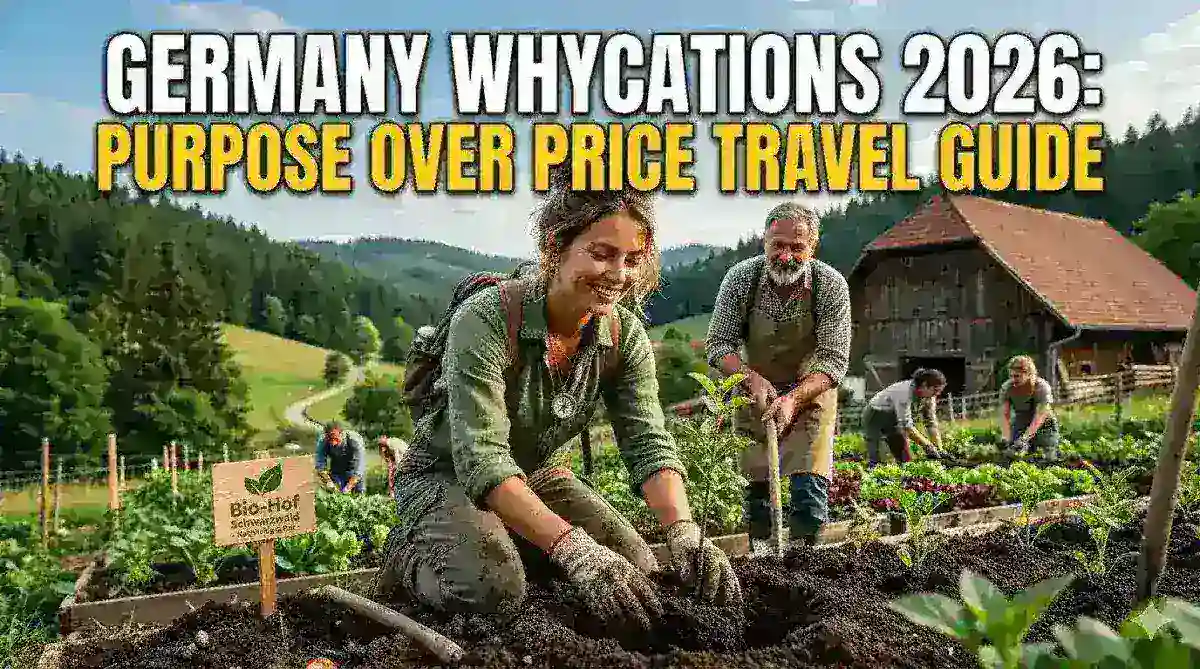
Germany is uniquely positioned to lead this transformation. With its world-class sustainability infrastructure, rich cultural heritage, commitment to social responsibility, and diverse landscapes from Alpine peaks to Baltic coastlines, the country offers unparalleled opportunities for purposeful travel. From volunteering at organic farms in Bavaria to learning traditional crafts in the Black Forest, from participating in reforestation projects to exploring Germany's complex history through thoughtful memorial tourism, the possibilities for meaningful engagement are endless.
This comprehensive guide explores the Whycations phenomenon in Germany for 2026. We'll examine what drives this trend, showcase the most impactful purpose-driven experiences across the country, provide practical planning advice for meaningful travel, and help you design a German journey that enriches both your life and the communities you visit. Whether you're a seasoned purpose-driven traveler or new to the concept, this guide will help you discover why Germany is the perfect destination for travel with purpose.
What Are Whycations and Why Are They Trending?

The term "Whycation" emerged in the mid-2020s as travelers and industry professionals sought to describe a growing movement toward purposeful, intentional travel. Unlike traditional vacations focused on relaxation or sightseeing, Whycations are defined by their underlying motivation—the "why" behind the journey.
Defining the Whycation
A Whycation is characterized by several key elements:
Intentionality: Every aspect of the trip is chosen deliberately to align with personal values and goals. Accommodations, activities, dining, and transportation are selected based on their contribution to the traveler's purpose.
Impact Focus: Travelers consider the social, environmental, and economic impact of their choices. They seek experiences that benefit local communities, protect natural resources, or support cultural preservation.
Learning and Growth: Whycations prioritize personal development through skill-building, cultural immersion, historical understanding, or spiritual reflection. The journey itself becomes a catalyst for transformation.
Authentic Connection: Rather than observing culture from a distance, Whycation travelers seek genuine engagement with local people, traditions, and ways of life. Relationships matter more than photo opportunities.
Sustainability: Environmental responsibility is non-negotiable. Whycation travelers minimize their carbon footprint, support eco-friendly businesses, and choose experiences that protect rather than exploit natural resources.
Why Germany Leads the Whycation Movement
Several factors make Germany the ideal destination for purpose-driven travel in 2026:
Sustainability Leadership: Germany is a global pioneer in renewable energy, waste reduction, and sustainable urban planning. The country's Energiewende (energy transition) and commitment to carbon neutrality by 2045 provide travelers with tangible examples of environmental action.
Cultural Depth: Germany's complex history—from medieval traditions to industrial innovation, from wartime reflection to reunification—offers profound opportunities for historical understanding and personal growth. Memorial sites, museums, and cultural institutions encourage thoughtful engagement rather than passive consumption.
Community-Centered Tourism: Many German regions have developed tourism models that prioritize local benefit. Community-owned guesthouses, farmer-to-table dining, and cultural workshops ensure tourism revenue supports residents rather than international corporations.
Infrastructure for Responsible Travel: Germany's excellent public transportation, extensive cycling networks, and widespread availability of eco-certified accommodations make sustainable travel practical and accessible.
Quality Over Quantity: German culture values craftsmanship, authenticity, and depth—values that align perfectly with the Whycation philosophy. Travelers find that slowing down and engaging deeply yields richer experiences than rushing through highlights.
The Shift from Price to Purpose
The rise of Whycations reflects broader societal changes:
- Climate Consciousness: Growing awareness of tourism's environmental impact drives travelers to choose lower-impact, higher-purpose experiences
- Post-Pandemic Reflection: The pandemic prompted many to reconsider priorities, valuing meaning and connection over material consumption
- Authenticity Seeking: In an age of curated social media, travelers crave genuine experiences over performative tourism
- Value Alignment: Modern travelers increasingly want their spending to reflect their values—supporting sustainability, equity, and cultural preservation
- Personal Growth Focus: Travel is increasingly seen as an opportunity for learning and transformation rather than mere escape
- 👉 Rhein Schlucht Ruinaulta: Swiss Grand Canyon Guide
- 👉 Llama and Alpaca Trekking in Triesenberg: The Most Viral Nature Trend for 2026
- 👉 DO AMERICANS NEED A VISA FOR ITALY? (italy travel tips 2026 new etias rules)
For Germany, this shift represents both an opportunity and a responsibility. By embracing purpose-driven tourism, the country can showcase its leadership in sustainability while providing travelers with experiences that truly matter.
Types of Whycations in Germany: Finding Your Purpose

Germany offers diverse opportunities for purpose-driven travel. Understanding the different types of Whycations can help you design a journey aligned with your values and interests.
Sustainability Whycations
Focus: Environmental protection, renewable energy, sustainable living
Experiences:
- Renewable Energy Tours: Visit wind farms in the North Sea, solar installations in Bavaria, or biomass facilities in rural communities to learn about Germany's energy transition
- Eco-Village Stays: Stay at sustainable communities like Sieben Linden or Tempelhof, participating in daily life and learning about alternative living models
- Zero-Waste Workshops: Learn practical skills for reducing waste through workshops in cities like Berlin, Freiburg, or Munich
- Organic Farm Volunteering: Participate in WWOOF (World Wide Opportunities on Organic Farms) programs, working alongside farmers while learning about sustainable agriculture
- Forest Conservation Projects: Join reforestation initiatives in the Black Forest, Bavarian Forest, or Harz Mountains
- 👉 Rhein Schlucht Ruinaulta: Swiss Grand Canyon Guide
- 👉 Llama and Alpaca Trekking in Triesenberg: The Most Viral Nature Trend for 2026
- 👉 DO AMERICANS NEED A VISA FOR ITALY? (italy travel tips 2026 new etias rules)
Best Regions: Black Forest, Bavaria, Schleswig-Holstein, Brandenburg
Cultural Immersion Whycations
Focus: Deep cultural exchange, traditional crafts, language learning, community connection
Experiences:
- Traditional Craft Workshops: Learn glassblowing in the Bavarian Forest, woodworking in the Erzgebirge, or pottery in the Rhineland from master artisans
- Homestay Programs: Live with local families in rural villages, participating in daily life and cultural traditions
- Language Immersion: Combine German language study with cultural activities in small towns rather than big cities
- Festival Participation: Engage authentically with local festivals like Oktoberfest (beyond the beer tents), Christmas markets, or regional harvest celebrations
- Culinary Heritage: Learn traditional cooking techniques, foraging, or food preservation from local experts
- 👉 Rhein Schlucht Ruinaulta: Swiss Grand Canyon Guide
- 👉 Llama and Alpaca Trekking in Triesenberg: The Most Viral Nature Trend for 2026
- 👉 DO AMERICANS NEED A VISA FOR ITALY? (italy travel tips 2026 new etias rules)
Best Regions: Bavaria, Saxony, Rhineland-Palatinate, Baden-Württemberg
Historical Reflection Whycations
Focus: Understanding complex history, memorial tourism, peace education, reconciliation
Experiences:
- Memorial Site Visits: Thoughtfully explore sites like the Berlin Wall Memorial, Dachau Concentration Camp Memorial, or the Topography of Terror with expert guides who facilitate meaningful reflection
- Reconciliation Projects: Participate in programs that bring together people from different backgrounds to learn from Germany's history of division and reunification
- Oral History Projects: Record and preserve stories from elders in communities affected by historical events
- Peace Education Workshops: Engage with organizations dedicated to conflict resolution and peacebuilding
- Industrial Heritage Tours: Explore Germany's industrial history through repurposed factories, mining museums, and worker heritage sites
- 👉 Rhein Schlucht Ruinaulta: Swiss Grand Canyon Guide
- 👉 Llama and Alpaca Trekking in Triesenberg: The Most Viral Nature Trend for 2026
- 👉 DO AMERICANS NEED A VISA FOR ITALY? (italy travel tips 2026 new etias rules)
Best Regions: Berlin, Brandenburg, Saxony, North Rhine-Westphalia, Bavaria
Wellness and Personal Growth Whycations
Focus: Mental health, mindfulness, physical well-being, spiritual exploration
Experiences:
- Forest Bathing Retreats: Practice Shinrin-yoku (forest bathing) in Germany's ancient forests with certified guides
- Thermal Spa Traditions: Experience Germany's historic spa culture in Baden-Baden, Wiesbaden, or Bad Kissingen with a focus on holistic wellness
- Mindfulness Retreats: Participate in meditation, yoga, or contemplative retreats in peaceful rural settings
- Nature Therapy: Combine hiking, cycling, or water activities with therapeutic practices for mental and physical well-being
- Digital Detox Experiences: Disconnect from technology while reconnecting with nature and self in remote locations
- 👉 Rhein Schlucht Ruinaulta: Swiss Grand Canyon Guide
- 👉 Llama and Alpaca Trekking in Triesenberg: The Most Viral Nature Trend for 2026
- 👉 DO AMERICANS NEED A VISA FOR ITALY? (italy travel tips 2026 new etias rules)
Best Regions: Black Forest, Bavarian Alps, Harz Mountains, Baltic Coast, Eifel Region
Community Impact Whycations
Focus: Direct community benefit, social entrepreneurship, volunteerism, skill-sharing
Experiences:
- Social Enterprise Tours: Visit and support businesses that prioritize social impact, such as refugee employment initiatives or disability-inclusive enterprises
- Community Development Projects: Volunteer with organizations working on housing, education, or integration in German communities
- Cultural Preservation: Assist with projects preserving traditional architecture, music, or crafts in rural areas
- Urban Gardening Initiatives: Participate in community gardens in cities like Berlin, Hamburg, or Cologne
- Refugee Support Programs: Engage respectfully with organizations supporting refugee integration through language exchange, cultural activities, or practical assistance
- 👉 Rhein Schlucht Ruinaulta: Swiss Grand Canyon Guide
- 👉 Llama and Alpaca Trekking in Triesenberg: The Most Viral Nature Trend for 2026
- 👉 DO AMERICANS NEED A VISA FOR ITALY? (italy travel tips 2026 new etias rules)
Best Regions: Urban centers (Berlin, Hamburg, Munich), rural communities with active development projects
Top German Destinations for Whycations

Germany's diversity means purpose-driven experiences are available nationwide. Here are standout destinations for different types of Whycations.
Berlin: History, Innovation, and Social Impact
Why Berlin: Germany's capital offers unparalleled opportunities for historical reflection, social innovation, and cultural exchange.
Signature Experiences:
- Memorial Tourism: Visit the Berlin Wall Memorial, Jewish Museum, and Topography of Terror with guides who facilitate meaningful dialogue about history and its lessons for today
- Social Enterprise Tours: Explore Berlin's thriving social entrepreneurship scene, visiting businesses that employ refugees, support sustainability, or address social challenges
- Urban Sustainability: Learn about Berlin's green initiatives, from community gardens to renewable energy projects to zero-waste neighborhoods
- Cultural Exchange: Participate in language exchange programs, community art projects, or intercultural dialogue initiatives
- Alternative Tourism: Discover Berlin's lesser-known neighborhoods with local guides who share authentic stories beyond the tourist trail
- 👉 Rhein Schlucht Ruinaulta: Swiss Grand Canyon Guide
- 👉 Llama and Alpaca Trekking in Triesenberg: The Most Viral Nature Trend for 2026
- 👉 DO AMERICANS NEED A VISA FOR ITALY? (italy travel tips 2026 new etias rules)
Best For: Historical reflection, social impact, urban sustainability, cultural diversity
Bavaria: Tradition, Nature, and Craftsmanship
Why Bavaria: Germany's largest state combines Alpine beauty, rich traditions, and innovative sustainability practices.
Signature Experiences:
- Traditional Craft Learning: Study woodworking, glassblowing, or textile arts with master craftspeople in the Bavarian Forest or Alps
- Alpine Conservation: Participate in mountain conservation projects, learning about ecosystem protection while enjoying spectacular scenery
- Organic Farm Stays: Experience rural Bavarian life while supporting sustainable agriculture through farm stays and volunteer programs
- Cultural Heritage: Engage authentically with Bavarian traditions—from music and dance to food and festivals—with local communities
- Wellness in Nature: Combine hiking, cycling, or skiing with mindfulness practices in the Bavarian Alps
- 👉 Rhein Schlucht Ruinaulta: Swiss Grand Canyon Guide
- 👉 Llama and Alpaca Trekking in Triesenberg: The Most Viral Nature Trend for 2026
- 👉 DO AMERICANS NEED A VISA FOR ITALY? (italy travel tips 2026 new etias rules)
Best For: Cultural immersion, traditional crafts, nature conservation, wellness
Black Forest: Sustainability and Slow Living
Why the Black Forest: This iconic region exemplifies Germany's commitment to balancing tourism with environmental protection.
Signature Experiences:
- Forest Conservation: Join reforestation projects, learn about sustainable forestry, or participate in wildlife monitoring
- Slow Travel: Explore the region by bike or foot, staying in eco-lodges and supporting local businesses
- Traditional Skills: Learn cuckoo clock making, glassblowing, or traditional cooking from local artisans
- Renewable Energy: Visit community-owned renewable energy projects and learn about Germany's energy transition
- Wellness Retreats: Experience forest bathing, thermal spa traditions, or mindfulness retreats in peaceful natural settings
- 👉 Rhein Schlucht Ruinaulta: Swiss Grand Canyon Guide
- 👉 Llama and Alpaca Trekking in Triesenberg: The Most Viral Nature Trend for 2026
- 👉 DO AMERICANS NEED A VISA FOR ITALY? (italy travel tips 2026 new etias rules)
Best For: Environmental sustainability, slow travel, traditional crafts, wellness
Rhineland: Industrial Heritage and Cultural Exchange
Why the Rhineland: This region offers unique opportunities to explore Germany's industrial transformation and cultural diversity.
Signature Experiences:
- Industrial Heritage: Explore repurposed factories, mining museums, and worker heritage sites that tell the story of Germany's industrial evolution
- Cultural Diversity: Engage with the Rhineland's diverse communities through food, music, and cultural exchange programs
- River Conservation: Participate in Rhine River conservation projects, learning about water management and ecosystem protection
- Urban Regeneration: Discover how cities like Cologne and Düsseldorf are transforming industrial areas into sustainable, creative spaces
- Culinary Heritage: Learn traditional Rhineland cooking techniques and food preservation from local experts
- 👉 Rhein Schlucht Ruinaulta: Swiss Grand Canyon Guide
- 👉 Llama and Alpaca Trekking in Triesenberg: The Most Viral Nature Trend for 2026
- 👉 DO AMERICANS NEED A VISA FOR ITALY? (italy travel tips 2026 new etias rules)
Best For: Industrial heritage, cultural diversity, urban sustainability, culinary traditions
Baltic Coast: Coastal Conservation and Community
Why the Baltic Coast: Germany's northern coastline offers unique opportunities for coastal conservation and community-based tourism.
Signature Experiences:
- Coastal Conservation: Participate in beach cleanups, dune restoration, or marine conservation projects along the Baltic
- Fishing Heritage: Learn about traditional fishing practices and sustainable seafood from local fishing communities
- Slow Coastal Living: Experience the slower pace of coastal life, staying in family-run guesthouses and supporting local businesses
- Renewable Energy: Visit offshore wind farms and learn about Germany's commitment to renewable energy
- Wellness by the Sea: Combine coastal walks, swimming, or sailing with mindfulness practices
- 👉 Rhein Schlucht Ruinaulta: Swiss Grand Canyon Guide
- 👉 Llama and Alpaca Trekking in Triesenberg: The Most Viral Nature Trend for 2026
- 👉 DO AMERICANS NEED A VISA FOR ITALY? (italy travel tips 2026 new etias rules)
Best For: Coastal conservation, fishing heritage, slow travel, renewable energy
Planning Your German Whycation: A Practical Guide

Designing a purpose-driven trip to Germany requires thoughtful planning. Here's how to create a meaningful journey that aligns with your values.
Step 1: Clarify Your Purpose
Before booking anything, reflect on your motivations:
- What matters most to you? Environmental protection, cultural understanding, historical learning, personal growth, community impact?
- What skills or knowledge do you hope to gain? Traditional crafts, language skills, sustainability practices, historical understanding?
- What impact do you want to have? Support local communities, contribute to conservation, preserve cultural heritage, promote understanding?
- What kind of experience feels meaningful? Hands-on participation, thoughtful observation, skill-building, relationship-building?
- 👉 Rhein Schlucht Ruinaulta: Swiss Grand Canyon Guide
- 👉 Llama and Alpaca Trekking in Triesenberg: The Most Viral Nature Trend for 2026
- 👉 DO AMERICANS NEED A VISA FOR ITALY? (italy travel tips 2026 new etias rules)
Your answers will guide every subsequent decision, from destination selection to accommodation choices to daily activities.
Step 2: Research Purpose-Driven Options
Once you've clarified your purpose, research experiences that align:
Reliable Resources:
- German National Tourist Board: Official sustainability and cultural tourism information
- Viabono: German eco-certification for accommodations and tours
- WWOOF Germany: Organic farm volunteer opportunities
- Workaway/HelpX: Cultural exchange and volunteer opportunities
- Local Tourism Boards: Regional information on sustainable and cultural experiences
- Social Enterprises: Organizations like Gläserne Produktion or Social Impact that connect travelers with purpose-driven businesses
- 👉 Rhein Schlucht Ruinaulta: Swiss Grand Canyon Guide
- 👉 Llama and Alpaca Trekking in Triesenberg: The Most Viral Nature Trend for 2026
- 👉 DO AMERICANS NEED A VISA FOR ITALY? (italy travel tips 2026 new etias rules)
Red Flags to Avoid:
- Experiences that exploit communities or cultures for tourist entertainment
- "Voluntourism" that prioritizes traveler experience over community benefit
- Greenwashing—claims of sustainability without credible certification or transparency
- Experiences that disrupt local life or environments without meaningful benefit
- 👉 Rhein Schlucht Ruinaulta: Swiss Grand Canyon Guide
- 👉 Llama and Alpaca Trekking in Triesenberg: The Most Viral Nature Trend for 2026
- 👉 DO AMERICANS NEED A VISA FOR ITALY? (italy travel tips 2026 new etias rules)
Step 3: Choose Sustainable Logistics
Your travel choices significantly impact your trip's purpose and footprint:
Transportation:
- Train Travel: Germany's excellent rail network is the most sustainable way to explore the country. Consider a Deutschland-Ticket for unlimited regional travel
- Cycling: Germany's extensive cycling infrastructure makes bike travel practical and low-impact
- Public Transport: Cities offer excellent public transport; avoid rental cars when possible
- Carbon Offsetting: If flying is necessary, choose airlines with strong sustainability commitments and offset your carbon footprint
- 👉 Rhein Schlucht Ruinaulta: Swiss Grand Canyon Guide
- 👉 Llama and Alpaca Trekking in Triesenberg: The Most Viral Nature Trend for 2026
- 👉 DO AMERICANS NEED A VISA FOR ITALY? (italy travel tips 2026 new etias rules)
Accommodation:
- Eco-Certified: Look for Viabono, EU Ecolabel, or Green Key certified accommodations
- Locally Owned: Choose family-run guesthouses, B&Bs, or community-owned lodges over international chains
- Authentic Stays: Consider homestays, farm stays, or eco-villages for deeper cultural immersion
- Location: Stay in neighborhoods or regions where your spending directly benefits local communities
- 👉 Rhein Schlucht Ruinaulta: Swiss Grand Canyon Guide
- 👉 Llama and Alpaca Trekking in Triesenberg: The Most Viral Nature Trend for 2026
- 👉 DO AMERICANS NEED A VISA FOR ITALY? (italy travel tips 2026 new etias rules)
Dining:
- Local and Seasonal: Choose restaurants that source locally and seasonally
- Traditional and Sustainable: Support establishments preserving traditional foodways while practicing sustainability
- Plant-Forward: Germany has excellent vegetarian and vegan options; reducing meat consumption lowers your trip's environmental impact
- Community-Focused: Eat at social enterprises, community kitchens, or establishments that employ marginalized groups
- 👉 Rhein Schlucht Ruinaulta: Swiss Grand Canyon Guide
- 👉 Llama and Alpaca Trekking in Triesenberg: The Most Viral Nature Trend for 2026
- 👉 DO AMERICANS NEED A VISA FOR ITALY? (italy travel tips 2026 new etias rules)
Step 4: Build a Flexible, Purpose-Driven Itinerary
Purpose-driven travel benefits from flexibility and presence:
Less Is More: Focus on fewer destinations and experiences, allowing time for deeper engagement rather than rushing through highlights.
Leave Space for Serendipity: Build in unstructured time for unexpected connections, spontaneous learning, or simply being present.
Balance Activity and Reflection: Alternate hands-on experiences with time for processing, journaling, or simply absorbing what you've learned.
Connect Experiences: Look for thematic connections between activities—how does a traditional craft workshop relate to sustainability? How does historical reflection inform your understanding of contemporary Germany?
Step 5: Prepare for Meaningful Engagement
Purpose-driven travel requires a different mindset than traditional tourism:
Cultural Preparation:
- Learn basic German phrases—even simple greetings show respect and open doors
- Research cultural norms and expectations for the regions you'll visit
- Approach cultural differences with curiosity rather than judgment
- 👉 Rhein Schlucht Ruinaulta: Swiss Grand Canyon Guide
- 👉 Llama and Alpaca Trekking in Triesenberg: The Most Viral Nature Trend for 2026
- 👉 DO AMERICANS NEED A VISA FOR ITALY? (italy travel tips 2026 new etias rules)
Practical Preparation:
- Pack for sustainability: reusable water bottle, shopping bag, toiletries in reusable containers
- Bring appropriate clothing for hands-on activities (work clothes for farm stays, modest attire for cultural sites)
- Download offline maps and translation apps to reduce data usage
- 👉 Rhein Schlucht Ruinaulta: Swiss Grand Canyon Guide
- 👉 Llama and Alpaca Trekking in Triesenberg: The Most Viral Nature Trend for 2026
- 👉 DO AMERICANS NEED A VISA FOR ITALY? (italy travel tips 2026 new etias rules)
Mindset Preparation:
- Embrace discomfort: meaningful growth often happens outside comfort zones
- Practice active listening: seek to understand before being understood
- Stay open to having your perspectives challenged and expanded
- 👉 Rhein Schlucht Ruinaulta: Swiss Grand Canyon Guide
- 👉 Llama and Alpaca Trekking in Triesenberg: The Most Viral Nature Trend for 2026
- 👉 DO AMERICANS NEED A VISA FOR ITALY? (italy travel tips 2026 new etias rules)
Measuring Impact: Ensuring Your Whycation Makes a Difference

Choosing purpose-driven travel is meaningful, but ensuring your trip creates positive impact requires intentionality.
Environmental Impact
Minimize Your Footprint:
- Choose train over plane when possible; offset unavoidable flights
- Stay in eco-certified accommodations with clear sustainability practices
- Reduce waste: refuse single-use plastics, carry reusable items
- Conserve resources: reuse towels, minimize water and energy use
- 👉 Rhein Schlucht Ruinaulta: Swiss Grand Canyon Guide
- 👉 Llama and Alpaca Trekking in Triesenberg: The Most Viral Nature Trend for 2026
- 👉 DO AMERICANS NEED A VISA FOR ITALY? (italy travel tips 2026 new etias rules)
Support Conservation:
- Choose experiences that directly fund conservation efforts
- Follow Leave No Trace principles in natural areas
- Respect wildlife and habitats; avoid exploitative wildlife tourism
- 👉 Rhein Schlucht Ruinaulta: Swiss Grand Canyon Guide
- 👉 Llama and Alpaca Trekking in Triesenberg: The Most Viral Nature Trend for 2026
- 👉 DO AMERICANS NEED A VISA FOR ITALY? (italy travel tips 2026 new etias rules)
Social and Cultural Impact
Respectful Engagement:
- Ask permission before photographing people or cultural practices
- Learn about and respect local customs and traditions
- Approach cultural exchange as a two-way learning opportunity, not extraction
- 👉 Rhein Schlucht Ruinaulta: Swiss Grand Canyon Guide
- 👉 Llama and Alpaca Trekking in Triesenberg: The Most Viral Nature Trend for 2026
- 👉 DO AMERICANS NEED A VISA FOR ITALY? (italy travel tips 2026 new etias rules)
Community Benefit:
- Choose locally-owned businesses over international chains
- Pay fair prices for goods and services; avoid aggressive haggling
- Support social enterprises that reinvest in communities
- Consider skill-sharing: what knowledge or abilities can you offer in exchange?
- 👉 Rhein Schlucht Ruinaulta: Swiss Grand Canyon Guide
- 👉 Llama and Alpaca Trekking in Triesenberg: The Most Viral Nature Trend for 2026
- 👉 DO AMERICANS NEED A VISA FOR ITALY? (italy travel tips 2026 new etias rules)
Economic Impact
Direct Local Benefit:
- Stay in accommodations owned and operated by local residents
- Eat at restaurants that source from local producers
- Buy crafts and products directly from artisans when possible
- Tip fairly for services, recognizing local wage contexts
- 👉 Rhein Schlucht Ruinaulta: Swiss Grand Canyon Guide
- 👉 Llama and Alpaca Trekking in Triesenberg: The Most Viral Nature Trend for 2026
- 👉 DO AMERICANS NEED A VISA FOR ITALY? (italy travel tips 2026 new etias rules)
Transparent Spending:
- Ask businesses about their labor practices and community impact
- Support organizations with transparent impact reporting
- Consider donating directly to local causes rather than through intermediaries
- 👉 Rhein Schlucht Ruinaulta: Swiss Grand Canyon Guide
- 👉 Llama and Alpaca Trekking in Triesenberg: The Most Viral Nature Trend for 2026
- 👉 DO AMERICANS NEED A VISA FOR ITALY? (italy travel tips 2026 new etias rules)
Personal Growth and Reflection
Document Your Journey:
- Keep a journal to process experiences and insights
- Reflect on how your perspectives are evolving
- Consider how you'll integrate lessons learned into your life at home
- 👉 Rhein Schlucht Ruinaulta: Swiss Grand Canyon Guide
- 👉 Llama and Alpaca Trekking in Triesenberg: The Most Viral Nature Trend for 2026
- 👉 DO AMERICANS NEED A VISA FOR ITALY? (italy travel tips 2026 new etias rules)
Share Responsibly:
- If sharing your experience publicly, focus on learning and respect rather than self-promotion
- Credit local guides, hosts, and communities appropriately
- Avoid sharing sensitive locations or practices that could be exploited
- 👉 Rhein Schlucht Ruinaulta: Swiss Grand Canyon Guide
- 👉 Llama and Alpaca Trekking in Triesenberg: The Most Viral Nature Trend for 2026
- 👉 DO AMERICANS NEED A VISA FOR ITALY? (italy travel tips 2026 new etias rules)
Challenges and Considerations in Purpose-Driven Travel

Whycations offer profound rewards, but they also present unique challenges. Being prepared helps you navigate them successfully.
Managing Expectations
Reality vs. Idealism: Purpose-driven travel isn't always comfortable or easy. You may encounter language barriers, cultural misunderstandings, or logistical challenges. Embrace these as part of the learning process rather than failures.
Impact Limitations: No single trip will solve complex social or environmental challenges. Focus on making a positive contribution within your sphere of influence rather than expecting transformative change.
Avoiding "Purpose Washing"
Critical Evaluation: Not all experiences marketed as "purposeful" or "sustainable" deliver meaningful impact. Research organizations thoroughly, ask tough questions, and trust your instincts if something feels exploitative.
Power Dynamics: Be aware of power imbalances between travelers and host communities. Approach experiences with humility, recognizing that you're a guest learning from hosts, not a savior bringing solutions.
Balancing Purpose and Enjoyment
Don't Forget Joy: Purpose-driven travel shouldn't feel like work. Allow space for play, relaxation, and simple enjoyment. Meaningful travel integrates purpose with pleasure.
Avoid Burnout: Intense immersion can be emotionally demanding. Build in rest days, practice self-care, and recognize when you need to step back.
Post-Trip Integration
Sustaining Impact: The end of your trip doesn't have to mean the end of your purpose. Consider how you'll maintain connections, continue learning, or support causes you encountered during your journey.
Sharing Lessons: Think about how you'll share your experience in ways that inspire others without appropriating or oversimplifying complex issues.
The Future of Whycations in Germany

As purpose-driven travel continues to grow, Germany is well-positioned to lead the evolution of meaningful tourism.
Emerging Trends
Technology for Good: Digital tools are making it easier to find and book purpose-driven experiences, track impact, and connect with like-minded travelers.
Community-Led Tourism: More communities are taking control of tourism development, ensuring benefits flow directly to residents and cultural preservation is prioritized.
Regenerative Travel: Beyond sustainability, travelers are seeking experiences that actively restore environments and strengthen communities.
Skills-Based Exchange: Travelers increasingly offer skills (teaching, technical expertise, creative abilities) in exchange for cultural immersion, creating mutually beneficial exchanges.
Germany's Leadership Opportunity
Germany can strengthen its position as a Whycation leader by:
- Expanding certification programs for purpose-driven tourism providers
- Investing in infrastructure that supports sustainable travel (rail, cycling, eco-accommodations)
- Supporting community-led tourism initiatives that prioritize local benefit
- Promoting historical and cultural education that encourages thoughtful engagement
- Collaborating with other European destinations to create purpose-driven travel circuits
- 👉 Rhein Schlucht Ruinaulta: Swiss Grand Canyon Guide
- 👉 Llama and Alpaca Trekking in Triesenberg: The Most Viral Nature Trend for 2026
- 👉 DO AMERICANS NEED A VISA FOR ITALY? (italy travel tips 2026 new etias rules)
Conclusion: Travel with Purpose in Germany

The rise of Whycations in Germany reflects a broader shift in how we think about travel—not as escape or consumption, but as opportunity for growth, connection, and positive impact. In a world facing complex challenges, purpose-driven travel offers a way to explore our planet while contributing to its well-being.
Germany's unique combination of sustainability leadership, cultural depth, historical complexity, and commitment to quality makes it an ideal destination for travelers seeking meaning over mere convenience. Whether you're volunteering on an organic farm in Bavaria, learning traditional crafts in the Black Forest, reflecting on history in Berlin, or conserving coastal ecosystems on the Baltic, your journey can enrich both your life and the places you visit.
As you plan your German Whycation in 2026, remember that purpose isn't about perfection—it's about intention. Every choice, from how you travel to where you stay to how you engage with communities, is an opportunity to align your actions with your values. Start with clarity about what matters to you, research thoughtfully, travel responsibly, and remain open to the transformative power of purposeful exploration.
Germany awaits not just your visit, but your engagement. Not just your spending, but your contribution. Not just your presence, but your purpose.
In 2026, choose why over price. Choose meaning over convenience. Choose a German Whycation that changes not just your itinerary, but your perspective.
Your purpose-driven journey starts now.
0 Comments