.webp)
.webp)
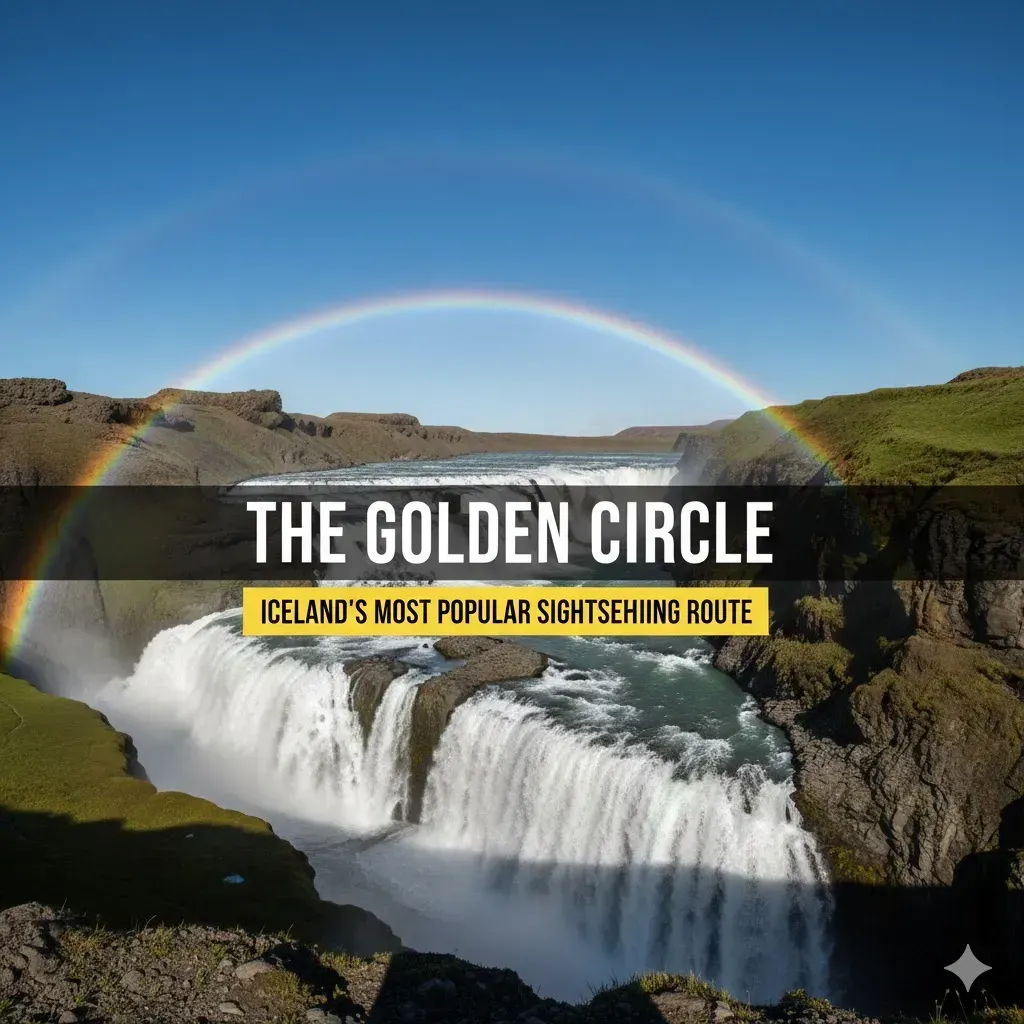
THE GOLDEN CIRCLE: ICELAND'S MOST POPULAR SIGHTSEEING ROUTE
The Golden Circle stands as Iceland's most iconic and accessible sightseeing route, a perfectly curated journey through some of the nation's most spectacular natural wonders that has captivated travelers for generations. This approximately 300-kilometer (186-mile) loop from Reykjavik takes visitors through three of Iceland's most remarkable destinations: Þingvellir (Thingvellir) National Park, where ancient tectonic plates diverge and Iceland's parliament was founded over a millennium ago; the Geysir Geothermal Area, where the original geyser gave its name to all geysers worldwide and Strokkur erupts dramatically every 5-10 minutes; and Gullfoss, the "Golden Falls," a thunderous two-tiered waterfall that plunges into a dramatic canyon with raw, elemental power.
In 2026, as travelers seek destinations that combine natural wonder, geological significance, and cultural heritage with accessibility and convenience, the Golden Circle remains an essential Iceland experience. Whether you are a nature enthusiast drawn by geothermal activity and thundering waterfalls, a geology lover fascinated by continental drift and volcanic forces, a history buff inspired by Viking-age parliament and ancient assembly grounds, a photography enthusiast chasing dramatic landscapes and erupting geysers, or simply a curious traveler seeking Iceland's greatest hits in a single day, this comprehensive guide will help you navigate this legendary route with confidence and appreciation.
Understanding the Golden Circle requires more than checking off three famous stops; it demands engaging with the geological forces that continue to shape this dynamic landscape, appreciating the cultural significance of sites where Iceland's democracy was born, and respecting the raw power of natural phenomena that have drawn visitors for centuries. By approaching the Golden Circle with curiosity and respect, you will discover not just spectacular sights but a living dialogue between fire and ice, between ancient history and geological present, between human culture and elemental nature.
THE THREE ICONIC STOPS: ÞINGVELLIR, GEYSIR, AND GULLFOSS
The Golden Circle's enduring appeal lies in its three distinct yet complementary destinations, each offering unique natural and cultural experiences.
Þingvellir (Thingvellir) National Park:
A UNESCO World Heritage Site of profound geological and historical significance:
Geological Wonder:
- Tectonic Plates: Þingvellir sits in a rift valley where the North American and Eurasian tectonic plates are pulling apart at approximately 2 centimeters per year
- Visible Rift: The Almannagjá gorge provides a dramatic, walkable example of continental drift, where you can literally walk between two continents
- Geological Features: Numerous fissures, caves, and rock formations created by volcanic activity and plate movement
Historical Significance:
- Alþingi (Althing): Site of Iceland's parliament, established in 930 CE, making it one of the world's oldest surviving parliaments
- Viking Age Assembly: For over 800 years, chieftains and farmers gathered here to make laws, settle disputes, and shape Icelandic society
- National Symbol: Þingvellir represents the birth of Icelandic democracy and national identity
- Conversion to Christianity: Site of Iceland's pivotal decision to convert from Norse paganism to Christianity in 1000 CE
Natural Beauty:
- Öxarárfoss Waterfall: Picturesque waterfall within the park that cascades into the Almannagjá gorge
- Þingvallavatn Lake: Iceland's largest natural lake, formed in the rift valley
- Silfra Fissure: World-renowned diving and snorkeling site where you can swim between tectonic plates in crystal-clear glacial water
Visiting Þingvellir:
- Walking Trails: Well-marked trails through the rift valley, to Öxarárfoss, and around the lake
- Visitor Center: Educational exhibits on geology, history, and ecology
- Duration: Allow 1.5-2 hours for comprehensive exploration
- Accessibility: Main areas accessible; some trails require moderate fitness
Geysir Geothermal Area:
Home to the original geyser and one of Iceland's most reliable geothermal displays:
Strokkur Geyser:
- Eruption Pattern: Erupts every 5-10 minutes to heights of 15-40 meters (50-130 feet)
- Reliability: One of the world's most predictable and active geysers
- Photography: Perfect for capturing the drama of geothermal activity; eruptions last 1-2 minutes
The Great Geysir:
- Historical Significance: The original geyser that gave its name to all geysers worldwide
- Current Activity: Now mostly dormant, with occasional minor eruptions
- Historical Context: Was highly active in the past; documented eruptions reached heights of 170 meters
Geothermal Features:
- Hot Springs: Numerous colorful hot springs with temperatures ranging from warm to boiling
- Fumaroles: Steam vents releasing volcanic gases
- Mud Pots: Bubbling mud pools created by geothermal activity
- Geothermal Gradient: Visible evidence of Iceland's volcanic activity just beneath the surface
Visitor Facilities:
- Visitor Center: Educational displays about geothermal activity and geology
- Restaurant and Café: Dining options with views of the geothermal area
- Gift Shop: Geothermal-themed souvenirs and Icelandic crafts
- Walking Paths: Paved paths around the geothermal features for safe viewing
Visiting Geysir:
- Duration: Allow 45-60 minutes to observe multiple Strokkur eruptions and explore the area
- Safety: Stay on marked paths; ground can be unstable and scalding hot
- Photography: Arrive early for best light; eruptions are frequent enough for multiple attempts
Gullfoss (Golden Falls):
One of Iceland's most powerful and beautiful waterfalls:
The Waterfall:
- Two-Tiered Cascade: Water plunges 11 meters (36 feet) in the first tier, then 21 meters (69 feet) in the second tier into a dramatic canyon
- Water Volume: Hvítá River carries an average of 109 cubic meters of water per second; volume varies seasonally
- Power and Beauty: The combination of height, volume, and canyon setting creates a spectacular natural display
Geological Formation:
- Canyon Formation: Carved by glacial meltwater over thousands of years
- Rock Layers: Waterfall reveals layers of basalt and other volcanic rock
- Ongoing Erosion: The waterfall continues to carve the canyon, retreating upstream over time
Viewing Platforms:
- Upper Platform: Provides panoramic view of both tiers and the canyon
- Lower Platform: Closer view of the waterfall; you'll feel the mist and power
- Multiple Angles: Different viewpoints offer different perspectives of the falls
Historical Context:
- Conservation Story: In the early 2000s, Gullfoss was nearly developed for hydroelectric power; conservationists led by Sigríður Tómasdóttir successfully fought to preserve it
- National Treasure: Now protected as part of Iceland's natural heritage
Visiting Gullfoss:
- Duration: Allow 45-60 minutes to explore viewing platforms and visitor facilities
- Safety: Stay behind barriers; rocks can be slippery; mist can be intense
- Photography: Bring waterproof protection for camera; rainbows frequent on sunny days
PLANNING YOUR GOLDEN CIRCLE JOURNEY: LOGISTICS AND TIMING
Successfully experiencing the Golden Circle requires thoughtful planning regarding timing, transportation, and route optimization.
Transportation Options:
Self-Drive (Most Popular):
- Advantages: Flexibility to explore at your own pace, stop for photos, visit additional attractions, and avoid tour group schedules
- Vehicle Requirements: Standard 2WD vehicle sufficient for Golden Circle in summer; 4WD recommended for winter or if venturing onto F-roads
- Distance: Approximately 230-250 kilometers (143-155 miles) total loop
- Driving Time: 3-4 hours of pure driving time; allow 8-10 hours total for stops and exploration
- Road Conditions: Route 35, 37, and 1 are well-maintained paved roads; check road.is for current conditions
- Parking: Free parking available at all three main stops
- Cost: Car rental approximately €50-150/day depending on season and vehicle type; fuel approximately €30-50 for the route
Guided Tours:
- Advantages: No driving stress, expert commentary, all logistics handled, social experience
- Types: Bus tours (large groups), minivan tours (smaller groups), private tours (customized)
- Duration: Typically 7-9 hours from Reykjavik
- Cost: Bus tours €60-100; minivan tours €100-150; private tours €200-400+
- Inclusions: Usually includes hotel pickup/dropoff, guide, and sometimes lunch
- Limitations: Fixed schedule, less flexibility, must keep up with group
Combination Tours:
- Golden Circle + Blue Lagoon: Popular combination adding geothermal spa experience
- Golden Circle + Secret Lagoon: More natural, less crowded geothermal alternative
- Golden Circle + Whale Watching: Combines inland and coastal experiences
- Golden Circle + Snowmobiling: Winter adventure on Langjökull glacier
Best Time to Visit:
Seasonal Considerations:
Summer (June-August):
- Advantages: Long daylight hours (midnight sun), all facilities open, accessible roads, mild weather, puffin watching possible
- Disadvantages: Peak tourist crowds, higher prices, limited Northern Lights visibility
- Weather: 10-15°C (50-59°F); can be windy and changeable
- Daylight: 18-24 hours of daylight
Shoulder Seasons (May and September-October):
- Advantages: Fewer crowds, lower prices, good balance of daylight and darkness, possible Northern Lights in late season
- Disadvantages: More variable weather, some facilities may have reduced hours
- Weather: 5-10°C (41-50°F); unpredictable
- Daylight: 10-16 hours
Winter (November-April):
- Advantages: Fewest crowds, lowest prices, Northern Lights possible, ice caves accessible, dramatic winter landscapes
- Disadvantages: Limited daylight, challenging driving conditions, some roads may close, cold temperatures
- Weather: -5 to 5°C (23-41°F); can be harsh
- Daylight: 4-8 hours (as little as 4 hours in December)
Recommended Itinerary Duration:
One Day (Most Common):
- Schedule: 8-10 hours total
- Pace: Moderate; allows time at each main stop
- Best For: First-time visitors, those with limited time, day-trippers from Reykjavik
Two Days (Recommended for Depth):
- Schedule: Spread exploration over two days
- Advantages: More time at each location, opportunity for hiking, photography, and additional stops, less rushed
- Best For: Photography enthusiasts, nature lovers, those wanting deeper exploration
Multi-Day with Additional Stops:
- Schedule: 2-3 days incorporating additional attractions
- Additions: Kerið crater, Secret Lagoon, Faxi waterfall, Laugarvatn, Skálholt, etc.
- Best For: Those wanting comprehensive Golden Circle experience with detours
Suggested One-Day Itinerary:
Classic Route (Counterclockwise):
1. Reykjavik departure: 8:00-9:00 AM
2. Þingvellir National Park: 9:30-11:00 AM (1.5 hours)
- Walk through Almannagjá gorge
- Visit Öxarárfoss waterfall
- Explore visitor center
3. Geysir Geothermal Area: 11:30 AM-12:30 PM (1 hour)
- Observe multiple Strokkur eruptions
- Explore geothermal features
- Lunch at visitor center café
4. Gullfoss Waterfall: 1:00-2:30 PM (1.5 hours)
- View from upper and lower platforms
- Visit visitor center
- Photography time
5. Optional additional stops: 3:00-5:00 PM
- Kerið crater
- Secret Lagoon
- Faxi waterfall
6. Return to Reykjavik: 6:00-7:00 PM
Alternative Route (Clockwise):
- Start with Gullfoss (less crowded early)
- Then Geysir
- End at Þingvellir
- Advantage: Popular stops less crowded in morning
ADDITIONAL ATTRACTIONS AND DETOURS: BEYOND THE BIG THREE
While Þingvellir, Geysir, and Gullfoss are the Golden Circle's highlights, numerous worthwhile stops enhance the journey.
Kerið Volcanic Crater:
A striking volcanic crater lake:
- Formation: Approximately 3,000 years old; volcanic crater with steep red slopes and turquoise water
- Dimensions: Approximately 170 meters wide, 270 meters around, 55 meters deep
- Access: Walking path around rim; stairs down to water's edge
- Admission: Approximately €4-6 (ISK 650); helps fund preservation
- Duration: 30-45 minutes
- Photography: Striking color contrast between red volcanic rock and blue water
Secret Lagoon (Gamla Laugin):
Iceland's oldest natural swimming pool:
- History: Built in 1891; natural geothermal pool with rustic charm
- Temperature: 38-40°C (100-104°F) year-round
- Features: Natural hot spring, small geyser nearby, changing facilities
- Atmosphere: Less developed than Blue Lagoon; more authentic local experience
- Admission: Approximately €25-30; advance booking recommended
- Duration: 1-2 hours for soaking
- Best For: Relaxation after hiking; alternative to crowded Blue Lagoon
Faxi Waterfall (Vatnsleysufoss):
A wide, powerful waterfall often missed by tourists:
- Characteristics: Approximately 20 meters wide, 6 meters high; single-tier cascade
- Atmosphere: Less crowded than Gullfoss; peaceful setting
- Features: Salmon ladder visible during spawning season (July-September)
- Access: Short walk from parking area
- Duration: 20-30 minutes
- Best For: Quiet waterfall experience; photography without crowds
Laugarvatn:
A charming lakeside village with geothermal activity:
- Laugarvatn Fontana Geothermal Baths:
- Natural hot springs and steam rooms
- Geothermal bakery where bread is baked underground
- Lake swimming in summer
- Admission: Approximately €30-35
- Duration: 1-2 hours
- Lake Laugarvatn:
- Scenic lake setting
- Opportunities for swimming (in designated areas)
- Beautiful reflections for photography
Skálholt:
Historic bishopric and cultural site:
- History: One of Iceland's most important historical sites; bishopric from 1056-1785
- Church: Modern church built on site of medieval cathedral
- Archaeological Museum: Exhibits on Viking Age and medieval history
- Atmosphere: Peaceful, less touristy
- Duration: 45-60 minutes
- Best For: History enthusiasts; cultural context
Reykjadalur Hot Spring River:
For the adventurous:
- Experience: Hike to natural hot river where you can bathe in geothermally heated water
- Hike: Approximately 3 km (1.9 miles) each way; moderate difficulty
- Soak: Natural hot river with varying temperatures
- Duration: 3-4 hours total (hike + soak)
- Best For: Active travelers; unique natural bathing experience
- Note: Requires additional time and physical fitness
PHOTOGRAPHY TIPS: CAPTURING THE GOLDEN CIRCLE'S BEAUTY
The Golden Circle offers exceptional photography opportunities; these tips will help you capture stunning images.
Best Photography Locations:
Þingvellir National Park:
- Almannagjá Gorge: Wide-angle shots of the rift valley with dramatic rock walls
- Öxarárfoss Waterfall: Long exposure for silky water effect; include surrounding rocks
- Silfra Fissure: Underwater photography (requires proper equipment and certification)
- Lake Þingvallavatn: Sunrise/sunset reflections with mountains in background
Geysir Geothermal Area:
- Strokkur Eruption: Fast shutter speed (1/500 or faster) to freeze water droplets
- Steam and Light: Backlit steam creates dramatic effect in early morning or late afternoon
- Geothermal Pools: Colorful mineral deposits; polarizing filter enhances colors
- Wide Context: Include surrounding landscape to show geothermal area in context
Gullfoss Waterfall:
- Upper Platform: Wide shot capturing both tiers and canyon
- Lower Platform: Close-up of falling water; expect heavy mist
- Rainbow Shots: Position yourself with sun behind you for rainbow in mist (midday best)
- Long Exposure: 1-2 second exposure for smooth, ethereal water effect
Additional Stops:
- Kerið Crater: Wide-angle from rim showing turquoise water and red slopes
- Secret Lagoon: Steam rising from water; rustic wooden structures
- Faxi Waterfall: Wide shot showing full width; salmon ladder in season
Technical Considerations:
Equipment:
- Wide-Angle Lens (16-35mm): Essential for landscapes, waterfalls, and geothermal areas
- Telephoto Lens (70-200mm): Useful for isolating details, compressing landscapes, and capturing geyser eruptions from safe distance
- Tripod: Essential for long exposures at waterfalls and low-light conditions; check if allowed in crowded areas
- Polarizing Filter: Reduces glare on water, enhances sky contrast, and saturates colors in geothermal pools
- Neutral Density (ND) Filter: Allows long exposures in bright conditions for smooth water effects
- Waterproof Protection: Camera rain cover or plastic bag; mist from waterfalls and geysers is intense
Settings and Techniques:
- Waterfalls: Aperture priority (f/8-f/11), shutter speed 1-2 seconds for smooth water, tripod essential
- Geysers: Shutter priority (1/500 or faster) to freeze eruption, continuous shooting mode, anticipate eruption
- Geothermal Areas: Aperture f/8-f/11 for depth of field, watch for steam obscuring lens
- Landscapes: Golden hour (early morning/late evening) for best light, use leading lines and foreground interest
- Northern Lights (winter): Manual mode, ISO 1600-3200, aperture f/2.8 or wider, shutter speed 5-30 seconds
Best Times for Photography:
Golden Hour:
- Summer: Extended golden hour (10 PM-midnight) with soft, warm light
- Winter: Short but dramatic golden hour (11 AM-2 PM) with low-angle light
- Advantage: Warm colors, long shadows, dramatic atmosphere
Blue Hour:
- Timing: Just before sunrise and just after sunset
- Effect: Soft, even light with blue tones; excellent for geothermal steam and waterfalls
Midday:
- Challenge: Harsh overhead light creates strong shadows
- Solution: Use for geothermal areas where steam is more visible against dark sky; use polarizing filter
Weather Considerations:
- Overcast: Soft, even light ideal for waterfalls and forests; no harsh shadows
- Clear Sky: Best for landscapes with mountains; dramatic clouds add interest
- Rain/Mist: Creates atmosphere; protect equipment; rainbows possible at waterfalls
Crowd Management:
- Early Morning: Arrive at opening or before for unobstructed shots
- Late Evening: Stay after tour groups leave for peaceful photography
- Weekdays: Tuesday-Thursday typically less crowded than weekends
- Off-Season: November-March sees fewer tourists; more comfortable for setup
PRACTICAL TRAVEL INFORMATION FOR 2026
Essential information for planning your Golden Circle adventure.
Getting to the Golden Circle:
From Reykjavik:
- Distance: Approximately 100-120 kilometers (62-75 miles) to first stop
- Route: Take Route 1 (Ring Road) east, then Route 35 north to Þingvellir
- Driving Time: 1-1.5 hours to Þingvellir from Reykjavik
- Navigation: GPS or smartphone with offline maps; roads are well-signed
Road Conditions:
- Summer: All paved roads; well-maintained; suitable for 2WD vehicles
- Winter: Can be icy and snowy; 4WD recommended; check road.is daily
- F-Roads: If venturing into highlands, 4WD mandatory; not necessary for standard Golden Circle
Car Rental:
- Companies: Major international and local companies available in Reykjavik and at Keflavík Airport
- Cost: €50-150/day depending on season, vehicle type, and insurance
- Insurance: Comprehensive insurance strongly recommended; gravel protection essential
- Age Requirements: Minimum age typically 20-23; young driver surcharge may apply
- Fuel: Fill up in Reykjavik; stations available along route but less frequent
Accommodation Options:
Stay in Reykjavik:
- Advantage: One base for entire trip; no need to change hotels
- Disadvantage: Long day trip (8-10 hours); less time for exploration
- Best For: Those with limited time; day-trippers
Stay Along the Route:
- Laugarvatn: Charming lakeside village with hotels and guesthouses
- Selfoss: Larger town with more accommodation options and services
- Advantage: Break up the journey; more time for exploration; possible Northern Lights viewing
- Disadvantage: Need to pack/unpack; additional cost
- Best For: Those wanting relaxed pace; photographers wanting golden hour shots
Budget and Costs:
Estimated Daily Costs (per person):
- Budget Traveler: €80-120
- Self-drive car rental (shared): €25-40
- Fuel: €15-25
- Food (self-catering/picnic): €20-30
- Attractions (free stops): €0-10
- Accommodation (hostel/budget): €30-50
- Mid-Range Traveler: €150-250
- Self-drive or guided tour: €60-100
- Food (mix of casual and restaurants): €40-60
- Attractions and activities: €30-50
- Accommodation (guesthouse/hotel): €80-120
- Luxury Traveler: €300+
- Private tour or premium car rental: €150-250
- Fine dining: €80-120
- Premium activities and attractions: €100-150
- Accommodation (luxury hotel): €200+
Money-Saving Tips:
- Self-catering: Buy groceries in Reykjavik; pack picnic lunches
- Free Attractions: Þingvellir, Geysir, and Gullfoss are free; only pay for parking or optional activities
- Off-Season: Visit in shoulder season for lower prices and fewer crowds
- Group Tours: Join group tours rather than private tours for better value
- Combination Tickets: Look for discounts when visiting multiple paid attractions
Food and Dining:
Along the Route:
- Geysir Visitor Center: Restaurant and café with decent food; tourist prices
- Gullfoss Visitor Center: Café with soups, sandwiches, and Icelandic specialties
- Laugarvatn: Several restaurants and cafés; better prices than tourist centers
- Selfoss: More dining options; local restaurants with better value
Recommendations:
- Pack Lunch: Save money and time by bringing picnic; eat at scenic spots
- Try Icelandic: Sample traditional foods like lamb soup, skyr, and Icelandic bread
- Coffee Stops: Icelandic coffee culture is strong; cafés are welcoming and reasonably priced
Safety and Emergency Information:
Weather:
- Unpredictable: Iceland's weather can change rapidly; check forecast frequently
- Wind: Can be extremely strong; secure loose items; be careful near cliffs
- Temperature: Even in summer, can be cold; dress in layers
- Rain: Common year-round; waterproof clothing essential
Road Safety:
- Speed Limits: Typically 90 km/h (56 mph) on paved roads; lower on gravel
- Single-Lane Bridges: Many bridges are single-lane; yield to oncoming traffic
- Sheep: Common on roads, especially in rural areas; drive carefully
- Emergency: 112 for all emergencies (police, ambulance, fire, search and rescue)
Natural Hazards:
- Geothermal Areas: Stay on marked paths; ground can be unstable and scalding hot
- Waterfalls: Stay behind barriers; rocks are slippery; mist can be intense
- Rivers: Never enter glacial rivers; currents are strong and water is freezing
- Weather Warnings: Heed all warnings; don't take unnecessary risks
SUSTAINABLE AND RESPONSIBLE TOURISM
The Golden Circle's popularity creates environmental and social challenges; responsible tourism helps preserve these treasures.
Environmental Impact:
Challenges:
- Erosion: Heavy foot traffic causes erosion at popular sites
- Vegetation Damage: Fragile Arctic vegetation grows slowly and is easily damaged
- Waste: Increased tourism generates waste that must be managed
- Water Resources: Geothermal areas and waterfalls are sensitive to pollution
How to Minimize Impact:
- Stay on Marked Paths: Protect fragile vegetation by remaining on designated trails
- Pack Out Trash: Carry out all trash; use designated waste facilities
- Respect Closures: Obey trail closures and restricted areas
- Use Designated Facilities: Use restrooms at visitor centers; don't contaminate natural areas
- Minimize Water Use: Iceland has abundant freshwater but conserve where possible
Supporting Local Communities:
Economic Benefits:
- Local Businesses: Stay in locally-owned accommodations and eat at local restaurants
- Local Guides: Hire local guides who understand the environment and culture
- Local Products: Purchase locally-made products and crafts
- Fair Wages: Support businesses that pay fair wages to workers
Cultural Respect:
- Learn About Iceland: Understand Icelandic history, culture, and environmental challenges
- Respect Privacy: Icelanders value privacy; be respectful when photographing people or private property
- Support Conservation: Contribute to conservation organizations or pay entrance fees that support preservation
Climate Considerations:
Carbon Footprint:
- Transportation: Flying to Iceland has significant carbon footprint; consider carbon offset programs
- Local Transport: Choose group tours or public transport over individual car rentals when possible
- Electric Vehicles: Consider electric or hybrid rental vehicles when available
Seasonal Awareness:
- Overtourism: Peak season (June-August) sees heavy crowds; consider shoulder season visits
- Infrastructure Strain: Small communities struggle with tourism infrastructure; be patient and respectful
- Local Impact: Rising costs and housing pressures affect locals; support sustainable tourism initiatives
CONCLUSION: A JOURNEY THROUGH ICELAND'S NATURAL AND CULTURAL HEART
The Golden Circle offers more than just a checklist of famous attractions; it provides a profound journey through Iceland's geological soul, cultural heritage, and natural splendor. From the ancient rift valley where continents diverge and democracy was born, to the explosive power of erupting geysers, to the thundering majesty of Gullfoss waterfall, this route encapsulates the elemental forces that have shaped Iceland and continue to define its character.
In 2026, as travelers seek meaningful connections to nature, culture, and authentic experiences, the Golden Circle stands ready to deliver wonder at every turn. Whether you witness Strokkur's predictable eruption, feel the mist of Gullfoss on your face, walk between tectonic plates at Þingvellir, or simply stand in awe of Iceland's raw beauty, the Golden Circle invites you to slow down, observe, and appreciate the powerful forces—both geological and human—that have created this remarkable landscape.
May your journey through the Golden Circle deepen your appreciation for Iceland's natural wonders and cultural heritage, and inspire your commitment to preserving these treasures for future generations. As the Vikings who first settled this island, the lawmakers who gathered at Þingvellir, and the conservationists who protected Gullfoss understood, true legacy lies not just in the places we visit but in the respect, wonder, and responsibility we carry forward. May you carry that understanding with you, wherever your journey leads.
Useful Resources:
- Visit Iceland: visiticeland.com for official tourism information
- Road Conditions: road.is for current road status and closures
- Weather Forecasts: en.vedur.is for weather and aurora forecasts
- Safe Travel Iceland: safetravel.is for safety information and travel advisories
- Þingvellir National Park: thingvellir.is for park information
- Emergency Services: 112 for all emergencies in Iceland
Disclaimer: Information is accurate as of early 2026. Weather conditions, road closures, attraction hours, and tourism policies may change; verify current details through official channels before your visit. Iceland's weather and natural conditions can be unpredictable; always prioritize safety and follow local guidance. This guide is for informational purposes only and does not constitute professional travel advice.
0 Comments