.webp)
.webp)
Hidden Gems of the Quirimbas Archipelago: Complete Guide to Ibo Island's Ruins 2026
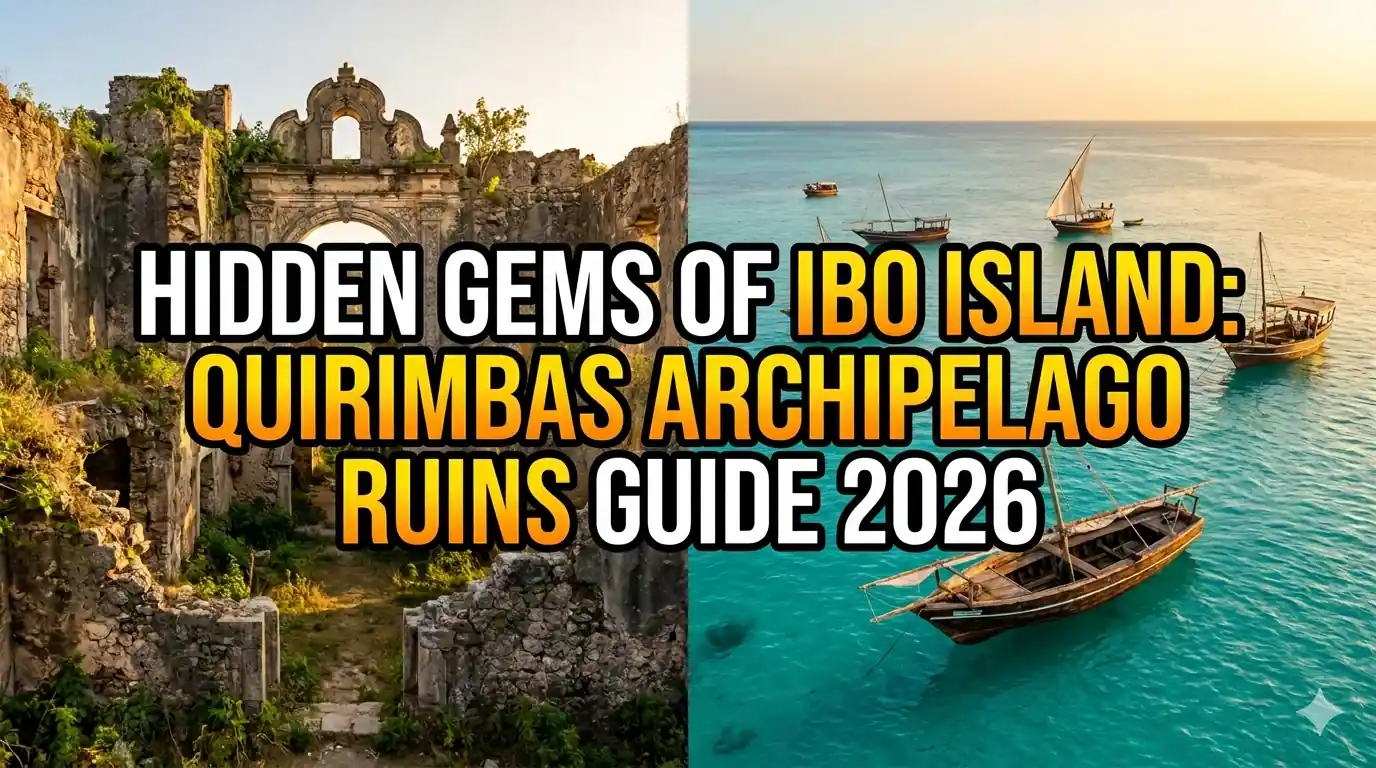
Hidden Gems of the Quirimbas Archipelago: A Guide to Ibo Island's Ruins
The Quirimbas Archipelago, stretching along Mozambique's northern Indian Ocean coastline, represents one of Africa's last great travel frontiers—a pristine chain of 32 islands featuring ancient Swahili trading ports, Portuguese colonial ruins, world-class diving, and some of the continent's most untouched beaches. At the heart of this archipelago lies Ibo Island, a hauntingly beautiful destination where crumbling Portuguese colonial architecture, ancient fortifications, and Swahili stone houses tell the story of centuries of trade, conquest, and cultural fusion.
Ibo Island, with its labyrinthine streets lined with decaying colonial mansions, abandoned churches, and atmospheric ruins, offers photographers, history enthusiasts, and adventurous travelers an extraordinary opportunity to explore a living museum of East African coastal heritage. Unlike more commercialized destinations, Ibo remains largely untouched by mass tourism, providing authentic cultural encounters, uncrowded historical sites, and the chance to witness traditional dhow boat building that has continued unchanged for centuries.
This comprehensive guide reveals Ibo Island's hidden gems—from the imposing São João Baptista fortress to hidden coral rag mansions, from ancient mosques to secret beaches—complete with historical context, photography tips, access information, and practical travel advice. Updated for 2026 with current transportation options, accommodation recommendations, conservation initiatives, and insights from recent visitors, this resource provides everything you need to plan an unforgettable journey to one of the Indian Ocean's most fascinating and least-explored destinations.
What makes Ibo Island special?
Ibo Island is special for its remarkably preserved Portuguese colonial architecture dating from the 18th-19th centuries, ancient Swahili stone houses, atmospheric ruins that evoke a bygone era of Indian Ocean trade, traditional dhow boat building yards that continue centuries-old practices, pristine beaches and coral reefs within the Quirimbas Marine National Park, and minimal tourism development that maintains authenticity. The island offers a unique blend of African, Arab, and Portuguese cultural influences visible in its architecture, cuisine, and traditions, all set against the backdrop of turquoise Indian Ocean waters.
The Quirimbas Archipelago: Geographic and Historical Context

Understanding the broader context of the Quirimbas Archipelago enhances appreciation for Ibo Island's significance.
Geography and Location:
• Location: Northern Mozambique, Indian Ocean coast
- Stretches 100+ kilometers along coastline
- 32 islands ranging from tiny coral cays to larger inhabited islands
- Located 80-200 km north of Pemba
- Part of Cabo Delgado Province
• Major Islands:
- Ibo Island: Historic trading port, main cultural attraction
- Quisiva Island: Largest island, pristine beaches
- Matemo Island: Luxury lodges, diving
- Rolas Island: Secluded beaches
- Quilaluia Island: Marine biodiversity
• Marine Environment:
- Quirimbas Marine National Park established 2002
- Pristine coral reefs with 400+ fish species
- Sea turtles, dugongs, dolphins, whales
- Mangrove forests and seagrass beds
Historical Significance:
• Early History:
- Inhabited for over 2,000 years
- Part of ancient Swahili trading network
- Trade links to Arabia, Persia, India, China
• Portuguese Colonial Era (1500s-1975):
- Portuguese arrived early 1500s
- Ibo became major slave trading port
- Built fortifications to protect trade routes
- Coral rag architecture blended African and Portuguese styles
- Prosperous until late 1800s
• Decline and Abandonment:
- Slave trade abolished 1800s
- Economic decline as trade routes shifted
- Many buildings abandoned, left to decay
- Preserved ruins now attract heritage tourists
• Modern Era:
- Mozambique independence 1975
- Civil war 1977-1992 caused further decline
- Recent conservation and restoration efforts
- Growing eco-tourism and cultural tourism
Cultural Heritage:
• Architecture: Unique blend of Swahili, Arab, and Portuguese styles
• Languages: Portuguese, Makhuwa, Swahili dialects
• Religion: Islam predominant, some Christianity
• Traditions: Dhow building, fishing, weaving, traditional music
Why visit the Quirimbas Archipelago?
The Quirimbas Archipelago offers exceptional value for travelers seeking pristine beaches, world-class diving, rich cultural heritage, and authentic African experiences without crowds or high prices. The islands boast untouched coral reefs teeming with marine life including sea turtles, dugongs, and dolphins, historic Portuguese colonial ruins telling stories of Indian Ocean trade, traditional dhow boat building continuing centuries-old practices, pristine white-sand beaches, and warm hospitality. With improving infrastructure, increasing safety, and relatively low tourism development, now is the perfect time to explore this hidden gem before it becomes mainstream.
Ibo Island: Exploring the Historic Ruins
Ibo Island is the cultural and historical heart of the Quirimbas Archipelago, offering visitors a fascinating journey through centuries of coastal African history.
Getting to Ibo Island:
• From Pemba (Main Gateway):
- Flight: Domestic flight from Pemba to Ibo (30 minutes)
- Airlines: LAM Mozambique Airlines, small charter operators
- Cost: $150-300 USD one-way
- Most convenient option
- Boat: Traditional dhow or speedboat from Pemba
- Journey time: 3-5 hours depending on vessel
- Cost: $50-150 USD
- More adventurous, weather-dependent
• From Other Quirimbas Islands:
- Dhow boats connect islands
- Journey times vary 2-6 hours
- Check tide schedules and weather
- Arrange through local operators
São João Baptista Fortress:
• History: Built by Portuguese in late 1700s to protect slave trade routes
• Architecture: Coral rag and lime construction with thick walls
• Features:
- Cannons still in position overlooking harbor
- Interior courtyard with colonial buildings
- Underground chambers and dungeons
- Panoramic views from ramparts
• Visiting:
- Entry fee: $5-10 USD
- Guided tours available ($15-25)
- Best light: Early morning or late afternoon
- Time needed: 1-2 hours
• Photography Tips:
- Wide-angle for fortress walls and cannons
- Detail shots of weathered coral rag
- Sunset from ramparts spectacular
- Interior shadows create dramatic contrasts
Colonial Mansions and Ruins:
• Coral Rag Architecture:
- Built from coral stone, lime mortar, mangrove poles
- Distinctive arched doorways and windows
- Intricate carved wooden doors (some remaining)
- Two-story structures with inner courtyards
• Notable Ruins:
- Customs House: Former administrative center, partially collapsed
- Merchant Houses: Scattered throughout town, atmospheric ruins
- Old Church: Colonial-era church with crumbling bell tower
- Slave Market Site: Somber reminder of island's dark history
• Photography Opportunities:
- Decaying facades with vegetation reclaiming structures
- Play of light through collapsed roofs
- Textures of weathered coral stone
- Contrast between ruins and vibrant local life
• Respectful Exploration:
- Ask permission before entering private ruins
- Don't climb on unstable structures
- Respect local residents living among ruins
- Some sites may require guide
Traditional Dhow Building Yards:
• Ancient Craft: Dhow boat building continues using traditional methods
• Process:
- Hand-carved from local timber
- No nails—wooden pegs and coconut fiber
- Takes 6-12 months to complete
- Skills passed down through generations
• Visiting Yards:
- Located on island outskirts near beach
- Watch craftsmen at work
- Learn about techniques and tools
- Purchase small carved souvenirs
• Photography:
- Detail shots of carving and joinery
- Wide shots of boats under construction
- Portraits of craftsmen (ask permission)
- Best light: Morning when work begins
Mosques and Religious Sites:
• Historic Mosques:
- Several mosques dating from 1800s
- Blend of Swahili and Arab architectural styles
- Simple coral rag construction
- Active places of worship
• Visiting Etiquette:
- Remove shoes before entering
- Dress modestly (covered shoulders, knees)
- Ask permission before photographing
- Avoid prayer times (especially Friday midday)
- Women may not be permitted inside
• Architecture:
- Coral rag walls with lime plaster
- Simple minarets
- Carved wooden doors and mihrabs
- Intricate geometric patterns
Beaches and Coastal Areas:
• Ibo Island Beaches:
- Pristine white-sand beaches
- Turquoise Indian Ocean waters
- Traditional fishing dhows in harbor
- Snorkeling around coral reefs
• Activities:
- Swimming and sunbathing
- Snorkeling (bring own gear or rent)
- Kayaking through mangroves
- Sunset dhow cruises
• Photography:
- Sunrise over Indian Ocean
- Traditional dhows at anchor
- Fishing activities at low tide
- Mangrove forests and waterways
What are the must-see ruins on Ibo Island?
Must-see ruins include: São João Baptista Fortress with cannons and panoramic views, the Customs House ruins, colonial merchant houses scattered throughout town with distinctive coral rag architecture and arched doorways, the old colonial church with crumbling bell tower, traditional dhow boat building yards, and historic mosques blending Swahili and Arab styles. The entire island is essentially an open-air museum where atmospheric ruins coexist with vibrant local life. Allow at least 2-3 days to explore properly.
Practical Travel Information for Ibo Island
Planning a visit to Ibo Island requires understanding logistics, accommodations, and practical considerations.
Best Time to Visit:
• Dry Season (May-November):
- Best weather: Sunny days, minimal rain
- Best for: Photography, exploring ruins, diving
- Temperatures: 22-28°C (72-82°F)
- Peak tourist season: June-October
- Book accommodations in advance
• Wet Season (December-April):
- Hot and humid with afternoon rains
- Temperatures: 25-32°C (77-90°F)
- Cyclone risk: January-March
- Fewer tourists, lower prices
- Lush green landscapes
- Some activities weather-dependent
• Recommendation: June-October for best overall experience; May and November for shoulder season value
Accommodation Options:
• Budget:
- Basic guesthouses and homestays
- Cost: $20-40/night
- Simple rooms, shared bathrooms
- Local hospitality, authentic experience
• Mid-Range:
- Small lodges and boutique hotels
- Cost: $60-120/night
- Private rooms, ensuite bathrooms
- Some colonial charm, better amenities
• Luxury:
- Eco-lodges on nearby islands
- Cost: $200-500+/night
- Premium amenities, private decks
- Day trips to Ibo Island
• Booking: Book in advance, especially peak season; limited options on Ibo itself
Food and Dining:
• Local Cuisine:
- Fresh seafood: fish, prawns, lobster
- Mozambican staples: rice, beans, cassava
- Portuguese influence: peri-peri chicken
- Tropical fruits: mango, papaya, coconut
• Dining Options:
- Small local restaurants and cafes
- Guesthouse meals
- Beachside grills
- Limited variety; bring snacks if needed
• Cost: $10-25 per meal at local establishments
Getting Around:
• On Ibo Island:
- Walking: Island is small, easily walkable
- Bicycle rental: $5-10/day
- No cars; motorbikes limited
• Between Islands:
- Traditional dhow boats
- Speedboats (faster, more expensive)
- Arrange through lodges or operators
- Check weather and tide schedules
Money and Banking:
• Currency: Mozambican Metical (MZN)
• Exchange Rate: Approximately 60-65 MZN = 1 USD
• Cash: Essential; bring sufficient cash
• ATMs: None on Ibo Island; withdraw in Pemba
• Credit Cards: Not accepted; cash only
• Tipping: 10% appreciated but not expected
Health and Safety:
• Vaccinations:
- Routine vaccines up to date
- Hepatitis A and B recommended
- Typhoid recommended
- Yellow fever if transiting endemic country
- Malaria prophylaxis essential
• Medical Facilities:
- Very limited on Ibo Island
- Basic clinic for minor issues
- Serious conditions require evacuation to Pemba
- Travel insurance with medical evacuation essential
• Safety:
- Generally safe for tourists
- Exercise normal precautions
- Avoid displaying valuables
- Check current travel advisories for Cabo Delgado region
- Some areas may have security concerns; verify current situation
Packing List:
• Clothing:
- Lightweight, breathable fabrics
- Modest clothing for mosques and villages
- Swimwear
- Sun hat and sunglasses
- Sturdy walking shoes
- Sandals
• Essentials:
- High SPF sunscreen (reef-safe)
- Insect repellent (DEET-based)
- Reusable water bottle
- Snorkel gear (or rent locally)
- Camera with wide-angle and telephoto lenses
- Underwater camera or housing
- Basic first aid kit
- Personal medications
- Flashlight/headlamp
• Documents:
- Passport (6+ months validity)
- Mozambique visa (obtain in advance or on arrival)
- Travel insurance
- Flight confirmations
- Vaccination certificates
- Copies of important documents
How do I get to Ibo Island?
The best way to reach Ibo Island is by domestic flight from Pemba (30 minutes, $150-300) operated by LAM Mozambique Airlines or charter operators. Alternatively, take a traditional dhow boat or speedboat from Pemba (3-5 hours, $50-150), which is more adventurous but weather-dependent. Fly into Pemba International Airport from Maputo or international destinations, then connect to Ibo. Book flights in advance, especially during peak season. Arrange accommodation before arrival, as options are limited on the island.
Photography Guide: Capturing Ibo Island's Beauty
Ibo Island offers exceptional photography opportunities for landscape, architectural, cultural, and wildlife photographers.
Best Photography Locations:
• São João Baptista Fortress:
- Sunrise: Soft light on coral rag walls
- Sunset: Dramatic skies from ramparts
- Details: Weathered textures, cannons, arches
- Wide shots: Entire fortress from harbor
• Colonial Ruins:
- Early morning: Long shadows, atmospheric light
- Midday: Harsh light creates strong contrasts
- Details: Carved doors, crumbling walls, vegetation
- Wide shots: Ruins with palm trees
• Dhow Boat Yards:
- Morning: Craftsmen at work, best light
- Details: Wood carving, tools, joinery
- Wide shots: Boats under construction on beach
- Portraits: Skilled craftsmen (ask permission)
• Harbor and Beaches:
- Sunrise: Traditional dhows at anchor
- Low tide: Fishing activities, exposed reefs
- Sunset: Golden light on water
- Blue hour: Harbor lights, silhouettes
• Cultural Scenes:
- Market activities
- Daily life in narrow streets
- Traditional dress and customs
- Always ask permission before photographing people
Recommended Equipment:
• Cameras:
- DSLR or mirrorless for best quality
- Weather-sealed body (salt air, humidity)
- Backup camera or smartphone
• Lenses:
- Wide-angle (14-24mm): Architecture, landscapes
- Standard zoom (24-70mm): Versatile, everyday use
- Telephoto (70-200mm or 100-400mm): Details, wildlife, compression
- Macro: Textures, small details
• Accessories:
- Sturdy tripod for low light and long exposures
- Polarizing filter for sky and water
- ND filters for long exposures
- Extra batteries (humidity drains quickly)
- Memory cards (plenty of storage)
- Lens cleaning kit (salt, dust)
- Waterproof bag or housing
- Underwater camera or GoPro
• Protection:
- Silica gel packets for moisture
- Dry bag for boat trips
- Camera rain cover
- UV filter for lens protection
Photography Tips:
• Light:
- Golden hour (sunrise/sunset) best for ruins and landscapes
- Midday harsh; use for details and textures
- Overcast days good for even lighting
- Blue hour for harbor and atmospheric shots
• Composition:
- Include people for scale in architectural shots
- Use leading lines in narrow streets
- Frame ruins with palm trees or arches
- Look for patterns and textures in coral stone
- Capture contrast between old and new
• Cultural Sensitivity:
- Always ask permission before photographing people
- Respect privacy and religious sites
- Don't photograph military or government buildings
- Be discreet and respectful
- Offer to share photos when appropriate
• Technical:
- Shoot in RAW for maximum flexibility
- Use low ISO in bright conditions
- Bracket exposures for high-contrast scenes
- Protect equipment from salt air and humidity
- Clean lenses regularly
What camera equipment do I need for Ibo Island?
Essential equipment includes: weather-sealed camera body (DSLR or mirrorless), wide-angle lens (14-24mm) for architecture and landscapes, standard zoom (24-70mm) for versatility, telephoto lens (70-200mm or 100-400mm) for details and wildlife, sturdy tripod for low light, polarizing filter for sky and water, extra batteries (humidity drains them quickly), memory cards, lens cleaning kit for salt and dust, and waterproof bag or housing. Bring underwater camera or GoPro for marine photography. Protect equipment from salt air and humidity with silica gel and dry bags.
Cultural Experiences and Community Interaction
Ibo Island offers authentic cultural experiences that connect visitors with local traditions and daily life.
Local Markets:
• Morning Market:
- Fresh fish, produce, local goods
- Vibrant atmosphere, bargaining
- Photography opportunities
- Buy local crafts and souvenirs
• What to Buy:
- Hand-carved wooden items
- Traditional baskets and mats
- Local spices and dried fish
- Support local artisans
Traditional Crafts:
• Dhow Building: Watch traditional boat construction
• Weaving: Palm leaf baskets and mats
• Wood Carving: Decorative items and furniture
• Purchasing: Buy directly from craftspeople when possible
Community Visits:
• Guided Tours:
- Arrange through lodge or local guide
- Visit local families and schools
- Learn about daily life and traditions
- Small donation or gift appreciated
• Cultural Etiquette:
- Dress modestly
- Ask permission before entering homes
- Learn basic Portuguese greetings
- Respect local customs and traditions
- Be patient and open-minded
Festivals and Events:
• Religious Festivals: Eid celebrations (dates vary)
• Cultural Events: Traditional music and dance
• Timing: Check local calendar when planning visit
• Participation: Welcome to observe respectfully
What cultural experiences are available on Ibo Island?
Ibo Island offers authentic cultural experiences including visiting traditional dhow boat building yards to watch craftsmen at work, exploring local markets for fresh produce and crafts, meeting local families through guided community visits, learning about Swahili and Portuguese colonial history from local guides, purchasing hand-carved wooden items and woven baskets directly from artisans, and experiencing traditional music and dance. Always approach cultural experiences with respect, ask permission before photographing people, dress modestly, and support local communities by purchasing directly from craftspeople.
Sample Itineraries for Ibo Island
These sample itineraries help you maximize your time on Ibo Island based on different interests and timeframes.
2-Day Ibo Island Itinerary (Quick Visit):
Day 1: Arrival and Historic Sites
• Morning: Arrive from Pemba, check into accommodation
• Afternoon: Explore São João Baptista Fortress (2 hours)
• Late afternoon: Walk through colonial ruins and narrow streets
• Evening: Sunset from fortress ramparts, dinner at local restaurant
• Overnight: Ibo Island
Day 2: Culture and Departure
• Morning: Visit dhow boat building yards, watch craftsmen
• Midday: Explore local market, purchase souvenirs
• Afternoon: Visit historic mosque (exterior), beach time
• Late afternoon: Depart to Pemba or next destination
• Total Time: 1.5 days on island
3-4 Day Ibo Island Itinerary (Recommended):
Day 1: Arrival and Fortress
• Morning: Arrive, settle in, orientation walk
• Afternoon: São João Baptista Fortress with guide
• Evening: Sunset photography, dinner
Day 2: Ruins and Culture
• Morning: Explore colonial ruins and merchant houses
• Midday: Visit local market, lunch
• Afternoon: Dhow boat yards, meet craftsmen
• Evening: Cultural performance or music
Day 3: Beaches and Marine Life
• Morning: Snorkeling or kayaking
• Midday: Beach lunch, relaxation
• Afternoon: Visit nearby islet or mangrove tour
• Evening: Sunset dhow cruise
Day 4: Community and Departure
• Morning: Community visit or craft workshop
• Midday: Final photography, souvenir shopping
• Afternoon: Depart to Pemba
• Total Time: 3 full days
5-7 Day Quirimbas Archipelago Itinerary:
• Days 1-3: Ibo Island (ruins, culture, history)
• Days 4-5: Matemo or Quisiva Island (beaches, diving)
• Days 6-7: Rolas or Quilaluia Island (secluded beaches, snorkeling)
• Benefits: Experience both cultural heritage and pristine natural beauty
• Logistics: Arrange inter-island transfers through lodges or operators
How many days do I need on Ibo Island?
For a comprehensive visit to Ibo Island, plan 3-4 days to explore the fortress, colonial ruins, dhow yards, markets, and beaches at a relaxed pace. This allows time for photography, cultural experiences, and interaction with local communities. If you're combining Ibo with other Quirimbas Islands for beaches and diving, plan 7-10 days total for the archipelago. Minimum 2 days if time-constrained, but you'll miss many highlights. The island rewards slower travel and deeper exploration.
Conservation and Sustainable Tourism
Ibo Island and the Quirimbas Archipelago face environmental and cultural preservation challenges that responsible tourism can help address.
Conservation Challenges:
• Historic Preservation:
- Colonial ruins deteriorating without maintenance
- Limited funding for restoration
- Climate change impacts (sea level rise, storms)
- Need for skilled conservation expertise
• Marine Environment:
- Coral reef degradation from climate change
- Overfishing in some areas
- Plastic pollution
- Need for marine protected area enforcement
• Cultural Heritage:
- Traditional skills (dhow building) at risk
- Youth migration to cities
- Balancing development with preservation
How Tourism Helps:
• Economic Support:
- Lodge fees fund conservation projects
- Employment for local residents
- Market for traditional crafts
- Incentive to preserve cultural heritage
• Conservation Funding:
- Park fees support Quirimbas Marine National Park
- Some lodges fund specific restoration projects
- Tourist dollars support anti-poaching efforts
• Awareness:
- Visitors become advocates for preservation
- International attention brings resources
- Cultural exchange promotes understanding
Responsible Tourism Practices:
• Environmental:
- Use reef-safe sunscreen
- Don't touch or stand on coral
- Minimize plastic use; bring reusable bottle
- Don't remove shells, coral, or artifacts
- Respect wildlife; maintain distance
- Choose eco-conscious lodges
• Cultural:
- Ask permission before photographing people
- Respect religious sites and customs
- Dress modestly in villages and mosques
- Buy directly from local artisans
- Learn basic Portuguese phrases
- Support community-based tourism
• Economic:
- Stay in locally-owned lodges when possible
- Eat at local restaurants
- Hire local guides
- Tip appropriately (10% appreciated)
- Purchase local crafts and products
Choosing Responsible Operators:
• Look for lodges with clear environmental policies
• Ask about conservation initiatives they support
• Choose operators employing local staff
• Verify commitment to cultural respect
• Read recent reviews for current practices
• Support businesses contributing to preservation
How can I be a responsible traveler on Ibo Island?
Be responsible by: using reef-safe sunscreen and not touching coral, minimizing plastic use and packing out trash, asking permission before photographing people, dressing modestly in villages and mosques, respecting religious sites and local customs, buying crafts directly from local artisans, staying in locally-owned accommodations, hiring local guides, tipping appropriately (10%), supporting community projects, and choosing operators with clear environmental and social responsibility policies. Your tourism dollars can directly support conservation and preservation when you choose responsible operators.
Final Thoughts: Why Ibo Island Deserves Your Visit
Ibo Island represents a rare opportunity to experience authentic African coastal heritage in a setting largely untouched by mass tourism. The island's atmospheric ruins tell compelling stories of Indian Ocean trade, colonial ambition, and cultural fusion, while traditional dhow building continues practices unchanged for centuries. The pristine beaches, vibrant coral reefs, and warm hospitality of the Quirimbas Archipelago provide the perfect complement to Ibo's historical attractions.
For photographers, Ibo Island offers extraordinary opportunities to capture decaying colonial architecture, traditional crafts, vibrant local life, and stunning natural beauty. For history enthusiasts, the island is a living museum where every crumbling wall and carved doorway tells a story. For adventurous travelers, the combination of cultural immersion, pristine beaches, and world-class diving creates an unforgettable experience.
With improving infrastructure, increasing safety, and relatively low tourism development, now is the perfect time to visit Ibo Island before it becomes mainstream. Your visit supports conservation efforts, preserves cultural heritage, and contributes to local economic development while providing you with experiences and memories that will last a lifetime.
Ibo Island and the Quirimbas Archipelago await travelers seeking authenticity, adventure, and the chance to witness one of Africa's most remarkable cultural and natural treasures.
Obrigado (thank you in Portuguese) and safe travels to the Quirimbas Archipelago!
0 Comments