.webp)
.webp)
Bijagós Archipelago 2026: Africa's New Maldives
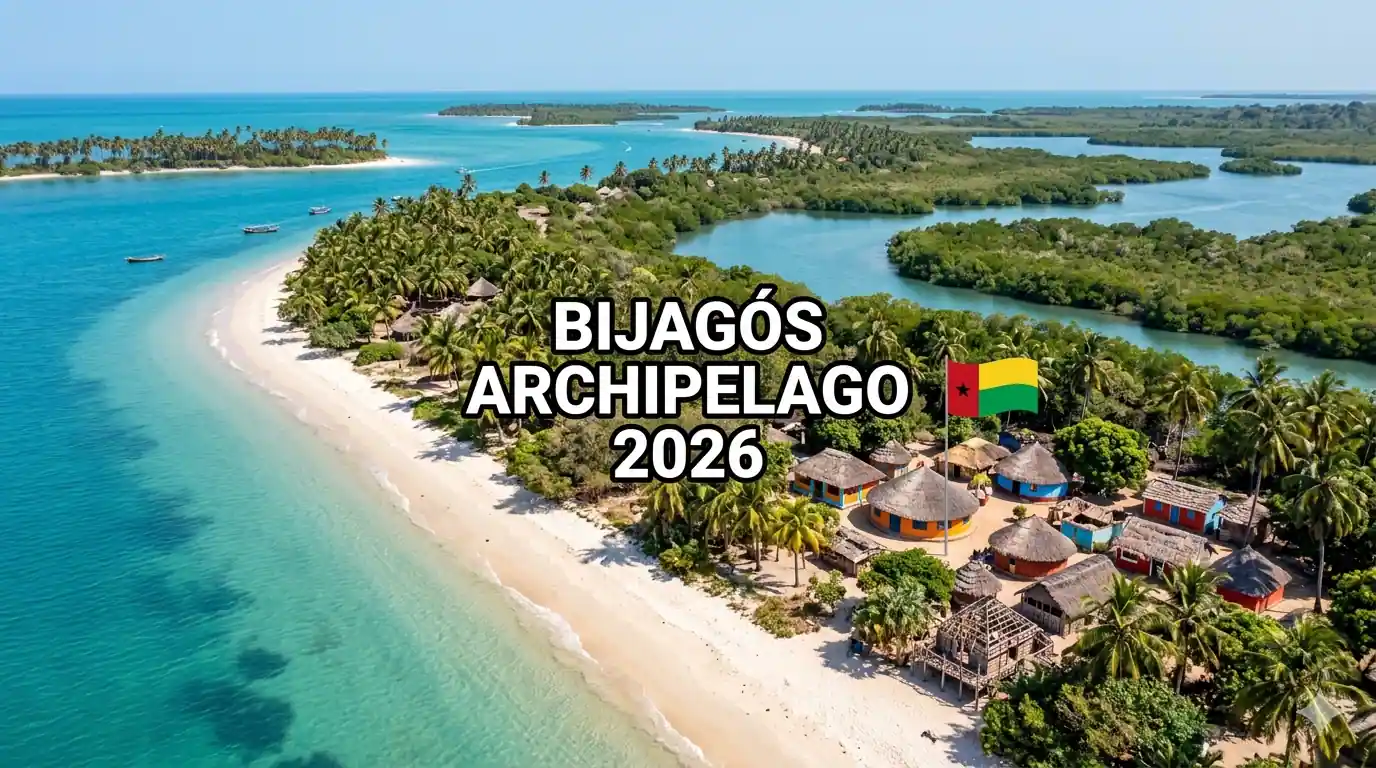
Bijagós Archipelago 2026: Why This UNESCO Biosphere Is the "New Maldives" of Africa
When travelers dream of pristine beaches, turquoise waters, and untouched island paradises, the Maldives typically dominates the imagination. But in 2026, a new destination is emerging on the radar of discerning travelers seeking authentic, uncrowded, and breathtakingly beautiful island experiences: the Bijagós Archipelago off the coast of Guinea-Bissau. This UNESCO Biosphere Reserve, comprising over 80 islands scattered across the Atlantic Ocean, is being hailed as the "New Maldives" of Africa—and for good reason.
With pristine white-sand beaches, crystal-clear turquoise waters, rich marine biodiversity, unique wildlife including the world's only saltwater hippos, vibrant indigenous culture, and a commitment to sustainable tourism, the Bijagós Archipelago offers everything that makes island destinations special—plus authenticity, cultural depth, and the satisfaction of exploring before mass tourism arrives. Unlike the heavily developed Maldives, the Bijagós Islands remain largely untouched, offering travelers a rare opportunity to experience tropical paradise in its most genuine form.
This comprehensive 2026 guide explores why the Bijagós Archipelago is emerging as Africa's answer to the Maldives: the archipelago's stunning natural beauty, unique biodiversity, cultural heritage, sustainable tourism initiatives, practical travel information, and why now is the perfect time to discover this extraordinary destination before it becomes widely known.
Understanding the Bijagós Archipelago: Geography and Significance

The Islands at a Glance
The Bijagós Archipelago is one of West Africa's most spectacular island groups:
- Number of islands: Over 80 islands, islets, and sandbars
- Total area: Approximately 10,000 square kilometers
- Location: Atlantic Ocean, 30-70 kilometers off the coast of Guinea-Bissau
- UNESCO designation: Biosphere Reserve since 1996
- Population: Approximately 30,000 inhabitants, primarily Bijagós people
- Major islands: Bubaque, Orango, Bolama, Uno, Poilão, and many smaller islands
- 👉 Vodun Days 2026 Ouidah: Jan 8-10 Festival Guide
- 👉 Libyan United Airlines 2026: New A320 Fleet and Regional Connectivity Expansion
- 👉 Moroni Port Control Unit 2026: Smoother Border Entry Guide
Why the "New Maldives" Comparison?
The Bijagós Archipelago shares several characteristics with the Maldives that justify the comparison:
- Pristine beaches: Miles of unspoiled white and golden sand beaches
- Turquoise waters: Crystal-clear Atlantic waters with exceptional visibility
- Island diversity: Multiple islands offering varied experiences
- Marine biodiversity: Rich marine life including turtles, dolphins, and diverse fish species
- Tropical climate: Warm temperatures year-round
- Remote paradise: Sense of escape and exclusivity
- 👉 Vodun Days 2026 Ouidah: Jan 8-10 Festival Guide
- 👉 Libyan United Airlines 2026: New A320 Fleet and Regional Connectivity Expansion
- 👉 Moroni Port Control Unit 2026: Smoother Border Entry Guide
But the Bijagós offers something the Maldives doesn't:
- Cultural authenticity: Living indigenous culture with ancient traditions
- Wildlife uniqueness: World's only saltwater hippos, sea turtle nesting sites
- Untouched development: Minimal tourism infrastructure; authentic experiences
- Affordability: Significantly less expensive than the Maldives
- Adventure: Opportunities for exploration and discovery
- Sustainability: Community-based, low-impact tourism model
- 👉 Vodun Days 2026 Ouidah: Jan 8-10 Festival Guide
- 👉 Libyan United Airlines 2026: New A320 Fleet and Regional Connectivity Expansion
- 👉 Moroni Port Control Unit 2026: Smoother Border Entry Guide
UNESCO Biosphere Reserve Status
The UNESCO designation recognizes the archipelago's exceptional value:
- Biodiversity: Rich terrestrial and marine ecosystems
- Cultural heritage: Unique Bijagós culture and traditional practices
- Conservation: Protection of endangered species and habitats
- Sustainable development: Balance between conservation and community needs
- Research value: Important site for ecological and anthropological studies
- 👉 Vodun Days 2026 Ouidah: Jan 8-10 Festival Guide
- 👉 Libyan United Airlines 2026: New A320 Fleet and Regional Connectivity Expansion
- 👉 Moroni Port Control Unit 2026: Smoother Border Entry Guide
Natural Beauty: Beaches, Waters, and Landscapes

Pristine Beaches
The Bijagós Islands boast some of West Africa's most beautiful beaches:
- Poilão Island: Famous for pristine beaches and sea turtle nesting; often called one of Africa's most beautiful beaches
- Uno Island: Secluded beaches with powdery white sand
- Orango Islands: Beaches where saltwater hippos rest on sand
- Bubaque Island: Accessible beaches near main settlement
- Hidden coves: Countless secluded beaches accessible only by boat
- 👉 Vodun Days 2026 Ouidah: Jan 8-10 Festival Guide
- 👉 Libyan United Airlines 2026: New A320 Fleet and Regional Connectivity Expansion
- 👉 Moroni Port Control Unit 2026: Smoother Border Entry Guide
Turquoise Waters
The archipelago's waters are exceptional:
- Clarity: Crystal-clear Atlantic waters with excellent visibility for swimming and snorkeling
- Temperature: Warm waters year-round (24-28°C / 75-82°F)
- Marine life: Rich biodiversity including tropical fish, rays, sharks, and dolphins
- Tidal systems: Dramatic tidal changes create unique landscapes and wildlife viewing opportunities
- Mangrove channels: Intricate waterways through mangrove forests
- 👉 Vodun Days 2026 Ouidah: Jan 8-10 Festival Guide
- 👉 Libyan United Airlines 2026: New A320 Fleet and Regional Connectivity Expansion
- 👉 Moroni Port Control Unit 2026: Smoother Border Entry Guide
Diverse Landscapes
Beyond beaches, the islands offer varied landscapes:
- Mangrove forests: Extensive mangrove ecosystems critical for marine life
- Tropical forests: Dense vegetation on larger islands
- Savannah areas: Open grasslands on some islands
- Tidal flats: Expansive intertidal zones rich in birdlife
- Traditional villages: Settlements with unique Bijagós architecture
- 👉 Vodun Days 2026 Ouidah: Jan 8-10 Festival Guide
- 👉 Libyan United Airlines 2026: New A320 Fleet and Regional Connectivity Expansion
- 👉 Moroni Port Control Unit 2026: Smoother Border Entry Guide
Unique Wildlife: Beyond the Beaches

Saltwater Hippos
The Bijagós Archipelago is home to one of nature's most remarkable phenomena:
- World's only saltwater hippos: Unique population adapted to marine environment
- Location: Primarily on Orango Islands
- Population: Estimated 20-30 individuals
- Behavior: Navigate tidal channels, rest on beaches, swim between islands
- Conservation status: Critically endangered; major conservation priority
- Viewing: Possible with local guides; requires permits and respect for safety
- 👉 Vodun Days 2026 Ouidah: Jan 8-10 Festival Guide
- 👉 Libyan United Airlines 2026: New A320 Fleet and Regional Connectivity Expansion
- 👉 Moroni Port Control Unit 2026: Smoother Border Entry Guide
Sea Turtles
The islands are critical nesting sites for sea turtles:
- Species: Green turtles, hawksbill turtles, and occasionally leatherback turtles
- Nesting sites: Poilão Island is one of West Africa's most important turtle nesting beaches
- Season: Nesting season typically June-September
- Conservation: Protected areas and community-based conservation programs
- Viewing: Guided turtle watching tours available (with strict protocols)
- 👉 Vodun Days 2026 Ouidah: Jan 8-10 Festival Guide
- 👉 Libyan United Airlines 2026: New A320 Fleet and Regional Connectivity Expansion
- 👉 Moroni Port Control Unit 2026: Smoother Border Entry Guide
Marine Biodiversity
The waters teem with marine life:
- Fish species: Hundreds of tropical fish species
- Rays and sharks: Stingrays, manta rays, and various shark species
- Dolphins: Bottlenose and Atlantic humpback dolphins
- Manatees: African manatees in mangrove channels
- Snorkeling/diving: Excellent opportunities for underwater exploration
- 👉 Vodun Days 2026 Ouidah: Jan 8-10 Festival Guide
- 👉 Libyan United Airlines 2026: New A320 Fleet and Regional Connectivity Expansion
- 👉 Moroni Port Control Unit 2026: Smoother Border Entry Guide
Birdlife
The archipelago is a paradise for birdwatchers:
- Migratory birds: Important stopover for Palearctic migrants
- Waterbirds: Herons, egrets, flamingos, and various wading birds
- Endemic species: Several West African bird species
- Best viewing: Tidal flats and mangrove areas
- 👉 Vodun Days 2026 Ouidah: Jan 8-10 Festival Guide
- 👉 Libyan United Airlines 2026: New A320 Fleet and Regional Connectivity Expansion
- 👉 Moroni Port Control Unit 2026: Smoother Border Entry Guide
Cultural Heritage: The Bijagós People

Unique Culture
The Bijagós people maintain one of West Africa's most distinctive cultures:
- Population: Approximately 30,000 Bijagós people inhabit the islands
- Language: Bijagós language (multiple dialects); Portuguese also spoken
- Traditional society: Matriarchal elements; unique social structures
- Spiritual beliefs: Animist traditions integrated with daily life
- Cultural preservation: Strong commitment to maintaining traditions
- 👉 Vodun Days 2026 Ouidah: Jan 8-10 Festival Guide
- 👉 Libyan United Airlines 2026: New A320 Fleet and Regional Connectivity Expansion
- 👉 Moroni Port Control Unit 2026: Smoother Border Entry Guide
Traditional Practices
Living traditions that continue today:
- Fanado initiation: Traditional coming-of-age ceremonies
- Traditional fishing: Sustainable fishing practices passed through generations
- Palm wine production: Traditional palm wine tapping and fermentation
- Traditional architecture: Distinctive round houses with thatched roofs
- Crafts: Basket weaving, pottery, and traditional crafts
- 👉 Vodun Days 2026 Ouidah: Jan 8-10 Festival Guide
- 👉 Libyan United Airlines 2026: New A320 Fleet and Regional Connectivity Expansion
- 👉 Moroni Port Control Unit 2026: Smoother Border Entry Guide
Cultural Tourism Opportunities
Respectful cultural engagement:
- Village visits: Guided visits to traditional villages with permission
- Cultural ceremonies: Witness traditional events (with respect and permission)
- Traditional music and dance: Experience Bijagós cultural performances
- Local markets: Visit markets to see traditional crafts and products
- Homestays: Some communities offer homestay experiences
- 👉 Vodun Days 2026 Ouidah: Jan 8-10 Festival Guide
- 👉 Libyan United Airlines 2026: New A320 Fleet and Regional Connectivity Expansion
- 👉 Moroni Port Control Unit 2026: Smoother Border Entry Guide
Sustainable Tourism: Conservation and Community

Conservation Efforts
The Bijagós Archipelago is a model for sustainable tourism:
- UNESCO Biosphere Reserve: International recognition and protection
- Community-based conservation: Local communities lead conservation efforts
- Protected areas: Designated zones for wildlife protection
- Turtle conservation: Active programs protecting sea turtle nesting sites
- Hippo protection: Conservation efforts for saltwater hippos
- Mangrove preservation: Protection of critical mangrove ecosystems
- 👉 Vodun Days 2026 Ouidah: Jan 8-10 Festival Guide
- 👉 Libyan United Airlines 2026: New A320 Fleet and Regional Connectivity Expansion
- 👉 Moroni Port Control Unit 2026: Smoother Border Entry Guide
Community-Based Tourism
Tourism that benefits local communities:
- Local guides: Employment of Bijagós guides who know the islands intimately
- Community lodges: Some accommodations owned and operated by communities
- Cultural exchange: Authentic interactions that respect local customs
- Economic benefits: Tourism revenue supports local development
- Cultural preservation: Tourism provides incentive to maintain traditions
- 👉 Vodun Days 2026 Ouidah: Jan 8-10 Festival Guide
- 👉 Libyan United Airlines 2026: New A320 Fleet and Regional Connectivity Expansion
- 👉 Moroni Port Control Unit 2026: Smoother Border Entry Guide
Sustainable Practices for Visitors
How to travel responsibly:
- Hire local guides: Support local economy and gain cultural insights
- Respect wildlife: Maintain safe distances; never feed or disturb animals
- Cultural sensitivity: Ask permission before photographing people; dress modestly
- Environmental care: Pack out all trash; use reef-safe sunscreen
- Support local: Buy local crafts and services; pay fair prices
- Minimize impact: Choose low-impact accommodations and activities
- 👉 Vodun Days 2026 Ouidah: Jan 8-10 Festival Guide
- 👉 Libyan United Airlines 2026: New A320 Fleet and Regional Connectivity Expansion
- 👉 Moroni Port Control Unit 2026: Smoother Border Entry Guide
Planning Your Visit: Practical Information

Best Time to Visit
Timing affects your experience:
Dry Season (November-May):
- Weather: Sunny days, lower humidity, minimal rainfall
- Temperatures: 25-30°C (77-86°F)
- Best for: Beach activities, wildlife viewing, island hopping
- Recommended: December-April optimal
- 👉 Vodun Days 2026 Ouidah: Jan 8-10 Festival Guide
- 👉 Libyan United Airlines 2026: New A320 Fleet and Regional Connectivity Expansion
- 👉 Moroni Port Control Unit 2026: Smoother Border Entry Guide
Rainy Season (June-October):
- Weather: Heavy rainfall, high humidity
- Challenges: Difficult travel conditions; some areas inaccessible
- Birdwatching: Good for migratory birds
- Considerations: Only for experienced travelers
- 👉 Vodun Days 2026 Ouidah: Jan 8-10 Festival Guide
- 👉 Libyan United Airlines 2026: New A320 Fleet and Regional Connectivity Expansion
- 👉 Moroni Port Control Unit 2026: Smoother Border Entry Guide
Getting to the Bijagós Archipelago
Reaching the islands requires planning:
Step 1: Fly to Guinea-Bissau
- International airport: Osvaldo Vieira International Airport (OXB) in Bissau
- Airlines: TAP Air Portugal, Air Senegal, Brussels Airlines, regional carriers
- Visa: Most nationalities require visa; obtain in advance or on arrival
- 👉 Vodun Days 2026 Ouidah: Jan 8-10 Festival Guide
- 👉 Libyan United Airlines 2026: New A320 Fleet and Regional Connectivity Expansion
- 👉 Moroni Port Control Unit 2026: Smoother Border Entry Guide
Step 2: Bissau to Bubaque
- Ferry service: Regular ferry from Bissau to Bubaque (main island)
- Duration: 3-4 hours
- Schedule: Typically 2-3 times per week; verify current schedule
- Alternative: Private boat charter (more expensive, more flexible)
- 👉 Vodun Days 2026 Ouidah: Jan 8-10 Festival Guide
- 👉 Libyan United Airlines 2026: New A320 Fleet and Regional Connectivity Expansion
- 👉 Moroni Port Control Unit 2026: Smoother Border Entry Guide
Step 3: Island Hopping
- Local boats: Arrange boat transfers between islands
- Guides essential: Local guides know tides, routes, and island access
- Tide considerations: Travel timing depends on tidal cycles
- 👉 Vodun Days 2026 Ouidah: Jan 8-10 Festival Guide
- 👉 Libyan United Airlines 2026: New A320 Fleet and Regional Connectivity Expansion
- 👉 Moroni Port Control Unit 2026: Smoother Border Entry Guide
Accommodation Options
Lodging ranges from basic to comfortable:
Bubaque Island (Main Hub):
- Small hotels: Range of basic to mid-range accommodations
- Guesthouses: Local guesthouses offering authentic experiences
- Facilities: Limited but adequate; electricity may be intermittent
- 👉 Vodun Days 2026 Ouidah: Jan 8-10 Festival Guide
- 👉 Libyan United Airlines 2026: New A320 Fleet and Regional Connectivity Expansion
- 👉 Moroni Port Control Unit 2026: Smoother Border Entry Guide
Other Islands:
- Basic guesthouses: Simple accommodations on some islands
- Community lodges: Community-run lodges supporting local development
- Camping: Possible on some islands with guide arrangement
- Expectations: Very basic facilities; part of the authentic experience
- 👉 Vodun Days 2026 Ouidah: Jan 8-10 Festival Guide
- 👉 Libyan United Airlines 2026: New A320 Fleet and Regional Connectivity Expansion
- 👉 Moroni Port Control Unit 2026: Smoother Border Entry Guide
What to Pack
Essential items for your trip:
- Clothing: Lightweight, breathable clothing; long sleeves for sun/insect protection
- Footwear: Sturdy water shoes, sandals, hiking shoes
- Sun protection: High SPF sunscreen, hat, sunglasses
- Insect protection: DEET repellent; malaria prophylaxis essential
- Water: Reusable water bottles; purification tablets
- Camera: Waterproof camera or housing; telephoto lens for wildlife
- Medications: Personal medications, first aid kit
- Cash: Guinean francs or West African CFA francs; limited banking
- 👉 Vodun Days 2026 Ouidah: Jan 8-10 Festival Guide
- 👉 Libyan United Airlines 2026: New A320 Fleet and Regional Connectivity Expansion
- 👉 Moroni Port Control Unit 2026: Smoother Border Entry Guide
Activities and Experiences

Island Hopping
Explore multiple islands:
- Guided tours: Multi-day island hopping with local guides
- Beach exploration: Discover pristine beaches on different islands
- Cultural visits: Visit traditional villages on various islands
- Wildlife viewing: See saltwater hippos, turtles, and marine life
- Flexibility: Itineraries can be customized to interests
- 👉 Vodun Days 2026 Ouidah: Jan 8-10 Festival Guide
- 👉 Libyan United Airlines 2026: New A320 Fleet and Regional Connectivity Expansion
- 👉 Moroni Port Control Unit 2026: Smoother Border Entry Guide
Wildlife Viewing
Unique wildlife encounters:
- Saltwater hippos: Guided viewing on Orango Islands
- Sea turtles: Nesting site visits (seasonal; with permits)
- Birdwatching: Excellent birding on tidal flats and mangroves
- Marine life: Dolphins, manatees, and diverse fish species
- Respectful viewing: Always with guides; maintain safe distances
- 👉 Vodun Days 2026 Ouidah: Jan 8-10 Festival Guide
- 👉 Libyan United Airlines 2026: New A320 Fleet and Regional Connectivity Expansion
- 👉 Moroni Port Control Unit 2026: Smoother Border Entry Guide
Water Activities
Enjoy the pristine waters:
- Swimming: Crystal-clear waters perfect for swimming
- Snorkeling: Explore coral reefs and marine life
- Kayaking: Paddle through mangrove channels
- Fishing: Traditional fishing experiences with locals
- Beach relaxation: Pristine beaches for sunbathing and relaxation
- 👉 Vodun Days 2026 Ouidah: Jan 8-10 Festival Guide
- 👉 Libyan United Airlines 2026: New A320 Fleet and Regional Connectivity Expansion
- 👉 Moroni Port Control Unit 2026: Smoother Border Entry Guide
Cultural Experiences
Immerse in Bijagós culture:
- Village visits: Learn about traditional life and customs
- Traditional ceremonies: Witness cultural events (with permission)
- Craft workshops: Learn traditional crafts from local artisans
- Local cuisine: Taste traditional Bijagós food
- Music and dance: Experience traditional performances
- 👉 Vodun Days 2026 Ouidah: Jan 8-10 Festival Guide
- 👉 Libyan United Airlines 2026: New A320 Fleet and Regional Connectivity Expansion
- 👉 Moroni Port Control Unit 2026: Smoother Border Entry Guide
Health and Safety Considerations

Health Precautions
Essential health preparations:
- Malaria: High-risk area; prophylaxis essential
- Vaccinations: Yellow fever (required), hepatitis A/B, typhoid, meningitis recommended
- Medical facilities: Very limited on islands; serious issues require evacuation to Bissau
- Travel insurance: Essential; must include medical evacuation
- Water safety: Drink only bottled or purified water
- Food safety: Eat well-cooked food; avoid raw vegetables
- 👉 Vodun Days 2026 Ouidah: Jan 8-10 Festival Guide
- 👉 Libyan United Airlines 2026: New A320 Fleet and Regional Connectivity Expansion
- 👉 Moroni Port Control Unit 2026: Smoother Border Entry Guide
Safety Considerations
Important safety guidelines:
- Travel with guides: Never explore islands independently
- Tide awareness: Strong tides; always travel with experienced guides
- Wildlife safety: Maintain safe distances from hippos and other wildlife
- Weather monitoring: Check weather conditions before boat travel
- Communication: Limited cell service; inform others of itinerary
- Respect local customs: Follow guide advice on cultural protocols
- 👉 Vodun Days 2026 Ouidah: Jan 8-10 Festival Guide
- 👉 Libyan United Airlines 2026: New A320 Fleet and Regional Connectivity Expansion
- 👉 Moroni Port Control Unit 2026: Smoother Border Entry Guide
Why 2026 Is the Perfect Time to Visit

Emerging Destination
2026 represents an ideal moment to visit:
- Before mass tourism: Experience authentic paradise before it becomes widely known
- Improved access: Better boat services and tourism infrastructure developing
- Growing awareness: Increasing recognition as unique destination
- Conservation success: Conservation efforts showing positive results
- Cultural preservation: Strong commitment to maintaining traditions
- 👉 Vodun Days 2026 Ouidah: Jan 8-10 Festival Guide
- 👉 Libyan United Airlines 2026: New A320 Fleet and Regional Connectivity Expansion
- 👉 Moroni Port Control Unit 2026: Smoother Border Entry Guide
Sustainable Tourism Development
Responsible growth:
- Community-based: Tourism development led by local communities
- Low-impact: Emphasis on sustainability over mass tourism
- Cultural respect: Tourism that respects and preserves Bijagós culture
- Environmental protection: Conservation remains priority
- Authentic experiences: Focus on genuine cultural and natural experiences
- 👉 Vodun Days 2026 Ouidah: Jan 8-10 Festival Guide
- 👉 Libyan United Airlines 2026: New A320 Fleet and Regional Connectivity Expansion
- 👉 Moroni Port Control Unit 2026: Smoother Border Entry Guide
Cost Considerations

Budget Expectations
The Bijagós is affordable compared to similar destinations:
Daily Costs (Approximate):
- Accommodation: $20-60 USD/night (basic to mid-range)
- Food: $10-20 USD/day (local meals)
- Guides and boats: $50-100 USD/day (shared costs)
- Park fees/permits: $20-50 USD total
- Miscellaneous: $10-20 USD/day
- Total daily: $110-250 USD/day depending on style
- 👉 Vodun Days 2026 Ouidah: Jan 8-10 Festival Guide
- 👉 Libyan United Airlines 2026: New A320 Fleet and Regional Connectivity Expansion
- 👉 Moroni Port Control Unit 2026: Smoother Border Entry Guide
Comparison to Maldives:
- Maldives: $300-1000+ USD/day for comparable experiences
- Bijagós: 60-80% less expensive
- Value: Authentic experiences at fraction of Maldives cost
- 👉 Vodun Days 2026 Ouidah: Jan 8-10 Festival Guide
- 👉 Libyan United Airlines 2026: New A320 Fleet and Regional Connectivity Expansion
- 👉 Moroni Port Control Unit 2026: Smoother Border Entry Guide
Frequently Asked Questions
Is the Bijagós Archipelago safe for tourists?
Yes, the Bijagós Islands are generally safe for tourists who travel with local guides and respect local customs. The Bijagós people are known for their hospitality. However, always travel with experienced local guides, follow safety guidelines, and respect wildlife (especially saltwater hippos). Comprehensive travel insurance with medical evacuation is essential.
Do I need a visa to visit Guinea-Bissau?
Most nationalities require a visa for Guinea-Bissau. Visas can often be obtained on arrival at Bissau airport or in advance from a Guinea-Bissau embassy. Verify current requirements before travel as policies can change.
Can I visit the saltwater hippos?
Yes, saltwater hippos can be viewed on Orango Islands with local guides and proper permits. However, viewing must be done responsibly: maintain safe distances (50-100 meters minimum), follow guide instructions, never approach on foot, and respect the animals' space. Hippos can be dangerous if threatened.
How do I get around the islands?
Island hopping requires boat transport. Local guides arrange boats for inter-island travel. Timing depends on tides, so flexibility is important. Never attempt to travel between islands independently; always use experienced local guides who know the waters, tides, and routes.
What language is spoken in the Bijagós?
The Bijagós people speak their own language (Bijagós, with multiple dialects). Portuguese is also spoken as Guinea-Bissau's official language. Some guides and tourism workers speak basic English or French. Learning a few basic Portuguese or Bijagós phrases is appreciated.
Is the Bijagós suitable for families with children?
The Bijagós can be suitable for families with older children who are comfortable with basic facilities and adventure travel. However, the remote location, limited medical facilities, and need for boat travel make it more suitable for adventurous, experienced travelers. Young children may find the conditions challenging.
What makes the Bijagós better than the Maldives?
The Bijagós offers authentic cultural experiences, unique wildlife (saltwater hippos, sea turtles), significantly lower costs, minimal development, and the satisfaction of exploring before mass tourism arrives. While the Maldives offers luxury resorts, the Bijagós provides genuine cultural immersion and pristine nature at a fraction of the cost.
Conclusion: Africa's Hidden Island Paradise
The Bijagós Archipelago represents everything discerning travelers seek in 2026: pristine natural beauty, unique wildlife, authentic culture, sustainable tourism, and the opportunity to explore before mass tourism arrives. While comparisons to the Maldives are natural given the stunning beaches and turquoise waters, the Bijagós offers something the Maldives cannot: authenticity, cultural depth, unique wildlife, and the satisfaction of discovering a destination that remains largely unknown to the world.
As UNESCO Biosphere Reserve status protects this extraordinary archipelago, and as community-based tourism ensures that local people benefit from visitors, the Bijagós Islands stand as a model for sustainable tourism in Africa. The saltwater hippos, sea turtle nesting sites, pristine beaches, and vibrant Bijagós culture create a destination that is not just beautiful but meaningful.
In 2026, as travelers increasingly seek authentic, sustainable, and uncrowded destinations, the Bijagós Archipelago offers exactly what the modern traveler craves: a chance to experience tropical paradise in its most genuine form, to engage with living culture, to witness unique wildlife, and to contribute to conservation and community development.
The Bijagós Islands await—pristine, authentic, and ready to show you why Africa's answer to the Maldives is not just a comparison, but a destination that stands on its own merits. Come discover the Bijagós Archipelago before the world discovers it.
Your African island paradise adventure begins here.
0 Comments