.webp)
.webp)
5 Best Places to Visit in Bangladesh 2026
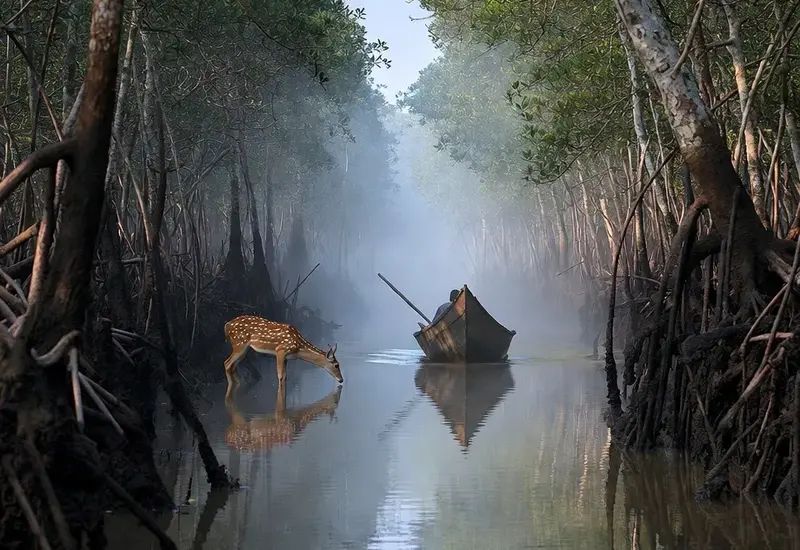
The Undiscovered Frontier: Top 5 Destinations to Visit in Bangladesh in 2026
Bangladesh, often overshadowed by its towering neighbors in South Asia, is quietly emerging as one of the most compelling travel destinations for the discerning adventurer. As we look toward 2026, the country is poised for a tourism renaissance. Improved infrastructure, a growing emphasis on eco-tourism, and a newfound accessibility to remote regions have opened doors that were previously locked to the average traveler. While popular spots like Cox's Bazar and Sajek Valley continue to draw crowds, the true magic of this deltaic nation lies in its undiscovered frontiers.
For the modern traveler, the goal is no longer just to see a place, but to experience it deeply. This means venturing beyond the tourist traps, engaging with local communities, and witnessing landscapes that remain untouched by mass tourism. In this comprehensive guide, we will explore the top 5 destinations to visit in Bangladesh in 2026. These locations have been selected based on their natural beauty, cultural significance, accessibility improvements expected by 2026, and their potential to offer a transformative travel experience.
Whether you are a solo backpacker, a nature photographer, or a family looking for a unique getaway, this itinerary offers a glimpse into the heart of Bengal. We will delve into logistics, cultural nuances, safety tips, and the specific reasons why 2026 is the perfect year to visit these hidden gems. Prepare to uncover the undiscovered frontier of Bangladesh.
Why Bangladesh in 2026? The Tourism Landscape
Before diving into specific locations, it is crucial to understand the context of travel in Bangladesh as we approach 2026. The country has undergone significant transformations in recent years. The opening of the Padma Bridge has revolutionized connectivity, cutting travel times to the southern and southwestern regions by half. This infrastructure boom is not limited to roads; digital connectivity has also improved, making remote areas more accessible for navigation and communication.
Furthermore, the government of Bangladesh has identified tourism as a key sector for economic growth. By 2026, several eco-parks and community-based tourism initiatives are expected to be fully operational. This shift aligns with global trends towards sustainable travel and responsible tourism. Travelers are increasingly seeking destinations where their presence supports local economies rather than exploiting them. Bangladesh offers this in spades, with many remote villages relying on tourism as a primary source of income.
Visa policies are also becoming more traveler-friendly, with e-visa facilities expanding to more nationalities. The hospitality sector is evolving, with boutique hotels and eco-lodges replacing generic guesthouses in key tourist zones. For the SEO-savvy traveler and the content creator, 2026 represents a sweet spot: the infrastructure is good enough for comfort, but the locations remain undiscovered enough to offer exclusivity. This combination is rare in today's hyper-connected world.
1. Remakri and Nafakhum: The Deep Hills of Bandarban
When people think of the Chittagong Hill Tracts, Sajek Valley often comes to mind first. However, by 2026, the true adventurer will head deeper into the Bandarban district to Remakri and Nafakhum. Located in the Thanchi upazila, these villages are nestled among the highest peaks of Bangladesh. The journey itself is an adventure, involving a mix of jeep rides and river crossings that test your resolve but reward you with breathtaking scenery.
Why Visit in 2026?
Road conditions in the Thanchi region are undergoing significant upgrades. By 2026, the journey from Bandarban town to Remakri is expected to be smoother, reducing travel fatigue while maintaining the rugged charm. Additionally, community-led tourism initiatives in Remakri are maturing, offering better homestay facilities without compromising the authentic indigenous experience. This is your chance to see the Boma tribe and their traditional way of life before mainstream tourism alters the dynamic.
How to Get There
The journey begins in Chittagong, from where you take a bus or private car to Bandarban. From Bandarban, you must hire a local jeep to reach Thanchi. The road is winding and steep, offering panoramic views of the valley below. From Thanchi, a further jeep ride takes you to Remakri. To reach Nafakhum waterfall, you will need to trek or take a local boat depending on the season. The total journey from Chittagong can take up to 8-10 hours, so planning an overnight stay in Bandarban is recommended.
Accommodation and Food
In Remakri, accommodation is primarily through homestays. These are simple wooden structures built on stilts, offering basic amenities but unparalleled hospitality. You will sleep under the stars or in a room with a view of the mist-covered hills. Food is locally sourced, featuring traditional indigenous cuisine such as pitha (rice cakes), fresh river fish, and organic vegetables grown on the hillsides. By 2026, a few eco-lodges are expected to open, providing slightly more comfort for those unwilling to rough it completely.
Top Activities
- Trekking to Nafakhum Waterfall: This is one of the largest waterfalls in Bangladesh. The trek involves crossing bamboo bridges and walking through dense jungle.
- Visiting Boma Village: Interact with the Boma community, learn about their weaving techniques, and understand their cultural heritage.
- Sunrise at Zero Point: Wake up early to witness the sun rising over the clouds. The view from the highest point in Remakri is often compared to Sajek but is far less crowded.
- River Swimming: The Sangu River flows nearby, offering clear waters perfect for a refreshing swim during the dry season.
- 👉 Visit Malaysia Year 2026: Why the "Surreal Experiences" theme is trending globally.
- 👉 30 Crucial Things to Know Before Traveling to Vietnam in 2026
- 👉 The Church of the Holy Sepulchre: History and Significance
Travel Tips for Remakri
Since this is a sensitive tribal area, permits are required. Ensure you obtain the necessary permissions from the Deputy Commissioner's office in Bandarban before traveling. Respect local customs; ask for permission before taking photographs of people. The network connection is sporadic, so download offline maps and inform your family before heading into the hills. Cash is king here, as digital payments are not widely accepted in the remote villages.
2. Char Kukri-Mukri: The Island Wilderness of Bhola
While most tourists flock to the beaches of Cox's Bazar, the southern delta holds a secret known only to serious nature lovers. Char Kukri-Mukri is a remote island located in the Bhola district, part of the larger Meghna estuary. It is a sanctuary for migratory birds, sea turtles, and those seeking absolute solitude. The landscape is characterized by sandy beaches, dense mangrove forests, and the endless horizon of the Bay of Bengal.
Why Visit in 2026?
Conservation efforts on Char Kukri-Mukri are gaining momentum. By 2026, designated zones for turtle nesting will be better protected, offering travelers a chance to witness this natural phenomenon responsibly. Additionally, ferry services from Bhola to the char areas are becoming more regular and safer. The island is also being promoted as a low-impact tourism zone, ensuring that visitor numbers remain manageable to protect the fragile ecosystem.
How to Get There
Reach Bhola district via bus from Dhaka or Barisal. From Bhola town, you will need to take a local launch or speedboat to the char areas. The boat journey can take 2-3 hours depending on the tide. It is advisable to hire a local guide in Bhola who knows the safe routes through the river channels. The final leg of the journey may require a smaller wooden boat to navigate the shallow waters near the island.
Accommodation and Food
Accommodation on Char Kukri-Mukri is very basic. Expect to stay in eco-cottages or tents provided by local tour operators. There are no luxury hotels here, which is part of the appeal. The food is predominantly seafood. Fresh crab, lobster, and various types of fish are caught daily by local fishermen. You might also enjoy chiring, a local delicacy made from dried fish and spices. Drinking water should be bottled and brought from the mainland.
Top Activities
- Turtle Watching: During the nesting season (November to March), you can witness olive ridley turtles laying eggs on the beach.
- Bird Watching: The island is a haven for migratory birds. Bring binoculars to spot species that are rare to find elsewhere in South Asia.
- Forest Walks: Explore the mangrove forests with a guide. Be cautious of wildlife, including monkeys and wild boars.
- Sunset Fishing: Join local fishermen for an evening of traditional net fishing. It is a great way to understand the livelihood of the islanders.
- 👉 Visit Malaysia Year 2026: Why the "Surreal Experiences" theme is trending globally.
- 👉 30 Crucial Things to Know Before Traveling to Vietnam in 2026
- 👉 The Church of the Holy Sepulchre: History and Significance
Travel Tips for Char Kukri-Mukri
Tides are critical here. The island can get submerged during high tide in certain areas, so always follow your guide's instructions regarding safe zones. Mosquitoes can be prevalent, so pack strong repellent and wear long sleeves. Since this is a remote location, carry a comprehensive first-aid kit. There are no ATMs on the island, so carry enough cash for your entire stay.
3. Lawachara National Park: The Green Lung of Moulvibazar
For those who prefer the cool embrace of a rainforest over hills or beaches, Lawachara National Park in Moulvibazar is the ultimate destination. Located in the northeastern region of Bangladesh, this park is part of the larger tropical evergreen forest ecosystem. It is home to endangered species like the hoolock gibbon, capped langur, and various species of reptiles and amphibians. The air here is crisp, filled with the scent of wet earth and blooming orchids.
Why Visit in 2026?
Ecotourism infrastructure in Lawachara is being upgraded to international standards. By 2026, new canopy walkways and observation towers are expected to be completed, allowing visitors to experience the forest from above without disturbing the wildlife on the ground. Educational centers within the park are also being enhanced to provide visitors with deeper insights into conservation efforts. This makes it an ideal spot for educational tourism and family trips.
How to Get There
Moulvibazar is well-connected by bus from Dhaka, taking approximately 4-5 hours. From Moulvibazar town, Lawachara is a short 20-minute drive. You can hire a CNG auto-rickshaw or a private car. The entrance to the park is well-marked. Inside the park, walking is the primary mode of transport, though guided jeep tours are available for those with mobility issues.
Accommodation and Food
There are several eco-resorts and hotels near the park entrance in Sreemangal. By 2026, more sustainable lodging options powered by solar energy are expected to be available. These resorts often organize guided tours into the park. Food in Sreemangal is famous for its tea and pineapple. You must try the seven-color tea, a local specialty where seven layers of different colored tea are served in a single glass. Local restaurants offer a mix of Bengali and indigenous cuisine.
Top Activities
- Guided Jungle Trek: Hire a certified guide from the forest department. They can spot wildlife that untrained eyes might miss.
- Canopy Walk: Once completed, this will offer a unique perspective of the rainforest floor from above.
- Tea Garden Visits: Surrounding the park are vast tea estates. Visit a factory to see how tea is processed and enjoy a fresh cup.
- Night Safari: Some operators offer night tours where you can spot nocturnal animals like civets and owls.
- 👉 Visit Malaysia Year 2026: Why the "Surreal Experiences" theme is trending globally.
- 👉 30 Crucial Things to Know Before Traveling to Vietnam in 2026
- 👉 The Church of the Holy Sepulchre: History and Significance
Travel Tips for Lawachara
Do not litter. The forest department is strict about plastic waste. Carry a reusable water bottle. Wear comfortable hiking shoes as the trails can be muddy, especially after rain. Keep noise levels low to avoid startling the wildlife. If you are visiting during the monsoon, be prepared for leeches and carry salt or leech socks.
4. Sitakunda Botanical Garden and Eco-Park: The Coastal Hills
Located just outside Chittagong city, Sitakunda is often treated as a transit point rather than a destination. However, this is a mistake. The Sitakunda Botanical Garden and Eco-Park offers a unique combination of coastal views, hill forests, and spiritual significance. The area is home to the Chandranath Temple, a major Hindu pilgrimage site, adding a layer of cultural depth to the natural beauty. By 2026, the eco-park facilities are expected to be fully developed, making it a prime spot for weekend getaways.
Why Visit in 2026?
The Chittagong region is seeing a surge in organized tourism. The eco-park in Sitakunda is being expanded to include more walking trails, picnic spots, and viewing decks. The proximity to the port city means accessibility is excellent, but the park itself feels worlds away. It is perfect for travelers who want nature without the hassle of multi-day expeditions. The integration of spiritual tourism with eco-tourism makes it a unique proposition.
How to Get There
Sitakunda is easily accessible from Chittagong. You can take a local train or bus from Chittagong city, which takes about an hour. From the Sitakunda station, the eco-park is a short rickshaw ride away. For those driving from Dhaka, it is a stopover on the way to Cox's Bazar, making it a convenient break point. The roads are paved and in good condition.
Accommodation and Food
While there are no hotels inside the eco-park, there are numerous resorts and hotels in the nearby Sitakunda and Mirsarai areas. These range from budget guesthouses to mid-range resorts with swimming pools. Food options are plentiful, with many restaurants serving fresh seafood and traditional Bengali dishes. The area is also known for its sweet shops, so don't miss out on local desserts.
Top Activities
- Hiking to Chandranath Peak: For the fit traveler, hiking up to the temple offers stunning views of the Bay of Bengal.
- Botanical Walks: Explore the diverse plant species collected from across the country within the garden.
- Waterfall Visits: During the monsoon, several small waterfalls appear in the hills surrounding the park.
- Cultural Observation: Witness the religious festivals at the Chandranath Temple, which attract thousands of devotees.
- 👉 Visit Malaysia Year 2026: Why the "Surreal Experiences" theme is trending globally.
- 👉 30 Crucial Things to Know Before Traveling to Vietnam in 2026
- 👉 The Church of the Holy Sepulchre: History and Significance
Travel Tips for Sitakunda
The area can get crowded during religious festivals. If you prefer solitude, visit on weekdays. The hills can be steep, so wear appropriate footwear. Since it is close to the city, mobile network coverage is excellent. However, respect the religious sentiments of the pilgrims when visiting the temple area. Dress modestly when entering religious sites.
5. Hakaluki Haor: The Wetland Wonder
In the northeastern plains lies Hakaluki Haor, one of the largest wetland ecosystems in Bangladesh. A haor is a bowl-shaped depression that fills with water during the monsoon and dries up partially in the winter. This dynamic landscape creates a unique habitat for fish, birds, and aquatic plants. In the winter, the haor transforms into a green carpet of grass, while in the monsoon, it becomes a vast inland sea. It is a paradise for bird watchers and photographers.
Why Visit in 2026?
Conservation projects funded by international organizations are actively working in Hakaluki Haor. By 2026, visitor centers and designated boat routes will be better established to manage tourism sustainably. The area is being promoted as a key spot for agro-tourism, where visitors can learn about traditional fishing and farming methods adapted to the wetland environment. This educational angle adds significant value to the travel experience.
How to Get There
Hakaluki Haor is located in Moulvibazar and Sylhet districts. You can reach Kulaura or Fenchuganj by train or bus from Dhaka. From there, local boats are available to take you into the heart of the haor. The boat ride is an experience in itself, gliding through narrow channels surrounded by water hyacinths and reeds. It is best to hire a boat for a half-day or full-day tour.
Accommodation and Food
Most visitors stay in Sreemangal or Sylhet city and make day trips to the haor. However, there are emerging homestay options in villages surrounding the haor. Staying overnight allows you to experience the silence of the wetland at night. Food is primarily freshwater fish, which is abundant and delicious. Panta bhat (fermented rice) with fried fish is a common meal in this region.
Top Activities
- Boat Safaris: Explore the vast expanse of water and the intricate network of channels.
- Bird Watching: In the winter months, thousands of migratory birds arrive here. It is a hotspot for ornithologists.
- Fishing Experiences: Join local fishermen to learn about traditional methods like using nets and traps.
- Photography: The changing light on the water and the greenery offers incredible photographic opportunities, especially at sunrise and sunset.
- 👉 Visit Malaysia Year 2026: Why the "Surreal Experiences" theme is trending globally.
- 👉 30 Crucial Things to Know Before Traveling to Vietnam in 2026
- 👉 The Church of the Holy Sepulchre: History and Significance
Travel Tips for Hakaluki Haor
The best time to visit is during the dry season (November to March) when the water is calm and the weather is pleasant. During the monsoon, the area can be inaccessible due to high water levels. Wear a life jacket when on the boat, even if you know how to swim. Protect your camera gear from humidity and water splashes. Respect the fishing zones and do not disturb the nets.
Essential Travel Logistics for Bangladesh in 2026

Visiting these undiscovered destinations requires careful planning. While the excitement of adventure is palpable, practical logistics ensure a smooth journey. Below is a detailed breakdown of what you need to know to travel safely and efficiently in Bangladesh in 2026.
Transportation Network
The transportation landscape in Bangladesh is evolving rapidly. For long-distance travel, inter-city buses are comfortable and affordable. AC coaches with Wi-Fi are becoming common on major routes like Dhaka to Chittagong or Sylhet. For a faster experience, domestic flights are available to Chittagong, Sylhet, and Cox's Bazar. By 2026, more regional airports may be operational, reducing travel time to remote areas.
Within cities and towns, ride-sharing apps like Pathao and Uber are widely available. For rural areas, local options like CNG auto-rickshaws and tempos are the norm. When traveling to remote hills or islands, always hire local transport through reputable guides. Avoid traveling at night on rural roads due to safety concerns and poor lighting.
Connectivity and Communication
Mobile network coverage has improved significantly. Major operators like Grameenphone and Robi cover most tourist areas, including many remote hills. However, in places like Remakri or Char Kukri-Mukri, signals can be weak or non-existent. It is advisable to inform your contacts before going offline. 4G internet is available in most towns, allowing for easy navigation and communication. Download offline maps on Google Maps or Maps.me before heading to remote locations.
Health and Safety
Bangladesh is generally safe for tourists, but standard precautions apply. Drink only bottled or purified water to avoid waterborne diseases. Street food is delicious but choose busy stalls with high turnover. Carry a basic medical kit including remedies for stomach upset, allergies, and minor injuries. In remote areas, medical facilities are limited, so evacuation plans should be considered for serious issues. Travel insurance that covers medical evacuation is highly recommended.
Political stability can fluctuate, so check travel advisories before your trip. Avoid large political gatherings or protests. Local people are generally very hospitable and helpful to foreigners. However, always keep your valuables secure and be aware of your surroundings in crowded places.
Money and Payments
The local currency is the Bangladeshi Taka (BDT). While digital payments like bKash are ubiquitous among locals, international travelers will find cash more useful in remote areas. ATMs are available in major towns and cities but may be scarce in villages. Carry sufficient cash when heading to places like Remakri or Char Kukri-Mukri. Credit cards are accepted in major hotels in cities but not in rural homestays.
Sustainable and Responsible Tourism

As we explore the undiscovered frontier of Bangladesh, it is our responsibility to ensure these places remain pristine for future generations. Sustainable tourism is not just a buzzword; it is a necessity for fragile ecosystems like the Chittagong Hill Tracts and the wetlands of Sylhet.
Respect Local Cultures
Bangladesh is home to diverse ethnic groups, especially in the hill tracts. Each community has its own traditions, languages, and customs. Always ask for permission before taking photographs of people. Dress modestly, especially when visiting religious sites or villages. Learn a few basic phrases in Bengali or the local dialect; it goes a long way in building rapport with the locals.
Protect the Environment
Carry your trash back with you. Many remote areas lack waste management systems. Avoid using single-use plastics. Bring a reusable water bottle and shopping bag. Do not pluck plants or disturb wildlife. When visiting water bodies, do not use soaps or detergents that can pollute the water. Support local businesses that follow eco-friendly practices.
Support the Local Economy
Choose locally owned homestays and hire local guides. This ensures that your tourism spending directly benefits the community. Buy handicrafts and products made by local artisans. This encourages the preservation of traditional skills and provides livelihoods. Avoid bargaining too hard; remember that a small amount for you might be significant for them.
Conclusion: Your Journey Awaits

Bangladesh in 2026 is not just a destination; it is an experience waiting to be unfolded. From the misty peaks of Remakri to the serene waters of Hakaluki Haor, the country offers a diversity of landscapes that rivals any major tourist destination in the world. The undiscovered frontier is calling out to those who seek authenticity over luxury, and connection over consumption.
By planning your trip with care, respecting the local culture, and embracing the spirit of adventure, you can be part of the positive change in Bangladesh's tourism sector. These top 5 destinations are more than just pins on a map; they are living ecosystems and communities that welcome you with open arms. As infrastructure improves and the world discovers this hidden gem, now is the time to visit.
Pack your bags, charge your cameras, and prepare for the journey of a lifetime. The undiscovered frontier of Bangladesh is ready to reveal its secrets to you. Whether you are trekking through rainforests, sailing through wetlands, or resting on remote islands, the memories you create here will last a lifetime. Welcome to Bangladesh, welcome to the future of travel.
0 Comments