.webp)
.webp)
The Best Time to Visit South Korea: A Seasonal Guide
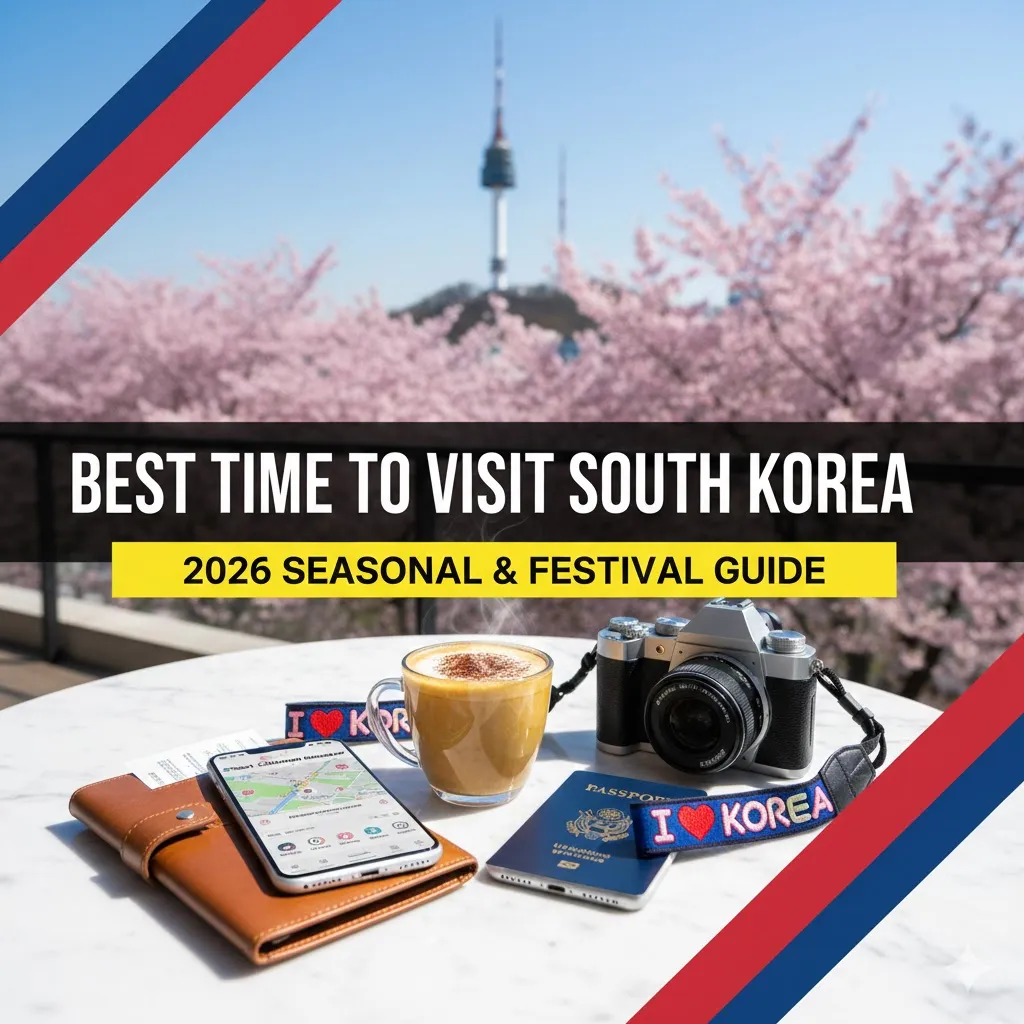
THE BEST TIME TO VISIT SOUTH KOREA: A SEASONAL GUIDE
South Korea is a destination of remarkable seasonal diversity, where each season paints the landscape in distinct colors, brings unique cultural celebrations, and offers different experiences for travelers. From the delicate pink blush of cherry blossoms in spring to the fiery red and gold tapestry of autumn foliage, from vibrant summer festivals under emerald mountains to serene winter wonderlands with snow-capped palaces, South Korea transforms dramatically throughout the year. Choosing the best time to visit depends on your interests, priorities, and travel style—whether you seek ideal weather, cultural festivals, budget-friendly deals, or specific activities like hiking, beach visits, or K-Pop events.
This comprehensive seasonal guide helps you navigate South Korea's four distinct seasons in 2026, providing detailed information about weather patterns, seasonal attractions, crowd levels, pricing considerations, and practical tips for each time of year. Whether you are planning your first trip to South Korea or returning to explore new regions, this guide will help you select the optimal time for your Korean adventure based on what matters most to you.
Understanding South Korea's seasons requires more than checking weather forecasts; it demands appreciating how seasonal changes influence cultural practices, festival calendars, natural beauty, and travel experiences. By approaching your travel planning with awareness of seasonal rhythms, you will discover not just favorable weather but deeper connections to Korean culture, nature, and traditions that unfold throughout the year.
UNDERSTANDING SOUTH KOREA'S CLIMATE AND SEASONS
South Korea experiences four distinct seasons within a temperate climate zone, influenced by its peninsula geography, mountainous terrain, and monsoon patterns. Understanding these climatic patterns helps travelers prepare appropriately and maximize their experiences.
Geographic and Climatic Overview:
South Korea's climate is characterized by:
- Cold, dry winters influenced by Siberian air masses
- Hot, humid summers affected by the East Asian monsoon
- Distinct spring and autumn transition seasons with moderate temperatures
- Regional variations: coastal areas experience milder temperatures; mountainous regions see more extreme conditions; southern regions (Jeju, Busan) are generally warmer than northern areas
Temperature and Weather Patterns by Season:
Spring (March-May):
- Temperatures: Gradually warming from 5-15°C (41-59°F) in March to 15-25°C (59-77°F) in May
- Weather: Generally mild and pleasant; occasional rain showers; low humidity
- Key Features: Cherry blossoms, azaleas, and spring flowers; outdoor festivals; comfortable hiking conditions
Summer (June-August):
- Temperatures: Warm to hot, 23-30°C (73-86°F), with high humidity
- Weather: Monsoon season (jangma) brings heavy rainfall in late June-July; August can be very humid
- Key Features: Lush green landscapes, beach destinations, summer festivals, mountain retreats
Autumn (September-November):
- Temperatures: Cooling from 20-28°C (68-82°F) in September to 5-15°C (41-59°F) in November
- Weather: Generally clear, dry, and comfortable; low humidity; crisp air
- Key Features: Spectacular fall foliage, harvest festivals, ideal hiking conditions, cultural events
Winter (December-February):
- Temperatures: Cold, -5 to 5°C (23-41°F), colder in mountainous regions
- Weather: Generally dry with occasional snow; cold winds from Siberia; clear skies common
- Key Features: Snow-covered landscapes, winter sports, festive lighting, hot springs, indoor cultural experiences
SPRING IN SOUTH KOREA (MARCH-MAY): CHERRY BLOSSOMS AND RENEWAL
Spring is arguably South Korea's most popular season for international visitors, renowned for its iconic cherry blossoms, comfortable weather, and vibrant cultural festivals. This season represents renewal and beauty, making it ideal for photography, outdoor exploration, and cultural immersion.
Weather and Conditions:
March:
- Temperature: 5-15°C (41-59°F)
- Conditions: Cool mornings and evenings; gradually warming days; occasional rain
- Packing: Light layers, jacket for evenings, comfortable walking shoes, umbrella
April:
- Temperature: 10-20°C (50-68°F)
- Conditions: Mild and pleasant; peak cherry blossom period; moderate rainfall
- Packing: Light sweaters, long sleeves, light jacket, comfortable shoes
May:
- Temperature: 15-25°C (59-77°F)
- Conditions: Warm and comfortable; lush greenery; occasional showers
- Packing: Light clothing, light jacket for evenings, sun protection
Signature Spring Experiences:
Cherry Blossom Viewing (Beonkkot-nori):
South Korea's cherry blossom season is a national celebration that draws visitors from around the world. Key viewing locations and timing:
- Seoul: Early to mid-April; Yeouido Spring Flower Festival, Seokchon Lake, Namsan Park
- Jinhae: Early April; Jinhae Gunhangje Festival, one of Asia's largest cherry blossom festivals
- Gyeongju: Early to mid-April; historic temples and tombs framed by blossoms
- Jeju Island: Late March to early April; earlier blooming due to warmer southern climate
- Busan: Early to mid-April; Haeundae and Oncheoncheon streams
Tips for Cherry Blossom Travel:
- Book accommodations 3-6 months in advance for popular blossom locations
- Visit popular spots early morning or weekday to avoid crowds
- Check blossom forecast websites (Korea Meteorological Administration) for bloom updates
- Respect trees and public spaces; do not climb trees or damage blossoms
Spring Festivals and Cultural Events:
Spring hosts numerous festivals celebrating nature, culture, and local traditions:
- Yeouido Spring Flower Festival (Seoul, April): Cherry blossoms, performances, food stalls
- Jinhae Gunhangje Festival (Changwon, April): Military parade, cultural performances, blossom viewing
- Lotus Lantern Festival (Seoul, May): Celebrating Buddha's birthday with lantern parades and exhibitions
- Boseong Green Tea Festival (Boseong, May): Tea plantation tours, cultural performances, tea ceremonies
- Andong Mask Dance Festival (Andong, late April-early May): Traditional mask performances and cultural experiences
Outdoor Activities in Spring:
Spring's comfortable weather makes it ideal for outdoor exploration:
- Hiking: National parks like Bukhansan (Seoul), Seoraksan, and Jirisan offer excellent trails with wildflowers and moderate temperatures
- Cycling: River parks in Seoul (Hangang Parks) and coastal routes in Busan are perfect for cycling
- Palace Visits: Gyeongbokgung, Changdeokgung, and other historic sites are especially beautiful with spring blossoms
- Garden Tours: Seoul Botanic Park, Huimang Elementary School (famous for azaleas), and traditional gardens showcase spring flora
Spring Travel Considerations:
Advantages:
- Ideal weather for outdoor activities and sightseeing
- Iconic cherry blossom experiences and photography opportunities
- Numerous cultural festivals and events
- Comfortable temperatures for walking and exploration
Challenges:
- Peak tourist season; popular destinations can be crowded
- Higher accommodation prices, especially during cherry blossom peak
- Need to book accommodations and tours well in advance
- Occasional rain showers require flexible planning
Budget Tips for Spring Travel:
- Travel in late March or late May to avoid peak cherry blossom crowds and prices
- Consider lesser-known blossom locations (local parks, university campuses) for similar beauty with fewer crowds
- Book accommodations with free cancellation to adjust plans based on blossom forecasts
- Use public transportation and city tourism cards for cost-effective sightseeing
SUMMER IN SOUTH KOREA (JUNE-AUGUST): LUSH LANDSCAPES AND VIBRANT FESTIVALS
Summer in South Korea brings lush green landscapes, vibrant festivals, beach destinations, and unique cultural experiences. While the season can be hot and humid with monsoon rains, it also offers opportunities for coastal escapes, mountain retreats, and immersive cultural festivals that showcase Korea's dynamic energy.
Weather and Conditions:
June:
- Temperature: 20-28°C (68-82°F)
- Conditions: Warm and increasingly humid; monsoon season begins late June
- Packing: Lightweight, breathable clothing; rain jacket or umbrella; sun protection
July:
- Temperature: 23-30°C (73-86°F)
- Conditions: Hot and humid; peak monsoon season with heavy rainfall; occasional thunderstorms
- Packing: Quick-dry clothing, waterproof gear, umbrella, light layers for air-conditioned spaces
August:
- Temperature: 24-31°C (75-88°F)
- Conditions: Very hot and humid; monsoon tapers off; occasional heat waves
- Packing: Lightweight clothing, sun protection, hydration essentials, light jacket for evenings
Signature Summer Experiences:
Beach and Coastal Destinations:
South Korea's coastline offers refreshing escapes from summer heat:
- Busan: Haeundae Beach, Gwangalli Beach, and Songjeong Beach offer swimming, water sports, and beach festivals
- Jeju Island: Pristine beaches, volcanic landscapes, and island culture; ideal for summer exploration
- East Coast: Gangneung, Sokcho, and Samcheok offer less crowded beaches with dramatic scenery
- West Coast Islands: Islands like Ganghwa and Muuido offer coastal hiking and seafood experiences
Summer Festivals and Cultural Events:
Summer hosts vibrant festivals celebrating music, culture, and local traditions:
- Boryeong Mud Festival (Boryeong, July): Famous mud-based activities, concerts, and beach fun
- Busan Sea Festival (Busan, August): Beach parties, water sports, cultural performances
- Seoul Fringe Festival (Seoul, August): Independent arts, performances, and cultural experiments
- Andong International Mask Dance Festival (Andong, September): Traditional performances in pleasant early autumn weather
- Pusan International Rock Festival (Busan, summer): International and Korean rock music performances
Mountain Retreats and Cooling Escapes:
South Korea's mountainous interior offers cooler temperatures and natural beauty:
- National Parks: Seoraksan, Jirisan, and Bukhansan provide hiking trails, waterfalls, and temple visits with cooler mountain air
- Temple Stays: Buddhist temples in mountain settings offer meditation, vegetarian meals, and cultural immersion
- Valley Picnics: Mountain valleys with streams and shaded areas provide perfect spots for cooling picnics
- Cable Cars and Scenic Rides: Mountain cable cars offer panoramic views without strenuous hiking
Indoor Cultural Experiences:
Summer's heat and rain make indoor attractions particularly appealing:
- Museums: National Museum of Korea, War Memorial, and specialized museums offer air-conditioned cultural exploration
- Traditional Markets: Gwangjang Market, Namdaemun, and Jagalchi Market offer covered shopping and food experiences
- K-Pop and Entertainment: Concerts, fan meetings, and entertainment districts provide indoor entertainment
- Shopping: COEX Mall, Lotte World Tower, and traditional markets offer climate-controlled shopping
Summer Travel Considerations:
Advantages:
- Lush, green landscapes ideal for photography and nature appreciation
- Beach destinations and water activities for cooling relief
- Vibrant festivals and cultural events showcasing Korean energy
- Lower accommodation prices compared to spring and autumn peak seasons
- Longer daylight hours for extended exploration
Challenges:
- Hot and humid weather can be uncomfortable for outdoor activities
- Monsoon season (late June-July) brings heavy rainfall that may disrupt plans
- High humidity can affect comfort and photography conditions
- Popular beach destinations can be crowded on weekends
Budget Tips for Summer Travel:
- Take advantage of lower accommodation prices compared to peak seasons
- Focus on free or low-cost indoor attractions during rainy days
- Enjoy affordable street food and market dining
- Use public transportation and city passes for cost-effective sightseeing
- Consider traveling in early June or late August to avoid peak monsoon and heat
AUTUMN IN SOUTH KOREA (SEPTEMBER-NOVEMBER): FALL FOLIAGE AND HARVEST CELEBRATIONS
Autumn is widely considered South Korea's most beautiful season, featuring spectacular fall foliage, comfortable weather, harvest festivals, and ideal conditions for outdoor exploration. This season offers a perfect balance of natural beauty, cultural richness, and pleasant travel conditions.
Weather and Conditions:
September:
- Temperature: 20-28°C (68-82°F)
- Conditions: Warm days, cooler evenings; generally clear and dry; low humidity
- Packing: Light layers, long sleeves, light jacket for evenings, comfortable walking shoes
October:
- Temperature: 12-22°C (54-72°F)
- Conditions: Mild and comfortable; peak fall foliage period; crisp, clear air
- Packing: Sweaters, light to medium jacket, comfortable shoes, scarf for cooler mornings
November:
- Temperature: 5-15°C (41-59°F)
- Conditions: Cool to cold; falling leaves; occasional rain or early snow in mountains
- Packing: Warm layers, medium to heavy jacket, gloves, hat for colder days
Signature Autumn Experiences:
Fall Foliage Viewing (Danpung-nori):
South Korea's autumn foliage is renowned for its vibrant red, orange, and gold colors. Key viewing locations and timing:
- Seoul: Mid to late October; Namsan Park, Bukhansan National Park, Changdeokgung Palace
- Seoraksan National Park: Early to mid-October; dramatic mountain scenery with vibrant foliage
- Nami Island: Mid to late October; tree-lined paths famous from K-drama "Winter Sonata"
- Jeonju: Late October; hanok village framed by autumn colors
- Andong and Hahoe Folk Village: Late October; traditional villages with fall foliage
- Jeju Island: Late October to early November; Hallasan Mountain and coastal routes
Tips for Fall Foliage Travel:
- Check foliage forecast websites for peak color timing by region
- Book accommodations 2-4 months in advance for popular foliage destinations
- Visit popular spots early morning or weekday to avoid crowds
- Combine foliage viewing with cultural sites for richer experiences
Autumn Festivals and Cultural Events:
Autumn hosts numerous festivals celebrating harvest, culture, and natural beauty:
- Andong Mask Dance Festival (Andong, late September-early October): Traditional mask performances and cultural experiences
- Busan International Film Festival (Busan, October): Asia's premier film festival with screenings and events
- Seoul International Fireworks Festival (Seoul, October): Spectacular fireworks displays over the Han River
- Gyeongju Cherry Blossom Festival (Gyeongju, October): Historic sites with autumn colors
- Gimje Horizon Festival (Gimje, October): Harvest celebrations, rice field art, and cultural performances
- Suncheon Bay International Garden Expo (Suncheon, October): Garden displays and natural beauty
Outdoor Activities in Autumn:
Autumn's comfortable weather makes it ideal for extensive outdoor exploration:
- Hiking: National parks offer spectacular foliage views; Seoraksan, Bukhansan, and Jirisan are particularly stunning
- Cycling: River parks and coastal routes are perfect for cycling with comfortable temperatures
- Temple Visits: Mountain temples like Bulguksa (Gyeongju) and Beomeosa (Busan) are especially beautiful with fall colors
- Photography: Autumn light and colors create exceptional photography opportunities throughout the country
Autumn Travel Considerations:
Advantages:
- Spectacular fall foliage and ideal photography conditions
- Comfortable temperatures perfect for walking, hiking, and outdoor exploration
- Numerous cultural festivals and harvest celebrations
- Clear skies and low humidity enhance visibility and comfort
- Harvest season brings fresh, seasonal food experiences
Challenges:
- Popular foliage destinations can be crowded, especially on weekends
- Accommodation prices increase during peak foliage periods
- Need to book accommodations and tours in advance for popular locations
- Weather can be unpredictable in late autumn; pack layers
Budget Tips for Autumn Travel:
- Travel in early September or late November to avoid peak foliage crowds and prices
- Consider lesser-known foliage locations for similar beauty with fewer crowds
- Book accommodations with free cancellation to adjust plans based on foliage forecasts
- Enjoy seasonal harvest foods and local markets for affordable, authentic dining
WINTER IN SOUTH KOREA (DECEMBER-FEBRUARY): SNOWY LANDSCAPES AND FESTIVE SPIRIT
Winter in South Korea transforms the landscape into a serene wonderland of snow-covered palaces, frozen lakes, and festive lighting. While cold temperatures require preparation, winter offers unique experiences including winter sports, hot springs, cultural events, and fewer crowds at popular attractions.
Weather and Conditions:
December:
- Temperature: -5 to 5°C (23-41°F)
- Conditions: Cold and dry; occasional snow; clear skies common
- Packing: Warm coat, thermal layers, gloves, hat, scarf, warm boots
January:
- Temperature: -8 to 2°C (18-36°F)
- Conditions: Coldest month; dry with occasional snow; cold winds from Siberia
- Packing: Heavy winter coat, thermal underwear, warm accessories, hand warmers
February:
- Temperature: -5 to 5°C (23-41°F)
- Conditions: Gradually warming; occasional snow; still cold but more manageable
- Packing: Warm layers, medium to heavy coat, winter accessories
Signature Winter Experiences:
Winter Sports and Snow Activities:
South Korea's mountainous terrain offers excellent winter sports opportunities:
- Ski Resorts: Yongpyong, Alpensia, and High1 resorts offer skiing, snowboarding, and winter activities; hosted 2018 Winter Olympics
- Snow Festivals: Hwacheon Sancheoneo Ice Festival (January) features ice fishing, snow sculptures, and winter activities
- Snowshoeing and Winter Hiking: National parks offer winter trails with snow-covered landscapes
- Sledding and Snow Play: Family-friendly snow parks and hills provide fun winter activities
Festive Lighting and Cultural Events:
Winter hosts numerous festivals celebrating light, culture, and tradition:
- Seoul Lantern Festival (Seoul, November-December): Illuminated lantern displays along Cheonggyecheon Stream and historic sites
- Everland and Lotte World Christmas Festivals: Theme park celebrations with lights, parades, and winter entertainment
- Jinju Lantern Festival (Jinju, October-November): Traditional lantern displays on the Nam River
- Winter Temple Stays: Buddhist temples offer winter meditation programs with snow-covered settings
- New Year's Celebrations: Bell-ringing ceremonies at temples and public spaces on December 31
Hot Springs and Wellness Experiences:
Winter's cold weather makes hot springs and wellness experiences particularly appealing:
- Onyang Hot Springs (Asan): Historic hot spring resort with traditional bathhouses
- Spa Land Centum City (Busan): Large jjimjilbang (Korean bathhouse) with various saunas and pools
- Mountain Hot Springs: Resorts in mountain settings combine hot springs with snow views
- Traditional Jjimjilbang: Korean bathhouses offer affordable, authentic wellness experiences
Indoor Cultural Experiences:
Winter's cold makes indoor attractions especially appealing:
- Museums and Galleries: National Museum of Korea, Leeum Samsung Museum, and contemporary galleries offer climate-controlled cultural exploration
- Traditional Markets: Covered markets like Gwangjang and Namdaemun offer food and shopping experiences
- K-Pop and Entertainment: Concerts, fan meetings, and entertainment districts provide indoor entertainment
- Cooking Classes: Indoor Korean cooking classes offer hands-on cultural experiences
Winter Travel Considerations:
Advantages:
- Fewer crowds at popular attractions and lower accommodation prices
- Unique winter landscapes and photography opportunities
- Winter sports and snow activities for adventure seekers
- Festive lighting and cultural events create magical atmospheres
- Hot springs and indoor experiences provide cozy comfort
Challenges:
- Cold temperatures require appropriate clothing and preparation
- Some outdoor attractions may have limited hours or seasonal closures
- Shorter daylight hours limit daytime exploration time
- Occasional snow or ice can affect transportation
Budget Tips for Winter Travel:
- Take advantage of significantly lower accommodation prices compared to peak seasons
- Enjoy affordable winter street food and market dining
- Use public transportation and city passes for cost-effective sightseeing
- Consider traveling in early December or late February to avoid holiday price spikes
COMPARING SEASONS: CHOOSING THE BEST TIME FOR YOUR INTERESTS
The "best" time to visit South Korea depends on your priorities, interests, and travel style. This comparison helps you match seasonal characteristics with your travel goals.
For Ideal Weather and Outdoor Activities:
Best Seasons: Spring (April-May) and Autumn (September-October)
- Why: Moderate temperatures, low humidity, clear skies, and comfortable conditions for walking, hiking, and exploration
- Ideal For: First-time visitors, photography enthusiasts, hikers, cultural explorers
- Considerations: Peak tourist seasons; book accommodations in advance
For Cherry Blossoms and Spring Beauty:
Best Season: Spring (Late March-Mid April)
- Why: Iconic cherry blossoms, spring flowers, and renewal atmosphere
- Ideal For: Photographers, romance travelers, nature lovers, festival enthusiasts
- Considerations: Peak crowds and prices; book 3-6 months in advance
For Fall Foliage and Autumn Colors:
Best Season: Autumn (Mid October-Early November)
- Why: Spectacular red, orange, and gold foliage; comfortable temperatures; harvest festivals
- Ideal For: Photographers, hikers, cultural travelers, nature enthusiasts
- Considerations: Popular destinations crowded; book accommodations 2-4 months ahead
For Beach and Coastal Experiences:
Best Season: Summer (June-August)
- Why: Warm temperatures for swimming, beach festivals, and coastal activities
- Ideal For: Beach lovers, water sports enthusiasts, festival-goers
- Considerations: Hot, humid weather; monsoon rains in late June-July
For Winter Sports and Snow Experiences:
Best Season: Winter (December-February)
- Why: Snow-covered landscapes, ski resorts, winter festivals, hot springs
- Ideal For: Winter sports enthusiasts, photographers, wellness travelers
- Considerations: Cold temperatures; pack warm clothing; some outdoor attractions limited
For Budget Travel and Fewer Crowds:
Best Seasons: Late Winter (February) and Late Autumn (November)
- Why: Lower accommodation prices, fewer tourists, good value for money
- Ideal For: Budget travelers, solo travelers, flexible itineraries
- Considerations: Cooler weather; some seasonal attractions may be closed
For Cultural Festivals and Events:
Best Seasons: Spring (April-May) and Autumn (September-October)
- Why: Peak festival seasons with numerous cultural celebrations
- Ideal For: Culture enthusiasts, festival-goers, event photographers
- Considerations: Popular events may require advance booking
For K-Pop and Entertainment Experiences:
Best Seasons: Year-round, with peaks in Spring and Autumn
- Why: Concert seasons, fan meetings, and entertainment events occur throughout the year
- Ideal For: K-Pop fans, entertainment enthusiasts, youth travelers
- Considerations: Major events may require advance ticket purchases
PRACTICAL PLANNING TIPS FOR SEASONAL TRAVEL
Regardless of when you visit South Korea, these practical tips enhance your seasonal travel experience.
Booking Strategies by Season:
Peak Seasons (Spring Cherry Blossoms, Autumn Foliage):
- Book accommodations 3-6 months in advance
- Reserve popular tours and experiences early
- Consider flexible cancellation policies for weather-dependent plans
- Research alternative locations to avoid crowds
Shoulder Seasons (Late Spring, Early Autumn):
- Book accommodations 1-3 months in advance
- Enjoy good availability and moderate pricing
- Take advantage of pleasant weather with fewer crowds
Off-Peak Seasons (Summer Monsoon, Winter Cold):
- Book accommodations 2-4 weeks in advance for best deals
- Take advantage of significant discounts and promotions
- Prepare for weather challenges with appropriate packing
Packing Essentials by Season:
Spring:
- Light layers, light jacket, comfortable walking shoes
- Umbrella or rain jacket for occasional showers
- Camera for cherry blossoms and spring flowers
- Sun protection for increasingly sunny days
Summer:
- Lightweight, breathable clothing; quick-dry fabrics
- Rain jacket or umbrella for monsoon season
- Sun protection: hat, sunglasses, high-SPF sunscreen
- Insect repellent for outdoor activities
Autumn:
- Layers for changing temperatures; light to medium jacket
- Comfortable walking shoes for hiking and exploration
- Camera for fall foliage photography
- Scarf and gloves for cooler mornings and evenings
Winter:
- Heavy winter coat, thermal layers, warm accessories
- Warm boots with good traction for snow and ice
- Hand warmers and thermal underwear for extreme cold
- Moisturizer for dry winter air
Health and Safety Considerations by Season:
Spring:
- Allergy preparation for pollen season if sensitive
- Sun protection as UV levels increase
- Flexible planning for occasional rain showers
Summer:
- Heat and humidity preparation; stay hydrated
- Monsoon awareness; check weather forecasts daily
- Insect protection for outdoor activities
Autumn:
- Layering for temperature variations throughout the day
- Sun protection still important despite cooler temperatures
- Flexible planning for occasional early snow in mountains
Winter:
- Cold weather preparation; prevent frostbite and hypothermia
- Slippery surface awareness; wear appropriate footwear
- Indoor air quality awareness; consider masks for sensitive individuals
CONCLUSION: EMBRACING SOUTH KOREA'S SEASONAL BEAUTY
South Korea's four distinct seasons offer diverse experiences that cater to different interests, preferences, and travel styles. Whether you are captivated by the delicate beauty of cherry blossoms in spring, the vibrant energy of summer festivals, the spectacular colors of autumn foliage, or the serene magic of winter snowscapes, there is never a bad time to visit this remarkable country.
The key to choosing the best time for your South Korean adventure lies in aligning seasonal characteristics with your personal priorities: ideal weather, specific activities, cultural events, budget considerations, or crowd preferences. By understanding seasonal patterns and planning accordingly, you can maximize your experiences while minimizing challenges.
In 2026, as travelers seek meaningful connections to culture, nature, and community, South Korea's seasonal diversity offers opportunities for discovery, reflection, and growth. Whether you wander through cherry blossom-lined paths, hike mountain trails under autumn skies, celebrate summer festivals with locals, or find peace in snow-covered temples, each season invites you to engage with Korea's rich heritage and dynamic present.
May your seasonal journey through South Korea deepen your appreciation for nature's rhythms, cultural traditions, and the beauty of change. As the Korean concept of "sason" (seasons) teaches, each time of year brings unique gifts and lessons. May you carry that understanding forward, embracing the seasons of your travels and your life with openness, gratitude, and wonder.
Useful resources include the Korea Tourism Organization at visitkorea.or.kr for seasonal travel information and festival calendars, the Korea Meteorological Administration at weather.go.kr for weather forecasts and blossom/foliage updates, and your country's travel advisory service for safety updates. Emergency services in South Korea can be reached at 112 for police and 119 for ambulance and fire. Disclaimer: Information is accurate as of early 2026. Weather patterns, festival dates, and travel policies may change; verify details before travel. This guide is for informational purposes only and does not constitute professional travel advice.
0 Comments