.webp)
.webp)
Chinguetti's Disappearing Libraries: Solo Traveler's Preservation Guide
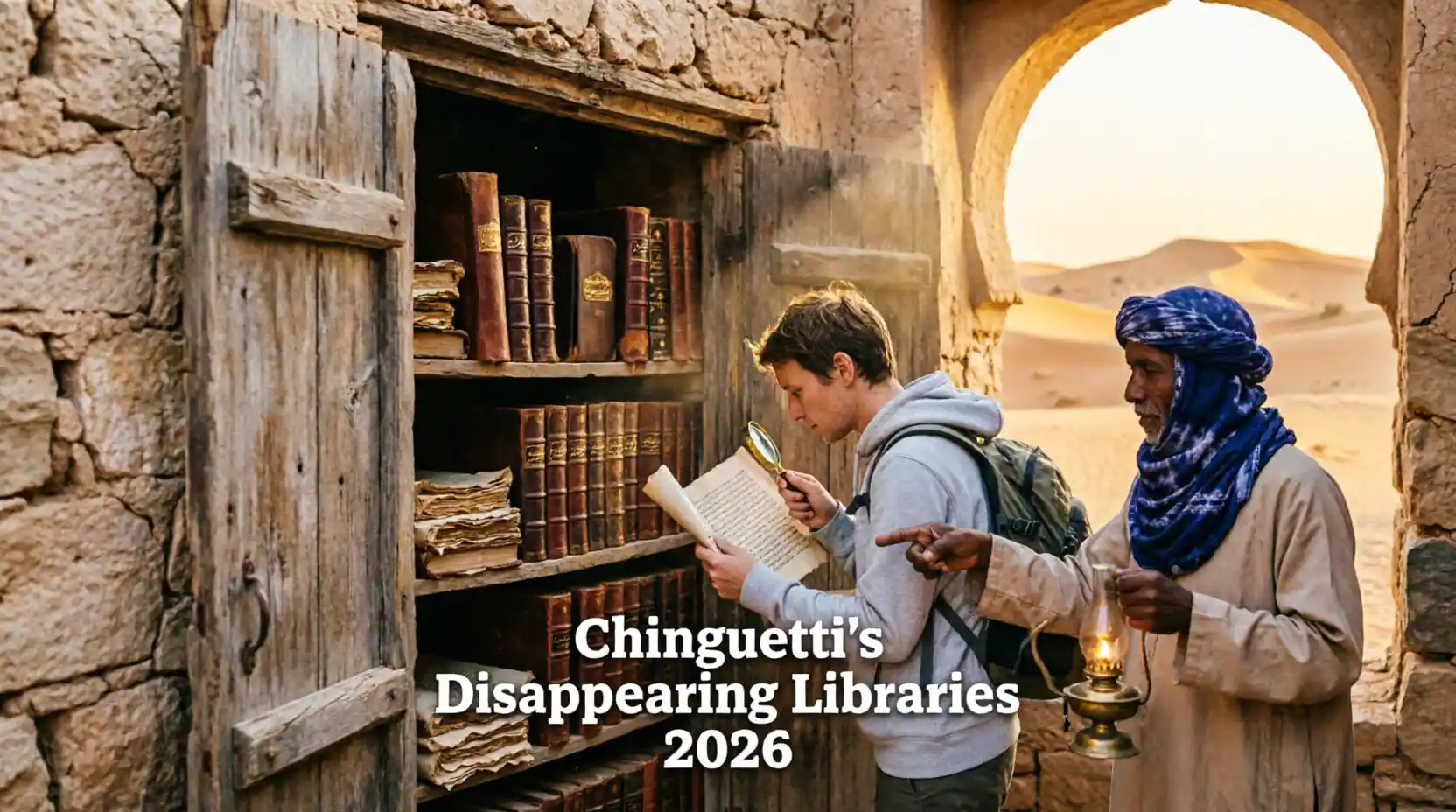
Chinguetti's Disappearing Libraries: A Cultural Preservation Guide for Solo Travelers
In the heart of the Mauritanian Sahara, where golden dunes meet ancient stone walls, lies one of the world's most endangered cultural treasures: the medieval libraries of Chinguetti. This remote desert town, once a thriving center of Islamic scholarship and trans-Saharan trade, now faces an existential threat as climate change, desertification, and neglect threaten to erase centuries of human knowledge forever.
For solo travelers seeking meaningful cultural experiences, visiting Chinguetti offers a rare opportunity to witness living history while contributing to urgent preservation efforts. The town's private family libraries house thousands of manuscripts dating from the 11th to 19th centuries, covering subjects from astronomy and mathematics to law, poetry, and theology. These irreplaceable texts represent not just Mauritanian heritage, but humanity's collective intellectual legacy.
Yet time is running out. Encroaching sand dunes bury buildings, extreme temperature fluctuations crack ancient walls, and humidity damages fragile parchment. Many manuscript custodians struggle to maintain their collections without resources. This comprehensive guide empowers solo travelers to visit Chinguetti responsibly, understand the preservation crisis, and contribute meaningfully to saving these disappearing libraries while experiencing one of the Sahara's most profound cultural destinations.
Why are Chinguetti's libraries disappearing?
Chinguetti's libraries face multiple threats: advancing sand dunes that bury buildings, extreme temperature swings (from near-freezing nights to 50°C/122°F days) that crack walls, humidity fluctuations that damage ancient parchment, lack of conservation resources, and youth migration to cities leaving fewer people to maintain collections. Climate change accelerates desertification, while limited funding prevents proper preservation. Without intervention, these irreplaceable manuscripts and their historic buildings may be lost within decades.
The Historical Significance of Chinguetti's Libraries

Understanding what's at stake requires appreciating Chinguetti's extraordinary heritage.
Founding and Golden Age (11th-16th Centuries):
• Origins: Founded in 11th century as a trading post on trans-Saharan caravan routes
• Strategic Location: Connected Mediterranean trade with sub-Saharan gold and salt routes
• Scholarly Center: Became one of Islam's holiest cities and premier centers of learning
• Libraries Established: Wealthy families built private libraries to house scholarly collections
• UNESCO Status: Designated World Heritage Site in 1996 for outstanding universal value
The Manuscript Collections:
• Quantity: Estimated 3,000-10,000+ manuscripts across multiple private libraries
• Age Range: 11th to 19th centuries, some over 1,000 years old
• Subjects: Quranic studies, Islamic law, astronomy, mathematics, medicine, poetry, grammar, history
• Materials: Parchment (gazelle skin), paper, leather bindings, mineral-based inks
• Scripts: Various Arabic calligraphy styles including Maghrebi and Andalusi scripts
• Condition: Many fragile, damaged by time, climate, and inadequate storage
Famous Libraries:
• Bibliothèque Al-Imam Al-Wangari: One of oldest, contains rare Quranic commentaries
• Bibliothèque Habott: Family collection with astronomical and mathematical texts
• Bibliothèque Ould Bounamou: Includes medical manuscripts and legal documents
• Bibliothèque Alawi: Poetry and Sufi mystical texts
• Access: Most are private family collections; viewing requires permission and often guide assistance
Cultural Importance:
• Intellectual Heritage: Represents West African Islamic scholarship tradition
• Oral Tradition: Manuscripts complemented by centuries of oral transmission
• Living Culture: Libraries remain active centers of learning, not just museums
• Identity: Core to Mauritanian national and cultural identity
• Global Significance: Among world's most important medieval manuscript collections
How old are the manuscripts in Chinguetti?
Chinguetti's manuscripts range from the 11th to 19th centuries, with some texts over 1,000 years old. The oldest surviving manuscripts date to approximately 1000-1200 CE, though many are from the 13th-16th centuries during Chinguetti's golden age as a scholarly center. These texts are written on parchment (animal skin) or early paper, using iron gall and carbon-based inks. Their age makes them extremely fragile and vulnerable to environmental damage.
The Preservation Crisis: Understanding the Threats

Multiple converging threats endanger Chinguetti's libraries, creating an urgent conservation emergency.
Climate Change and Desertification:
• Advancing Dunes: Sand dunes move closer to town, threatening to bury buildings
- Some structures already partially buried
- Sand infiltration damages manuscripts and building foundations
- Annual sand accumulation requires constant clearing
• Temperature Extremes: Daily swings from 0°C to 50°C (32°F to 122°F)
- Causes building materials to expand and contract
- Cracks walls, allowing sand and moisture infiltration
- Damages manuscript bindings and pages
• Humidity Fluctuations: Extreme dryness followed by rare heavy rains
- Parchment becomes brittle in arid conditions
- Sudden humidity causes mold growth and ink deterioration
- No climate control in most libraries
Structural Deterioration:
• Building Materials: Traditional mud-brick (adobe) construction
- Requires constant maintenance and re-plastering
- Erodes without regular upkeep
- Many buildings centuries old with deferred maintenance
• Lack of Resources: Families cannot afford proper conservation
- No climate-controlled storage
- Limited funding for building repairs
- Insufficient preservation materials and expertise
• Aging Infrastructure: Traditional construction techniques being lost
- Fewer skilled craftspeople to maintain buildings
- Modern materials incompatible with historic structures
Socioeconomic Challenges:
• Youth Migration: Young people leave for cities and abroad
- Fewer family members to maintain libraries
- Traditional knowledge not being transmitted
- Libraries become burden rather than heritage
• Poverty: Limited economic opportunities in Chinguetti
- Families prioritize survival over preservation
- Manuscripts sometimes sold to collectors (illegal but occurs)
- No sustainable funding for conservation
• Education Gaps: Limited conservation training locally
- Custodians lack modern preservation knowledge
- Traditional methods insufficient for current challenges
Security Concerns:
• Regional Instability: Sahel region security challenges
- Tourism decline reduces income for maintenance
- International support complicated by security situation
- Limited government resources for heritage protection
• Theft Risk: Valuable manuscripts vulnerable
- Black market for ancient texts
- Inadequate security measures
- Loss of cultural heritage to private collectors
How many libraries remain in Chinguetti?
Approximately 10-15 significant private libraries remain in Chinguetti, though estimates vary. Some sources identify as few as 6 major collections, while others count up to 20 smaller family libraries. The number has declined over decades as some collections were lost, sold, or consolidated. The most famous include Bibliothèque Al-Imam Al-Wangari, Bibliothèque Habott, Bibliothèque Ould Bounamou, and Bibliothèque Alawi. Each library is maintained by descendant families who serve as custodians of these precious collections.
Planning Your Solo Visit to Chinguetti

Visiting Chinguetti requires careful planning, especially for solo travelers. Here's how to prepare for a meaningful, responsible visit.
Best Time to Visit:
• Optimal Season: November to February (cooler months)
- Temperatures: 15-30°C (59-86°F) during day
- Cooler nights: 5-15°C (41-59°F)
- More comfortable for exploring and manuscript viewing
- Peak tourist season; book accommodations in advance
• Shoulder Season: March-April, October
- Warmer but still manageable: 25-35°C (77-95°F)
- Fewer tourists
- Good balance of comfort and accessibility
• Avoid: May to September
- Extreme heat: 40-50°C (104-122°F)
- Sandstorms common
- Many facilities close or reduce services
- Dangerous conditions for outdoor activities
Getting to Chinguetti:
• From Nouakchott (Capital):
- Distance: Approximately 450 km (280 miles)
- By 4WD vehicle: 6-8 hours drive
- Route: Paved road to Atar, then rough desert track to Chinguetti
- Recommended: Hire experienced driver/guide familiar with route
- Cost: $150-300 USD for vehicle and driver (can split with other travelers)
• By Bus:
- Limited bus service from Nouakchott to Atar
- From Atar, arrange local transport to Chinguetti
- Less comfortable but budget option ($30-50 USD)
- Requires flexibility and patience
• Domestic Flight:
- Limited flights to Atar from Nouakchott
- From Atar, still need ground transport to Chinguetti (1 hour)
- Expensive and unreliable; not recommended as primary option
• Important: Always confirm road conditions before departure; desert tracks can become impassable after rain or sandstorms
Accommodation Options:
• Auberge/Auberge de Jeunesse:
- Budget guesthouses: $15-30 USD/night
- Basic rooms, shared facilities
- Good for meeting other travelers
- Examples: Auberge de Chinguetti, various family-run guesthouses
• Mid-Range Hotels:
- Comfortable rooms with private bath: $40-80 USD/night
- Air conditioning essential
- Examples: Hotel Tichitt, Hotel Wadan
- Often include meals
• Camping:
- Desert camping experiences available
- $20-40 USD per night with guide
- Not recommended for solo travelers without experienced guide
- Safety and navigation concerns
• Booking: Reserve in advance during peak season (Nov-Feb); walk-ins possible in low season but limited options
Essential Packing for Solo Travelers:
• Clothing:
- Lightweight, loose-fitting, light-colored clothing
- Long sleeves and pants for sun protection and cultural respect
- Warm layer for cold desert nights
- Sturdy walking shoes/sandals
- Head covering (scarf or hat) for sun and sand
• Health & Safety:
- High SPF sunscreen (50+)
- Lip balm with SPF
- Sunglasses with UV protection
- Reusable water bottle (3+ liters capacity)
- Basic first aid kit
- Personal medications (bring full supply)
- Hand sanitizer
- Insect repellent
• Practical Items:
- Headlamp or flashlight (electricity unreliable)
- Power bank for charging devices
- Universal adapter (Type C/E outlets)
- Cash in small denominations (Mauritanian ouguiya or euros)
- Copies of passport and important documents
- Small backpack for daily excursions
• Cultural Respect:
- Modest clothing (shoulders and knees covered)
- Scarf for women (useful for mosque visits and sand protection)
- Respectful attitude toward local customs and Islamic traditions
Is Chinguetti safe for solo travelers?
Chinguetti is generally safe for solo travelers who take standard precautions. The town is small and welcoming, with low crime rates. However, solo travelers should: hire local guides for desert excursions, avoid traveling alone outside town, register with their embassy, maintain communication with family/friends, respect local customs and dress modestly, and stay informed about regional security conditions. Female solo travelers should exercise additional caution and may prefer joining group tours for desert excursions. Always check current US State Department or your country's travel advisories before visiting Mauritania.
Visiting the Libraries: A Responsible Approach

Accessing Chinguetti's libraries requires respect, preparation, and cultural sensitivity. Here's how to visit responsibly.
Finding a Knowledgeable Guide:
• Why Hire a Guide:
- Libraries are private; access requires permission and introductions
- Guides speak Arabic/French and facilitate communication
- Provide historical context and manuscript interpretation
- Ensure respectful behavior and cultural protocols
- Support local economy
• Finding Guides:
- Ask at your accommodation for recommendations
- Contact local tourism office upon arrival
- Hire through reputable tour operators in Nouakchott or Atar
- Look for guides with heritage/cultural specialization
- Cost: $30-60 USD per day depending on experience
• Guide Qualifications:
- Knowledgeable about library history and manuscripts
- Speaks your language (French most common, some English)
- Respected in community
- Understands conservation concerns
- Can arrange library access in advance
Library Visiting Etiquette:
• Before Your Visit:
- Arrange visits through guide or accommodation
- Confirm timing and any fees in advance
- Bring small bills for library access fees and tips
- Be flexible; library custodians may have other commitments
• During the Visit:
- Remove shoes before entering library spaces
- Ask permission before touching or photographing manuscripts
- Never touch manuscripts with bare hands (oils damage parchment)
- Use provided gloves if handling permitted
- Keep voices low; libraries are sacred spaces
- Follow custodian instructions exactly
- Do not use flash photography
- Never eat or drink near manuscripts
• Photography:
- Always ask explicit permission first
- Some libraries prohibit photography entirely
- Never photograph people without permission
- Offer to share photos with library custodians
- Consider paying small photography fee if requested
• Financial Contributions:
- Expect to pay library access fees: $5-20 USD per library
- Tips for custodians: $5-10 USD appreciated
- Consider donations for preservation (discuss with guide)
- Bring cash; no credit card facilities
- Your fees directly support preservation efforts
What to Expect During Library Visits:
• Typical Visit Structure:
- Introduction to library custodian (often family elder)
- Brief history of library and collection
- Viewing of selected manuscripts (not entire collection)
- Explanation of manuscript subjects and significance
- Opportunity to ask questions (through guide)
- Duration: 30-60 minutes per library
• Manuscript Viewing:
- Manuscripts displayed on cushions or stands
- Custodian turns pages; visitors rarely handle directly
- May see Quranic texts, astronomical charts, legal documents
- Condition varies from excellent to very fragile
- Some libraries have digitized copies for viewing
• Language:
- Custodians typically speak Arabic and Hassaniya dialect
- Some speak French
- English rare; guide essential for translation
- Non-verbal communication and respect transcend language
Recommended Libraries to Visit:
• Bibliothèque Al-Imam Al-Wangari:
- One of oldest and most significant
- Contains rare Quranic commentaries and legal texts
- Well-maintained; custodians welcoming to visitors
- Good introduction to Chinguetti library tradition
• Bibliothèque Habott:
- Famous for astronomical and mathematical manuscripts
- Includes celestial charts and calculation tables
- Family very engaged in preservation efforts
- Often featured in documentaries
• Bibliothèque Ould Bounamou:
- Medical and scientific texts
- Includes treatises on astronomy, medicine, law
- Smaller collection but significant works
- Custodians passionate about education
• Bibliothèque Alawi:
- Poetry and Sufi mystical texts
- Beautiful calligraphy examples
- More intimate viewing experience
- Excellent for understanding spiritual dimension
• Planning: Visit 3-4 libraries over 1-2 days; don't rush; quality over quantity
How much does it cost to visit Chinguetti libraries?
Budget approximately $50-100 USD total for library visits. Individual library access fees range $5-20 USD each. Guide services cost $30-60 USD per day. Tips for custodians $5-10 USD per library. Photography fees (if permitted) $5-10 USD. Total for visiting 4 libraries with guide: approximately $80-120 USD. Bring cash in small denominations (euros or Mauritanian ouguiya); credit cards not accepted. Your fees directly support preservation efforts and library maintenance.
Contributing to Preservation: How Travelers Can Help

Responsible tourism can make a real difference in preserving Chinguetti's libraries. Here's how to contribute meaningfully.
Direct Financial Support:
• Library Access Fees:
- Pay requested fees willingly; they fund maintenance
- Don't haggle over small amounts; preservation is costly
- Fees go directly to library custodians
- Consider paying more than minimum if able
• Donations:
- Ask guide about legitimate preservation organizations
- Consider donating to:
- Fondation des Manuscrits de Chinguetti
- UNESCO heritage preservation programs
- Local library maintenance funds
- Typical donation: $20-100 USD depending on means
- Request receipt or documentation of use
- Avoid giving directly to individuals; support institutional efforts
• Purchasing Local Goods:
- Buy from local artisans and shops
- Supports economy that sustains library custodians
- Purchase books about Chinguetti (proceeds often support preservation)
- Hire local guides and drivers
- Stay in locally-owned accommodations
Responsible Tourism Practices:
• Environmental Responsibility:
- Minimize water use (extremely scarce resource)
- Don't litter; pack out all trash
- Use reef-safe/biodegradable products
- Respect fragile desert ecosystem
- Don't remove sand, stones, or artifacts
• Cultural Respect:
- Dress modestly at all times
- Ask permission before photographing people
- Learn basic Arabic/French greetings
- Respect prayer times and religious observances
- Follow local customs and traditions
- Be patient; life moves at different pace
• Manuscript Conservation:
- Never touch manuscripts without permission and gloves
- Don't request to handle fragile texts
- Respect photography restrictions
- Don't use flash near manuscripts
- Follow all custodian instructions
- Report any concerns about handling to guide
Advocacy and Awareness:
• Share Responsibly:
- Educate others about preservation crisis
- Share photos and stories with context
- Highlight conservation needs, not just beauty
- Credit libraries and custodians
- Avoid geotagging exact library locations (security)
- Encourage responsible tourism practices
• Support Organizations:
- Research and donate to preservation NGOs
- Follow and share work of conservation groups
- Advocate for UNESCO and international support
- Raise awareness in your community
- Consider volunteering with preservation projects
• Document and Report:
- Note conditions of libraries you visit
- Share observations with preservation organizations
- Report any concerns about deterioration
- Your observations can help prioritize conservation efforts
Long-Term Engagement:
• Stay Connected:
- Follow libraries and preservation efforts on social media
- Subscribe to newsletters from conservation organizations
- Maintain contact with guides and custodians
- Return if possible; repeat visitors provide sustained support
• Support Digitization:
- Advocate for manuscript digitization projects
- Digital copies preserve content even if originals deteriorate
- Support organizations doing digitization work
- Respect copyright and access restrictions
• Educational Support:
- Support training programs for local conservators
- Fund scholarships for Mauritanian students in conservation
- Donate preservation supplies if you have professional access
- Share knowledge and resources
How can I help preserve Chinguetti's libraries?
You can help by: paying library access fees willingly, making donations to legitimate preservation organizations (Fondation des Manuscrits de Chinguetti, UNESCO programs), hiring local guides, staying in locally-owned accommodations, purchasing local goods, practicing responsible tourism, raising awareness about the preservation crisis, supporting digitization efforts, and advocating for international conservation support. Even small contributions ($20-100) make a difference. The most important contribution is respectful, informed tourism that generates sustainable income for library custodians while minimizing damage to fragile manuscripts and buildings.
Practical Travel Information for Chinguetti

Essential logistics for planning your solo journey to Chinguetti.
Visa Requirements for US Citizens:
• Tourist Visa: Required for entry to Mauritania
• Application: Apply at Mauritanian embassy or consulate
- Embassy in Washington, DC or consulates
- Processing time: 1-2 weeks
- Fee: Approximately $150-200 USD
• Requirements:
- Valid passport (6+ months validity)
- Passport photos
- Proof of accommodation
- Return ticket
- Yellow fever certificate if transiting through endemic country
• Visa on Arrival: Available at Nouakchott airport but not recommended; apply in advance
Health and Safety:
• Vaccinations:
- Routine vaccines up to date
- Hepatitis A and B
- Typhoid
- Yellow fever (if transiting through endemic country)
- Meningitis (recommended for Sahel region)
- Consult travel clinic 4-6 weeks before departure
• Health Precautions:
- Drink only bottled or treated water
- Avoid ice and raw foods
- Bring comprehensive travel medical kit
- Carry prescription medications in original containers
- Bring supply for entire trip plus extra
- Limited medical facilities in Chinguetti
- Serious conditions require evacuation to Nouakchott
• Travel Insurance:
- Essential; must include medical evacuation
- Coverage for adventure activities if desert camping
- Trip cancellation/interruption coverage
- Verify coverage for Mauritania specifically
- Recommended providers: Global Rescue, International SOS
• Safety:
- Register with US Embassy STEP program
- Check current travel advisories
- Avoid travel after dark
- Use reputable guides for desert excursions
- Keep copies of important documents
- Maintain communication with family/friends
- Carry emergency contact information
Money and Banking:
• Currency: Mauritanian Ouguiya (MRU)
- Exchange rate: Approximately 35-40 MRU = 1 USD
- Euros also widely accepted
- USD less commonly accepted outside hotels
• Cash:
- Bring sufficient cash for entire trip
- ATMs in Nouakchott and Atar; none in Chinguetti
- Credit cards rarely accepted
- Bring small denominations for tips and fees
- Exchange money in Nouakchott or Atar before Chinguetti
• Budget Estimates:
- Accommodation: $15-80 USD/night
- Meals: $10-25 USD/day
- Library visits: $50-100 USD total
- Guide services: $30-60 USD/day
- Transport Nouakchott-Chinguetti: $150-300 USD (shared vehicle)
- Total daily budget: $80-200 USD depending on style
Communication:
• Internet:
- Limited and unreliable in Chinguetti
- Some hotels offer WiFi (slow)
- Internet cafés in town (basic service)
- Don't rely on connectivity
- Download offline maps and information before arrival
• Mobile Phones:
- Limited cell coverage in Chinguetti
- Mauritel and Mattel are main providers
- Can purchase local SIM in Nouakchott
- International roaming expensive
- Satellite phone recommended for remote travel
• Language:
- Arabic (Hassaniya dialect) primary language
- French widely spoken in tourism/business
- English very limited
- Learn basic Arabic/French phrases
- Hire guide who speaks your language
Cultural Considerations:
• Religion:
- Mauritania is 100% Muslim
- Respect Islamic customs and prayer times
- Dress modestly at all times
- No alcohol (illegal in Mauritania)
- Ramadan: business hours change; be respectful
• Social Customs:
- Greetings important; take time for proper salutations
- Right hand for eating and giving/receiving
- Remove shoes before entering homes/mosques
- Ask permission before photographing people
- Be patient; life moves at different pace
- Hospitality highly valued; accept tea if offered
• Photography:
- Ask permission before photographing people
- Never photograph government/military installations
- Respect mosque and religious site restrictions
- Some people may refuse; respect their wishes
- Offer to share photos if you promise to send them
What is the best time to visit Chinguetti?
The best time to visit Chinguetti is November through February, during the cooler winter months. Daytime temperatures range 15-30°C (59-86°F), making exploration comfortable. Nights are cool (5-15°C/41-59°F). This is peak tourist season, so book accommodations in advance. Avoid May-September when temperatures reach 40-50°C (104-122°F) with frequent sandstorms. March-April and October are shoulder seasons with warmer but manageable temperatures and fewer tourists.
Sample 3-Day Itinerary for Solo Travelers

A suggested itinerary to maximize your Chinguetti experience while supporting preservation.
Day 1: Arrival and Orientation
• Morning:
- Depart Nouakchott early (6 AM) for 6-8 hour drive
- Stop in Atar for supplies and lunch
- Arrive Chinguetti afternoon
- Check into accommodation
- Rest and acclimate to desert environment
• Afternoon:
- Meet with local guide; discuss library visits
- Walk through town; orient yourself
- Visit Friday Mosque (exterior viewing; non-Muslims cannot enter)
- Watch sunset from dunes overlooking town
• Evening:
- Traditional Mauritanian dinner at accommodation
- Attend local music performance if available
- Early rest after long travel day
• Preservation Action: Pay guide fair wage; purchase from local vendors
Day 2: Library Visits
• Morning (8 AM - 12 PM):
- Visit Bibliothèque Al-Imam Al-Wangari
- Meet custodian; learn library history
- View selected Quranic manuscripts
- Pay access fee; offer tip
- Visit Bibliothèque Habott
- Examine astronomical texts
- Discuss preservation challenges
- Make donation if possible
• Lunch (12-2 PM):
- Traditional lunch at local restaurant
- Rest during hottest part of day
• Afternoon (2-5 PM):
- Visit Bibliothèque Ould Bounamou
- View medical and scientific manuscripts
- Learn about manuscript conservation
- Visit Bibliothèque Alawi
- Explore poetry and mystical texts
- Appreciate calligraphy artistry
• Evening:
- Discuss day with guide; ask questions
- Dinner and reflection
- Plan Day 3 activities
• Preservation Action: Pay all library fees willingly; make donations; purchase local guidebook
Day 3: Cultural Immersion and Departure
• Morning (7-11 AM):
- Sunrise walk through old town
- Visit local market; meet artisans
- Purchase souvenirs supporting local economy
- Final library visit if desired
• Late Morning (11 AM-12 PM):
- Return to accommodation; pack
- Settle bills; thank hosts
- Arrange return transport
• Afternoon:
- Depart Chinguetti for Nouakchott
- Stop in Atar if time permits
- Arrive Nouakchott evening
• Preservation Action: Share experience responsibly; commit to advocacy
Alternative 4-5 Day Itinerary:
• Add desert camping experience (with reputable guide)
• Visit Ouadane (another ancient library town, 2 hours from Chinguetti)
• More time for in-depth library study
• Attend local cultural events or ceremonies
• Participate in conservation workshop if available
How many days do I need in Chinguetti?
Minimum 2-3 days: one day for arrival/departure, one full day for library visits. Ideal is 3-4 days to visit libraries at relaxed pace, explore town, experience desert, and build relationships with custodians. If including Ouadane (another library town) or desert camping, plan 5-7 days. Don't rush; quality interactions with library custodians and understanding preservation challenges require time.
Final Reflections: Your Role in Cultural Preservation
Visiting Chinguetti's disappearing libraries is both a privilege and a responsibility. As a solo traveler, you have unique opportunities to make meaningful contributions to preservation while experiencing one of the world's most extraordinary cultural heritage sites.
The Urgency:
Time is running out. Climate change accelerates desertification. Buildings crumble. Manuscripts deteriorate. Without intervention, these irreplaceable treasures may be lost within our lifetime. Your visit, done responsibly, generates income for custodians, raises awareness, and demonstrates that these libraries have value worth preserving.
Your Impact:
Every dollar you spend on library fees, guides, and local services directly supports preservation. Every conversation you have raises awareness. Every photo you share (responsibly) educates others. Every donation, however small, helps. You are not just a tourist; you are a partner in cultural preservation.
Ethical Tourism:
Remember that these are living libraries, not museums. They belong to families who have safeguarded them for generations. Approach with humility, respect, and gratitude. Listen more than you speak. Learn from custodians. Support their efforts. Don't treat manuscripts as curiosities; honor them as sacred texts and intellectual treasures.
Beyond Your Visit:
Your responsibility doesn't end when you leave Chinguetti. Continue supporting preservation through advocacy, donations, and responsible storytelling. Share what you've learned. Encourage others to visit responsibly. Support organizations working to digitize and conserve these manuscripts. Stay informed about Chinguetti's situation.
The Bigger Picture:
Chinguetti's libraries represent more than Mauritanian heritage; they are humanity's shared intellectual legacy. Preserving them matters for all of us. Your visit contributes to this global effort. Travel with purpose. Act with integrity. Leave Chinguetti better than you found it.
The libraries of Chinguetti have survived for a thousand years. With informed, responsible tourism and international support, they can survive a thousand more. You can be part of that story.
Safar sa'id (safe travels) and shukran (thank you) for committing to responsible cultural preservation in Chinguetti.
0 Comments