.webp)
.webp)
Sustainable Tourism Príncipe UNESCO Biosphere Reserve Responsible Travel
Understanding Príncipes UNESCO Biosphere Reserve Status
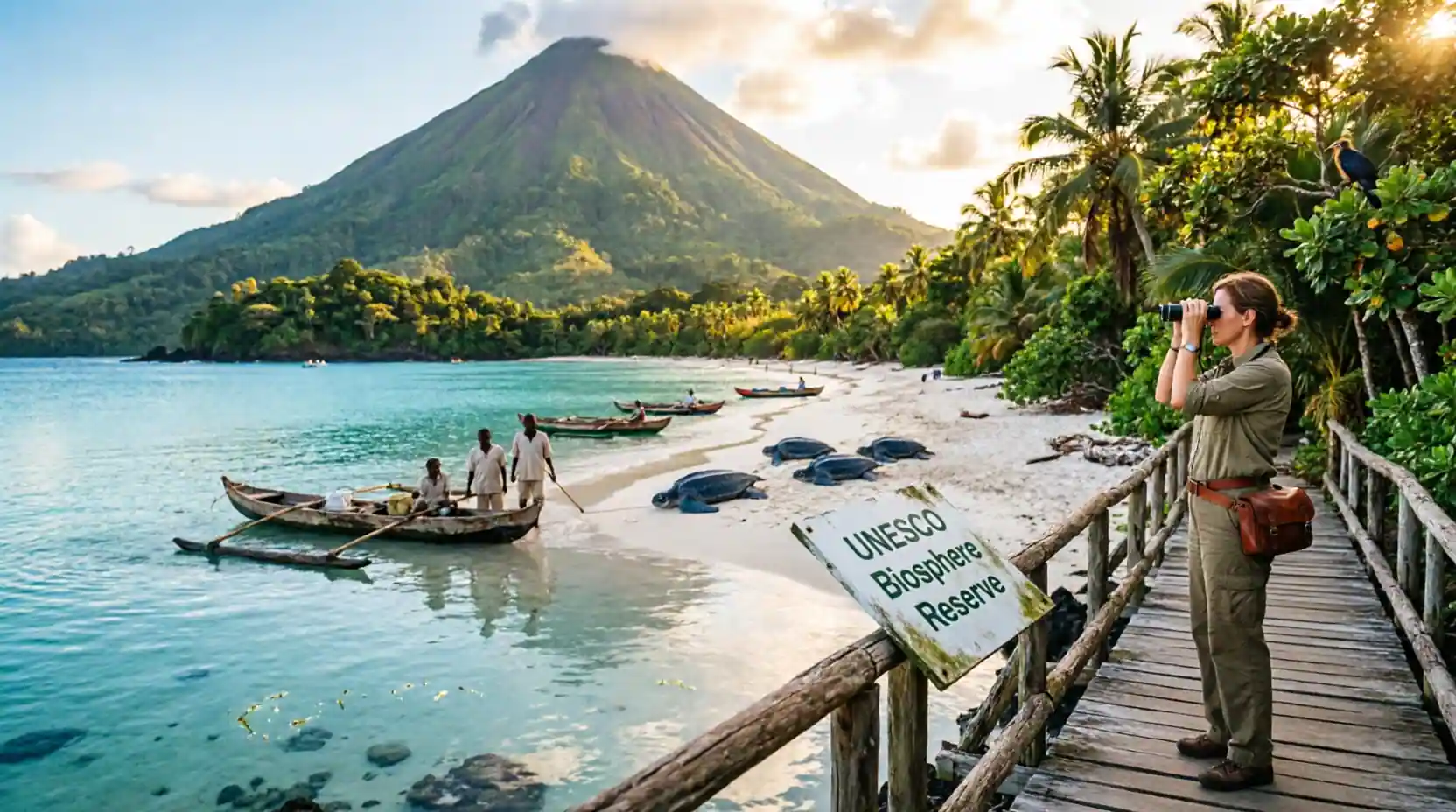
Príncipe Island represents one of Africas most remarkable conservation success stories. Designated as a UNESCO Biosphere Reserve in 2012 this volcanic island in the Gulf of Guinea demonstrates how tourism and conservation can coexist harmoniously.
The islands unique biodiversity includes endemic species found nowhere else on Earth. From the Príncipe starling to giant sunbird sea turtles and pristine rainforests the islands ecological significance extends far beyond its small size.
Sustainable tourism on Príncipe requires understanding the delicate balance between visitor access and environmental protection. The islands fragile ecosystems demand responsible practices from every traveler.
This comprehensive guide reveals how to visit Príncipe responsibly supporting conservation efforts while experiencing one of the worlds most pristine tropical destinations. Your choices as a visitor directly impact the islands future.
From selecting eco-certified accommodations to respecting wildlife practicing Leave No Trace principles and supporting local communities every aspect of your visit matters. Learn how to minimize your footprint while maximizing positive impact on this remarkable UNESCO Biosphere Reserve.
Príncipes Unique Biodiversity and Conservation Challenges

Príncipes isolation in the Gulf of Guinea created extraordinary evolutionary conditions. Over thirty percent of the islands plant species exist nowhere else making conservation critical for global biodiversity.
Endemic bird species including the Príncipe weaver Príncipe starling and giant sunbird depend entirely on the islands preserved habitats. These species face threats from habitat loss invasive species and climate change.
Marine ecosystems surrounding Príncipe host sea turtles manta rays dolphins and diverse coral formations. Leatherback green and hawksbill turtles nest on Príncipes beaches requiring protection during vulnerable nesting periods.
Primary rainforest covers much of the island though secondary growth and agricultural areas exist. Protecting remaining primary forest proves essential for endemic species survival and carbon sequestration.
Invasive species including rats and certain plants threaten native ecosystems. Conservation programs actively work to control invasives though visitor awareness prevents accidental introduction of new threats.
Climate change impacts including rising sea temperatures and altered rainfall patterns affect both terrestrial and marine ecosystems. Sustainable tourism helps fund adaptation and mitigation efforts.
Choosing Eco-Certified Accommodations

Accommodation selection significantly impacts your environmental footprint on Príncipe. Eco-certified lodges demonstrate commitment to sustainability through measurable practices.
Sundry Praia Lodge leads sustainable tourism on Príncipe with comprehensive environmental programs. Solar power water conservation waste management and local employment characterize their operations.
Roça Sundy Plantation combines historical preservation with ecological restoration. This luxury eco-lodge demonstrates that high-end tourism can support conservation rather than degrade it.
Smaller guesthouses and pousadas often employ sustainable practices though may lack formal certification. Inquiring about environmental policies helps identify genuinely committed properties.
Key sustainability indicators include renewable energy use water conservation systems waste reduction programs local sourcing and community employment. Ask specific questions rather than accepting greenwashing claims.
Location matters significantly. Properties within or near protected areas should demonstrate higher environmental standards. Remote locations require careful waste and resource management.
Booking directly with eco-lodges often ensures more revenue reaches conservation programs. Third-party platforms may reduce funds available for environmental initiatives.
Responsible Wildlife Viewing Practices

Príncipes wildlife viewing opportunities prove extraordinary though require strict adherence to ethical guidelines. Your behavior directly affects animal welfare and conservation outcomes.
Sea turtle nesting beaches demand particular sensitivity. Visit only with authorized guides maintain minimum distances of ten meters and never use flash photography which disorients nesting turtles.
Nesting season typically runs November through March though varies by species. Guides coordinate viewing to minimize disturbance while maximizing educational value.
Bird watching requires patience and respect. Maintain appropriate distances avoid playback calls during breeding season and never disturb nests or feeding areas.
Marine wildlife including dolphins and whales requires boat operators following responsible viewing guidelines. Maintain distances of at least fifty meters and limit viewing time to prevent stress.
Never feed wildlife as this alters natural behaviors and creates dependency. What seems like kindness proves harmful to animal health and survival skills.
Photography ethics include avoiding flash maintaining distance and prioritizing animal welfare over getting the perfect shot. Some moments should remain unrecorded to protect wildlife.
Supporting Community-Based Tourism Initiatives

Príncipes local communities benefit directly from sustainable tourism when visitors make conscious choices. Your spending decisions either support or undermine community wellbeing.
Hire local guides employed by community organizations rather than international operators. Local guides possess intimate ecological knowledge while ensuring tourism revenue remains on the island.
Purchase crafts and products directly from artisans rather than imported souvenirs. Handmade items support traditional skills and provide fair compensation to craftspeople.
Dine at locally-owned restaurants serving traditional cuisine. This supports local agriculture preserves culinary traditions and ensures more money circulates within the community.
Community-based tours including village visits agricultural tours and cultural exchanges provide authentic experiences while generating income. These programs often fund schools healthcare and infrastructure.
Respect cultural norms and seek permission before photographing people. Offer fair compensation when appropriate though avoid creating dependency or treating people as attractions.
Learn basic Portuguese phrases demonstrating respect for local culture. Effort at communication builds relationships and shows genuine interest beyond superficial tourism.
Minimizing Environmental Footprint

Príncipes remote location means resources arrive by ship or plane creating significant environmental costs. Minimizing consumption proves essential for sustainable tourism.
Water conservation requires conscious effort. Take short showers reuse towels and report leaks immediately. Fresh water on islands often requires energy-intensive desalination.
Energy consumption should be minimized. Turn off lights air conditioning and electronics when not in use. Many lodges rely on solar power with limited storage capacity.
Waste reduction starts with refusing single-use plastics. Bring reusable water bottles shopping bags and toiletry containers. Plastic waste proves particularly problematic on islands.
Proper waste disposal follows lodge guidelines strictly. Separate recyclables compostables and trash as instructed. Never leave waste in natural areas.
Chemical use including sunscreen insect repellent and toiletries should be biodegradable and reef-safe. Conventional products harm marine ecosystems and freshwater sources.
Carbon offsetting though imperfect helps mitigate flight emissions. Calculate your carbon footprint and invest in verified offset programs preferably supporting Príncipe conservation.
Sustainable Transportation on Príncipe

Getting around Príncipe requires balancing convenience with environmental impact. Transportation choices affect both carbon footprint and local economy.
Walking proves ideal for short distances while providing intimate connection with the landscape. Many attractions including beaches and viewpoints are accessible on foot from central areas.
Bicycle rental offers eco-friendly transportation for exploring the island. Several lodges provide bikes though terrain proves hilly requiring moderate fitness.
Shared transportation including lodge shuttles and community taxis reduces per-person emissions compared to private vehicles. Coordinate with other travelers when possible.
Private vehicle rental should be considered carefully. While convenient private cars increase emissions and road wear. If renting choose fuel-efficient vehicles and combine trips.
Boat tours should use operators following environmental guidelines. Verify operators maintain engines properly to prevent pollution and follow wildlife viewing protocols.
Inter-island travel between Príncipe and São Tomé typically uses small aircraft. These flights have high carbon footprints though remain necessary for most visitors. Consider extending your stay to justify the environmental cost.
Responsible Marine Activities and Ocean Conservation

Príncipes marine environment ranks among the Gulf of Guineas most pristine. Protecting these waters requires strict adherence to responsible practices.
Snorkeling and diving must follow reef-safe protocols. Never touch stand on or break coral even if it appears dead. Coral ecosystems take decades to recover from damage.
Sunscreen must be reef-safe containing no oxybenzone or octinoxate. These chemicals cause coral bleaching and harm marine life. Apply sunscreen thirty minutes before entering water.
Fishing activities should use catch-and-release methods or follow sustainable practices. Never overfish or target threatened species. Local guides know regulations and sustainable practices.
Beach activities require removing all trash including biodegradable items. What seems harmless accumulates across thousands of visitors creating serious pollution.
Marine wildlife encounters including turtle swimming and dolphin watching require licensed operators following strict guidelines. Maintain distances and limit interaction time.
Never remove shells coral or marine organisms from beaches or water. These prove essential to ecosystem function and their removal accumulates across many visitors.
Cultural Respect and Heritage Preservation

Príncipes cultural heritage including colonial roças plantations traditional fishing villages and local customs deserves respect and preservation.
Historical sites including abandoned plantations require respectful visitation. Do not remove artifacts damage structures or deface buildings even if abandoned.
Traditional communities welcome visitors though expect respectful behavior. Dress modestly in villages ask permission before photographing and follow local customs.
Religious sites and ceremonies require particular sensitivity. Observe quietly maintain distance and never interrupt ceremonies for photographs.
Local traditions including music dance and crafts should be experienced through authorized community programs. These ensure fair compensation and cultural authenticity.
Language efforts including learning basic Portuguese demonstrates respect. Even simple greetings build rapport and show genuine interest beyond superficial tourism.
Cultural exchange should prove reciprocal rather than extractive. Share your own culture listen actively and avoid treating people as attractions.
Leave No Trace Principles for Príncipe

Leave No Trace principles prove essential for preserving Príncipes pristine environments. These seven principles guide responsible outdoor ethics.
Plan ahead and prepare by researching regulations weather and necessary permits. Proper preparation prevents emergencies requiring resource-intensive rescues.
Travel and camp on durable surfaces using established trails and campsites. Avoiding fragile vegetation prevents erosion and habitat damage.
Dispose of waste properly packing out everything including food scraps and biodegradable items. Islands lack waste processing infrastructure making this critical.
Leave what you find including plants rocks artifacts and shells. Removing items accumulates across visitors degrading natural and cultural resources.
Minimize campfire impacts though fires prove rare on Príncipe. Use established fire rings if available and keep fires small.
Respect wildlife by observing from distances never feeding animals and securing food properly. Human food harms wildlife health and behavior.
Be considerate of other visitors and local residents. Keep noise levels reasonable yield to others on trails and respect privacy.
Supporting Conservation Through Your Visit

Your visit to Príncipe can directly support conservation when you make conscious choices. Tourism revenue funds critical protection efforts.
Pay all required park fees and permits. These funds support ranger salaries equipment and conservation programs. Attempting to avoid fees undermines conservation.
Donate to legitimate conservation organizations operating on Príncipe. Research organizations to ensure funds reach actual conservation work rather than administrative overhead.
Participate in citizen science programs when available. Recording wildlife sightings water quality data or other observations contributes to conservation research.
Volunteer for beach cleanups or restoration projects if opportunities exist. Even brief participation demonstrates commitment and provides tangible help.
Share your experiences responsibly on social media. Highlight conservation successes and responsible practices rather than just beautiful photos. Use your platform to educate others.
Advocate for Príncipes protection after returning home. Contact representatives support conservation organizations and encourage responsible tourism among your networks.
Practical Tips for Responsible Travelers

Implementing sustainable practices requires preparation and commitment. These practical tips facilitate responsible travel on Príncipe.
Pack a reusable water bottle with filtration capability. This eliminates single-use plastic bottles while ensuring safe drinking water.
Bring reef-safe sunscreen biodegradable soap and eco-friendly toiletries. Conventional products harm fragile island ecosystems.
Carry reusable shopping bags for market visits and souvenirs. Plastic bags prove particularly problematic on islands with limited waste management.
Bring a reusable utensil set and food container for picnics and snacks. This reduces single-use plastic from takeaway food.
Download offline maps and guides to reduce paper waste. Digital resources prove practical while minimizing environmental impact.
Respect quiet hours and natural soundscapes. Noise pollution disturbs wildlife and diminishes other visitors experiences.
Support local economy by purchasing local products hiring local guides and eating local food. This ensures tourism benefits island residents.
Understanding Tourism Carrying Capacity

Príncipes small size and fragile ecosystems mean visitor numbers must remain limited. Understanding carrying capacity helps visitors appreciate access restrictions.
The islands infrastructure including water waste management and accommodation has finite capacity. Exceeding this degrades both environment and visitor experience.
Peak season typically runs June through September and December through January. Visiting during shoulder seasons reduces pressure on resources while often providing better value.
Popular sites including Praia Piscina and Blue Lagoon can become crowded. Visiting early morning or late afternoon reduces impact while improving experience quality.
Some areas may have visitor limits or require advance permits. Respect these restrictions even if inconvenient as they protect sensitive ecosystems.
Consider visiting lesser-known sites to distribute tourism impact. Príncipe offers many beautiful locations beyond the famous spots.
Accept that some areas remain closed to visitors for conservation. These restrictions protect critical habitats and endangered species.
Climate Change and Your Visit
Climate change threatens Príncipes ecosystems through rising sea temperatures coral bleaching and altered rainfall patterns. Visitors can help mitigate these impacts.
Calculate and offset your carbon footprint from flights and activities. While imperfect offsetting demonstrates responsibility and funds climate solutions.
Choose low-carbon transportation including walking cycling and shared vehicles when possible. Every reduction matters on small islands.
Support lodges and operators using renewable energy. Your spending choices signal market demand for sustainable practices.
Minimize energy consumption including air conditioning hot water and electronics. Islands often rely on diesel generators with high emissions.
Advocate for climate action after returning home. Príncipes fate connects to global climate policy requiring systemic change beyond individual action.
Educate yourself about climate impacts on small island developing states. Understanding these challenges informs responsible travel choices.
Conclusion Your Role in Príncipes Future
Visiting Príncipe represents both privilege and responsibility. This UNESCO Biosphere Reserve offers extraordinary experiences though requires commitment to preservation.
Every choice from accommodation selection to waste disposal affects the islands future. Sustainable tourism proves possible when visitors prioritize conservation over convenience.
Príncipes communities depend on tourism though deserve benefits without environmental degradation. Your spending supports either exploitative or regenerative tourism models.
The islands extraordinary biodiversity including endemic species found nowhere else depends on responsible visitation. Your actions today affect whether future generations experience these wonders.
Leave Príncipe better than you found it. This simple principle guides every decision from packing to departure. The islands future rests partly in your hands.
Share what you learn advocate for protection and inspire others to travel responsibly. Your voice amplifies conservation messages beyond your individual visit.
Príncipe awaits travelers committed to preservation. By visiting responsibly you join a community protecting one of Earths most remarkable places. Your journey matters.
0 Comments