.webp)
.webp)
Why 2026 Marks the Year of Slave Route Heritage in Benin
2026 represents a pivotal year for heritage tourism in Benin, as the country emphasizes its commitment to preserving and sharing the profound history of the transatlantic slave trade. The government of Benin, in partnership with UNESCO and international heritage organizations, has designated this year as a special focus period for Slave Route Heritage, making it the ideal time to visit Ouidah and witness the Door of No Return .
This initiative aims to educate visitors about one of history's darkest chapters while celebrating the resilience of African peoples and their descendants across the diaspora. For travelers interested in understanding the roots of African diaspora culture, 2026 offers enhanced programs, improved infrastructure, and special commemorative events at Ouidah's historic sites .
Ouidah, once one of West Africa's major slave trading ports, stands as a living memorial to the millions of Africans forcibly taken from their homeland. The city's Route of Slaves, culminating at the iconic Door of No Return, provides a powerful journey through history that every traveler should experience at least once .
Understanding the Door of No Return: History and Significance

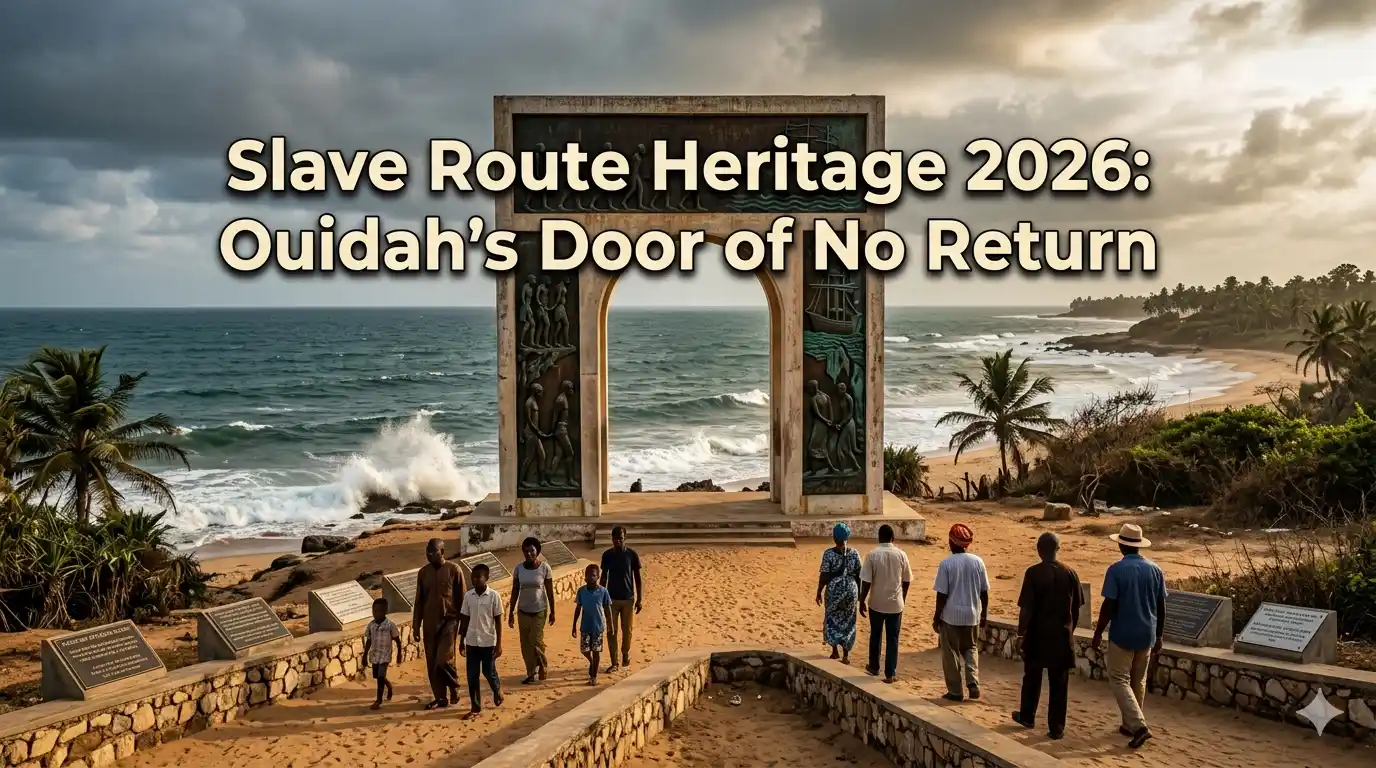
The Door of No Return (La Porte du Non-Retour) is more than a monument—it's a symbol of one of humanity's greatest tragedies and a testament to survival and remembrance. Built in 1995, this powerful archway stands on the beach in Ouidah, marking the final point from which enslaved Africans were forced onto ships bound for the Americas .
Historical Context
Between the 17th and 19th centuries, Ouidah served as one of the most significant slave trading ports on the West African coast. Historians estimate that over one million Africans passed through this city before being shipped across the Atlantic Ocean . The journey from capture to embarkation followed a specific path through Ouidah, now known as the Route of Slaves.
The Door of No Return monument faces the Atlantic Ocean, symbolizing the point of no return for those forcibly taken from Africa. The structure features bas-relief sculptures depicting the suffering and anguish of enslaved people, creating a visceral connection to the past for modern visitors .
Symbolic Meaning
Today, the Door of No Return serves multiple purposes:
- Memorial: Honoring the memory of those who suffered and died
- Educational site: Teaching current and future generations about this history
- Pilgrimage destination: Welcoming members of the African diaspora returning to their ancestral homeland
- Cultural bridge: Connecting Africa with the diaspora communities in the Americas, Caribbean, and beyond
- 👉 Sudan Itinerary Ancient Gold Trade Routes Nubian Desert Exploration
- 👉 Bomas Complex Nairobi 2026: Sh35 Billion Expansion & Business Tourism Impact
- 👉 Libya eVisa 2026: A complete step-by-step guide to the new digital application portal.
For many African Americans and members of the diaspora, visiting the Door of No Return represents a homecoming—a chance to connect with ancestral roots and understand the origins of their family history .
The Route of Slaves: A Journey Through History

The Route of Slaves (Route des Esclaves) is a 4-kilometer path through Ouidah that traces the final journey enslaved Africans took from the slave markets to the beach. Walking this route in 2026 offers a profound educational experience, with several important stops along the way .
Key Stops on the Route
1. Place des Enchères (Slave Market Square)
The route begins at the former slave market, where human beings were bought and sold like commodities. Today, this square serves as a reminder of the dehumanizing trade that fueled European and American economies for centuries .
2. Tree of Forgetting (L'Arbre de l'Oubli)
This sacred baobab tree holds tragic significance. According to historical accounts, enslaved people were forced to circle the tree nine times (men) or seven times (women), a ritual intended to make them forget their past lives, families, and identities before being sold .
3. Zomachi Market
This traditional market still operates today and historically served as a place where enslaved people received final provisions before their journey. Visitors can see traditional Vodun ritual items and understand the spiritual practices that sustained communities through trauma .
4. Temple of Pythons
This sacred temple, home to revered pythons in Vodun tradition, provided spiritual refuge. Some enslaved people sought blessings here before their forced departure, and the temple remains an active place of worship today .
5. Place Chacha (Chacha Monument)
This monument honors Francisco Félix de Souza, known as "Chacha," a powerful Afro-Brazilian slave trader who dominated the slave trade in Ouidah during the 19th century. The site prompts reflection on the complex roles of various actors in the slave trade .
6. The Door of No Return
The route culminates at this powerful monument on the beach, where enslaved people took their final steps on African soil before boarding ships for the Middle Passage .
Planning Your Visit to Ouidah in 2026

Visiting Ouidah's Slave Route Heritage sites requires thoughtful planning. Here's everything you need to know for your 2026 journey:
Best Time to Visit
Dry Season (November-March): This is the ideal time to visit Ouidah:
- Weather: Temperatures range from 24-32°C (75-90°F) with minimal rainfall
- Comfort: Lower humidity makes walking the Route of Slaves more comfortable
- Special Events: January features Vodun Days celebrations, adding cultural depth to your visit
- Visibility: Clear skies provide better conditions for photography and outdoor exploration
- 👉 Sudan Itinerary Ancient Gold Trade Routes Nubian Desert Exploration
- 👉 Bomas Complex Nairobi 2026: Sh35 Billion Expansion & Business Tourism Impact
- 👉 Libya eVisa 2026: A complete step-by-step guide to the new digital application portal.
Avoid: The rainy season (April-October) can make outdoor exploration challenging, with heavy downpours and high humidity.
How Many Days to Spend
To fully experience Ouidah's Slave Route Heritage sites, plan for:
- Minimum: 2 days (one full day for the Route of Slaves, one for museums and temples)
- Recommended: 3-4 days (allows for deeper exploration and reflection)
- Ideal: 5-7 days (includes participation in cultural events and visits to nearby sites)
- 👉 Sudan Itinerary Ancient Gold Trade Routes Nubian Desert Exploration
- 👉 Bomas Complex Nairobi 2026: Sh35 Billion Expansion & Business Tourism Impact
- 👉 Libya eVisa 2026: A complete step-by-step guide to the new digital application portal.
How to Reach Ouidah from Abroad

Getting to Ouidah requires international travel to Benin, followed by domestic transportation:
Flying to Benin
Cadjehoun Airport (COO) in Cotonou is Benin's main international airport:
- From North America: No direct flights; connect through Paris, Brussels, or Istanbul
- From Europe: Direct flights from Paris (Air France), Brussels (Brussels Airlines), Istanbul (Turkish Airlines)
- From Africa: Connections via Addis Ababa (Ethiopian Airlines), Casablanca (Royal Air Maroc), Lomé (ASKY Airlines)
- Airlines: Major carriers include Air France, Brussels Airlines, Turkish Airlines, Ethiopian Airlines, Royal Air Maroc
- 👉 Sudan Itinerary Ancient Gold Trade Routes Nubian Desert Exploration
- 👉 Bomas Complex Nairobi 2026: Sh35 Billion Expansion & Business Tourism Impact
- 👉 Libya eVisa 2026: A complete step-by-step guide to the new digital application portal.
Cotonou to Ouidah Transportation
Ouidah is located approximately 45 kilometers (28 miles) west of Cotonou:
- Private Taxi: 1-1.5 hours, cost 25,000-35,000 CFA ($40-60 USD). Most convenient option, especially with luggage.
- Shared Taxi (Bush Taxi): 1.5-2 hours, cost 3,000-5,000 CFA ($5-8 USD). Budget-friendly but less comfortable.
- Bus: Regular departures from Cotonou's main bus station, 2 hours, cost 2,000-3,000 CFA ($3-5 USD). Most economical option.
- Rental Car: Available in Cotonou for $50-80/day. Provides flexibility but requires familiarity with local driving conditions.
- Organized Tour: Many tour operators offer day trips or multi-day packages from Cotonou, including transportation and guides .
- 👉 Sudan Itinerary Ancient Gold Trade Routes Nubian Desert Exploration
- 👉 Bomas Complex Nairobi 2026: Sh35 Billion Expansion & Business Tourism Impact
- 👉 Libya eVisa 2026: A complete step-by-step guide to the new digital application portal.
Visa Requirements and Entry Rules for Benin 2026

Before traveling to Benin to explore Slave Route Heritage sites, ensure you have proper documentation:
E-Visa System
Benin has implemented an electronic visa system for most nationalities:
- Application: Apply online at the official Benin e-visa portal
- Processing Time: 3-5 business days (apply at least 2 weeks before travel)
- Cost: Approximately $30-90 USD depending on nationality and visa type
- Validity: Tourist visas typically valid for 30 days, single or multiple entry options
- Requirements: Valid passport, return ticket, accommodation confirmation, proof of sufficient funds
- 👉 Sudan Itinerary Ancient Gold Trade Routes Nubian Desert Exploration
- 👉 Bomas Complex Nairobi 2026: Sh35 Billion Expansion & Business Tourism Impact
- 👉 Libya eVisa 2026: A complete step-by-step guide to the new digital application portal.
Required Documents
To enter Benin in 2026, you'll need:
- Valid Passport: Must be valid for at least 6 months beyond your entry date
- E-Visa Approval: Printed confirmation of your approved e-visa
- Yellow Fever Vaccination: Mandatory for all travelers entering Benin (carry your yellow card)
- Return or Onward Ticket: Proof of planned departure from Benin
- Accommodation Confirmation: Hotel booking or invitation letter from host
- Proof of Funds: Bank statements or cash showing sufficient means for your stay
- 👉 Sudan Itinerary Ancient Gold Trade Routes Nubian Desert Exploration
- 👉 Bomas Complex Nairobi 2026: Sh35 Billion Expansion & Business Tourism Impact
- 👉 Libya eVisa 2026: A complete step-by-step guide to the new digital application portal.
Health Requirements
Beyond yellow fever vaccination, consider these health precautions:
- Malaria Prophylaxis: Consult your doctor 4-6 weeks before travel for appropriate medication
- Hepatitis A and B: Recommended vaccinations
- Typhoid: Recommended, especially if staying in rural areas
- Travel Insurance: Essential coverage including medical evacuation
- Prescription Medications: Bring adequate supply plus copies of prescriptions
- 👉 Sudan Itinerary Ancient Gold Trade Routes Nubian Desert Exploration
- 👉 Bomas Complex Nairobi 2026: Sh35 Billion Expansion & Business Tourism Impact
- 👉 Libya eVisa 2026: A complete step-by-step guide to the new digital application portal.
Where to Stay in Ouidah: Accommodation Guide

Ouidah offers various accommodation options to suit different budgets and preferences:
Luxury and Boutique Hotels
- La Case du Voyageur: Charming boutique hotel with traditional architecture, beautiful gardens, and cultural ambiance. $100-150/night. Features on-site restaurant and tour services.
- Auberge de la Plage: Located in nearby Grand Popo (30 minutes from Ouidah), beachfront property with modern amenities. $80-120/night.
- 👉 Sudan Itinerary Ancient Gold Trade Routes Nubian Desert Exploration
- 👉 Bomas Complex Nairobi 2026: Sh35 Billion Expansion & Business Tourism Impact
- 👉 Libya eVisa 2026: A complete step-by-step guide to the new digital application portal.
Mid-Range Hotels
- Hôtel Le Diplomate: Central location in Ouidah, comfortable rooms, reliable service. $50-80/night. Good base for exploring historical sites.
- Case d'Hôtes du Zomèy: Charming guesthouse with personalized service and local character. $40-60/night. Owners often provide excellent historical insights.
- Résidence Hôtelière: Modern amenities, clean rooms, convenient location. $45-70/night.
- 👉 Sudan Itinerary Ancient Gold Trade Routes Nubian Desert Exploration
- 👉 Bomas Complex Nairobi 2026: Sh35 Billion Expansion & Business Tourism Impact
- 👉 Libya eVisa 2026: A complete step-by-step guide to the new digital application portal.
Budget Accommodations
- Local Auberges: Basic but clean guesthouses throughout Ouidah. $15-30/night.
- Homestays: Experience authentic local hospitality. $10-25/night. Great for cultural immersion.
- Community Lodgings: Some heritage organizations offer simple accommodations. $20-35/night.
- 👉 Sudan Itinerary Ancient Gold Trade Routes Nubian Desert Exploration
- 👉 Bomas Complex Nairobi 2026: Sh35 Billion Expansion & Business Tourism Impact
- 👉 Libya eVisa 2026: A complete step-by-step guide to the new digital application portal.
Alternative: Stay in Cotonou
If you prefer more amenities and dining options:
- Advantages: Wider hotel selection, international restaurants, nightlife, shopping
- Disadvantages: 45 km daily commute to Ouidah, missing early morning and evening atmosphere
- Cost: $30-200/night depending on category
- Best for: Travelers combining business with heritage tourism, or those preferring urban comforts
- 👉 Sudan Itinerary Ancient Gold Trade Routes Nubian Desert Exploration
- 👉 Bomas Complex Nairobi 2026: Sh35 Billion Expansion & Business Tourism Impact
- 👉 Libya eVisa 2026: A complete step-by-step guide to the new digital application portal.
Travel Cost Estimate for Slave Route Heritage Tour

Budgeting for your Ouidah journey depends on travel style and trip duration. Here's a comprehensive breakdown for 2026:
International Flights
- From Europe: $600-1,200 roundtrip
- From North America: $1,000-1,800 roundtrip
- From Africa (regional): $300-700 roundtrip
- From Asia: $1,200-2,000 roundtrip
- 👉 Sudan Itinerary Ancient Gold Trade Routes Nubian Desert Exploration
- 👉 Bomas Complex Nairobi 2026: Sh35 Billion Expansion & Business Tourism Impact
- 👉 Libya eVisa 2026: A complete step-by-step guide to the new digital application portal.
Accommodation (per night)
- Budget: $15-30
- Mid-range: $40-80
- Upscale: $100-150+
- 👉 Sudan Itinerary Ancient Gold Trade Routes Nubian Desert Exploration
- 👉 Bomas Complex Nairobi 2026: Sh35 Billion Expansion & Business Tourism Impact
- 👉 Libya eVisa 2026: A complete step-by-step guide to the new digital application portal.
Daily Expenses
- Meals: $10-25/day (local restaurants to mid-range dining)
- Local Transport: $5-15/day (taxis, motorcycle taxis, walking)
- Entrance Fees: $10-20/day (museums, sacred sites, guided tours)
- Water/Snacks: $3-5/day
- Souvenirs: Variable budget
- 👉 Sudan Itinerary Ancient Gold Trade Routes Nubian Desert Exploration
- 👉 Bomas Complex Nairobi 2026: Sh35 Billion Expansion & Business Tourism Impact
- 👉 Libya eVisa 2026: A complete step-by-step guide to the new digital application portal.
Heritage-Specific Costs
- Professional Guide: $30-50/day (highly recommended for historical context)
- Ceremony Participation: Some sites request small donations $5-10
- Photography Permits: $10-20 at certain locations
- Cultural Performances: $10-25 for special events
- 👉 Sudan Itinerary Ancient Gold Trade Routes Nubian Desert Exploration
- 👉 Bomas Complex Nairobi 2026: Sh35 Billion Expansion & Business Tourism Impact
- 👉 Libya eVisa 2026: A complete step-by-step guide to the new digital application portal.
Total Estimated Budget (5 days in Ouidah)
- Budget Traveler: $350-500 (excluding international flights)
- Mid-Range Traveler: $600-1,000 (excluding international flights)
- Comfortable Traveler: $1,200-2,000 (excluding international flights)
- 👉 Sudan Itinerary Ancient Gold Trade Routes Nubian Desert Exploration
- 👉 Bomas Complex Nairobi 2026: Sh35 Billion Expansion & Business Tourism Impact
- 👉 Libya eVisa 2026: A complete step-by-step guide to the new digital application portal.
Sample Itinerary: 5-Day Slave Route Heritage Experience

Maximize your understanding and emotional connection to Ouidah's history with this suggested itinerary:
Day 1: Arrival and Orientation
- Morning/Afternoon: Arrive in Cotonou, transfer to Ouidah (1.5 hours)
- Late Afternoon: Check into accommodation, rest and refresh
- Evening: Gentle walk through Ouidah's historic center
- Dinner: Traditional Beninese meal at local restaurant
- Night: Early rest to prepare for emotional journey ahead
- 👉 Sudan Itinerary Ancient Gold Trade Routes Nubian Desert Exploration
- 👉 Bomas Complex Nairobi 2026: Sh35 Billion Expansion & Business Tourism Impact
- 👉 Libya eVisa 2026: A complete step-by-step guide to the new digital application portal.
Day 2: The Route of Slaves - Complete Journey
- 7:00 AM: Breakfast with guide briefing
- 8:30 AM: Begin at Place des Enchères (Slave Market Square)
- 9:30 AM: Visit Tree of Forgetting - reflection time
- 10:30 AM: Explore Zomachi Market
- 12:00 PM: Lunch break
- 2:00 PM: Temple of Pythons visit
- 3:30 PM: Place Chacha monument
- 5:00 PM: Arrive at Door of No Return for sunset
- 7:00 PM: Return to hotel, rest and reflection time
- 👉 Sudan Itinerary Ancient Gold Trade Routes Nubian Desert Exploration
- 👉 Bomas Complex Nairobi 2026: Sh35 Billion Expansion & Business Tourism Impact
- 👉 Libya eVisa 2026: A complete step-by-step guide to the new digital application portal.
Day 3: Museums and Deeper Understanding
- 8:00 AM: Breakfast
- 9:00 AM: Ouidah Museum of History (former Portuguese fort)
- 12:00 PM: Lunch
- 2:00 PM: Visit additional temples and sacred sites
- 4:00 PM: Meet with local historians or descendants
- 6:00 PM: Dinner
- 8:00 PM: Evening cultural performance or storytelling session
- 👉 Sudan Itinerary Ancient Gold Trade Routes Nubian Desert Exploration
- 👉 Bomas Complex Nairobi 2026: Sh35 Billion Expansion & Business Tourism Impact
- 👉 Libya eVisa 2026: A complete step-by-step guide to the new digital application portal.
Day 4: Vodun Culture and Spiritual Heritage
- 6:00 AM: Optional dawn ceremony at sacred forest (if available)
- 9:00 AM: Breakfast
- 10:00 AM: Sacred Forest of Kpassè exploration
- 12:30 PM: Lunch
- 2:00 PM: Visit local artisan workshops
- 4:00 PM: Free time for personal reflection or additional site visits
- 7:00 PM: Farewell dinner with local community members
- 👉 Sudan Itinerary Ancient Gold Trade Routes Nubian Desert Exploration
- 👉 Bomas Complex Nairobi 2026: Sh35 Billion Expansion & Business Tourism Impact
- 👉 Libya eVisa 2026: A complete step-by-step guide to the new digital application portal.
Day 5: Departure or Extension
- Morning: Final visit to Door of No Return for personal ceremony
- Late Morning: Return to Cotonou or continue to other destinations
- Afternoon: Departure or additional exploration
- 👉 Sudan Itinerary Ancient Gold Trade Routes Nubian Desert Exploration
- 👉 Bomas Complex Nairobi 2026: Sh35 Billion Expansion & Business Tourism Impact
- 👉 Libya eVisa 2026: A complete step-by-step guide to the new digital application portal.
Essential Travel Tips for Visiting Slave Route Sites

Prepare for a meaningful and respectful visit with these essential tips:
What to Pack
- Clothing: Lightweight, breathable fabrics in modest styles; white clothing for certain ceremonies
- Footwear: Comfortable walking shoes for 4-kilometer route; sandals for beach
- Sun Protection: Wide-brimmed hat, sunglasses, high SPF sunscreen (SPF 50+)
- Insect Protection: DEET-based repellent, long sleeves for evenings
- Camera: With extra batteries and memory cards (respect photography restrictions)
- Cash: CFA francs in small denominations for vendors, tips, and donations
- Water Bottle: Reusable bottle to stay hydrated during walks
- Personal Items: Tissues, hand sanitizer, basic first aid kit
- Journal: For recording reflections and experiences
- 👉 Sudan Itinerary Ancient Gold Trade Routes Nubian Desert Exploration
- 👉 Bomas Complex Nairobi 2026: Sh35 Billion Expansion & Business Tourism Impact
- 👉 Libya eVisa 2026: A complete step-by-step guide to the new digital application portal.
Cultural Etiquette and Respect
Visiting Slave Route Heritage sites requires sensitivity and respect:
- Dress Modestly: Cover shoulders and knees, especially at sacred sites and temples
- Photography: Always ask permission before photographing people; some ceremonies prohibit photography entirely
- Silence and Reverence: Maintain quiet, respectful demeanor at memorial sites
- Sacred Objects: Never touch ritual items or sacred trees without explicit permission
- Ceremony Participation: Observe quietly unless specifically invited to participate
- Greetings: Learn basic French greetings (Bonjour, Merci, S'il vous plaît)
- Left Hand: Avoid using left hand for greetings or giving/receiving items (considered impolite)
- Donations: Small contributions at temples and sacred sites are appreciated
- 👉 Sudan Itinerary Ancient Gold Trade Routes Nubian Desert Exploration
- 👉 Bomas Complex Nairobi 2026: Sh35 Billion Expansion & Business Tourism Impact
- 👉 Libya eVisa 2026: A complete step-by-step guide to the new digital application portal.
Emotional Preparation
Visiting Slave Route sites can be emotionally challenging:
- Expect Strong Emotions: Sadness, anger, grief, and even guilt are normal reactions
- Take Breaks: Allow yourself time to process between site visits
- Journal: Writing about your feelings can help with processing
- Connect with Others: Share experiences with fellow travelers or guides
- Balance: Mix heavy historical sites with lighter cultural experiences
- Self-Care: Ensure adequate rest, hydration, and nutrition
- 👉 Sudan Itinerary Ancient Gold Trade Routes Nubian Desert Exploration
- 👉 Bomas Complex Nairobi 2026: Sh35 Billion Expansion & Business Tourism Impact
- 👉 Libya eVisa 2026: A complete step-by-step guide to the new digital application portal.
Safety Considerations
Ouidah is generally safe, but take standard precautions:
- Keep valuables secure and out of sight
- Use hotel safes for passports and excess cash
- Avoid walking alone at night in unfamiliar areas
- Stay hydrated and protect against sun exposure
- Drink only bottled or purified water
- Keep emergency contacts readily available
- Register with your embassy if staying for extended period
- Carry photocopies of important documents
- 👉 Sudan Itinerary Ancient Gold Trade Routes Nubian Desert Exploration
- 👉 Bomas Complex Nairobi 2026: Sh35 Billion Expansion & Business Tourism Impact
- 👉 Libya eVisa 2026: A complete step-by-step guide to the new digital application portal.
Language Considerations
- Official Language: French (essential for basic communication)
- Local Languages: Fon, Yoruba, Mina
- English: Limited outside tourist areas and among younger people
- Recommendation: Hire a French-speaking guide or learn basic French phrases
- Useful Phrases: Bonjour (Hello), Merci (Thank you), S'il vous plaît (Please), Excusez-moi (Excuse me)
- 👉 Sudan Itinerary Ancient Gold Trade Routes Nubian Desert Exploration
- 👉 Bomas Complex Nairobi 2026: Sh35 Billion Expansion & Business Tourism Impact
- 👉 Libya eVisa 2026: A complete step-by-step guide to the new digital application portal.
Common Mistakes to Avoid

Learn from other travelers' experiences:
Before Your Trip
- Not Researching History: Read about the slave trade before visiting to maximize understanding
- Underestimating Emotional Impact: Prepare mentally for the powerful experiences ahead
- Ignoring Visa Requirements: Apply for e-visa at least 2 weeks before travel
- Forgetting Yellow Fever Vaccination: Mandatory for entry, no exceptions
- Packing Inappropriately: Bring modest clothing and comfortable walking shoes
- 👉 Sudan Itinerary Ancient Gold Trade Routes Nubian Desert Exploration
- 👉 Bomas Complex Nairobi 2026: Sh35 Billion Expansion & Business Tourism Impact
- 👉 Libya eVisa 2026: A complete step-by-step guide to the new digital application portal.
During Your Visit
- Rushing Through Sites: Allow adequate time for reflection at each location
- Inappropriate Photography: Respect sacred moments and people's privacy
- Treating as Tourist Attraction: Remember this is a memorial to human suffering
- Not Hiring a Guide: Professional guides provide crucial historical context
- Visiting Only the Door: The entire Route of Slaves tells the complete story
- Ignoring Local Customs: Show respect for Vodun traditions and practices
- 👉 Sudan Itinerary Ancient Gold Trade Routes Nubian Desert Exploration
- 👉 Bomas Complex Nairobi 2026: Sh35 Billion Expansion & Business Tourism Impact
- 👉 Libya eVisa 2026: A complete step-by-step guide to the new digital application portal.
Enhanced Programs for 2026

2026 offers special opportunities for Slave Route Heritage visitors:
UNESCO Partnerships
Enhanced educational programs developed in collaboration with UNESCO's Slave Route Project provide:
- Improved signage and information panels in multiple languages
- Trained guides with deeper historical knowledge
- Interactive exhibits and digital resources
- Special commemorative events throughout the year
- 👉 Sudan Itinerary Ancient Gold Trade Routes Nubian Desert Exploration
- 👉 Bomas Complex Nairobi 2026: Sh35 Billion Expansion & Business Tourism Impact
- 👉 Libya eVisa 2026: A complete step-by-step guide to the new digital application portal.
Diaspora Homecoming Programs
Special initiatives welcome members of the African diaspora:
- Ceremonial welcome rituals at the Door of No Return
- DNA testing partnerships for ancestry research
- Community connection programs with local families
- Cultural exchange workshops
- 👉 Sudan Itinerary Ancient Gold Trade Routes Nubian Desert Exploration
- 👉 Bomas Complex Nairobi 2026: Sh35 Billion Expansion & Business Tourism Impact
- 👉 Libya eVisa 2026: A complete step-by-step guide to the new digital application portal.
Infrastructure Improvements
2026 sees enhanced visitor facilities:
- Improved walking paths along the Route of Slaves
- New visitor center with exhibitions
- Better restroom facilities at key sites
- Enhanced security and site preservation measures
- 👉 Sudan Itinerary Ancient Gold Trade Routes Nubian Desert Exploration
- 👉 Bomas Complex Nairobi 2026: Sh35 Billion Expansion & Business Tourism Impact
- 👉 Libya eVisa 2026: A complete step-by-step guide to the new digital application portal.
Photography Guidelines at Heritage Sites

Capturing your journey requires sensitivity:
General Rules
- Always Ask Permission: Before photographing individuals, especially at ceremonies
- Respect Sacred Moments: Some rituals prohibit photography entirely
- Avoid Flash: Can be disruptive during ceremonies and disrespectful
- Keep Distance: Use zoom lens rather than intruding on sacred spaces
- No Drones: Generally prohibited without special permission
- Memorial Sites: Photograph with reverence; avoid posed or casual photos
- 👉 Sudan Itinerary Ancient Gold Trade Routes Nubian Desert Exploration
- 👉 Bomas Complex Nairobi 2026: Sh35 Billion Expansion & Business Tourism Impact
- 👉 Libya eVisa 2026: A complete step-by-step guide to the new digital application portal.
Best Photography Opportunities
- Sunrise and sunset at the Door of No Return
- Architectural details of monuments and temples
- Traditional ceremonies (with permission)
- Local markets and daily life
- Natural landscapes along the route
- Cultural performances and celebrations
- 👉 Sudan Itinerary Ancient Gold Trade Routes Nubian Desert Exploration
- 👉 Bomas Complex Nairobi 2026: Sh35 Billion Expansion & Business Tourism Impact
- 👉 Libya eVisa 2026: A complete step-by-step guide to the new digital application portal.
Equipment Recommendations
- Wide-angle lens for monuments and architecture
- Telephoto lens (70-200mm) for distant subjects and ceremonies
- Fast lens for low-light situations in temples
- Extra batteries and memory cards
- Dust and moisture protection for equipment
- Tripod for sunrise/sunset shots (where permitted)
- 👉 Sudan Itinerary Ancient Gold Trade Routes Nubian Desert Exploration
- 👉 Bomas Complex Nairobi 2026: Sh35 Billion Expansion & Business Tourism Impact
- 👉 Libya eVisa 2026: A complete step-by-step guide to the new digital application portal.
Food and Dining in Ouidah

Beninese cuisine offers delicious and affordable options during your visit:
Must-Try Local Dishes
- Acadjè: Fish wrapped in banana leaves and grilled with spices
- Amiwo: Corn dough with tomato sauce and chicken or fish
- Pâte: Corn or cassava paste served with various sauces (peanut, tomato, okra)
- Fufu: Pounded yam or cassava served with soup
- Grilled Fish: Fresh catch prepared simply with local spices
- Calalou: Spinach-like vegetable stew with meat or fish
- Tchoukoutou: Local sorghum beer
- Fresh Tropical Fruits: Mango, pineapple, papaya, coconut
- 👉 Sudan Itinerary Ancient Gold Trade Routes Nubian Desert Exploration
- 👉 Bomas Complex Nairobi 2026: Sh35 Billion Expansion & Business Tourism Impact
- 👉 Libya eVisa 2026: A complete step-by-step guide to the new digital application portal.
Dining Options
- Street Food: Affordable and authentic, $1-3 per meal. Try grilled corn, akara (bean cakes), fried plantains.
- Local Restaurants: Traditional Beninese cuisine, $5-10 per meal
- Mid-Range Restaurants: Mix of local and international dishes, $10-20 per meal
- Hotel Restaurants: Most expensive but reliable, $15-30 per meal
- 👉 Sudan Itinerary Ancient Gold Trade Routes Nubian Desert Exploration
- 👉 Bomas Complex Nairobi 2026: Sh35 Billion Expansion & Business Tourism Impact
- 👉 Libya eVisa 2026: A complete step-by-step guide to the new digital application portal.
Food Safety Tips
- Eat at busy establishments (high turnover means fresher food)
- Drink only bottled or purified water
- Avoid raw vegetables unless at upscale restaurants
- Ensure meat and fish are thoroughly cooked
- Peel fruits yourself
- Avoid ice in drinks unless you're sure it's made with purified water
- Carry hand sanitizer
- 👉 Sudan Itinerary Ancient Gold Trade Routes Nubian Desert Exploration
- 👉 Bomas Complex Nairobi 2026: Sh35 Billion Expansion & Business Tourism Impact
- 👉 Libya eVisa 2026: A complete step-by-step guide to the new digital application portal.
Extending Your Journey: Other Heritage Sites in Benin

Consider exploring beyond Ouidah:
Ganvié
The "Venice of Africa" - a unique stilt village built on Lake Nokoué to escape slave raiders. 30 minutes from Cotonou.
Abomey
Former capital of the Dahomey Kingdom, featuring royal palaces (UNESCO World Heritage Site) and historical museums. 2 hours from Ouidah.
Porto-Novo
Benin's capital city with colonial architecture, museums, and cultural sites. 1 hour from Ouidah.
Pendjari National Park
West Africa's premier wildlife reserve, offering safaris to see elephants, lions, and diverse wildlife. Northern Benin.
Conclusion: A Journey of Remembrance and Healing

Visiting Ouidah's Slave Route Heritage sites in 2026 is more than tourism—it's a pilgrimage of remembrance, education, and healing. The Door of No Return and the path that leads to it tell a story of unspeakable suffering, but also of resilience, survival, and the enduring strength of the human spirit.
As you walk the Route of Slaves, you join millions who have made this journey before you—descendants of the diaspora returning home, students of history seeking understanding, and travelers committed to ensuring such atrocities are never repeated. Your visit supports local communities, preserves important historical sites, and keeps the memory of those who suffered alive for future generations.
2026's designation as the Year of Slave Route Heritage in Benin makes this the perfect time to undertake this profound journey. Enhanced programs, improved infrastructure, and special commemorative events create an optimal environment for meaningful exploration and reflection.
Come with an open heart, a willingness to learn, and respect for the sacred history embedded in every stone and tree. Leave with deeper understanding, renewed commitment to justice, and connections that transcend time and distance. The Door of No Return is not an ending—it's a beginning of remembrance, reconciliation, and hope.
Begin planning your Slave Route Heritage journey today. Book your accommodations, apply for your visa, arrange your guide, and prepare for an experience that will transform your understanding of history, heritage, and humanity. Ouidah awaits, ready to share its painful past and hopeful future with those willing to listen, learn, and remember.
0 Comments