.webp)
.webp)
First Time Travelers Guide to Sir Selwyn Selwyn-Clarke Market Victoria 2026
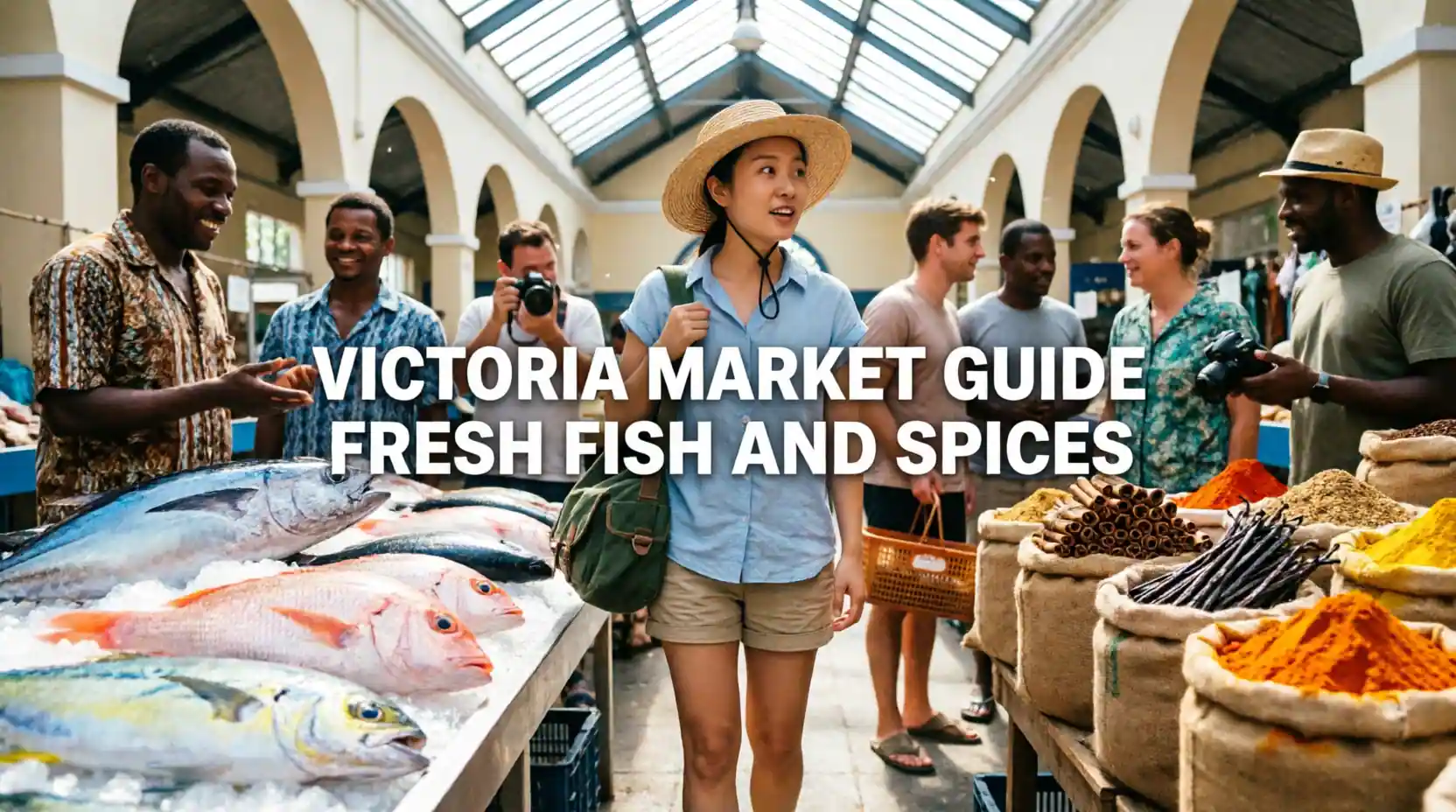
First Time Travelers Guide to Sir Selwyn Selwyn-Clarke Market Navigating Local Spices and Fish
The Sir Selwyn Selwyn-Clarke Market stands as the vibrant heart of Victoria, Seychelles. This bustling marketplace has served locals and visitors for over a century as the primary source of fresh produce, aromatic spices, and the islands' famous fish.
For first-time travelers, navigating this market can feel overwhelming. The colorful displays, Creole language chatter, and unfamiliar spices create an exotic sensory experience. However, with proper guidance, the market becomes one of Seychelles' most rewarding cultural experiences.
This comprehensive 2026 guide helps first-time visitors confidently explore the market. You will learn how to identify fresh fish, understand local spices, bargain respectfully, and navigate the market like an experienced traveler.
Whether you are a food enthusiast, cultural explorer, or simply curious about Seychellois daily life, the Sir Selwyn Selwyn-Clarke Market offers authentic insights into island culture and cuisine.
History and Significance of the Market

The Sir Selwyn Selwyn-Clarke Market bears the name of a former British colonial administrator who served Seychelles in the mid-20th century. The market building itself dates back to the early 1900s, though it has undergone renovations to maintain its functionality.
Located in the center of Victoria near the clock tower landmark, the market serves as a gathering place for locals from across Mahé island. Fishermen bring their overnight catches, farmers sell tropical fruits and vegetables, and spice vendors offer aromatic treasures.
The market operates as more than a shopping destination. It functions as a social hub where news is exchanged, friendships are maintained, and Seychellois culture thrives. Visitors who approach with respect and curiosity find warm welcomes from vendors.
Understanding the market's cultural significance enhances your visit. This is not a tourist attraction designed for photo opportunities but a living, working marketplace essential to Victoria's daily life.
Market Hours and Best Times to Visit
The market opens early, typically around 6 AM, when fishermen arrive with fresh catches from overnight expeditions. This early morning period offers the best selection of fish and the most authentic local atmosphere.
Peak activity occurs between 7 AM and 10 AM on weekdays. During these hours, locals do their daily shopping, vendors are fully stocked, and the market buzzes with energy. This is the ideal time for first-time visitors seeking an authentic experience.
Saturday mornings represent the market's busiest period. Local families shop for weekend meals, creating a festive atmosphere with increased activity and social interaction. However, crowds can make navigation challenging for first-time visitors.
Sunday sees limited activity with many vendors closed or operating reduced hours. Monday mornings can be quieter as vendors rest after busy weekends. Weekday mornings between Tuesday and Friday offer good balance between activity and manageable crowds.
The market typically closes around 4 PM on weekdays and 2 PM on Saturdays. Arriving after 3 PM means limited selection as vendors sell remaining stock and begin packing up.
Navigating the Market Layout

The Sir Selwyn Selwyn-Clarke Market occupies a covered building with distinct sections for different products. Understanding this layout helps first-time visitors navigate efficiently and find what they seek.
The fish section dominates the market's central area. Long concrete counters display the day's catch on ice, with vendors positioned behind their stalls. This area can be wet and slippery, requiring careful footing.
Fruit and vegetable vendors occupy perimeter stalls around the fish section. Tropical produce including papaya, mango, pineapple, and breadfruit displays in colorful arrangements. These stalls offer opportunities to sample local fruits.
The spice section features smaller vendors selling dried spices, herbs, and Creole seasonings. These stalls cluster in one area, making it easy to compare prices and varieties. Spice vendors often speak English and enjoy explaining their products.
Meat vendors operate in a separate section with refrigerated displays. This area sells beef, pork, chicken, and occasionally goat meat. Most meat is imported rather than locally produced.
Craft stalls and souvenir vendors occupy edges of the market. While not the primary focus, these stalls offer local handicrafts, textiles, and souvenirs for travelers wanting mementos.
Entrance Points and Orientation
The market has multiple entrances around its perimeter. The main entrance faces the clock tower and Victoria's central square, making it the easiest to locate for first-time visitors.
Upon entering, take a moment to orient yourself. A quick circuit around the perimeter helps you understand the layout before engaging with vendors. This reconnaissance reduces overwhelm and builds confidence.
Market maps are not typically available, but vendors happily provide directions to specific sections. Do not hesitate to ask where to find fish, spices, or specific products you seek.
Restrooms are located at the market's rear and side areas. These facilities are basic but functional. Keep small change for any usage fees that may apply.
Understanding the Fish Section

The fish section represents the market's crown jewel and primary attraction for visitors. Seychelles' location in the Indian Ocean provides access to exceptional seafood, and the market showcases this bounty daily.
Fresh fish arrives multiple times daily depending on fishing conditions. Early morning offers the best selection, though afternoon visits can yield good deals as vendors sell remaining stock.
Most fish sold at the market comes from local artisanal fishermen using traditional methods. This sustainable fishing supports local communities and provides exceptionally fresh seafood.
The fish section operates with a specific culture and etiquette. Understanding these unwritten rules helps first-time visitors navigate respectfully and confidently.
Common Fish Varieties at the Market
Red Snapper, known locally as "Vivaneau," ranks among the most popular fish at the market. This fish features distinctive red skin and firm white flesh ideal for grilling or currying.
Bourzwa, or Emperor fish, displays beautiful silver coloring with pink undertones. This fish offers delicate flavor and works well in various Creole preparations.
Cabarri, or Jobfish, appears frequently at the market. This versatile fish suits grilling, frying, or inclusion in fish curries. Its moderate price makes it popular with locals.
Tuna varieties including yellowfin and skipjack appear regularly, particularly during tuna season. These fish offer excellent value and work well for grilling or making fish salads.
Parrotfish, called "Kotlet" in Creole, displays vibrant colors even after catching. This fish provides firm flesh suitable for grilling whole or filleting.
Shark meat sells at the market, though this practice faces increasing scrutiny. Some vendors offer shark steaks, which have firm texture and mild flavor when properly prepared.
Octopus and squid appear regularly, particularly on days when reef fishing proves productive. These cephalopods feature prominently in Creole cuisine and offer excellent value.
Identifying Fresh Fish
Fresh fish displays clear, bright eyes that bulge slightly. Cloudy or sunken eyes indicate fish that has been out of water for extended periods.
Gills should appear bright red or pink, not brown or gray. Vendors may lift the gill cover to show freshness. Do not hesitate to inspect this yourself.
Fish flesh should feel firm when pressed gently. It should spring back rather than leaving an indentation. Soft or mushy flesh indicates deterioration.
The smell should be clean and oceanic, not fishy or ammonia-like. Fresh fish smells like the sea, not like decay.
Scales should appear intact and shiny rather than dull or falling off. The skin should look moist and vibrant, not dried or discolored.
Fish displayed on adequate ice maintains freshness better than fish sitting at ambient temperature. Observe how vendors store their catch.
Bargaining for Fish
Bargaining at the fish section follows specific etiquette. Prices are generally fair, but modest negotiation is acceptable, particularly for larger purchases or end-of-day shopping.
Begin by asking the price rather than assuming. Vendors quote prices per kilogram or per piece depending on the fish. Ensure you understand which pricing method applies.
Reasonable bargaining involves requesting a small discount, perhaps 10 to 15 percent, especially if buying multiple fish or large quantities. Aggressive haggling over small amounts proves disrespectful.
Building rapport with vendors facilitates better prices and service. Friendly conversation, attempting Creole greetings, and showing genuine interest in their products creates positive interactions.
Purchasing at day's end, after 3 PM, often yields better prices as vendors prefer selling remaining stock rather than discarding it. However, selection will be limited.
Regular customers receive better prices than one-time visitors. If staying in Seychelles for extended periods, establishing relationships with specific vendors proves beneficial.
Exploring the Spice Section

The spice section offers first-time travelers opportunities to discover authentic Seychellois flavors. Creole cuisine relies heavily on aromatic spices that create distinctive tastes impossible to replicate with generic seasonings.
Spice vendors typically operate small stalls displaying colorful powders, whole spices, and pre-mixed blends. Many vendors speak English and enjoy explaining spice uses to curious visitors.
Prices for spices vary based on quality, origin, and whether spices are locally grown or imported. Locally produced spices like cinnamon and vanilla often offer better value and superior freshness.
Packaging ranges from simple plastic bags to more professional sealed containers. For travel purposes, request well-sealed packaging to prevent spills in luggage.
Many vendors offer samples or allow smelling spices before purchase. Take advantage of this to assess freshness and aroma quality.
Essential Seychellois Spices to Buy
Cinnamon stands as Seychelles' most famous spice export. The islands produce Ceylon cinnamon, considered superior to common cassia cinnamon. Look for light brown, thin quills with delicate aroma.
Vanilla beans grow in Seychelles and offer exceptional quality. Local vanilla displays oily, plump pods with intense aroma. Prices are high but quality exceeds mass-produced vanilla.
Turmeric root and powder feature prominently in Creole cooking. Fresh turmeric root offers superior flavor to powder. The root resembles ginger but displays bright orange interior when cut.
Ginger grows locally and appears at the market regularly. Fresh ginger root provides more flavor than dried powder. Select firm roots without wrinkles or soft spots.
Garlic and shallots form the base of most Creole dishes. Local varieties offer intense flavor. Garlic braids hang at many stalls and make attractive, practical purchases.
Chili peppers in various heat levels sell at spice stalls. Bird's eye chilies provide intense heat while larger varieties offer moderate spice. Purchase according to your heat tolerance.
Lemongrass grows abundantly in Seychelles and features in many dishes. Fresh stalks display pale green coloring and strong citrus aroma. Avoid dried or browned stalks.
Cinnamon leaves differ from cinnamon bark and offer unique flavor for cooking. These large, aromatic leaves infuse curries and stews with subtle cinnamon notes.
Pre-mixed Creole curry blends save time and ensure authentic flavor profiles. These blends typically include turmeric, cumin, coriander, and other spices in proportions perfected for local cuisine.
Spice Buying Tips for Travelers
Request small quantities rather than large packages. Spices lose potency over time, and you may not use large quantities before returning home.
Ask vendors about spice freshness and origin. Locally grown spices typically offer superior quality and support local agriculture.
Inquire about proper storage and usage. Vendors provide valuable knowledge about how to use spices authentically in Creole cooking.
Check packaging integrity before purchase. Ensure bags or containers seal properly to prevent spills during travel.
Consider customs regulations for your home country. Most spices pass through customs without issue, but verify restrictions on plant materials.
Compare prices between vendors before purchasing. While prices are generally fair, some variation exists between stalls.
Fruits and Vegetables at the Market

Beyond fish and spices, the market offers abundant tropical fruits and vegetables that define Seychellois cuisine. These fresh products provide healthy snacks and ingredients for self-catering travelers.
Fruit vendors display colorful arrangements of tropical varieties. Many offer samples, allowing you to taste before purchasing. Accepting these samples demonstrates respect for vendors and their products.
Vegetable stalls feature both familiar items and exotic varieties. Local vegetables like breadfruit, sweet potato, and chayote feature prominently in Creole cooking.
Prices for fruits and vegetables are generally reasonable, particularly for locally grown produce. Imported items cost more due to shipping expenses.
Tropical Fruits to Try
Mangoes appear seasonally, typically from November to February. Seychellois mangoes offer intense sweetness and fiber-free flesh. Multiple varieties exist with different flavor profiles.
Papaya grows year-round in Seychelles. Ripe papaya displays orange-red flesh and sweet, musky flavor. Green papaya works well in salads and cooked dishes.
Pineapple varieties at the market offer exceptional sweetness. Local pineapples are smaller than commercial varieties but pack intense flavor. Look for fruits with green, fresh-looking crowns.
Passion fruit, called "grenadia" locally, appears regularly. These small fruits contain tart, aromatic pulp excellent for juices and desserts. Wrinkled skin indicates ripeness.
Coconut vendors sell whole coconuts and sometimes pre-cut pieces. Fresh coconut water provides hydration while the meat offers healthy fats and fiber.
Breadfruit, while technically a vegetable, features starchy flesh used like potatoes. This versatile fruit appears regularly and features in many traditional dishes.
Star fruit, or carambola, displays attractive star shapes when sliced. The fruit offers mild, slightly tart flavor and makes attractive garnishes.
Cultural Etiquette and Respectful Behavior

The Sir Selwyn Selwyn-Clarke Market operates as a working marketplace serving local residents. Visitors must approach with cultural sensitivity and respect for vendors and shoppers.
Photography requires permission. Many vendors dislike having their stalls photographed, particularly without asking. Always request permission before taking photos of vendors or their products.
Dress modestly when visiting the market. While Seychelles maintains relaxed attitudes, the market is a working environment. Avoid beachwear or revealing clothing.
Learn basic Creole greetings. Simple phrases like "bonzour" (good morning) and "mersi" (thank you) demonstrate respect and create positive interactions.
Respect personal space and avoid touching products without permission. Vendors will present items for your inspection when requested.
Speak quietly and avoid loud tourist behavior. The market is not a performance but a place where locals conduct daily business.
Language and Communication
Seychellois Creole serves as the primary language at the market, though most vendors speak some English. French also proves useful given Seychelles' colonial history.
Learning basic Creole numbers helps when discussing prices. "Enn" (one), "dé" (two), "trwa" (three) prove particularly useful.
Patience proves essential when language barriers exist. Speak clearly, use simple words, and employ gestures when necessary. Most vendors appreciate effort to communicate respectfully.
Smiling and friendly demeanor transcend language barriers. Seychellois culture values warmth and hospitality, which visitors can reciprocate through positive attitudes.
Practical Tips for First-Time Visitors

Successful market visits require preparation and practical knowledge. These tips help first-time travelers navigate confidently and maximize their experience.
Bring small bills and change. Vendors may struggle to provide change for large denominations. Having 50, 100, and 500 rupee notes facilitates smooth transactions.
Carry a reusable shopping bag. While vendors provide plastic bags, bringing your own demonstrates environmental consciousness and proves more practical for carrying purchases.
Wear comfortable, closed-toe shoes. The market floor can be wet, particularly in the fish section. Sandals or flip-flops increase slip risks.
Arrive early for best selection but be prepared for crowds. Morning visits between 7 AM and 9 AM offer optimal balance of selection and manageable activity levels.
Bring cash as most vendors do not accept credit cards. ATMs exist near the market but relying on them can waste valuable market time.
Stay hydrated but avoid purchasing drinks from outside vendors to consume inside. This proves disrespectful to market vendors who sell beverages.
Safety and Security Considerations
The market is generally safe but requires standard tourist precautions. Keep valuables secure and maintain awareness of your belongings in crowded areas.
Avoid displaying large amounts of cash when making purchases. Count money discreetly and store remaining cash securely.
Travel in pairs when possible, particularly if carrying valuable purchases like cameras. Solo travelers should remain especially vigilant.
Use hotel safes for passports and excess cash. Bring only necessary funds and a photocopy of your passport to the market.
Be cautious of overly helpful strangers offering guided tours or assistance. While many locals are genuinely helpful, some may expect payment or have ulterior motives.
Handling and Transporting Purchases
Fish vendors can clean and prepare fish for cooking. Request this service if you lack filleting skills. Vendors will scale, gut, and fillet fish as requested.
Request ice for fish purchases if traveling any distance. Vendors typically provide ice or can direct you to where ice is available.
Insulated bags prove useful for transporting fish and perishables. Purchase these at local shops if planning regular market visits.
Spices require careful packing to prevent spills. Double-bag purchases and place in rigid containers within luggage.
Fruits travel well but select firm specimens that will not bruise during transport. Vendors can help select travel-worthy produce.
Using Market Purchases in Creole Cooking

Purchasing ingredients at the market becomes more meaningful when you understand how to use them. Creole cuisine offers accessible flavors that home cooks can replicate.
Fish curry represents the most iconic Creole dish. Fresh fish from the market combines with curry spices, coconut milk, and local vegetables to create this staple meal.
Grilled fish with chili sauce showcases fresh catch simply. This preparation requires minimal ingredients and highlights fish quality.
Ladob, a savory or sweet dish, features fish or fruit cooked in coconut milk with spices. This versatile preparation adapts to available ingredients.
Chatini, or chutney, uses local fruits like papaya or breadfruit combined with spices. These condiments accompany grilled fish or rice dishes.
Cooking Classes and Market Tours
Some local operators offer market tours combined with cooking classes. These experiences provide guided market navigation and hands-on cooking instruction.
Tours typically begin with market visits where instructors explain ingredients and help select fresh products. This guided approach builds confidence for future independent visits.
Cooking classes follow market tours, teaching preparation of traditional dishes using purchased ingredients. These classes range from 2 to 4 hours and cost $50 to $100.
Booking through hotels or tourist information centers ensures reputable operators. Read reviews and verify instructors speak your language comfortably.
Final Thoughts on Visiting Sir Selwyn Selwyn-Clarke Market
The Sir Selwyn Selwyn-Clarke Market offers first-time travelers authentic insights into Seychellois culture, cuisine, and daily life. This working marketplace rewards curious visitors who approach with respect and openness.
Navigating the fish section, discovering aromatic spices, and sampling tropical fruits creates memorable experiences beyond typical tourist activities. The market provides tangible connections to local community and culture.
Success requires preparation, cultural sensitivity, and willingness to step outside comfort zones. First visits may feel overwhelming, but each experience builds confidence and knowledge.
The relationships formed with vendors, the flavors discovered, and the cultural understanding gained make market visits essential components of Seychelles travel. Embrace the experience with an open mind and respectful attitude.
Remember that the market serves local residents first. Your presence is welcomed when you demonstrate respect for this community space. Approach with humility, curiosity, and appreciation for Seychellois hospitality.
0 Comments