.webp)
.webp)
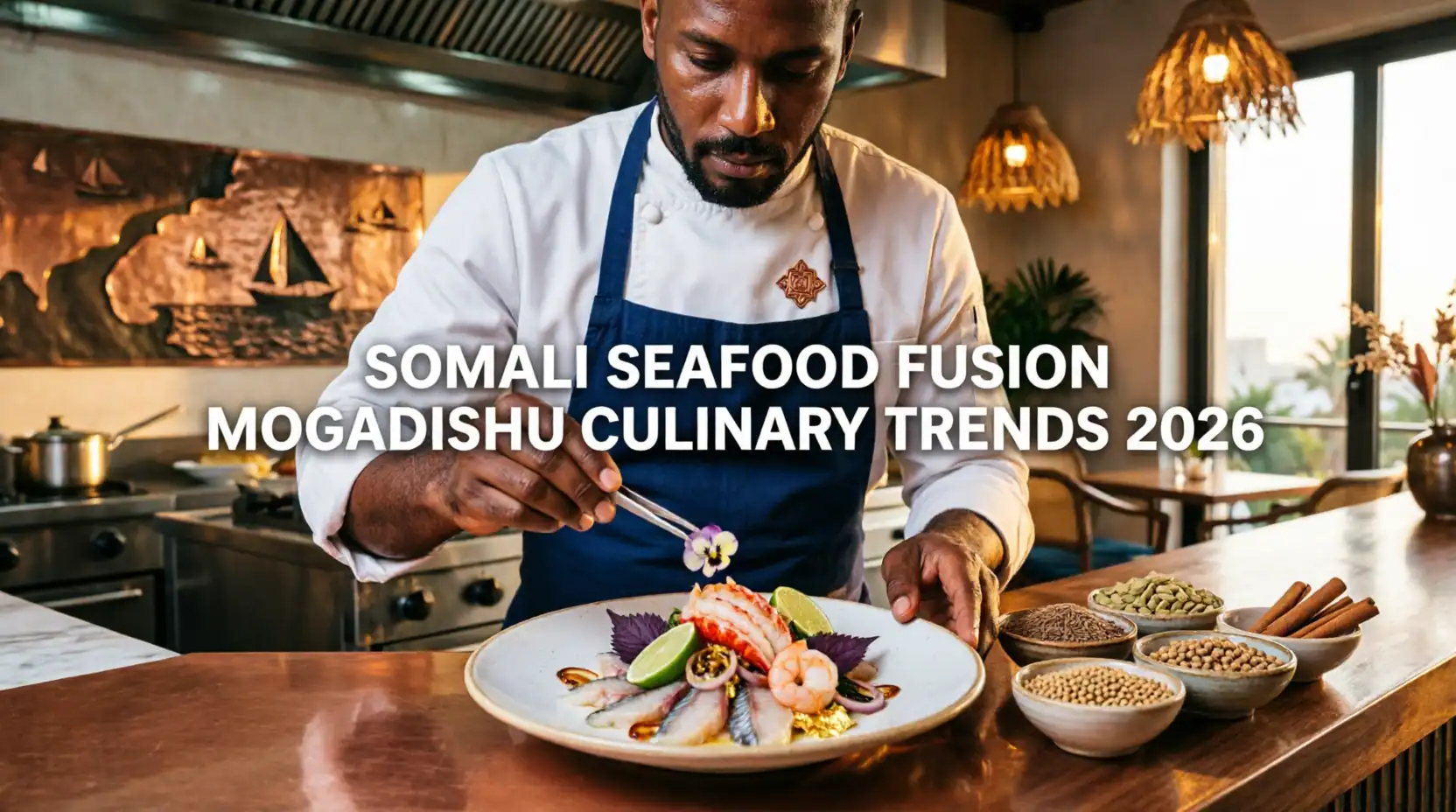
Somali Gastronomy and Modern Seafood Fusion Mogadishu 2026
Somali gastronomy represents one of Africa's most underappreciated culinary traditions. The coastal nation's rich history of trade, migration, and cultural exchange has created a unique food culture that is now experiencing a remarkable renaissance.
Mogadishu, the vibrant capital of Somalia, stands at the forefront of this culinary evolution. The city's restaurants are blending traditional Somali flavors with contemporary techniques and international influences.
Seafood plays a central role in this transformation. Somalia's extensive Indian Ocean coastline provides abundant fresh fish, lobster, crab, and shellfish that form the foundation of both traditional and modern dishes.
This comprehensive 2026 guide explores the evolution of Somali gastronomy. You will discover how traditional recipes are being reimagined, which restaurants lead the fusion movement, and where to experience the best modern Somali seafood in Mogadishu.
Historical Foundations of Somali Cuisine

Understanding modern Somali gastronomy requires appreciation of its deep historical roots. Somali cuisine developed through centuries of interaction with Arab, Persian, Indian, and Italian traders and settlers.
The Indian Ocean trade routes brought spices like cardamom, cinnamon, cumin, and turmeric to Somali shores. These spices remain essential to Somali cooking today, distinguishing it from other East African cuisines.
Arab influence introduced rice dishes, samosas, and sweet pastries that have become Somali staples. Persian traders contributed techniques for slow-cooking meats and preparing aromatic rice pilafs.
Italian colonization in the twentieth century added pasta, tomato-based sauces, and espresso culture to the Somali culinary landscape. These elements have been thoroughly Somali-ized over generations.
Traditional Somali Seafood Preparations
Coastal Somali communities have always relied on the ocean for sustenance. Traditional seafood preparations emphasize simplicity, allowing fresh ingredients to shine with minimal intervention.
Grilled fish seasoned with xawaash, the signature Somali spice blend, remains a beloved preparation. The spice mixture typically includes cumin, coriander, turmeric, cardamom, and cloves.
Seafood stews cooked with coconut milk, tomatoes, and aromatic spices represent another traditional approach. These hearty dishes often include rice or canjeero, the Somali pancake, for serving.
Drying and salting fish for preservation reflects historical necessity in a region with limited refrigeration. These techniques continue to influence flavor profiles in contemporary Somali cooking.
Regional Variations in Somali Gastronomy
Somali cuisine varies significantly between coastal and inland regions. Coastal communities emphasize seafood, coconut, and citrus, while inland areas focus on livestock, grains, and dairy.
Northern regions like Somaliland feature distinct preparations influenced by proximity to the Arabian Peninsula. Southern regions near Kenya show Swahili culinary influences in spice usage and cooking methods.
Urban centers like Mogadishu have always served as culinary melting pots. The capital's diverse population and international connections foster innovation and experimentation in food preparation.
Understanding these regional differences helps appreciate the complexity of Somali gastronomy. Modern fusion cuisine often draws from multiple regional traditions to create new flavor combinations.
The Renaissance of Mogadishu Dining
Mogadishu's culinary scene has undergone remarkable transformation in recent years. The city's recovery and growing stability have enabled investment in restaurants, culinary training, and food tourism.
Young Somali chefs trained internationally are returning home with new techniques and perspectives. They combine global culinary knowledge with deep respect for traditional Somali flavors and ingredients.
Local entrepreneurs are opening restaurants that cater to both returning diaspora and international visitors. These establishments balance authenticity with contemporary presentation and service standards.
Food tourism is emerging as a component of Somalia's broader tourism development. Culinary experiences offer safe, engaging ways for visitors to connect with Somali culture and hospitality.
Factors Driving Culinary Innovation
Increased connectivity through social media exposes Somali chefs to global food trends. Instagram and YouTube showcase international techniques that inspire local adaptation and innovation.
Diaspora Somalis returning home bring diverse culinary experiences from countries like the United Kingdom, United States, Canada, and Scandinavia. These influences enrich the local food scene.
Investment in hospitality infrastructure supports higher-quality dining experiences. Improved kitchens, reliable electricity, and professional service enable restaurants to execute complex menus consistently.
Growing middle-class demand for diverse dining options encourages restaurant owners to experiment. Consumers seek both traditional comfort food and novel culinary experiences.
Challenges Facing Mogadishu Restaurants
Supply chain limitations affect ingredient availability and consistency. Importing specialty items remains challenging, though local sourcing of seafood and produce proves reliable.
Skilled labor shortages require restaurants to invest in training programs. Culinary education infrastructure is developing but still limited compared to established food destinations.
Security considerations affect operating hours and customer mobility. Many restaurants adapt with robust safety protocols and flexible scheduling to serve guests confidently.
Despite challenges, Mogadishu's culinary entrepreneurs demonstrate remarkable resilience and creativity. Their determination drives the city's gastronomic renaissance forward.
Modern Seafood Fusion: Concepts and Techniques
Modern Somali seafood fusion blends traditional flavors with contemporary culinary techniques. Chefs honor ancestral recipes while embracing innovation in presentation, preparation, and ingredient pairing.
Fusion does not mean abandoning tradition. Successful Somali fusion cuisine respects the foundational flavors and cultural significance of traditional dishes while exploring new expressions.
Techniques like sous vide cooking, molecular gastronomy elements, and artistic plating appear alongside traditional grilling and stewing. The result is cuisine that feels both familiar and exciting.
Ingredient sourcing emphasizes freshness and sustainability. Mogadishu's proximity to abundant fisheries enables chefs to feature daily catches prepared with both traditional and modern methods.
Signature Fusion Dishes in Mogadishu
Grilled lobster with xawaash butter represents a popular fusion creation. Fresh Indian Ocean lobster receives traditional Somali spice treatment with contemporary plating and accompaniments.
Coconut curry crab pasta merges Italian pasta traditions with Somali-Indian spice profiles. The dish features fresh crab in aromatic coconut curry sauce served over handmade pasta.
Seafood canjeero tacos reimagine the Somali pancake as a vessel for contemporary fillings. Spiced fish, pickled vegetables, and yogurt sauce create handheld fusion fare.
Spiced fish ceviche with tamarind and chili showcases raw preparation techniques applied to Somali flavor profiles. The dish highlights freshness while honoring traditional spice combinations.
Spice Blends and Flavor Foundations
Xawaash remains the cornerstone of Somali seasoning. Modern chefs experiment with xawaash applications beyond traditional stews, using it to flavor butters, oils, and finishing salts.
Tamarind, lime, and chili provide the acidic and heat elements that balance rich seafood preparations. These ingredients appear in both traditional and contemporary Somali dishes.
Coconut milk continues to feature prominently in coastal Somali cooking. Modern interpretations use coconut in foams, emulsions, and desserts alongside traditional curry applications.
Fresh herbs like cilantro, mint, and basil add brightness to rich seafood dishes. Contemporary plating emphasizes herb garnishes that enhance both flavor and visual appeal.
Leading Restaurants and Culinary Destinations
Mogadishu's dining scene features several establishments leading the seafood fusion movement. These restaurants combine quality ingredients, skilled preparation, and welcoming atmospheres.
Ocean View Restaurant specializes in fresh seafood prepared with both traditional and contemporary techniques. The restaurant's beachfront location provides stunning views alongside exceptional cuisine.
Banaadir Grill focuses on grilled specialties featuring local fish and shellfish. The menu balances classic Somali preparations with innovative spice combinations and presentation styles.
India Ocean Bistro merges Somali, Indian, and Italian influences in creative seafood dishes. The restaurant's fusion approach appeals to adventurous diners seeking novel flavor experiences.
Ocean View Restaurant Profile
Ocean View Restaurant occupies a prime beachfront location in Mogadishu. The setting provides natural ambiance that complements the restaurant's focus on fresh, simply prepared seafood.
The menu features daily catches grilled with xawaash seasoning or prepared in coconut curry. Traditional sides like rice, canjeero, and fresh salads accompany main courses.
Contemporary touches include artistic plating, wine pairings, and dessert offerings that blend Somali and international influences. The restaurant balances authenticity with refinement.
Reservations are recommended, particularly for sunset dining. The restaurant accommodates both casual meals and special occasions with consistent quality and service.
Banaadir Grill and Traditional Innovation
Banaadir Grill emphasizes the Somali tradition of grilling while incorporating modern techniques and presentations. The open kitchen allows guests to watch chefs prepare their meals.
Signature dishes include whole grilled fish with xawaash crust, spiced shrimp skewers, and lobster tails with tamarind glaze. Each preparation honors traditional flavors while showcasing technical skill.
The restaurant sources ingredients from local fishermen and markets, supporting community livelihoods while ensuring freshness. Menu items change based on daily catch availability.
Banaadir Grill's atmosphere combines traditional Somali hospitality with contemporary comfort. The space welcomes families, business diners, and visitors seeking authentic yet refined cuisine.
India Ocean Bistro Fusion Philosophy
India Ocean Bistro explicitly embraces fusion cuisine, drawing from Somali, Indian, and Italian culinary traditions. The restaurant's name reflects its multicultural inspiration.
Menu highlights include coconut curry crab pasta, tamarind-glazed fish with risotto, and spiced seafood samosas with contemporary dipping sauces. Each dish tells a story of cultural convergence.
The restaurant's chef trained internationally before returning to Mogadishu. This background informs the thoughtful blending of techniques and flavors that defines the bistro's approach.
India Ocean Bistro appeals to adventurous diners and those curious about culinary innovation. The restaurant demonstrates how fusion can honor multiple traditions while creating something new.
Ingredients and Sourcing in Modern Somali Cooking
Quality ingredients form the foundation of exceptional cuisine. Mogadishu's chefs prioritize fresh, locally sourced seafood and produce while incorporating select imported items for specific applications.
The Indian Ocean provides abundant fish including kingfish, snapper, grouper, and tuna. Shellfish like lobster, crab, and prawns feature prominently in both traditional and fusion preparations.
Local markets supply fresh vegetables, herbs, and spices essential to Somali cooking. Tomatoes, onions, garlic, ginger, and cilantro appear in countless dishes across the culinary spectrum.
Imported ingredients like specialty pasta, cheeses, and wines appear selectively in fusion cuisine. Chefs use these items thoughtfully to enhance rather than overwhelm traditional Somali flavors.
Sustainable Seafood Practices
Sustainable fishing practices protect Somalia's marine resources for future generations. Responsible restaurants partner with fishermen who use selective, low-impact harvesting methods.
Seasonal menu planning reflects natural fish migrations and breeding cycles. Chefs adjust offerings based on availability to avoid overfishing vulnerable species.
Whole-fish utilization minimizes waste by using heads, bones, and trimmings for stocks and sauces. This approach honors traditional resourcefulness while supporting sustainability goals.
Educating diners about sustainable seafood choices builds awareness and demand for responsible practices. Restaurants play important roles in promoting ocean conservation through menu decisions.
Local Spice Sourcing and Quality
Somali spices like xawaash components are often sourced from local markets and specialized vendors. Quality varies, and experienced chefs develop relationships with trusted suppliers.
Fresh grinding of spices immediately before use maximizes flavor and aroma. Modern restaurants invest in equipment and training to ensure consistent spice preparation.
Organic and ethically sourced spices are increasingly available for restaurants prioritizing quality and sustainability. These options command premium pricing but deliver superior culinary results.
Preserving traditional spice blending knowledge while ensuring consistent quality requires investment in training and documentation. Restaurants committed to authenticity prioritize this continuity.
Culinary Tourism and Visitor Experiences
Food tourism offers engaging ways for visitors to experience Somali culture. Culinary tours, cooking classes, and restaurant recommendations help travelers navigate Mogadishu's dining scene confidently.
Guided food tours introduce visitors to traditional markets, street food vendors, and established restaurants. Knowledgeable guides provide context about ingredients, preparations, and cultural significance.
Cooking classes enable hands-on learning of Somali techniques and recipes. Participants gain skills to recreate dishes at home while deepening appreciation for Somali culinary heritage.
Restaurant recommendations from trusted sources help visitors find quality dining experiences. Hotel concierges, tour operators, and local food bloggers provide valuable guidance.
Food Tours and Market Experiences
Bakara Market and coastal fish markets offer immersive experiences for curious food lovers. Guides explain ingredient selection, bargaining customs, and the cultural significance of market interactions.
Market tours often include tastings of fresh fruit, traditional snacks, and street food preparations. These experiences introduce visitors to everyday Somali food culture in accessible ways.
Photography policies vary by vendor and location. Respectful visitors ask permission before photographing people or stalls, demonstrating cultural sensitivity and building positive interactions.
Market visits work best in morning hours when selection is freshest and temperatures are cooler. Guides help visitors navigate crowds and communicate effectively with vendors.
Cooking Classes and Culinary Workshops
Several Mogadishu restaurants and culinary schools offer cooking classes for visitors. These workshops teach traditional recipes and techniques in welcoming, instructional environments.
Classes typically include market visits to select ingredients, hands-on preparation guidance, and shared meals featuring participants' creations. The experience combines education with enjoyment.
Popular class topics include preparing xawaash spice blends, grilling fish with traditional techniques, and making canjeero from scratch. Participants gain practical skills and cultural insights.
Advance booking is recommended for cooking classes, particularly for groups. Instructors appreciate notice about dietary restrictions and skill levels to customize instruction appropriately.
Challenges and Opportunities in Somali Gastronomy
Somali cuisine's evolution faces both obstacles and opportunities. Understanding these dynamics helps appreciate the resilience and creativity driving Mogadishu's culinary renaissance.
Infrastructure limitations affect consistency and scalability for restaurants. Reliable electricity, water, and transportation remain works in progress that impact food service operations.
International perceptions of Somalia affect tourism and investment in the food sector. Positive culinary experiences help reshape narratives and attract visitors interested in authentic cultural engagement.
Young Somali chefs and entrepreneurs demonstrate remarkable innovation despite challenges. Their determination and creativity drive the industry forward through adaptation and excellence.
Building Culinary Infrastructure
Investment in culinary education develops the skilled workforce needed for a thriving food scene. Training programs in cooking, hospitality, and restaurant management build professional capacity.
Equipment suppliers and food distributors support restaurant operations with reliable products and services. Growing demand encourages expansion of these supporting industries.
Food safety standards and quality certifications build consumer confidence and enable export opportunities. Developing these frameworks supports both domestic and international growth.
Collaboration among restaurants, suppliers, educators, and government agencies strengthens the entire culinary ecosystem. Collective action accelerates progress more effectively than isolated efforts.
Promoting Somali Cuisine Globally
Somali diaspora communities worldwide serve as cultural ambassadors for Somali cuisine. Restaurants in London, Minneapolis, Toronto, and other cities introduce international audiences to Somali flavors.
Social media and food journalism amplify awareness of Somali gastronomy. Compelling storytelling about Somali food culture attracts curious diners and potential visitors to Mogadishu.
Culinary festivals and cultural events showcase Somali cuisine to broader audiences. These platforms celebrate Somali culinary heritage while demonstrating its contemporary relevance.
Export opportunities for Somali spices, coffee, and specialty ingredients expand global access to Somali flavors. Quality products with authentic stories find markets among international food enthusiasts.
Future Directions for Somali Gastronomy
Somali gastronomy's evolution continues as chefs, entrepreneurs, and communities shape its future trajectory. Several trends suggest promising directions for continued growth and innovation.
Increased focus on sustainability aligns Somali cuisine with global culinary values. Emphasizing local, seasonal, and responsibly sourced ingredients strengthens both environmental and economic resilience.
Technology adoption improves restaurant operations, marketing, and customer engagement. Digital menus, online reservations, and social media presence expand reach and efficiency.
Culinary tourism development creates economic opportunities while sharing Somali culture with respectful visitors. Thoughtful tourism planning balances growth with preservation of authenticity.
Preserving Tradition While Embracing Innovation
Successful Somali gastronomy honors traditional flavors and techniques while exploring contemporary expressions. This balance respects heritage while enabling creativity and growth.
Documenting traditional recipes and methods preserves culinary knowledge for future generations. Written records, video tutorials, and oral history projects safeguard cultural heritage.
Mentorship programs connect experienced chefs with emerging talent. Knowledge transfer ensures continuity while enabling innovation as new generations bring fresh perspectives.
Community engagement keeps culinary evolution grounded in Somali values and needs. Restaurants that serve local communities while welcoming visitors create sustainable, meaningful businesses.
Building a Recognized Culinary Identity
Somali cuisine deserves recognition alongside other celebrated African food traditions. Continued excellence, storytelling, and promotion build awareness and appreciation globally.
Chef collaborations and culinary exchanges introduce Somali techniques and flavors to international audiences. These connections foster mutual learning and elevate Somali gastronomy's profile.
Awards, media features, and critical acclaim validate Somali culinary excellence. Recognition motivates continued innovation while attracting investment and talent to the sector.
Ultimately, Somali gastronomy's evolution reflects Somalia's broader story of resilience, creativity, and hope. Food serves as both cultural expression and economic opportunity in the nation's ongoing renaissance.
Final Thoughts on Somali Seafood Fusion
Mogadishu's emerging seafood fusion scene represents more than culinary trendiness. It embodies Somali resilience, creativity, and commitment to honoring heritage while embracing possibility.
Visitors to Mogadishu who explore the city's dining options discover not just excellent food but meaningful cultural connections. Shared meals build bridges and create memories that transcend tourism.
Supporting Mogadishu's restaurants through respectful patronage contributes to the city's broader recovery and development. Every meal becomes an act of solidarity and hope.
Somali gastronomy's evolution continues to unfold. Those who experience it now witness a dynamic culinary culture in formation, offering authentic flavors and inspiring stories worth savoring.
0 Comments