.webp)
.webp)
Complete Guide to 2026 Auto de Floripes Festival Dates and Cultural Logistics
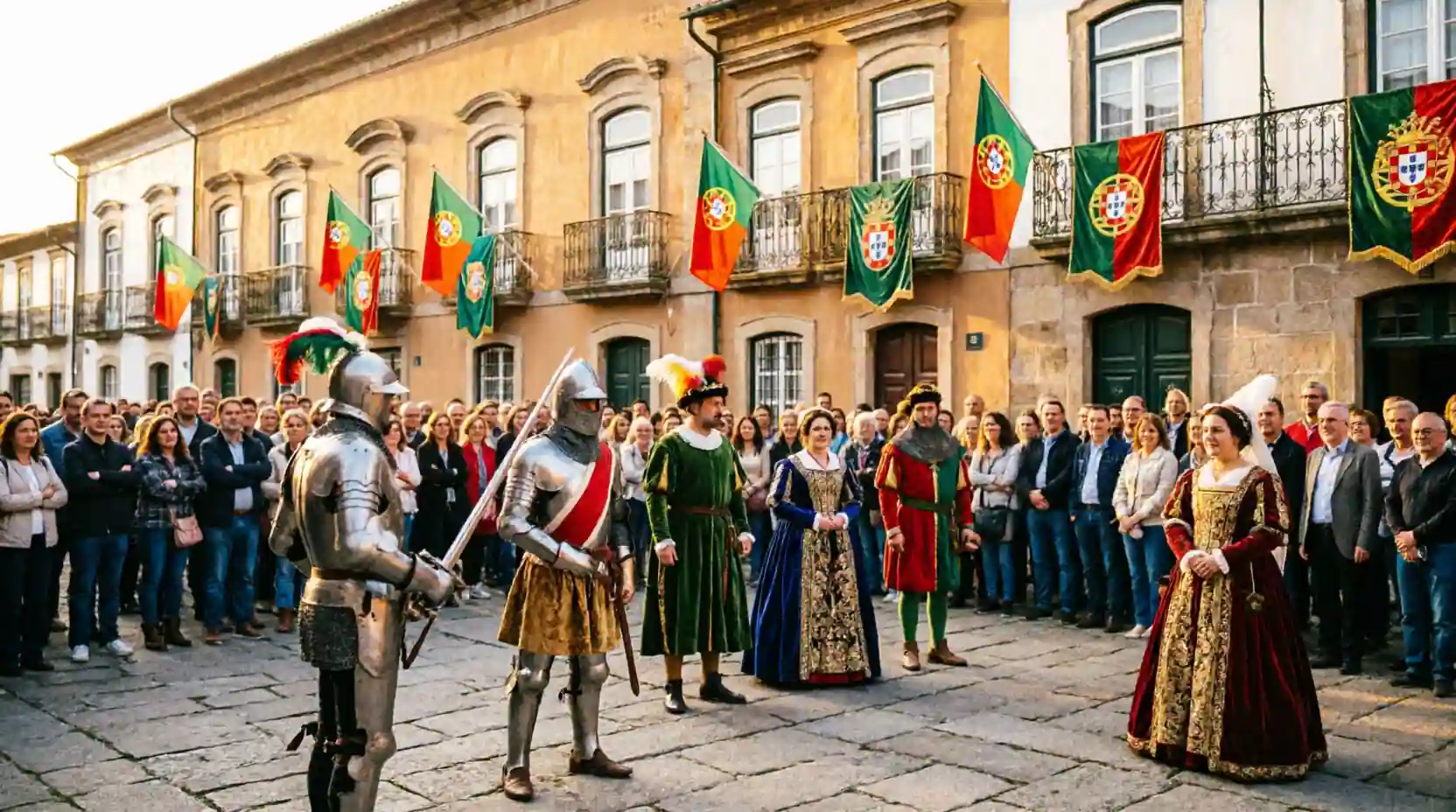
Discovering the Auto de Floripes Tradition
The Auto de Floripes represents one of Portugals most fascinating medieval theatrical traditions. This centuries-old performance reenacts legendary tales of chivalry faith and cultural identity through vibrant costumes dramatic storytelling and community participation.
Originating in the sixteenth century these performances blend religious devotion with popular entertainment preserving stories of Charlemagne the Twelve Peers of France and the battle between Christians and Moors. The tradition survives as living heritage in several Portuguese communities.
Auto de Floripes performances typically occur during religious festivals particularly honoring patron saints or celebrating significant dates in the liturgical calendar. These events draw both devoted locals and curious visitors interested in experiencing authentic Portuguese cultural heritage.
The 2026 festival season offers unique opportunities to witness this remarkable tradition. Understanding dates locations and cultural context enables meaningful participation in these living history performances.
This comprehensive guide provides everything needed to experience the Auto de Floripes Festival in 2026 including performance dates locations cultural significance practical logistics and tips for respectful engagement with this cherished Portuguese tradition.
Historical Origins and Cultural Significance

The Auto de Floripes traces its roots to medieval mystery plays that flourished throughout Europe. These performances served dual purposes educating largely illiterate populations about religious stories while providing communal entertainment.
The specific narrative centers on Floripes a Muslim princess who converts to Christianity and aids Christian knights. This story reflects historical Christian-Muslim interactions during the Reconquista period when Portugal emerged as a nation.
Portuguese communities preserved these performances through oral tradition passing scripts costumes and staging techniques across generations. Each region developed distinctive variations while maintaining core narrative elements.
The tradition represents more than entertainment embodying community identity religious devotion and cultural continuity. Participating communities invest significant effort in preserving authentic performance practices.
UNESCO and Portuguese cultural authorities recognize these performances as intangible cultural heritage worthy of protection. This designation acknowledges their value beyond local significance.
2026 Festival Dates and Locations

Auto de Floripes performances in 2026 follow traditional timing aligned with religious feast days and local celebrations. Specific dates vary by location though most occur between May and September.
Vila Franca do Campo in the Azores typically hosts performances during the Feast of the Holy Spirit celebrations usually in May or June. This represents one of the most well-known contemporary presentations of the tradition.
Lamego in northern Portugal often features Auto de Floripes during local religious festivals particularly around Pentecost or Corpus Christi typically falling in late May or June.
Smaller communities throughout Portugal including various parishes in Minho Douro and Beira regions maintain the tradition though dates vary annually based on local patron saint celebrations.
Confirming exact 2026 dates requires checking with local tourism offices or cultural associations several months before planned travel. Many communities announce schedules in early spring.
Some locations may host special performances for cultural heritage events or tourism promotion outside traditional dates. These additional performances provide alternative viewing opportunities.
Understanding the Performance Structure

Auto de Floripes performances follow established dramatic structures though variations exist between communities. Understanding the narrative enhances appreciation of what you will witness.
The story typically unfolds across multiple acts beginning with the Christian knights journey encountering challenges and ultimately achieving victory through faith and Floripes conversion.
Characters include Christian knights Muslim warriors Floripes herself and often comic figures providing levity. Costumes distinguish factions with Christians in one color scheme Muslims in another.
Performances blend spoken dialogue musical interludes choreographed combat and ceremonial elements. Traditional instruments including drums fifes and sometimes bagpipes accompany the action.
Language typically employs archaic Portuguese reflecting the texts historical origins though modern adaptations may update some phrasing for contemporary audiences.
Performance duration varies from one to three hours depending on the community and whether the full narrative or abbreviated version is presented.
Primary Performance Locations in Portugal

Several Portuguese locations maintain active Auto de Floripes traditions with varying levels of elaboration and community involvement.
Vila Franca do Campo Sao Miguel Island Azores hosts one of the most celebrated presentations. The Azorean version incorporates local cultural elements while maintaining traditional narrative structure.
Lamego in the Douro region presents performances with strong community participation. The historic town setting enhances the medieval atmosphere of these performances.
Various parishes in Minho particularly around Braga and Viana do Castelo maintain smaller-scale but authentic presentations. These intimate performances offer close community engagement.
Some communities in Beira Alta and Beira Baixa regions preserve the tradition though performances may be less frequent occurring biennially or for special occasions.
Urban centers like Lisbon and Porto occasionally feature Auto de Floripes during cultural festivals though these represent special presentations rather than traditional community celebrations.
Planning Your Visit Transportation and Access

Reaching Auto de Floripes performance locations requires planning as many occur in smaller towns with limited public transportation.
Mainland locations like Lamego connect to Porto by bus or train though final access to performance venues may require local transportation or walking from town centers.
Azores performances in Vila Franca do Campo require flying to Ponta Delgada then driving or taking local transport approximately thirty kilometers to the performance location.
Rental cars provide maximum flexibility for reaching rural performance locations and exploring surrounding regions. Book well in advance particularly for Azores travel during festival season.
Public buses serve many performance towns though schedules may be limited particularly on weekends or holidays when performances typically occur.
Local tourism offices can provide specific transportation guidance and may arrange special shuttles for major festival dates.
Accommodation Options Near Performance Venues

Securing accommodation near Auto de Floripes performance locations requires advance planning particularly for popular venues.
Smaller towns hosting performances often have limited lodging requiring booking several months ahead. Consider staying in nearby larger towns with more accommodation options.
For Lamego performances hotels and guesthouses in the town center provide convenient access though fill quickly during festival periods.
Azores performances require accommodation in Vila Franca do Campo or nearby Ponta Delgada. Island lodging fills rapidly during summer festival season requiring early reservations.
Rural tourism properties quintas and agritourism establishments offer authentic experiences in traditional Portuguese settings though may require vehicle access.
Alternative strategy involves basing in larger cities like Porto or Lisbon taking day trips to performance locations though this limits ability to attend evening performances.
Cultural Etiquette and Respectful Attendance

Attending Auto de Floripes performances requires understanding cultural context and observing appropriate behavior to respect this living tradition.
These performances hold deep significance for participating communities representing religious devotion and cultural identity rather than mere entertainment for tourists.
Photography and videography policies vary by location. Always ask permission before recording and respect any restrictions particularly during religious portions of performances.
Dress respectfully particularly for performances in churches or religious settings. Modest attire showing cultural sensitivity proves appropriate.
Arrive early to secure viewing positions and avoid disrupting performances. Many communities reserve front sections for participants and local residents.
Applause typically occurs at appropriate moments though follow local lead regarding when and how to show appreciation.
Engage respectfully with community members many of whom volunteer significant time to preserve this tradition. Express genuine interest rather than treating the event as exotic spectacle.
What to Expect During the Performance

First-time attendees should prepare for a distinctive theatrical experience differing significantly from modern professional theater.
Performances typically occur outdoors in town squares church courtyards or temporary stages creating informal atmospheres with community gathering characteristics.
Actors are community members rather than professionals bringing authentic passion though varying levels of theatrical polish to their roles.
Costumes range from simple traditional garments to elaborate period recreations depending on community resources and commitment to historical accuracy.
Combat scenes use choreographed movements with prop weapons creating dramatic tension while maintaining safety. These sequences often prove highlights of performances.
Audience participation may occur with spectators responding to dialogue or joining processions. Follow local cues regarding appropriate involvement.
Performances often include intermissions or breaks allowing social interaction refreshment and community fellowship.
Complementary Cultural Experiences

Auto de Floripes performances typically occur within broader festival contexts offering additional cultural experiences.
Religious processions often accompany performances featuring traditional dress sacred images and community participation. These provide deeper context for understanding the tradition.
Traditional music and dance performances frequently complement Auto de Floripes showcasing regional folk traditions.
Local food markets and festivals offer opportunities to taste regional Portuguese cuisine particularly traditional dishes associated with the celebration.
Craft fairs and artisan markets often coincide with major festivals allowing purchase of traditional Portuguese handicrafts.
Historical site visits to churches monuments and museums in performance towns provide additional cultural context and understanding of local heritage.
Wine tasting experiences particularly in Douro region locations like Lamego complement cultural tourism with Portugals renowned wine traditions.
Practical Tips for Festival Attendance

Successful Auto de Floripes festival attendance requires practical preparation to maximize enjoyment and cultural understanding.
Weather preparation proves essential as most performances occur outdoors. Bring sun protection for daytime events and layers for evening performances when temperatures drop.
Comfortable seating including portable chairs or cushions enhances comfort during lengthy performances though some venues provide seating.
Cash proves necessary for purchasing programs refreshments crafts and making donations to supporting community organizations.
Language preparation including basic Portuguese phrases or having translation assistance helps though many performances prove visually comprehensible regardless of language barriers.
Program booklets when available provide plot summaries character lists and historical context enhancing understanding of performances.
Patience and flexibility serve well as traditional festivals operate on community time rather than strict schedules. Embrace the experience rather than rushing through it.
Photography and Documentation Guidelines

Documenting Auto de Floripes performances requires balancing personal interest with respect for performers and community traditions.
Always seek permission before photographing or filming particularly close-ups of performers. Some communities restrict photography during certain portions of performances.
Avoid using flash photography which disrupts performers and other spectators. Natural light or available artificial lighting proves preferable.
Position yourself considerately avoiding blocking other spectators views or interfering with performance action.
Respect any announced photography restrictions particularly during religious ceremonies or sacred moments within performances.
Share photographs respectfully on social media providing cultural context rather than treating performances as exotic curiosities.
Consider purchasing official photographs or programs when available as proceeds often support community groups maintaining the tradition.
Supporting Cultural Preservation

Visitors can contribute to preserving Auto de Floripes traditions through conscious choices and support.
Purchasing tickets programs and merchandise directly supports community groups investing significant resources in maintaining these performances.
Making donations to cultural associations or parishes organizing performances helps fund costumes sets training and other preservation expenses.
Buying from local vendors artisans and restaurants during festival visits ensures tourism revenue benefits the communities preserving these traditions.
Sharing positive experiences and cultural significance through respectful storytelling raises awareness and encourages sustainable cultural tourism.
Advocating for cultural heritage protection and intangible heritage recognition supports broader preservation efforts beyond individual visits.
Returning for future performances and encouraging others to attend demonstrates ongoing interest that motivates communities to continue the tradition.
Regional Variations and Performance Styles
Auto de Floripes performances vary significantly between regions reflecting local cultural characteristics and historical developments.
Azorean versions particularly in Vila Franca do Campo incorporate island cultural elements including distinctive musical styles and community organization patterns.
Northern Portugal presentations in Minho and Douro regions often emphasize elaborate costumes and choreographed combat sequences.
Some communities present abbreviated versions lasting one hour while others maintain full traditional presentations extending three hours or more.
Musical accompaniment varies from simple drum and fife to more elaborate traditional ensembles depending on community resources.
Some locations have modernized aspects including updated language or staging while others maintain strictly traditional approaches.
Understanding these variations helps set appropriate expectations and appreciate the diversity within the tradition.
Conclusion Experiencing Living Portuguese Heritage
The Auto de Floripes Festival offers extraordinary opportunities to witness living medieval tradition preserved through centuries of community dedication. These performances transcend entertainment representing cultural identity religious devotion and intergenerational knowledge transmission.
Planning attendance for 2026 requires understanding dates locations and cultural context though rewards prove substantial for those seeking authentic Portuguese cultural experiences. The tradition continues thriving through community commitment and growing visitor appreciation.
Respectful attendance supporting preservation efforts and sharing experiences responsibly ensures these performances continue for future generations. Your visit when approached with cultural sensitivity contributes to safeguarding this remarkable intangible heritage.
The Auto de Floripes tradition demonstrates how medieval stories continue resonating in contemporary Portugal bridging past and present through performance. Experiencing these festivals provides unique insights into Portuguese cultural identity and community values.
Whether attending in Vila Franca do Campo Lamego or smaller parish communities you witness more than theater you participate in living heritage maintained through passion and perseverance. The Auto de Floripes Festival 2026 awaits those ready to engage with Portugals remarkable cultural traditions.
0 Comments