.webp)
.webp)
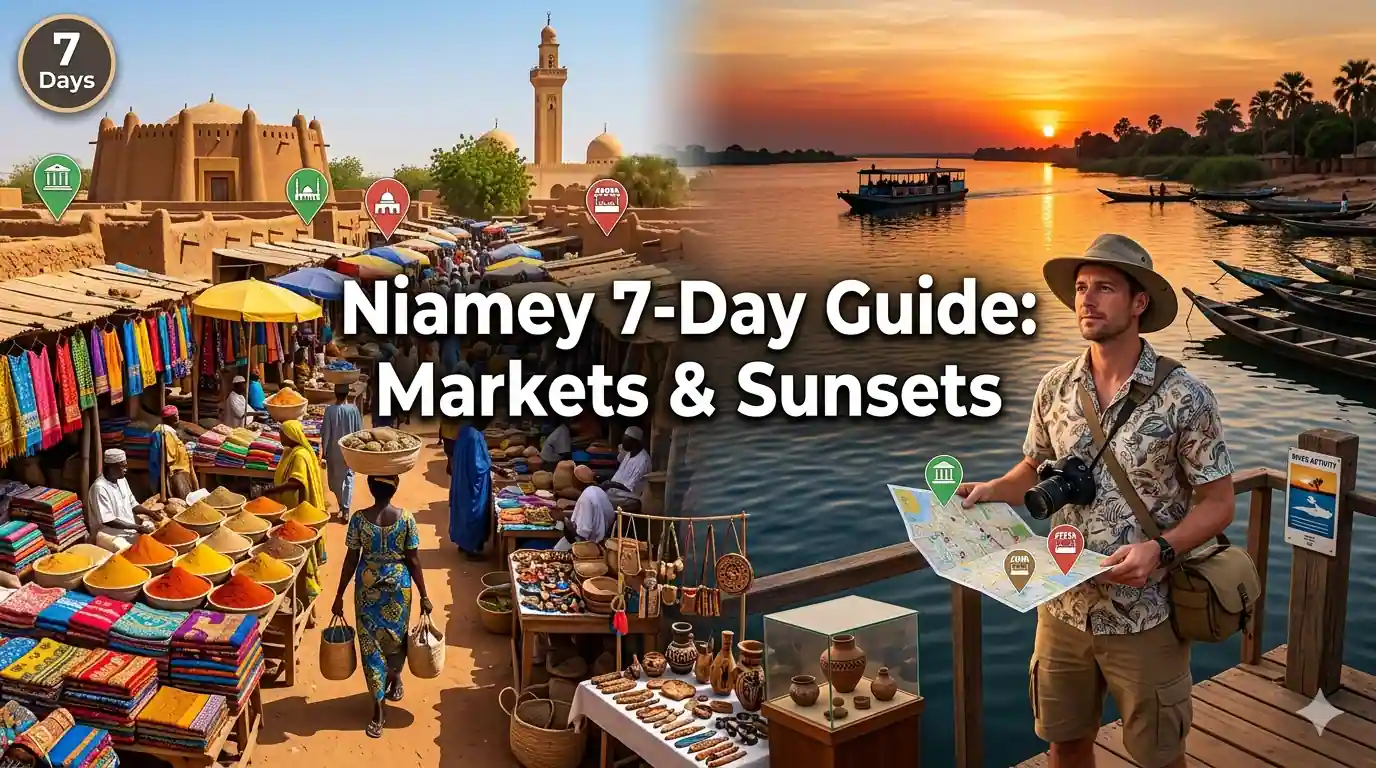
Introduction: Discovering Niamey, Niger's Vibrant Capital
Niamey, the capital city of Niger, offers travelers an authentic gateway into West African culture, history, and daily life along the banks of the mighty Niger River. Often overlooked by international tourists in favor of more frequented African destinations, Niamey rewards adventurous visitors with vibrant markets, fascinating museums, warm hospitality, and stunning river sunsets that paint the sky in brilliant hues of orange and gold. A seven-day itinerary in Niamey provides the perfect timeframe to explore the city's highlights at a comfortable pace while immersing yourself in the rhythms of Sahelian life.
Located in southwestern Niger along the Niger River, Niamey serves as the nation's political, economic, and cultural hub. With a population exceeding one million, the city blends traditional Hausa, Zarma, and Tuareg influences with modern urban development, creating a dynamic atmosphere where ancient traditions meet contemporary African life. From the bustling stalls of the Grand Marché to the serene beauty of riverside parks, from world-class museum collections to lively evening markets, Niamey offers diverse experiences that showcase the richness of Nigerien culture.
This comprehensive 7-day Niamey city guide is designed for first-time visitors and experienced travelers alike, balancing must-see attractions with hidden local gems, cultural immersion with practical logistics, and active exploration with moments of relaxation. Each day is crafted to maximize your experience while maintaining a sustainable pace that allows for spontaneous discoveries and meaningful connections with local communities. Whether you are drawn to Niamey for its authentic markets, rich museum collections, river activities, or simply the opportunity to experience a less-visited West African capital, this guide provides the roadmap for a memorable and culturally enriching journey.
Day 1: Arrival and Orientation in Niamey

Your Niamey adventure begins with arrival at Diori Hamani International Airport, the city's main gateway connecting Niger to regional and international destinations. After clearing immigration and collecting your luggage, arrange transportation to your accommodation. Taxis are available outside the terminal; negotiate fares in advance or use ride-hailing apps if available. The journey to central Niamey takes approximately 20-30 minutes depending on traffic.
Check into your accommodation, choosing from a range of options including international hotels, local guesthouses, or boutique lodgings. Take time to settle in, freshen up, and acclimate to Niamey's tropical climate. In the late afternoon, begin your orientation with a gentle walking tour of your neighborhood. Observe daily life, note local landmarks, and familiarize yourself with basic navigation.
As evening approaches, head to the Niger River waterfront for your first Niamey sunset. The riverfront area, particularly near the Kennedy Bridge or the Corniche, offers spectacular views as the sun dips below the horizon, casting golden light across the water and illuminating traditional pirogue boats returning from fishing expeditions. Enjoy a refreshing beverage at a riverside café while watching local families gather to enjoy the cool evening air.
Conclude your first day with dinner at a local restaurant featuring Nigerien cuisine. Sample traditional dishes such as tô (a staple made from millet or sorghum), grilled fish from the Niger River, or dambou (a flavorful rice dish). These introductory experiences set the tone for your week of cultural exploration and authentic discovery in Niamey.
Day 2: Exploring the Grand Marché and Local Markets

Dedicate your second day to experiencing Niamey's vibrant market culture, beginning with the Grand Marché, the city's largest and most famous marketplace. This sprawling complex of covered and open-air stalls offers an immersive sensory experience featuring colorful textiles, handcrafted jewelry, traditional leather goods, spices, fresh produce, and everyday essentials. The Grand Marché is not just a shopping destination but a social hub where locals gather to trade, socialize, and conduct daily business.
Arrive early in the morning when the market is most active and temperatures are cooler. Navigate the labyrinthine alleys with curiosity and respect, observing the art of bargaining—a common and expected practice in Nigerien markets. Vendors often welcome friendly interaction and may share stories about their crafts or products. Practice basic French or local language greetings to facilitate positive exchanges.
Look for distinctive Nigerien handicrafts including Tuareg silver jewelry with intricate geometric designs, handwoven indigo-dyed textiles, leather sandals and bags, and carved wooden masks or figurines. These items make meaningful souvenirs while supporting local artisans and traditional crafts. Always negotiate prices politely and be prepared to walk away if an agreement cannot be reached—this is part of the market culture.
In the afternoon, explore smaller neighborhood markets such as Marché de Katako or Marché Wadata for a more localized experience. These markets offer fresh fruits, vegetables, grains, and household goods at prices often lower than the Grand Marché. Observe the daily rhythms of Niamey life as residents shop for meals, children play, and vendors call out their wares.
End your market day with a visit to a local eatery near the markets to sample street food specialties. Try grilled meat skewers, fried plantains, or fresh fruit smoothies made with tropical fruits like mango, papaya, or baobab. These simple meals provide authentic flavors and opportunities to interact with local vendors in a relaxed setting.
Day 3: National Museum of Niger and Cultural Heritage

Day three focuses on Niamey's rich cultural heritage with a visit to the National Museum of Niger (Musée National du Niger), one of West Africa's most impressive cultural institutions. Located in a spacious compound featuring traditional architecture, open-air exhibits, and beautifully landscaped gardens, the museum offers comprehensive insights into Niger's history, ethnic diversity, artistic traditions, and natural environment.
Begin your visit in the main exhibition halls, which display archaeological artifacts, traditional clothing, musical instruments, ceremonial objects, and historical photographs. Exhibits highlight the cultures of Niger's major ethnic groups including Hausa, Zarma, Tuareg, Fulani, and Kanuri, showcasing distinctive crafts, social customs, and artistic expressions. Knowledgeable guides (available for a small fee) provide valuable context and answer questions about specific artifacts or cultural practices.
The museum's outdoor exhibits are equally compelling, featuring traditional dwellings from different regions of Niger, including Tuareg tents, Hausa compounds, and Zarma huts. These life-size reconstructions allow visitors to step inside and experience traditional architecture firsthand. The museum grounds also include a small zoo with native West African animals, a craft village where artisans demonstrate traditional techniques, and a peaceful garden perfect for reflection.
Allocate 2-3 hours for a thorough museum visit, allowing time to absorb exhibits, photograph displays (where permitted), and perhaps purchase handmade crafts from the museum's artisan shop. Proceeds from craft sales often support local artisans and museum conservation efforts.
In the afternoon, visit nearby cultural sites such as the Grande Mosquée de Niamey, the city's largest mosque featuring distinctive Sahelian architecture with a towering minaret. While non-Muslim visitors cannot enter the prayer hall, the exterior offers impressive photographic opportunities and insights into Islamic architectural traditions in West Africa. Dress modestly when visiting religious sites, covering shoulders and knees as a sign of respect.
Conclude your cultural day with dinner at a restaurant featuring live traditional music, where you might enjoy performances of Hausa or Zarma songs accompanied by instruments like the calabash, talking drum, or one-stringed fiddle. These musical experiences deepen your appreciation for Niger's rich artistic heritage.
Day 4: Niger River Activities and Riverside Exploration

Day four celebrates Niamey's defining natural feature: the Niger River. This mighty waterway has shaped the city's development, culture, and daily life for centuries. Dedicate your day to river-based activities that showcase the beauty and importance of this West African lifeline.
Begin with a morning boat ride on the Niger River. Local operators offer traditional pirogue excursions departing from various points along the Corniche. These wooden canoes, propelled by pole or small motor, glide silently through calm waters, offering peaceful views of riverside vegetation, fishing activities, and birdlife. Keep an eye out for African fish eagles, kingfishers, herons, and occasionally hippos in quieter sections of the river.
During your boat ride, your guide may point out fishing techniques used by local communities, explain the river's ecological importance, and share stories about Niamey's relationship with the Niger. Some tours include stops at small riverside villages where you can observe daily life, purchase fresh fish directly from fishermen, or simply enjoy the tranquility of the river environment.
After your boat excursion, explore the Corniche, Niamey's scenic riverside promenade. This paved walkway stretches along the riverbank, offering shaded paths, benches, and viewpoints perfect for leisurely strolls, people-watching, or photography. Local families gather here in the evenings to socialize, children play, and vendors sell snacks and drinks.
Visit the Parc du Fleuve (River Park), a green space along the Corniche featuring walking paths, playgrounds, and picnic areas. The park provides a refreshing escape from urban heat and opportunities to observe local recreation. Consider bringing a picnic lunch to enjoy riverside, or purchase grilled fish and rice from nearby vendors for an authentic riverside meal.
As sunset approaches, return to a riverside viewpoint to witness one of Niamey's most spectacular daily rituals: the Niger River sunset. The sky transforms into a canvas of orange, pink, and purple hues reflected on the water's surface, while silhouettes of pirogues and fishermen create unforgettable photographic compositions. This magical moment encapsulates the serene beauty that makes Niamey special.
End your river day with dinner at a waterfront restaurant, enjoying fresh fish prepared in traditional styles while watching the last light fade over the Niger. These riverside experiences create lasting memories of Niamey's natural beauty and cultural connection to the water.
Day 5: Artisan Villages and Traditional Crafts

Day five delves deeper into Niamey's artistic traditions with visits to artisan villages and craft centers where traditional skills are preserved and practiced. Niger's rich craft heritage reflects the diverse cultures of its people, with distinctive techniques passed down through generations.
Begin at the Village Artisanal de Niamey, a dedicated craft center where artisans work in open-air workshops creating jewelry, leather goods, textiles, pottery, and wood carvings. Unlike commercial markets, this village allows visitors to observe the creative process firsthand: silversmiths hammering Tuareg crosses, leatherworkers tooling intricate patterns, weavers operating traditional looms, and potters shaping clay by hand.
Engage respectfully with artisans, asking about their techniques, materials, and cultural significance of their work. Many craftspeople welcome questions and may demonstrate specific skills or explain symbolic meanings behind designs. Purchasing directly from artisans ensures fair compensation and supports the preservation of traditional crafts.
Focus on distinctive Nigerien crafts including Tuareg silver jewelry featuring geometric patterns and semi-precious stones, indigo-dyed cotton textiles with resist-dye patterns, hand-tooled leather bags and sandals, carved wooden masks and figurines, and woven baskets made from local grasses. Each item tells a story of cultural heritage and artistic skill.
In the afternoon, visit specialized craft neighborhoods such as the leatherworking district near the Grand Marché or the pottery area where Zarma women create traditional vessels using ancient techniques. These visits offer authentic glimpses into specialized crafts and opportunities to purchase unique items not found in tourist-oriented shops.
Consider participating in a short craft workshop if available, where you can try basic techniques like leather stamping, beadwork, or pottery shaping under artisan guidance. These hands-on experiences deepen appreciation for the skill and patience required to master traditional crafts.
Conclude your craft day by visiting a local café or tea house to enjoy traditional Nigerien mint tea, prepared through a ceremonial pouring process that creates a frothy top. This social ritual provides relaxation after a day of exploration and opportunities to reflect on the artistic traditions you have encountered.
Day 6: Day Trip to Nearby Attractions or Urban Exploration

Day six offers flexibility to either explore Niamey's urban attractions more deeply or take a short day trip to nearby points of interest. Choose based on your interests, energy level, and travel preferences.
Option A: Urban Exploration
If staying within Niamey, visit additional cultural sites such as the Centre Culturel Oumarou Ganda, a performing arts center showcasing traditional music, dance, and theater. Check the schedule for evening performances featuring Nigerien artists. Explore the Musée de la Femme (Women's Museum), which highlights the roles, contributions, and artistic expressions of Nigerien women throughout history.
Visit the Cathedral of Niamey, a striking example of modern religious architecture with distinctive design elements reflecting local cultural influences. While primarily a Catholic church, its architectural significance and peaceful atmosphere make it worth a brief visit. Continue to the American Cultural Center or Alliance Française for exhibitions, language exchanges, or cultural events that foster cross-cultural understanding.
Explore Niamey's modern neighborhoods such as Plateau or Yantala, where contemporary shops, cafes, and galleries showcase the city's evolving urban culture. These areas offer opportunities to observe contemporary Nigerien life, purchase modern crafts, or enjoy international cuisine alongside traditional options.
Option B: Day Trip Excursion
For travelers seeking to venture beyond the city, consider a guided day trip to nearby attractions. Popular options include:
- W National Park: Approximately 150 kilometers from Niamey, this UNESCO World Heritage Site offers exceptional wildlife viewing including elephants, lions, buffalo, and diverse bird species. Full-day tours typically include transportation, guide services, and picnic lunch.
- Koure Giraffe Reserve: Located about 60 kilometers south of Niamey, this unique reserve protects the last wild population of West African giraffes. Guided tours provide close encounters with these gentle giants in their natural savanna habitat.
- Traditional Villages: Visit nearby Hausa or Zarma villages to observe traditional architecture, agricultural practices, and daily life. Cultural tours arranged through reputable operators ensure respectful, beneficial interactions with host communities.
- 👉 Singita Elela 2026: First Look at Okavango Luxury Lodge
- 👉 Nigeria Tourist Visa 2026: US Application Guide
- 👉 MGallery Plein Ciel Djibouti: A first look at Accor’s 2026 heritage hotel conversion in the CBD.
Regardless of your choice, allow time in the evening to revisit a favorite location, purchase last-minute souvenirs, or simply relax and reflect on your Niamey experiences. Consider enjoying a farewell dinner at a special restaurant, perhaps trying a multi-course Nigerien feast or international cuisine with local influences.
Day 7: Final Exploration and Departure Preparation

Your final day in Niamey balances last-minute exploration with practical preparations for departure, ensuring you leave with lasting memories and minimal stress.
Morning: Final Discoveries
Use your final morning for one last Niamey experience based on your interests and remaining time. Options include:
- Revisiting the Grand Marché for final souvenir shopping or to purchase items you admired earlier in the week
- Enjoying a peaceful morning walk along the Corniche with coffee or tea while watching the river come to life
- Visiting a local bakery for fresh bread and pastries, a simple pleasure that captures everyday Niamey life
- Photographing favorite scenes or capturing final images of markets, river views, or architectural details
- 👉 Singita Elela 2026: First Look at Okavango Luxury Lodge
- 👉 Nigeria Tourist Visa 2026: US Application Guide
- 👉 MGallery Plein Ciel Djibouti: A first look at Accor’s 2026 heritage hotel conversion in the CBD.
If time allows, make a final stop at a local artisan workshop to purchase any remaining crafts or to thank artisans who enriched your cultural understanding. Supporting local craftspeople directly contributes to the preservation of traditional skills and community livelihoods.
Afternoon: Departure Logistics
Allow ample time for transfer to Diori Hamani International Airport. While Niamey is not a large city, traffic can be unpredictable, so plan to arrive at the airport at least 2-3 hours before your international flight. Complete check-in procedures, clear security, and enjoy final views of the city from the terminal.
As your flight departs, take one last look at Niamey from above: the winding Niger River, the sprawling cityscape, and the surrounding Sahelian landscape. This aerial perspective offers a powerful reminder of the city's unique setting and the experiences you have enjoyed during your week-long journey.
Post-Trip Reflection
After returning home, consider how your Niamey experience has influenced your perspectives on West African culture, sustainable tourism, and global citizenship. Share your story responsibly: highlight Niamey's strengths, acknowledge challenges with nuance, and encourage respectful tourism that benefits local communities.
Practical Travel Information for Your Niamey Visit

Successful travel in Niamey requires understanding practical logistics, safety considerations, and cultural norms. This information ensures you are well-prepared for a smooth and enjoyable experience.
Best Time to Visit Niamey
Niamey experiences a hot semi-arid climate with distinct seasons. The optimal time to visit is during the cool, dry season from November to February, when daytime temperatures range from 25-32°C (77-90°F) and humidity is lower. This period offers comfortable conditions for sightseeing, market exploration, and outdoor activities.
The hot season from March to May brings temperatures often exceeding 40°C (104°F), making midday outdoor activities challenging. The rainy season from June to September features afternoon thunderstorms, lush green landscapes, and fewer tourists, though humidity increases and some roads may become difficult to navigate.
For market visits and river activities, early morning or late afternoon provides the most comfortable conditions year-round. Plan indoor museum visits during the hottest part of the day if traveling outside the cool season.
Transportation in Niamey
Niamey offers several transportation options suited to different budgets and comfort levels. Taxis are widely available and relatively affordable; always negotiate fares before entering or ensure the meter is running. Ride-hailing apps may be available but have limited coverage.
For longer stays or extensive exploration, consider renting a car with a driver, which provides flexibility and local knowledge. Self-driving is possible but challenging due to traffic patterns, road conditions, and navigation complexities. Motorcycles and bicycle taxis (kabu-kabu) offer inexpensive short-distance transport but require caution regarding safety.
Public buses serve major routes but can be crowded and confusing for first-time visitors. For most travelers, a combination of walking for short distances and taxis for longer trips provides the best balance of convenience and cost.
Accommodation Recommendations
Niamey's accommodation sector caters to various budgets and preferences. Budget guesthouses and hostels charge $20-$50 per night, offering basic but clean rooms with shared or private bathrooms. Mid-range hotels range from $60-$120 per night, providing comfortable rooms, air conditioning, WiFi, and often breakfast. International hotels and upscale lodgings charge $130-$250+ per night, featuring premium amenities, restaurants, pools, and business services.
Book accommodation in advance during peak season (November-February) and major events to secure preferred options. Read recent reviews to verify current conditions, cleanliness, and service quality. Consider location carefully, prioritizing areas near attractions, markets, or the riverfront for convenience.
Safety and Health Considerations
Niamey is generally safe for tourists who exercise common sense and remain aware of surroundings. Petty crime like pickpocketing occurs in crowded markets and on public transportation, so secure valuables, avoid displaying expensive items, and use hotel safes. Violent crime against tourists is rare but can occur; avoid walking alone at night in unfamiliar areas and use reputable transportation services.
Drink only bottled or purified water to avoid gastrointestinal illness. Ice in established restaurants and hotels is typically safe, but exercise caution with street vendors. Eat well-cooked foods and peel fruits yourself when possible. Niamey's tropical climate means high temperatures; stay hydrated, use sun protection, and dress in lightweight, breathable clothing.
Mosquito-borne illnesses including malaria occur in Niger. Protect yourself with EPA-registered insect repellent, long-sleeved clothing in the evening, and antimalarial medication as prescribed by a travel medicine specialist. Sleep under insecticide-treated bed nets if accommodation lacks air conditioning or screens.
Purchase comprehensive travel insurance covering medical emergencies, evacuation, trip cancellation, and lost belongings. Verify that your policy covers adventure activities if planning excursions outside the city. Carry a basic first aid kit including medications for common ailments, as specific brands may be unavailable locally.
Conclusion: Niamey's Enduring Appeal
Seven days in Niamey provides a remarkable introduction to this vibrant West African capital, balancing cultural immersion, market exploration, museum discoveries, and serene river experiences. From the bustling energy of the Grand Marché to the contemplative beauty of Niger River sunsets, from world-class museum collections to authentic artisan workshops, this itinerary showcases Niamey's highlights while allowing flexibility for personal interests and spontaneous discoveries.
Niamey rewards travelers with authentic experiences, affordable costs, warm hospitality, and landscapes that inspire awe and curiosity. As you plan your journey, remember that travel is as much about the people you meet and the moments you experience as the places you visit. Engage respectfully with local communities, support sustainable tourism initiatives, and remain open to unexpected opportunities.
Niamey's charm lies not just in its sights but in its spirit—a resilient, creative, and welcoming city that leaves lasting impressions on all who visit. Whether this seven-day itinerary serves as your complete Niamey experience or the beginning of a longer West African adventure, the memories you create will endure long after your return home. Safe travels, and may your Niamey journey be filled with discovery, connection, and wonder.
0 Comments