.webp)
.webp)
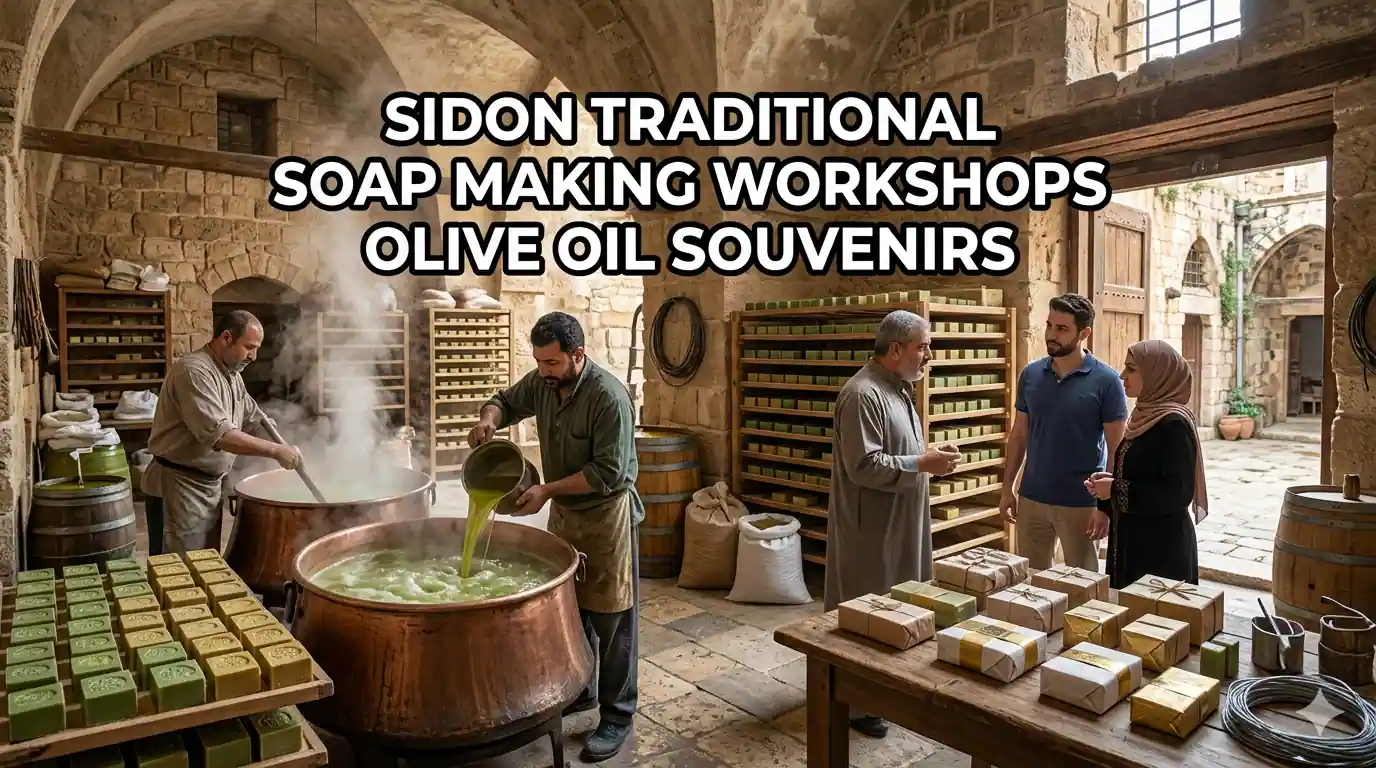
Discovering Sidon's Ancient Soap Making Tradition
Sidon (Saida), one of Lebanon's oldest and most historically significant coastal cities, has been renowned for centuries as a center of traditional olive oil soap production. This ancient craft, passed down through generations, represents one of Lebanon's most authentic artisanal traditions and produces some of the finest natural olive oil soap in the Mediterranean region.
The soap making tradition in Sidon dates back over a thousand years, with historic soap factories (known locally as "sabouns") operating continuously in the old city. These traditional workshops use time-honored methods to transform pure olive oil into luxurious, natural soap bars that have been prized for their gentle cleansing properties and skin-nourishing benefits.
For visitors to Sidon, participating in a soap making workshop or visiting a traditional soap factory offers a unique opportunity to witness this ancient craft firsthand, learn about the production process, and purchase authentic olive oil soap directly from the source. These workshops provide not just souvenirs, but a deeper understanding of Lebanese cultural heritage and artisanal traditions.
This comprehensive guide explores the best soap making workshops in Sidon, explains the traditional production process, helps you identify authentic products, and provides practical information for visiting these historic workshops and purchasing genuine olive oil soap souvenirs.
The History of Soap Making in Sidon

Sidon's soap making tradition is deeply rooted in the city's history as a major Mediterranean trading port and center of craftsmanship. The industry flourished particularly during the Ottoman period (1516-1918), when Sidon became one of the region's most important soap production centers.
Ancient Origins
The basic soap making process using olive oil and plant ash (which produces lye) has been practiced in the Levant for over a millennium. Sidon's strategic location on the Mediterranean coast, combined with Lebanon's abundant olive groves, made it an ideal location for soap production.
Historic records indicate that Sidon was exporting olive oil soap throughout the Mediterranean and Middle East as early as the 14th century. The soap was highly valued for its purity, gentle cleansing properties, and long shelf life.
Ottoman Era Prosperity
During the Ottoman period, Sidon's soap industry reached its zenith. The city's old town featured numerous soap factories, many of which were housed in impressive stone buildings with high ceilings and large copper cauldrons for cooking the soap mixture.
The traditional soap-making process became highly refined, with specific techniques passed down through families. Master soap makers (known as "mu'allim saboun") held prestigious positions in the community, and their expertise was highly valued.
Modern Revival
While industrial soap production and modern detergents reduced demand for traditional olive oil soap in the 20th century, recent years have seen a revival of interest in natural, artisanal products. Several historic soap factories in Sidon have been restored and now operate as working museums and workshops, welcoming visitors to learn about this ancient craft.
Today, Sidon's traditional soap industry represents an important part of Lebanon's cultural heritage, with several family-run workshops continuing to produce soap using centuries-old methods.
Traditional Soap Making Process

Understanding the traditional soap making process helps visitors appreciate the craftsmanship involved and identify authentic products. The process used in Sidon's traditional workshops has remained largely unchanged for centuries.
Key Ingredients
Olive Oil: The primary ingredient, comprising 80-100% of the soap mixture. Sidon's soap makers use high-quality extra virgin olive oil, often sourced from local Lebanese olive groves. The quality of the olive oil directly affects the soap's quality.
Water: Pure water is mixed with lye to create the lye solution. Traditional workshops often use spring water or carefully filtered water.
Lye (Sodium Hydroxide): Historically made from plant ash (particularly barilla plant ash), modern traditional workshops use food-grade sodium hydroxide. The lye reacts with olive oil in a process called saponification to create soap.
Optional Additives: Some soaps include natural additives like essential oils (lavender, rose, jasmine), dried herbs, or natural colorants, though traditional Sidon soap is typically pure olive oil soap without additives.
The Production Process
Step 1: Mixing the Lye Solution
Lye is carefully mixed with water in a controlled process. This creates a highly caustic solution that must be handled with extreme care. The mixture heats up significantly during this exothermic reaction.
Step 2: Combining with Olive Oil
The lye solution is slowly added to large copper cauldrons containing heated olive oil. The mixture is continuously stirred to ensure even distribution and proper chemical reaction.
Step 3: Cooking the Soap
The mixture is cooked over low heat for several hours (typically 3-5 hours), with constant stirring. During this time, the saponification process occurs, transforming the olive oil and lye into soap. The mixture gradually thickens and changes consistency.
Step 4: Testing and Refining
Master soap makers test the soap mixture throughout the cooking process to ensure proper consistency and complete saponification. Traditional testing methods include visual inspection and texture assessment.
Step 5: Pouring and Setting
Once cooked, the hot liquid soap is poured into large wooden or metal frames lined with cloth. The soap is left to cool and solidify for 24-48 hours.
Step 6: Cutting
Once solidified, the soap block is removed from the frame and cut into individual bars using traditional wire cutters or knives. Bars are typically cut into rectangular shapes of various sizes.
Step 7: Stamping
Each bar is traditionally stamped with the soap maker's mark or factory seal, identifying the producer and often indicating the production date.
Step 8: Curing
The cut soap bars are stacked in well-ventilated curing rooms where they air-dry for a minimum of 3-6 months, though premium soaps may cure for up to a year. During curing, excess water evaporates, the soap hardens, and the pH level stabilizes, resulting in a mild, long-lasting bar.
Where to Find Authentic Soap Making Workshops in Sidon

Sidon's old city (the historic medina) is home to several traditional soap factories that welcome visitors. Here are the most notable workshops where you can observe the soap making process, take guided tours, and purchase authentic products.
Al-Saboun Factory (Soap Factory Museum)
Location: Old City, Sidon (near the Sea Castle)
History: One of Sidon's oldest continuously operating soap factories, dating back over 400 years
Features:
- Working museum demonstrating traditional soap making methods
- Guided tours explaining the history and production process
- Original Ottoman-era architecture with traditional copper cauldrons
- Small shop selling fresh and aged olive oil soap
- Occasional hands-on workshops (advance booking recommended)
- 👉 Best Locations for Astrophotography at Light Pollution Free Lake Markakol
- 👉 Nusantara 2026: A First Look at Indonesia’s Emerging Forest Capital
- 👉 The Western Wall (Kotel): Spiritual Heart of Jerusalem
Visitor Information:
- Open: Saturday-Thursday, 9:00 AM - 5:00 PM (closed Fridays)
- Tour duration: 30-45 minutes
- Tour cost: Often free or small donation; soap purchases support the workshop
- Best time to visit: Morning hours when soap making activities are most active
- 👉 Best Locations for Astrophotography at Light Pollution Free Lake Markakol
- 👉 Nusantara 2026: A First Look at Indonesia’s Emerging Forest Capital
- 👉 The Western Wall (Kotel): Spiritual Heart of Jerusalem
What to Expect: Al-Saboun Factory offers one of the most authentic soap making experiences in Sidon. The factory maintains traditional production methods while welcoming visitors to observe the process. Knowledgeable guides explain each step of production and the factory's history. The shop sells soap of various ages, from fresh bars to soap aged 2-3 years (which is considered premium quality).
Sidon Soap Cooperative
Location: Old City, near the Khan al-Franj (French Caravanserai)
History: Family-run workshop operating for over 150 years
Features:
- Small-scale traditional production
- Personal tours by family members
- Opportunity to see soap cutting and stamping
- Wide variety of soap types and ages
- Competitive prices
- 👉 Best Locations for Astrophotography at Light Pollution Free Lake Markakol
- 👉 Nusantara 2026: A First Look at Indonesia’s Emerging Forest Capital
- 👉 The Western Wall (Kotel): Spiritual Heart of Jerusalem
Visitor Information:
- Open: Daily, 9:00 AM - 6:00 PM
- Tours: Informal, family-led tours available throughout the day
- No tour fee; purchases appreciated
- Photography permitted
- 👉 Best Locations for Astrophotography at Light Pollution Free Lake Markakol
- 👉 Nusantara 2026: A First Look at Indonesia’s Emerging Forest Capital
- 👉 The Western Wall (Kotel): Spiritual Heart of Jerusalem
What to Expect: This family-run workshop offers a more intimate, personal experience. Family members often lead tours themselves, sharing stories about the factory's history and traditional techniques passed down through generations. The atmosphere is warm and welcoming, and visitors can ask detailed questions about the production process.
Heritage Soap Workshop
Location: Old City, Sidon
Features:
- Restored historic soap factory
- Demonstrations of traditional soap making (seasonal)
- Small museum displaying antique soap-making tools
- Hands-on workshops available (advance booking required)
- Café serving traditional Lebanese refreshments
- 👉 Best Locations for Astrophotography at Light Pollution Free Lake Markakol
- 👉 Nusantara 2026: A First Look at Indonesia’s Emerging Forest Capital
- 👉 The Western Wall (Kotel): Spiritual Heart of Jerusalem
Visitor Information:
- Open: Tuesday-Sunday, 10:00 AM - 6:00 PM
- Workshop cost: $15-25 per person (includes soap samples)
- Advance booking essential for hands-on workshops
- Group discounts available
- 👉 Best Locations for Astrophotography at Light Pollution Free Lake Markakol
- 👉 Nusantara 2026: A First Look at Indonesia’s Emerging Forest Capital
- 👉 The Western Wall (Kotel): Spiritual Heart of Jerusalem
What to Expect: Heritage Soap Workshop offers the most interactive experience, with regular demonstrations and occasional hands-on workshops where visitors can participate in the soap making process under guidance. The workshop is ideal for those who want a deeper, more engaging experience. The café provides a pleasant place to relax after the tour.
How to Identify Authentic Sidon Olive Oil Soap

With growing interest in natural products, imitation "Lebanese soap" has appeared in tourist markets. Here's how to identify authentic, traditionally-made Sidon olive oil soap:
Visual Characteristics
Color: Authentic olive oil soap ranges from pale green to golden-brown, depending on the olive oil used and aging time. Fresh soap tends to be greener, while aged soap develops a golden or amber hue. Avoid soap that is uniformly white or artificially colored.
Texture: The surface should be slightly rough and natural-looking, not perfectly smooth or glossy. Traditional soap has a rustic, handmade appearance.
Stamp/Mark: Authentic soap from traditional workshops is stamped with the maker's mark or factory seal. This stamp is typically impressed into the soap while still soft.
Weight: Traditional soap bars are substantial and heavy for their size due to high olive oil content and minimal water content after proper curing.
Sensory Characteristics
Smell: Authentic olive oil soap has a mild, natural olive oil scent—slightly earthy and nutty. It should not have a strong perfume smell (unless essential oils have been added). The scent should be subtle, not overpowering.
Feel: The soap should feel firm and dense, not soft or crumbly. When wet, it should produce a creamy, rich lather rather than excessive bubbles.
Taste (if sampling): While you shouldn't eat soap, a tiny taste test (spit it out immediately) can reveal quality. Authentic olive oil soap should taste mildly of olive oil, not harsh or chemical.
Production Indicators
Age: Ask about the soap's age. Quality traditional soap is cured for at least 3-6 months, with premium soap aged 1-3 years. Aged soap is harder, milder, and longer-lasting.
Ingredients: Authentic Sidon soap should contain primarily olive oil (80-100%), water, and lye. Avoid soap with synthetic additives, detergents, or artificial fragrances.
Price: Authentic, traditionally-made olive oil soap costs more than mass-produced alternatives. Expect to pay $3-8 per bar depending on size and age. Extremely cheap "olive oil soap" is likely not authentic.
Where to Buy
Best Sources:
- Direct from traditional soap factories/workshops in Sidon's old city
- Reputable souk shops in the old city that source directly from workshops
- Established Lebanese artisanal product stores
- 👉 Best Locations for Astrophotography at Light Pollution Free Lake Markakol
- 👉 Nusantara 2026: A First Look at Indonesia’s Emerging Forest Capital
- 👉 The Western Wall (Kotel): Spiritual Heart of Jerusalem
Avoid:
- Generic souvenir shops selling mass-produced soap
- Vendors who cannot explain the soap's origin or production
- Soap with artificial colors or strong perfumes
- Extremely cheap soap (under $2 per bar)
- 👉 Best Locations for Astrophotography at Light Pollution Free Lake Markakol
- 👉 Nusantara 2026: A First Look at Indonesia’s Emerging Forest Capital
- 👉 The Western Wall (Kotel): Spiritual Heart of Jerusalem
Types of Sidon Olive Oil Soap

Traditional Sidon soap workshops produce several varieties, each with distinct characteristics:
Pure Olive Oil Soap (Saboun Zaytoun)
Composition: 100% olive oil
Characteristics: Green to golden color, mild scent, very gentle on skin
Best For: Sensitive skin, facial cleansing, baby care
Aging: Minimum 6 months curing; 1-3 years for premium quality
Price Range: $4-8 per bar (depending on age)
Olive Oil Soap with Essential Oils
Composition: Olive oil base with natural essential oils (lavender, rose, jasmine, eucalyptus)
Characteristics: Light fragrance from essential oils, same gentle cleansing properties
Best For: Aromatherapy benefits, varied sensory experience
Popular Scents: Lavender (calming), Rose (uplifting), Jasmine (exotic)
Price Range: $5-10 per bar
Aged/Vintage Soap
Composition: Pure olive oil soap aged 2-5 years or more
Characteristics: Golden-amber color, very hard, extremely mild, develops complex scent
Best For: Collectors, special gifts, those with very sensitive skin
Benefits: Longer-lasting, milder pH, superior quality
Price Range: $8-15 per bar (premium aged soap)
Soap with Natural Additives
Composition: Olive oil base with natural additives like dried herbs (rosemary, thyme), oatmeal, or ground nuts
Characteristics: Added texture, additional skin benefits
Best For: Exfoliation, specific skin concerns
Price Range: $5-9 per bar
Practical Information for Visitors

Best Time to Visit
Soap Making Season: Traditional soap production typically occurs from late fall through spring (November-April), when olive oil from the recent harvest is freshest. Visiting during production season increases your chances of observing the soap making process.
Weather Considerations: Sidon's Mediterranean climate means summers are hot and humid. Spring (April-May) and fall (September-October) offer pleasant weather for exploring the old city and visiting workshops.
Peak Tourist Season: July-August sees the most tourists. While workshops remain open, they may be busier. Visiting early morning (9-10 AM) helps avoid crowds.
What to Expect During a Workshop Visit
Tour Duration: 30-60 minutes for standard tours; 1-2 hours for hands-on workshops
Language: Most guides speak Arabic and English; some speak French
Accessibility: Historic soap factories often have stairs and uneven floors; may not be fully wheelchair accessible
Photography: Generally permitted, but always ask permission first, especially when photographing workers
Smell: The soap making area has a distinct smell of cooking olive oil and lye—pleasant to some, strong for others
Shopping Tips
Bargaining: Prices in traditional workshops are typically fixed and fair. Bargaining is not expected in established workshops but may be appropriate in souk shops.
Packaging: Soap is typically sold unwrapped or in simple paper wrapping. For travel, request additional wrapping to protect the soap.
Shipping: Most workshops can arrange international shipping for large orders, though this adds significant cost.
Quantity Discounts: Many workshops offer discounts for bulk purchases (6+ bars)
How to Use and Store Olive Oil Soap
Initial Use: New soap may feel slightly soft. Allow it to dry between uses on a well-drained soap dish.
Longevity: Properly cured traditional olive oil soap lasts 6-12 months with regular use. Aged soap can last even longer.
Storage: Store in a cool, dry place away from direct sunlight. Wrap in paper (not plastic) to allow the soap to breathe.
Travel: Wrap soap in wax paper or breathable fabric. Avoid airtight containers which can cause the soap to sweat.
Soap Making Workshops: What to Expect

If you're interested in participating in a hands-on soap making workshop, here's what to expect:
Typical Workshop Structure
Duration: 2-3 hours
Group Size: Small groups (4-10 people) for personalized attention
Skill Level: No experience necessary; suitable for beginners
Language: Instruction typically in English and Arabic
Workshop Activities
Introduction: History of soap making in Sidon and overview of the process
Safety Briefing: Important safety information about handling lye and hot materials
Demonstration: Master soap maker demonstrates the process
Hands-On Participation: Participants mix ingredients, pour soap into molds, and learn cutting techniques (note: actual soap making involves working with hot, caustic materials, so participation level varies by workshop)
Stamping: Participants stamp their soap bars with traditional stamps
Q&A Session: Opportunity to ask questions about the craft
What You'll Take Home
Fresh Soap: 2-4 bars of soap you helped make (must cure before use)
Cured Soap: Some workshops provide pre-cured soap for immediate use
Information: Care instructions and information about the soap making process
Certificate: Some workshops provide participation certificates
Workshop Costs
Standard Workshop: $25-40 per person
Private Workshop: $50-80 per person
Group Discounts: Available for groups of 6+ people
What's Included: Instruction, materials, soap bars to take home, sometimes refreshments
Cultural Significance and Sustainability

Traditional soap making in Sidon represents more than just a craft—it's an important part of Lebanon's cultural heritage and a model of sustainable, artisanal production.
Cultural Heritage
Generational Knowledge: Soap making techniques have been passed down through families for centuries, preserving traditional knowledge and skills.
Community Identity: Soap making is integral to Sidon's identity and history. The craft connects present-day residents to their ancestors and cultural heritage.
Artisanal Pride: Master soap makers take great pride in their craft, viewing it as both a livelihood and a cultural responsibility.
Environmental Sustainability
Natural Ingredients: Traditional olive oil soap uses only natural, biodegradable ingredients with no synthetic chemicals or preservatives.
Local Sourcing: Olive oil is typically sourced from Lebanese olive groves, supporting local agriculture and reducing transportation emissions.
Minimal Waste: The traditional production process generates minimal waste. Leftover materials are often repurposed or composted.
Long-Lasting Product: Properly cured olive oil soap lasts much longer than commercial soaps, reducing consumption and waste.
Economic Impact
Supporting Artisans: Purchasing authentic soap directly from workshops supports traditional artisans and helps preserve the craft for future generations.
Local Economy: The soap industry supports related businesses including olive farmers, packaging suppliers, and local retailers.
Cultural Tourism: Soap workshops attract cultural tourists, contributing to Sidon's economy and raising awareness of Lebanese heritage.
Conclusion: Preserving Tradition Through Responsible Tourism
Visiting traditional soap making workshops in Sidon offers far more than a shopping opportunity—it provides a window into Lebanon's rich cultural heritage and supports the preservation of an ancient craft. By purchasing authentic olive oil soap directly from traditional workshops, you're not just buying a product; you're supporting artisan families, preserving traditional knowledge, and contributing to sustainable, ethical tourism.
The soap making tradition in Sidon has survived for centuries through the dedication of master craftsmen who have passed down their knowledge from generation to generation. Today, these workshops face challenges from mass production and changing consumer habits, but they continue to thrive thanks to visitors who appreciate authentic, handcrafted products and cultural experiences.
When you visit Sidon, make time to explore these historic workshops, learn about the soap making process, and take home authentic olive oil soap that represents centuries of tradition. Your visit helps ensure that this beautiful craft continues to flourish for generations to come.
Whether you're a soap enthusiast, a cultural traveler, or simply someone who appreciates authentic, natural products, Sidon's traditional soap workshops offer an enriching experience that connects you to Lebanon's heritage while supporting sustainable, artisanal production. Come with curiosity, leave with appreciation, and take home a piece of Sidon's living history.
0 Comments