.webp)
.webp)
Saudi Arabia Drone Laws 2026 How to Secure Permits for Aerial Desert Shots
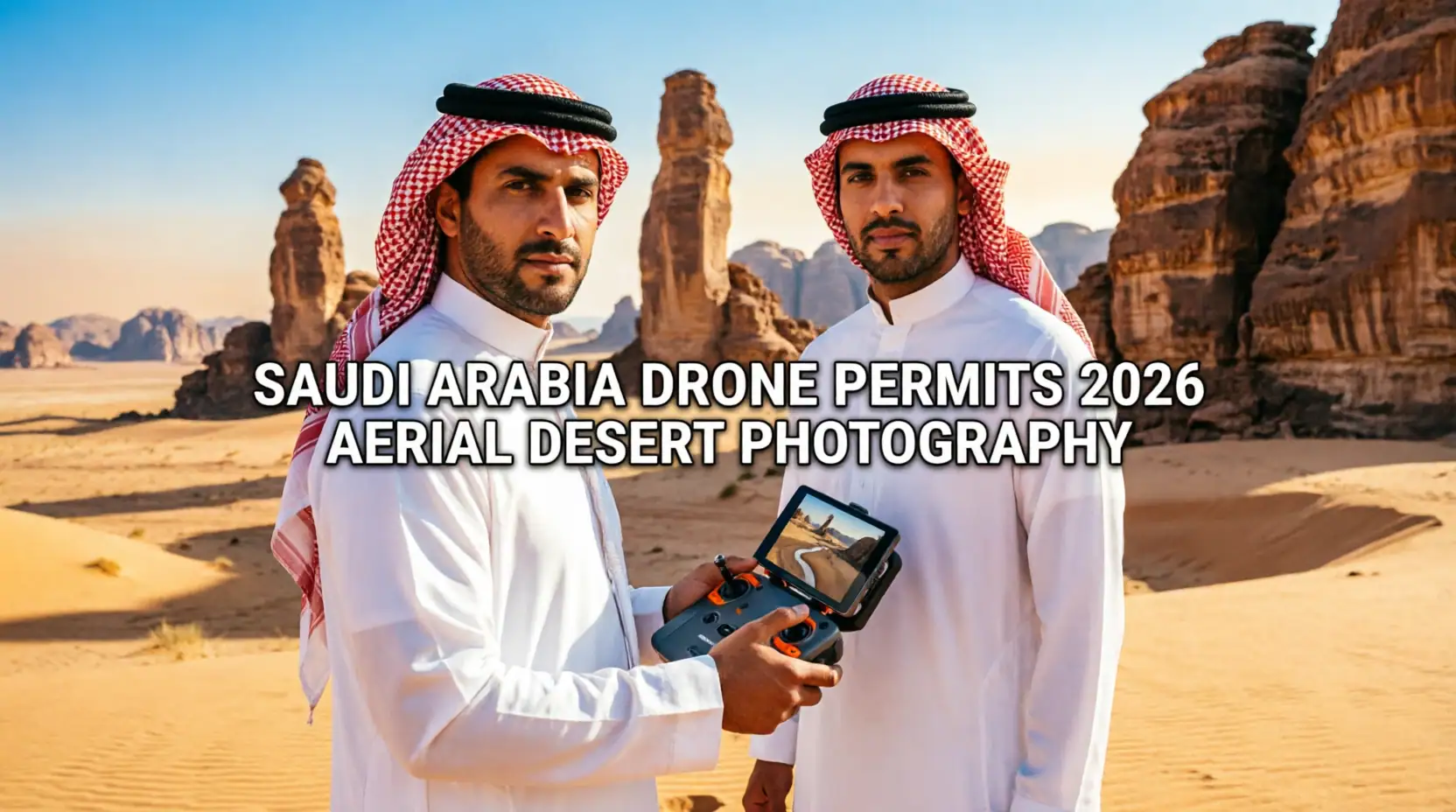
Saudi Arabia Drone Laws 2026 How to Secure Permits for Aerial Desert Shots
Saudi Arabia has emerged as one of the world's most spectacular destinations for aerial photography. The kingdom's dramatic desert landscapes, ancient archaeological sites, and modern architectural wonders create unparalleled opportunities for drone enthusiasts.
However, operating drones in Saudi Arabia requires careful navigation of evolving regulatory frameworks. The General Authority of Civil Aviation (GACA) oversees all unmanned aerial vehicle activities with strict compliance requirements.
Understanding drone laws and permit procedures is essential for photographers, filmmakers, and content creators planning aerial work in Saudi Arabia. Non-compliance can result in significant penalties including equipment confiscation and legal consequences.
This comprehensive 2026 guide provides everything you need to know about securing drone permits for aerial desert photography in Saudi Arabia. From application processes to restricted zones, you will discover how to capture stunning aerial content legally and responsibly.
Understanding Saudi Arabia Drone Regulatory Framework

Saudi Arabia's drone regulations have evolved significantly in recent years. The kingdom balances security concerns with growing interest in commercial and recreational unmanned aerial operations.
The General Authority of Civil Aviation (GACA) serves as the primary regulatory body for all drone activities. This agency establishes rules, processes permits, and enforces compliance throughout the kingdom.
Regulations distinguish between recreational, commercial, and government drone operations. Each category carries different requirements, restrictions, and approval processes that operators must understand.
Foreign visitors face additional considerations beyond domestic operator requirements. International travelers must navigate visa status, equipment import procedures, and activity authorization simultaneously.
Key Regulatory Bodies and Their Roles
GACA manages airspace control, permit issuance, and regulatory enforcement for all civil aviation activities including drones. Their digital platforms facilitate application processes and compliance tracking.
The Ministry of Interior oversees security-related aspects of drone operations. Activities near sensitive infrastructure, government facilities, or border areas require additional security clearances.
The Saudi Data and Artificial Intelligence Authority (SDAIA) regulates data collection and privacy considerations for aerial photography. Content capturing individuals or private property requires careful compliance.
Local municipal authorities may impose additional restrictions in specific areas. Always verify local requirements beyond national regulations when planning drone operations in particular locations.
Categories of Drone Operations in Saudi Arabia
Recreational drone use permits personal photography and hobby flying within designated areas. These operations face the most restrictions regarding location, altitude, and equipment specifications.
Commercial drone operations require professional licensing, insurance coverage, and detailed flight plans. Content creators, surveyors, and filmmakers fall into this category requiring comprehensive authorization.
Government and research drone activities follow separate protocols with institutional oversight. Academic institutions and official agencies coordinate directly with GACA for specialized permissions.
Understanding your operational category determines application requirements, approval timelines, and permissible activities. Misclassification can result in permit denial or enforcement actions.
Drone Registration and Equipment Requirements

All drones operated in Saudi Arabia must be registered with GACA regardless of weight or intended use. Registration creates accountability and facilitates enforcement of operational regulations.
Equipment specifications must comply with Saudi technical standards. Drones exceeding certain weight thresholds face additional requirements including remote identification capabilities and geofencing systems.
Import procedures for bringing drones into Saudi Arabia require documentation and potential customs declarations. Travelers should prepare paperwork before arrival to avoid delays or confiscation.
Maintenance records and equipment certifications may be requested during permit applications or inspections. Keeping comprehensive documentation supports compliance and operational approval.
Registration Process for Foreign Operators
Foreign drone operators must register equipment through GACA's digital platform before conducting any flights. The process requires passport information, equipment specifications, and intended activity descriptions.
Registration fees vary based on drone weight and operational category. Commercial registrations typically cost more than recreational classifications reflecting increased oversight requirements.
Registration certificates must be carried during all drone operations. Digital copies on mobile devices provide backup but physical documentation remains preferred for official interactions.
Registration validity periods require renewal for extended stays or ongoing operations. Track expiration dates to maintain continuous compliance throughout your Saudi Arabia visit.
Technical Specifications and Compliance
Drones must meet Saudi technical standards including weight limits, speed restrictions, and remote identification capabilities. Verify your equipment specifications before applying for permits.
Geofencing systems that prevent flight in restricted areas may be mandatory for certain drone categories. Ensure your equipment software supports Saudi no-fly zone databases.
Battery safety certifications and fire-resistant storage requirements apply to all commercial operations. Proper equipment handling demonstrates professionalism and supports permit approval.
Camera specifications and data storage capabilities may face scrutiny for commercial content creation. Understand privacy regulations regarding aerial photography of people and private property.
Permit Application Process Step by Step

Securing drone permits in Saudi Arabia requires systematic preparation and attention to detail. The application process has become more streamlined through digital platforms but remains thorough.
Applications must be submitted well in advance of planned operations. Processing times vary based on operation complexity, location sensitivity, and current application volumes.
Complete and accurate documentation accelerates approval while errors or omissions cause delays or rejections. Review all requirements carefully before submitting applications.
Permit approvals include specific conditions regarding flight areas, altitudes, times, and operational limitations. Adherence to these conditions is mandatory for continued authorization.
Preparing Your Application Documentation
Gather required documents including passport copies, visa information, equipment registration certificates, and insurance policies before beginning the application process.
Prepare detailed flight plans specifying coordinates, altitudes, durations, and purposes for each proposed operation. Clear plans demonstrate professionalism and facilitate regulatory review.
Include risk assessments addressing potential hazards, mitigation strategies, and emergency procedures. Comprehensive safety planning supports permit approval for commercial operations.
Provide letters of support from local partners, venues, or sponsors when applicable. Institutional backing strengthens applications for complex or sensitive operations.
Navigating the GACA Digital Platform
GACA's online portal serves as the primary interface for drone permit applications. Familiarize yourself with the platform before travel to streamline the application process.
Create user accounts with verified contact information to receive application updates and permit notifications. Digital communication accelerates processing and reduces administrative delays.
Upload required documents in specified formats and sizes to avoid technical rejection. Follow platform guidelines precisely to ensure successful submission.
Track application status through the portal dashboard and respond promptly to any requests for additional information. Active engagement facilitates timely approval.
Restricted Zones and No-Fly Areas

Saudi Arabia maintains extensive no-fly zones protecting sensitive infrastructure, government facilities, and security interests. Understanding these restrictions prevents inadvertent violations.
Restricted areas include airports, military installations, royal palaces, oil facilities, and border regions. Maps and digital tools help operators identify prohibited zones before flight planning.
Temporary flight restrictions may be imposed for special events, security operations, or emergency situations. Monitor official channels for real-time updates affecting planned operations.
Desert locations that appear remote may still fall within restricted airspace. Always verify clearance for specific coordinates rather than assuming accessibility based on apparent isolation.
Identifying No-Fly Zones for Desert Photography
Use GACA's official no-fly zone maps and compatible drone software to identify restricted areas before planning desert photography sessions. Multiple resources provide overlapping verification.
Archaeological sites including AlUla, Hegra, and other UNESCO locations may have specific drone restrictions. Contact site management directly to understand permissible aerial activities.
Protected environmental areas and wildlife reserves often limit drone operations to prevent disturbance. Research conservation designations for locations you plan to photograph.
Private land ownership in desert regions requires permission for aerial photography even outside formal no-fly zones. Respect property rights and seek authorization when necessary.
Obtaining Special Authorization for Restricted Areas
Some restricted areas permit drone operations with special authorization for legitimate commercial or research purposes. Applications require detailed justification and enhanced security review.
Partner with local institutions or government entities to strengthen applications for sensitive location access. Institutional sponsorship facilitates approval for otherwise restricted operations.
Allow extended processing time for special authorization requests. Security reviews for sensitive areas take longer than standard permit applications requiring advanced planning.
Comply with all conditions attached to special authorizations including escort requirements, communication protocols, and data handling procedures. Violations jeopardize future access opportunities.
Insurance Requirements for Drone Operations

Commercial drone operations in Saudi Arabia require liability insurance covering potential damage to property, injury to persons, and equipment loss. Insurance documentation is mandatory for permit approval.
Minimum coverage amounts vary based on drone weight, operational environment, and activity type. Verify current requirements through GACA before purchasing policies.
International insurance policies may require Saudi-specific endorsements or supplemental coverage. Work with insurers experienced in Middle East drone operations to ensure compliance.
Insurance certificates must be current and accessible during all operations. Digital and physical copies provide backup for verification requests from authorities or venues.
Selecting Appropriate Coverage for Desert Operations
Desert environments present unique risks including sand damage, extreme temperatures, and remote recovery challenges. Ensure your policy covers environmental hazards specific to Saudi operations.
Equipment coverage should address loss, theft, and damage during transport and field use. Comprehensive protection supports operational continuity in challenging conditions.
Third-party liability coverage protects against claims from property damage or personal injury. Adequate limits demonstrate responsibility and facilitate permit approval.
Consider coverage for data loss or corruption affecting commercial deliverables. Professional operations benefit from protection against technical failures impacting client obligations.
Documentation and Verification Processes
Submit insurance certificates with permit applications in formats specified by GACA. Proper documentation prevents administrative delays in approval processes.
Maintain current policies throughout your Saudi Arabia stay with coverage extending beyond planned operation dates. Buffer periods accommodate schedule changes or extended opportunities.
Carry insurance contact information for emergency claims processing. Quick access to insurer support facilitates resolution of incidents during operations.
Update insurance documentation if equipment or operational scope changes during your visit. Continuous compliance requires current information matching actual activities.
Penalties for Regulatory Violations

Saudi Arabia enforces drone regulations seriously with penalties ranging from fines to equipment confiscation and legal prosecution. Understanding consequences motivates careful compliance.
Operating without permits in restricted areas carries the most severe penalties including potential detention and deportation for foreign nationals. Always verify authorization before flight.
Equipment confiscation may occur for violations even without criminal charges. Recovering seized drones involves complex procedures and significant delays affecting project timelines.
Repeat violations or intentional disregard for regulations increases penalty severity. First-time unintentional violations may receive warnings but patterns of non-compliance face escalating consequences.
Common Violations and How to Avoid Them
Flying in no-fly zones represents the most frequent violation. Always verify coordinates against current restricted area maps before every flight session.
Exceeding approved altitudes or operating outside permitted time windows violates permit conditions. Monitor flight parameters continuously using drone software and manual oversight.
Operating without required visual observer or safety personnel breaches commercial permit requirements. Ensure all mandated support roles are filled during authorized operations.
Collecting imagery violating privacy regulations or capturing restricted infrastructure creates legal exposure. Understand content limitations before beginning photography sessions.
Responding to Enforcement Actions
Cooperate fully with authorities if approached during drone operations. Polite compliance and documentation presentation facilitates resolution of misunderstandings or minor violations.
Request official documentation for any enforcement actions including citations or equipment seizures. Written records support appeals or insurance claims if necessary.
Contact your embassy or consulate if facing serious legal consequences as a foreign national. Diplomatic support provides guidance through Saudi legal processes.
Document incidents thoroughly including photographs, witness contacts, and official communications. Comprehensive records support defense against unjustified enforcement actions.
Best Practices for Desert Aerial Photography

Successful drone photography in Saudi deserts requires technical preparation, environmental awareness, and cultural sensitivity. These practices enhance results while ensuring compliance.
Plan flights around optimal lighting conditions including golden hour and blue hour. Desert landscapes benefit dramatically from warm morning and evening light enhancing textures and colors.
Monitor weather conditions including wind speeds, sandstorms, and temperature extremes. Desert weather changes rapidly requiring flexible scheduling and safety contingencies.
Respect wildlife and natural environments by maintaining appropriate altitudes and avoiding disturbance. Conservation ethics support sustainable access to spectacular locations.
Technical Considerations for Desert Flying
Sand and dust pose significant risks to drone equipment including motors, sensors, and cameras. Use protective cases and cleaning protocols to maintain equipment functionality.
Extreme temperatures affect battery performance and flight times. Carry extra batteries and manage power consumption conservatively in hot desert conditions.
GPS signal quality may vary in canyon environments or near large rock formations. Verify positioning accuracy before critical maneuvers in complex terrain.
Visual line of sight requirements become challenging in vast desert landscapes. Use spotters or technology aids to maintain compliance while capturing expansive scenes.
Cultural Sensitivity and Community Engagement
Respect local communities and traditional land uses when conducting aerial photography in desert regions. Seek permission when operating near settlements or culturally significant areas.
Avoid capturing imagery of individuals without consent particularly in conservative communities. Privacy considerations require careful framing and awareness of local norms.
Engage with local guides and hosts who understand cultural protocols and can facilitate appropriate access. Community relationships enhance both compliance and photographic opportunities.
Share results respectfully with communities when appropriate. Positive engagement builds trust supporting future access and collaborative opportunities.
Resources and Support for Drone Operators

Successful drone operations in Saudi Arabia benefit from leveraging available resources including official channels, professional networks, and local expertise.
GACA's website and customer service provide authoritative information about regulations, applications, and compliance requirements. Official sources ensure accuracy for critical decisions.
Professional associations and drone operator communities share practical knowledge about Saudi operations. Peer insights complement official guidance with real-world experience.
Local destination management companies and fixers facilitate logistics, permissions, and cultural navigation for international operators. Professional support streamlines complex projects.
Official Channels and Digital Tools
GACA's drone portal offers application submission, status tracking, and regulatory updates through a centralized digital platform. Bookmark this resource for ongoing reference.
Official no-fly zone maps and compatible drone software provide real-time restricted area information. Multiple verification sources prevent inadvertent violations.
Government tourism and investment authorities offer guidance for commercial content creation supporting Saudi development objectives. Align projects with national priorities when possible.
Embassy and consular resources provide support for foreign nationals navigating regulatory processes. Diplomatic channels assist with complex or sensitive situations.
Professional Networks and Local Partners
Connect with Saudi-based drone operators and photographers who understand local regulations and practical considerations. Peer relationships provide invaluable operational insights.
Engage local fixers and production services for complex projects requiring permits, logistics, and cultural navigation. Professional partners reduce administrative burden and compliance risks.
Join international drone associations with Saudi membership or partnerships. Organizational resources support compliance and advocacy for responsible unmanned aviation.
Participate in industry events and forums focused on Middle East drone operations. Networking builds relationships facilitating future projects and knowledge sharing.
Future Regulatory Trends and Planning Ahead

Saudi Arabia's drone regulations continue evolving as technology advances and the kingdom develops its tourism and creative industries. Staying informed supports long-term operational planning.
Vision 2030 initiatives promote technological innovation and creative content production potentially expanding opportunities for authorized drone operations. Monitor policy developments for emerging possibilities.
International harmonization of drone regulations may simplify cross-border operations for global content creators. Track regional regulatory alignment affecting Middle East projects.
Technological advances including remote identification and automated compliance systems may change operational requirements. Prepare for evolving technical standards in equipment and procedures.
Staying Current with Regulatory Changes
Subscribe to GACA updates and regulatory newsletters to receive timely information about rule changes. Proactive monitoring prevents surprises affecting planned operations.
Follow Saudi tourism and investment authorities for policy announcements affecting content creation and aerial photography. Official channels provide authoritative guidance.
Engage professional legal or regulatory consultants for complex projects requiring nuanced compliance strategies. Expert advice supports high-stakes operations.
Build flexibility into project timelines accommodating potential regulatory changes. Adaptive planning mitigates risks from evolving requirements.
Building Long-Term Operational Capacity
Develop relationships with Saudi partners and authorities supporting ongoing access and compliance. Long-term relationships facilitate future projects and regulatory navigation.
Invest in equipment and training aligned with anticipated regulatory standards. Forward-looking preparation reduces adaptation costs when requirements evolve.
Document successful operations and compliance practices creating institutional knowledge for repeat projects. Organized records support efficiency and risk management.
Contribute to responsible drone advocacy supporting balanced regulations enabling creative and commercial opportunities. Constructive engagement shapes favorable policy environments.
Final Thoughts on Saudi Arabia Drone Operations

Saudi Arabia offers extraordinary opportunities for aerial desert photography within a regulatory framework requiring careful navigation. Understanding and respecting drone laws enables spectacular content creation while supporting responsible aviation development.
Permit processes, while thorough, facilitate safe and compliant operations that protect security interests and individual privacy. Patience and preparation yield authorization for memorable aerial projects.
The kingdom's commitment to tourism development under Vision 2030 creates growing opportunities for authorized drone operators. Aligning projects with national priorities enhances approval prospects and operational support.
Respectful engagement with Saudi regulations, culture, and communities builds positive relationships supporting sustainable access to this remarkable destination. Responsible operations today enable continued opportunities tomorrow.
0 Comments