.webp)
.webp)
The Ultimate China Travel Guide: Navigating the Dragon State with Confidence
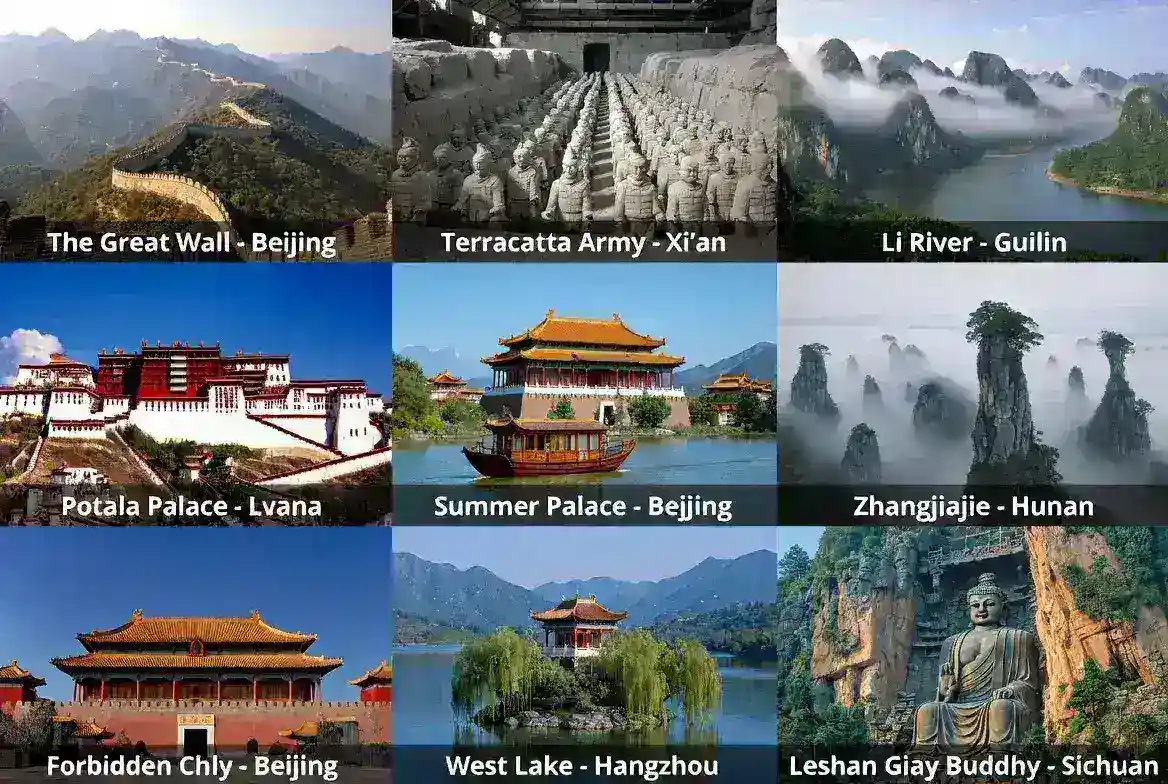
China, the world's most populous nation and one of its oldest continuous civilizations, stands as a land of breathtaking contrasts where ancient traditions dance with cutting-edge modernity. As we navigate through 2026, the Dragon State continues to captivate travelers with its 5,000 years of history, spectacular landscapes ranging from karst mountains to vast deserts, and a culinary heritage that has influenced the entire world. Whether you're drawn by the iconic Great Wall, the futuristic skylines of Shanghai, the ancient warriors of Xi'an, or the ethereal beauty of Guilin's limestone peaks, China offers experiences that challenge, inspire, and transform.
Traveling in China can seem daunting to first-time visitors. The language barrier, complex visa requirements, vast distances, and cultural differences may feel overwhelming. However, with proper preparation and the right information, navigating China becomes not just manageable but incredibly rewarding. This comprehensive guide will equip you with everything needed to explore the Middle Kingdom with confidence, from understanding visa requirements and choosing the best time to visit, to mastering public transportation, savoring authentic regional cuisines, and respecting cultural nuances.
China in 2026 is more accessible than ever before. Digital payment systems have revolutionized daily life, high-speed rail networks connect major cities at unprecedented speeds, and tourism infrastructure continues to improve. Yet despite this modernization, China retains its soul—ancient temples still rise in misty mountains, traditional tea houses continue to serve aromatic brews, and centuries-old customs remain woven into the fabric of daily life. This guide will help you experience both faces of China: the dynamic, innovative nation racing toward the future, and the timeless civilization that has shaped human history for millennia.
Why Visit China in 2026?
The year 2026 presents an exceptional opportunity to explore China. The country has emerged stronger from global challenges, with tourism infrastructure refined and expanded. New high-speed rail lines have opened previously remote regions, while digital innovations have made travel smoother than ever. China's commitment to preserving its cultural heritage while embracing sustainable tourism means visitors can experience authentic traditions in increasingly responsible ways.
China's sheer scale defies comprehension—it's a country where you can ski in the morning and beach-hop in the afternoon, where desert landscapes give way to tropical rainforests, and where megacities of 20 million people coexist with villages unchanged for centuries. This diversity ensures that every traveler, whether seeking adventure, culture, cuisine, or natural beauty, finds their perfect experience.
Moreover, China remains remarkably affordable compared to Western destinations. Your travel budget stretches significantly further here, allowing for luxury experiences at mid-range prices and comfortable travel on modest budgets. The legendary Chinese hospitality, known as reqing (热情), ensures that visitors who approach with respect and curiosity are welcomed warmly.
Understanding China: A Civilization State
To travel China successfully, it helps to understand that China is not merely a country but a civilization state—a continuous culture spanning thousands of years with its own philosophical traditions, social norms, and worldview. Unlike nation-states formed in recent centuries, China's identity is rooted in millennia of continuous civilization, making it unique in the modern world.
The People's Republic of China, established in 1949, governs a territory that has been the cradle of Chinese civilization for over 5,000 years. This deep history is visible everywhere: in the architecture, the food, the language, and the values that guide daily life. Confucian principles of harmony, respect for elders, and collective well-being continue to influence Chinese society, even as the nation embraces rapid modernization.
China is home to 56 officially recognized ethnic groups, though Han Chinese comprise about 92% of the population. This diversity is reflected in regional cuisines, dialects, customs, and traditions. What unites them is a shared written language, common historical narratives, and pride in China's cultural achievements—from the Four Great Inventions (papermaking, printing, gunpowder, and the compass) to poetry, painting, and philosophy that have influenced the entire world.
Essential Travel Requirements for China

Proper preparation is crucial for a smooth China travel experience. Understanding entry requirements and practical considerations before departure will save you time, money, and stress.
Visa Requirements and Application Process
Most foreign nationals require a Chinese visa to enter the country. As of 2026, the visa application process has become more streamlined but remains detailed:
- Tourist Visa (L Visa): The most common visa for travelers, typically valid for 10 years with multiple entries for US citizens, allowing stays of up to 60-90 days per visit. Citizens of other countries may receive shorter validity periods.
- Visa-Free Transit: Many international airports offer 24, 72, or 144-hour visa-free transit for travelers from specific countries continuing to a third destination. This is perfect for short layovers in Beijing, Shanghai, Guangzhou, or other major cities.
- Hainan Visa-Free Policy: Citizens of 59 countries can visit Hainan Province visa-free for up to 30 days when booking through registered travel agencies.
- Group Tour Visa Exemptions: Some nationalities can enter visa-free as part of organized tour groups to specific regions.
- 👉 Anjar Private Chauffeur Day Trip Cost Guide 2026
- 👉 Why 2026 is the year of "Mindful Travel" in the Himalayas.
- 👉 Mari Kingdom Ruins Syria Ancient History Travel Guide 2026
To apply for a Chinese visa, you'll need: a passport valid for at least six months with blank visa pages, a completed visa application form, a recent passport-sized photo, proof of travel arrangements (flight itinerary and hotel bookings), and sometimes proof of financial means. Apply at the Chinese embassy or consulate in your country, or through a visa application service center. Processing typically takes 4-5 business days for standard service, with express options available.
Important: Visa policies can change, and requirements vary by nationality. Always check current requirements with the Chinese embassy or official government websites before applying.
Travel Insurance and Health Requirements
While not always mandatory for entry, comprehensive travel insurance is essential for China travel. Medical facilities in major cities are excellent but can be expensive for foreigners. Ensure your policy covers medical emergencies, evacuation, trip cancellation, and lost luggage. Some visas may require proof of insurance coverage.
As of 2026, no specific vaccinations are required for entry to China unless you're arriving from a country with yellow fever risk. However, routine vaccinations should be current. Consider Hepatitis A and B vaccines, especially if you'll be eating locally or staying for extended periods. If traveling to rural areas, Japanese encephalitis vaccination may be advisable.
Prescription medications should be in original packaging with a copy of your prescription. Some medications legal in Western countries are controlled substances in China, so verify that your medications are permitted before traveling.
Best Time to Visit China

China's vast territory encompasses multiple climate zones, making the "best" time to visit dependent on your destinations and interests.
Spring (March to May)
Spring is one of the best times to visit China. Temperatures are mild (10-25°C / 50-77°F), landscapes burst with blooming flowers, and the weather is generally pleasant across most regions. March and April are ideal for visiting southern China, including Guilin and Yangshuo, when rice terraces fill with water and create stunning reflections. May brings comfortable weather to Beijing and northern regions.
However, avoid the Labor Day holiday (May 1-5), when domestic tourism peaks and popular sites become extremely crowded. Hotel prices surge and attractions are packed with Chinese tourists.
Summer (June to August)
Summer brings hot, humid weather to most of China, with temperatures often exceeding 30°C (86°F) and high humidity in eastern cities. Beijing and Shanghai can be uncomfortably hot and crowded with both domestic and international tourists, as this is when Chinese students have summer vacation.
However, summer is perfect for visiting Tibet, Qinghai, and high-altitude regions where winters are harsh. It's also the best time to explore Inner Mongolia's grasslands, which are lush and green. Mountain regions like Zhangjiajie and Huangshan remain cooler than cities.
The advantage of summer travel is longer daylight hours and all attractions being fully open. The disadvantage is crowds, heat, and higher prices.
Autumn (September to November)
Autumn is arguably the best season to visit China. Weather is crisp and comfortable, skies are clear, and landscapes display spectacular fall colors, particularly in October. September and October are ideal for visiting Beijing, Xi'an, and northern regions. The famous Golden Week (October 1-7) celebrating China's National Day should be avoided due to massive domestic travel crowds.
Autumn is harvest season, meaning fresh produce and seasonal specialties abound. This is also when many traditional festivals occur, offering cultural experiences. October and November are perfect for photography, with clear air and dramatic lighting.
Winter (December to February)
Winter in China varies dramatically by region. Northern China, including Beijing and Harbin, experiences cold temperatures (-10 to 5°C / 14-41°F) with occasional snow. Harbin's Ice and Snow Festival (January-February) is a spectacular winter attraction featuring massive ice sculptures.
Southern China, including Shanghai, Guilin, and Guangzhou, has mild winters (5-15°C / 41-59°F) with occasional rain. This is an excellent time to visit southern regions, as crowds are smaller and prices lower.
Winter is low season for tourism (except during Chinese New Year, which varies between late January and mid-February), meaning fewer crowds and better deals. However, some rural attractions may have reduced hours, and air quality in northern cities can be poor.
Top Destinations in China

China's size means you cannot see everything in one trip. Focus on specific regions for a more enjoyable experience.
Beijing: The Imperial Capital
Beijing, China's capital for over 800 years, is where ancient imperial grandeur meets modern superpower ambition. The city seamlessly blends 3,000 years of history with 21st-century innovation.
Must-see attractions:
- The Great Wall: No China visit is complete without walking this iconic wonder. Popular sections include Badaling (most restored but crowded), Mutianyu (well-preserved with cable car access), and Jinshanling or Sima Tai (more remote and authentic for hiking enthusiasts).
- Forbidden City: The world's largest imperial palace complex, home to 24 emperors during the Ming and Qing dynasties. Allow at least half a day to explore its 980 buildings and vast courtyards.
- Temple of Heaven: A masterpiece of Ming Dynasty architecture where emperors prayed for good harvests. Visit early morning to see locals practicing tai chi and traditional activities.
- Summer Palace: A vast ensemble of lakes, gardens, and palaces that served as the imperial summer retreat.
- Hutongs: Traditional alleyways offering glimpses of old Beijing. Take a rickshaw tour or simply wander these historic neighborhoods.
- Tiananmen Square: One of the world's largest public squares, surrounded by significant buildings including the Great Hall of the People and the National Museum.
- 👉 Anjar Private Chauffeur Day Trip Cost Guide 2026
- 👉 Why 2026 is the year of "Mindful Travel" in the Himalayas.
- 👉 Mari Kingdom Ruins Syria Ancient History Travel Guide 2026
Spend at least 4-5 days in Beijing to experience its highlights without rushing.
Xi'an: Where Chinese Civilization Began
Xi'an, one of China's ancient capitals and the starting point of the Silk Road, is a living museum of Chinese history spanning over 3,000 years.
Must-see attractions:
- Terracotta Warriors: Discovered in 1974, this army of over 8,000 life-sized soldiers, horses, and chariots guarding the tomb of China's first emperor, Qin Shi Huang, is one of the world's most significant archaeological finds.
- Ancient City Wall: The best-preserved city wall in China, encircling the old city. Rent a bicycle and cycle the 14-kilometer perimeter for unique perspectives.
- Muslim Quarter: A vibrant neighborhood with narrow alleys, bustling markets, and the Great Mosque, blending Chinese and Islamic architecture.
- Big Wild Goose Pagoda: A Tang Dynasty Buddhist pagoda housing scriptures brought from India by the famous monk Xuanzang.
- Shaanxi History Museum: One of China's best museums, showcasing artifacts from Xi'an's role as capital of 13 dynasties.
- 👉 Anjar Private Chauffeur Day Trip Cost Guide 2026
- 👉 Why 2026 is the year of "Mindful Travel" in the Himalayas.
- 👉 Mari Kingdom Ruins Syria Ancient History Travel Guide 2026
Xi'an deserves 2-3 days minimum, with extra time if you want to explore nearby attractions like Mount Hua, one of China's Five Great Mountains.
Shanghai: The Pearl of the Orient
Shanghai, China's largest city and global financial hub, is a dazzling showcase of modern China while preserving pockets of its colonial and traditional past.
Must-see attractions:
- The Bund: A waterfront promenade lined with colonial-era buildings offering iconic views of Pudong's futuristic skyline across the Huangpu River.
- Pudong: The modern financial district featuring the Shanghai Tower (China's tallest building), Oriental Pearl Tower, and Shanghai World Financial Center.
- Yu Garden: A classical Chinese garden from the Ming Dynasty, featuring pavilions, ponds, and rockeries in the heart of the old city.
- French Concession: A charming neighborhood with tree-lined streets, art deco buildings, cafes, and boutiques.
- Jing'an Temple: A beautiful Buddhist temple surrounded by modern skyscrapers, representing Shanghai's blend of old and new.
- Shanghai Museum: One of China's finest museums, housing extensive collections of ancient Chinese art.
- 👉 Anjar Private Chauffeur Day Trip Cost Guide 2026
- 👉 Why 2026 is the year of "Mindful Travel" in the Himalayas.
- 👉 Mari Kingdom Ruins Syria Ancient History Travel Guide 2026
Plan 3-4 days in Shanghai to experience its diverse neighborhoods, world-class dining, and vibrant nightlife.
Guilin and Yangshuo: China's Karst Paradise
Guilin and nearby Yangshuo offer some of China's most iconic landscapes—towering limestone karst peaks rising from emerald rivers and lush rice paddies.
Must-see attractions:
- Li River Cruise: The journey from Guilin to Yangshuo is one of the world's most scenic river trips, immortalized on the 20-yuan banknote.
- Yangshuo Countryside: Rent a bicycle or electric scooter to explore rural villages, rice fields, and karst peaks. The Yulong River area is particularly beautiful.
- Moon Hill: A limestone peak with a natural arch resembling a crescent moon. Climb the 800 steps for panoramic views.
- Reed Flute Cave: A spectacular limestone cave illuminated with colorful lights, featuring stunning stalactites and stalagmites.
- Longji Rice Terraces: Known as the "Dragon's Backbone," these terraces carved into mountainsides are spectacular year-round but especially beautiful during planting and harvest seasons.
- 👉 Anjar Private Chauffeur Day Trip Cost Guide 2026
- 👉 Why 2026 is the year of "Mindful Travel" in the Himalayas.
- 👉 Mari Kingdom Ruins Syria Ancient History Travel Guide 2026
Spend 3-4 days in the Guilin-Yangshuo region to fully appreciate its natural beauty and relaxed atmosphere.
Chengdu: Home of Giant Pandas
Chengdu, capital of Sichuan Province, is famous as the home of giant pandas and one of China's most laid-back major cities, renowned for its spicy cuisine and tea house culture.
Must-see attractions:
- Chengdu Research Base of Giant Panda Breeding: The best place to see pandas up close. Visit early morning when pandas are most active.
- Leshan Giant Buddha: A 71-meter tall stone Buddha carved into a cliff face, accessible via a scenic day trip from Chengdu.
- Jinli Ancient Street: A recreation of an ancient street with traditional architecture, snacks, and souvenirs.
- Wuhou Shrine: A temple dedicated to Zhuge Liang, a famous strategist from the Three Kingdoms period.
- People's Park: Experience local life, watch traditional tea ceremonies, and perhaps try your hand at Chinese calligraphy.
- 👉 Anjar Private Chauffeur Day Trip Cost Guide 2026
- 👉 Why 2026 is the year of "Mindful Travel" in the Himalayas.
- 👉 Mari Kingdom Ruins Syria Ancient History Travel Guide 2026
Chengdu deserves 2-3 days, with extra time if you want to explore nearby Mount Emei or the Jiuzhaigou Valley.
Chinese Cuisine: A Culinary Journey

Chinese cuisine is incredibly diverse, with eight major culinary traditions and countless regional variations. What unites them is an emphasis on fresh ingredients, balance, and harmony of flavors.
Regional Cuisines to Explore
Sichuan Cuisine: Famous for bold, spicy flavors featuring Sichuan peppercorns that create a unique numbing sensation. Must-try dishes include Mapo Tofu, Kung Pao Chicken, and Hot Pot.
Cantonese (Guangdong) Cuisine: Emphasizes fresh ingredients and subtle flavors. Famous for Dim Sum (small bite-sized portions served in bamboo steamers), Roast Duck, and seafood.
Shandong Cuisine: Known for seafood, soups, and vinegar-based dishes. Influenced imperial court cuisine.
Jiangsu Cuisine: Features delicate, slightly sweet flavors and beautiful presentation. Famous for Sweet and Sour Mandarin Fish.
Zhejiang Cuisine: Emphasizes freshness and natural flavors, with lots of seafood and bamboo shoots.
Fujian Cuisine: Known for soups, seafood, and umami flavors from fermented ingredients.
Hunan Cuisine: Similar to Sichuan but with pure heat rather than numbing spice. Features Chairman Mao's Red-Braised Pork.
Anhui Cuisine: Uses wild herbs and simple cooking methods, featuring mountain ingredients.
Must-Try Chinese Dishes
Peking Duck: Beijing's most famous dish—crispy-skinned duck served with pancakes, scallions, and hoisin sauce.
Dumplings (Jiaozi): Versatile pockets of dough filled with meat and vegetables, boiled, steamed, or pan-fried.
Noodles: From Sichuan's Dan Dan Noodles to Lanzhou's hand-pulled beef noodles, China's noodle varieties are endless.
Hot Pot: A communal dining experience where you cook raw ingredients in a simmering pot of broth at your table.
Char Siu: Cantonese barbecued pork with a sweet, sticky glaze.
Xiaolongbao: Shanghai soup dumplings filled with pork and hot broth.
Dining Etiquette
Chinese dining has its own customs: dishes are typically shared family-style, use chopsticks correctly (never stick them upright in rice), try a bit of everything offered, and it's polite to leave a small amount of food on your plate to show you're satisfied. Tipping is not customary in China and may even be refused.
Getting Around China

China's transportation infrastructure is world-class, making travel between and within cities efficient and comfortable.
High-Speed Rail
China's high-speed rail network is the world's largest and most advanced, connecting major cities at speeds up to 350 km/h (217 mph). Trains are clean, comfortable, punctual, and affordable. Book tickets in advance through Trip.com, China Railway app, or at station ticket counters. First class and business class offer extra comfort; second class is perfectly adequate for most travelers.
Popular routes include Beijing-Shanghai (4.5 hours), Beijing-Xi'an (4-5 hours), and Shanghai-Guilin (8-9 hours). High-speed rail is often faster and more convenient than flying for distances under 1,000 kilometers.
Domestic Flights
For longer distances, domestic flights are efficient and affordable. Major carriers include Air China, China Eastern, China Southern, and Hainan Airlines. Book through travel platforms like Ctrip, Qunar, or international sites. Major airports are modern and efficient, though security lines can be long. Arrive at least 2 hours before domestic flights.
Metro Systems
Major Chinese cities have extensive, modern metro systems that are clean, safe, affordable (typically 2-7 RMB per ride), and well-signposted in English. Download metro maps or use apps like Metroman for navigation. Avoid rush hours (7:30-9:00 AM and 5:00-7:00 PM) when trains are extremely crowded.
Taxis and Ride-Sharing
Didi Chuxing (China's Uber) is the primary ride-sharing app, available in English. Traditional taxis are plentiful; have your destination written in Chinese to show drivers. Fares are reasonable; short rides cost 15-30 RMB. Payment is typically through WeChat Pay or Alipay, though some drivers accept cash.
Buses
Long-distance buses connect smaller towns not served by rail. They're affordable but less comfortable than trains. City buses are cheap but challenging for non-Chinese speakers due to limited English signage.
Accommodation Options

China offers diverse lodging for every budget and preference.
Hotels
International chains like Marriott, Hilton, Hyatt, and InterContinental operate in major cities, maintaining consistent quality standards. Mid-range Chinese chains like Jinjiang, Home Inn, and Hanting offer clean, comfortable rooms at affordable prices ($30-60 per night).
Boutique Hotels and Guesthouses
Boutique properties in historic buildings offer character and charm, particularly in cities like Beijing, Suzhou, and Xi'an. Prices range from $60-150 per night.
Hostels
Hostels are abundant in tourist areas, offering dorm beds ($8-15) and private rooms ($20-40). They're excellent for meeting fellow travelers and getting travel advice. Popular chains include YHA China and Rock Bund.
Traditional Courtyard Hotels
In Beijing, stay in a siheyuan (traditional courtyard house) converted into a hotel for an authentic experience. Similar options exist in other historic cities.
Cultural Etiquette and Customs

Understanding Chinese customs enhances your travel experience and shows respect for local traditions.
Basic Etiquette
Greetings: A simple nod or handshake is appropriate. The traditional greeting is "Ni hao" (你好). Avoid excessive physical contact.
Gift Giving: If invited to a Chinese home, bring a small gift like fruit, tea, or sweets. Give and receive gifts with both hands. Avoid clocks, white flowers, or sharp objects as gifts (associated with funerals).
Respect for Elders: Chinese culture emphasizes respect for age and hierarchy. Defer to elders in social situations.
Face (Mianzi): "Saving face" is crucial in Chinese culture. Avoid public criticism, confrontation, or embarrassing others.
Temple and Religious Site Etiquette
Dress modestly, speak quietly, follow posted rules, ask permission before photographing worshippers, and don't touch religious artifacts. Some temples require removing shoes.
Photography
Photography is generally welcomed, but ask permission before photographing people, especially ethnic minorities. Some museums and temples prohibit photography. Never photograph military installations or sensitive government buildings.
Tipping
Tipping is not customary in China and may even be considered rude or confusing. Service charges are typically included in bills at upscale establishments.
Budget and Money Matters

China offers excellent value for travelers.
Currency
The Chinese Yuan (RMB/CNY) is the currency. As of 2026, exchange rates are approximately 7.2 RMB to 1 USD. Exchange money at banks or official exchange counters. ATMs are widespread and accept international cards.
Digital Payments
China is largely cashless. WeChat Pay and Alipay dominate daily transactions. International visitors can now link foreign credit cards to these apps, though functionality may be limited. Carry some cash as backup, especially for rural travel.
Daily Budget
Budget travelers: 200-300 RMB ($30-45) per day (hostels, street food, public transport)
Mid-range travelers: 500-800 RMB ($70-115) per day (3-star hotels, restaurant meals, mix of transport)
Luxury travelers: 1,500+ RMB ($210+) per day (5-star hotels, fine dining, private transport)
Safety and Practical Tips

China is generally very safe for travelers.
Personal Safety
Violent crime against tourists is rare. Petty theft can occur in crowded areas, so exercise normal precautions. China has extensive surveillance and a strong police presence, contributing to low crime rates.
Internet and VPN
China's Great Firewall blocks many Western websites including Google, Facebook, Instagram, WhatsApp, and YouTube. To access these, you'll need a VPN (Virtual Private Network). Install and test your VPN before arriving in China, as VPN websites are blocked. Reliable options include ExpressVPN, NordVPN, and Astrill.
Language
Mandarin Chinese is the official language. English is increasingly common among younger people in major cities and tourist areas, but proficiency varies. Download Pleco (Chinese dictionary), Google Translate (download offline Chinese pack), and WeChat (essential for communication and payments).
Emergency Numbers
Police: 110
Ambulance: 120
Fire: 119
Sustainable and Responsible Tourism
As China's tourism grows, responsible travel becomes increasingly important.
Environmental Responsibility
China faces environmental challenges including air and water pollution. Travelers can help by: refusing single-use plastics, using reusable water bottles (many hotels provide filtered water), disposing of trash properly, choosing eco-friendly accommodations, and supporting conservation efforts.
Cultural Respect
China has endured significant historical challenges. Approach sensitive topics with respect and empathy. Listen to local perspectives without imposing your own views. Remember that you're a guest in a country proud of its civilization and recent achievements.
Supporting Local Communities
Buy locally-made crafts, eat at family-run restaurants, stay in locally-owned accommodations, hire local guides, and visit community-based tourism projects. Your spending can make a real difference in rural areas.
Conclusion: Your Chinese Adventure Awaits
China in 2026 offers travelers an extraordinary journey through one of humanity's greatest civilizations. From walking the Great Wall at sunrise to navigating Shanghai's neon-lit streets, from savoring Sichuan's fiery cuisine to finding peace in ancient temples, China challenges, inspires, and transforms.
Yes, traveling in China requires preparation and flexibility. The language barrier, cultural differences, and sheer scale can seem daunting. But those who approach China with curiosity, respect, and an open mind will discover a nation of warmth, wonder, and endless discovery. The Chinese people, despite political complexities, are generally hospitable and proud to share their culture with respectful visitors.
Whether you're witnessing the Terracotta Warriors emerge from the earth, cycling through Yangshuo's karst peaks, or sharing tea with locals in a Beijing hutong, China will leave an indelible mark on your soul. This is a destination that rewards the intrepid traveler with experiences found nowhere else on Earth.
Ni hao, China. Your journey through the Dragon State begins now.
0 Comments