.webp)
.webp)
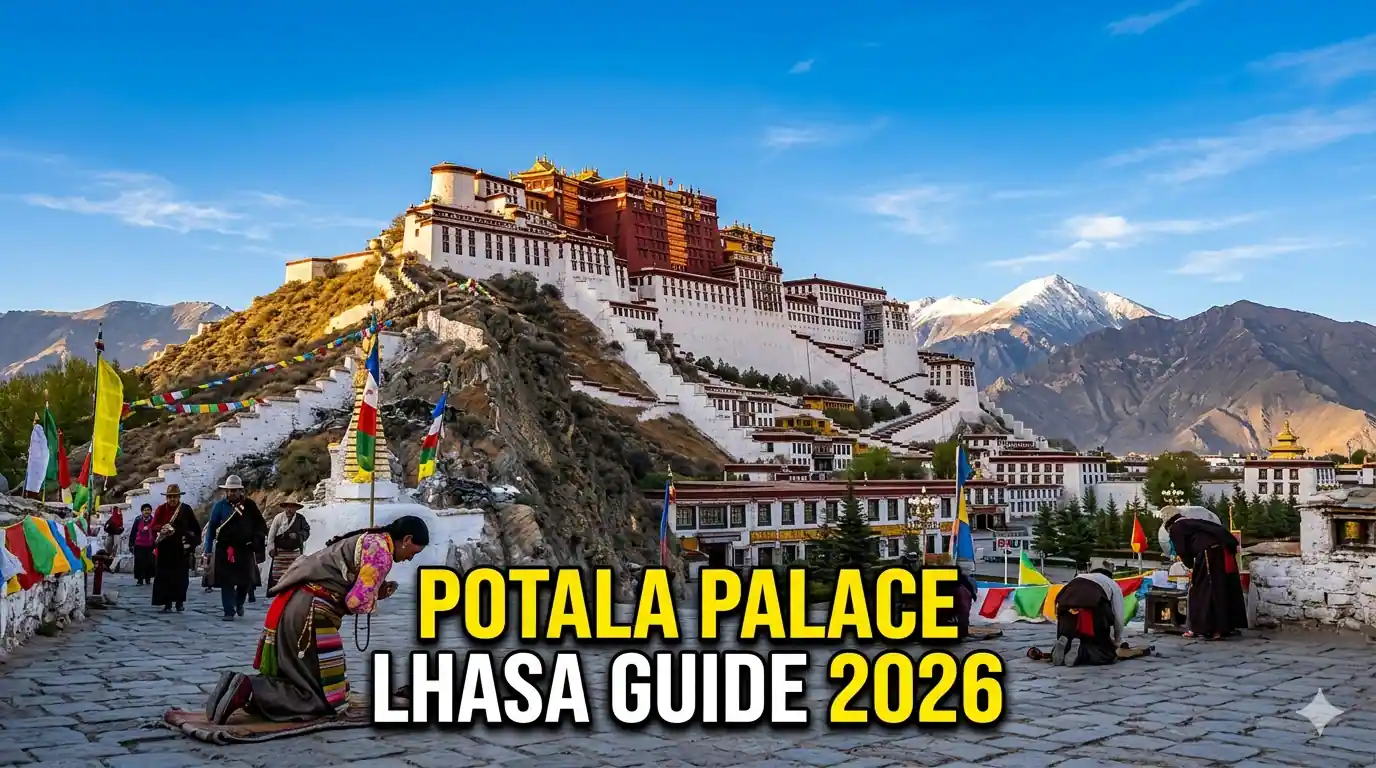
Overview of Potala Palace and Tibetan Heritage
The Potala Palace stands as one of the world's most iconic and spiritually significant structures dominating the skyline of Lhasa Tibet.
This magnificent palace fortress served as the winter residence of the Dalai Lamas since the 7th century and remains a symbol of Tibetan Buddhism.
Designated as a UNESCO World Heritage Site in 1994 the palace contains over 1000 rooms filled with priceless religious artifacts and cultural treasures.
Visiting the Potala Palace offers profound insights into Tibetan culture Buddhism and the unique heritage of the Himalayan region.
This comprehensive 2026 guide provides essential information for exploring this sacred site while respecting Tibetan traditions and regulations.
Historical and Cultural Significance
Built in 1645 by the Fifth Dalai Lama the Potala Palace represents the pinnacle of Tibetan architecture and spiritual devotion.
The palace complex rises 117 meters above the Lhasa Valley containing 13 stories and over 1000 rooms including chapels prayer halls and living quarters.
White Palace served as administrative center and living quarters while Red Palace functioned as religious center housing sacred stupas and chapels.
The palace contains the tombs of eight Dalai Lamas with golden stupas adorned with precious jewels and religious artifacts.
Over 200000 statues and thousands of murals depicting Buddhist teachings make it one of the richest repositories of Tibetan culture.
Architecture and Design Features
Traditional Tibetan architecture features massive stone walls up to 5 meters thick providing stability at high altitude.
White Palace exterior painted with white lime while Red Palace features deep red ochre coloring from mineral pigments.
Golden roofs topped with gilded bronze pinnacles and Buddhist symbols visible from miles around Lhasa.
Intricate wood carvings painted beams and colorful frescoes demonstrate exceptional Tibetan craftsmanship.
Strategic hilltop location at 3700 meters elevation provides natural defense and spiritual prominence overlooking Lhasa Valley.
Planning Your Potala Palace Visit

Visiting the Potala Palace requires advance planning due to visitor restrictions and permit requirements.
Understanding booking procedures timing and regulations ensures smooth access to this sacred site.
Preparation for high altitude and cultural sensitivity enhances the overall experience.
Ticket Booking and Requirements 2026
Tickets must be booked in advance through official channels with limited daily visitor quotas.
Online booking available through official Tibet tourism website or authorized travel agencies.
Peak season April to October requires booking 7 to 10 days in advance due to high demand.
Off season November to March allows booking 3 to 5 days ahead with better availability.
Ticket prices approximately 200 yuan for peak season and 100 yuan for off season for foreign visitors.
Valid passport required for ticket purchase and entry verification at palace entrance.
Visiting Hours and Duration
Palace open 9 AM to 4 PM with last entry at 3 PM throughout the year.
Closed on major Tibetan holidays and during special religious ceremonies.
Visit duration limited to 1 hour inside palace to manage visitor flow and preserve site.
Additional time needed for security checks ticket verification and approach climb.
Total visit time including approach and exploration approximately 2 to 3 hours.
Permit and Documentation Requirements
Tibet Travel Permit mandatory for all foreign visitors obtained through registered travel agency.
Permit application requires passport copies China visa and detailed itinerary 15 to 20 days before travel.
Aliens Travel Permit required for visiting certain areas beyond Lhasa arranged by travel agency.
Carry original passport and permits at all times as random checks conducted by authorities.
Independent travel not permitted foreigners must be accompanied by licensed Tibetan guide.
Navigating the Palace Complex

The Potala Palace complex divided into distinct sections each with unique features and significance.
Understanding the layout helps visitors appreciate the architectural and spiritual importance of different areas.
Guided tours provide essential context though independent exploration allowed in designated areas.
White Palace Administrative and Living Quarters
White Palace contains former government offices living quarters and assembly halls.
East Hall served as main assembly hall for religious and political ceremonies.
Dalai Lama's living quarters preserved with original furnishings and religious artifacts.
Chapel halls contain statues of Buddhist deities and important religious figures.
Administrative rooms display historical documents and imperial edicts from Qing Dynasty.
Red Palace Religious Center
Red Palace serves as spiritual heart of complex housing sacred stupas and chapels.
Eight golden stupas contain remains of Dalai Lamas from Fifth to Thirteenth.
Fifth Dalai Lama's stupa tallest at 14.85 meters adorned with 119000 ounces of gold and precious jewels.
Numerous chapels dedicated to different Buddhist deities with intricate murals and statues.
Scripture halls contain ancient Tibetan Buddhist texts and religious manuscripts.
Surrounding Structures and Grounds
Shol Village at base of palace housed former government offices and prison now museum.
Zongjab Square in front of palace serves as gathering place for pilgrims and tourists.
Prayer wheel corridors encircle palace base used by devotees for daily circumambulation.
Gardens and parks provide peaceful spaces for reflection with views of palace.
Museum exhibits display historical artifacts photographs and cultural items from palace collection.
Cultural Etiquette and Respectful Visiting

The Potala Palace remains an active religious site requiring respectful behavior from all visitors.
Understanding Tibetan Buddhist customs and palace protocols demonstrates cultural sensitivity.
Following guidelines preserves the sacred nature of the site for pilgrims and future generations.
Dress Code and Behavior Guidelines
Modest dress required covering shoulders and knees for both men and women.
Remove hats and sunglasses when entering palace buildings as sign of respect.
Speak quietly and avoid loud conversations maintaining reverent atmosphere.
Photography prohibited inside palace buildings though allowed in exterior courtyards.
Do not touch religious artifacts statues or murals as oils damage ancient materials.
Follow designated paths and do not enter restricted areas marked for religious use only.
Religious Customs and Practices
Observe pilgrims performing prostrations and prayers without interrupting their devotion.
Clockwise circumambulation traditional practice when walking around sacred structures.
Prayer wheels spun clockwise while reciting mantras common devotional practice.
Incense burning and butter lamp offerings important religious rituals to respect.
Monks and nuns engaged in prayer should not be disturbed or photographed without permission.
Donations to monasteries and temples appreciated though not required from tourists.
Photography Guidelines
Exterior photography permitted from designated areas without flash or tripods.
Interior photography strictly prohibited to protect fragile murals and artifacts.
Drone photography not allowed without special government permission.
Respect pilgrims privacy by not photographing them during prayers without consent.
Commercial photography requires special permit from cultural authorities.
Health and Safety at High Altitude

Lhasa sits at 3650 meters elevation with Potala Palace reaching 3700 meters requiring altitude preparation.
Understanding altitude sickness symptoms and prevention ensures safe and enjoyable visit.
Physical preparation and proper pacing essential for high altitude exploration.
Altitude Sickness Prevention
Spend 2 to 3 days acclimatizing in Lhasa before visiting Potala Palace.
Ascend gradually avoiding strenuous activity during first days at high altitude.
Stay hydrated drinking 3 to 4 liters of water daily to combat dry mountain air.
Avoid alcohol and heavy meals during acclimatization period.
Consult doctor about altitude medication like acetazolamide before travel.
Recognize symptoms including headache nausea dizziness and shortness of breath.
Physical Preparation and Pacing
Palace visit involves climbing over 300 steps with steep sections requiring moderate fitness.
Climb slowly taking frequent rests especially on steep staircases between levels.
Carry water and snacks though eating inside palace buildings not permitted.
Wear comfortable walking shoes with good traction for uneven stone steps.
Allow extra time for visit pacing yourself to avoid exhaustion at altitude.
Descend immediately if experiencing severe altitude sickness symptoms.
Weather and Seasonal Considerations
Lhasa experiences intense UV radiation requiring sunscreen hat and sunglasses.
Temperature variations significant between day and night requiring layered clothing.
Winter months November to February cold with temperatures below freezing requiring warm clothing.
Summer months June to August mild during day but afternoon rain common requiring rain gear.
Spring and autumn offer most stable weather with comfortable temperatures for palace visits.
Combining Potala Palace with Other Lhasa Sites

Lhasa offers numerous sacred and cultural sites complementing Potala Palace visit.
Strategic planning allows efficient exploration of Tibetan heritage over multiple days.
Understanding site locations and opening hours optimizes itinerary.
Jokhang Temple Sacred Heart of Lhasa
Jokhang Temple most sacred site in Tibet housing revered Jowo Rinpoche Buddha statue.
Located in Barkhor area approximately 1 kilometer from Potala Palace.
Temple open 7 AM to 7 PM with pilgrim circumambulation continuing throughout day.
Allow 2 to 3 hours for temple visit and Barkhor Street exploration.
Entrance fee approximately 85 yuan with photography permit available for additional fee.
Barkhor Street Pilgrimage Circuit
Barkhor Street forms pilgrimage circuit around Jokhang Temple with shops and cafes.
Traditional market selling Tibetan crafts jewelry thangka paintings and souvenirs.
Join pilgrims in clockwise circumambulation experiencing authentic Tibetan devotion.
Street food vendors offer Tibetan specialties like momos butter tea and tsampa.
Best visited early morning or evening when pilgrim activity most vibrant.
Norbulingka Summer Palace
Norbulingka served as summer residence of Dalai Lamas with beautiful gardens and palaces.
Located approximately 3 kilometers west of Potala Palace.
UNESCO World Heritage Site featuring traditional Tibetan architecture and landscaping.
Open 9 AM to 6 PM with entrance fee approximately 60 yuan.
Allow half day for exploring palace buildings and peaceful gardens.
Sera and Drepung Monasteries
Sera Monastery famous for monk debates held in courtyard at 3 PM daily.
Drepung Monastery once world's largest monastery housing over 10000 monks.
Both monasteries located on outskirts of Lhasa requiring half day visits.
Entrance fees approximately 50 to 60 yuan per monastery.
Observe monk debates at Sera for unique insight into Tibetan Buddhist education.
Practical Travel Information

Successful Lhasa travel requires understanding logistics regulations and local conditions.
Preparation ensures smooth journey to this remote and culturally rich destination.
Getting to Lhasa
Fly into Lhasa Gonggar Airport approximately 60 kilometers from city center.
Airport shuttle bus costs 30 yuan taking approximately 1 hour to city.
Taxi from airport costs 200 to 300 yuan with 1 hour travel time.
Qinghai-Tibet Railway offers scenic train journey from Xining taking 21 hours.
Train travel allows gradual altitude acclimatization though takes significantly longer.
Accommodation Options
Lhasa offers range from budget guesthouses to luxury international hotels.
Budget accommodations 100 to 300 yuan per night with basic amenities.
Mid-range hotels 400 to 800 yuan per night with comfortable rooms and heating.
Luxury hotels 1000 to 2000 yuan per night with international standards and oxygen supply.
Book accommodation in advance especially during peak season April to October.
Choose hotels with oxygen supply or altitude sickness assistance for safety.
Local Transportation
Taxis readily available in Lhasa with metered fares starting at 10 yuan.
Public buses cover major routes at 1 to 2 yuan per ride though routes confusing for tourists.
Bicycle rental popular for exploring Lhasa at 20 to 50 yuan per day.
Walking feasible for distances under 2 kilometers though altitude requires slow pace.
Private car with driver available through hotels or travel agencies for day trips.
Money and Payments
Chinese Yuan RMB only currency accepted in Tibet.
ATMs available in Lhasa though may have withdrawal limits for foreign cards.
Credit cards accepted at larger hotels and restaurants but cash essential for markets and small shops.
Carry sufficient cash for remote areas where ATMs unavailable.
Exchange money before arriving in Tibet as options limited in Lhasa.
Best Time to Visit Potala Palace

Timing your visit affects crowd levels weather conditions and overall experience quality.
Understanding seasonal variations helps optimize palace exploration.
Peak Season April to October
Warmest weather with daytime temperatures 15 to 25 degrees Celsius.
Longer daylight hours allowing flexible visiting times.
Highest visitor numbers requiring advance booking and patience with crowds.
All facilities and services fully operational during peak months.
Tibetan festivals and religious ceremonies more frequent providing cultural enrichment.
Off Season November to March
Colder temperatures ranging from minus 10 to 10 degrees Celsius requiring warm clothing.
Fewer tourists allowing more peaceful palace exploration and better photography.
Easier ticket availability with less advance booking required.
Some facilities may have reduced hours or seasonal closures.
Winter festivals like Losar Tibetan New Year offer unique cultural experiences.
Daily Timing Considerations
Morning visits 9 AM to 11 AM offer best light for exterior photography.
Midday 11 AM to 2 PM typically busiest with tour groups.
Afternoon 2 PM to 4 PM less crowded though limited time before closing.
First entry at 9 AM recommended for peaceful experience and maximum time.
Allow buffer time for security checks and ticket verification especially during peak hours.
Tibetan Culture and Heritage Experiences

Beyond palace walls Lhasa offers immersive Tibetan cultural experiences.
Engaging with local traditions deepens understanding of Tibetan heritage.
Traditional Tibetan Cuisine
Momos Tibetan dumplings filled with meat or vegetables popular street food.
Thukpa noodle soup warming meal perfect for high altitude climate.
Butter tea salty traditional beverage helping with altitude acclimatization.
Tsampa roasted barley flour staple food mixed with butter tea.
Thenthuk hand-pulled noodle soup hearty Tibetan comfort food.
Restaurants in Barkhor area offer authentic Tibetan dining experiences.
Tibetan Arts and Crafts
Thangka paintings intricate Buddhist scroll paintings requiring years of training.
Tibetan jewelry featuring turquoise coral and silver traditional designs.
Prayer flags and wheels essential Buddhist items available at local markets.
Tibetan carpets and rugs handwoven with traditional patterns and symbols.
Support local artisans by purchasing authentic crafts rather than mass-produced imports.
Religious Festivals and Events
Losar Tibetan New Year February or March with celebrations and traditional foods.
Saga Dawa Festival April or May commemorating Buddha's birth enlightenment and death.
Shoton Festival August featuring yogurt banquet and giant thangka unveiling.
Monlam Prayer Festival February with mass prayers and religious ceremonies.
Check festival calendar when planning visit for enhanced cultural experiences.
Responsible Tourism Practices

Visiting Tibet requires sensitivity to political cultural and environmental considerations.
Responsible tourism supports local communities while preserving fragile heritage.
Cultural Sensitivity
Respect Tibetan culture and avoid political discussions about sensitive topics.
Ask permission before photographing people especially monks and pilgrims.
Learn basic Tibetan greetings showing respect for local language and culture.
Support Tibetan-owned businesses and guides ensuring economic benefits reach local community.
Follow all regulations and guidelines set by authorities and site managers.
Environmental Protection
Carry out all trash as waste management limited in high altitude regions.
Use refillable water bottles reducing plastic waste in fragile ecosystem.
Respect wildlife and vegetation avoiding damage to alpine environment.
Choose eco-friendly accommodations implementing sustainable practices.
Minimize carbon footprint by using public transportation when possible.
Supporting Local Communities
Hire local Tibetan guides providing employment and authentic cultural interpretation.
Stay in locally-owned hotels and guesthouses rather than international chains.
Purchase handicrafts directly from artisans ensuring fair compensation.
Eat at local restaurants serving traditional Tibetan cuisine.
Contribute to conservation efforts through entrance fees and donations.
0 Comments