.webp)
.webp)
Azerbaijan Travel Guide 2026: The Land of Fire
Azerbaijan Travel Guide 2026: The Land of Fire
Where ancient Zoroastrian fire temples meet futuristic architecture, where natural gas flames burn eternally on hillsides, and where East meets West along the Caspian Sea coast—welcome to Azerbaijan, the captivating Land of Fire. As we journey into 2026, this remarkable country at the crossroads of Europe and Asia continues to emerge as one of the most intriguing and underrated destinations in the Caucasus region.
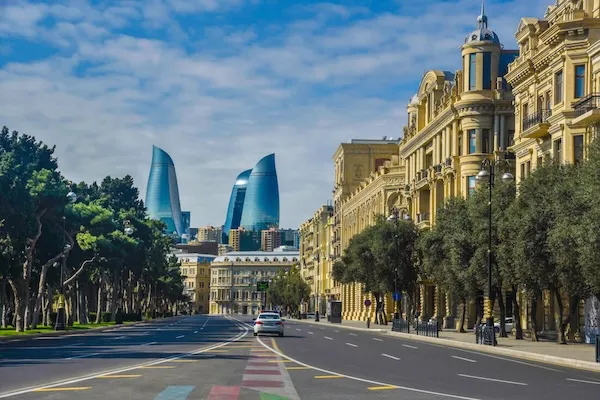
Azerbaijan's nickname isn't merely poetic; it's deeply rooted in both geography and history. The country sits atop vast natural gas reserves, and throughout its territory, you'll find places where fire emerges naturally from the earth—a phenomenon that attracted Zoroastrian pilgrims centuries ago and continues to mesmerize modern travelers. From the futuristic skyline of Baku dominated by the iconic Flame Towers to the ancient petroglyphs of Gobustan, Azerbaijan offers a journey through time that few destinations can match.
This comprehensive guide will equip you with everything needed to explore Azerbaijan in 2026, from navigating the ultra-modern capital to discovering remote mountain villages where traditions remain unchanged for centuries. Whether you're drawn by the promise of witnessing eternal flames, exploring UNESCO World Heritage Sites, sampling world-class caviar and wine, or experiencing the legendary hospitality of the Azerbaijani people, this nation promises an unforgettable adventure.
Why Visit Azerbaijan in 2026?
The year 2026 marks an exceptional time to discover Azerbaijan. Following its successful hosting of major international events and continued investment in tourism infrastructure, Azerbaijan has positioned itself as a premier destination that seamlessly blends ancient heritage with modern innovation. The country has made remarkable strides in making travel more accessible while preserving its unique cultural identity.
Azerbaijan's strategic location along the historic Silk Road has left an indelible mark on its culture, architecture, and cuisine. Today, this legacy translates into diverse experiences: you can explore medieval caravanserais in the morning, ski in the Caucasus Mountains in the afternoon, and dine at cutting-edge restaurants overlooking the Caspian Sea in the evening—all within a single day.
The country remains refreshingly affordable compared to Western Europe, offering exceptional value without compromising on quality or experiences. Moreover, Azerbaijan's compact size means you can experience coastal cities, mountain villages, ancient temples, and modern metropolises within a single trip, making it perfect for travelers seeking variety and depth.
Understanding Azerbaijan: Where Fire Meets Faith
Azerbaijan's identity as the Land of Fire (Azərbaycan in Azerbaijani literally means "Protector of Fire") stems from ancient Zoroastrian traditions. For over two millennia, the region's natural gas vents and oil seeps created eternal flames that Zoroastrians revered as sacred manifestations of their fire god, Ahura Mazda. The Ateshgah Fire Temple near Baku, built in the 17th century, stands as a testament to this spiritual heritage, having welcomed Hindu, Sikh, and Zoroastrian pilgrims who traveled the Silk Road to worship at these natural flames.
Beyond its fiery heritage, Azerbaijan boasts a rich tapestry of cultural influences. Persian, Arab, Turkish, Russian, and European influences have all left their mark, creating a unique cultural synthesis visible in everything from architecture to cuisine. The country gained independence from the Soviet Union in 1991 and has since embarked on an ambitious modernization journey while carefully preserving its ancient traditions.
Today, Azerbaijan is home to over 10 million people, with Baku serving as the largest city on the Caspian Sea and one of the Caucasus region's most important cultural and economic centers. The Azerbaijani people are renowned for their hospitality—guests are considered "a gift from God," and visitors quickly discover that this isn't merely a saying but a way of life.
Essential Travel Requirements for Azerbaijan 2026

Proper preparation ensures a smooth journey to the Land of Fire.
Visa Requirements and E-Visa System
Azerbaijan has streamlined its visa process significantly, making it one of the most accessible destinations in the region. As of 2026:
- E-Visa: Citizens of most countries can obtain an Azerbaijan e-visa online through the official ASAN Visa portal. The standard e-visa costs $25, is processed within 3-5 business days, and allows a stay of up to 30 days. Express processing (3 hours) is available for $50.
- Visa-free entry: Citizens of Turkey, Georgia, Russia, Belarus, Kazakhstan, and several other countries can enter Azerbaijan visa-free for periods ranging from 30 to 90 days.
- Visa on arrival: Available at Heydar Aliyev International Airport in Baku for certain nationalities, though the e-visa is recommended for guaranteed entry.
- 👉 Wahiba Sands Desert Camps: Budget Bedouin vs Luxury Glamping 2026
- 👉 Solo Female Travel in South Korea: Safety and Social Communities
- 👉 আর্মেনিয়া ভিসা ২০২৬: বাংলাদেশী নাগরিকদের জন্য ই-ভিসা ও আবেদন নিয়ম
Apply for your e-visa at least one week before travel. You'll need a passport valid for at least six months beyond your intended stay, a digital photograph, and a valid email address. The application process is straightforward and user-friendly.
Important note: If your passport contains an Armenian visa or entry stamp, you may be denied entry to Azerbaijan due to the ongoing Nagorno-Karabakh conflict. Travelers who have visited Armenia should use a second passport if possible or consult the Azerbaijani embassy before applying.
Travel Insurance
While not mandatory for entry, comprehensive travel insurance is strongly recommended. Azerbaijan's diverse terrain—from Caspian Sea coastline to high Caucasus peaks—means various activities carry different risk levels. Ensure your policy covers medical emergencies, evacuation, and any adventure activities you plan to undertake. Healthcare in Baku is generally good, with several international-standard hospitals, but medical facilities in rural areas are more limited.
Health Considerations
No specific vaccinations are required for entry to Azerbaijan, though routine vaccinations should be current. Consider Hepatitis A and B vaccines, especially if you'll be eating locally or staying for extended periods. Tick-borne encephalitis vaccination may be advisable if hiking in forested mountain areas during spring and summer.
Tap water in Baku is generally safe to drink, though many locals and travelers prefer bottled water for taste. In rural areas, stick to bottled or purified water. The climate varies dramatically by region, so pack accordingly—Baku can be hot and humid in summer, while mountain regions remain cool year-round.
Best Time to Visit Azerbaijan

Azerbaijan's diverse climate means the best time to visit depends on your interests and destinations.
Spring (April to June)
Spring is arguably the best time to visit Azerbaijan. Temperatures are pleasant (15-25°C / 59-77°F), the landscape is lush and green, and wildflowers bloom across the countryside. May and June are particularly beautiful, with comfortable weather perfect for exploring both cities and natural attractions. This is also when traditional festivals like Novruz (Persian New Year, celebrated around March 20-21) showcase Azerbaijani culture at its most vibrant.
The disadvantage is that this is peak tourist season, meaning popular sites will be busier and accommodation prices higher. Booking several weeks in advance is advisable.
Summer (July to September)
Summer brings hot weather to Baku and lowland areas, where temperatures can reach 35-40°C (95-104°F) with high humidity from the Caspian Sea. However, mountain regions like Gabala, Sheki, and the Greater Caucasus remain cool and refreshing, making them ideal summer destinations.
This is harvest season for fruits, and you'll find abundant fresh produce in markets. Summer is also perfect for visiting the Caspian Sea coast and participating in outdoor festivals. The Baku International Jazz Festival and other cultural events often take place during summer months.
Autumn (September to November)
Autumn is another excellent time to visit, particularly September and October. The weather remains pleasant, summer crowds dissipate, and the landscape transforms with spectacular fall colors, especially in mountain regions. This is harvest season for grapes, pomegranates, and persimmons, making it perfect for food and wine enthusiasts.
The Baku International Film Festival and other cultural events often occur in autumn. November marks the beginning of the off-season, with cooler temperatures and increased rainfall, but also lower prices and fewer tourists.
Winter (December to March)
Winter in Azerbaijan is mild along the Caspian coast but cold and snowy in the mountains. Baku experiences temperatures between 0-10°C (32-50°F) with occasional rain and wind—the city is famously windy, earning it the nickname "City of Winds." Mountain areas receive significant snowfall, making them perfect for skiing at Shahdag or Tufandag, Azerbaijan's premier ski resorts.
Winter offers unique experiences: witnessing snow-covered medieval architecture, enjoying cozy evenings in traditional tea houses, and experiencing New Year celebrations. Prices are lowest during winter (excluding holiday periods), and you'll have major attractions largely to yourself.
Top Destinations in Azerbaijan

Azerbaijan's compact size and improving infrastructure make it easy to explore multiple regions in a single trip.
Baku: Where Ancient Meets Ultra-Modern
Baku, Azerbaijan's capital and largest city, is a mesmerizing blend of medieval architecture and futuristic design. Built on the shores of the Caspian Sea, Baku has undergone dramatic transformation since the oil boom of the late 19th century and continues to evolve as a modern metropolis.
Must-see attractions:
- Icherisheher (Old City): A UNESCO World Heritage Site, this walled medieval center is Baku's historic heart. Wander cobblestone streets, explore the 12th-century Maiden Tower (Qız Qalası), and visit the Palace of the Shirvanshahs, a 15th-century royal residence showcasing Islamic architecture.
- Flame Towers: Baku's most iconic modern landmark, these three skyscrapers dominate the skyline and are illuminated at night with LED displays resembling flames—a tribute to Azerbaijan's identity as the Land of Fire.
- Heydar Aliyev Center: Designed by renowned architect Zaha Hadid, this stunning building features flowing, curved lines and houses exhibitions on Azerbaijani culture and history.
- Baku Boulevard: A seaside promenade stretching along the Caspian, perfect for walking, cycling, or simply enjoying views of the bay and the futuristic architecture.
- Ateshgah Fire Temple: Located 30 km from Baku, this 17th-century temple was built over natural gas vents that created eternal flames sacred to Zoroastrians, Hindus, and Sikhs.
- Yanar Dag: The "Burning Mountain," where natural gas fires have burned continuously for centuries on a hillside near the Caspian Sea. Best visited at dusk or night when the flames are most dramatic.
- Martyrs' Lane and Eternal Flame: A memorial complex honoring those who died for Azerbaijan's independence, offering panoramic views of the city and Caspian Sea.
- 👉 Wahiba Sands Desert Camps: Budget Bedouin vs Luxury Glamping 2026
- 👉 Solo Female Travel in South Korea: Safety and Social Communities
- 👉 আর্মেনিয়া ভিসা ২০২৬: বাংলাদেশী নাগরিকদের জন্য ই-ভিসা ও আবেদন নিয়ম
Spend at least 4-5 days in Baku to fully appreciate its contrasts. The city's restaurant scene has exploded in recent years, offering everything from traditional Azerbaijani cuisine to innovative international fusion.
Gobustan National Park and Mud Volcanoes
Just 60 km southwest of Baku lies Gobustan National Park, a UNESCO World Heritage Site containing over 6,000 rock engravings (petroglyphs) dating back 5,000-40,000 years. These ancient carvings depict hunting scenes, dances, battles, and daily life, offering invaluable insights into prehistoric human civilization.
Nearby, you'll find some of the world's most accessible mud volcanoes. Azerbaijan is home to nearly half of the world's mud volcanoes, and these geological wonders periodically erupt with cool mud and gases. The landscape resembles another planet, with conical formations scattered across barren hills.
Combine your visit with a stop at Lokbatan or Qobustan mud volcano fields. Guided tours from Baku typically include both Gobustan and the mud volcanoes, making for an fascinating half-day or full-day excursion.
Sheki: The Silk Road Jewel
Nestled in the foothills of the Greater Caucasus, Sheki is one of Azerbaijan's most enchanting cities. Once an important stop on the Silk Road, Sheki retains its historic charm with cobblestone streets, traditional architecture, and a slower pace of life.
Must-see attractions:
- Sheki Khan's Palace: An 18th-century summer residence adorned with intricate stained glass (shebeke), frescoes, and ornate tilework. Built without nails or metal, it's a masterpiece of Azerbaijani architecture.
- Sheki Caravanserai: A 17th-century merchant inn where Silk Road traders once stayed. Now housing a hotel and restaurant, it offers a glimpse into the city's trading past.
- Shebeke Workshop: Watch artisans create traditional stained glass windows using ancient techniques passed down through generations.
- Kish Albanian Church: Located in a village near Sheki, this 12th-century church is one of the oldest in the Caucasus region.
- 👉 Wahiba Sands Desert Camps: Budget Bedouin vs Luxury Glamping 2026
- 👉 Solo Female Travel in South Korea: Safety and Social Communities
- 👉 আর্মেনিয়া ভিসা ২০২৬: বাংলাদেশী নাগরিকদের জন্য ই-ভিসা ও আবেদন নিয়ম
Don't miss trying Sheki pakhlava, a sweet pastry unique to the region, and Sheki halva, made from flour, sugar, and cardamom. The city's mountain setting makes it cooler than Baku in summer, perfect for exploring on foot.
Gabala: Mountain Resort Paradise
Gabala (Qəbələ) is Azerbaijan's premier mountain resort destination, offering year-round activities. Once the ancient capital of Caucasian Albania, modern Gabala combines history with contemporary tourism infrastructure.
Activities and attractions:
- Tufandag Mountain Resort: Offers skiing in winter and hiking, mountain biking, and cable car rides in summer. The views of the Caucasus peaks are spectacular.
- Nohur Lake: A serene mountain lake perfect for picnics, boat rides, and photography.
- Yeddi Gozal Waterfall: A beautiful seven-tiered waterfall surrounded by lush forest.
- Gabaland Amusement Park: Family-friendly attractions including a Ferris wheel with panoramic views.
- 👉 Wahiba Sands Desert Camps: Budget Bedouin vs Luxury Glamping 2026
- 👉 Solo Female Travel in South Korea: Safety and Social Communities
- 👉 আর্মেনিয়া ভিসা ২০২৬: বাংলাদেশী নাগরিকদের জন্য ই-ভিসা ও আবেদন নিয়ম
Gabala is easily accessible from Baku (about 4 hours by car) and makes an excellent base for exploring the surrounding mountains and villages.
Lankaran and the Talysh Mountains
In southern Azerbaijan, near the Iranian border, lies Lankaran, a subtropical region known for its tea plantations, citrus groves, and unique biodiversity. The area's climate is dramatically different from the rest of Azerbaijan, with high rainfall and lush vegetation.
Highlights include:
- Hirkan National Park: A UNESCO-listed reserve protecting ancient relict forests that date back to the Tertiary period.
- Lankaran Castle: An 18th-century fortress in the city center.
- Tea plantations: Azerbaijan's tea industry is centered here, and visitors can tour plantations and learn about tea production.
- Astara: A border town with beautiful beaches and the unique ability to visit both Azerbaijan and Iran in the same day (with appropriate visas).
- 👉 Wahiba Sands Desert Camps: Budget Bedouin vs Luxury Glamping 2026
- 👉 Solo Female Travel in South Korea: Safety and Social Communities
- 👉 আর্মেনিয়া ভিসা ২০২৬: বাংলাদেশী নাগরিকদের জন্য ই-ভিসা ও আবেদন নিয়ম
Azerbaijani Cuisine: A Feast for the Senses

Azerbaijani cuisine reflects the country's position at the crossroads of Europe and Asia, combining Persian, Turkish, Russian, and Caucasian influences into a distinctive culinary tradition.
Must-Try Dishes
Plov: Azerbaijan's national dish, with dozens of regional variations. This saffron rice pilaf is typically served with meat (lamb or beef), dried fruits, chestnuts, and herbs. Each region has its own signature plov—try Shah plov (King's Plov) wrapped in crispy lavash bread.
Dolma: Minced meat and rice stuffed into grape leaves, cabbage, or vegetables like peppers, tomatoes, and eggplant. Azerbaijani dolma is considered among the world's best.
Kebabs: Grilled meat skewers are ubiquitous, with lula kebab (minced lamb) and shish kebab (cubed meat) being most popular. Served with grilled vegetables, sumac, and fresh bread.
Dushbara: Tiny dumplings filled with spiced lamb, served in clear broth—perfect comfort food, especially in winter.
Qutab: Thin, crescent-shaped flatbreads stuffed with minced meat, pumpkin, or greens, then fried until crispy. A popular street food and appetizer.
Piti: A hearty lamb and chickpea stew slow-cooked in individual clay pots, traditionally from Sheki.
Kurze: Half-moon shaped dumplings filled with meat and onions, similar to Turkish manti.
Bread and Sweets
Lavash and tandir (traditional flatbreads baked in clay ovens) accompany every meal. Fresh from the oven, they're incomparable.
Azerbaijan has a rich tradition of sweets:
- Pakhlava: Layers of phyllo dough with nuts and honey, especially famous in Sheki.
- Shekerbura: Crescent-shaped pastries filled with ground nuts and sugar, traditionally made for Novruz.
- Mutaki: Tube-shaped cookies filled with cinnamon and nuts.
- Baklava: Different from Turkish baklava, Azerbaijani version uses more layers and less syrup.
- 👉 Wahiba Sands Desert Camps: Budget Bedouin vs Luxury Glamping 2026
- 👉 Solo Female Travel in South Korea: Safety and Social Communities
- 👉 আর্মেনিয়া ভিসা ২০২৬: বাংলাদেশী নাগরিকদের জন্য ই-ভিসা ও আবেদন নিয়ম
Tea Culture
Tea (çay) is central to Azerbaijani hospitality. Served in traditional armudu (pear-shaped) glasses, tea is consumed throughout the day and accompanies every meal. Black tea is most common, often served with jam (particularly rose petal, fig, or cherry), lemon, or sugar. The tea ceremony is an important social ritual—refusing tea can be considered impolite.
Wine and Spirits
Azerbaijan has a winemaking tradition dating back thousands of years. The country produces excellent wines from indigenous grapes like Madrasa (red) and Bayan Shira (white). Wine regions include Gabala, Ismayilli, and Nagorno-Karabakh (though currently inaccessible). Visit wineries for tastings and tours.
Azerbaijani brandy is also highly regarded, with producers like Baku Vineyards creating exceptional aged spirits.
Where to Eat
Baku offers diverse dining options, from upscale restaurants to casual tea houses. Try Mangal, Shirvansah, or Qaynana for authentic Azerbaijani cuisine. For a traditional experience, visit caravanserais in Sheki or Old City restaurants in Baku. Local markets like Yashil Bazar (Green Market) offer fresh produce, spices, and street food.
Getting Around Azerbaijan

Azerbaijan's transportation network is developing rapidly, with several options for travelers.
Public Transportation
Buses and marshrutkas (minibuses) connect Baku to most cities and towns. They're inexpensive ($3-10 depending on distance) but can be crowded and uncomfortable for long journeys. Marshrutkas depart when full, so schedules are flexible.
Within Baku, the metro is clean, safe, and efficient, with three lines covering major areas. Single rides cost 0.30 AZN (about $0.18) using a BakuKart. Buses and taxis also operate extensively within the city.
Trains
Azerbaijan's railway network is limited but comfortable. Overnight trains connect Baku to Ganja, and there are international routes to Georgia and Russia. Trains are scenic and affordable but slower than buses or cars.
Taxis and Ride-Sharing
Bolt and Uber operate in Baku, offering convenient and affordable transportation. Street taxis are everywhere; always negotiate the fare before departure or insist on using the meter. Short rides within Baku cost 3-8 AZN ($2-5).
In smaller towns, taxis aren't metered, so agree on prices beforehand. Your hotel or restaurant can help arrange reliable drivers.
Car Rental
Renting a car provides maximum flexibility, especially for visiting remote areas like Sheki, Gabala, or the southern regions. International and local rental companies operate in Baku. Expect to pay $30-70 per day depending on the vehicle. An international driving permit is recommended.
Road conditions vary: main highways are generally good, but mountain roads can be narrow and winding. Drive defensively and be prepared for livestock on roads in rural areas. GPS works well, though offline maps are advisable for remote regions.
Private Drivers and Tours
Hiring a private driver for day trips or multi-day tours is popular and relatively affordable (50-100 AZN/$30-60 per day including fuel and driver). This option combines convenience with local knowledge, as drivers often provide informal guiding.
Organized tours are available for major attractions and can be booked through hotels or tour companies. Group tours are economical; private tours offer flexibility.
Accommodation Options

Azerbaijan offers diverse lodging options for every budget.
Hotels
Baku has numerous hotels ranging from budget to luxury. International chains like Four Seasons, JW Marriott, Hilton, and Hyatt Regency operate alongside excellent local hotels. Mid-range hotels ($40-80 per night) offer good value with modern amenities.
In regional centers like Sheki, Gabala, and Ganja, hotel options are more limited but improving, with several new properties opening in recent years.
Guesthouses and B&Bs
Guesthouses are abundant, especially in tourist areas like Sheki, Lahij, and Gabala. These family-run establishments offer authentic experiences, home-cooked meals, and warm hospitality. Prices range from 20-50 AZN ($12-30) per night including breakfast.
Platforms like Booking.com and Airbnb list many options, but asking locals or your Baku hotel for recommendations often yields the best finds.
Hostels
Budget travelers will find hostels primarily in Baku, with a few in tourist towns. Dorm beds cost 10-20 AZN ($6-12) per night, and hostels are excellent for meeting fellow travelers and getting travel advice.
Boutique Hotels and Historic Properties
Converted caravanserais and historic buildings offer unique accommodations, particularly in Sheki and Baku's Old City. These properties combine traditional architecture with modern comforts, though prices are higher (80-200 AZN/$50-120 per night).
Cultural Etiquette and Customs

Understanding Azerbaijani customs enhances your travel experience and shows respect for local traditions.
Hospitality
Azerbaijanis are renowned for their hospitality. If invited to an Azerbaijani home, bring a small gift (chocolate, pastries, or flowers). Remove your shoes when entering homes. Expect to be fed generously—refusing food can be considered impolite. Tea is offered constantly; accepting it shows appreciation for your host's generosity.
Dress Code
Azerbaijan is a secular Muslim country with moderate dress codes. In Baku and major cities, Western clothing is common and accepted. However, dress modestly when visiting religious sites (covered shoulders and knees). In rural areas and conservative regions, more modest attire is appreciated.
Religious Sites
When visiting mosques, dress modestly and remove shoes before entering. Women may be asked to cover their heads (scarves are often provided). Speak quietly and avoid visiting during prayer times unless observing respectfully. Photography may be restricted; always ask permission.
Photography
Azerbaijanis are generally comfortable being photographed, but always ask permission, especially for close-ups. Never photograph military installations, government buildings, or border areas. Some people, particularly elderly individuals in rural areas, may decline—respect their wishes.
Tipping
Tipping is appreciated but not mandatory. In restaurants, 10% is standard if service charge isn't included. Round up taxi fares or add 10% for good service. Tip hotel staff, guides, and drivers based on service quality (5-10 AZN is appropriate for most services).
Language
Azerbaijani (a Turkic language) is the official language. Russian is widely spoken, especially by older generations and in urban areas. English is increasingly common among younger people in Baku and tourist areas, though proficiency varies. Learning a few Azerbaijani phrases like salam (hello) and sağ olun (thank you) is appreciated.
Budget and Money Matters

Azerbaijan offers excellent value for travelers.
Currency
The Azerbaijani Manat (AZN) is the local currency. As of 2026, exchange rates are approximately 1.70 AZN to 1 USD. Exchange money at banks or official exchange offices; avoid street changers. ATMs are widespread in Baku and larger towns but scarce in rural areas.
Daily Budget
Budget travelers: 30-50 AZN ($18-30) per day (hostels, street food, public transport)
Mid-range travelers: 80-150 AZN ($50-90) per day (guesthouses/hotels, restaurant meals, mix of transport and tours)
Luxury travelers: 250+ AZN ($150+) per day (4-5 star hotels, fine dining, private drivers, premium experiences)
These estimates exclude international flights and major purchases.
Credit Cards
Credit cards (Visa, Mastercard) are accepted in Baku hotels, restaurants, and larger shops. Smaller establishments, markets, and rural areas operate on cash. Always carry some manat for small purchases, tips, and transportation.
Safety and Practical Tips

Azerbaijan is generally very safe for travelers.
Crime and Safety
Violent crime against tourists is extremely rare. Petty theft can occur in crowded areas, so exercise normal precautions. Azerbaijan has a low crime rate compared to many European countries. Walking alone at night in Baku is generally safe, though stay aware of your surroundings.
Border Areas and Conflict Zones
Avoid traveling near the border with Armenia and the Nagorno-Karabakh region due to ongoing tensions and landmines. Stick to established tourist routes and heed local advice. The borders with Georgia and Russia are generally safe and well-traveled.
The Nakhchivan Autonomous Republic, an Azerbaijani exclave bordered by Armenia, Iran, and Turkey, is safe to visit but requires separate travel arrangements.
Emergency Numbers
Police: 102
Ambulance: 103
Fire: 101
Emergency (all services): 112
Internet and Connectivity
Azerbaijan has good internet infrastructure. Free Wi-Fi is available in most cafes, restaurants, and hotels. Consider purchasing a local SIM card from Azercell, Bakcell, or Nar for affordable data (around 5-10 AZN for several GB). Coverage is good in populated areas but spotty in remote mountains.
Sustainable and Responsible Tourism

As Azerbaijan's tourism grows, responsible travel becomes increasingly important.
Environmental Responsibility
Azerbaijan faces environmental challenges including Caspian Sea pollution, deforestation, and waste management issues. Travelers can help by: refusing single-use plastics, carrying a reusable water bottle, disposing of trash properly, respecting wildlife and natural habitats, and choosing eco-friendly tour operators and accommodations.
Supporting Local Communities
Buy locally-made crafts (carpets, ceramics, textiles), eat at family-run restaurants, stay in guesthouses and homestays, hire local guides, and visit community-based tourism projects. Your spending can make a real difference in rural areas where economic opportunities are limited.
Cultural Respect
Azerbaijan has endured significant challenges, including the Nagorno-Karabakh conflict. Approach sensitive topics with respect and empathy. Listen to local perspectives without imposing your own views. Remember that you're a guest in a country proud of its heritage and resilience.
Conclusion: Your Journey to the Land of Fire Awaits

Azerbaijan in 2026 offers travelers a rare combination: ancient Zoroastrian fire temples and ultra-modern architecture, Caspian Sea beaches and Caucasus mountain peaks, Silk Road caravanserais and cutting-edge design. From the moment you witness flames burning eternally at Yanar Dag to your last sip of Azerbaijani tea, this remarkable country will captivate your senses and expand your understanding of where Europe meets Asia.
Whether you're exploring 12th-century towers in Baku's Old City, trekking through remote mountain villages, savoring saffron plov and world-class caviar, or simply experiencing the legendary hospitality of the Azerbaijani people, the Land of Fire promises memories that will last a lifetime.
As you plan your 2026 journey, know that Azerbaijan awaits with open arms, eternal flames, and countless stories woven through millennia of history. This is a destination that rewards curious travelers with authenticity, beauty, and warmth.
Salam, Azerbaijan. Your adventure in the Land of Fire begins now.
0 Comments